
Cephalotes lenca
- Sci. Name
- Cephalotes lenca
- Tribe
- Attini
- Subfamily
- Myrmicinae
- Author
- De Andrade, 1999
- Distribution
- Found in 1 countries
Introduction
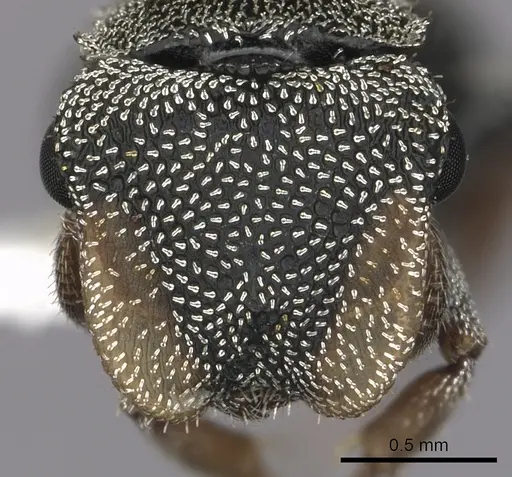
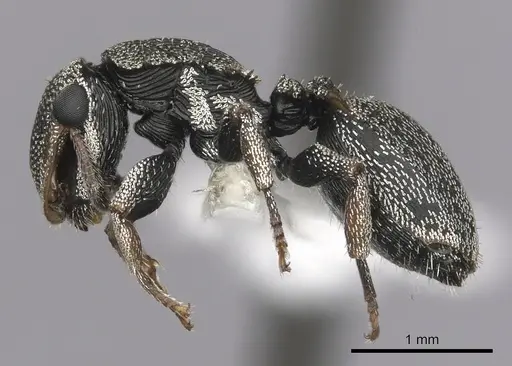
Cephalotes lenca is a small turtle ant species native to Honduras and Nicaragua in the Neotropical region. Workers measure 3.7-4.2mm in total length and have the distinctive broad, flattened head that gives turtle ants their name. They are dark brown with yellowish-orange markings on the frontal carinae, tibiae, tarsomeres, and spines. A notable feature is the pair of yellow oval spots on the first gastral tergite. This species belongs to the texanus clade and was described in 1999,named after the Lenca people of Honduras . Like other Cephalotes species, these ants are arboreal nesters, typically inhabiting hollow twigs, branches, and tree cavities in their natural dry scrub habitat. They are generalist foragers and relatively peaceful toward other colonies. This is a rarely kept species in captivity with limited documented care information.
Quick Summary
- Difficulty: Medium
- Origin & Habitat: Honduras and Nicaragua in the Neotropical region. Found in dry scrub habitat [2]. Type specimen was intercepted on imported Cattleya orchids from Honduras, suggesting they nest in vegetation [2].
- Colony Type: Colony structure is unconfirmed for this species.
- Size & Growth:
- Queen: Size data unavailable, queen measurements have not been described in literature.
- Worker: 3.7-4.2mm [2]
- Colony: Unknown for this species.
- Growth: Moderate, based on typical Cephalotes development patterns.
- Development: Development timeline is unconfirmed for this species. (Specific development data is not available.)
- Antkeeping:
- Temperature: Keep around 24-28°C. They are a Neotropical species adapted to warm conditions.
- Humidity: Moderate humidity around 50-70%. Their dry scrub habitat suggests they tolerate drier conditions than many tropical ants.
- Diapause: Unlikely to require true diapause. As a Neotropical species from Honduras, they may experience reduced activity during cooler months.
- Nesting: Arboreal nesting species. In captivity, they do well in Y-tong (AAC) nests or plaster nests with narrow chambers. Provide small twigs or bamboo sections as founding chambers.
- Behavior: Generally peaceful and non-aggressive. Workers are active foragers but not particularly defensive. They are generalist foragers, collecting nectar, small insects, and honeydew. They are arboreal by nature and will explore upward spaces.
- Common Issues: limited documented care information makes proper husbandry uncertain, arboreal nesting requirements differ from typical ground-nesting ant setups, wild-caught colonies may arrive stressed or with parasites from their native range, dry scrub habitat preferences may conflict with standard humidified nest setups, small colony size at founding makes them vulnerable to stress
Housing and Nest Setup
Cephalotes lenca is an arboreal species that naturally nests in hollow twigs, branches, and tree cavities. In captivity, Y-tong (AAC) nests work well because they provide the dark, enclosed chambers these ants prefer. Plaster nests can also work, but avoid overly humid conditions, remember this species comes from dry scrub habitat. For founding colonies, a small test tube setup with a small twig or bamboo section simulates their natural founding cavities. As the colony grows, provide expanding space but maintain the tight, enclosed chambers they prefer. Avoid large, open formicarium spaces that would stress these cavity-nesting ants. [2]
Feeding and Diet
Like other Cephalotes and Attini species, these ants are generalist foragers. Offer sugar water or honey as an energy source, and protein in the form of small insects. They likely also collect honeydew in nature, so providing sugar sources is important. Feed protein regularly and keep sugar water available constantly. Remove uneaten prey after 24-48 hours to prevent mold. Given their small worker size, prey items should be appropriately sized.
Temperature and Seasonal Care
As a Neotropical species from Honduras and Nicaragua, Cephalotes lenca prefers warm conditions. Maintain temperatures around 24-28°C with a gentle gradient so workers can self-regulate. Room temperature in most homes may be slightly cool, consider a heating cable on one side of the nest if your room runs cold. They likely do not require true hibernation or diapause, though activity may slow during cooler winter months. Avoid temperatures below 20°C for extended periods. Their dry scrub origin suggests they handle drier conditions better than many tropical ants, aim for moderate humidity around 50-70% rather than high humidity. [2]
Colony Development and Growth
This is one of the least documented Cephalotes species in captivity. Based on genus patterns, founding is likely claustral, the queen seals herself in a cavity and raises the first workers alone on stored fat reserves. Initial colony growth will be slow. Patience is essential with this species.
Frequently Asked Questions
How long does it take for Cephalotes lenca to get first workers?
Specific development timeline is unconfirmed for this species. Expect several weeks to a couple months under optimal warm conditions.
What do Cephalotes lenca ants eat?
They are generalist foragers. Offer sugar water or honey constantly for energy, and small protein sources like fruit flies, small crickets, or mealworms regularly. Remove uneaten prey after a day to prevent mold.
Can I keep Cephalotes lenca in a test tube?
Yes, test tubes work for founding colonies. However, since they are arboreal by nature, adding a small twig or bamboo section to the test tube setup mimics their natural nesting preferences better than a plain test tube.
Are Cephalotes lenca good for beginners?
This species is not ideal for complete beginners due to limited documented care information and their specific arboreal nesting requirements.
What temperature do Cephalotes lenca need?
Keep them warm at 24-28°C. A heating cable on part of the nest can help maintain optimal temperatures, especially if your room temperature runs below 24°C.
Do Cephalotes lenca need hibernation?
Probably not. As a Neotropical species from Honduras, they likely do not require true hibernation. They may reduce activity during cooler months but should be kept at room temperature year-round.
How big do Cephalotes lenca colonies get?
Maximum colony size is unconfirmed for this species.
When should I move Cephalotes lenca to a formicarium?
Move to a larger setup once the colony reaches 30-50 workers and the test tube space becomes cramped. Y-tong or plaster nests work well for this arboreal species.
Why are my Cephalotes lenca dying?
Common causes include: too high humidity, temperatures below 20°C, stress from excessive disturbance, or poor nutrition. Review their dry scrub habitat preferences and ensure conditions match.
Report an Issue
The current care sheet is based fully on literature. See inconsistencies, or something that's incorrect? Please , it will be resolved after review from an admin. Contributing to the blogs tab also helps providing information, to make us be able to further improve the caresheets. Thank you for your support!
References

This caresheet is licensed under CC BY-SA 4.0 .
Community Blogs
CASENT0619625
View on AntWeb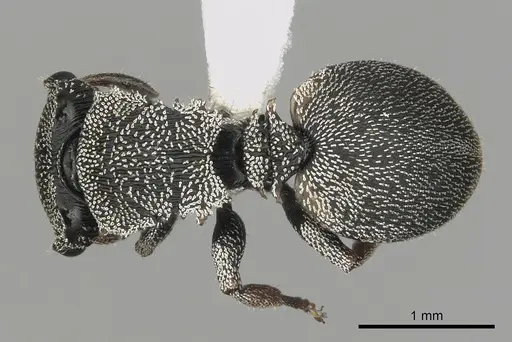
Literature
Loading distribution map...Loading products...