
Cephalotes depressus
- Sci. Name
- Cephalotes depressus
- Tribe
- Attini
- Subfamily
- Myrmicinae
- Author
- Klug, 1824
- Distribution
- Found in 5 countries
Introduction
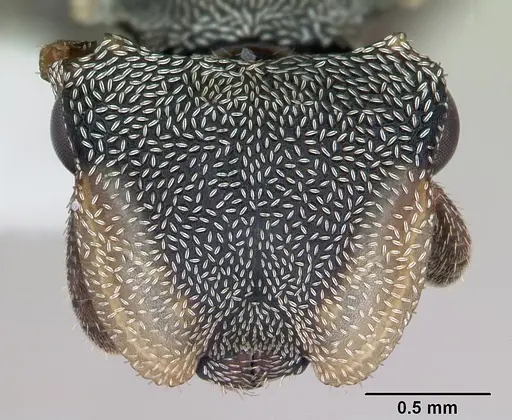
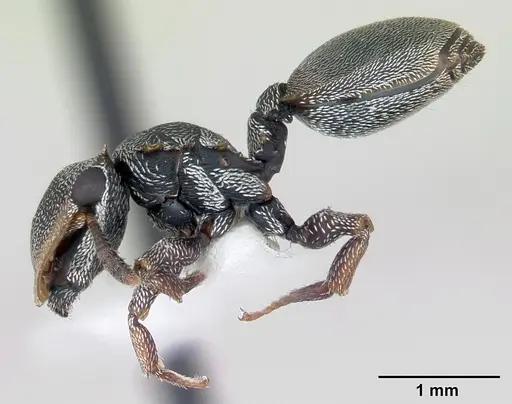
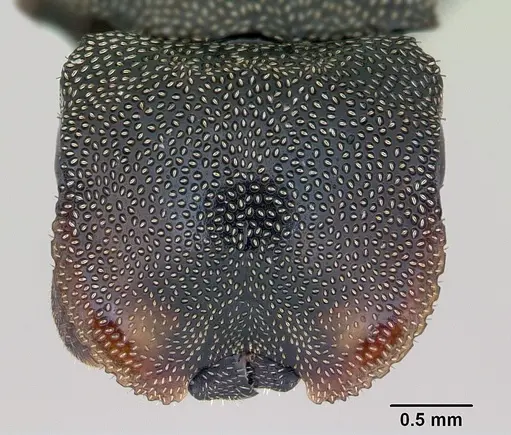
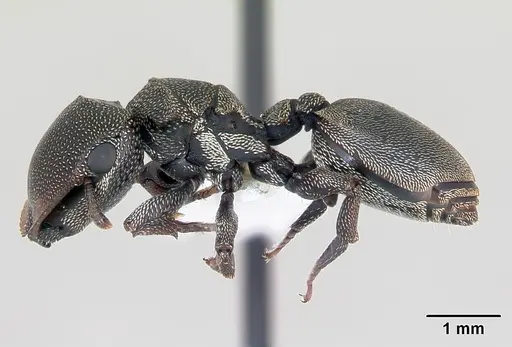
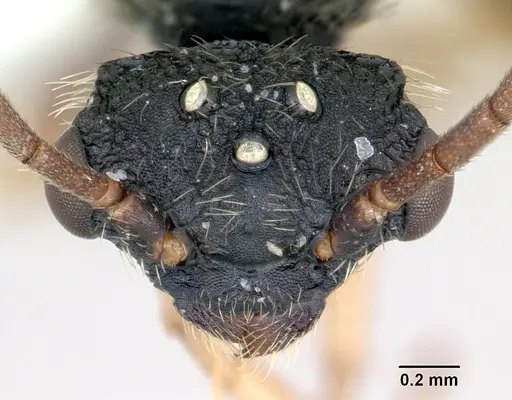
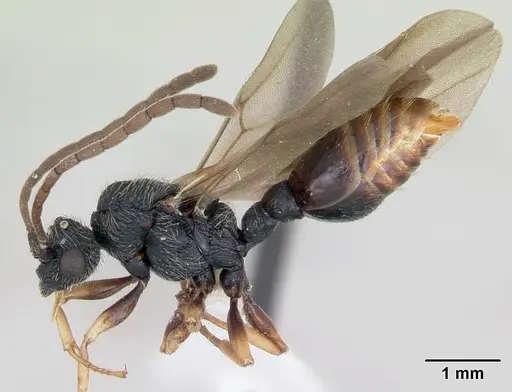
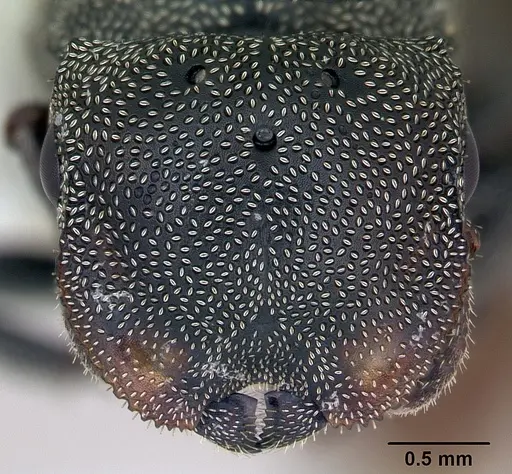
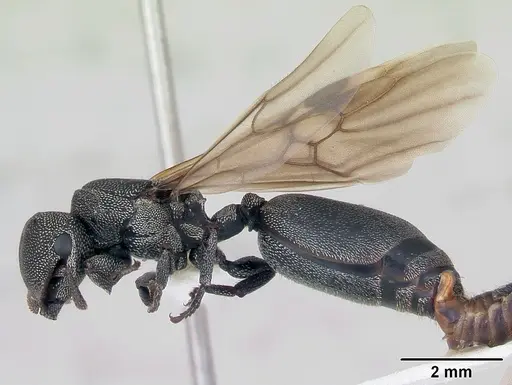
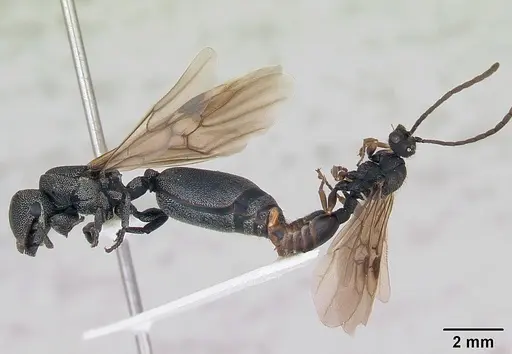
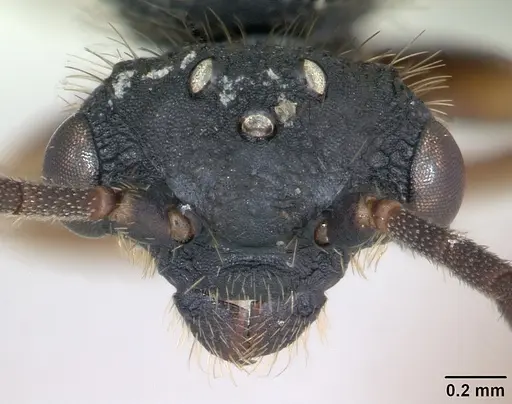
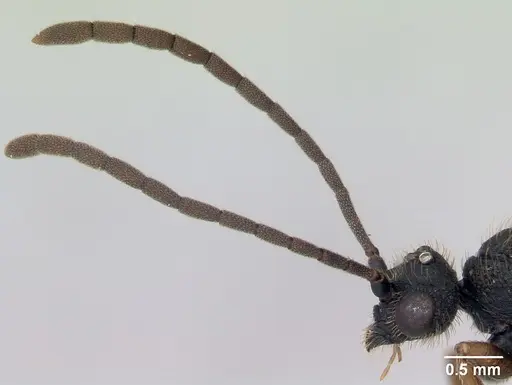
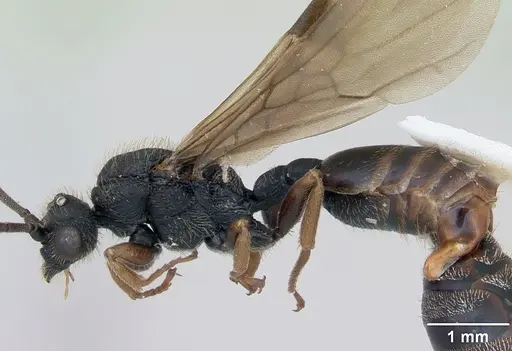
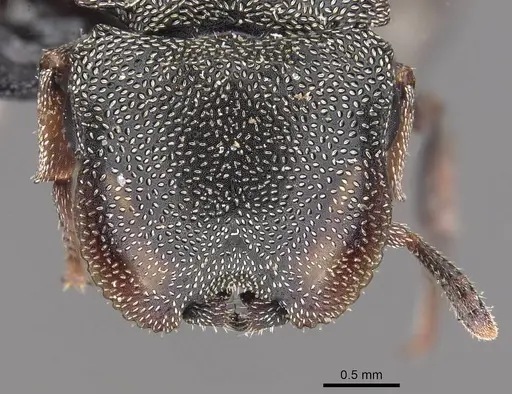
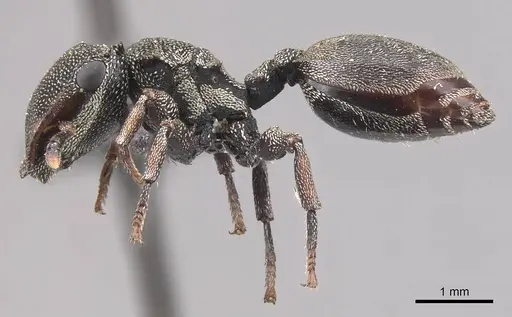
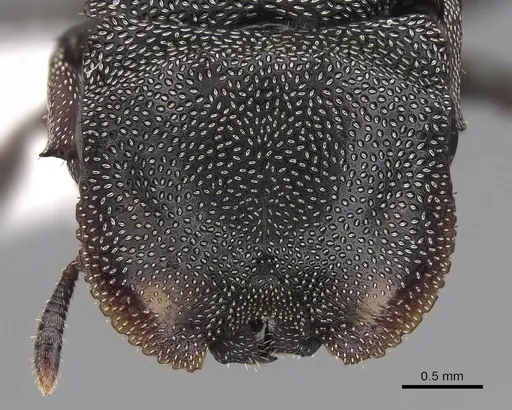
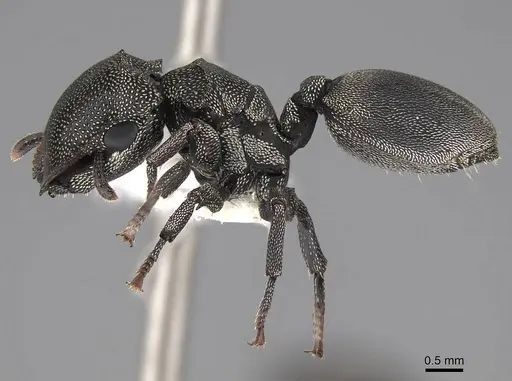
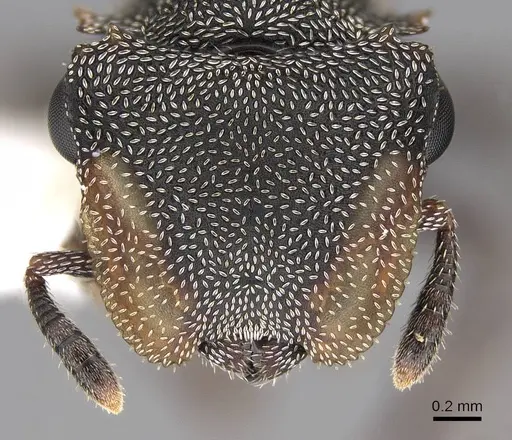
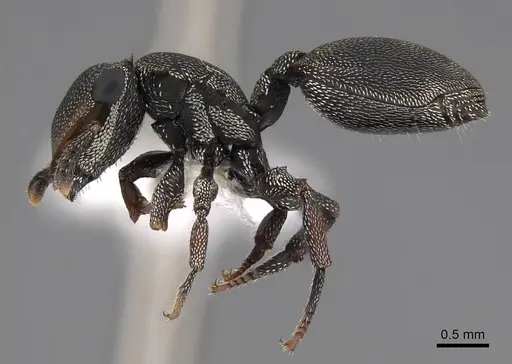
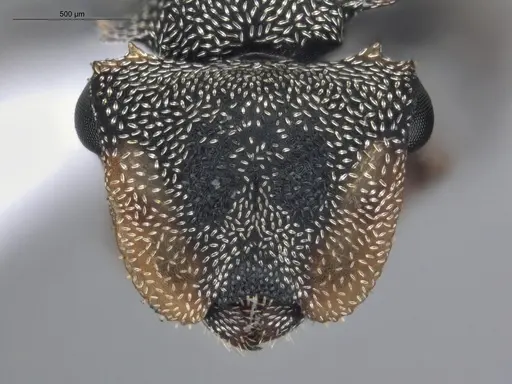
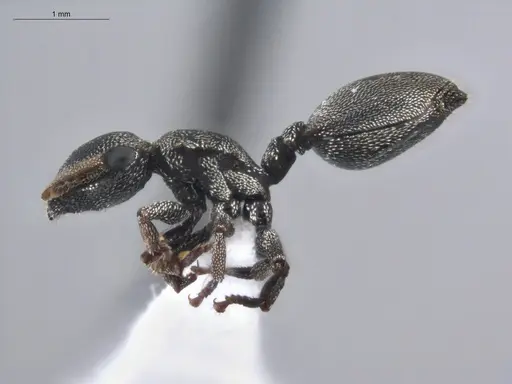
Cephalotes depressus is a Neotropical turtle ant known for its distinctive flattened, shield-like appearance. Workers measure 4.2-5.8mm with a dark black body marked with reddish-brown to ferruginous highlights on the frontal carinae, occipital lobes, and the edges of the gaster. The head is subquadrate, slightly broader than long, and the body has characteristic lateral spines on the thorax and pedicel. This species belongs to the depressus clade within the genus Cephalotes, which are called turtle ants due to their flattened, armored appearance . They are arboreal ants found throughout northern South America, from Venezuela and Guyana down through Brazil, Bolivia, Paraguay, and into northern Argentina, typically living in shrubs and trees in pasture and scrub vegetation . What makes C. depressus particularly interesting is its association with other organisms. These ants are often found nesting in maté plants (Ilex paraguariensis) and are strongly associated with Homoptera (sap-sucking insects like aphids), which provide them with honeydew as a food source . They also show an unusual ecological pattern - they are an indicator species for late-season burning regimes in the Brazilian Cerrado, suggesting they prefer specific environmental conditions that occur after fires . The species has also been documented living in termite mound cavities, particularly in the hypogeal (underground) base, which is unusual for an otherwise arboreal species .
Quick Summary
- Difficulty: Medium
- Origin & Habitat: Neotropical South America, found in Venezuela, Guyana, Ecuador, Brazil, Bolivia, Paraguay, Argentina, and Colombia. They live in shrubs and trees in pasture and scrub vegetation, typically at lower elevations up to around 460m [2][3][7][8].
- Colony Type: Colony structure is unconfirmed for this species. Specific data on queen number is not available in the research literature.
- Size & Growth:
- Queen: 9.52-10.16mm [1]
- Worker: 4.20-5.80mm [1]
- Colony: Colony size data unavailable for this specific species
- Growth: Growth rate is unconfirmed, specific development data is not available
- Development: Development time unconfirmed for this species (Specific development timeline is not documented in available literature.)
- Antkeeping:
- Temperature: Keep at 24-28°C, these are tropical arboreal ants that prefer warm conditions. A temperature gradient allows them to regulate their exposure.
- Humidity: Moderate to high humidity (60-80%). Their arboreal lifestyle means they are accustomed to more humid forest conditions, but avoid waterlogging.
- Diapause: No, as a Neotropical species from tropical and subtropical regions, they do not require hibernation. Keep them at stable warm temperatures year-round.
- Nesting: Arboreal nesters, in captivity they do well in Y-tong (AAC) or plaster nests with narrow chambers. They prefer enclosed spaces that mimic tree hollows. Provide some vertical space since they naturally live in elevated positions. Avoid test tubes as their larger queen and soldier castes need more space.
- Behavior: Generally calm and non-aggressive compared to many Myrmicinae. They are slow-moving ants with a distinctive waddling gait, which is why they are called turtle ants. Workers are moderately sized and can defend themselves with their spiny bodies, but they are not particularly aggressive toward keepers. They are arboreal and prefer to stay in elevated positions within the nest setup. Escape risk is moderate, their larger worker size makes them easier to contain than tiny ants, but they can still climb smooth surfaces. Use standard barrier methods like fluon on test tube rims if used.
- Common Issues: arboreal nature means they may not use ground-level foraging areas, place food at elevated positions in the nest, slow colony growth can frustrate beginners, turtle ants develop more slowly than many common ants like Lasius or Tetramorium, wild-caught colonies may have parasites given their association with various organisms in nature, humidity control is important, too dry and brood will desiccate, too wet and mold becomes a problem, queen is large (10mm) and needs appropriately sized nesting chambers, too small and she may abandon or damage the nest
Housing and Nest Setup
Cephalotes depressus is an arboreal species, so your setup should reflect their natural tree-dwelling lifestyle. These ants do best in Y-tong (AAC), plaster, or similar formicaria with chambers sized appropriately for their larger queen and soldier castes. The chambers should be horizontal and spacious enough for the queen to move around, avoid cramped test tubes for established colonies. Because they naturally live in elevated positions in trees and shrubs, consider placing the nest in a way that allows them to stay above ground level. A naturalistic setup with cork or wood pieces works well since it mimics their natural hollow twig and tree cavity habitat. Ensure the outworld (foraging area) is connected to the nest in a way that allows easy access, these ants are not strong climbers on smooth surfaces, so provide textured paths or ramps. [2][4]
Feeding and Diet
In the wild, C. depressus primarily feeds on honeydew collected from Homoptera (aphids, scale insects, and similar sap-sucking insects) they tend and protect [4]. They also consume small insects and other protein sources. In captivity, offer a varied diet: sugar water or honey as an energy source (they will readily accept these), and protein sources like small crickets, mealworms, or other appropriately sized insects. Feed protein 2-3 times per week, and keep a constant sugar source available. Because they are arboreal and often forage in elevated positions in nature, place food at higher positions in the setup rather than on the ground. Remove uneaten protein after 24-48 hours to prevent mold. Their association with Homoptera in the wild suggests they have a strong sugar-seeking behavior, so sweet liquids should always be available once the colony is established.
Temperature and Climate Control
As a Neotropical species from tropical and subtropical regions of South America, C. depressus requires warm temperatures year-round. Maintain the nest area at 24-28°C (75-82°F) for optimal brood development. They do not enter diapause or hibernation, their native climate is warm year-round. Use a heating cable or heating mat on one side of the nest to create a gentle temperature gradient, allowing the colony to self-regulate by moving between warmer and cooler areas. Place the heating element on top of the nest rather than underneath to avoid drying out the nest material through evaporation. Room temperature may be sufficient if your home stays in the mid-70s°F range, but monitor colony activity, if workers seem sluggish or cluster together tightly, consider adding gentle heat. Avoid temperature drops below 20°C as this can slow or stop brood development. [3][7]
Humidity and Moisture
Cephalotes depressus comes from humid Neotropical environments, so aim for 60-80% humidity in the nest. Their arboreal lifestyle means they are accustomed to more humid conditions than ground-nesting ants. Keep the nest substrate or water reservoir moist but never waterlogged, the goal is damp, not soaking wet. Monitor condensation levels in acrylic nests as a guide. In naturalistic setups with soil or cork, check that the substrate holds moisture without becoming muddy. The species has been found in various habitats from humid forest edges to drier scrub vegetation, suggesting some tolerance, but consistently dry conditions will cause brood loss. Provide a water tube or moisture reservoir connected to the nest so workers can drink and maintain humidity through their activities. [2]
Colony Development and Growth
Cephalotes species are known for their relatively slow development compared to many common ant species. The first workers, called nanitics, are typically smaller than normal workers but will quickly be replaced by larger workers as the colony grows. The colony will develop through distinct castes, workers, soldiers (major workers with enlarged heads), and eventually winged reproductives. Soldiers are a natural part of Cephalotes colonies and serve for defense. The colony will grow gradually over months and years, not rapidly like some faster-developing species. Patience is key with this genus. [1][3]
Behavior and Defense
Cephalotes depressus has a calm temperament compared to many Myrmicinae ants. They are not particularly aggressive and rely on their armored, spiny bodies for defense. Their distinctive slow, waddling movement is characteristic of turtle ants. When threatened, they may use their spiny protrusions on the thorax and gaster to wedge themselves into crevices or push against attackers. They possess a stinger but it is less medically significant to humans than fire ant stings. The soldiers (majors) have enlarged heads and can block nest entrances with their shield-like heads, this is their primary defensive strategy. They are not escape artists in the traditional sense, but their spiny bodies can help them grip surfaces. Standard barrier methods work well for containment.
Frequently Asked Questions
How long does it take for Cephalotes depressus to have first workers?
Specific development time is unconfirmed for this species. Turtle ants generally develop slower than common ants like Lasius or Tetramorium, so expect several months rather than weeks.
Can I keep Cephalotes depressus in a test tube?
Test tubes are not ideal for established colonies. The queen is large (around 10mm) and the soldiers need space. Use a Y-tong or plaster nest setup with appropriately sized chambers.
What do Cephalotes depressus eat?
They primarily eat honeydew in the wild (from Homoptera they tend) plus small insects. In captivity, offer sugar water or honey constantly, and protein like small crickets or mealworms 2-3 times per week.
Do they need hibernation or diapause?
No. As a Neotropical species from tropical/subtropical South America, they do not require hibernation. Keep them warm year-round at 24-28°C.
Are Cephalotes depressus good for beginners?
They are rated as medium difficulty. They require more patience than beginner species due to slower growth, and need specific arboreal-style housing. Not the best choice for a first ant but manageable for those with some experience.
How big do Cephalotes depressus colonies get?
Colony size is not well documented for this specific species. Cephalotes colonies can reach several hundred workers over several years.
Why are my ants not using the ground-level outworld?
This is normal, they are arboreal ants that naturally live in elevated positions. Place food at higher positions in the setup and ensure there are textured paths or ramps for them to climb.
Can I keep multiple queens together?
Not recommended. Colony structure data is not available for this species, but combining unrelated queens would likely result in fighting.
What temperature should I keep them at?
Keep the nest at 24-28°C (75-82°F). They are tropical ants that need consistent warmth year-round.
Report an Issue
The current care sheet is based fully on literature. See inconsistencies, or something that's incorrect? Please , it will be resolved after review from an admin. Contributing to the blogs tab also helps providing information, to make us be able to further improve the caresheets. Thank you for your support!
References

This caresheet is licensed under CC BY-SA 4.0 .
Community Blogs
CASENT0173671
View on AntWeb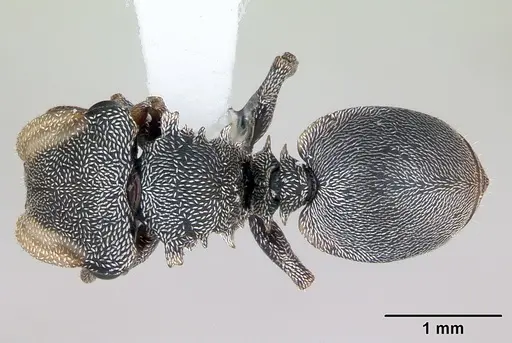
CASENT0173672
View on AntWeb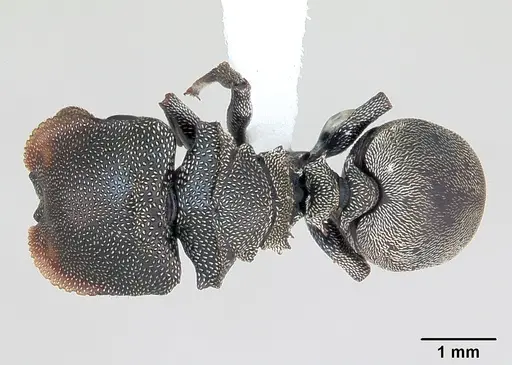
CASENT0173673
View on AntWeb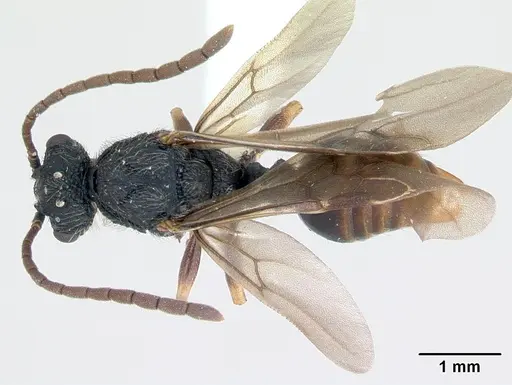
CASENT0173674
View on AntWeb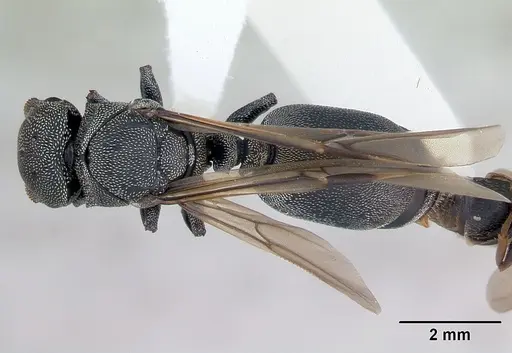
CASENT0173675
View on AntWeb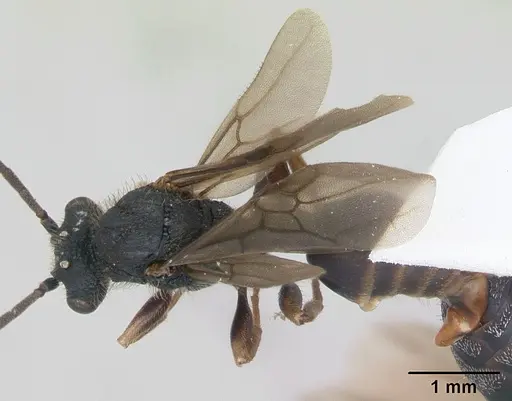
CASENT0909272
View on AntWeb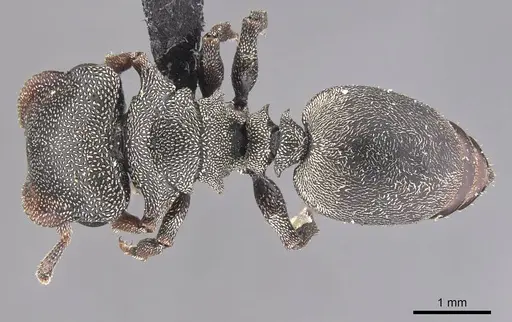
CASENT0922600
View on AntWeb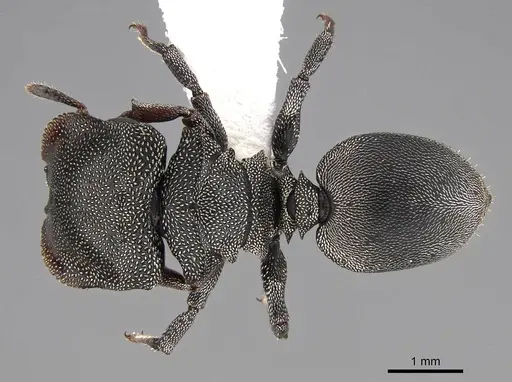
CASENT0922601
View on AntWeb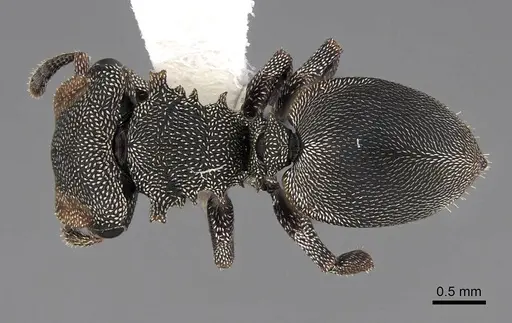
ECOFOG-BUG-1283-05
View on AntWeb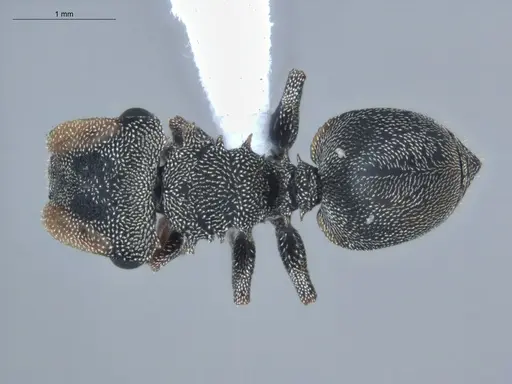
Literature
Loading distribution map...Loading products...