
Centromyrmex sellaris
- Sci. Name
- Centromyrmex sellaris
- Tribe
- Ponerini
- Subfamily
- Ponerinae
- Author
- Mayr, 1896
- Distribution
- Found in 9 countries
Introduction
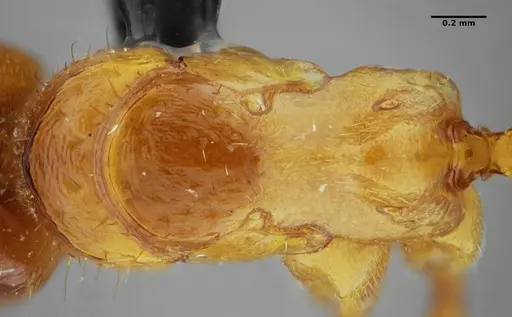
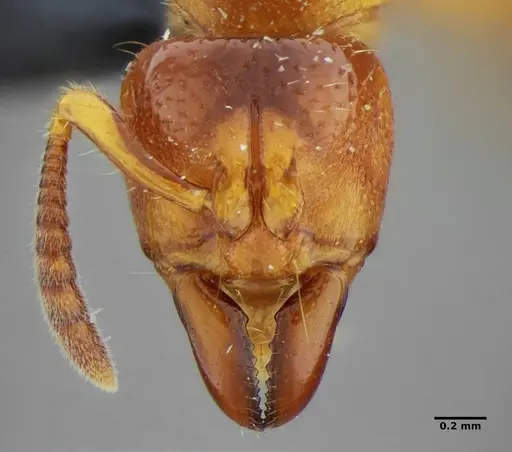
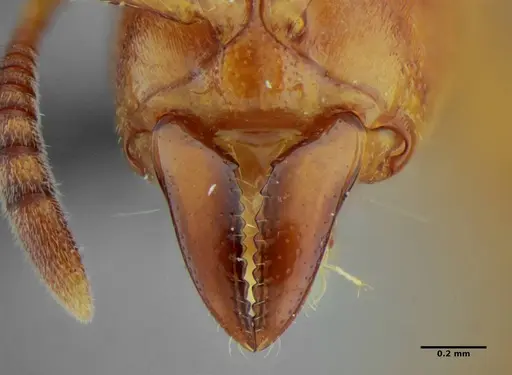
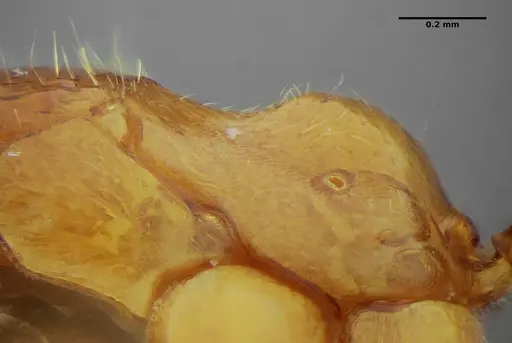
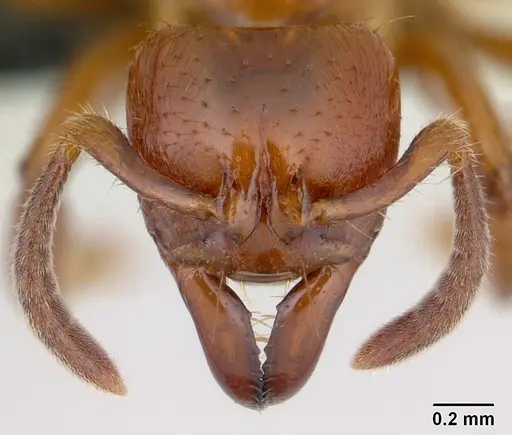
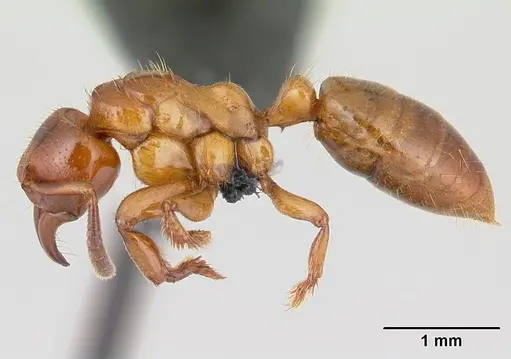
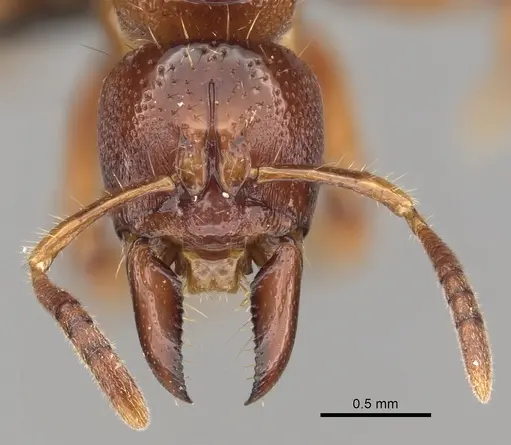
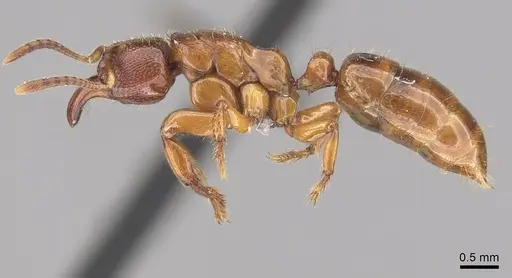
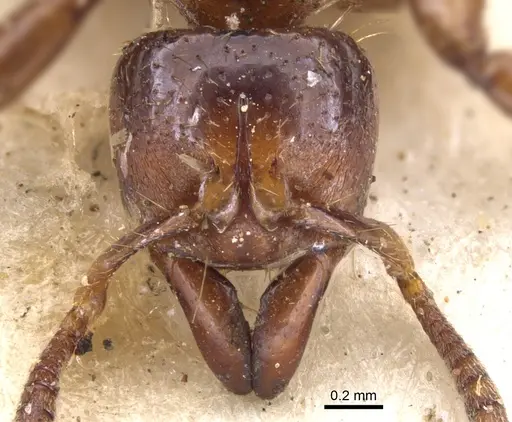
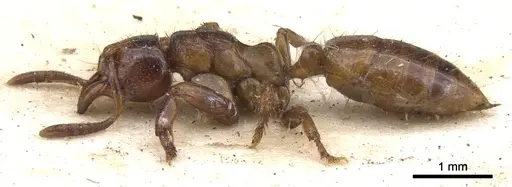
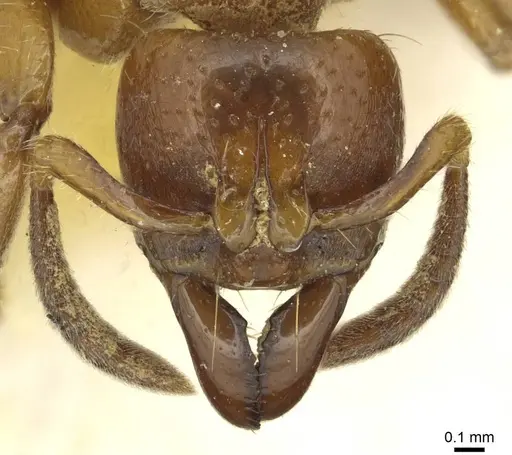
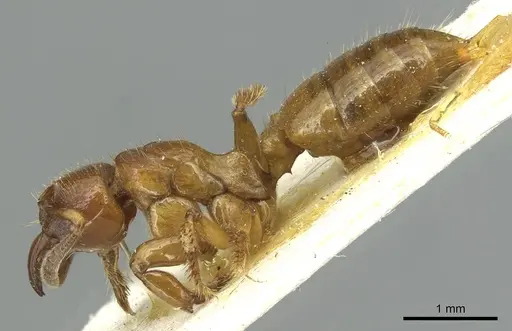
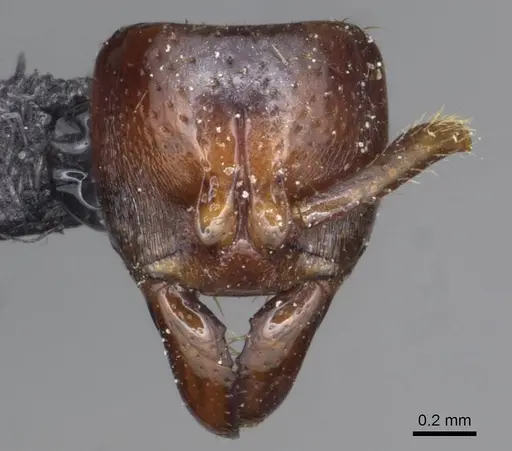
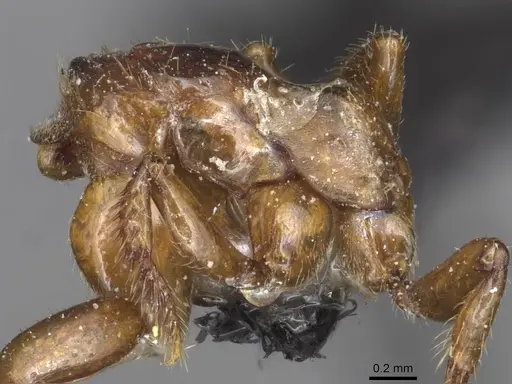
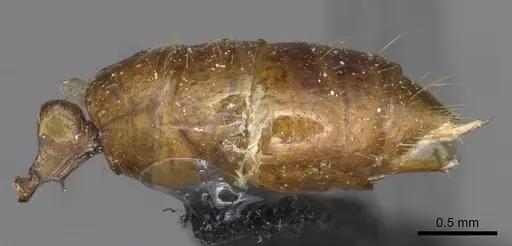
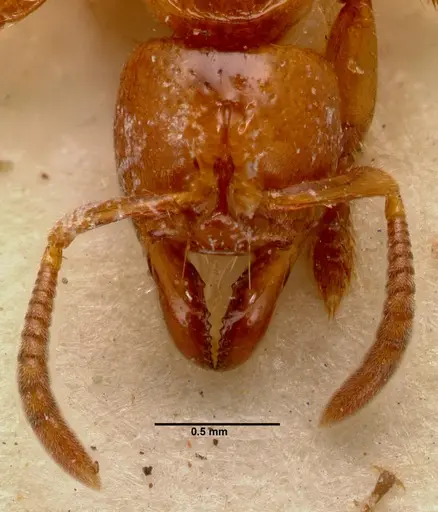
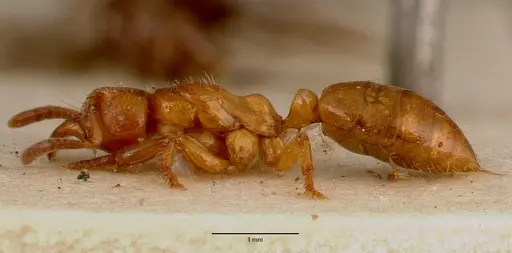
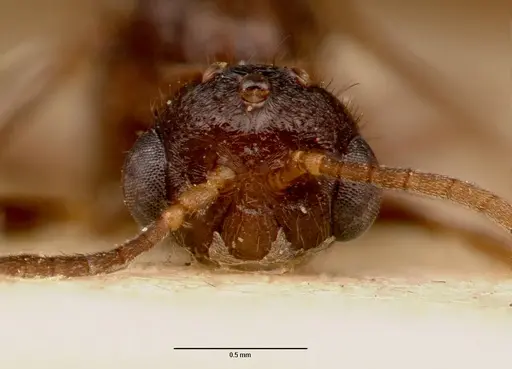
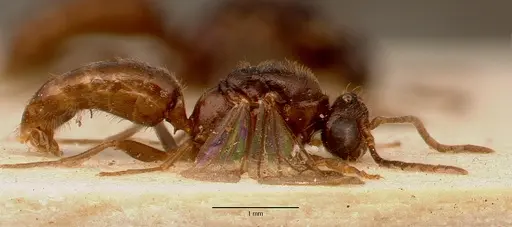
Centromyrmex sellaris is a medium-sized African ponerine ant known for its specialized termite-hunting lifestyle. Workers measure 4.8-6.1 mm and queens reach 6.9 mm, with a distinctive yellow to light brown coloration . Their most striking feature is extreme specialization: workers are blind, and their legs are modified with stout, spine-like bristles that help them dig through hard termite mounds . The head is notably broader than long, and they have two stout spines on the front of the hind tibia near the tip . This species is the most widely distributed member of the feae species group across sub-Saharan Africa, found from Cameroon and Kenya to Zimbabwe . They are obligate termite predators - they only hunt and feed on termites, not general protein sources .
Quick Summary
- Difficulty: Expert
- Origin & Habitat: Tropical and subtropical Africa, from lowland forests to savanna regions. In the wild, they nest exclusively inside active termite mounds of the genus Odontotermes, living in close proximity to their prey [1][3]. Found at elevations around 110 m in Gabon forest zones [4].
- Colony Type: Likely monogyne (single queen) based on typical Ponerinae patterns, though colony structure is not directly documented. Workers are blind, indicating a highly specialized underground (hypogaeic) lifestyle [2].
- Size & Growth:
- Queen: 6.9 mm [1]
- Worker: 4.8-6.1 mm [1]
- Colony: Unknown, likely small, up to a few hundred workers at most, based on their specialized predator lifestyle.
- Growth: Unknown, likely slow due to specialized diet requirements.
- Development: Unknown, no direct data. Based on typical Ponerinae patterns in tropical species, estimate 6-10 weeks at optimal temperature. (No specific development studies exist for this species. Related Ponerines typically take 6-12 weeks from egg to worker at warm temperatures.)
- Antkeeping:
- Temperature: Keep warm, around 24-28°C. As a tropical African species from termite mounds, they need consistently warm conditions without temperature drops. A heating cable on one side of the nest creates a gradient [2].
- Humidity: High humidity is essential, they naturally live inside termite mounds which maintain humid, stable conditions. Keep the nest substrate consistently moist but not waterlogged. The substrate should feel damp to the touch, with some slightly drier areas available for the ants to regulate their position.
- Diapause: No, as a tropical species from Africa, they do not require hibernation. Keep them at warm temperatures year-round.
- Nesting: Y-tong (AAC) nests or plaster/naturalistic setups work well. They prefer dark, enclosed spaces and will not use exposed outworlds much. Provide a soil-filled chamber or substrate that allows them to dig and maintain humidity. The nest should mimic the humid, enclosed environment of a termite mound.
- Behavior: Extremely specialized termite predators with blind workers, they rely on vibrations and chemical cues rather than vision [2]. They are not aggressive toward keepers but their specialized diet makes them challenging to keep. Workers are likely poor climbers and unlikely to escape aggressively, but their small size (under 6 mm) means standard escape prevention measures should still be used. They are hypogaeic, meaning they spend almost all their time underground in the nest chambers.
- Common Issues: specialized diet, they require termites and will not accept standard ant prey like mealworms or crickets, high humidity needs, drying out quickly kills colonies, blind workers mean they are easily stressed by light and disturbance, slow growth and low colony sizes make them vulnerable to losses, difficulty obtaining regular termite food supply in captivity
Feeding and Diet - The Critical Challenge
This is the most challenging aspect of keeping Centromyrmex sellaris. They are obligate termite predators, meaning they only eat termites [2]. In the wild, they raid termite mounds and have evolved specialized morphology (blind workers, digging legs) to infiltrate and hunt inside termite galleries. In captivity, you must provide a regular supply of live termites. Termite workers (not alates) are the ideal food. You can collect termites from decaying wood or purchase them from some reptile suppliers. Other small live prey is unlikely to be accepted, this species has evolved specifically for termite hunting and shows no flexibility in diet. Do not rely on sugar water, honey, or standard insect prey. Feeding frequency depends on colony size, but plan to provide termites every few days for established colonies.
Housing and Nest Setup
Centromyrmex sellaris requires a humid, dark, enclosed nest environment that mimics the interior of a termite mound. Y-tong (AAC) nests or plaster formicaria work well because they hold humidity. The nest chambers should be relatively small and enclosed, these ants are adapted to tight underground spaces. Provide a small outworld for feeding, but expect minimal activity outside the nest. A naturalistic setup with a soil-filled chamber allows for more natural digging behavior and better humidity control. Keep the entire setup in a dark location or use a nest box to block light, blind workers are stressed by bright conditions. The nest material should retain moisture well without becoming waterlogged. [1][3][2]
Temperature and Humidity Requirements
As a tropical African species, Centromyrmex sellaris needs warm, stable temperatures around 24-28°C. Avoid any temperature drops below room temperature. A heating cable placed on part of the nest creates a gradient allowing ants to thermoregulate. Place the heating on top of the nest to avoid drying out the substrate. Humidity is critical, these ants naturally live inside termite mounds which maintain very high, stable humidity. Keep the nest substrate consistently moist. Check moisture levels daily and rehydrate as needed rather than on a fixed schedule. Poor humidity quickly leads to colony death. Do not confuse the high humidity they need with ventilation, they need both adequate ventilation to prevent mold and high humidity, but avoid strong airflow that dries the nest. [2]
Understanding Their Specialized Biology
Centromyrmex sellaris represents an extreme example of specialization in the ant world. Their workers are blind, they have reduced eyes and navigate using vibrations and chemical signals [2]. Their legs are modified with stout, spine-like setae (bristles) that help them dig through hard termite mound material [2]. This specialization means they are poorly adapted to any lifestyle other than raiding termite colonies. The species is found across much of sub-Saharan Africa, making it the most widespread member of its species group [1][3]. They are collected from Odontotermes termitaries, the genus of their preferred termite prey [1]. This specialization explains why they are rarely kept and considered an expert-level species. Understanding their unique biology helps keepers appreciate why standard ant-keeping approaches fail with this species.
Colony Founding and Growth
No direct observations of colony founding exist for this species. Like most Ponerinae, the queen likely seals herself in a chamber and raises the first brood alone (claustral founding), living on stored fat reserves until the first workers emerge. However, this is an inference from related species, not documented behavior. Colony growth is likely slow, specialized predators typically maintain smaller colonies than generalist species. Expect a colony to remain small (under 100 workers) for the first year or two. The queen measures 6.9 mm and workers are 4.8-6.1 mm [1]. Given their specialized diet requirements, colonies are vulnerable during the founding stage when the queen cannot forage. Ensure the founding chamber remains humid and undisturbed.
Frequently Asked Questions
Can I keep Centromyrmex sellaris in a test tube?
A test tube is not ideal for this species. They need high humidity, which test tubes provide well, but they also need a dark, enclosed space and a substrate they can potentially dig through. A Y-tong nest or plaster formicarium with a small soil chamber works better. If using a test tube setup, use a small container with damp soil as a founding setup and be prepared to move them to a proper nest once the colony grows.
What do Centromyrmex sellaris eat?
They eat ONLY termites, they are obligate termite predators [2]. You must provide regular supplies of live termite workers. Standard ant prey like mealworms, fruit flies, or crickets will not be accepted. This makes them one of the most difficult ants to feed. Termite alates (winged termites) can be offered during nuptial flight seasons, but the primary food should be termite workers. Establish a reliable termite food source before acquiring this species.
How long until first workers with Centromyrmex sellaris?
The exact development time is unknown, no specific studies exist. Based on typical Ponerinae development at warm tropical temperatures (around 26°C), expect approximately 6-10 weeks from egg to first worker. Growth is likely slow, and colonies will remain small for the first year. Patience is essential with this species.
Are Centromyrmex sellaris good for beginners?
No, this is an expert-level species. Their obligate termite diet makes them one of the most difficult ants to keep. They require a constant supply of live termites, very high humidity, warm temperatures, and a dark environment. Most antkeepers cannot reliably provide termite prey. Only experienced keepers with a proven termite food source should attempt this species.
Do Centromyrmex sellaris need hibernation?
No, as a tropical African species from termite mounds, they do not require hibernation. Keep them warm year-round at 24-28°C. Temperature drops below room temperature can be harmful. They are adapted to consistent tropical conditions and do not experience cold winters in their natural habitat.
How big do Centromyrmex sellaris colonies get?
Colony size is not well documented, but based on their specialized predator lifestyle, colonies likely remain small, probably a few hundred workers at most. Unlike generalist ants that can grow to thousands of workers, specialized termite predators maintain smaller colonies. This is typical of Ponerine ants that invest more in individual workers rather than swarm numbers.
Why are my Centromyrmex sellaris dying?
The most common causes are: drying out (they need constant high humidity), lack of termites (they will starve rather than eat other prey), temperature too cold (they need 24-28°C), and stress from light disturbance (blind workers are sensitive to light). Check each of these factors immediately. Also ensure the nest has not flooded, while they need humidity, standing water kills them.
Can I keep multiple queens together?
This has not been documented in scientific literature. Based on typical Ponerinae behavior, single-queen colonies are most likely. Do not attempt combining unrelated queens, there is no evidence this species can found colonies pleometrotically (multiple queens together), and doing so would likely result in fighting.
When should I move Centromyrmex sellaris to a formicarium?
Move them when the colony outgrows the founding setup, typically when you notice the test tube or small setup becomes difficult to maintain humidity, or when the colony outgrows the feeding area. A Y-tong or plaster nest with a small outworld is ideal for their first formicarium.
Report an Issue
The current care sheet is based fully on literature. See inconsistencies, or something that's incorrect? Please , it will be resolved after review from an admin. Contributing to the blogs tab also helps providing information, to make us be able to further improve the caresheets. Thank you for your support!
References

This caresheet is licensed under CC BY-SA 4.0 .
Community Blogs
ANTWEB1032756
View on AntWeb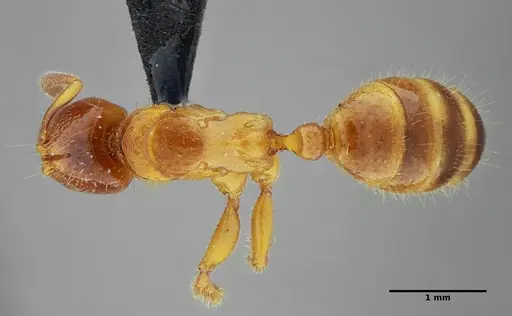
CASENT0066705
View on AntWeb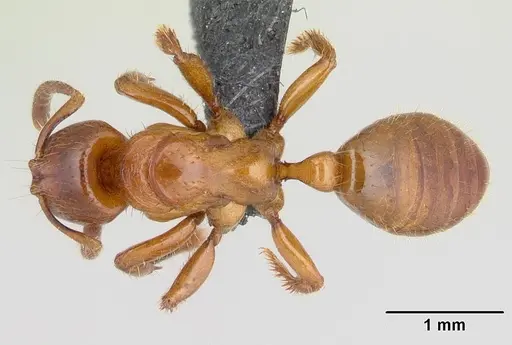
CASENT0235433
View on AntWeb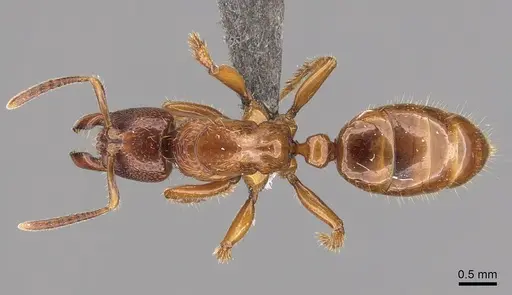
CASENT0817997
View on AntWeb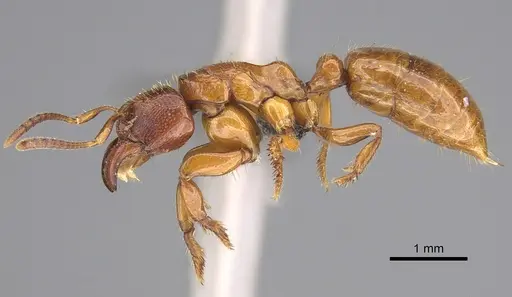
CASENT0902463
View on AntWeb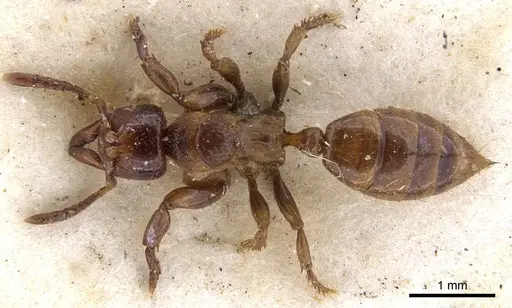
CASENT0913728
View on AntWeb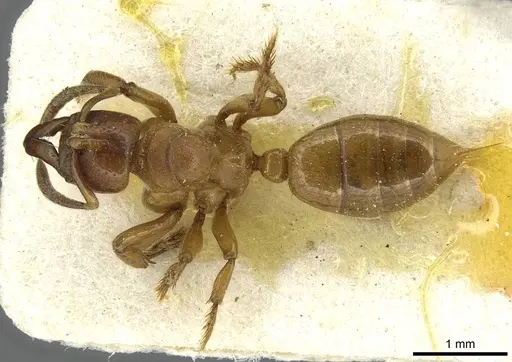
CASENT0915169
View on AntWeb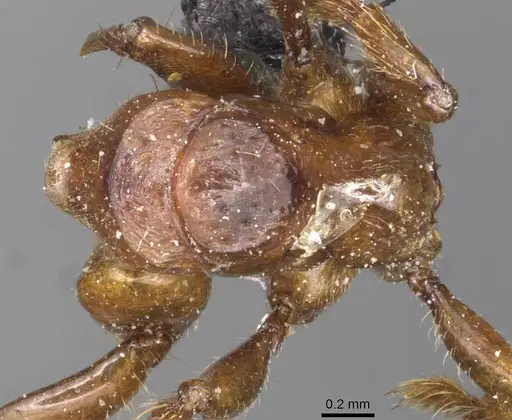
SAM-ENT-0011511A
View on AntWeb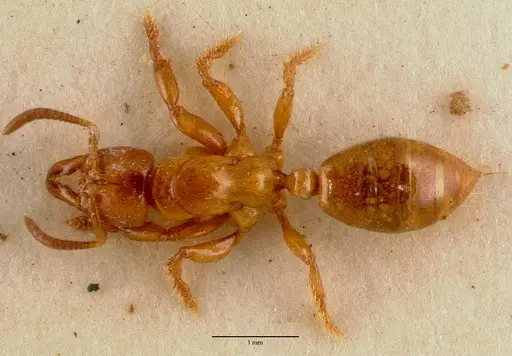
SAM-ENT-0011511B
View on AntWeb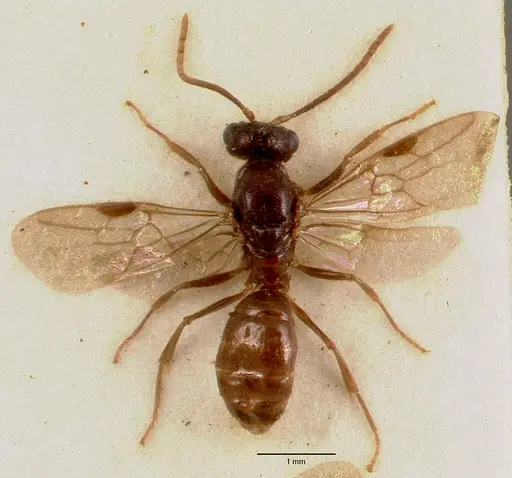
Literature
Loading distribution map...Loading products...