
Centromyrmex bequaerti
- Sci. Name
- Centromyrmex bequaerti
- Tribe
- Ponerini
- Subfamily
- Ponerinae
- Author
- Forel, 1913
- Distribution
- Found in 6 countries
Introduction
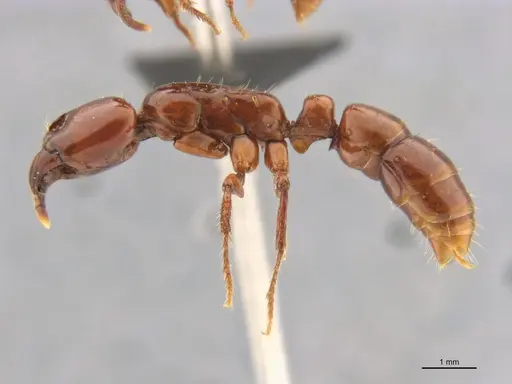
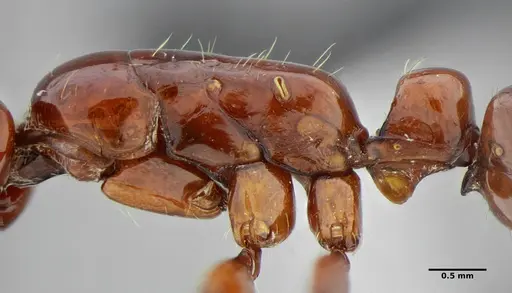
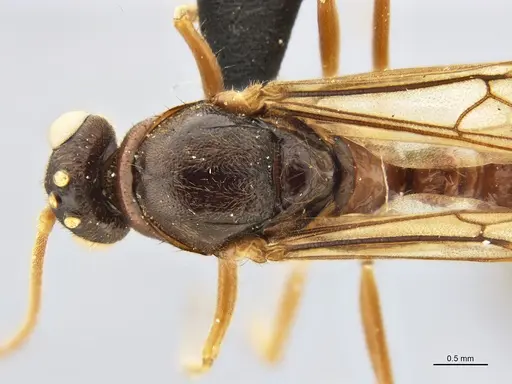
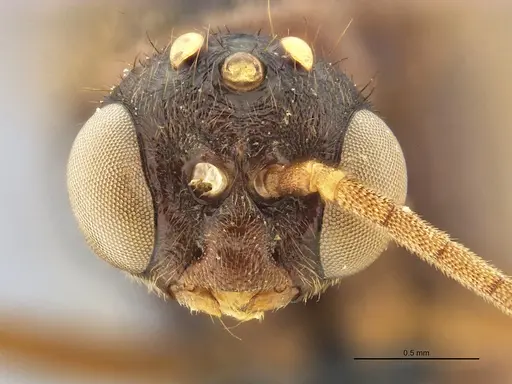
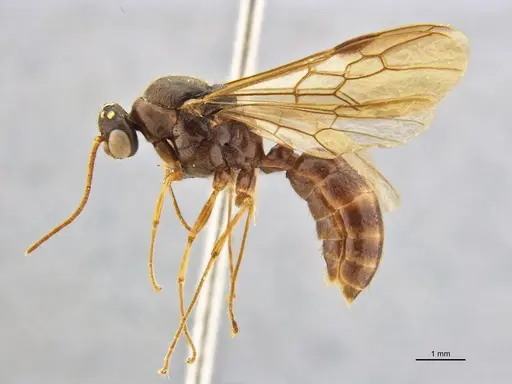
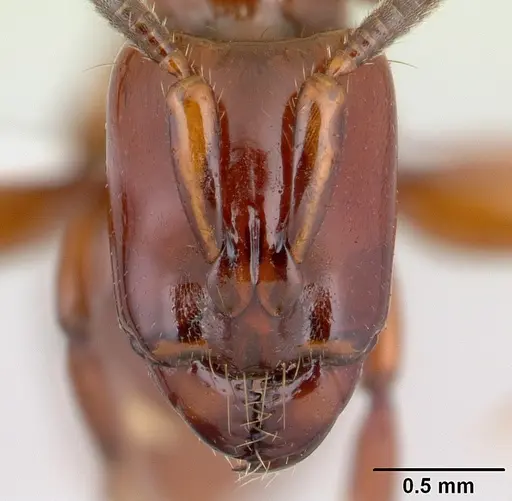
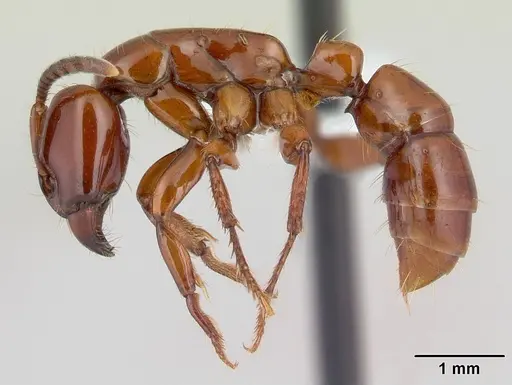
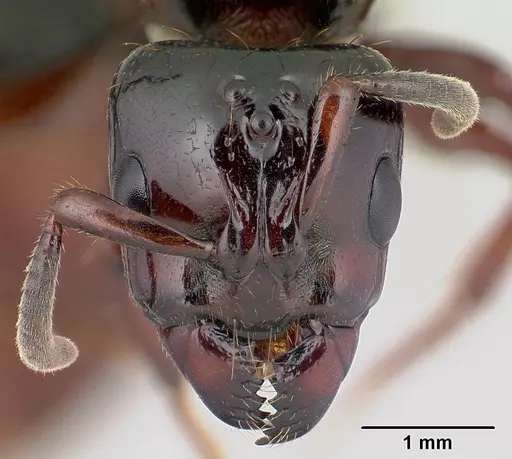
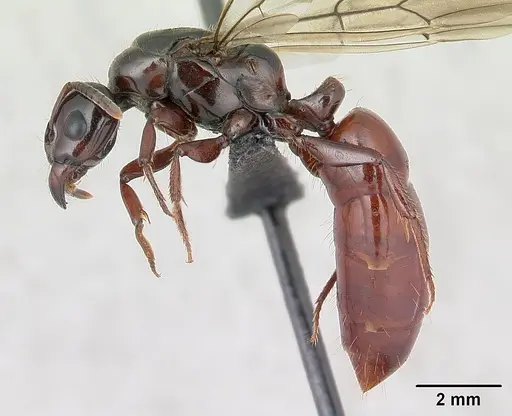
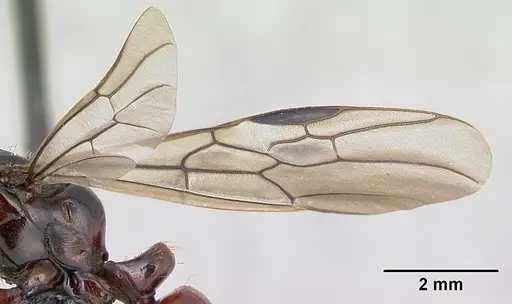
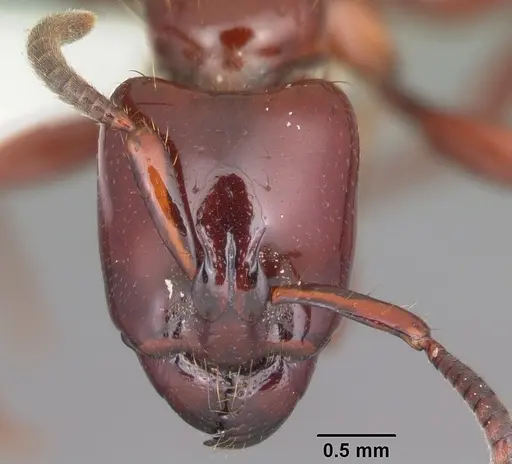
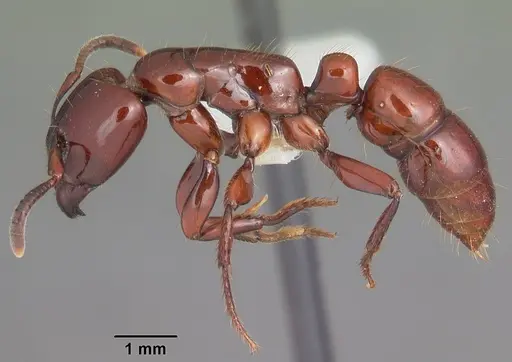
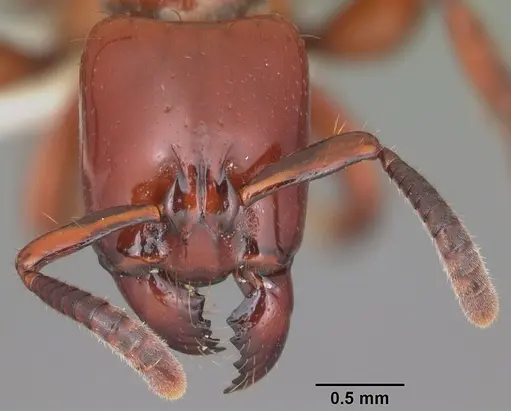
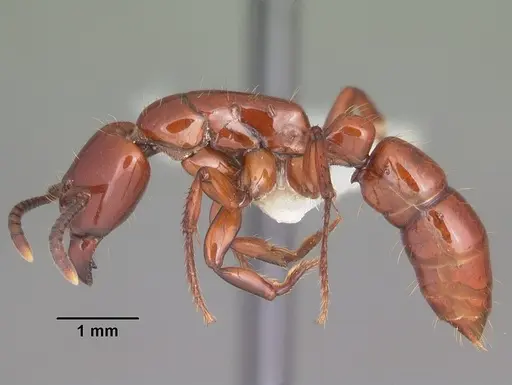
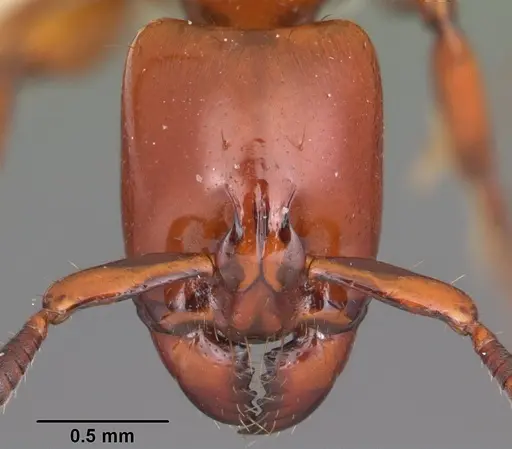
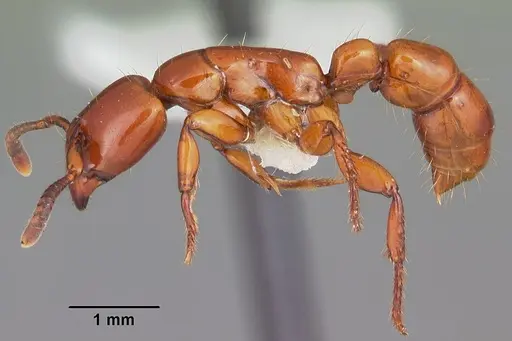
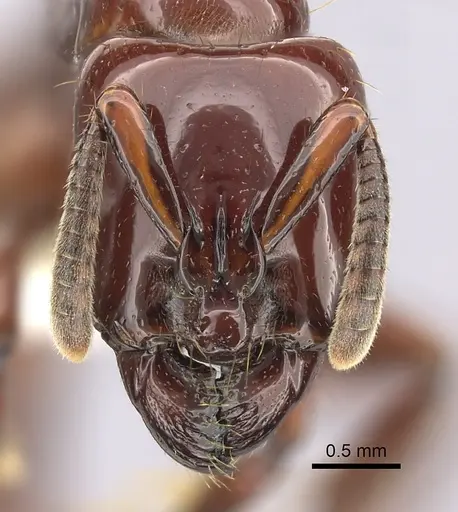
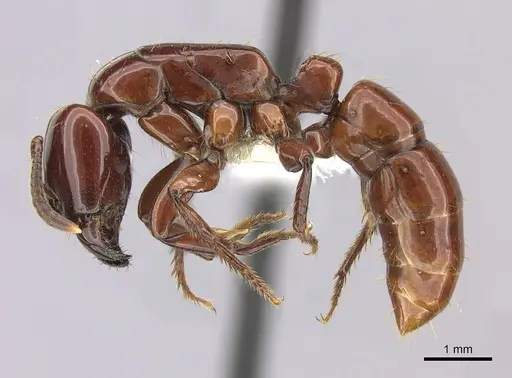
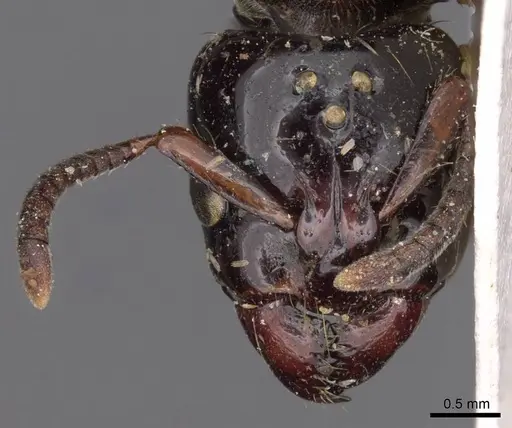
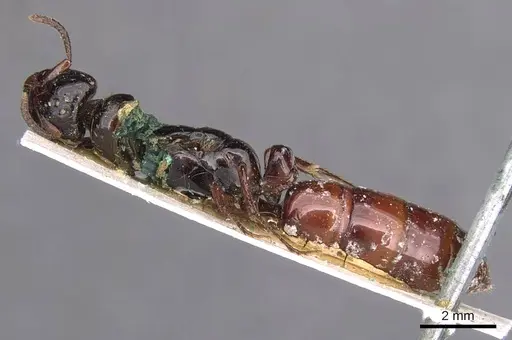
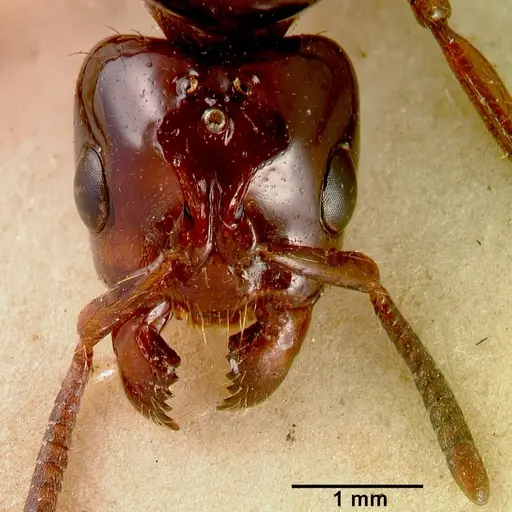
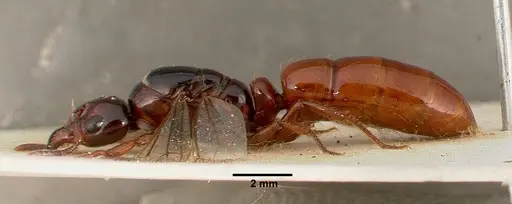
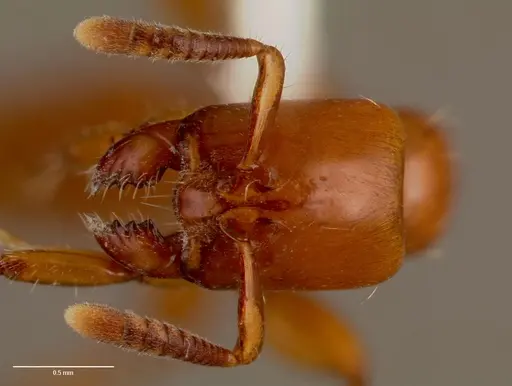
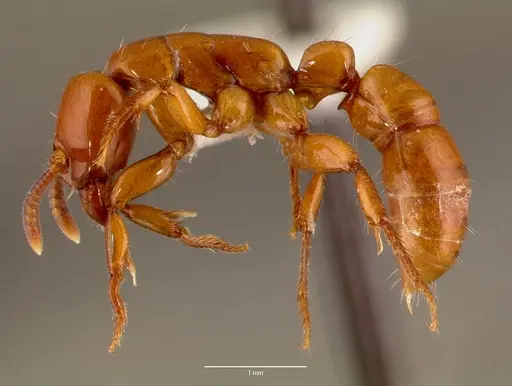
Centromyrmex bequaerti is a large, polymorphic ponerine ant native to tropical Africa. Workers measure 4.7-10.3mm and are highly polymorphic - major workers can be more than twice the size of minors . Queens are impressively large at 14.0-15.6mm, making them significantly bigger than workers, which is unusual for Ponerinae ants where queens and workers are typically similar in size . The workers are completely blind, with no eyes, an adaptation to living inside dark termite nests . Their coloration ranges from yellow to deep dull red, with smaller workers typically being lighter . This species is an obligate predator of termites, specializing in hunting Termitinae and Macrotermitinae species . Colonies live directly inside termite nests (termitaries), with each queen occupying her own chamber accompanied by a group of workers . The colony is polygynous, meaning multiple queens coexist in the same nest but live in separate chambers - this is called oligogyny . Workers use specialized hunting techniques - they paralyze termites and create temporary stockpiles before transporting prey back to the nest . Media workers do most of the hunting while major workers guard the nest entrances .
Quick Summary
- Difficulty: Expert
- Origin & Habitat: Tropical Africa, found in Angola, Cameroon, Central African Republic, Democratic Republic of Congo, Gabon, Malawi, Zambia, and Zimbabwe [1]. Lives in termite nests (termitaries) in humid forest environments, also occasionally found in rotten logs and leaf litter [1].
- Colony Type: Polygynous (multiple queens), each queen lives in a separate chamber within the host termitary, accompanied by workers [1]. Multiple queens coexist but are mutually isolated in different chambers, this is oligogyny [3].
- Size & Growth:
- Queen: 14.0-15.6 mm [1]
- Worker: 4.7-10.3 mm (polymorphic, major and minor workers) [1]
- Colony: Relatively large colonies, exact size data unavailable but colonies are described as large [3]
- Growth: Moderate, estimated based on Ponerine development patterns
- Development: 8-12 weeks (estimated based on typical Ponerine development at 24-26°C) (Development time is estimated, no direct studies on this species exist.)
- Antkeeping:
- Temperature: Keep at 24-28°C, these are tropical ants requiring warm, stable conditions. A heating cable on one side of the nest creates a gentle gradient.
- Humidity: High humidity, they naturally live inside termite nests which maintain stable humid conditions. Keep the nest substrate consistently moist but not waterlogged.
- Diapause: No, as a tropical species, they do not require hibernation. Maintain warm conditions year-round.
- Nesting: These ants live inside termite nests in the wild. In captivity, a naturalistic setup with soil and hiding structures like cork bark or PVC tubes works well. They prefer dark, enclosed spaces. A Y-tong or plaster nest with a foraging area also works, ensure darkness in the nest chamber.
- Behavior: Workers are blind and navigate using chemical trails. They are aggressive termite hunters with a powerful sting. All workers can hunt, but media workers do most of the hunting while major workers guard nest entrances [3]. They use group recruitment to coordinate attacks on termite colonies [5]. Workers will paralyze termites and create temporary food stockpiles before returning to the nest [4]. Escape risk is moderate, use standard barriers. They are not aggressive toward humans but can sting if handled.
- Common Issues: obtaining a steady supply of live termites is the biggest challenge, they are obligate termite predators and will not thrive on other protein sources, blind workers may wander more than sighted ants, ensure secure barriers, polygynous colonies may be difficult to establish from a single queen, wild colonies have multiple queens, high humidity requirements can lead to mold if ventilation is poor, colonies may be stressed if moved frequently, they prefer stable conditions
Housing and Nest Setup
Centromyrmex bequaerti requires a setup that mimics their natural environment inside termite nests. A naturalistic terrarium-style formicarium works best, use a soil-filled container with multiple hiding spots like cork bark, PVC tubes, or artificial chambers. The nest area should be dark and humid. You can add a layer of termite mound material or broken clay pot pieces to provide texture and hiding spaces. Because workers are blind, they rely heavily on chemical trails, avoid moving the nest frequently once established. A Y-tong or plaster nest with a dark cover also works well if you provide a spacious foraging area. The key is creating a stable, humid environment with multiple chambers connected by narrow passages. [1][2]
Feeding and Diet
This is the most critical aspect of keeping Centromyrmex bequaerti, they are obligate termite predators and will not survive on standard ant foods like mealworms or honey. You must provide a steady supply of live termites. Termites from the subfamilies Termitinae and Macrotermitinae are their natural prey [1]. You can collect termites from the wild (where legal), purchase from suppliers, or maintain a termite colony separately to provide regular feedings. When attacking termites, workers paralyze them with their sting and may create temporary stockpiles before transporting prey back to the nest [4]. Offer termites 2-3 times per week, adjusting based on colony size. Do not rely on sugar sources, while they may occasionally accept honey water, their primary diet is protein from termites.
Temperature and Humidity
As a tropical African species, Centromyrmex bequaerti requires warm and humid conditions year-round. Maintain temperatures between 24-28°C in the nest area. A heating cable placed on one side of the nest creates a gentle thermal gradient while avoiding direct heat that could dry out the colony. Humidity should be high, the nest substrate should feel consistently moist but never waterlogged. Mist the foraging area occasionally and use a water tube for the colony to drink from. Because they live in termite nests naturally, they are adapted to stable conditions, avoid temperature fluctuations and drafts. Room temperature in most homes may be too cold, consider using a thermostat-controlled heater for consistent warmth. [1]
Colony Structure and Behavior
Centromyrmex bequaerti has a complex social structure unique among Ponerine ants. Colonies are polygynous with multiple queens, but each queen lives in her own chamber within the nest, separated from other queens [3]. This is called oligogyny, multiple queens coexist but avoid each other. Workers are highly polymorphic: major workers are roughly twice the size of minor workers [1]. All workers can hunt, but the task falls primarily to media-sized workers, while major workers guard the nest entrances [3]. Workers are completely blind, they have no eyes, an adaptation to living in dark termite galleries [2]. They navigate using chemical pheromone trails. When hunting termites, they show remarkable coordination, using group recruitment and creating temporary food caches [4][5]. The colony can become quite large, with multiple queens supporting larger colony sizes [3].
Acquiring and Establishing a Colony
Obtaining Centromyrmex bequaerti is challenging because they live inside termite nests and are not commonly available in the antkeeping hobby. If you obtain a colony, it will likely be a queen with workers collected from a termitary. Since colonies are naturally polygynous, you may receive multiple queens, this is normal for this species and they should be kept together. When introducing the colony to your setup, create a dark, humid nest chamber and gently transfer them. Do not disturb the colony for the first few days, they need time to settle. Because workers are blind and rely on chemical trails, avoid moving the nest once they establish their chambers. The transition from wild termite nest to captive setup can be stressful, ensure optimal conditions (warm, humid, dark) to help them adapt. Feeding live termites immediately after establishment helps the colony settle in. [1][3]
Frequently Asked Questions
Can I keep Centromyrmex bequaerti in a test tube?
A test tube is not suitable for this species. They need a naturalistic setup with soil, multiple chambers, and high humidity. A test tube cannot provide the dark, humid environment they need to feel secure. Use a naturalistic formicarium or a Y-tong with a dark cover instead.
What do Centromyrmex bequaerti eat?
They eat almost exclusively live termites, they are obligate termite predators. You must provide a steady supply of live termites from the Termitinae or Macrotermitinae subfamilies. Standard ant foods like mealworms, fruit flies, or honey are not accepted as primary food sources.
How long does it take for the first workers to appear?
Exact development time is unknown for this species. Based on typical Ponerine development at 24-28°C, expect 8-12 weeks from egg to first worker.
Can I keep multiple queens together?
Yes, this is normal for the species. Centromyrmex bequaerti is naturally polygynous, meaning colonies have multiple queens. In the wild, each queen occupies her own chamber in the termite nest. Do not separate the queens, they coexist peacefully in separate chambers.
Are Centromyrmex bequaerti good for beginners?
No, this species is not recommended for beginners. Their main challenge is the specialized diet requiring live termites, which are difficult to obtain and maintain. They also require high humidity, warm temperatures, and a naturalistic setup. This species is best suited for experienced antkeepers who can provide consistent termite feedings.
Do Centromyrmex bequaerti need hibernation?
No, as a tropical African species, they do not require hibernation or a winter rest period. Keep them warm year-round at 24-28°C. Simulating winter conditions would be harmful to the colony.
Why are my Centromyrmex bequaerti dying?
The most likely cause is lack of live termites, they are obligate predators and will starve without proper food. Other common causes include low humidity, temperatures below 24°C, or stress from frequent disturbance. Blind workers may also wander if the setup lacks proper barriers.
When should I move Centromyrmex bequaerti to a formicarium?
If you receive a queen in a test tube setup, transfer her to a naturalistic setup as soon as she has workers. They prefer dark, enclosed spaces and will do better in a soil-based terrarium than a test tube. Once established, avoid moving them as they rely on established chemical trails.
How big do Centromyrmex bequaerti colonies get?
Exact colony size data is unavailable, but they are described as relatively large colonies for a Ponerine ant. The polygynous structure with multiple queens supports larger colony sizes [3].
Report an Issue
The current care sheet is based fully on literature. See inconsistencies, or something that's incorrect? Please , it will be resolved after review from an admin. Contributing to the blogs tab also helps providing information, to make us be able to further improve the caresheets. Thank you for your support!
References

This caresheet is licensed under CC BY-SA 4.0 .
Community Blogs
ANTWEB1032015
View on AntWeb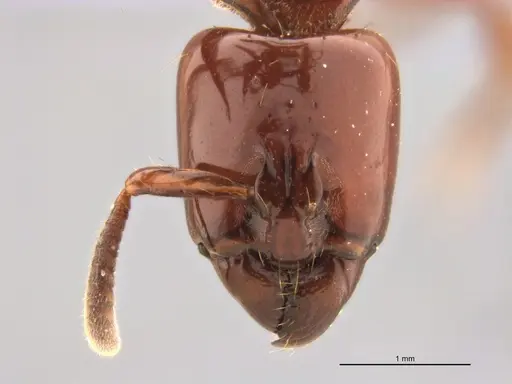
ANTWEB1032017
View on AntWeb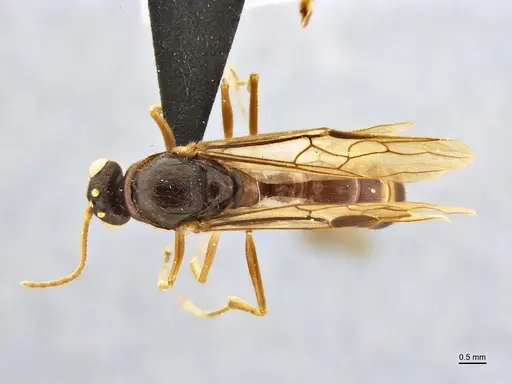
ANTWEB1062844
View on AntWeb
CASENT0005922
View on AntWeb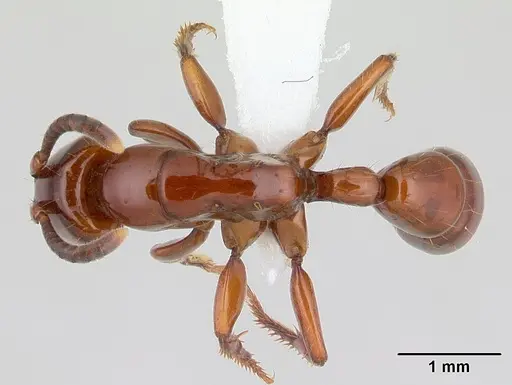
CASENT0066957
View on AntWeb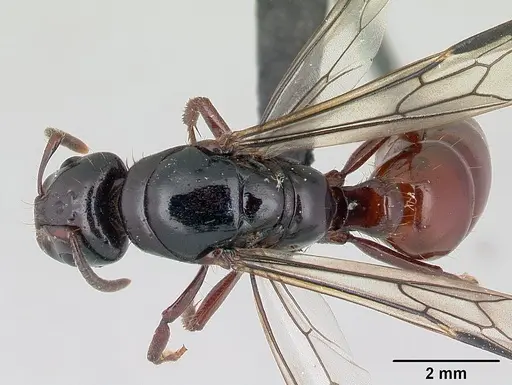
CASENT0102992
View on AntWeb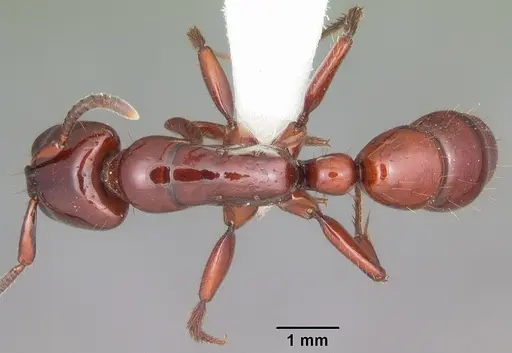
CASENT0104136
View on AntWeb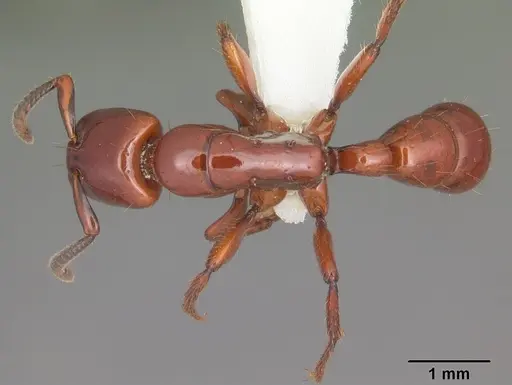
CASENT0104137
View on AntWeb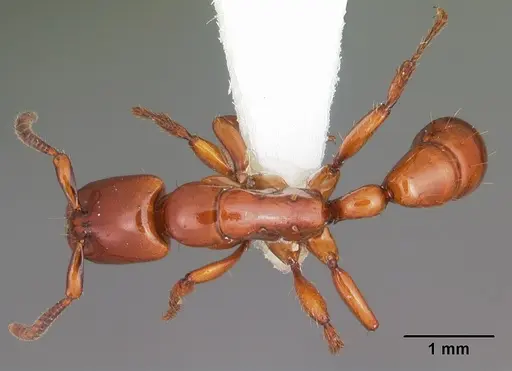
CASENT0260515
View on AntWeb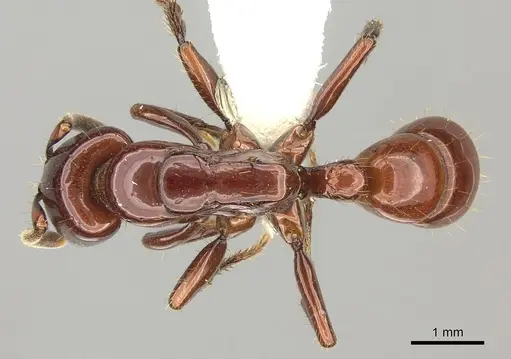
CASENT0907215
View on AntWeb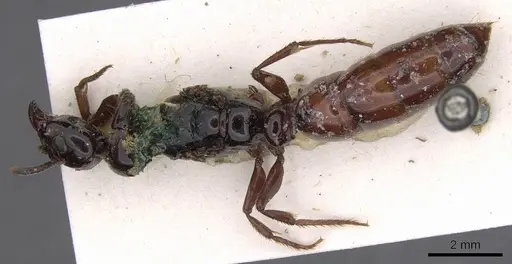
SAM-ENT-0011510A
View on AntWeb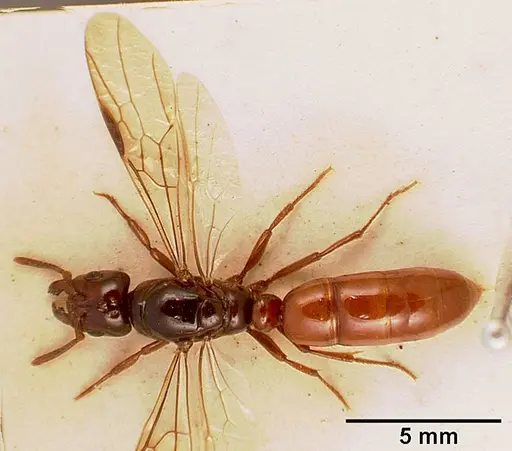
SAM-HYM-C007975A
View on AntWeb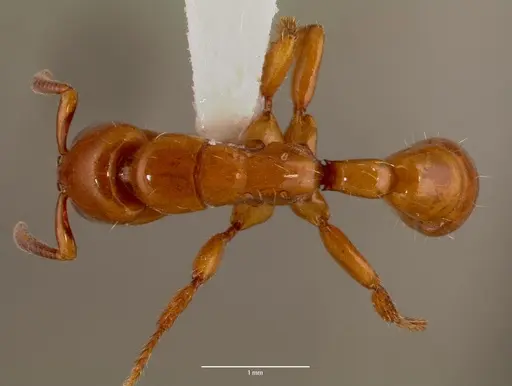
Literature
Loading distribution map...Loading products...