
Centromyrmex alfaroi
- Sci. Name
- Centromyrmex alfaroi
- Tribe
- Ponerini
- Subfamily
- Ponerinae
- Author
- Emery, 1890
- Distribution
- Found in 5 countries
Introduction
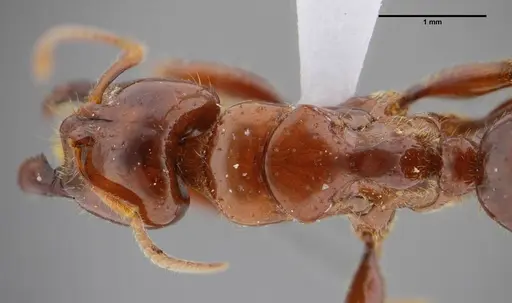
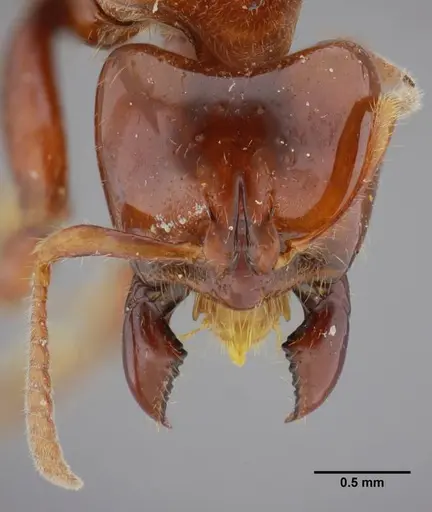
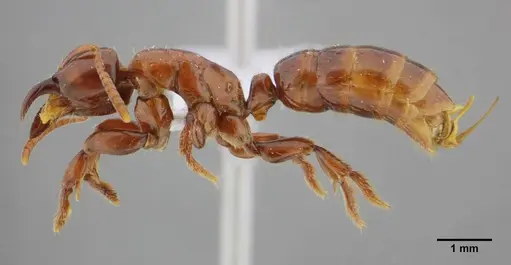
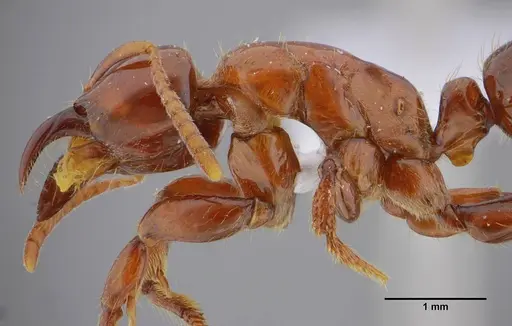
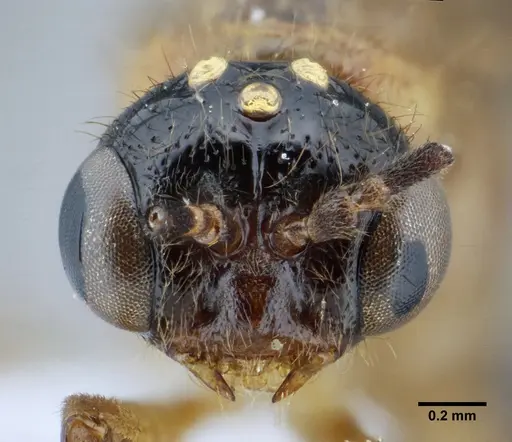
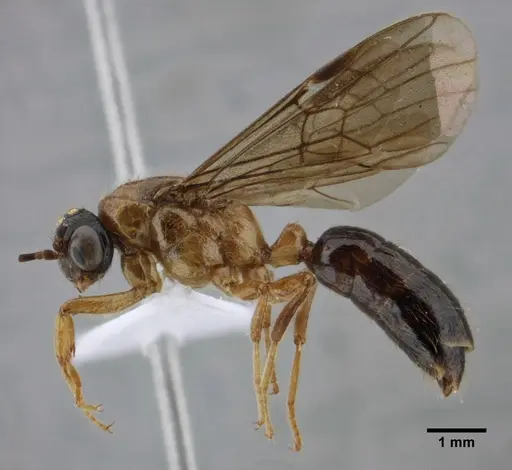
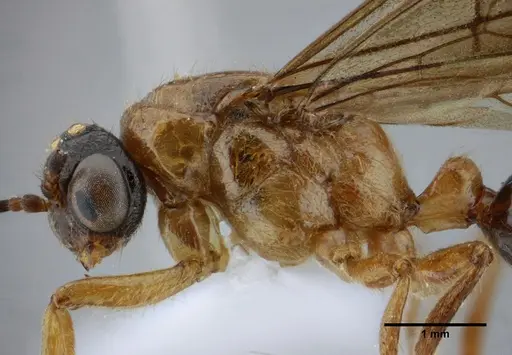
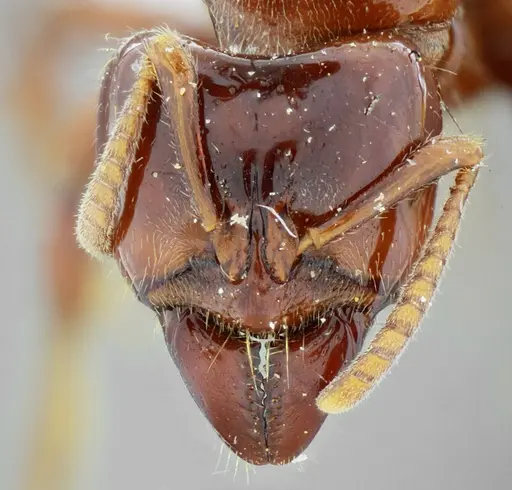
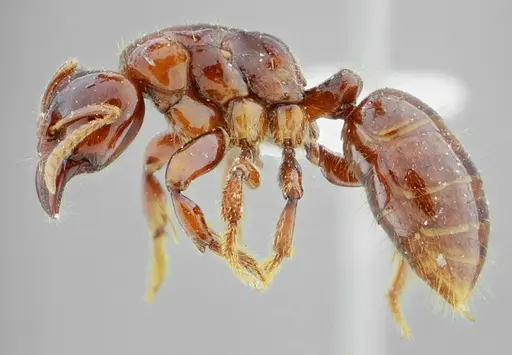
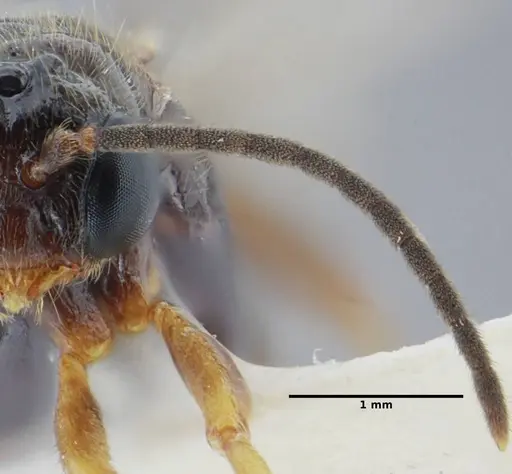
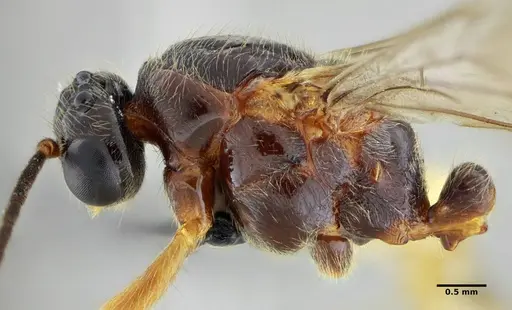
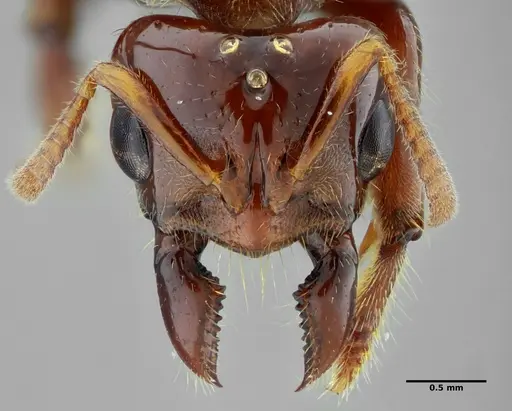
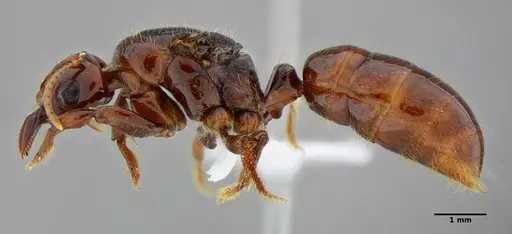
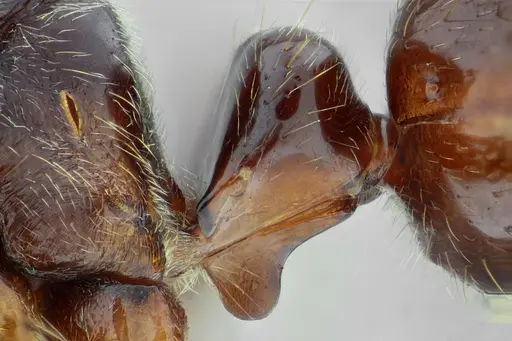
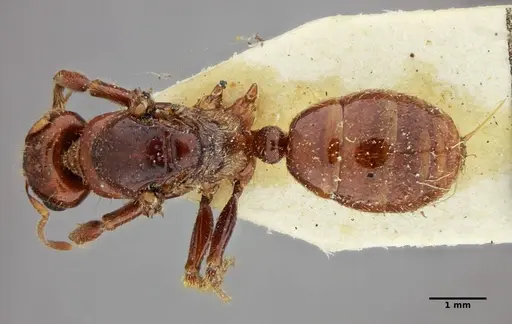
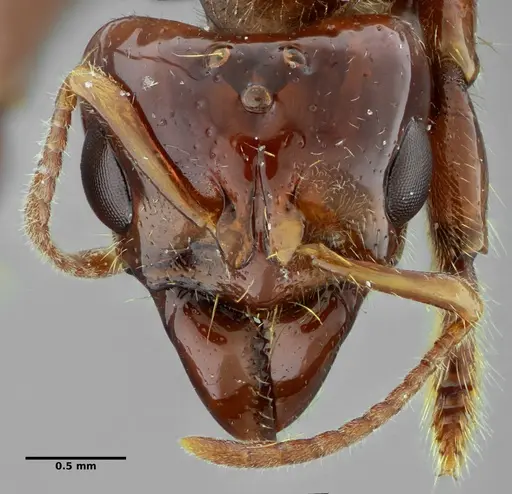
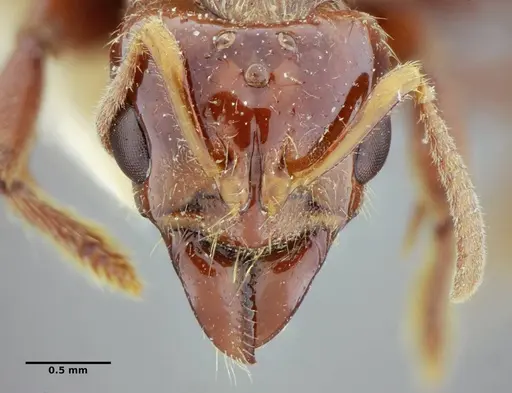
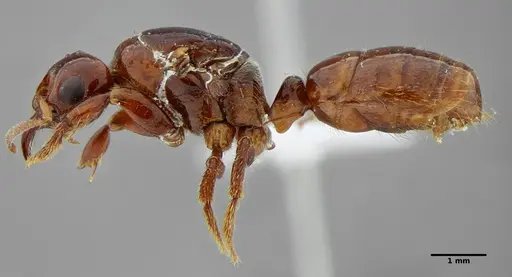
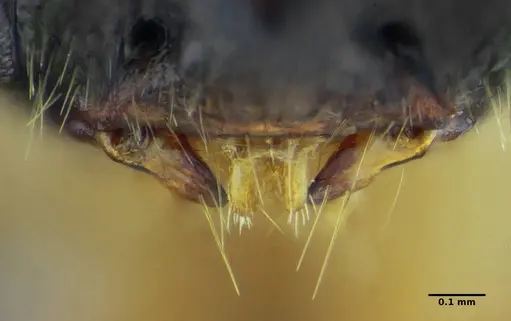
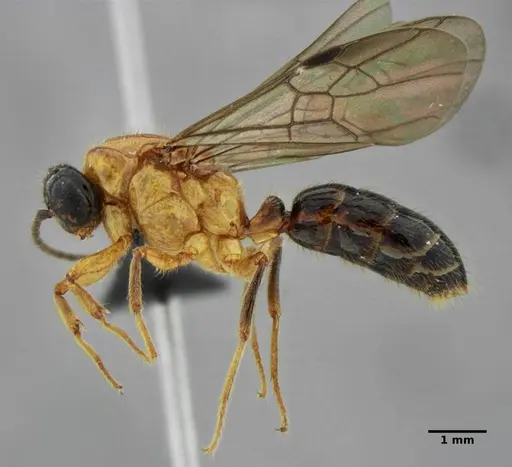
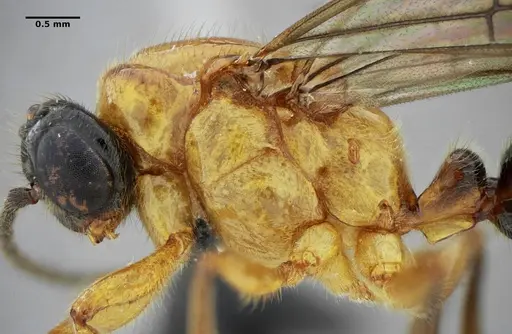
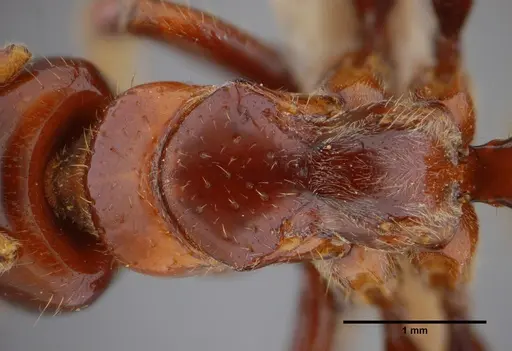
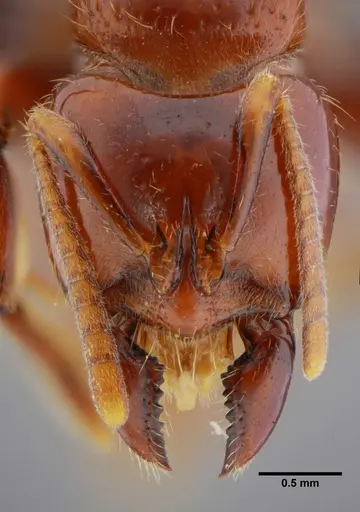
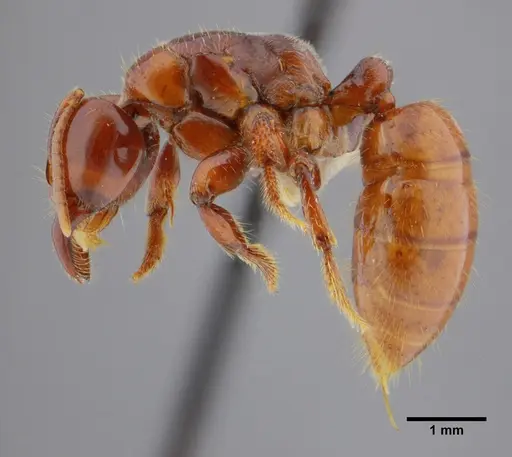
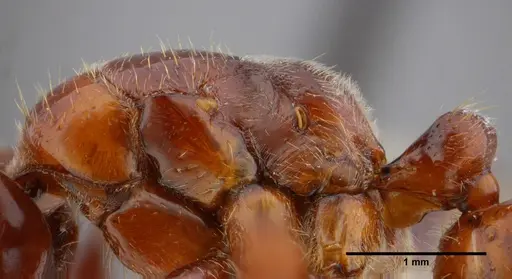
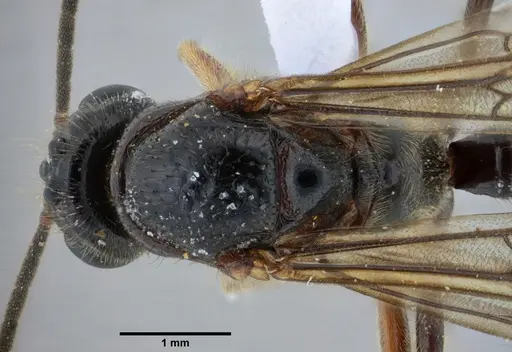
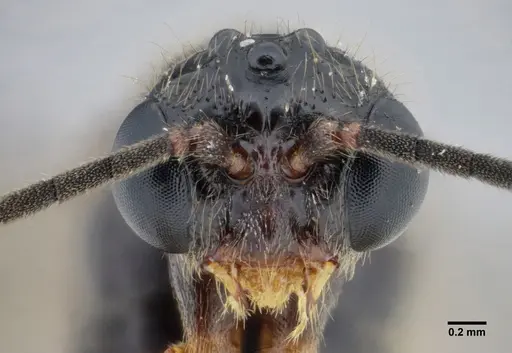
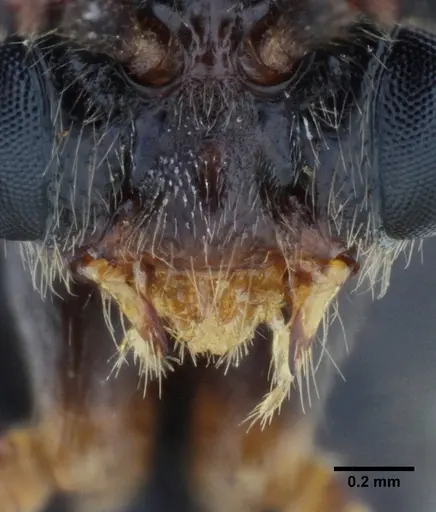
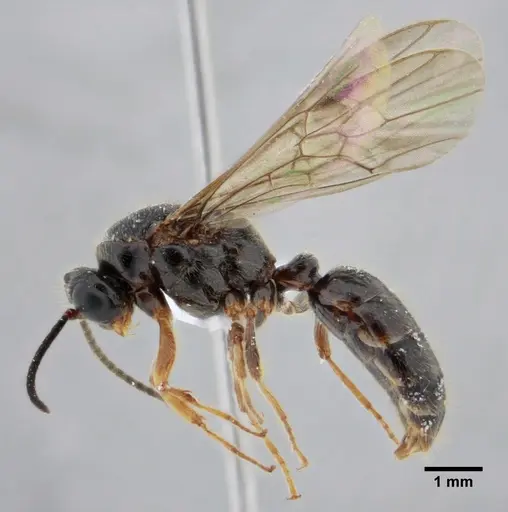
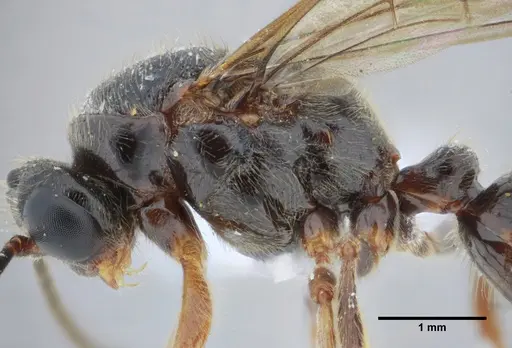
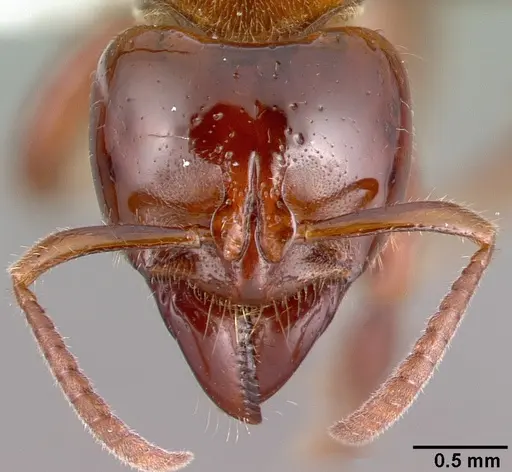
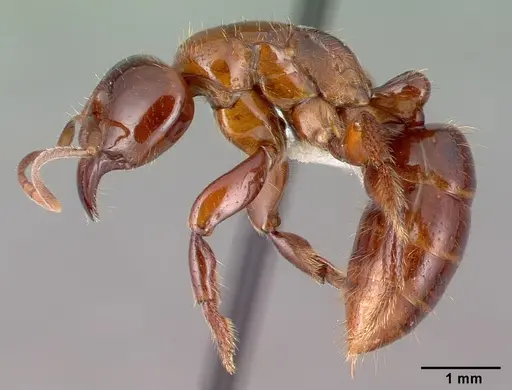
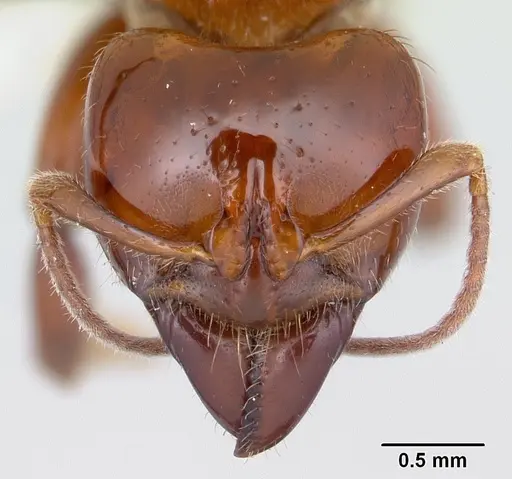
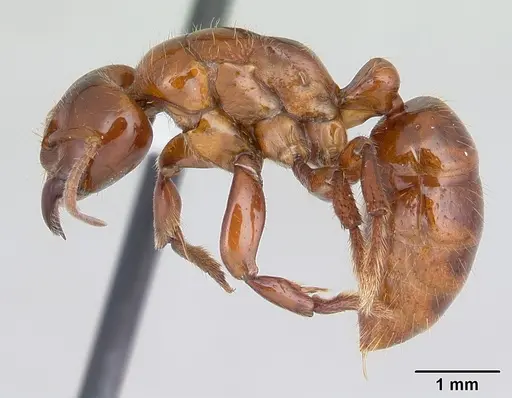
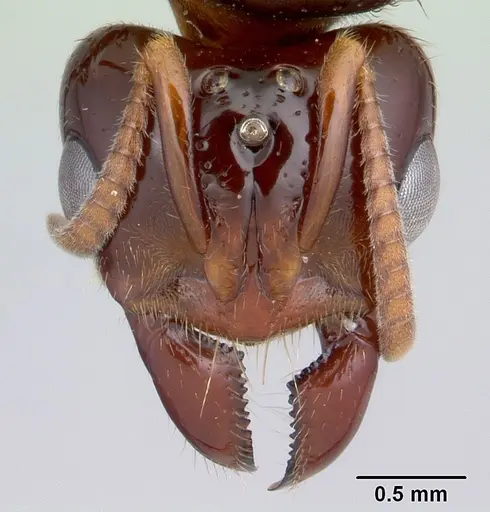
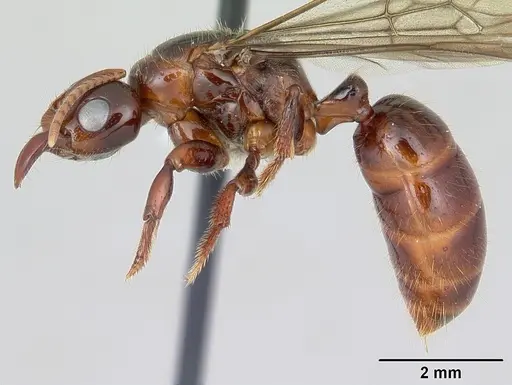
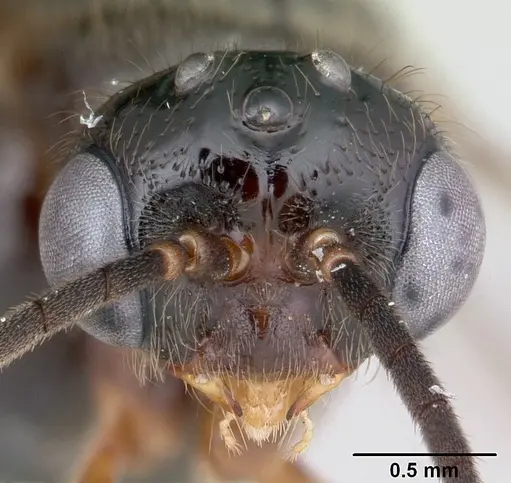
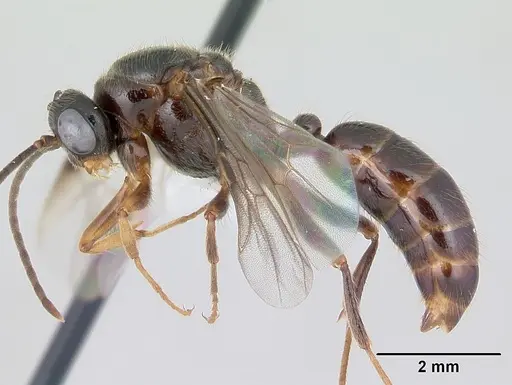
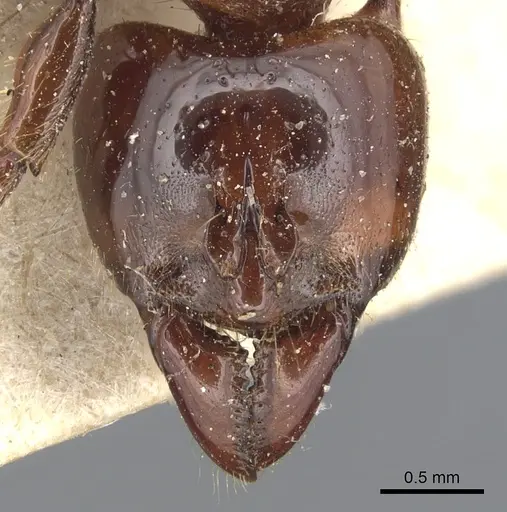
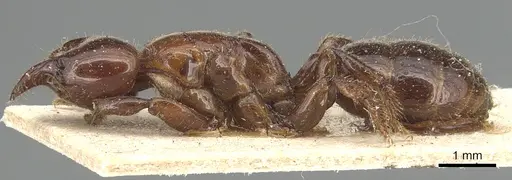
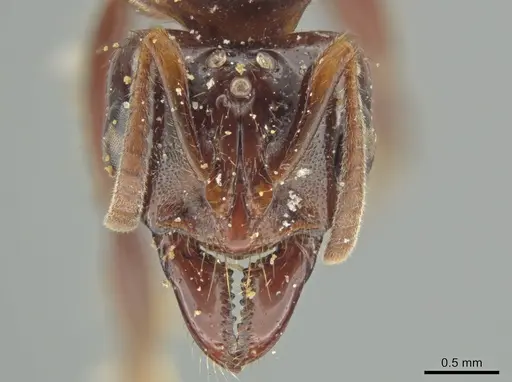
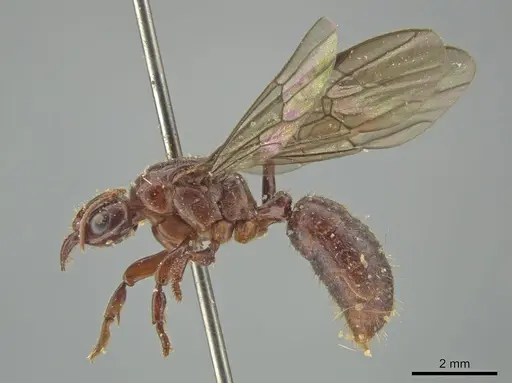
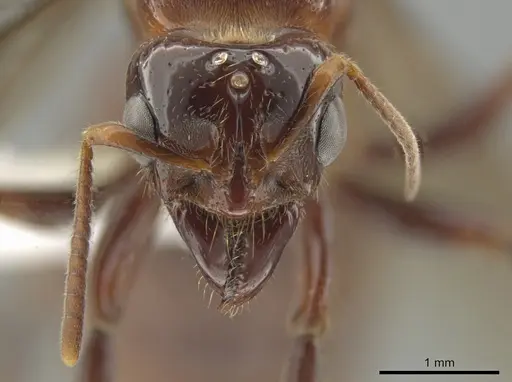
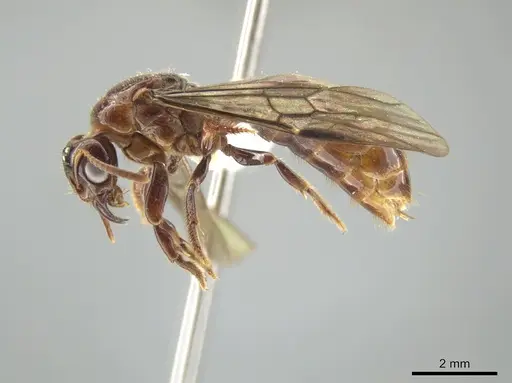
Centromyrmex alfaroi is a large, dark reddish-brown ant native to the Neotropical region, ranging from Costa Rica through Colombia to Brazil. Workers measure about 7.75mm, making them substantial ants with powerful mandibles . The genus Centromyrmex is famous for being specialized termite predators - these ants are obligate predators that raid termite colonies for food. Centromyrmex alfaroi is part of the brachycola species group, characterized by mandibles with a weakly differentiated apical tooth . This species is polygynous, meaning colonies can have multiple queens working together . The biology of this species remains poorly studied, but they are presumed to be entirely subterranean, living and hunting deep within termite mounds and surrounding soil .
Quick Summary
- Difficulty: Expert
- Origin & Habitat: Neotropical region, Costa Rica, Colombia (Caquetá), Ecuador, Bolivia, Brazil (Pará first record), and French Guiana. Found in tropical forests where they nest in and around termite mounds, particularly those of Cornitermes cumulans. They prefer lowland rainforest environments and have also been recorded in agroforestry systems in Colombia near termite mounds [5][6][7][8][9][10].
- Colony Type: Polygynous, colonies can have multiple queens. This is confirmed from research showing polygynous behavior similar to Centromyrmex bequaerti in the Afrotropical region [2][3].
- Size & Growth:
- Queen: 8.8mm [1]
- Worker: 7.75mm [1]
- Colony: Unknown, no published colony size data exists.
- Growth: Unknown, no development data exists for this species.
- Development: Unknown, no direct measurements exist. Based on typical Ponerinae development patterns, estimate 8-12 weeks at optimal temperature, but this is purely speculative. (No published development data exists for this species. Related Centromyrmex species suggest slow, deliberate growth typical of specialized predators.)
- Antkeeping:
- Temperature: Tropical species, keep warm at 24-28°C. Provide a temperature gradient allowing the colony to self-regulate. As a Neotropical lowland species, they need consistent warmth year-round.
- Humidity: High humidity required, think damp, humid tropical forest floor. Keep nest substrate consistently moist but not waterlogged. Subterranean species need stable humidity levels.
- Diapause: Unknown, no data on overwintering requirements. As a tropical species, they likely do not require true hibernation but may reduce activity during cooler periods.
- Nesting: Deep, humid nest chambers are essential. These ants naturally nest inside termite mounds, so provide a setup that allows them to access and raid prey. Y-tong (AAC) nests with multiple deep chambers or a naturalistic setup with soil and termite nest material works well. They need tight, enclosed spaces, not open foraging areas.
- Behavior: Extremely specialized termite predators. Workers are powerful hunters with strong mandibles adapted for predating on termites. They are fully subterranean and rarely come to the surface. Colonies are polygynous with multiple reproductive queens. They construct closed turrets in clay soil for nuptial flights. Workers are not aggressive toward humans but can deliver a painful sting if handled. Escape risk is moderate, these are large ants but not particularly fast. Still, use standard barrier methods as they will explore any gaps [1][2][4].
- Common Issues: Specialized diet makes them extremely difficult to keep, they require live termite prey or similar small arthropods, and will not accept standard ant foods., Subterranean lifestyle means they rarely forage in the open, making it hard to observe and feed the colony., No documented captive breeding protocols exist in the antkeeping hobby, this is one of the rarest species to keep., High humidity requirements can lead to mold problems if ventilation is poor., Polygynous colonies may have complex social dynamics that are poorly understood.
Nesting and Habitat Preferences
Centromyrmex alfaroi is an obligate termite predator that nests directly within or adjacent to termite colonies, particularly Cornitermes cumulans mounds in Brazil and similar species throughout their range. In the wild, workers excavate chambers inside termite mounds where they raise brood and access a constant food source. At La Selva Biological Station in Costa Rica, researcher S. Cover observed closed turrets projecting from clay soil in sunlit areas, these were likely pre-mating flight excavations by founding queens [1]. For captive care, you need to replicate these deep, humid conditions. A Y-tong (AAC) formicarium with multiple deep chambers works well, or a naturalistic setup with a soil chamber connected to a termite nest fragment. The key is providing enclosed, humid spaces where the colony can hunt and raise brood in safety. Avoid open foraging areas, these ants are not surface foragers [7][8].
Feeding and Diet - The Termite Specialist
This is the most critical aspect of keeping Centromyrmex alfaroi. They are highly specialized predators that feed almost exclusively on termites (Isoptera), particularly the genus Syntermes. Research confirms their diet consists entirely of termites in the wild, they raid termite colonies, overpower workers and soldiers, and feed the brood to their own larvae. Related Centromyrmex species show the same pattern. In captivity, you MUST provide live termite prey, no alternatives have been documented as successful. Offer small termite workers from local sources (ensure they're from a legal, non-invasive species). Other small live arthropods may be accepted experimentally, but do not rely on them. This specialized diet makes Centromyrmex alfaroi one of the most difficult ants to keep in captivity. Do not offer sugar water, honey, or standard protein foods, these will likely be rejected entirely [4][8][11].
Temperature and Humidity Requirements
As a Neotropical species from lowland rainforest environments, Centromyrmex alfaroi requires warm, humid conditions year-round. Keep the nest area at 24-28°C with minimal temperature fluctuations. A heating cable on one side of the nest creates a gradient, but ensure the warm side stays below 30°C. Humidity is critical, maintain 70-85% relative humidity within the nest. The substrate should feel consistently damp but never waterlogged. For a Y-tong nest, keep the water reservoir full and check that the condensation layer remains visible. For naturalistic setups, mist the soil area regularly and ensure proper drainage. Poor humidity leads to desiccation and colony death, these ants are adapted to the stable, humid conditions inside termite mounds where moisture is constant.
Colony Structure and Social Organization
Centromyrmex alfaroi is polygynous, colonies contain multiple queens that all reproduce. This is confirmed from research comparing them to Centromyrmex bequaerti, which is also polygynous. Multiple queens have been documented in the same nest, working cooperatively. This differs from many ant species where colonies have a single dominant queen. For antkeepers, this means you may receive colonies with several reproductive queens. Do not attempt to separate them, the social structure depends on multiple queens. The colony will also contain workers, brood of all stages, and likely ergatoid (wingless) reproductives. Colonies are likely relatively small compared to generalist ant species, given their specialized predatory lifestyle and the constraints of their termite-hunting behavior [2][3].
Behavior and Defense
These ants are powerful predators with strong, toothed mandibles designed for seizing and holding termite prey. Workers are not particularly aggressive toward humans but will defend the nest if threatened. They possess a functional sting and can deliver a painful sting if handled roughly or if the nest is disturbed. Their primary defense is staying underground, they rarely come to the surface, making encounters with humans uncommon. Workers are moderately large (around 7.75mm) and robust, but they are not fast-moving like some ponerine ants. Escape prevention is straightforward for their size, standard barrier methods work well. However, their subterranean lifestyle means they will remain hidden most of the time, making observation difficult. They construct closed turrets for nuptial flights, suggesting queens mate underground before establishing new colonies [1].
Frequently Asked Questions
Can I keep Centromyrmex alfaroi as a beginner?
No. This species is absolutely not suitable for beginners. They require live termite prey, high humidity, warm temperatures, and deep nesting spaces. There are no established captive breeding protocols, and they are extremely rare in the antkeeping hobby. Even experienced antkeepers struggle with Centromyrmex species due to their specialized diet.
What do Centromyrmex alfaroi eat?
They eat almost exclusively termites (Isoptera). This is not optional, they are obligate termite predators. You must provide a constant supply of live termite workers and soldiers. Other prey may be accepted experimentally, but success is unconfirmed. Standard ant foods like sugar water, honey, or protein mixes will likely be rejected entirely [4][8][11].
How long does it take for Centromyrmex alfaroi to develop from egg to worker?
Unknown, no published development data exists for this species. Based on typical Ponerinae development, estimate 8-12 weeks at optimal temperature (around 26°C), but this is purely speculative. No keeper has documented a full colony cycle for this species.
Are Centromyrmex alfaroi polygynous?
Yes. Research confirms Centromyrmex alfaroi is polygynous, colonies can have multiple queens that all reproduce. This is unusual among ants and means your colony may arrive with several reproductive queens working cooperatively. Do not attempt to separate them [2][3].
What temperature do Centromyrmex alfaroi need?
Keep them warm at 24-28°C. As a Neotropical species from lowland rainforest, they need consistent warmth year-round. A heating cable on one side of the nest creates a gradient. Avoid temperatures below 22°C or above 30°C.
Do Centromyrmex alfaroi need hibernation?
Unknown, no data exists on overwintering requirements. As a tropical species, they likely do not require true hibernation. However, they may reduce activity during cooler periods. Maintain warm temperatures year-round.
Can I keep Centromyrmex alfaroi in a test tube?
Not recommended for long-term housing. These are large, subterranean ants that need deep, humid nest chambers. A test tube is too shallow and provides no space for hunting or proper colony organization. Use a Y-tong (AAC) formicarium with deep chambers or a naturalistic soil setup.
Where does Centromyrmex alfaroi live in the wild?
They range from Costa Rica to Brazil, including Colombia, Ecuador, Bolivia, and French Guiana. They live in tropical forests where they nest inside termite mounds, particularly those of Cornitermes cumulans. They are entirely subterranean and rarely encountered [5][6][7].
Why are Centromyrmex alfaroi so rare in the antkeeping hobby?
Because they are obligate termite predators requiring live termite prey, which is nearly impossible to provide consistently in captivity. They are also rarely encountered in the wild (fully subterranean), making wild collection difficult. No successful captive breeding protocols exist. They remain one of the most challenging ants to keep [4][8].
Report an Issue
The current care sheet is based fully on literature. See inconsistencies, or something that's incorrect? Please , it will be resolved after review from an admin. Contributing to the blogs tab also helps providing information, to make us be able to further improve the caresheets. Thank you for your support!
References

This caresheet is licensed under CC BY-SA 4.0 .
Community Blogs
ANTWEB1032026
View on AntWeb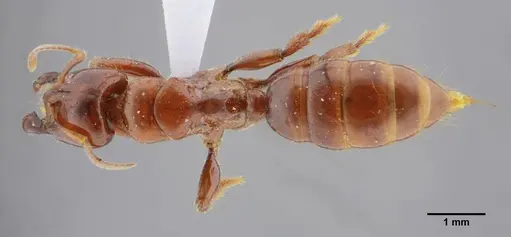
ANTWEB1032042
View on AntWeb
ANTWEB1032050
View on AntWeb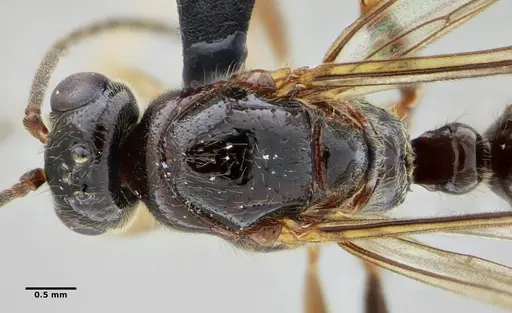
ANTWEB1032051
View on AntWeb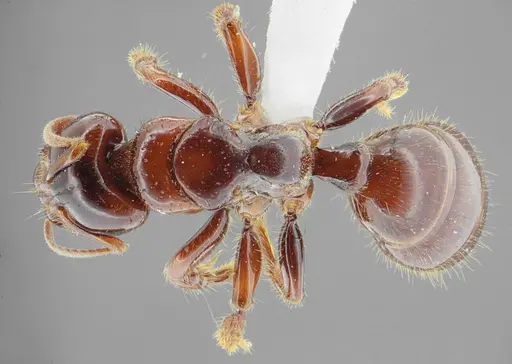
ANTWEB1032060
View on AntWeb
ANTWEB1032085
View on AntWeb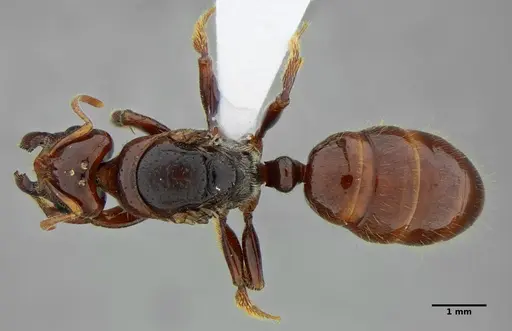
ANTWEB1032094
View on AntWeb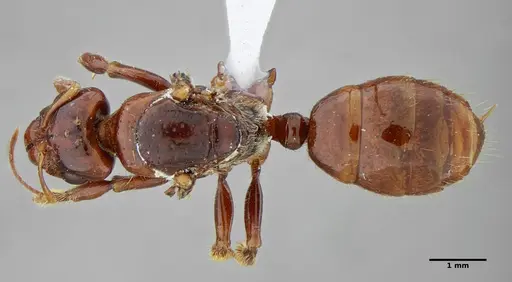
ANTWEB1032732
View on AntWeb
ANTWEB1032764
View on AntWeb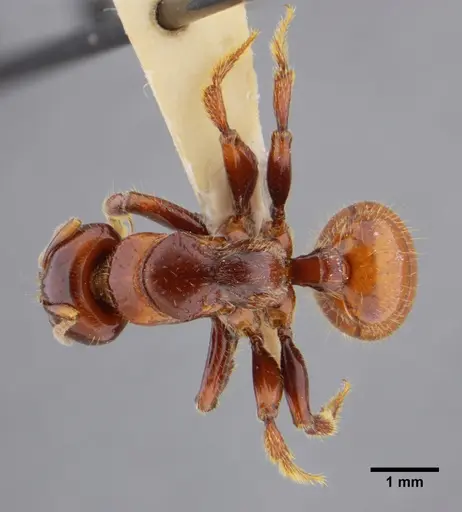
ANTWEB1038227
View on AntWeb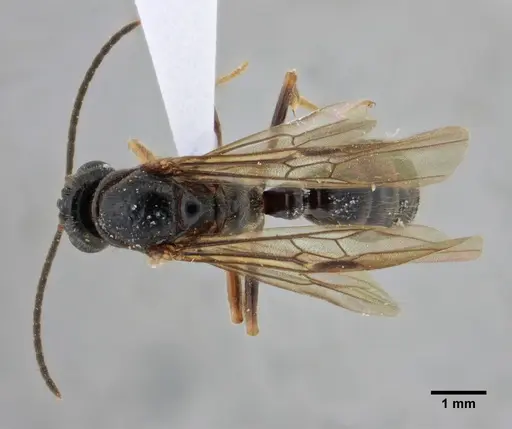
CASENT0010795
View on AntWeb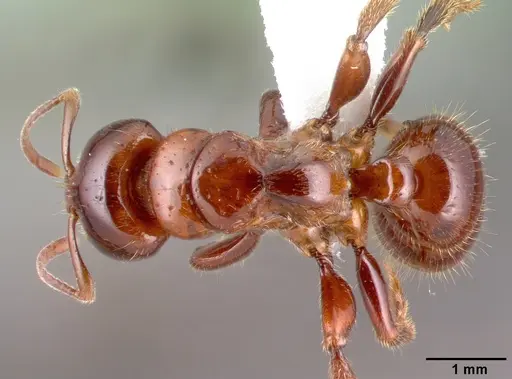
CASENT0178340
View on AntWeb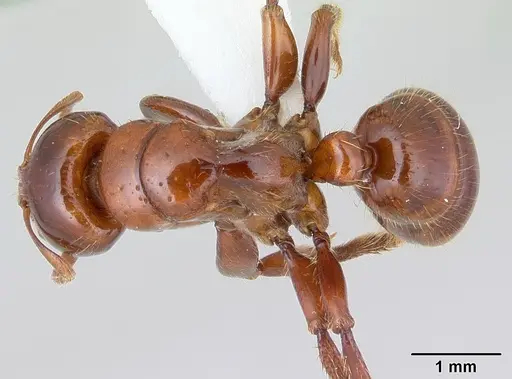
CASENT0178341
View on AntWeb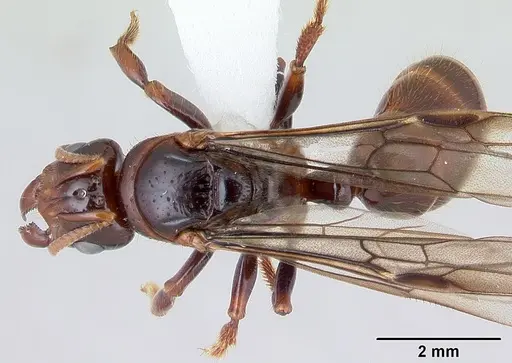
CASENT0178342
View on AntWeb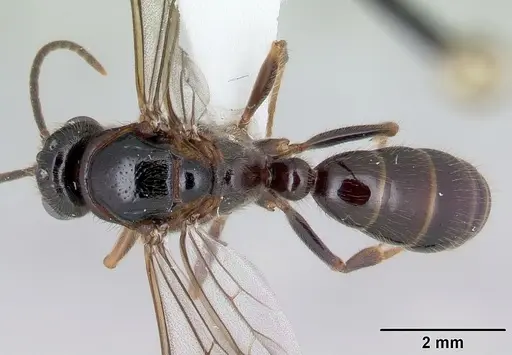
CASENT0903859
View on AntWeb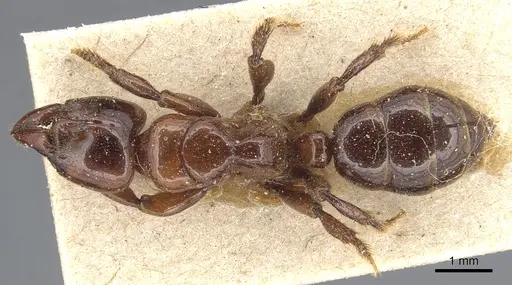
INB0003046866
View on AntWeb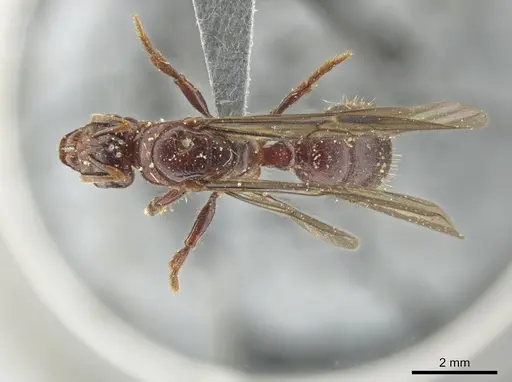
JTLC000009437
View on AntWeb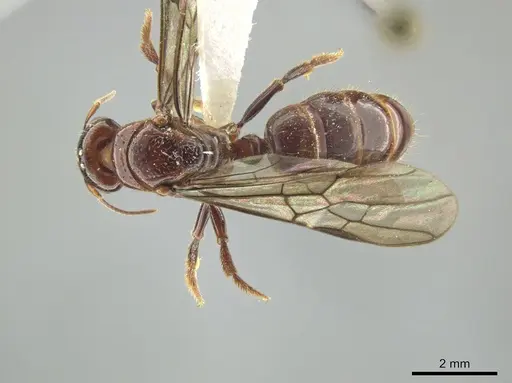
Literature
Loading distribution map...Loading products...