
Coastal Sculpted Tree Ant
Cataulacus wissmannii
- Sci. Name
- Cataulacus wissmannii
- Tribe
- Crematogastrini
- Subfamily
- Myrmicinae
- Author
- Forel, 1894
- Common Name
- Coastal Sculpted Tree Ant
- Distribution
- Found in 4 countries
Introduction
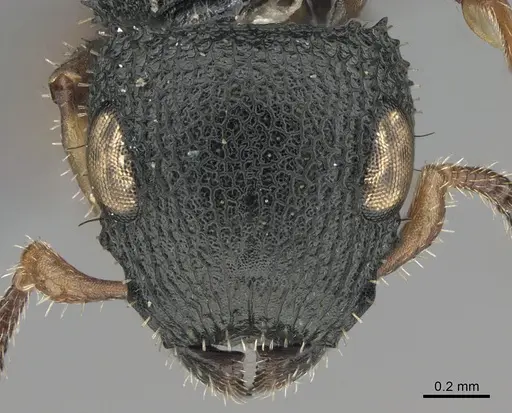
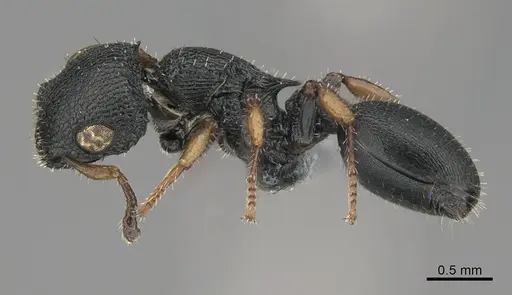
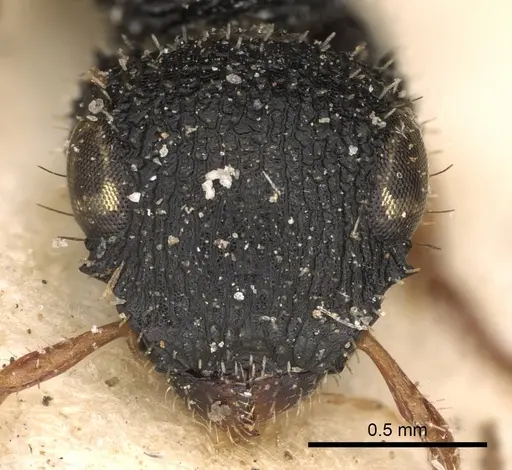
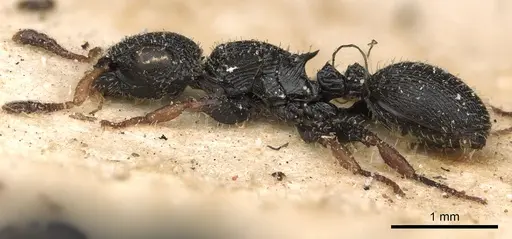
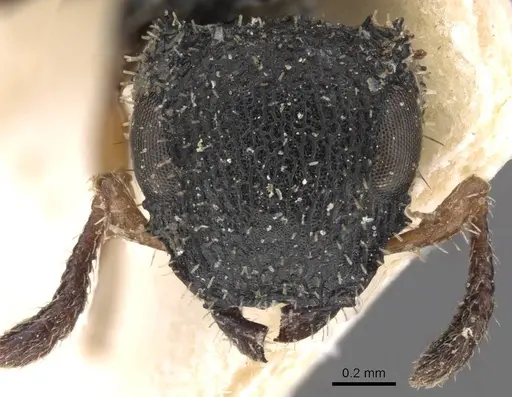
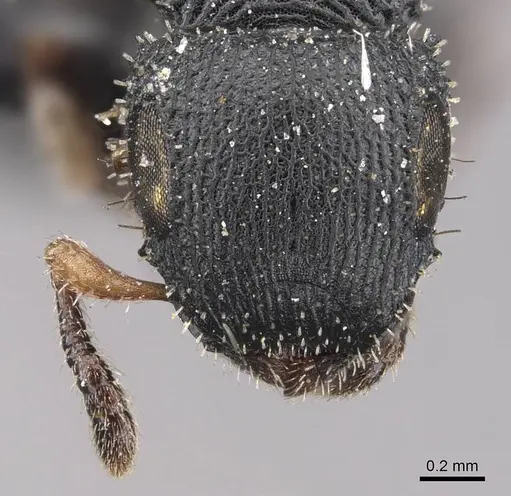
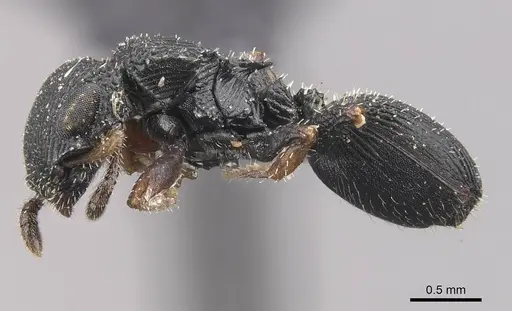
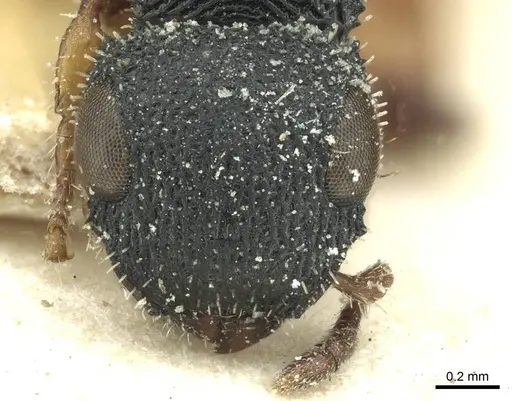
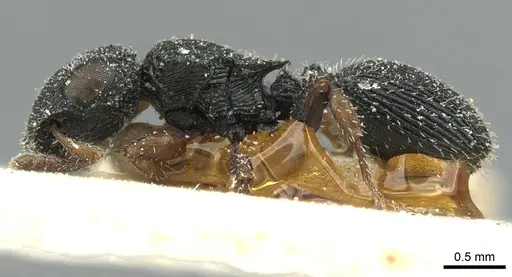
Cataulacus wissmannii is a small, jet-black ant species native to East Africa. Workers measure around 3.5mm in length and have the characteristic Cataulacus body shape with a distinctive constriction between the mesosoma and gaster . These ants are arboreal, meaning they live in trees and woody vegetation rather than in ground nests. In the wild, they nest in hollow twigs, dead branches, and under bark in forest environments. Their dark coloration helps them blend into the bark and woody debris where they naturally occur. This species was originally collected from the VOï and Mbuyuni Pori areas in March 1912 . As a Cataulacus species, these ants are relatively inactive and slow-moving compared to many common ant genera. They don't form large colonies and tend to be quite docile. Their small size and arboreal lifestyle make them quite different from ground-nesting ants like Lasius or Formica. They prefer to stay within their woody nesting sites rather than foraging extensively on the ground.
Quick Summary
- Difficulty: Medium
- Origin & Habitat: East Africa (Tanzania region), found at VOï and Mbuyuni Pori in forested areas. They live in hollow twigs, dead branches, and under bark in tropical forest environments.
- Colony Type: Colony structure is unconfirmed, no specific literature on queen number for this species. Based on typical Cataulacus genus patterns, likely single-queen colonies.
- Size & Growth:
- Queen: Size data unavailable, no specific measurements in the research context. Based on Cataulacus genus patterns, queens likely around 5-7mm.
- Worker: 3.5mm [1]
- Colony: Colony size data unavailable, no specific literature on maximum colony size for this species.
- Growth: Growth rate is unconfirmed, likely slow based on typical Cataulacus genus patterns.
- Development: Development timeline is unconfirmed for this species. Based on typical Cataulacus patterns and tropical location, estimated 8-12 weeks. (This is an estimate based on genus patterns, actual timing may vary. Tropical species typically develop faster than temperate ones at optimal temperatures.)
- Antkeeping:
- Temperature: Temperature requirements are unconfirmed for this species. Based on their tropical East African origin, likely 24-28°C, keep warm and stable.
- Humidity: Humidity requirements are unconfirmed. Based on arboreal Cataulacus patterns, moderate to high humidity (60-80%) with good ventilation.
- Diapause: Diapause requirements are unconfirmed. Based on tropical origin, likely no true diapause, they probably remain active year-round.
- Nesting: Arboreal setup is essential. Use a naturalistic setup with twigs, cork, or a Y-tong/plaster nest with narrow chambers. They do NOT do well in standard test tube setups because they need woody/plant material to feel secure. Provide small twigs or cork bark pieces they can nest inside.
- Behavior: Docile and non-aggressive. Workers are slow-moving and spend most of their time inside the nest. They are not known for stinging and pose no danger to keepers. Escape risk is moderate, their small size means they can slip through small gaps, but they're not active escape artists like some Camponotus species. They primarily stay within their nest structure rather than foraging widely.
- Common Issues: arboreal setup is critical, they fail in standard test tube setups, slow growth can frustrate beginners who overfeed and cause mold, small size means escape prevention must be decent, though not as critical as with tiny Solenopsis, colonies may appear inactive, this is normal for the species, poor ventilation causes mold problems quickly in their enclosed nests
Housing and Nest Setup
Cataulacus wissmanniii requires an arboreal setup, this is the most critical aspect of keeping them successfully. Unlike ground-nesting ants that thrive in test tubes, these tree-dwelling ants need access to woody material. The best options include: a naturalistic setup with cork bark, small twigs, or pieces of dead wood, a Y-tong (AAC) nest with narrow chambers scaled to their small size, or a plaster nest with added twigs or bark pieces for them to nest in. Avoid deep, wet soil setups as they would in nature. Place the nest in a quiet location with minimal vibration, these ants are sensitive to disturbances. The outworld should be simple with minimal decoration since they don't forage extensively. A small foraging area with occasional protein offerings is sufficient.
Feeding and Diet
In captivity, Cataulacus wissmanniii accepts typical ant foods: sugar water or honey as an energy source, and protein sources like small insects. Given their small size, prey items should be appropriately sized. They are not aggressive hunters and prefer easily accessible food. Offer sugar water constantly and protein every 5-7 days. Remove uneaten prey after 24 hours to prevent mold. Fresh fruit slices can occasionally be offered as a sugar source.
Temperature and Humidity
Keep these ants warm. As tropical arboreal ants from East Africa, they need consistent warmth. Based on their tropical origin, aim for around 24-28°C. A small heating cable placed on part of the nest can help maintain optimal temperatures, but avoid direct heat that could dry them out. For humidity, aim for moderate to high levels, they need moisture but also good air circulation. Mist the nest occasionally and keep a water reservoir, but ensure proper drainage so water doesn't pool. Poor ventilation combined with high humidity leads to mold, which is their main killer. A small ventilation hole or mesh panel helps.
Colony Development
Colony growth is likely slow compared to many common ant species. A founding queen will lay her first eggs and raise nanitic workers over several months. Based on typical Cataulacus patterns, expect 8-12 weeks from egg to first worker at optimal temperature. Once the first workers emerge, growth remains gradual. Maximum colony size is unknown for this species, these are not large colony formers. Be patient and resist the urge to overfeed, which causes mold problems in small colonies. The queen's founding behavior is unconfirmed but likely claustral based on genus patterns.
Behavior and Temperament
These are among the most docile ant species you can keep. Workers are slow-moving and spend most of their time inside the nest. They show no aggression toward keepers and cannot sting in any meaningful way. You may rarely see foragers in the outworld, they prefer to stay hidden. This calm nature means they're fascinating to observe but not exciting like more active species. They are not escape artists, but their small size means you should still use appropriate barriers. They are not suitable for keepers who want active, visible colonies, these ants are for observers who appreciate subtle behavior.
Frequently Asked Questions
Can I keep Cataulacus wissmannii in a test tube?
No, test tubes are not suitable. These are arboreal ants that need woody material to nest in. Use a naturalistic setup with cork or twigs, a Y-tong nest, or a plaster nest with added bark pieces.
How long does it take for the first workers to emerge?
Based on typical Cataulacus patterns, expect 8-12 weeks from egg to first worker at optimal temperature. This is slower than many common species, so patience is required.
Do Cataulacus wissmannii ants sting?
No, they are completely harmless. They are very docile and show no aggression. There is no sting to worry about.
How big do colonies get?
Colony size data is unavailable for this species. Based on typical Cataulacus patterns, colonies likely remain relatively small.
What temperature do they need?
Based on their tropical East African origin, keep them at 24-28°C. As tropical ants, they need consistent warmth. A slight gradient created with a heating cable on part of the nest works well.
Are they good for beginners?
They are moderate difficulty. The main challenge is providing the correct arboreal setup, once that's right, they are easy to care for. Their slow growth and small colony size require patience.
Do they need hibernation?
No, as tropical ants from East Africa, they likely don't require hibernation. They probably remain active year-round, though may show slightly reduced activity during cooler periods.
Why are my ants always hiding in the nest?
This is normal behavior. Cataulacus wissmanniii is a shy, inactive species that prefers to stay inside the nest. You won't see active foragers like with Lasius or Formica, this is just their nature.
What do they eat?
They accept sugar water or honey, and small protein sources like fruit flies, small mealworms, or pinhead crickets. Offer sugar constantly and protein every 5-7 days.
When should I move them to a formicarium?
You can keep them in an appropriate arboreal setup from the start. If starting with a founding queen, use a small setup with twigs or cork bark that can accommodate the growing colony.
Report an Issue
The current care sheet is based fully on literature. See inconsistencies, or something that's incorrect? Please , it will be resolved after review from an admin. Contributing to the blogs tab also helps providing information, to make us be able to further improve the caresheets. Thank you for your support!
References

This caresheet is licensed under CC BY-SA 4.0 .
Community Blogs
CASENT0786073
View on AntWeb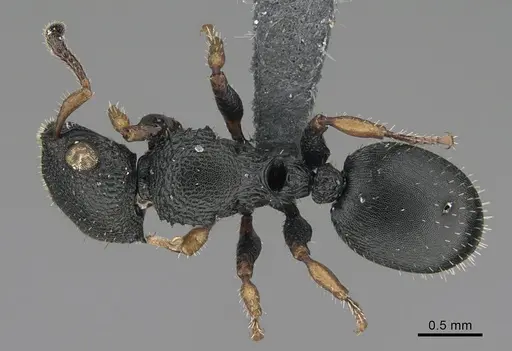
CASENT0900261
View on AntWeb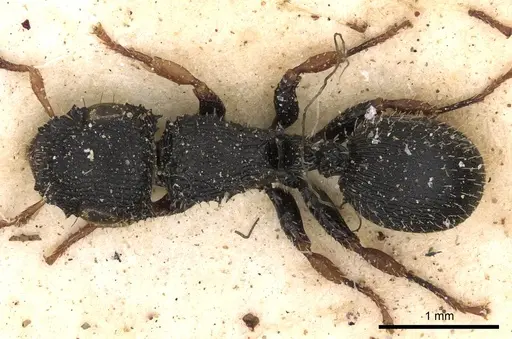
CASENT0909229
View on AntWeb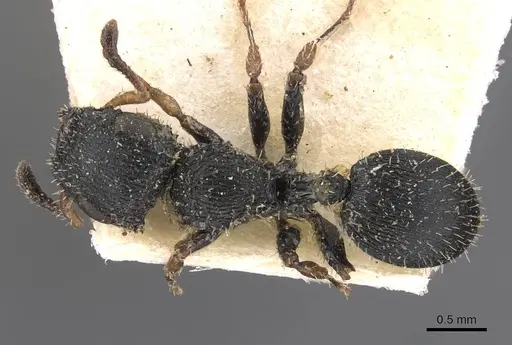
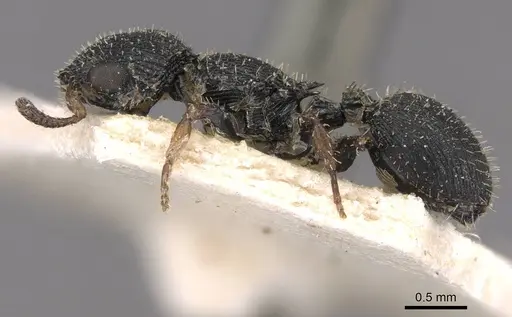
CASENT0909231
View on AntWeb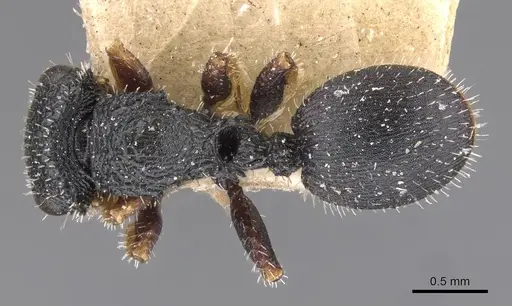
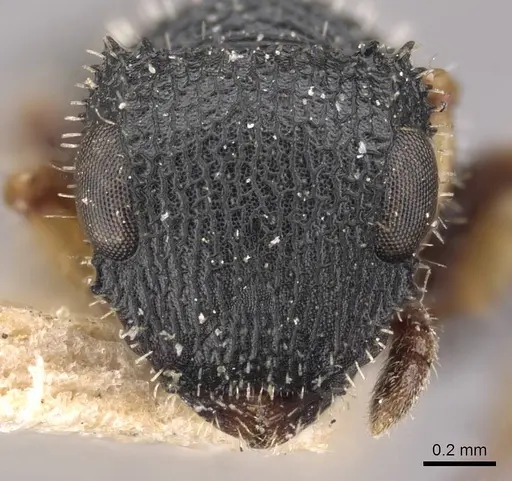
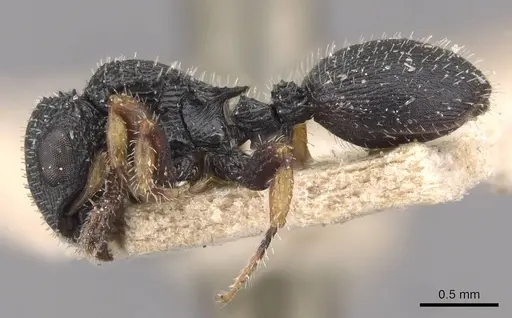
CASENT0909235
View on AntWeb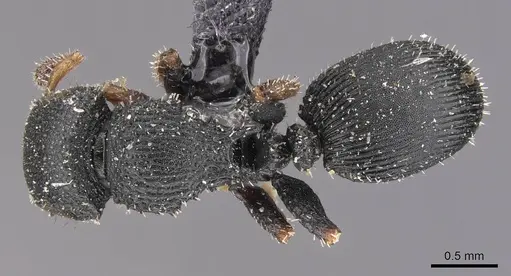
CASENT0912575
View on AntWeb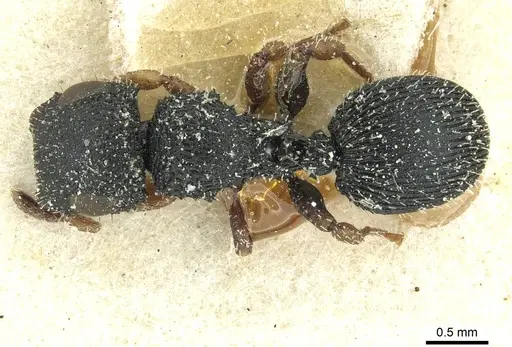
Literature
Loading distribution map...Loading products...