
Cataulacus wasmanni
- Sci. Name
- Cataulacus wasmanni
- Tribe
- Crematogastrini
- Subfamily
- Myrmicinae
- Author
- Forel, 1897
- Distribution
- Found in 1 countries
Introduction
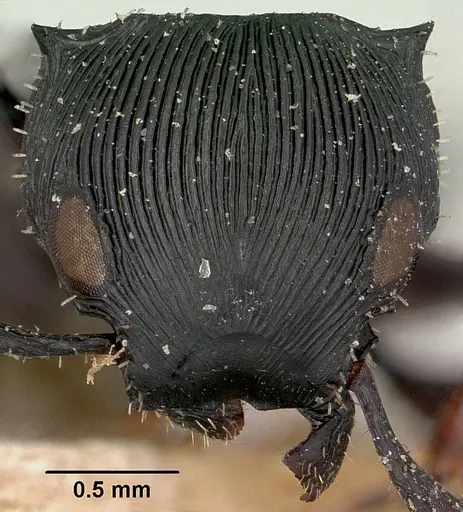
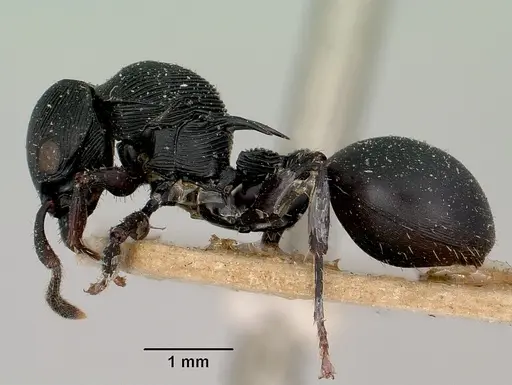
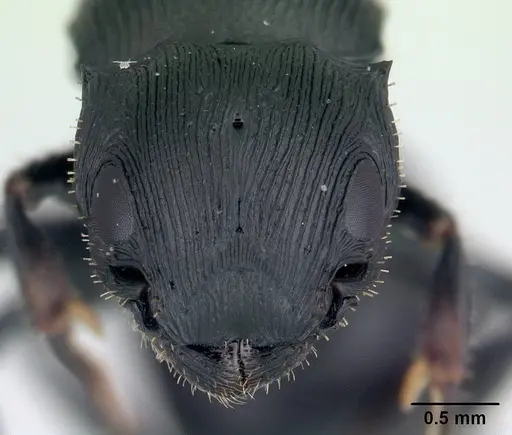
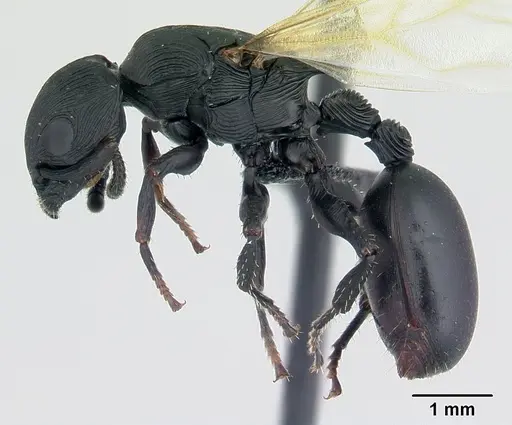
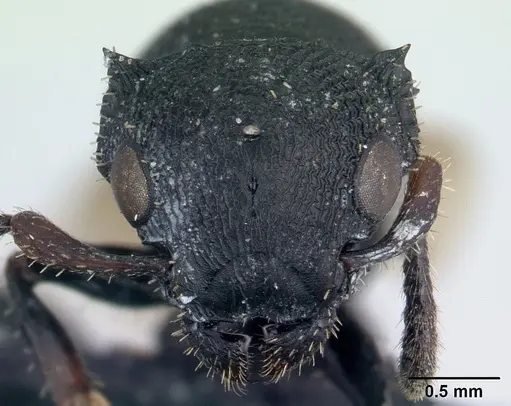
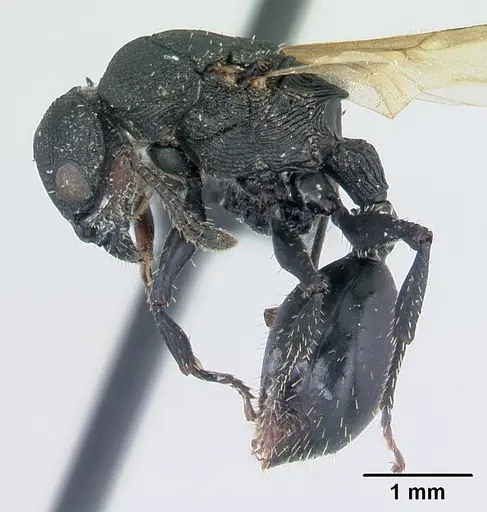
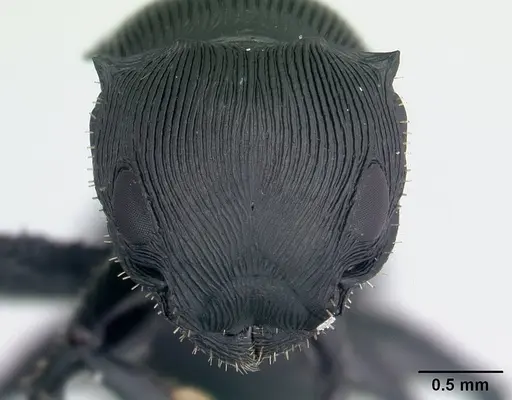
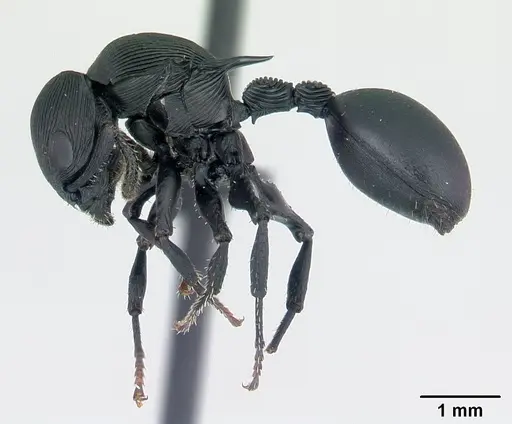
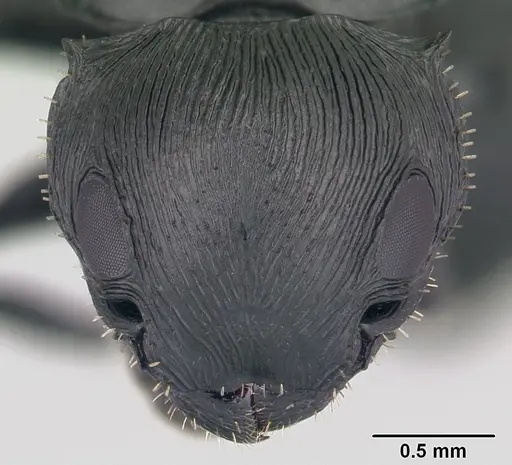
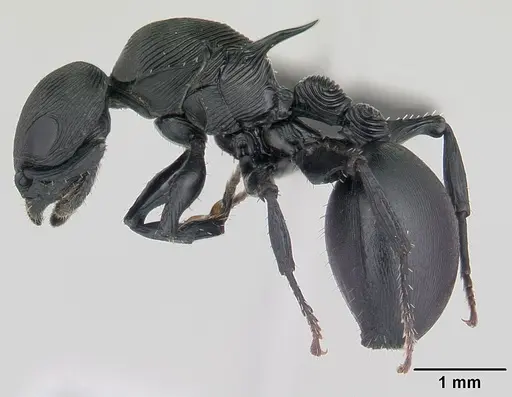
Cataulacus wasmanni is a small arboreal ant species endemic to Madagascar, specifically found on Sainte Marie Island and around Antongil Bay . Workers measure about 5.3mm in total length and have a distinctive appearance with very large eyes, a developed occipital crest with ear-shaped corners, and long divergent spines on the propodeum [AntWiki]. The species is unique among Malagasy Cataulacus because the direction of sculpturation differs on the propodeum from that on the mesonotum - a rare trait shared with only two Ethiopian species [AntWiki]. These ants belong to the huberi species group and are adapted to forested habitats. As a member of Myrmicinae, they have a smear defense mechanism where they wipe venom onto enemies rather than piercing flesh.
Quick Summary
- Difficulty: Expert
- Origin & Habitat: Madagascar (Sainte Marie Island and Antongil Bay), forested habitats [2][1]
- Colony Type: Unconfirmed, colony structure has not been documented in scientific literature
- Size & Growth:
- Queen: Size data unavailable, no queen measurements exist for this species
- Worker: 5.3mm total length [2]
- Colony: Unknown, no colony size data exists for this species
- Growth: Unknown
- Development: Unknown, no development data exists for this species (Development timeline is unconfirmed. No species-specific data available.)
- Antkeeping:
- Temperature: No specific thermal studies exist. Based on Madagascar's tropical climate, aim for 24-28°C with a gentle gradient. Monitor colony activity to adjust.
- Humidity: No humidity data exists. As an arboreal species from forested Madagascar, moderate to high humidity is likely appropriate. Provide a moist nest substrate but ensure ventilation to prevent mold.
- Diapause: Unknown, no seasonal data exists for this species. Madagascar has mild seasonal variation, so diapause may not be required.
- Nesting: Arboreal ant, in nature they likely nest in hollow twigs, branches, or under bark [2]. In captivity, a Y-tong (AAC) nest or naturalistic setup with narrow chambers works well. Avoid large open spaces, they prefer tight-fitting chambers scaled to their size.
- Behavior: Behavior is poorly documented. Cataulacus species are generally arboreal and adapted to fitting into narrow spaces. Escape risk is moderate, workers at 5.3mm can squeeze through small gaps. Use standard escape prevention.
- Common Issues: this species has never been documented in captivity, no established care protocols exist, very limited biological data makes proper care difficult to determine, wild-caught colonies may have unknown parasites or diseases, colony foundation behavior is unconfirmed, growth rate is unknown making it hard to track colony development
Species Identification and Distribution
Cataulacus wasmanni was described by Forel in 1897 from specimens collected on Sainte Marie Island off the east coast of Madagascar [2]. Additional specimens have been recorded from Antongil Bay on the mainland [1]. This species is a member of the huberi group and can be recognized by its unique sculpturation pattern, the direction of the surface texture differs on the propodeum compared to the mesonotum, which is unusual among Malagasy species but is also seen in some African Cataulacus species [2]. Workers have very large eyes, a developed occipital crest with ear-shaped corners, and notably long divergent spines on the propodeum that are about half the length of the entire alitrunk. The species is only known from forested habitats in Madagascar.
Nest Preferences and Housing
Cataulacus wasmanni is an arboreal ant species, meaning it naturally nests in above-ground locations like hollow twigs, branches, or under bark [2]. This is typical of the Cataulacus genus, which contains tree-dwelling ants adapted to fitting into narrow spaces. For captivity, a Y-tong (AAC) formicarium with narrow chambers or a naturalistic setup with tight-fitting passages scaled to their 5.3mm worker size would be appropriate. Avoid tall open chambers, they prefer compact, snug spaces. As arboreal ants, they likely do not need deep soil substrates but would benefit from some moist material to maintain humidity. Ensure adequate ventilation to prevent mold while maintaining moderate humidity.
Feeding and Diet
The diet of Cataulacus wasmanni has not been documented in scientific literature. Most Cataulacus species are omnivorous, foraging for honeydew and small insects. In captivity, offer a varied diet including sugar sources (honey water or sugar water) and protein (small insects like fruit flies, pinhead crickets, or mealworms). Start with sugar water constantly available and offer protein prey 2-3 times per week. Remove uneaten prey after 24-48 hours to prevent mold. Since this species is poorly known, observe what they accept and adjust accordingly.
Temperature and Seasonal Care
No specific temperature requirements exist in scientific literature for this species. Madagascar has a tropical climate with year-round warm temperatures, so aim for 24-28°C in the nest area. A heating cable on one side of the nest can create a temperature gradient, allowing the colony to choose their preferred zone. Monitor colony behavior, if workers cluster near heat, increase slightly, if they avoid it, reduce temperature. Seasonal care is unknown since no biological studies document their response to seasons. The mild Madagascar climate suggests they may not need a true diapause, but this is unconfirmed.
Colony Development and Growth
The colony development timeline for Cataulacus wasmanni is completely unconfirmed, no scientific papers have documented their growth from egg to worker [3]. The queen's thorax architecture shows an intermediate T1 type (T1/T2 = 0.494), which relates to flight capability versus ground movement trade-offs [3]. Colony size in the wild is unknown. Nanitics (first workers) will likely be smaller than normal workers, which is typical for ant species.
Frequently Asked Questions
How long does it take for Cataulacus wasmanni to produce first workers?
The egg-to-worker timeline is completely unconfirmed for this species, no scientific studies exist.
What do Cataulacus wasmanni ants eat?
Diet is unconfirmed for this specific species. Based on general Cataulacus patterns, they likely accept sugar sources (honey water, sugar water) and small insects (fruit flies, pinhead crickets, mealworms). Offer both and observe what they accept.
Can I keep Cataulacus wasmanni in a test tube?
Test tubes can work for founding colonies, but as an arboreal species, they prefer tight-fitting chambers. A Y-tong (AAC) nest with narrow passages is likely more appropriate for established colonies. Ensure the chambers are snug but not overly restrictive.
Do Cataulacus wasmanni ants sting?
Stinging behavior has not been documented for this species. As a Myrmicinae species, they have a modified stinger used for smearing venom onto enemies rather than piercing flesh. They are likely too small to penetrate human skin effectively.
What temperature should I keep Cataulacus wasmanni at?
No specific data exists. Based on Madagascar's tropical climate, aim for 24-28°C with a gentle gradient. Start in this range and observe colony activity to fine-tune.
Is Cataulacus wasmanni good for beginners?
No. This species is not recommended for beginners. It has never been documented in captivity, no established care protocols exist, and almost all aspects of its biology (founding behavior, diet, temperature needs, colony structure) are unconfirmed. This is an expert-level species for experienced antkeepers willing to experiment.
How big do Cataulacus wasmanni colonies get?
Colony size is unknown, no scientific data exists for this species.
Do Cataulacus wasmanni need hibernation?
Diapause requirements are unknown. Madagascar has mild seasonal variation, so they may not require a true hibernation period.
Can I keep multiple Cataulacus wasmanni queens together?
Colony structure (monogyne vs polygyne) is unconfirmed. Combining unrelated queens is not recommended since this has not been studied and could result in fighting.
Why is so little known about Cataulacus wasmanni care?
This species has never been documented in captivity and has minimal scientific study. It is endemic to a limited region of Madagascar and is rarely collected. Most of its biology, founding behavior, diet preferences, temperature tolerance, colony structure, remains unstudied.
Report an Issue
The current care sheet is based fully on literature. See inconsistencies, or something that's incorrect? Please , it will be resolved after review from an admin. Contributing to the blogs tab also helps providing information, to make us be able to further improve the caresheets. Thank you for your support!
References

This caresheet is licensed under CC BY-SA 4.0 .
Community Blogs
CASENT0101998
View on AntWeb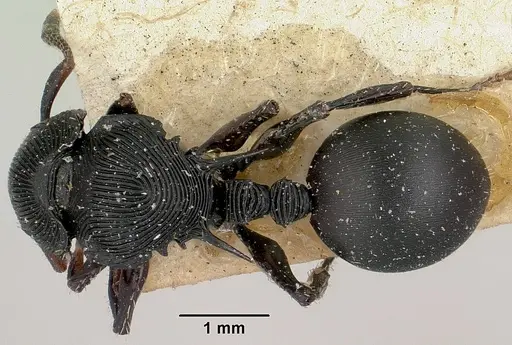
CASENT0498338
View on AntWeb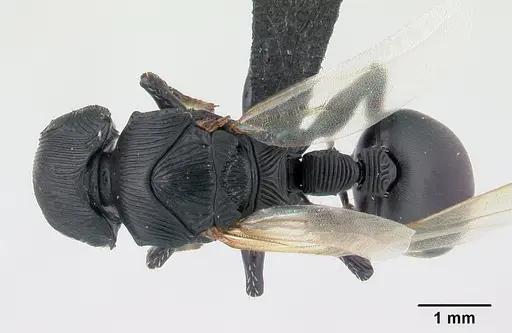
CASENT0498381
View on AntWeb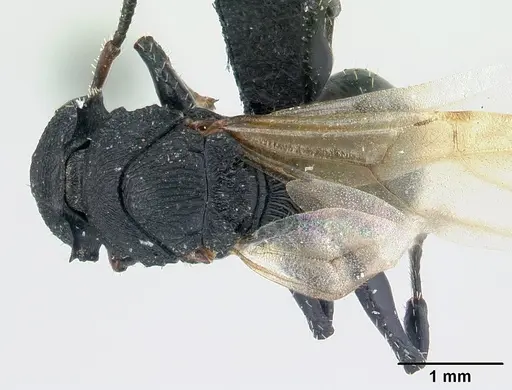
CASENT0498558
View on AntWeb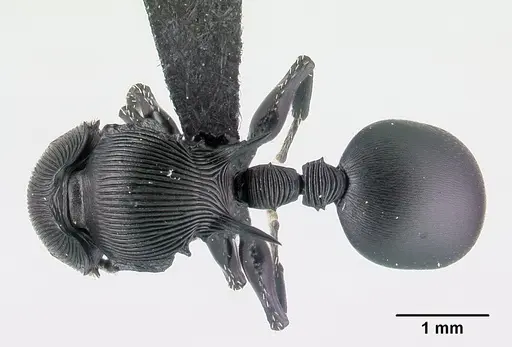
CASENT0498567
View on AntWeb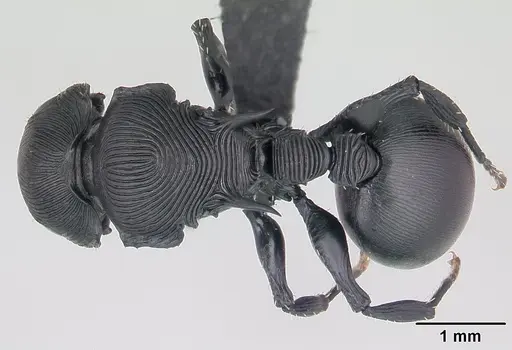
Literature
Loading distribution map...Loading products...