
Cataulacus traegaordhi
- Sci. Name
- Cataulacus traegaordhi
- Tribe
- Crematogastrini
- Subfamily
- Myrmicinae
- Author
- Santschi, 1914
- Distribution
- Found in 6 countries
Introduction
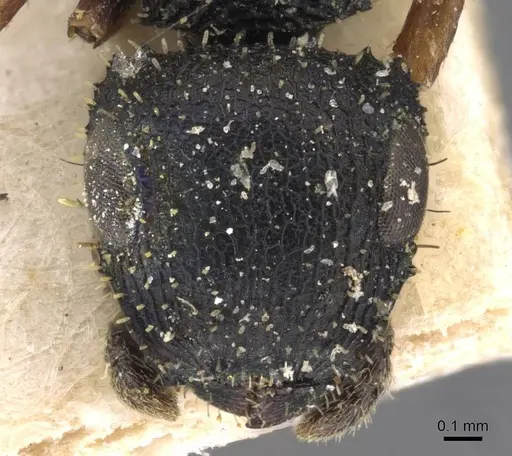
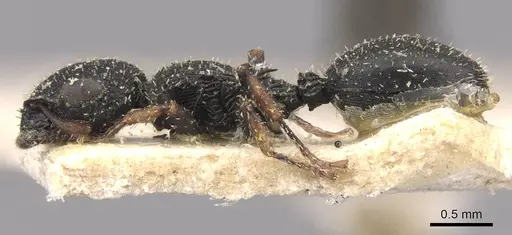
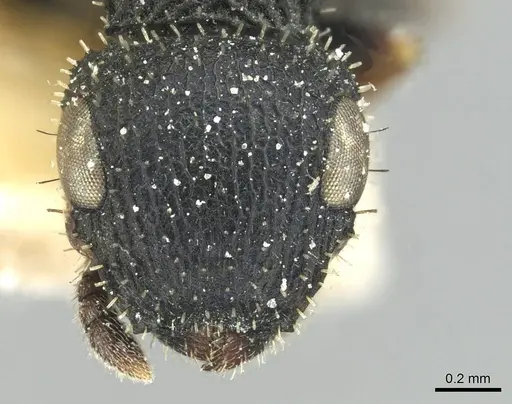
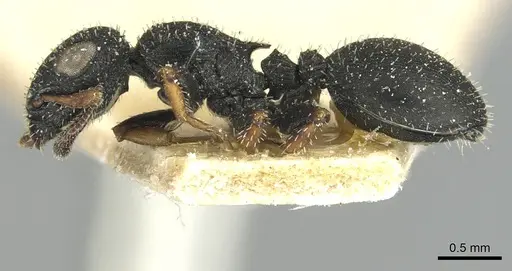
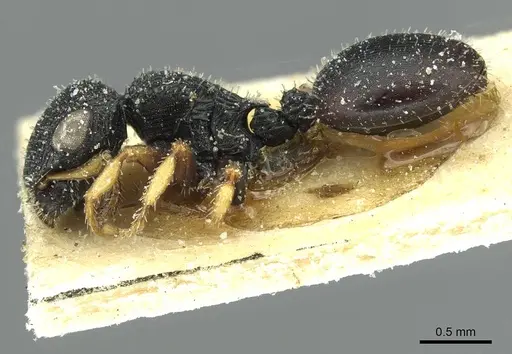
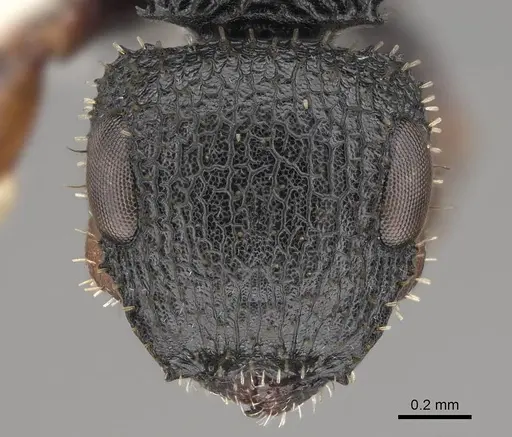
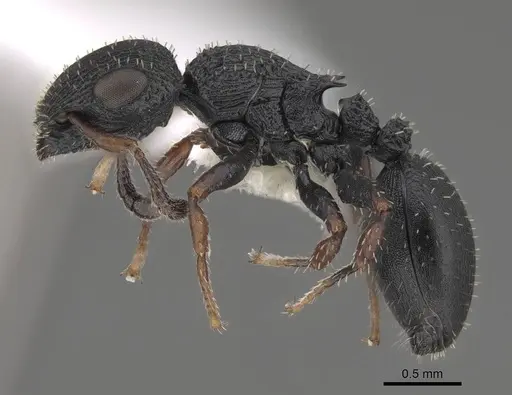
Cataulacus traegaordhi is a small arboreal ant species native to the Afrotropical region, found across central to southern Africa including countries like South Africa, Kenya, Uganda, Nigeria, Ghana, Ivory Coast, Togo, Gambia, Democratic Republic of Congo, and Rwanda [AntWiki]. Workers are small ants that nest exclusively in dead vegetation, twigs, and small branches, particularly in mangrove forests and wooded habitats . The genus Cataulacus is known for their somewhat flattened, turtle-like body shape, similar to the related Cephalotes (turtle ants), though Cataulacus traegaordhi is considerably smaller . These ants are arboreal nesters, meaning they live and forage in trees and shrubs rather than on the ground. They are considered a potential bioindicator for wooded habitats, having been collected specifically in forested areas rather than open habitats .
Quick Summary
- Difficulty: Medium
- Origin & Habitat: Afrotropical region, found in countries including South Africa, Kenya, Uganda, Nigeria, Ghana, Ivory Coast, Togo, Gambia, Democratic Republic of Congo, Eswatini, Sudan, and Rwanda. They inhabit wooded areas and mangroves, nesting in dead twigs, branches, and vegetation [2][3][4][5][6].
- Colony Type: Colony structure is unconfirmed, the species has not been studied in detail. Based on related Cataulacus species, they likely form small to moderate colonies with single queens (monogyne), though this is an estimate.
- Size & Growth:
- Queen: size data unavailable, no specific measurements exist for this species
- Worker: size data unavailable, no specific measurements exist for this species
- Colony: Estimated up to several hundred workers based on genus patterns
- Growth: Moderate, estimated
- Development: Estimated 6-10 weeks based on typical Myrmicinae development at optimal temperature (No specific development data exists for this species, estimates based on genus-level patterns)
- Antkeeping:
- Temperature: Keep at 24-28°C as a starting point. These are tropical ants from warm climates, so they need consistent warmth. A heating cable on one side of the nest creates a suitable gradient.
- Humidity: Moderate to high humidity, they naturally inhabit mangroves and wooded areas with good moisture [2][4]. Keep the nest substrate consistently damp but not waterlogged, with some drier areas available for the ants to regulate their own conditions.
- Diapause: No, as a tropical species from the Afrotropics, they do not require a true diapause or hibernation. They may show reduced activity during cooler periods.
- Nesting: Arboreal species, they naturally nest in dead twigs, branches, and vegetation. In captivity, they do well in Y-tong (AAC) nests or naturalistic setups with wood pieces, cork bark, or plant stems. Avoid fully soil-based nests, they prefer dry, woody nesting chambers [2][3].
- Behavior: These are arboreal ants that forage in trees and shrubs. They are not aggressive and are considered peaceful colony members. Workers are small but active, moving through vegetation to collect honeydew and small prey. Escape prevention is important due to their small size, use fine mesh barriers and tight-fitting lids. They possess a flattened, spatulate stinger used to smear venom onto enemies rather than sting (typical of Myrmicinae Crematogastrini tribe).
- Common Issues: limited biological data means care is based on genus estimates rather than species-specific research, small size makes escape prevention critical, they can squeeze through tiny gaps, arboreal nature requires specific nesting setups that differ from ground-nesting ants, wild-caught colonies may carry parasites that are poorly understood in captivity, tropical origin means they may be sensitive to temperature drops
Natural History and Distribution
Cataulacus traegaordhi is native to the Afrotropical region, with confirmed sightings across central to southern Africa. The species has been recorded in South Africa (Natal, Zululand), Uganda, Kenya, Nigeria, Ghana, Ivory Coast, Togo, Gambia, the Democratic Republic of Congo, Eswatini, Sudan, and recently Rwanda (first recorded in Akagera National Park in 2026) [5][6][1]. They are arboreal ants that nest exclusively in dead vegetation, researchers found them nesting in twigs, small branches, air roots, and prop roots of red mangroves in The Gambia, with specimens collected at all six sampling sites [2][3]. This arboreal nesting in mangroves is analogous to how Cephalotes species (turtle ants) occupy similar niches in Florida and Jamaican red mangroves [2]. The species is considered a potential bioindicator for wooded habitats, having been collected specifically in covered (forested) areas rather than open habitats [4]. In the Guinean savanna at Lamto Scientific Reserve, Côte d'Ivoire, they were classified as a Non-dominant arboreal (NDA) functional group, with occurrences dropping from 2 before fire to 0 after fire [7].
Housing and Nest Setup
Because Cataulacus traegaordhi is an arboreal species, your setup should mimic their natural preference for woody nesting material. Y-tong (AAC) nests work well, or you can create a naturalistic setup with cork bark, dried twigs, or plant stems. The key is providing dry nesting chambers, these ants do not need the moist substrate that ground-nesting species require. The nest should have narrow chambers and passages scaled to their small size. The outworld (foraging area) can be decorated with artificial plants, twigs, or other structures that allow them to forage as they would in trees. Ensure excellent escape prevention, their small size means they can slip through gaps that larger ants cannot. Use fine mesh on any ventilation holes and ensure all lids fit tightly. [2][3]
Feeding and Diet
Based on related Cataulacus species and their arboreal lifestyle, these ants likely feed on honeydew collected from aphids and scale insects in trees, plus small insects they can capture. Offer sugar water or honey water as a constant energy source. For protein, provide small live prey like fruit flies, pinhead crickets, or mealworm pieces. They may also accept commercial ant foods. Feed small amounts initially and observe what the colony takes. Remove any uneaten prey after 24-48 hours to prevent mold. Because they are arboreal foragers, place food in the outworld rather than directly in the nest.
Temperature and Humidity
As a tropical species from the Afrotropics, Cataulacus traegaordhi needs warm conditions. Aim for 24-28°C in the nest area. You can use a heating cable placed on top of the nest (never underneath, as this can cause moisture evaporation) to maintain warmth. Create a slight temperature gradient so workers can choose their preferred spot. For humidity, moderate levels are fine, they naturally occur in mangroves which provide good ambient moisture. The nest itself should be relatively dry compared to ground-nesting setups. Mist the outworld occasionally but avoid making the nest substrate wet. Good ventilation helps prevent mold while maintaining appropriate humidity. [2]
Colony Establishment and Growth
No specific research exists on the founding behavior of Cataulacus traegaordhi. Based on typical Cataulacus genus patterns, the queen likely seals herself in a small chamber (claustral founding) and lives off stored fat reserves until her first workers emerge. Expect the first workers (nanitics) to be smaller than normal workers. Growth rate is estimated as moderate, colonies likely reach several hundred workers over time, though exact maximum colony size is unknown. Be patient during the founding phase, as this is when many colonies fail. Keep disturbances to a minimum and avoid checking the queen too frequently.
Frequently Asked Questions
How long does it take for Cataulacus traegaordhi to produce first workers?
The exact timeline is unconfirmed for this species. Based on typical Myrmicinae development, expect around 6-10 weeks from egg to first worker at optimal temperature (24-28°C). This is an estimate since no species-specific research exists.
What is the best nest type for Cataulacus traegaordhi?
Y-tong (AAC) nests or naturalistic setups with cork bark and twigs work best. These are arboreal ants that naturally nest in dead wood and vegetation, not in soil. Provide dry nesting chambers scaled to their small size.
Do Cataulacus traegaordhi ants sting?
They possess a modified, flattened stinger typical of the Crematogastrini tribe, used to smear or wipe venom onto enemies rather than piercing flesh. They are small and generally peaceful, not known for aggressive stinging behavior.
Are Cataulacus traegaordhi good for beginners?
This species is rated as Medium difficulty. While not the most challenging ant to keep, the lack of species-specific biological data means keepers should have some basic antkeeping experience. Their arboreal nature requires different setup considerations than more common ground-nesting ants.
What do Cataulacus traegaordhi eat?
Based on related species, they likely accept sugar sources (honey water, sugar water) and small protein prey (fruit flies, small insects). They are arboreal foragers, so place food in the outworld rather than in the nest.
Do Cataulacus traegaordhi need hibernation?
No, as a tropical species from the Afrotropics, they do not require a true diapause or hibernation. They may show reduced activity during cooler periods, but no special winter treatment is needed beyond maintaining normal room temperature.
How big do Cataulacus traegaordhi colonies get?
Exact colony size is unconfirmed. Based on genus patterns, they likely reach several hundred workers. This is an estimate rather than a confirmed measurement.
Can I keep multiple Cataulacus traegaordhi queens together?
The colony structure is unconfirmed. No research exists on whether this species is monogyne (single queen) or polygyne (multiple queens). It is not recommended to combine unrelated foundress queens without documented evidence of successful pleometrosis (multiple queen founding) for this species.
Why are my Cataulacus traegaordhi dying?
Common causes include: temperature too low (keep at 24-28°C), humidity wrong (they prefer drier nest conditions than ground-nesting ants), escape-related losses due to their small size, or parasites from wild-caught colonies. Ensure excellent escape prevention and appropriate arboreal-style housing.
Where is Cataulacus traegaordhi found in the wild?
Across the Afrotropical region, South Africa, Kenya, Uganda, Nigeria, Ghana, Ivory Coast, Togo, Gambia, Democratic Republic of Congo, Eswatini, Sudan, Rwanda, and more. They nest in dead twigs and branches in mangroves and wooded areas.
Report an Issue
The current care sheet is based fully on literature. See inconsistencies, or something that's incorrect? Please , it will be resolved after review from an admin. Contributing to the blogs tab also helps providing information, to make us be able to further improve the caresheets. Thank you for your support!
References

This caresheet is licensed under CC BY-SA 4.0 .
Community Blogs
CASENT0068381
View on AntWeb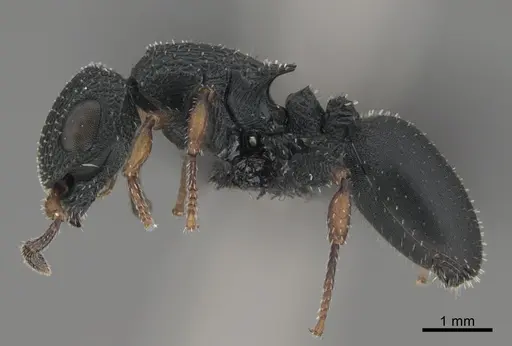
CASENT0280809
View on AntWeb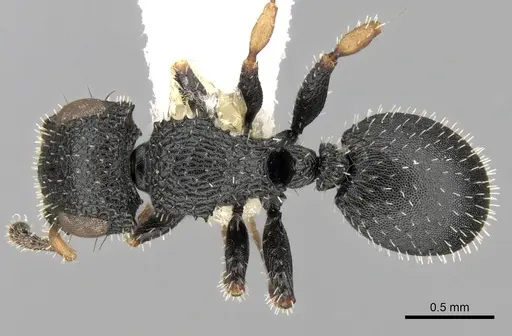
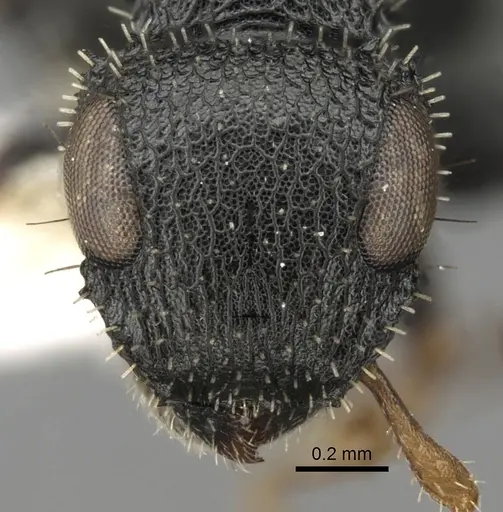
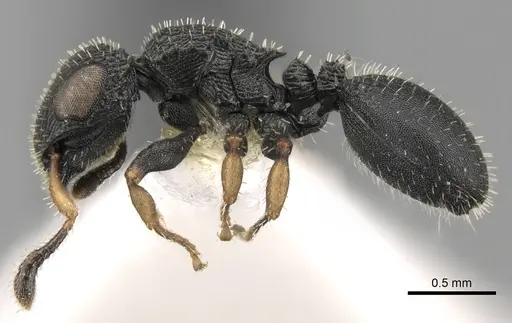
CASENT0909227
View on AntWeb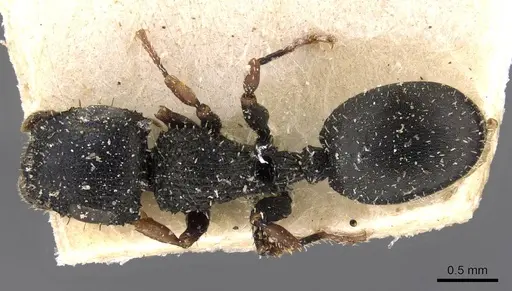
CASENT0912571
View on AntWeb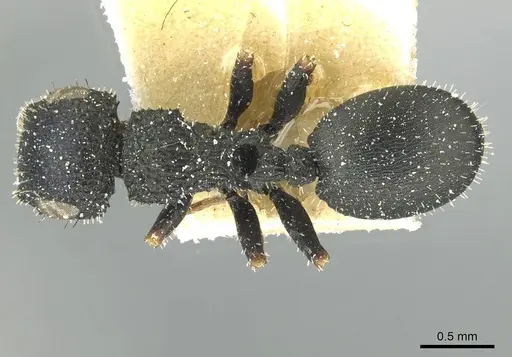
CASENT0912572
View on AntWeb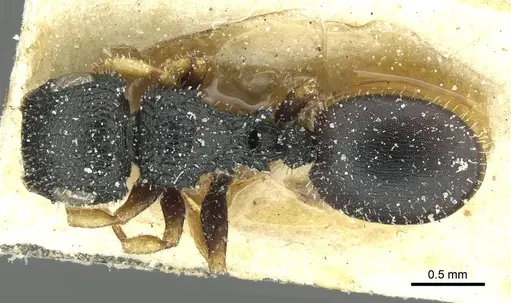
CASENT0922508
View on AntWeb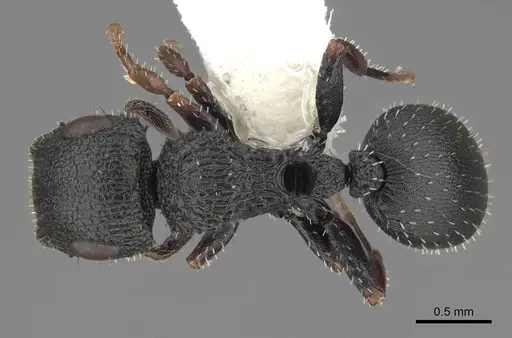
Literature
Loading distribution map...Loading products...