
Savanna sculpted tree ant
Cataulacus intrudens
- Sci. Name
- Cataulacus intrudens
- Tribe
- Crematogastrini
- Subfamily
- Myrmicinae
- Author
- Smith, 1876
- Common Name
- Savanna sculpted tree ant
- Distribution
- Found in 10 countries
Introduction
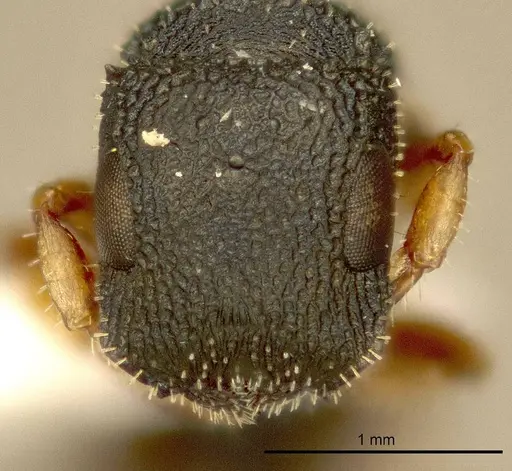
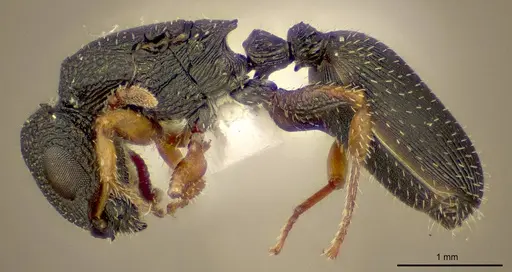
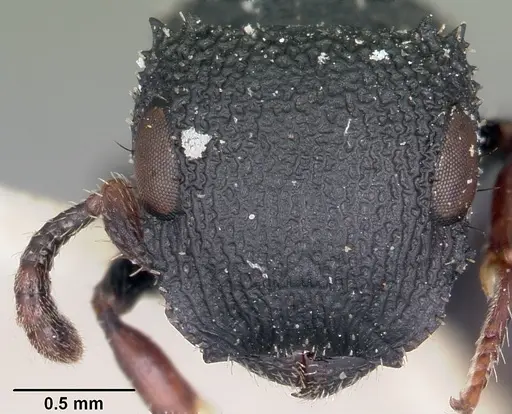
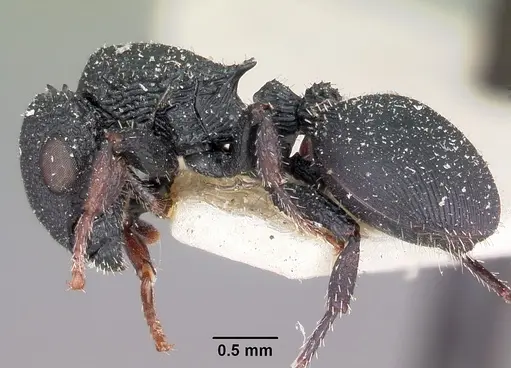
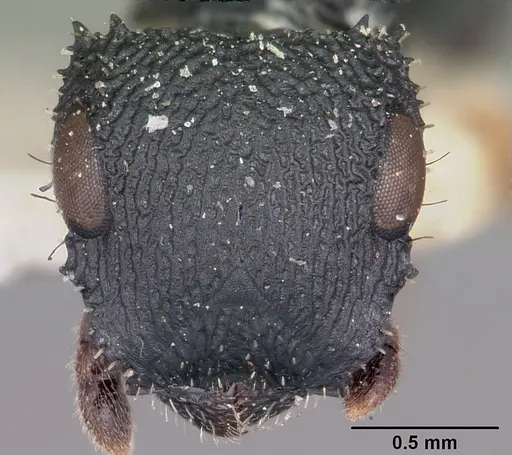
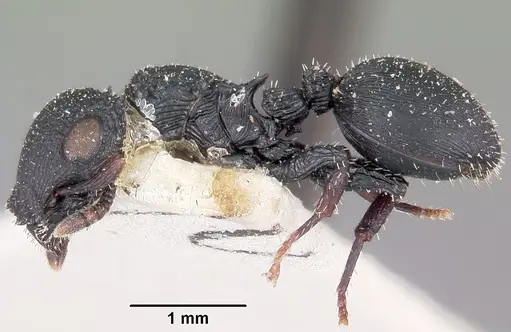
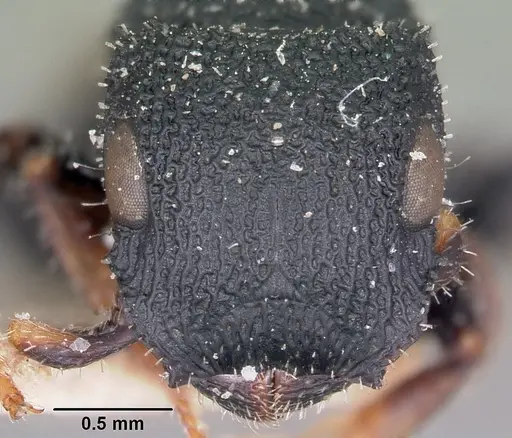
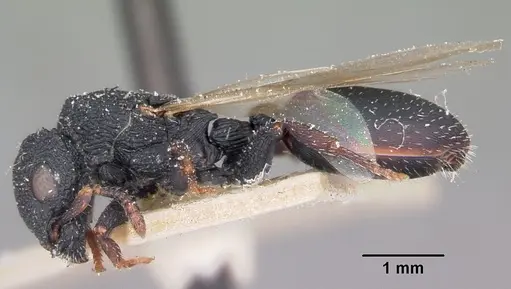
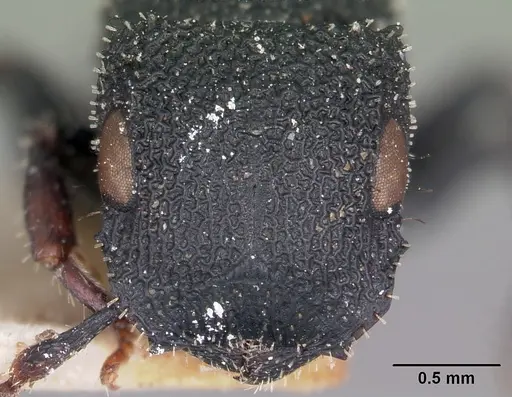
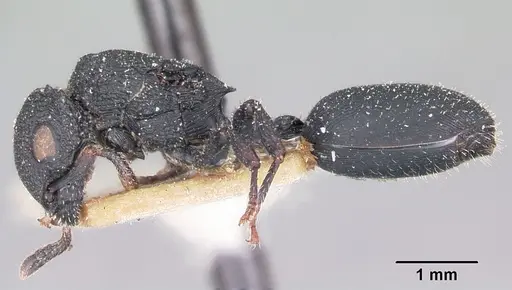
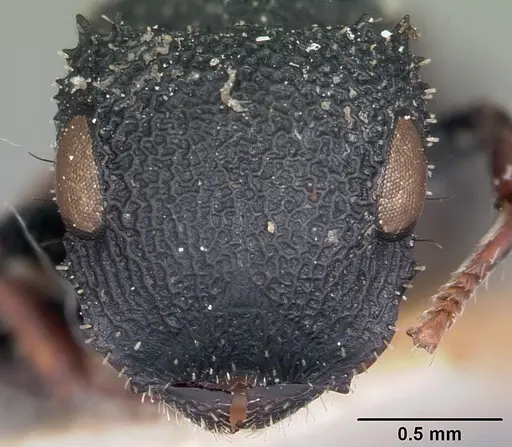
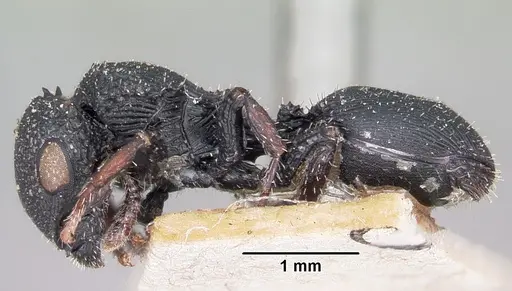
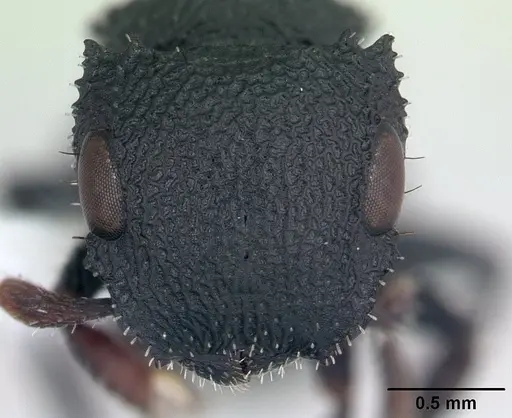
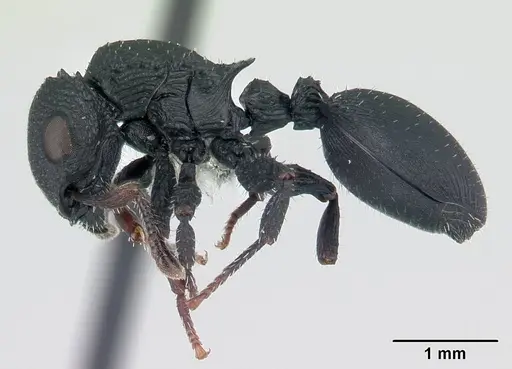
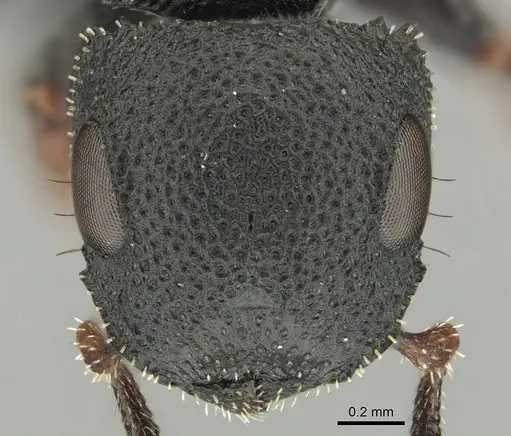
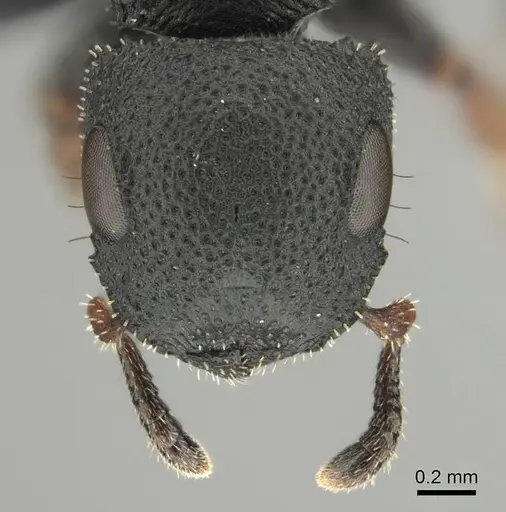
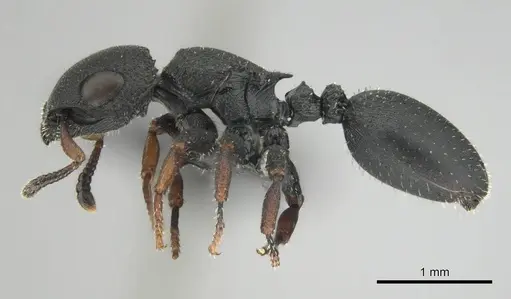
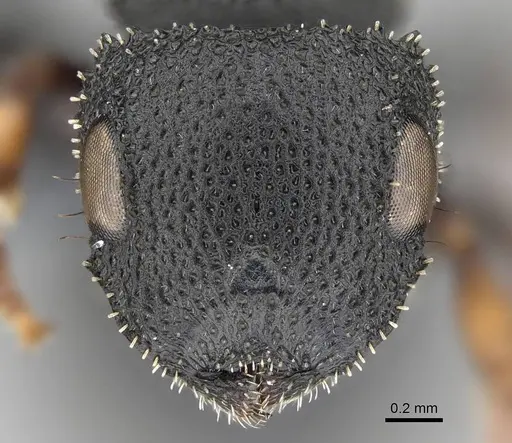
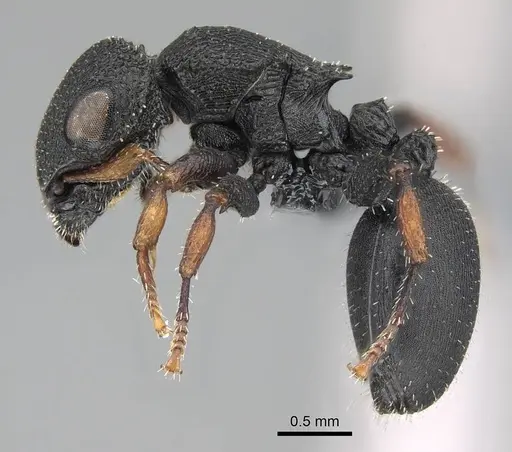
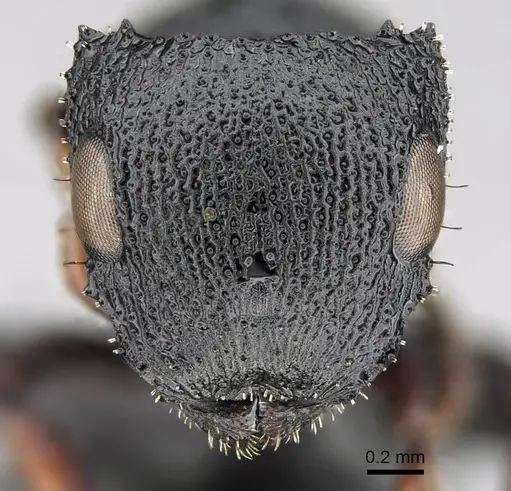
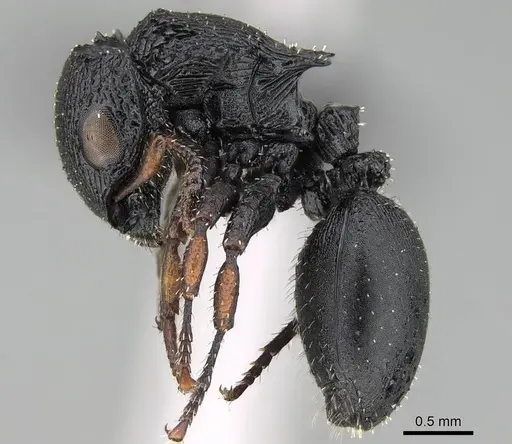
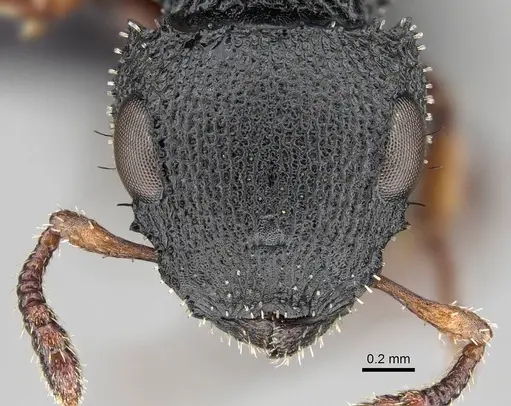
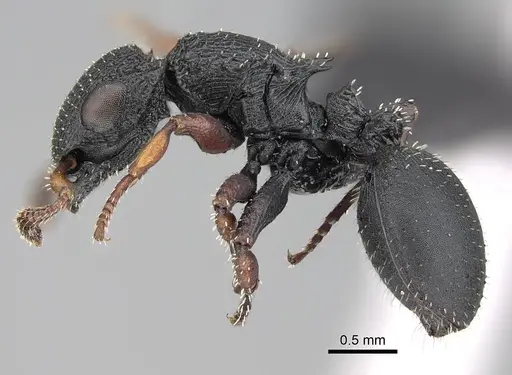
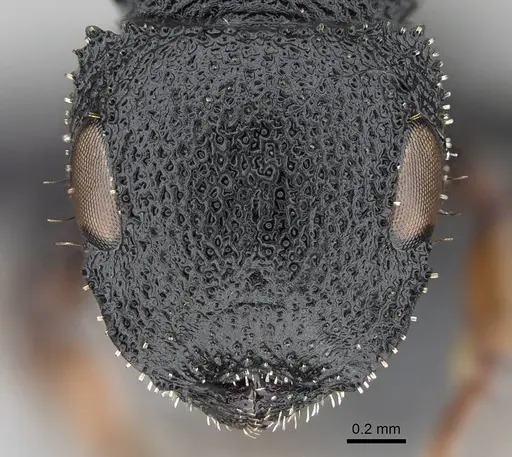
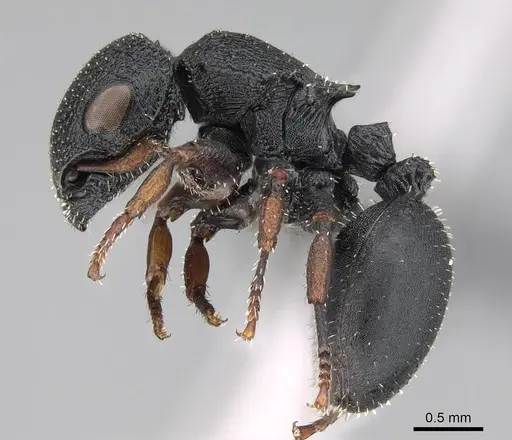
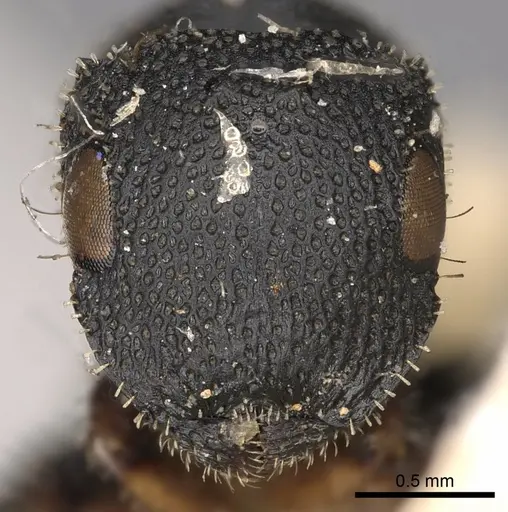
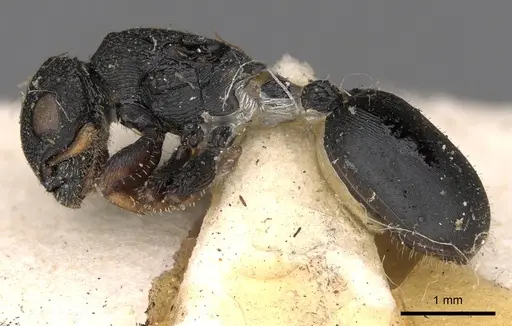
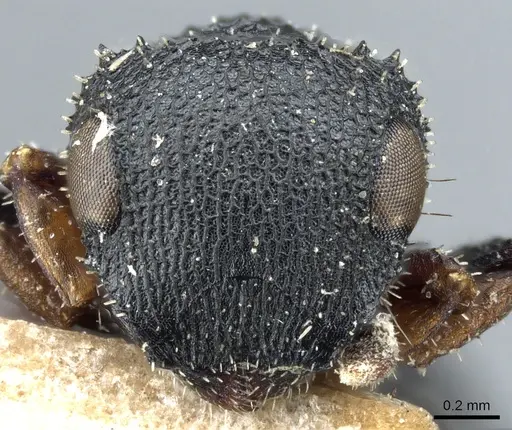
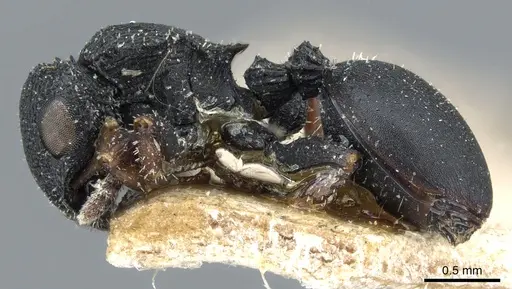
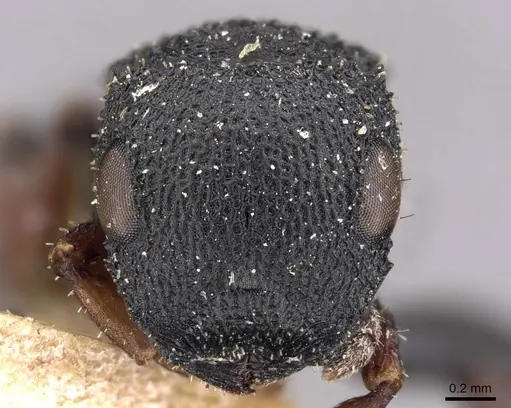
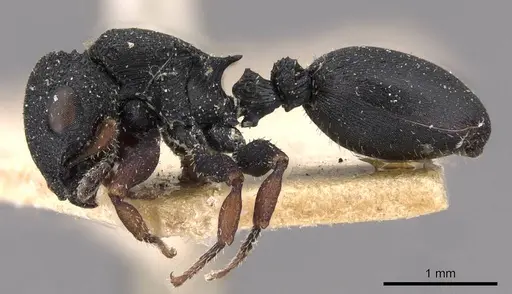
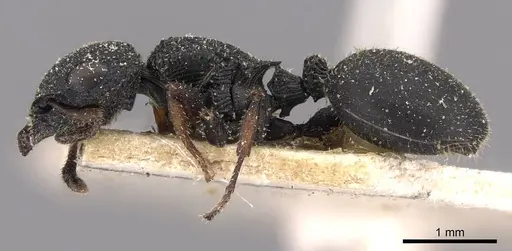
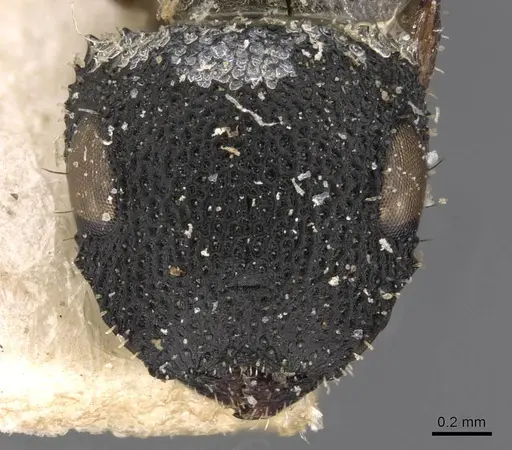
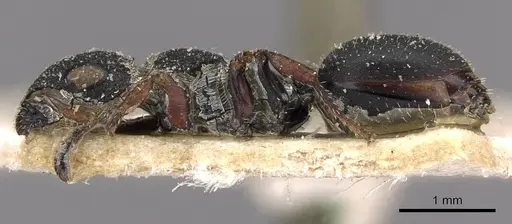
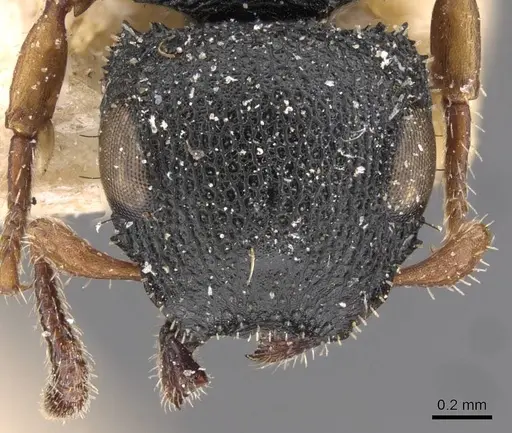
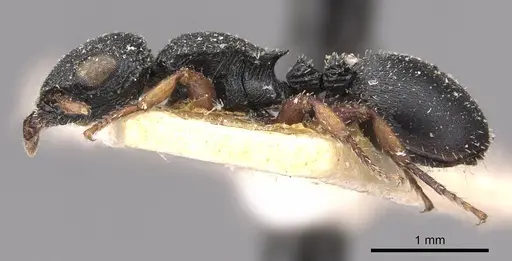
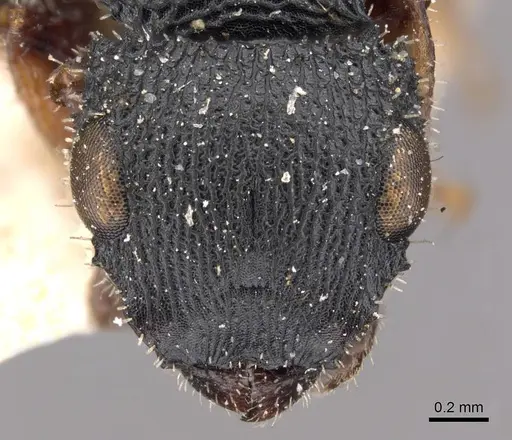
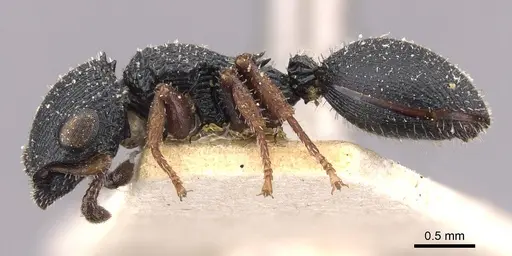
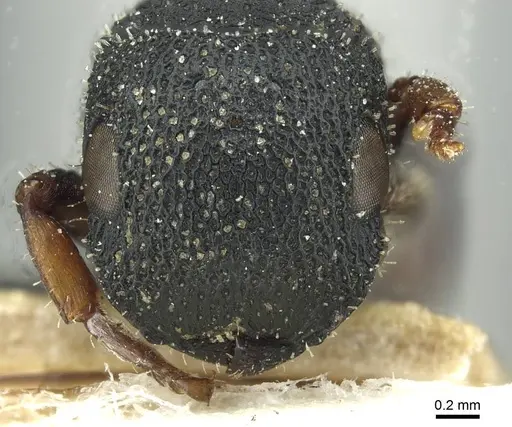
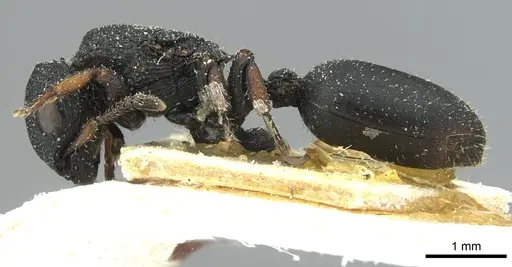
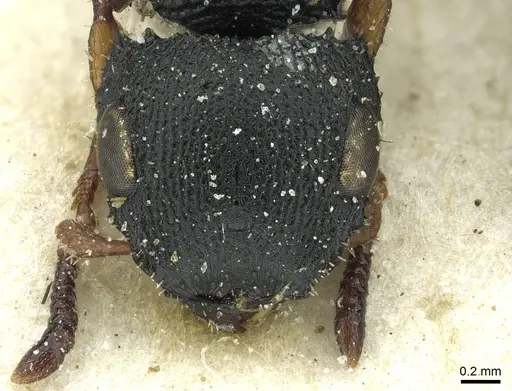
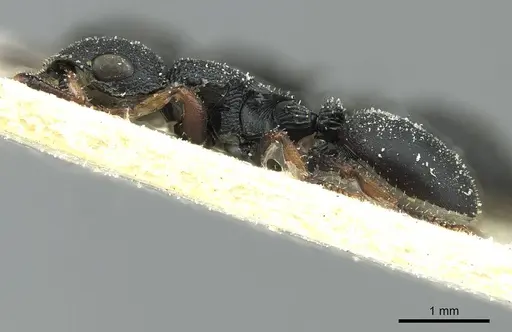
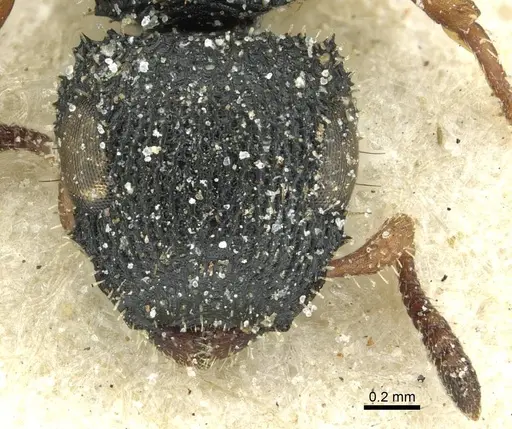
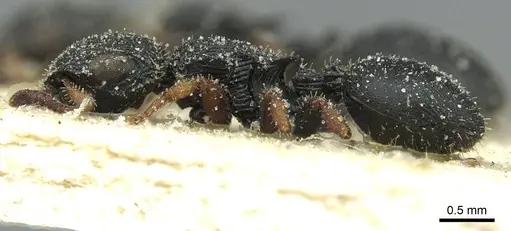
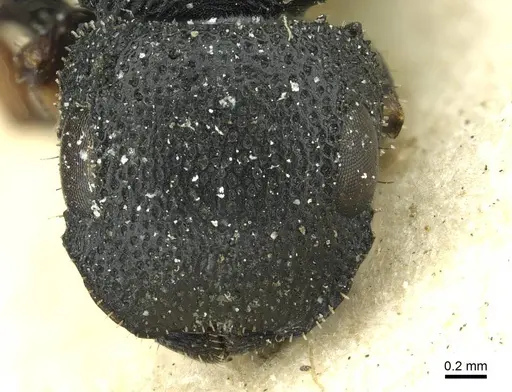
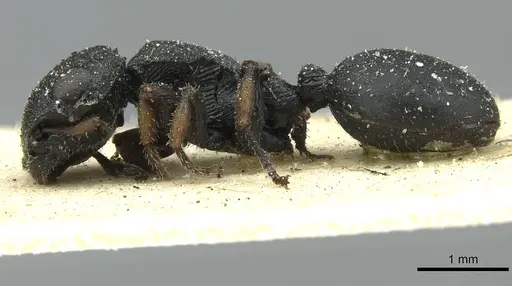
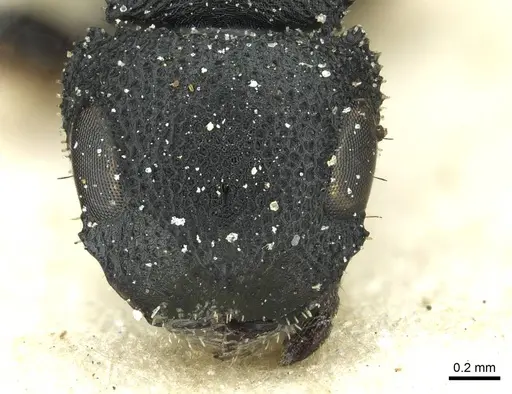
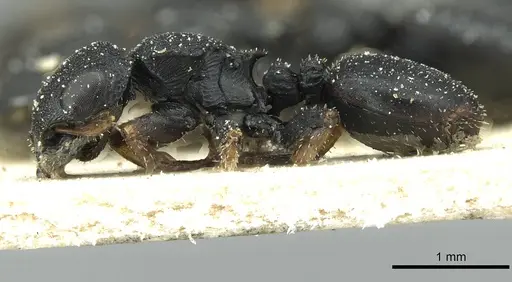
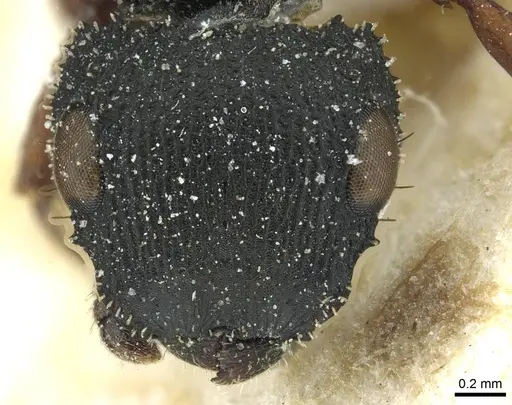
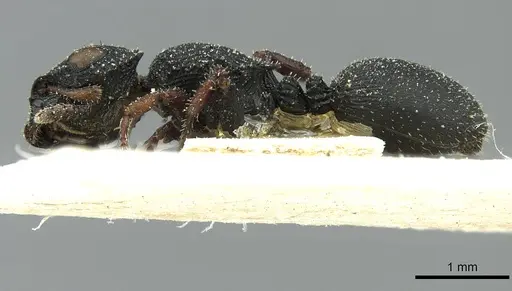
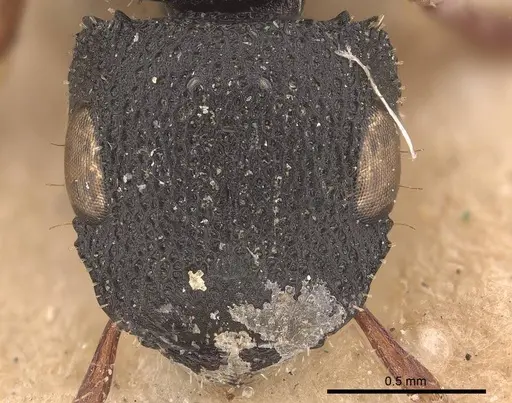
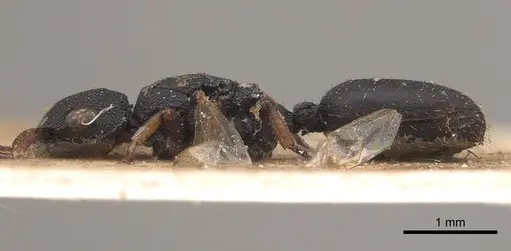
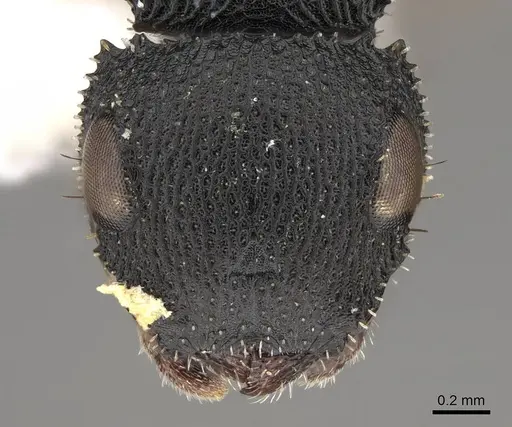
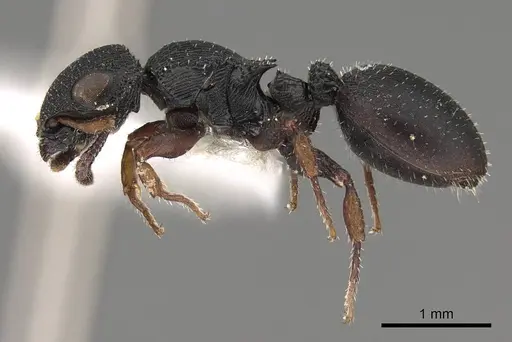
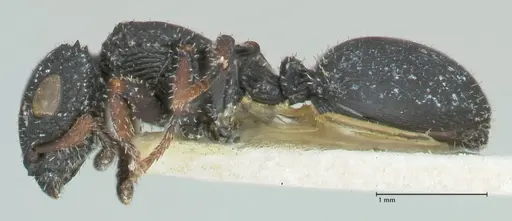
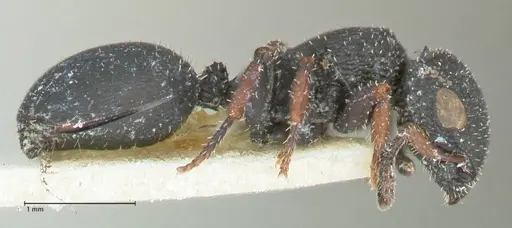
Cataulacus intrudens is an arboreal ant species native to eastern and southern Africa, where it is the most common Cataulacus species in the region [AntWiki]. Workers measure 4.3-5.1mm and queens measure 6.2-7.4mm - both are uniformly black with distinctive spines on the propodeum and toothed corners on the head [AntWiki]. This species is famous for its incredible variation - researchers have described it under at least 14 different names over the years due to differences in head shape, sculpturing, and spine length that all turned out to be normal variation within the species [AntWiki]. These ants nest in hollow twigs and branches of trees and shrubs, including acacia thorns and the swollen thorn structures of Vachellia trees [AntWiki]. They are frequently found on tree trunks and serve as a mimicry model - other insects imitate their black coloration to avoid predators . This species has a flattened, spatulate stinger used to smear venom onto enemies rather than pierce flesh.
Quick Summary
- Difficulty: Medium
- Origin & Habitat: Eastern and southern Africa, found in Angola, Eswatini, Ethiopia, Kenya, Malawi, Mozambique, Namibia, Somalia, South Africa, Tanzania, Zimbabwe, and Madagascar [1]. This is an arboreal species that nests in twigs, branches, and hollow thorns of trees and shrubs in savannah habitats.
- Colony Type: Colony structure is not well documented in scientific literature. The species shows significant variation in worker morphology, some workers have 'worker-shaped' heads while larger individuals develop 'female-shaped' heads with reduced denticulation.
- Size & Growth:
- Antkeeping:
- Temperature: Keep at 22-26°C, these are African arboreal ants from warm savannah habitats.
- Humidity: Moderate humidity around 50-70%. Being arboreal, they are adapted to drier conditions than ground-nesting ants.
- Diapause: Likely a short diapause period during the cooler dry season in their African range. Consider a brief winter rest at 15-18°C for 2-3 months if colony shows reduced activity.
- Nesting: Arboreal nesting, they naturally live in twigs, branches, and hollow thorns. In captivity, they do well in Y-tong (AAC) nests or plaster nests with narrow chambers. Avoid large, open spaces, they prefer tight, enclosed spaces scaled to their body size.
- Behavior: Generally calm and non-aggressive foragers. They are arboreal and spend considerable time on tree bark and branches. Workers are medium-sized and relatively slow-moving. They have a flattened stinger used to smear venom rather than pierce, not particularly painful to humans. Escape prevention should be moderate, they can squeeze through small gaps when determined.
- Common Issues: arboreal nature means they may struggle in ground-based test tube setups, provide climbing structures and elevated foraging areas, wild-caught colonies may have parasites or diseases that can cause colony failure in captivity, their variable morphology may cause confusion, some workers look very different from others in the same colony, colonies may be slow to establish and require patience during the founding phase
Housing and Nest Setup
Cataulacus intrudens is an arboreal ant, which means you need to think vertically rather than horizontally. In the wild, these ants live in hollow twigs, branches, and the swollen thorns of acacia trees. They do best in Y-tong (AAC) nests or plaster nests with narrow, tight chambers that mimic their natural tree-hole homes. Avoid large, open formicarium spaces, these ants feel safest in snug quarters. Provide a test tube water reservoir attached to the nest for humidity, but do not overdo it, arboreal ants are adapted to drier conditions than ground nesters. Include some small climbing structures or branches in the outworld so they can forage naturally up high. Since they are tree-dwellers, they will appreciate some vertical space and bark or twig decorations in their foraging area. [1]
Feeding and Diet
Like most Myrmicinae, Cataulacus intrudens is an omnivore that accepts both protein and sugar sources. Feed them standard ant foods like sugar water, honey, or diluted maple syrup for carbohydrates. For protein, offer small insects like fruit flies, small mealworms, or cricket pieces. In their natural habitat, they forage on tree trunks and branches, likely collecting honeydew from aphids and scale insects as well as hunting small arthropods. Feed protein 2-3 times per week and keep sugar water available constantly. Remove uneaten prey after 24-48 hours to prevent mold. These ants are not specialized predators, so they will readily accept most standard ant foods.
Temperature and Seasonal Care
Keep your colony at 22-26°C, which mimics the warm temperatures of their African savannah habitat. A small heating cable on one side of the nest can create a gentle gradient, place it on top of the nest, not underneath, to avoid evaporating water too quickly. Room temperature in most homes should work fine for this species. Regarding winter care, the natural range includes areas with distinct wet and dry seasons. If your colony becomes less active during winter months, you can provide a brief cool period at 15-18°C for 2-3 months. This mimics their natural seasonal cycle and may help trigger breeding activity in spring. However, diapause is not strictly required, many keepers successfully maintain active colonies year-round at room temperature.
Understanding Their Incredible Variation
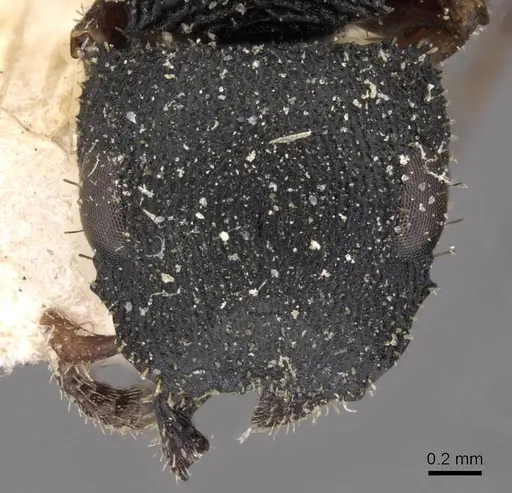
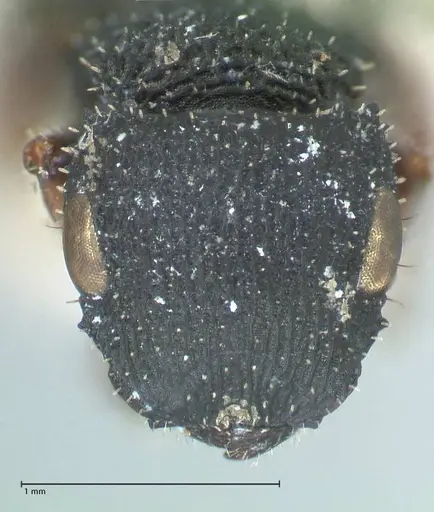
One of the most fascinating aspects of Cataulacus intrudens is how wildly variable the workers look, so variable that researchers originally described many different species that are now all recognized as one. Workers can have very different head shapes, from the typical worker shape with toothed sides to a female-shaped head that looks more like the queen. Some have strong sculpturing and spines, others are smoother. This variation is not random, larger workers tend to have the female-like features, while smaller workers keep the more typical worker appearance. When keeping this species, do not be alarmed if your workers look quite different from each other. This is completely normal for Cataulacus intrudens and is not a sign of problems. [1]
Behavior and Foraging
These ants are relatively calm and not particularly aggressive. They spend much of their time foraging on tree bark and branches in the wild, so they will do most of their activity on elevated surfaces in your setup. Workers are medium-sized and moderately active. They use chemical trails to recruit nestmates to food sources, similar to most Myrmicinae. While they do not have a particularly painful sting, they can defend themselves if threatened using their smear-type stinger. Escape prevention should be standard, they are not tiny ants but can still find their way out through small gaps if your setup is not secure. A standard barrier like fluon on the rim of the outworld should be sufficient. [2]
Frequently Asked Questions
How long does it take for Cataulacus intrudens to produce first workers?
Based on typical Myrmicinae development, expect 6-10 weeks from egg to first worker at optimal temperatures (around 24°C). The exact timeline has not been scientifically documented for this species, so patience is required during the founding phase.
What is the best nest type for Cataulacus intrudens?
Y-tong (AAC) nests or plaster nests work best. These ants are arboreal and naturally live in tight tree hollows, so they prefer narrow, enclosed chambers rather than large open spaces. Provide a test tube water reservoir for humidity.
Are Cataulacus intrudens good for beginners?
This is a medium-difficulty species. They are not as challenging as some exotic arboreal ants, but they do require proper vertical housing and understanding of their arboreal nature. Beginners should be prepared to provide appropriate climbing structures and not over-humidify the nest.
Do Cataulacus intrudens ants sting?
They have a stinger but it is not particularly potent or painful to humans. These ants are not known for aggressive stinging behavior. They will defend if threatened but are generally calm.
How big do Cataulacus intrudens colonies get?
Colony size is not well documented, but based on typical Cataulacus patterns, colonies likely reach several hundred workers. They are not among the largest ant species.
Can I keep multiple queens together?
This has not been studied for this species. Based on typical Cataulacus behavior, single-queen colonies are most common. Combining unrelated queens is not recommended without evidence they can coexist peacefully.
What do Cataulacus intrudens eat?
They accept standard ant foods: sugar water, honey, or maple syrup for carbohydrates, and small insects like fruit flies, mealworms, or crickets for protein. They are generalist omnivores.
Do they need hibernation?
A brief winter rest may be beneficial but is not strictly required. Their African range has seasonal variation, so you could provide 2-3 months at 15-18°C if the colony becomes less active. Many keepers successfully maintain active colonies year-round.
Why do some workers look so different in my colony?
This is completely normal for Cataulacus intrudens, it is one of the most variable ant species known. Workers range from worker-shaped heads with toothed sides to female-shaped heads. Larger workers tend to have the female-like appearance. This variation is natural, not a problem.
Where is Cataulacus intrudens found in the wild?
They are native to eastern and southern Africa, including South Africa, Tanzania, Kenya, Zimbabwe, Mozambique, Namibia, and Madagascar. They live in trees and shrubs, nesting in hollow twigs and branches.
How do I set up an arboreal ant colony properly?
Provide vertical space with climbing structures, use a Y-tong or plaster nest with tight chambers, and ensure they can access water without flooding their nest. Place the outworld at an elevated position if possible, or include branches or perches for them to walk on.
Report an Issue
The current care sheet is based fully on literature. See inconsistencies, or something that's incorrect? Please , it will be resolved after review from an admin. Contributing to the blogs tab also helps providing information, to make us be able to further improve the caresheets. Thank you for your support!
References

This caresheet is licensed under CC BY-SA 4.0 .
Community Blogs
ANTWEB1008730
View on AntWeb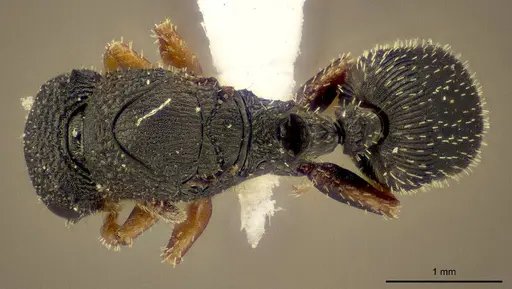
CASENT0101247
View on AntWeb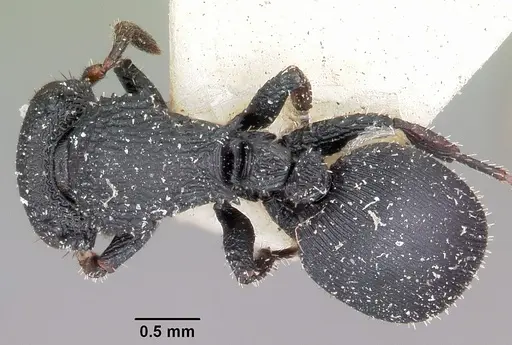
CASENT0101248
View on AntWeb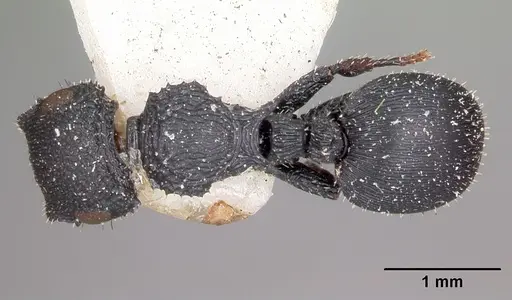
CASENT0101249
View on AntWeb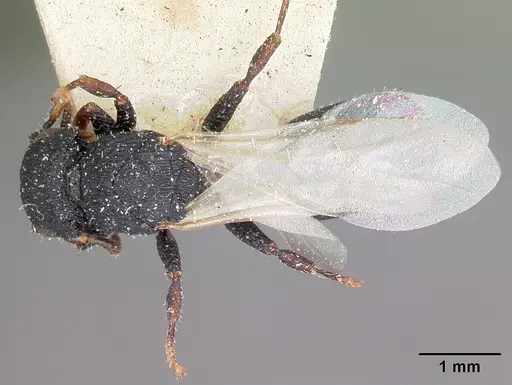
CASENT0101250
View on AntWeb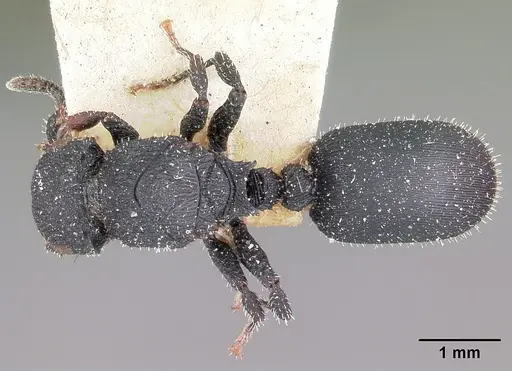
CASENT0101608
View on AntWeb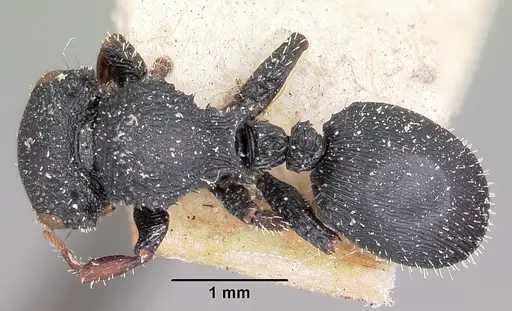
CASENT0178903
View on AntWeb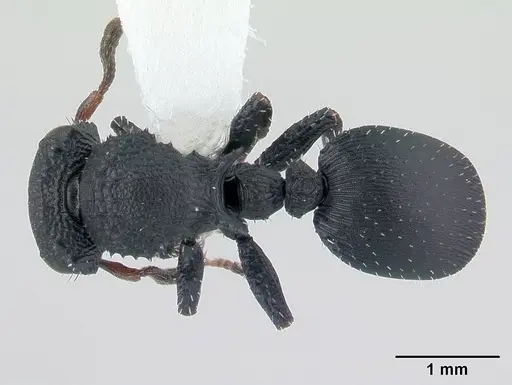
CASENT0257375
View on AntWeb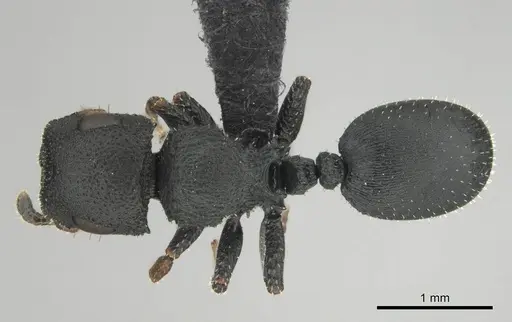
CASENT0785918
View on AntWeb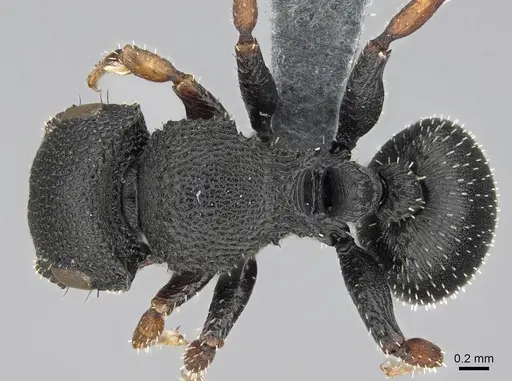
CASENT0822191
View on AntWeb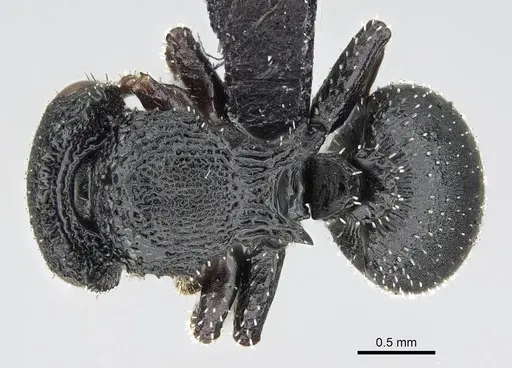
CASENT0822193
View on AntWeb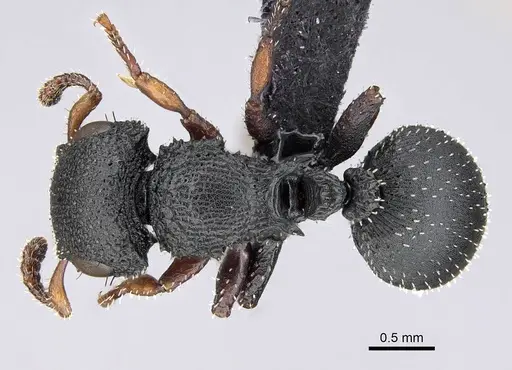
CASENT0822210
View on AntWeb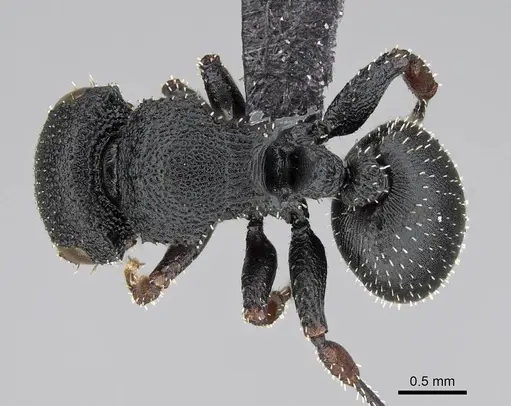
CASENT0900262
View on AntWeb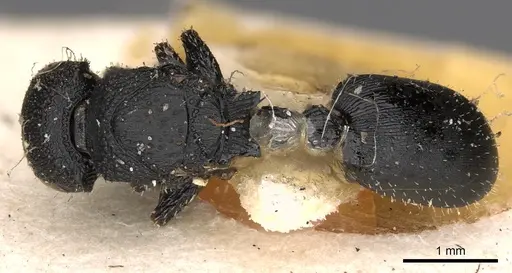
CASENT0904882
View on AntWeb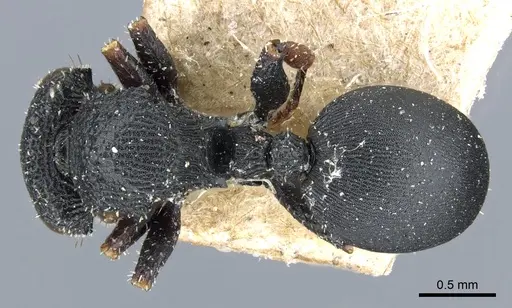
CASENT0909218
View on AntWeb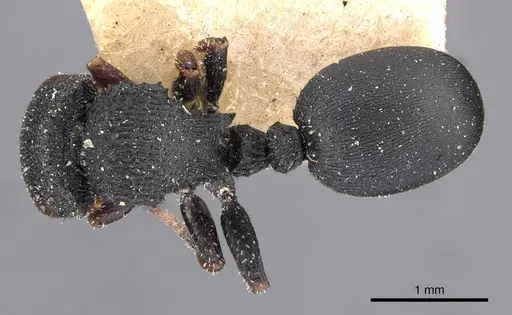
CASENT0909219
View on AntWeb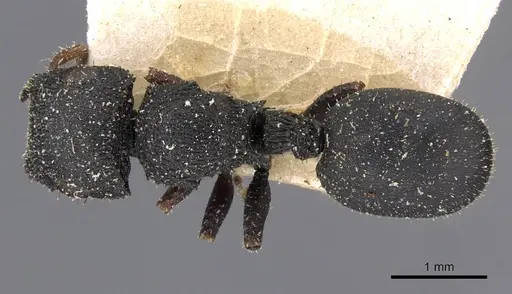
CASENT0909220
View on AntWeb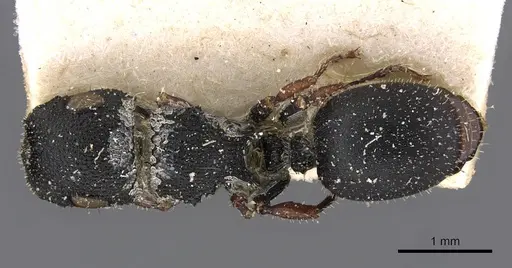
CASENT0909224
View on AntWeb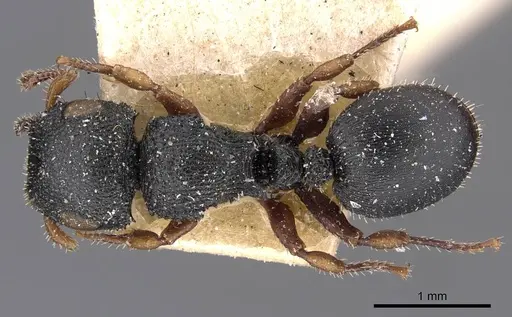
CASENT0909234
View on AntWeb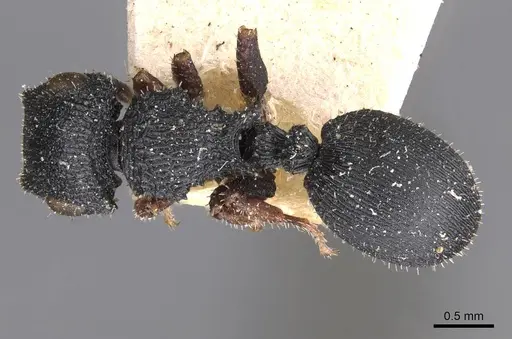
CASENT0912552
View on AntWeb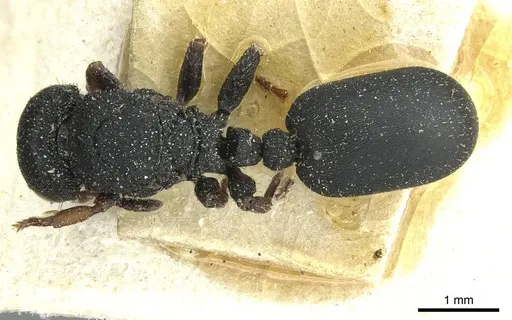
CASENT0912553
View on AntWeb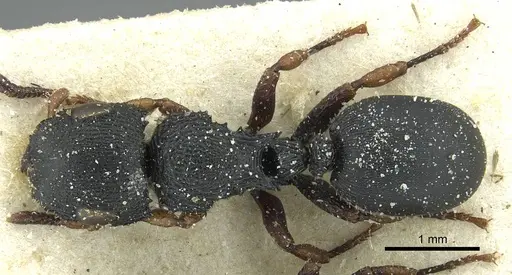
CASENT0912554
View on AntWeb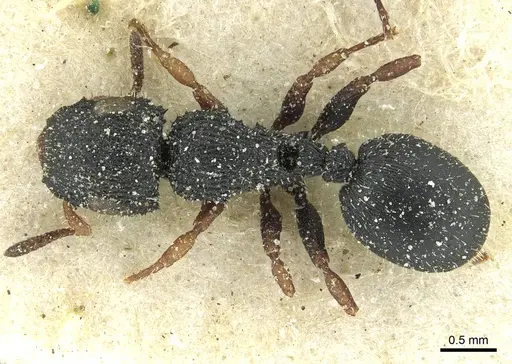
CASENT0912555
View on AntWeb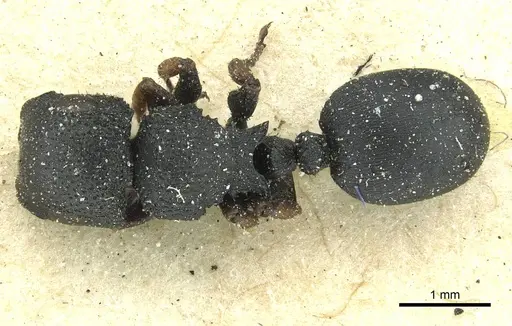
CASENT0912556
View on AntWeb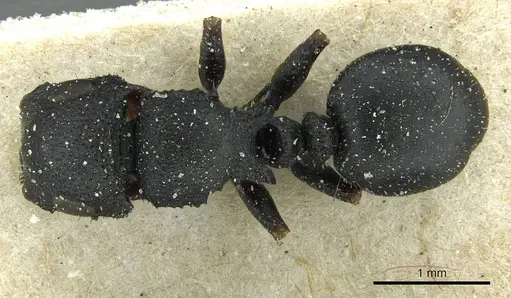
CASENT0912557
View on AntWeb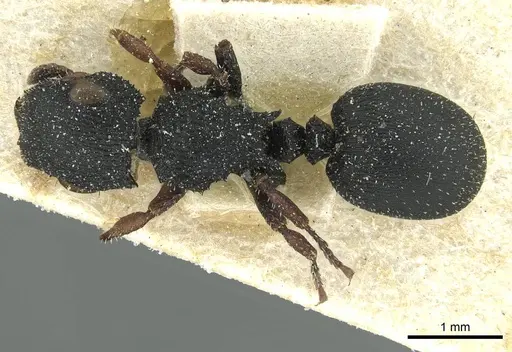
CASENT0919586
View on AntWeb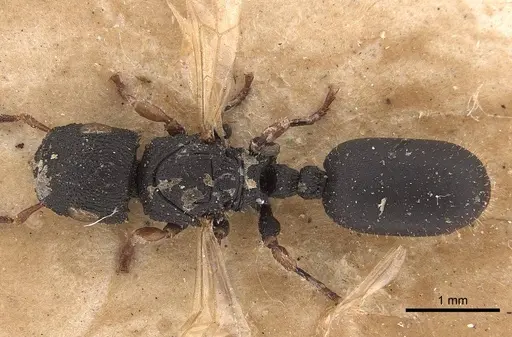
CASENT0922499
View on AntWeb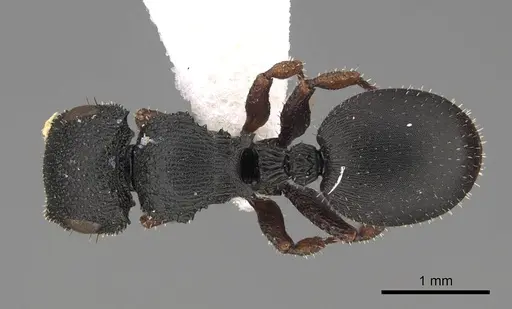
FOCOL2131
View on AntWeb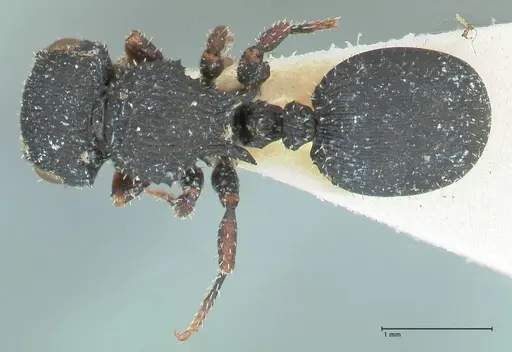
Literature
Loading distribution map...Loading products...