
Cataulacus huberi
- Sci. Name
- Cataulacus huberi
- Tribe
- Crematogastrini
- Subfamily
- Myrmicinae
- Author
- André, 1890
- Distribution
- Found in 7 countries
Introduction
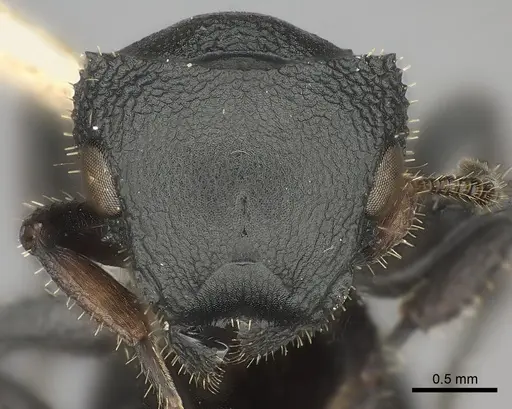
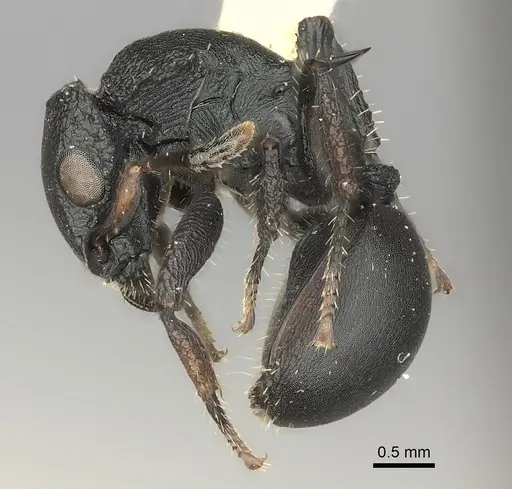
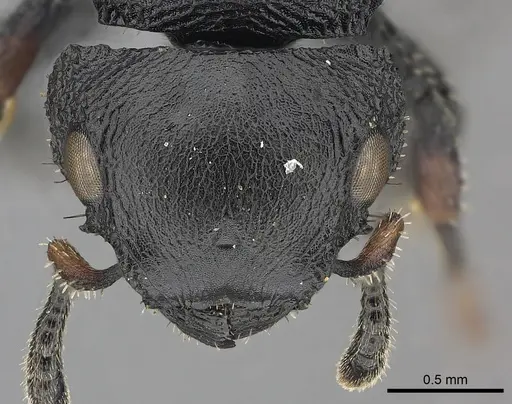
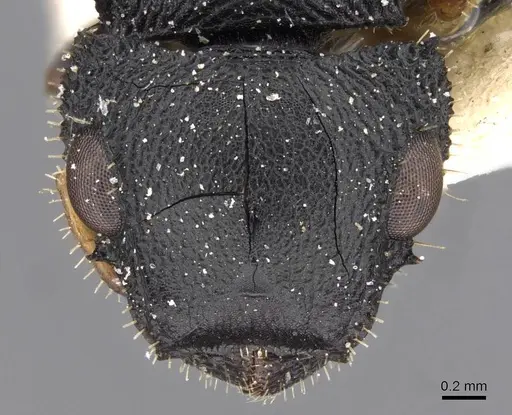
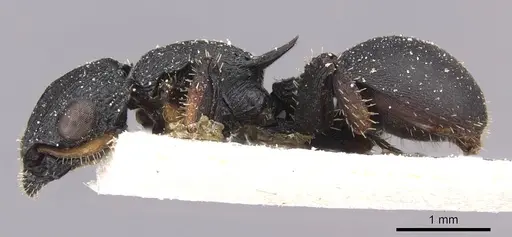
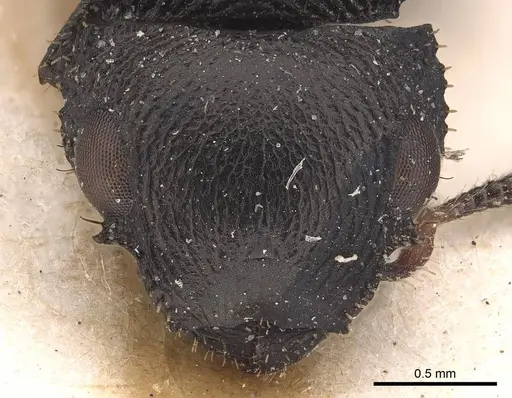
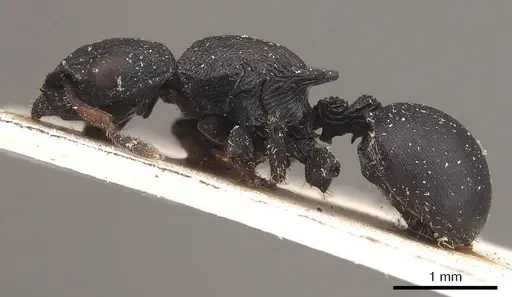
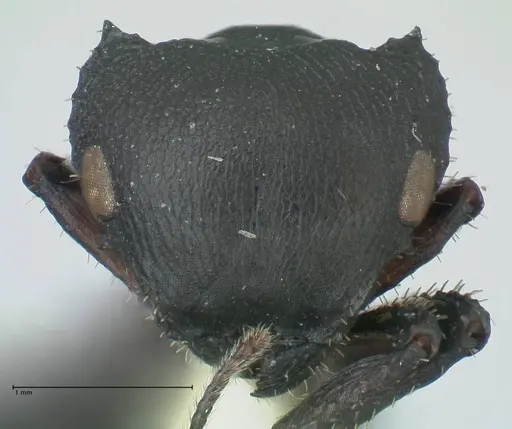
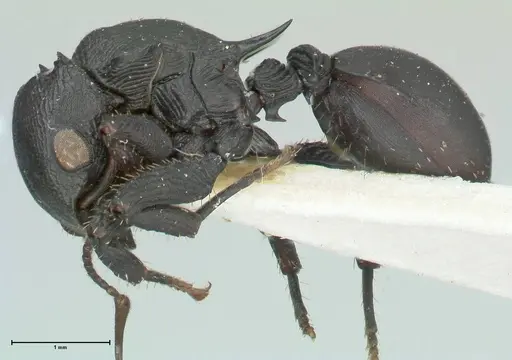
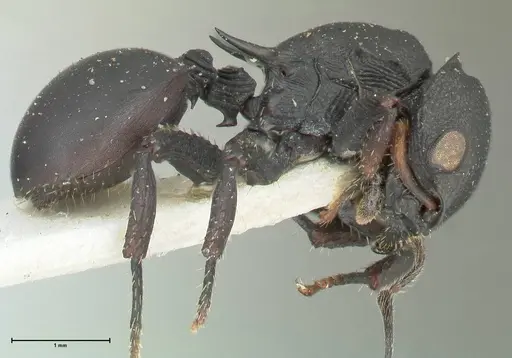
Cataulacus huberi is a medium-sized arboreal ant native to the forests of West and Central Africa. Workers measure 5.5-7.8 mm , with distinctive features such as long propodeal spines and a marginated gaster . The species is found in countries including Ghana, Sierra Leone, Nigeria, Cameroon, Democratic Republic of Congo, Uganda, and Tanzania . They inhabit primary forests and are often found on tree trunks . This ant is known for its variability in sculpturation, with different populations showing variations in ridge patterns and spine development . As an arboreal species, it naturally nests in hollow twigs and branches, which influences its care in captivity .
Quick Summary
- Difficulty: Medium
- Origin & Habitat: Primary forests of West and Central Africa, including Ghana, Sierra Leone, Nigeria, Cameroon, Democratic Republic of Congo, Uganda, and Tanzania. Arboreal ants found on tree trunks and in forest canopy habitats [1][3][2].
- Colony Type: Colony structure is unconfirmed for this species. No specific information on queen number or social structure is available in the research.
- Size & Growth:
- Queen: Approximately 8.0 mm [2]
- Worker: 5.5-7.8 mm [1]
- Colony: Unknown, no specific colony size data available.
- Growth: Moderate, inferred from typical Myrmicinae patterns.
- Development: Estimated 6-10 weeks at optimal temperature, based on genus patterns. (Development time not specifically studied for this species.)
- Antkeeping:
- Temperature: Keep warm, around 24-28°C, based on tropical forest conditions.
- Humidity: Maintain high humidity, around 70-85%, with moist substrate but not waterlogged.
- Diapause: No, tropical species do not require hibernation.
- Nesting: Provide arboreal-style nests such as Y-tong, plaster, or natural twigs, as they naturally nest in hollow branches [2].
- Behavior: Arboreal and active climbers. Workers are relatively robust, making escape prevention straightforward. They are not particularly aggressive but will defend their nest [2].
- Common Issues: maintaining high humidity without causing mold growth in the nest., providing appropriate arboreal nesting materials instead of soil nests [2]., temperature drops can stress these tropical ants, avoid cold drafts., wild-caught colonies may carry parasites that affect captive survival.
Nest Preferences and Housing
Cataulacus huberi is an arboreal species that naturally nests in hollow twigs, small branches, and under bark in forest trees. In captivity, they do best in nests that mimic these conditions, such as Y-tong nests with narrow chambers or plaster nests with appropriate humidity control. Naturalistic setups with pieces of twigs or branches can also work. Provide chambers scaled to their medium size with good climbing surfaces, avoiding deep soil nests [2].
Feeding and Diet
Feeding requirements are not detailed in the research, follow general Myrmicinae guidelines of providing protein sources like small insects and sugar sources like honey water. This is inferred from typical ant care practices [2].
Temperature and Humidity Requirements
As a tropical forest species, keep temperatures warm around 24-28°C and maintain high humidity with moist substrate, based on habitat inference. Use a heating cable for gradient if needed, and ensure ventilation to prevent mold.
Behavior and Colony Dynamics
This species is arboreal, with workers actively climbing and foraging. They are not highly aggressive but will defend their nest. Colony growth is moderate, and the queen remains in the nest once established [2].
Frequently Asked Questions
Can I keep Cataulacus huberi in a test tube?
Test tubes can work for founding colonies, but these arboreal ants do better in nests that allow climbing. Move to a proper nest once the colony reaches 20+ workers [2].
What do Cataulacus huberi ants eat?
Diet is not specified in research, provide typical Myrmicinae diet of protein and sugar sources [2].
How long until first workers appear?
Estimated 6-10 weeks at optimal temperature, based on genus patterns.
Do Cataulacus huberi ants sting?
Like most Myrmicinae, they have a stinger but are not dangerous to humans, standard precautions are sufficient [2].
Are Cataulacus huberi good for beginners?
Rated medium difficulty due to humidity and nesting requirements, experience with Myrmicinae is helpful.
Do Cataulacus huberi need hibernation?
No, as a tropical species, they do not require hibernation.
How big do Cataulacus huberi colonies get?
Colony size is unknown, no specific data available.
When should I move Cataulacus huberi to a formicarium?
Move to a proper nest like Y-tong or plaster when the colony has 20-30 workers [2].
Why are my Cataulacus huberi dying?
Common causes include low temperature, low humidity, mold, or parasites, check environmental factors first.
Can I keep multiple queens together?
No documented evidence for pleometrosis, start with a single queen colony.
Report an Issue
The current care sheet is based fully on literature. See inconsistencies, or something that's incorrect? Please , it will be resolved after review from an admin. Contributing to the blogs tab also helps providing information, to make us be able to further improve the caresheets. Thank you for your support!
References

This caresheet is licensed under CC BY-SA 4.0 .
Community Blogs
CASENT0175479
View on AntWeb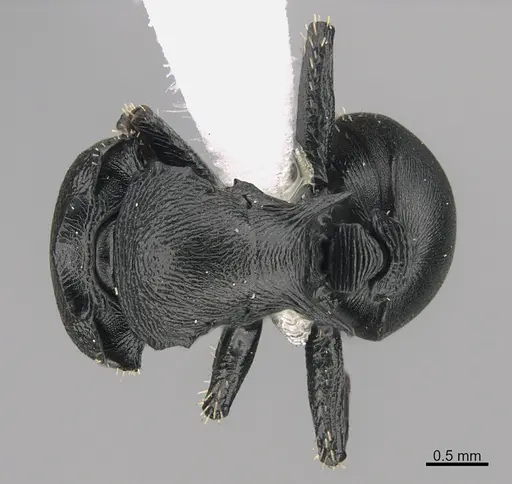
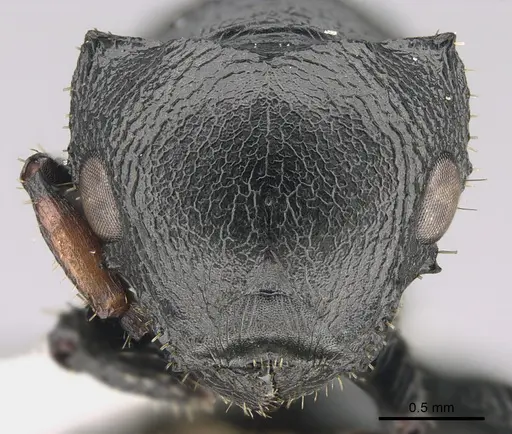
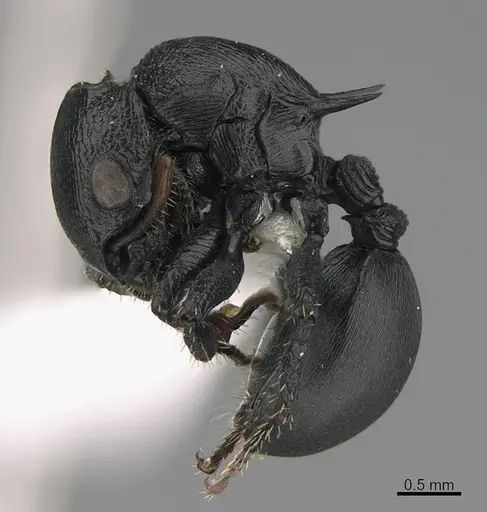
CASENT0217826
View on AntWeb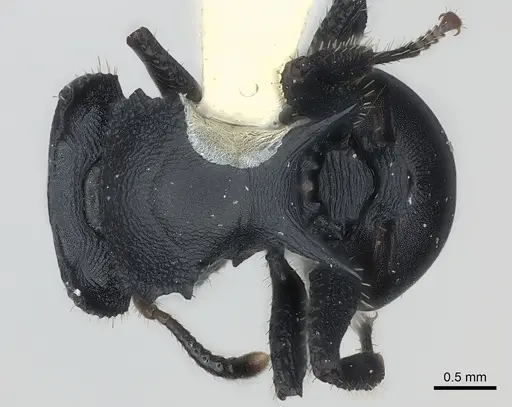
CASENT0235430
View on AntWeb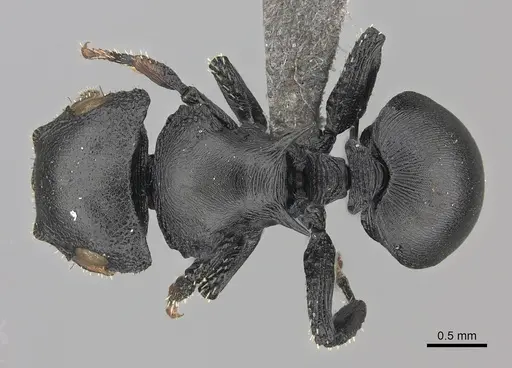
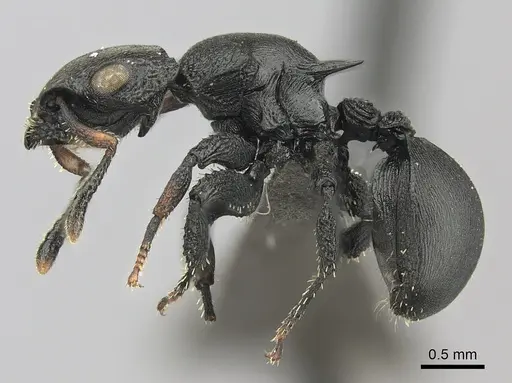
CASENT0403457
View on AntWeb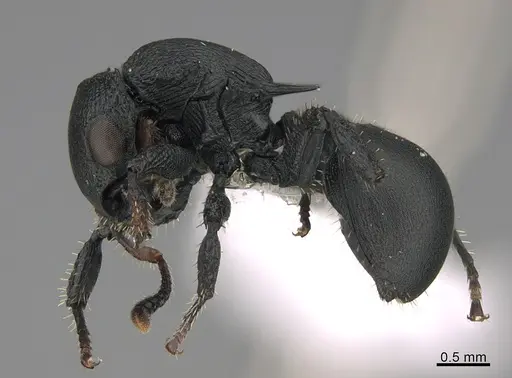
CASENT0405113
View on AntWeb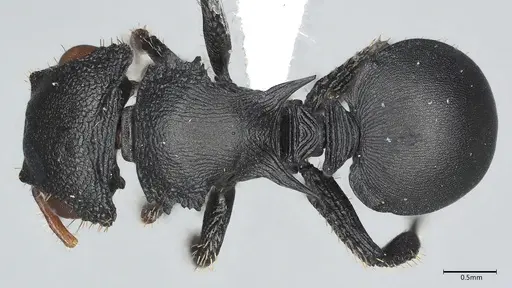
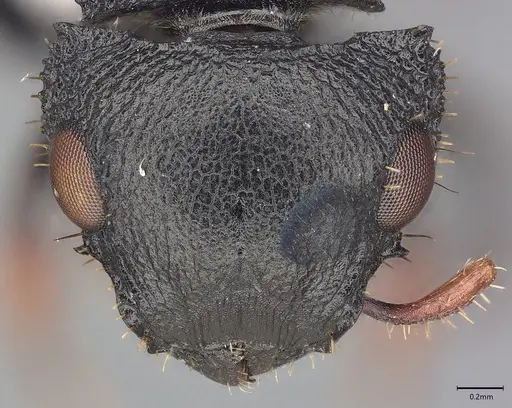
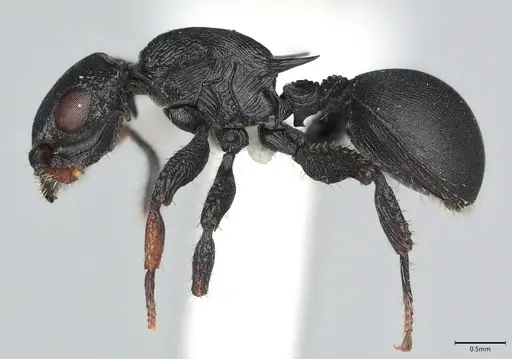
CASENT0904885
View on AntWeb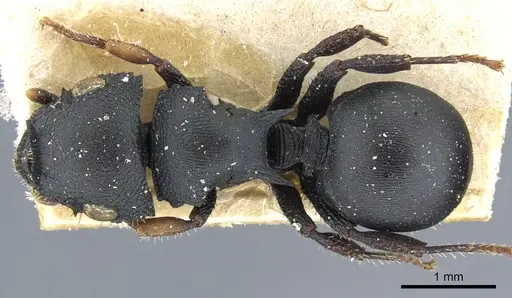
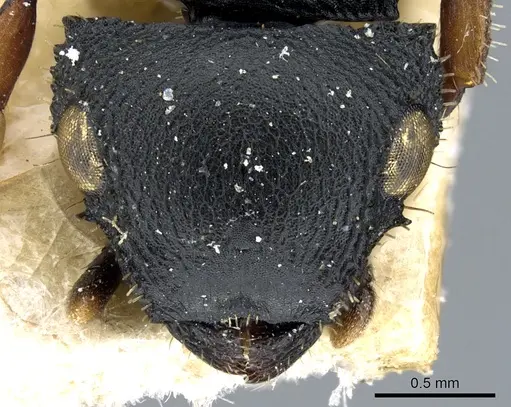
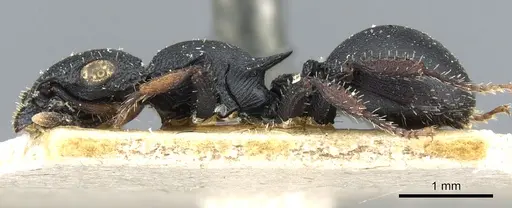
CASENT0909225
View on AntWeb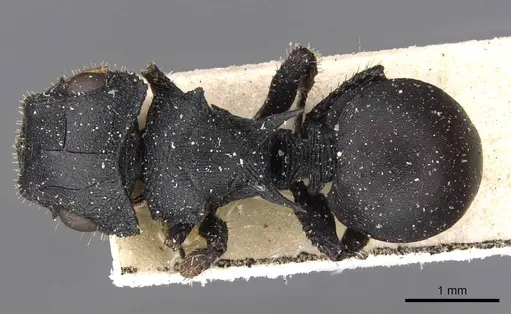
CASENT0909226
View on AntWeb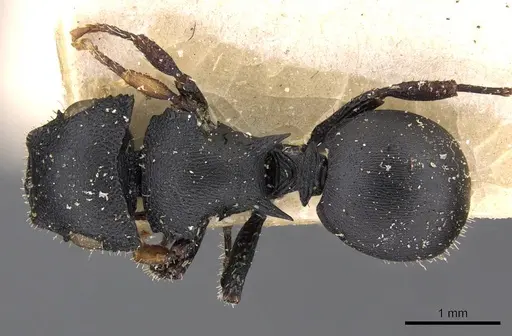
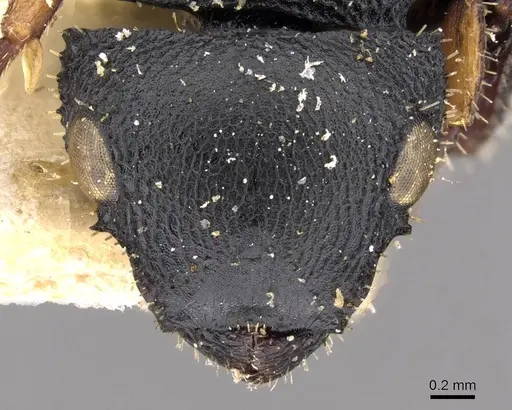
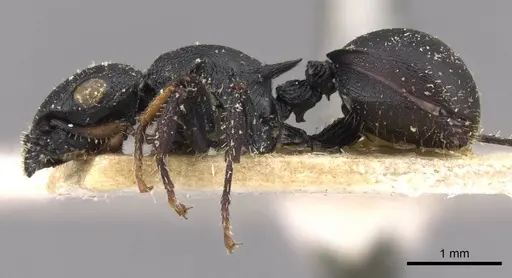
CASENT0912551
View on AntWeb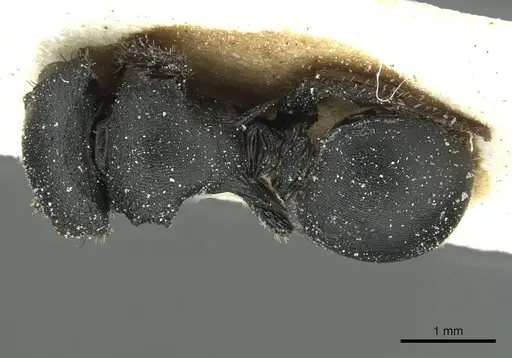
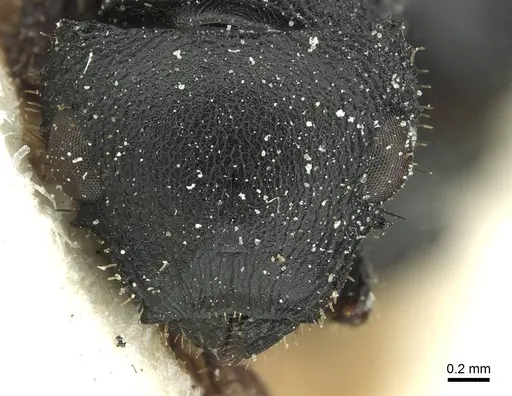
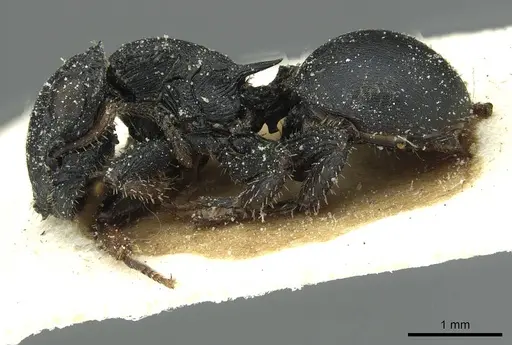
CASENT0915358
View on AntWeb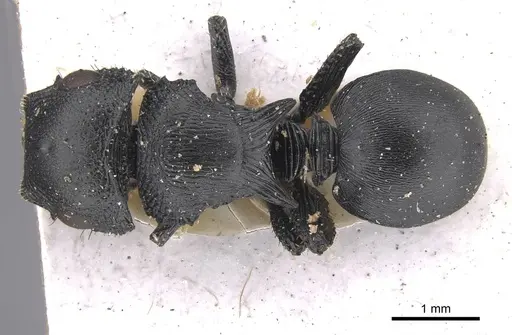
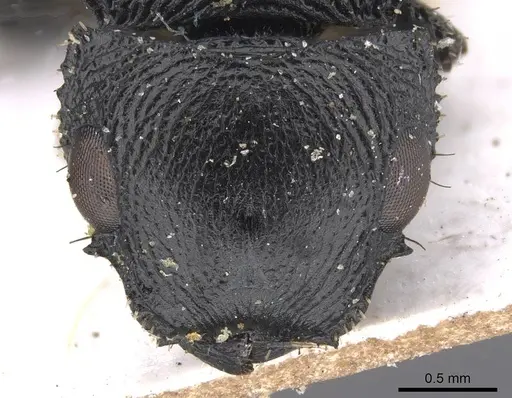
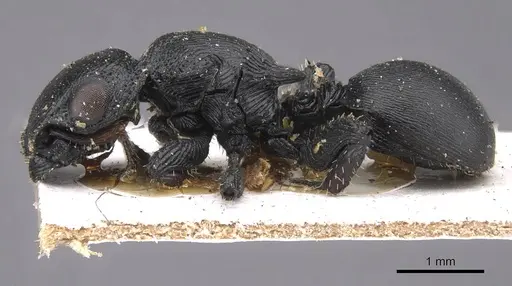
CASENT0919585
View on AntWeb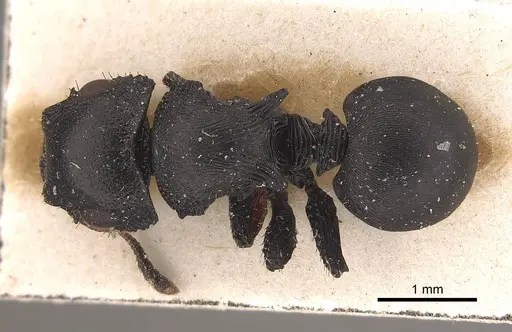
FOCOL2132
View on AntWeb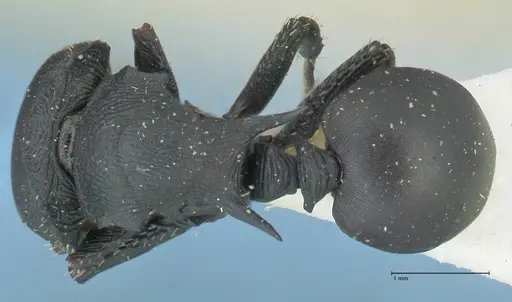
Literature
Loading distribution map...Loading products...