
Cataulacus guineensis
- Sci. Name
- Cataulacus guineensis
- Tribe
- Crematogastrini
- Subfamily
- Myrmicinae
- Author
- Smith, 1853
- Distribution
- Found in 11 countries
Introduction
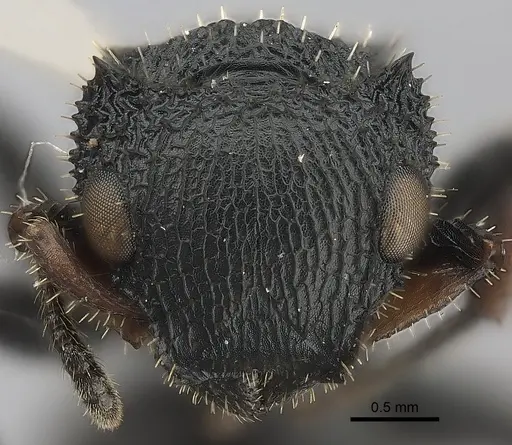
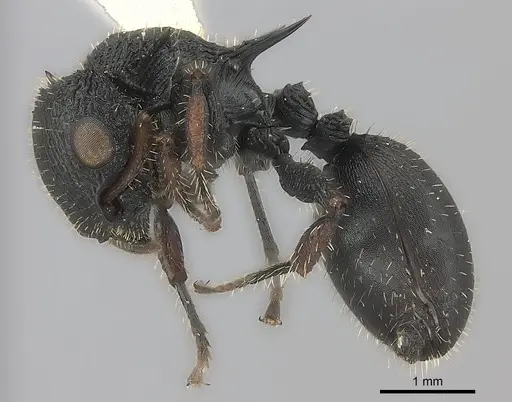
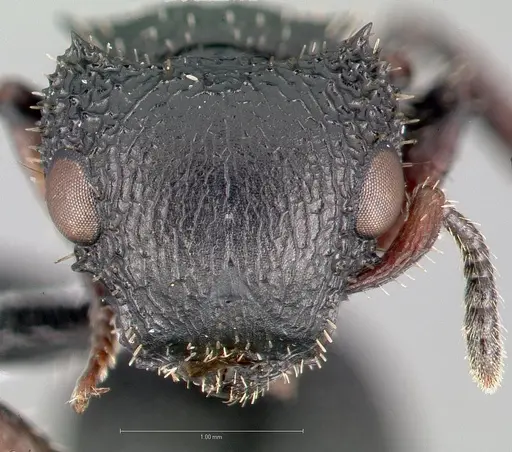
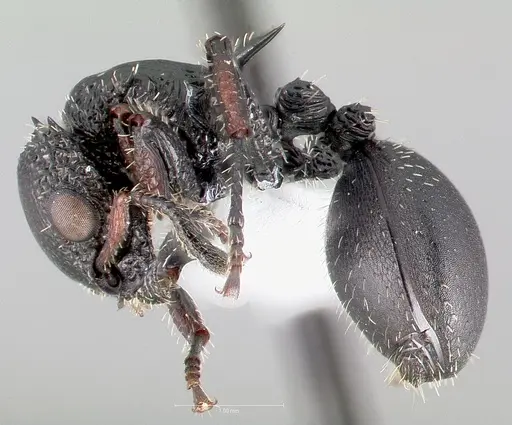
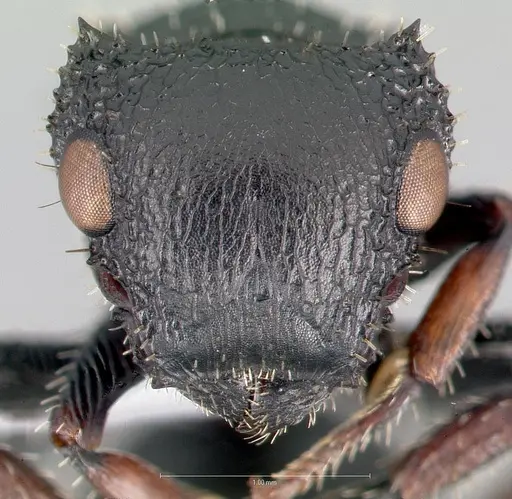
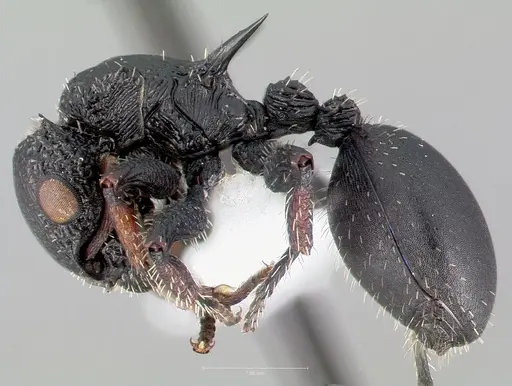
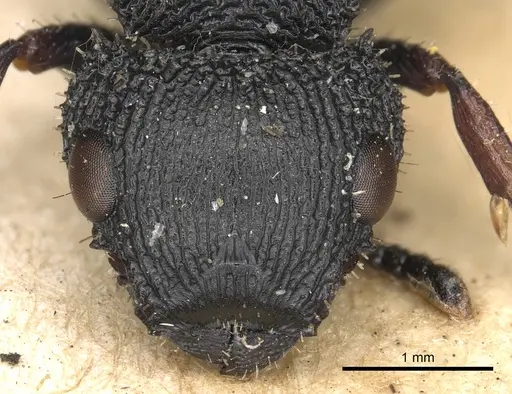
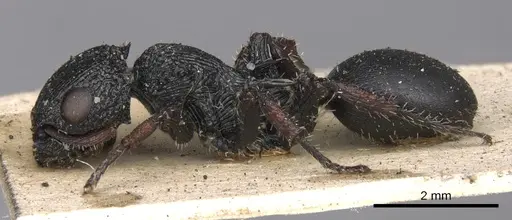
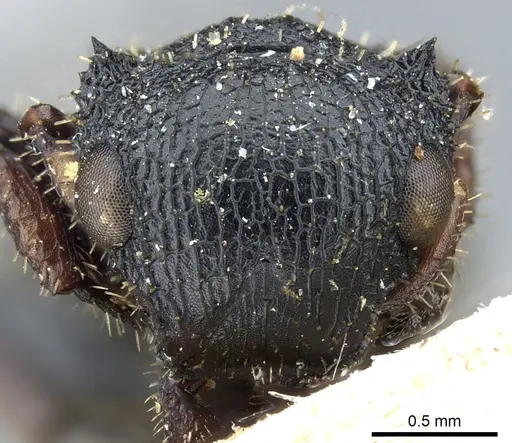
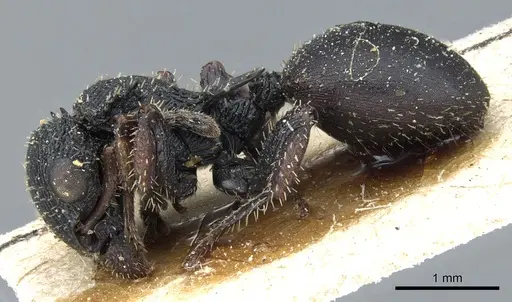
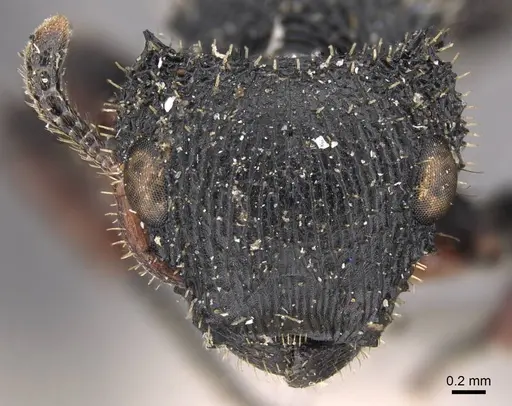
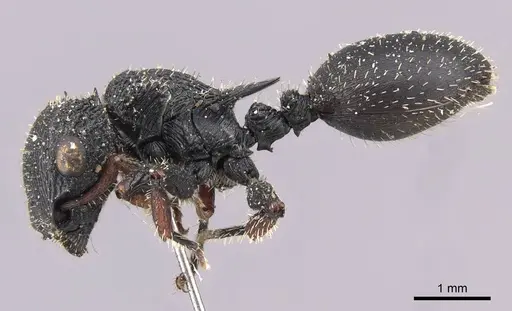
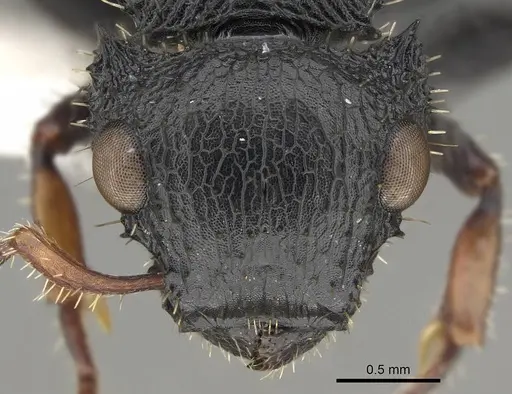
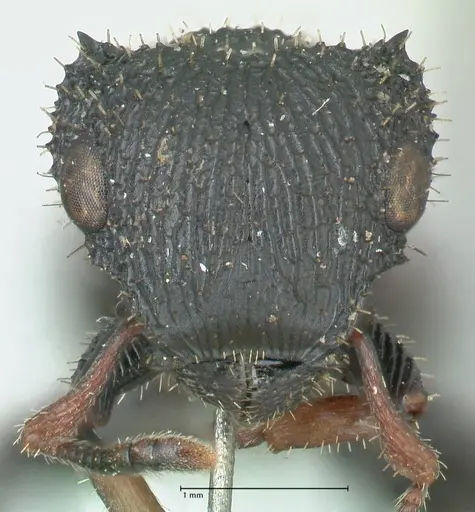
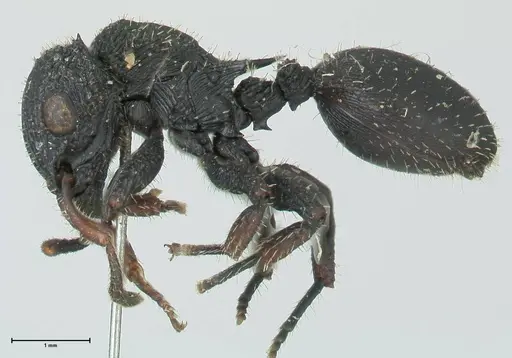
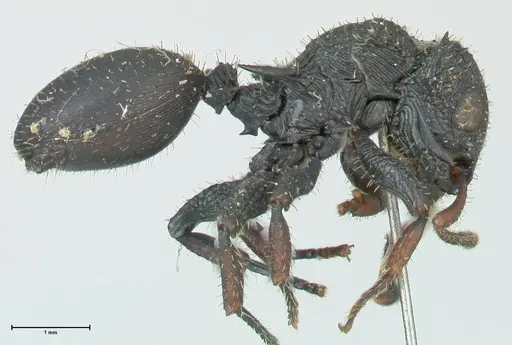
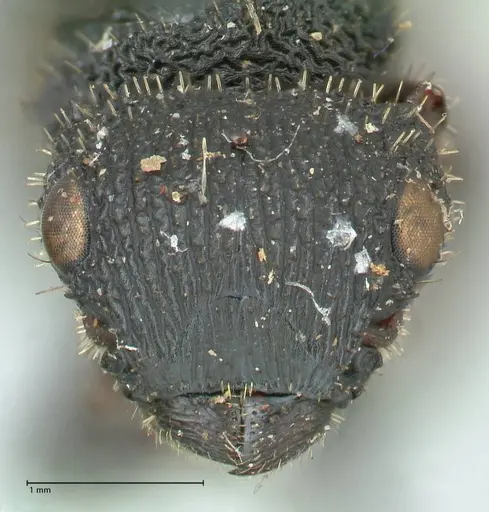
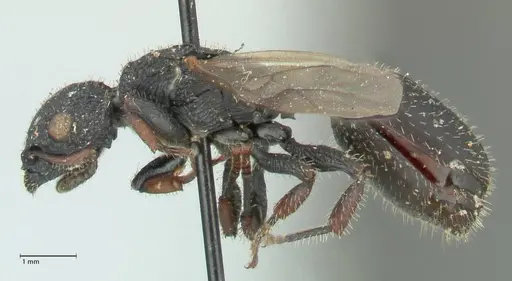
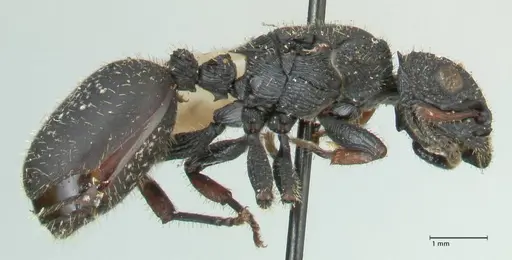
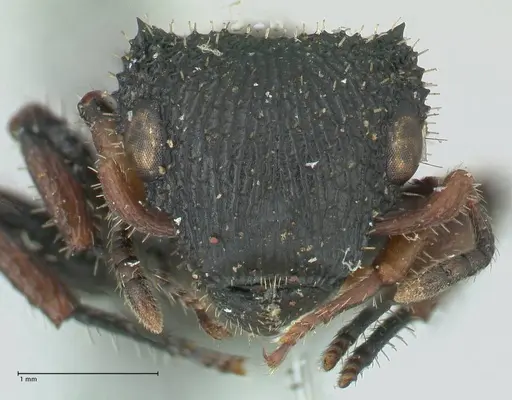
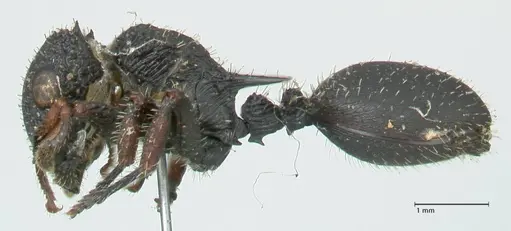
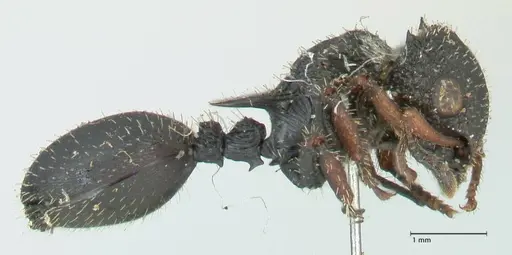
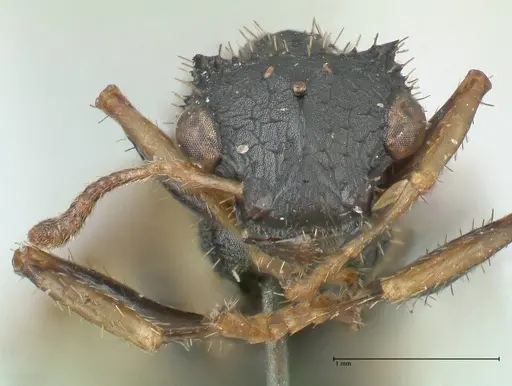
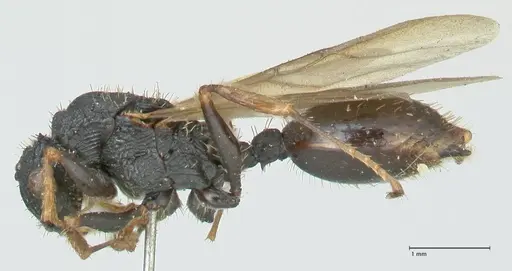
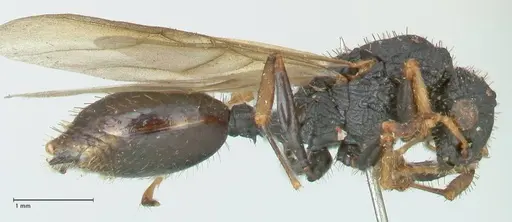
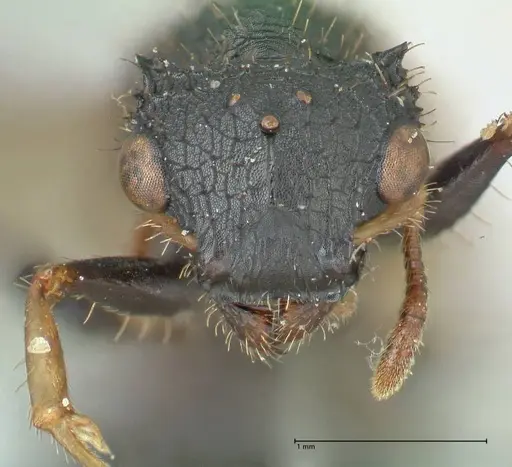
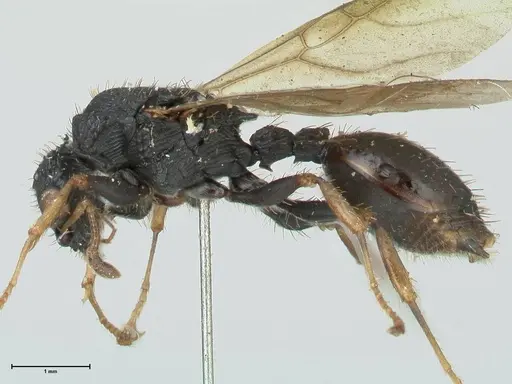
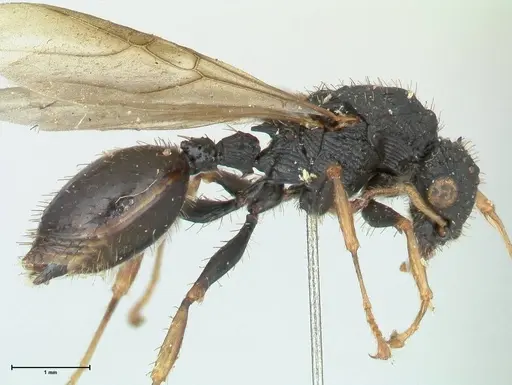
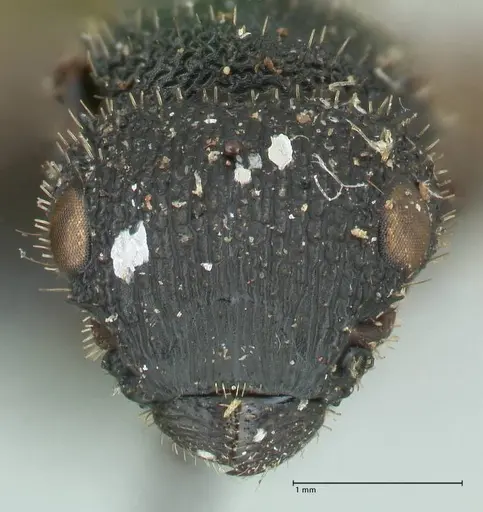
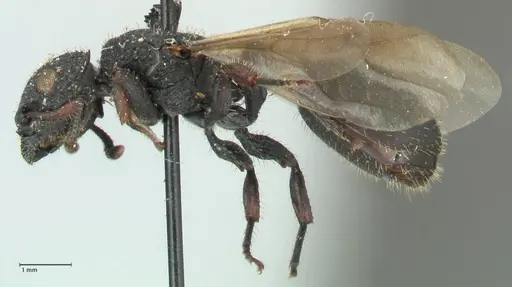
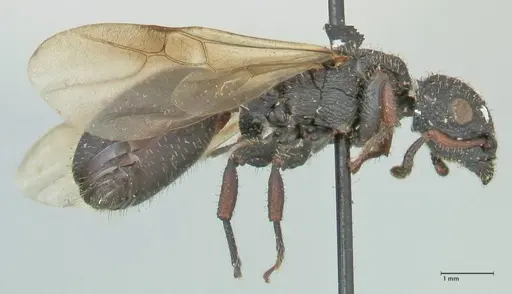
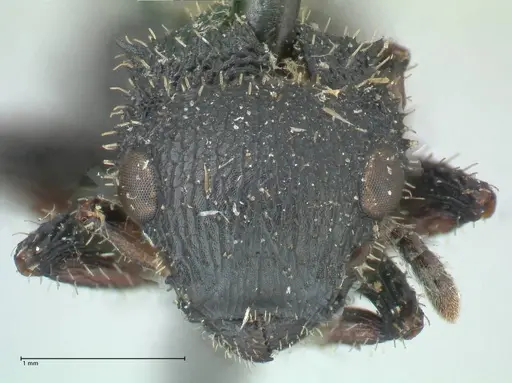
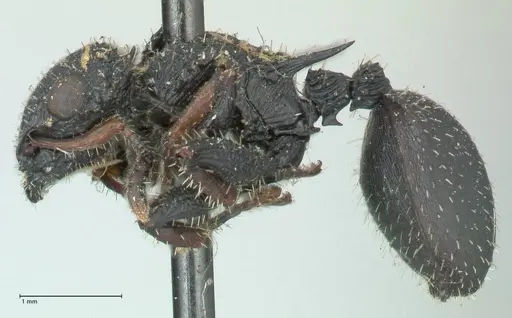
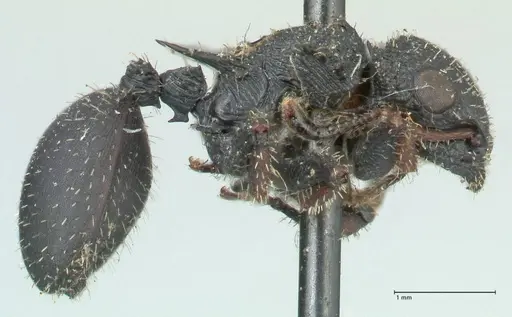
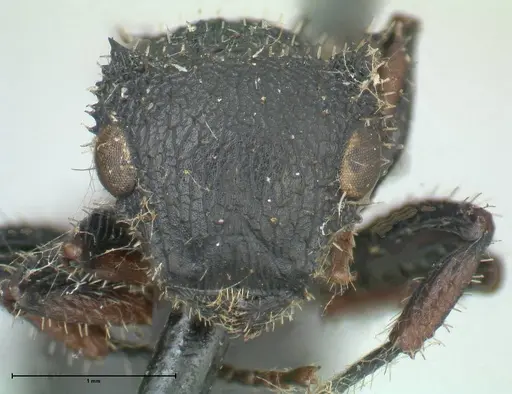
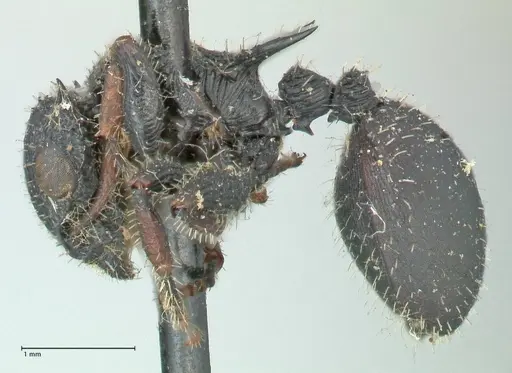
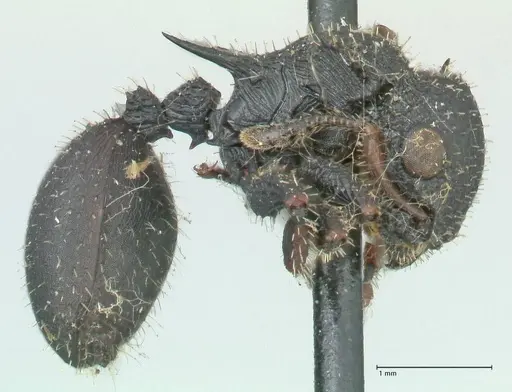
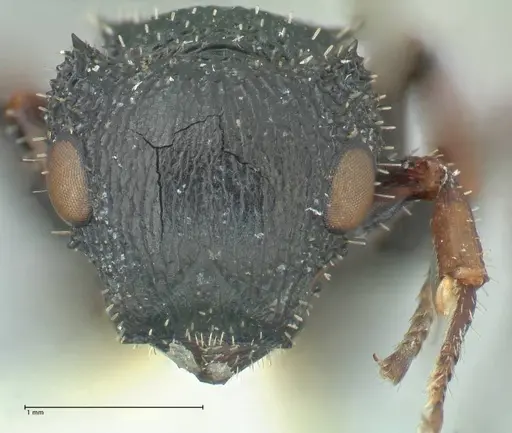
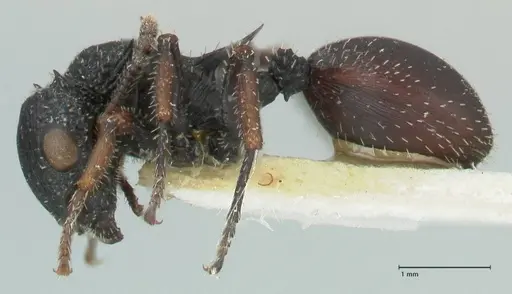
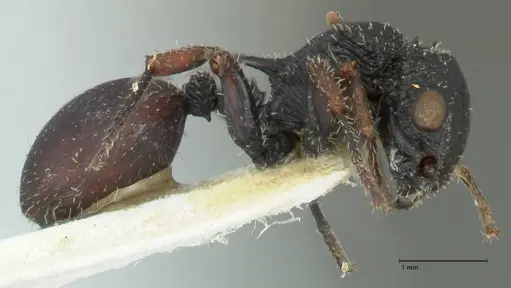
Cataulacus guineensis is a medium-sized arboreal ant native to West and Central African forests. Workers measure 4.5-8.6 mm and queens 7.7-9.5 mm . They are recognized by spines on the pronotum and propodeum, giving an armored appearance. This species is common in forested areas from Benin to Uganda . A key behavior is directed aerial descent: when threatened by predators, workers roll into a ball, drop from trees, and glide back to the trunk .
Quick Summary
- Difficulty: Medium
- Origin & Habitat: West Africa and Congo Basin, found in forests nesting in rotten branches high above ground, often on trees like cocoa [1].
- Colony Type: Unconfirmed, queen number not specified in research literature.
- Size & Growth:
- Antkeeping:
- Temperature: Keep at 24-28°C. As a tropical species, they need warm conditions year-round.
- Humidity: Keep nest substrate consistently moist but not waterlogged, with good ventilation.
- Diapause: No, tropical species do not require hibernation [1].
- Nesting: Arboreal nesting in Y-tong or plaster nests with narrow chambers and climbing structures like twigs or cork bark [1].
- Behavior: Cataulacus guineensis is calm and non-aggressive. Workers are subordinate at food baits and avoid conflict with dominant ants like Oecophylla longinoda [3]. Their primary defense is passive, relying on their hard exoskeleton, and they will roll and drop to escape when threatened [2]. They are handleable but require secure enclosures to prevent escape.
- Common Issues: tropical temperature requirements mean colonies struggle in cool rooms, monitor with a thermometer., arboreal nature requires vertical space and climbing structures, not just horizontal floor space., as honeydew farmers, they may ignore sugar water if not hungry, offer protein regularly., size variation in workers is normal and not a sign of health issues., sensitive to insecticide exposure, never keep near treated areas.
Housing and Nest Setup
Since Cataulacus guineensis is arboreal, your setup should reflect their tree-dwelling lifestyle. Use a Y-tong or plaster nest with chambers sized for workers 4.5-8.6 mm. Include vertical climbing structures like twigs or cork bark in the outworld. A test tube can work for founding, but upgrade to a larger nest once the colony reaches 20-30 workers. Ensure all connections are secure to prevent escape [1].
Feeding and Diet
In the wild, they tend aphids and coccids for honeydew. In captivity, offer sugar water or honey water constantly, plus small protein like fruit flies or mealworms 2-3 times weekly. They are not aggressive predators and prefer sweet liquids [1].
Temperature and Humidity
Keep temperatures at 24-28°C using a heating mat if needed. Create a gentle gradient for self-regulation. Maintain humidity by keeping the nest substrate damp but not waterlogged, with good ventilation to prevent mold. No diapause is required [1].
Behavior and Handling
Workers are calm and subordinate, avoiding conflict with dominant ants [3]. Their defensive rolling and gliding behavior means they may drop from surfaces if handled roughly [2]. They are not aggressive and pose no danger, but secure enclosures are essential to prevent escape.
Colony Development
Colonies grow to several hundred workers with notable size variation among workers [1]. Founding behavior is unconfirmed, but development from egg to worker is estimated at 5-8 weeks in warm conditions. Colonies are long-lived with proper care.
Frequently Asked Questions
Can I keep Cataulacus guineensis in a test tube?
Yes, test tubes work for founding colonies. However, upgrade to a larger arboreal nest once the colony reaches 20-30 workers.
How long does it take for first workers to appear?
Estimated 5-8 weeks at optimal temperatures (25-28°C), depending on feeding and conditions.
Do Cataulacus guineensis ants sting?
No, they do not sting. Their defense is passive, they rely on their hard exoskeleton and will roll and drop to escape.
Are Cataulacus guineensis good for beginners?
They are moderate difficulty due to tropical temperature needs. Their calm temperament makes them handleable, but arboreal setup requires attention.
What do Cataulacus guineensis eat?
They are honeydew farmers. Offer sugar water constantly and small protein like fruit flies or mealworms weekly.
Do they need hibernation?
No, as a tropical species, they do not require hibernation. Keep temperatures stable year-round.
Why are my Cataulacus guineensis dying?
Common causes include temperatures below 24°C, low humidity, mold from poor ventilation, or stress from handling. Check temperature and humidity first.
Can I keep multiple queens together?
This is unconfirmed, but most Cataulacus species are single-queen. Multiple queens may fight, so it's not recommended.
When should I move them to a formicarium?
Move from test tube to a proper nest when the colony reaches 20-30 workers or the test tube is cramped.
Do Cataulacus guineensis glide?
Yes, they exhibit directed aerial descent, gliding back to trees when they fall [2].
Are they aggressive toward other ants?
No, they are subordinate and avoid conflict with dominant species like Oecophylla longinoda [3].
What size do workers reach?
Workers range from 4.5-8.6 mm, with notable size variation within colonies [1].
Report an Issue
The current care sheet is based fully on literature. See inconsistencies, or something that's incorrect? Please , it will be resolved after review from an admin. Contributing to the blogs tab also helps providing information, to make us be able to further improve the caresheets. Thank you for your support!
References

This caresheet is licensed under CC BY-SA 4.0 .
Community Blogs
CASENT0217824
View on AntWeb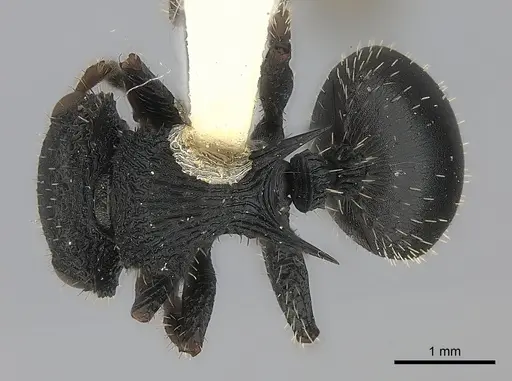
CASENT0404010
View on AntWeb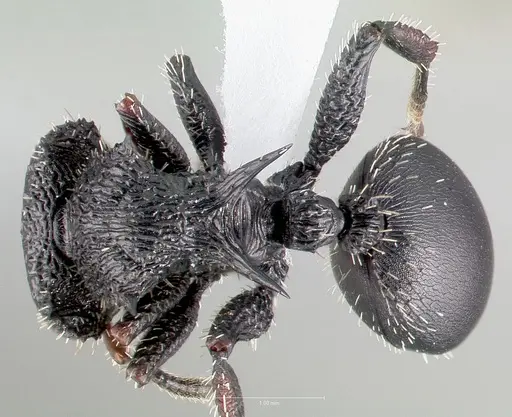
CASENT0404051
View on AntWeb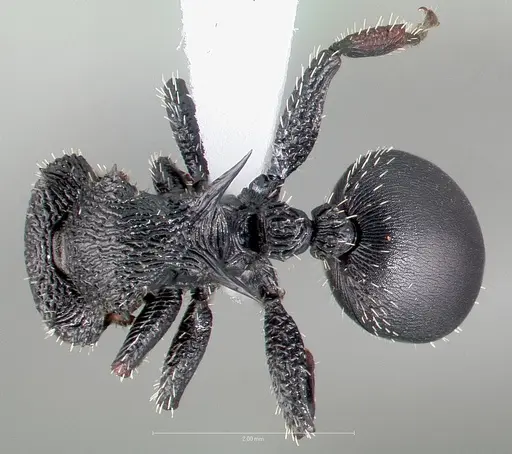
CASENT0901968
View on AntWeb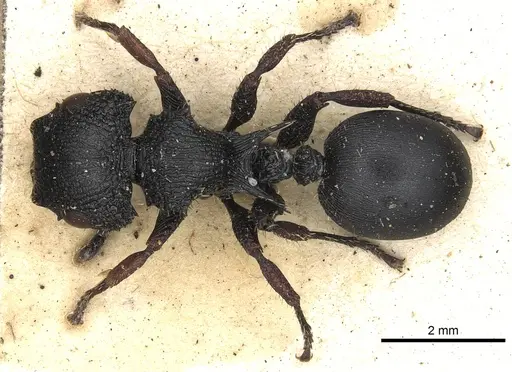
CASENT0904883
View on AntWeb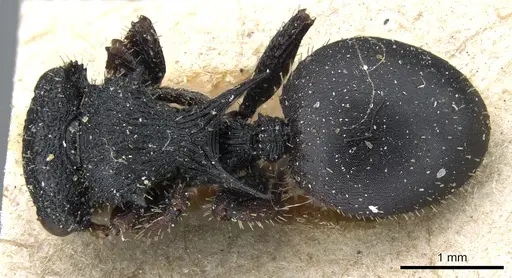
CASENT0909223
View on AntWeb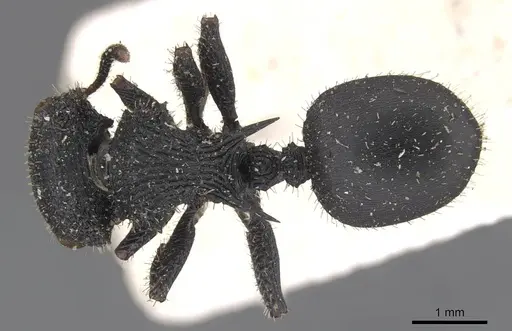
CASENT0922495
View on AntWeb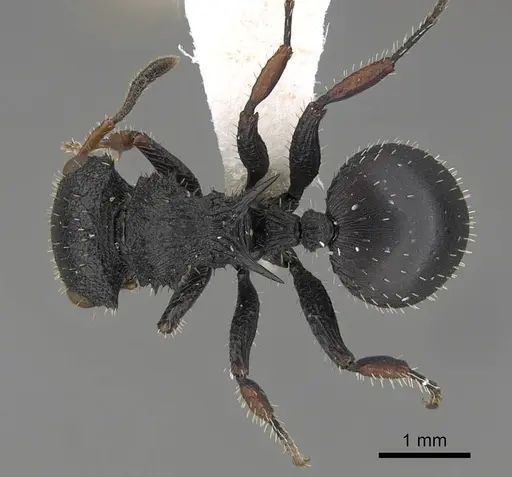
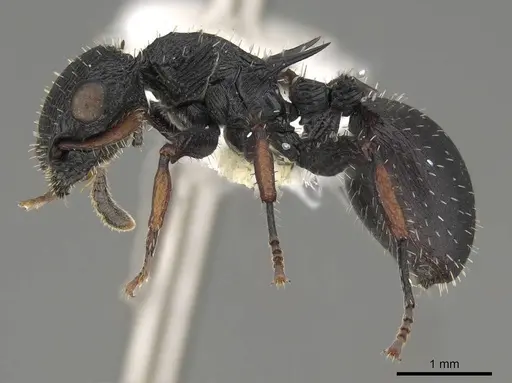
CASENT0922496
View on AntWeb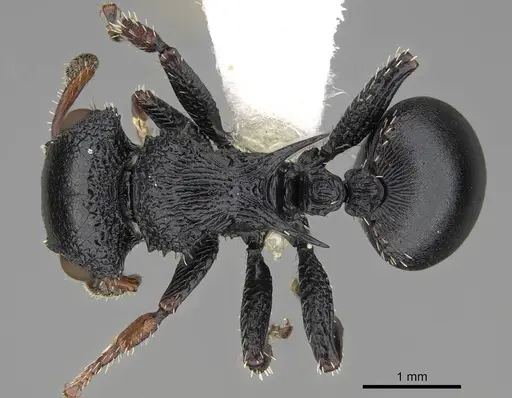
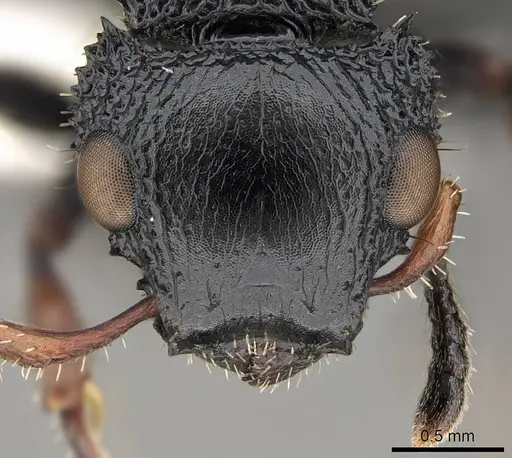
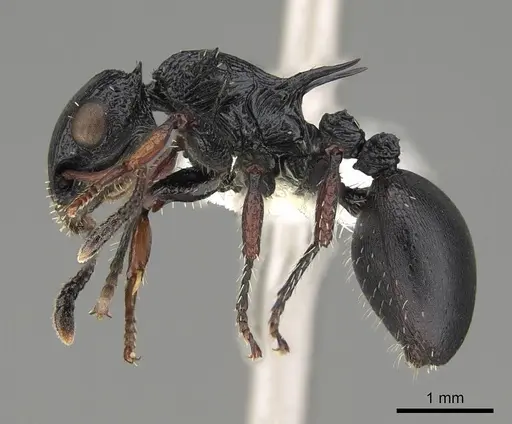
FOCOL2133
View on AntWeb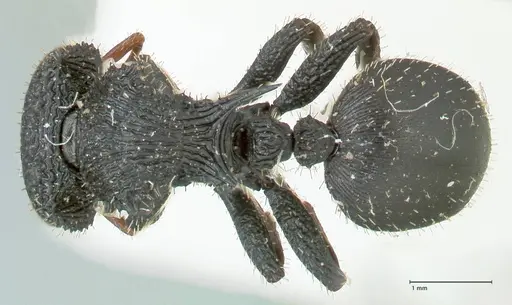
FOCOL2134
View on AntWeb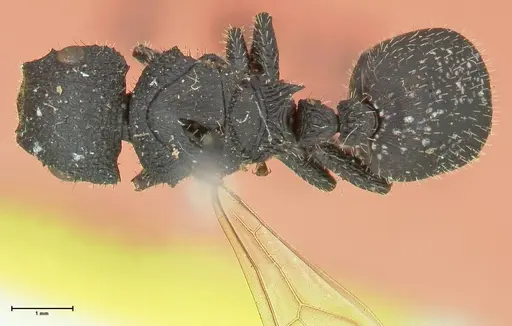
FOCOL2135
View on AntWeb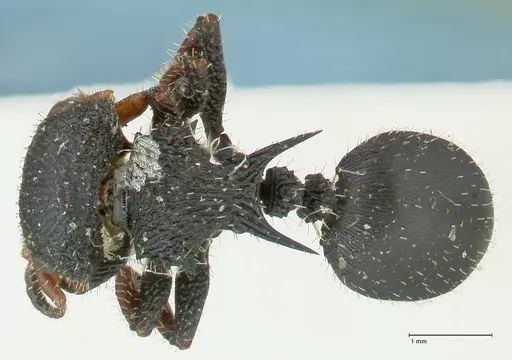
FOCOL2136
View on AntWeb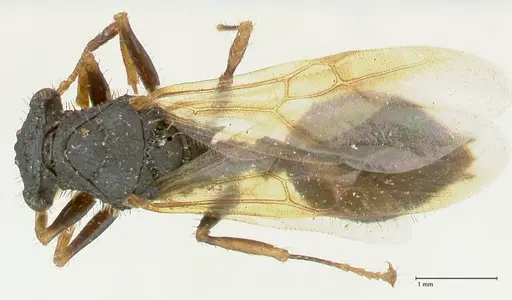
FOCOL2137
View on AntWeb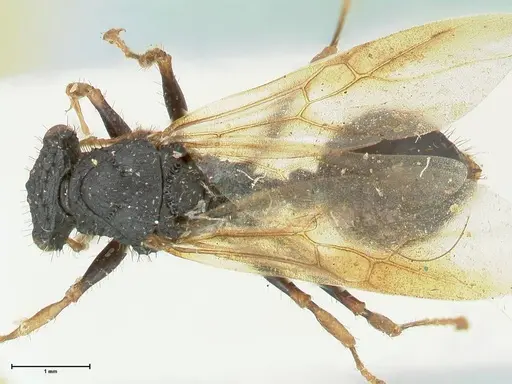
FOCOL2138
View on AntWeb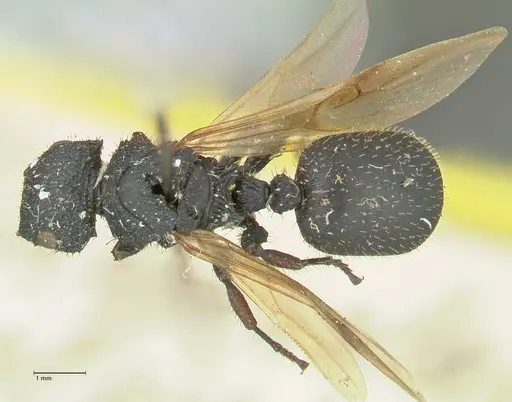
FOCOL2139
View on AntWeb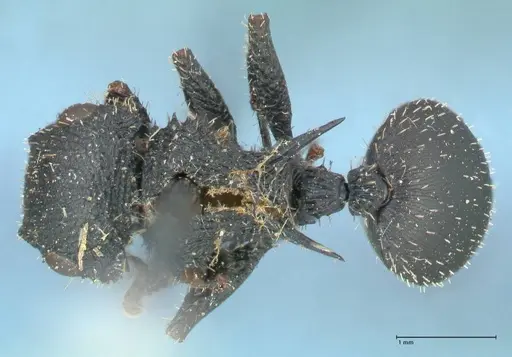
FOCOL2140
View on AntWeb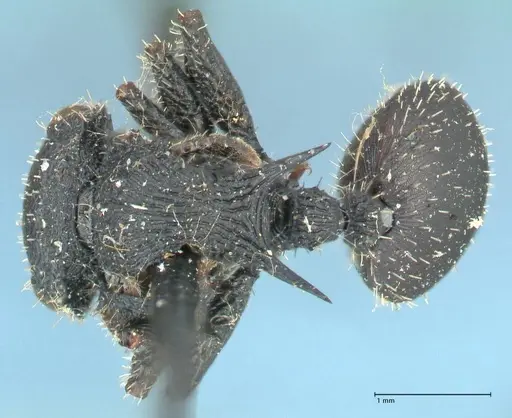
FOCOL2141
View on AntWeb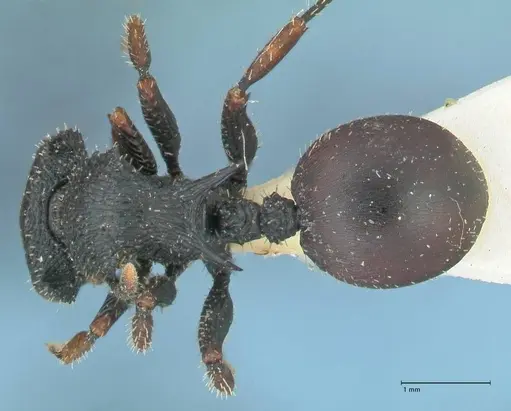
Literature
Loading distribution map...Loading products...