
Cataglyphis vaucheri
- Sci. Name
- Cataglyphis vaucheri
- Tribe
- Formicini
- Subfamily
- Formicinae
- Author
- Emery, 1906
- Distribution
- Found in 1 countries
Introduction
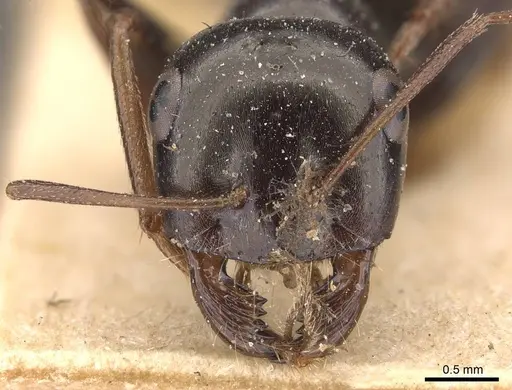
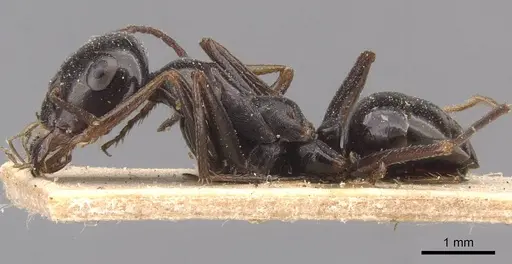
Cataglyphis vaucheri is a black ant species native to North Africa, specifically endemic to Morocco along the Atlantic coast from Essaouira to Tan Tan . Workers reach approximately 6mm in length and display a brilliant, nearly metallic black appearance with very reduced surface sculpture, making them notably shinier than related species like Cataglyphis albicans . The head is wide relative to the body, and the overall build is stocky and robust . This ground-foraging species is characteristic of the Argan forest ecosystem in southwest Morocco, where it contributes to the ant community primarily during the April-August period . As a member of the Formicinae subfamily, these ants lack a functional stinger but can defend themselves by biting and spraying formic acid.
Quick Summary
- Difficulty: Medium
- Origin & Habitat: Endemic to Morocco, found along the Atlantic coast from Essaouira to Tan Tan. Inhabits arid to semi-arid regions, particularly the Argan forest ecosystem [1][5].
- Colony Type: Colony structure is unconfirmed. Based on typical Cataglyphis patterns, likely single-queen (monogyne) colonies.
- Size & Growth:
- Antkeeping:
- Temperature: Keep at 24-28°C with a warm gradient. These are desert-adapted ants from Morocco and prefer warmer conditions. A heating cable on one side of the nest creates appropriate temperature variation.
- Humidity: Low to moderate. These ants come from arid regions, so keep the nest relatively dry with only occasional misting. Allow the substrate to dry between waterings. Avoid damp conditions that can cause mold.
- Diapause: Yes, likely required. As a species from temperate Morocco, they likely need a winter rest period around 10-15°C for 2-3 months. Reduce feeding and keep them in a cool location during this time.
- Nesting: Dry, warm nest conditions are essential. Y-tong (AAC) nests work well, or a plaster nest with minimal water channels. Provide a sandy substrate for tunneling if using a naturalistic setup. Avoid humid, damp nest materials.
- Behavior: These are active ground-foraging ants that hunt for insects and other small prey [4]. They are typically moderate in temperament and not overly aggressive, but will defend the colony if threatened. Workers are fast-moving and alert. Escape prevention is important, while not among the smallest ants, they are agile and can find gaps in setup. Use standard barrier methods like fluon on test tube rims.
- Common Issues: humidity-related problems, too much moisture causes mold and colony decline, temperature issues, too cold leads to sluggish colonies and poor brood development, feeding mistakes, overfeeding prey can attract pests and cause mold, diapause failure, skipping winter rest may weaken colonies long-term, escape risk, active foragers will exploit any gaps in setup
Housing and Nest Setup
Cataglyphis vaucheri does best in a dry, warm nest environment. Y-tong (AAC) nests work very well for this species, providing the dark, stable conditions they prefer while allowing you to observe colony development. Plaster nests are also suitable, but keep water channels minimal, these ants prefer drier conditions than many other ant species. If using a naturalistic setup, provide a sandy substrate that can dry out between waterings. The outworld should be simple and easy to clean, as these are active foragers that produce waste. Always ensure excellent escape prevention, these fast-moving ants will find and exploit any gap in their enclosure.
Feeding and Diet
In the wild, Cataglyphis vaucheri is an insectivore that actively forages for small prey on the ground [4]. In captivity, offer a varied protein diet including small crickets, mealworms, fruit flies, and other small insects. Feed protein 2-3 times per week, adjusting based on colony size. Remove uneaten prey after 24-48 hours to prevent mold. Sugar sources like honey water or sugar water can be offered occasionally, but protein should form the bulk of their diet. Fresh water should always be available.
Temperature and Seasonal Care
Maintain nest temperatures between 24-28°C for optimal brood development. These desert-adapted ants from Morocco prefer warmth and will become sluggish below 20°C. Use a heating cable or mat on one side of the nest to create a temperature gradient, allowing workers to choose their preferred zone. During winter (roughly November to February in the Northern Hemisphere), reduce temperatures to around 10-15°C to provide a diapause period. Reduce feeding during this time and ensure some moisture remains in the nest. This winter rest is important for colony health long-term.
Colony Founding
Queen founding behavior has not been directly documented for this species, but based on typical Cataglyphis patterns, the queen likely seals herself in a claustral chamber and raises her first workers entirely on stored fat reserves. Provide a founding queen with a simple test tube setup with water reservoir, keeping it warm and undisturbed. Do not offer food during founding, the queen will not need it. The founding chamber should be dark and placed in a location with minimal vibration.
Growth and Development
Colony growth is moderate. Specific development timeline for C. vaucheri is unconfirmed, but related species typically produce first workers within several weeks to months under optimal conditions. Growth rate depends heavily on temperature and feeding consistency. The queen can live for many years, with colonies becoming increasingly impressive over time. Be patient during the early stages, small colonies are vulnerable to stress and require stable conditions.
Frequently Asked Questions
How long does it take for Cataglyphis vaucheri to produce first workers?
Specific development timeline for C. vaucheri is unconfirmed. Based on typical Cataglyphis patterns, expect several weeks to months under optimal conditions (around 25°C).
What do Cataglyphis vaucheri ants eat?
They are insectivores that hunt small prey. Feed small insects like fruit flies, pinhead crickets, mealworms, and similar fare. Offer protein 2-3 times per week. Sugar water or honey water can be offered occasionally but should not be the primary food source.
What temperature do Cataglyphis vaucheri need?
Keep nest temperatures between 24-28°C. These are warm-climate ants from Morocco that prefer consistent heat. A heating cable on one side of the nest creates a useful gradient.
Do Cataglyphis vaucheri need hibernation?
Yes, a winter diapause is likely required. Reduce temperatures to around 10-15°C for 2-3 months during winter. Reduce feeding during this period but ensure some moisture remains available.
Are Cataglyphis vaucheri good for beginners?
They are considered medium difficulty. They require warmer, drier conditions than many common ant species, which may require more attention to setup. Their moderate size and active foraging make them interesting to observe.
Can I keep multiple Cataglyphis vaucheri queens together?
Colony structure is not well-documented for this species. Based on typical Cataglyphis patterns, single-queen colonies are most common. Combining unrelated queens is not recommended without evidence they can coexist peacefully.
How big do Cataglyphis vaucheri colonies get?
Maximum colony size is unconfirmed for this species. Related Cataglyphis species typically form moderate-sized colonies over several years.
What humidity level do Cataglyphis vaucheri need?
Keep conditions relatively dry, these are desert-adapted ants from arid regions of Morocco. Allow the nest substrate to dry between waterings. Avoid damp, humid conditions that can cause mold and health problems.
When should I move my colony to a formicarium?
Wait until the colony has at least 30-50 workers and is actively using the test tube space. Moving too early can stress the colony. Ensure the formicarium provides appropriate dry, warm conditions before transitioning.
Report an Issue
The current care sheet is based fully on literature. See inconsistencies, or something that's incorrect? Please , it will be resolved after review from an admin. Contributing to the blogs tab also helps providing information, to make us be able to further improve the caresheets. Thank you for your support!
References

This caresheet is licensed under CC BY-SA 4.0 .
Community Blogs
CASENT0905720
View on AntWeb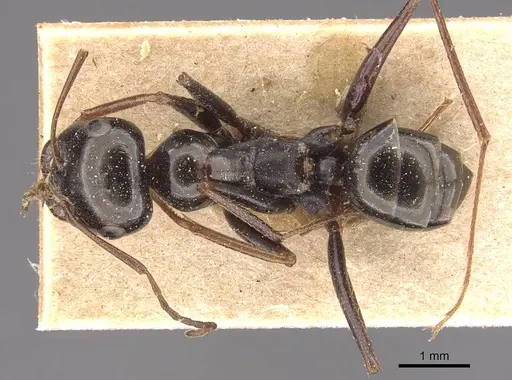
Literature
Loading distribution map...Loading products...