
Cataglyphis saharae
- Sci. Name
- Cataglyphis saharae
- Tribe
- Formicini
- Subfamily
- Formicinae
- Author
- Santschi, 1929
- Distribution
- Found in 3 countries
Introduction
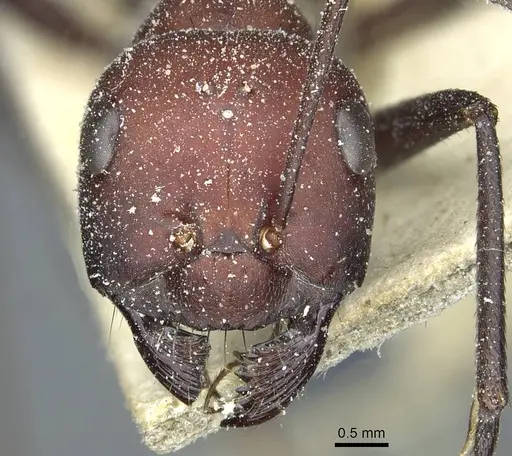
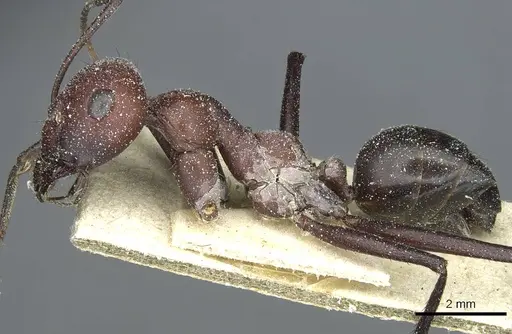
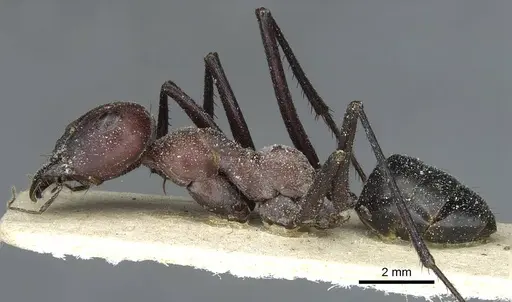
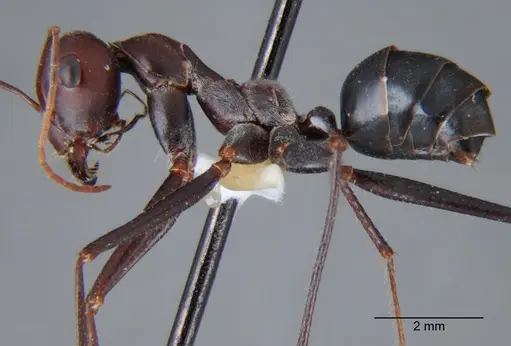
Cataglyphis saharae is a medium-sized desert ant native to North Africa and the Arabian Peninsula. Workers measure about 8.4 mm in total length, with a dark reddish-brown body. The species is easy to identify by its slender waist (petiole), which has a more sloped front face compared to similar species like Cataglyphis niger and Cataglyphis savignyi . Unlike many desert ants that avoid bare sand, this one thrives in human-changed landscapes - it is most common in plantations, irrigated fields, and other disturbed habitats, making it one of the most widespread Cataglyphis in southern Arabia .
Quick Summary
- Difficulty: Medium
- Origin & Habitat: Native to North Africa (Algeria, Morocco) and the Arabian Peninsula (Oman, Saudi Arabia, UAE). Found mostly in disturbed habitats such as man-made plantations and open cultivated fields, not in open sandy desert [1][3].
- Colony Type: Likely monogyne (single queen colonies). One queen was collected in the wild (Remah, UAE, March 1995), which matches the single-queen structure typical of the genus [3].
- Size & Growth:
- Queen: Undocumented, estimated around 9–11 mm based on worker size and genus patterns (inferred from Cataglyphis genus).
- Worker: 8.4 mm total length (worker measurements) [1]
- Colony: Unknown, based on the genus, expect up to a few thousand workers.
- Growth: Moderate, inferred from genus patterns
- Development: Unconfirmed for this species. Based on related Cataglyphis species, egg-to-worker likely takes 6–10 weeks at warm temperatures (26–28 °C). (Development time is an inference from the genus, no direct data available.)
- Antkeeping:
- Temperature: Keep warm,24–30 °C. This desert species from hot regions prefers higher temperatures. Provide a thermal gradient so workers can choose their preferred warmth.
- Humidity: Low to moderate. Since they are native to arid zones but frequent irrigated areas, give a dry nest chamber plus a small water source (e.g., a water tube). Avoid damp conditions.
- Diapause: No diapause expected. The species comes from subtropical regions without cold winters.
- Nesting: Provide a dry, warm nest. Y-tong (aerated concrete) or plaster nests work well. Use a shallow foraging area and avoid humid setups, these are desert ants.
- Behavior: Cataglyphis saharae is active and fast-moving, foraging during the warmer part of the day. As a formicine ant, it lacks a stinger but can spray formic acid as a defense. Workers are moderately aggressive when defending the nest. Their speed makes them good escape artists, use tight-fitting lids and barrier gel. They are skittish and may bolt when disturbed.
- Common Issues: too much humidity can kill them, keep nesting area dry, fast movement makes escape likely without tight barriers, wild-caught colonies may be stressed from collection in disturbed habitats, may become aggressive during nest disturbances, handle moves carefully
Natural History and Distribution
Cataglyphis saharae was first described from Algeria (El Golea / Biskra region) by Santschi in 1929,then raised to species by Collingwood in 1985 [2]. It was independently described as Cataglyphis saharae from the UAE in 2011,but later synonymised under C. saharae in 2015 [2]. Its current range includes Algeria, Morocco, Oman, Saudi Arabia, and the United Arab Emirates [2].
Unlike many desert ants that avoid bare sand, this species is closely tied to human‑altered landscapes. It is most abundant in man‑made plantations, irrigated sand dunes, and open cultivated fields [1][3]. This preference makes it one of the commonest Cataglyphis in southern Arabia. Specimens have been collected with pitfall traps across the UAE, including Al‑Ain Zoo, Sharjah Desert Park, and Remah [2].
Identification and Morphology
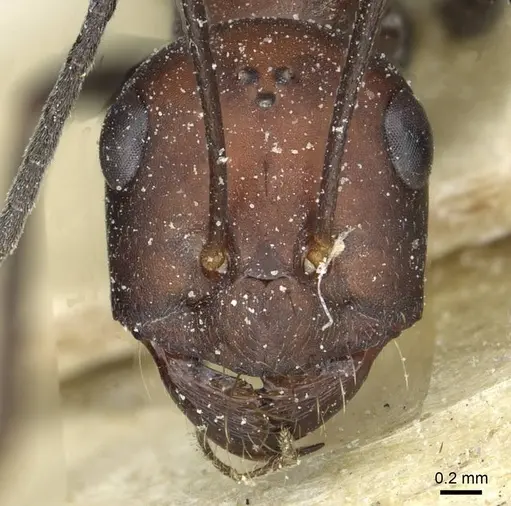
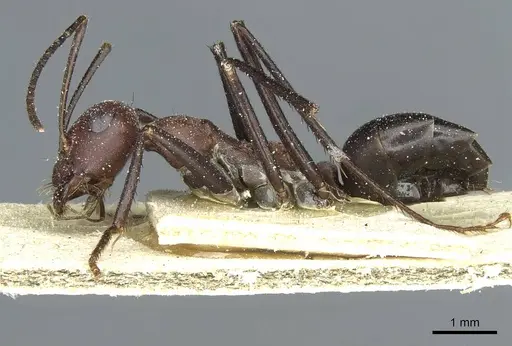
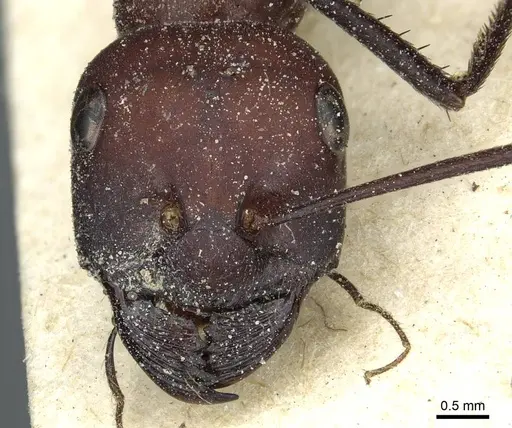
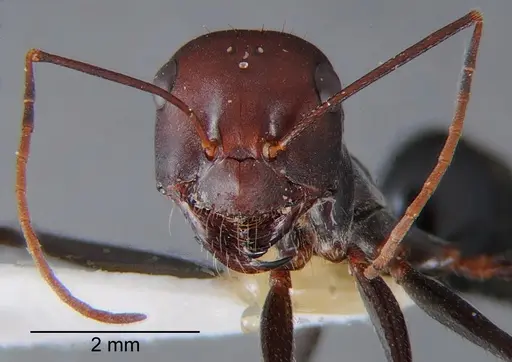
Workers measure about 8.4 mm in total length and have a dark reddish‑brown colour [1]. The best way to tell them apart from similar species is the slender petiole (the ‘waist’ segment) with a more sloped front face than in Cataglyphis niger and Cataglyphis savignyi [1][2]. The scapes (first antenna segments) and hind tibia have no outer hairs, while the gaster, petiole, and propodeum do carry some dorsal hairs [1].
Housing and Nesting
Cataglyphis saharae is a desert species used to warm, dry conditions. In captivity, pick a nest that stays relatively dry – Y‑tong (aerated concrete) or plaster works well. Keep the nesting area dry and provide only a small water tube for drinking. For the foraging area, give a shallow space where workers can run around freely. These fast desert ants do best in a simple setup with room to move.
Temperature matters more than humidity. Aim for 24–30 °C and create a thermal gradient so workers can regulate their body heat. Escape prevention is crucial because of their speed and small size – use tight‑fitting lids and barrier gel around the formicarium. They are active foragers and will quickly find any gap.
Feeding and Diet
Like most Cataglyphis, these ants are generalist hunters of small insects and other arthropods. Offer protein sources such as small crickets, mealworms, or fruit flies two to three times per week, removing leftovers after 24 hours. Provide a constant supply of sugar water or diluted honey for carbohydrates. Fresh water should always be available, but a small tube is enough – too much moisture can harm them.
Temperature and Seasonal Care
Because they come from hot parts of North Africa and Arabia, these ants need warmth. Keep the nest at 24–30 °C, they prefer the upper end. A heating cable or mat on one side of the nest will create a useful temperature gradient. No diapause (hibernation) is needed – they are from subtropical regions without cold winters. Avoid letting temperatures drop below 20 °C for long periods. Stable warmth year‑round supports continued colony growth.
Frequently Asked Questions
How long does it take for Cataglyphis saharae to get its first workers?
The exact timing is not known for this species, but from related Cataglyphis ants, expect first nanitics roughly 6–10 weeks after the queen lays eggs, provided the temperature stays around 26–28 °C.
Can I keep multiple Cataglyphis saharae queens together?
This species is thought to be monogyne (single‑queen). In the wild only one queen per colony has been collected [3], so mixing unrelated queens is not recommended – they would likely fight.
What temperature do Cataglyphis saharae need?
Keep them warm,24–30 °C. These desert ants hail from hot regions and like it warm. Provide a gradient so they can move to cooler or warmer spots as they wish.
Are Cataglyphis saharae good for beginners?
They are rated medium difficulty. They need a warm, dry setup and are fast escape artists, so some antkeeping experience is helpful.
How big do Cataglyphis saharae colonies get?
The colony size is not documented, but based on other Cataglyphis species they can reach several hundred to a few thousand workers. Growth is moderate.
Do Cataglyphis saharae need hibernation?
No, they do not need a cold period. They come from subtropical regions without cold winters. Keep them warm year‑round.
Why is my Cataglyphis saharae colony dying?
Most often the cause is too much humidity (keep the nest dry), temperatures below 20 °C, or escape due to poor barriers. These are desert ants – damp conditions are lethal.
What do Cataglyphis saharae eat?
They are generalist predators. Feed them small insects (crickets, mealworms, fruit flies) for protein and provide sugar water or honey for carbohydrates. Always have fresh water available.
When should I move Cataglyphis saharae to a formicarium?
You can start them in a test‑tube setup, but because they prefer dryness, a Y‑tong or plaster nest works well from the beginning. Move them when the test‑tube water section gets dirty or the colony outgrows it.
Report an Issue
The current care sheet is based fully on literature. See inconsistencies, or something that's incorrect? Please , it will be resolved after review from an admin. Contributing to the blogs tab also helps providing information, to make us be able to further improve the caresheets. Thank you for your support!
References

This caresheet is licensed under CC BY-SA 4.0 .
Community Blogs
CASENT0912226
View on AntWeb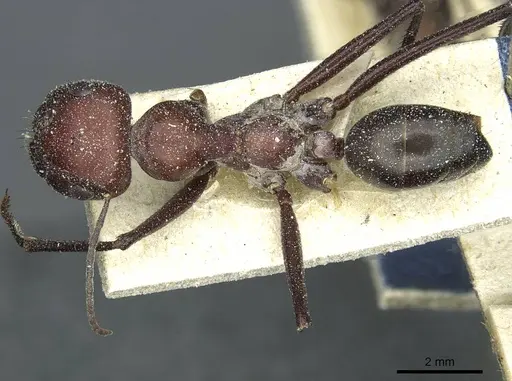
CASENT0912227
View on AntWeb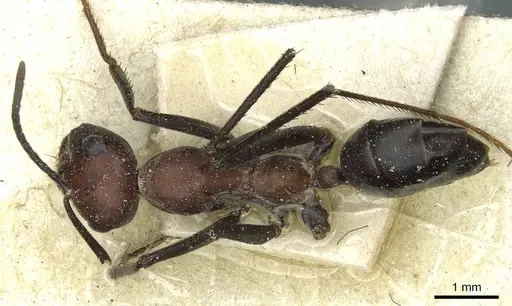
CASENT0912228
View on AntWeb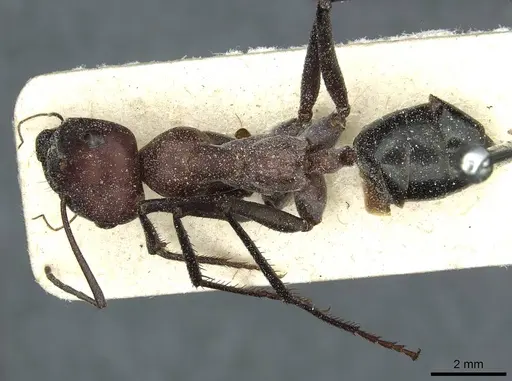
CDA000059
View on AntWeb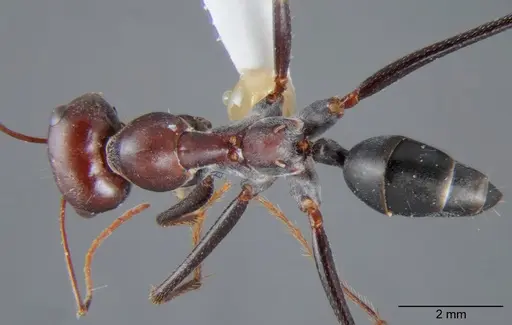
Literature
Loading distribution map...Loading products...