
Cataglyphis rubra
- Sci. Name
- Cataglyphis rubra
- Tribe
- Formicini
- Subfamily
- Formicinae
- Author
- Forel, 1903
- Distribution
- Found in 3 countries
Introduction
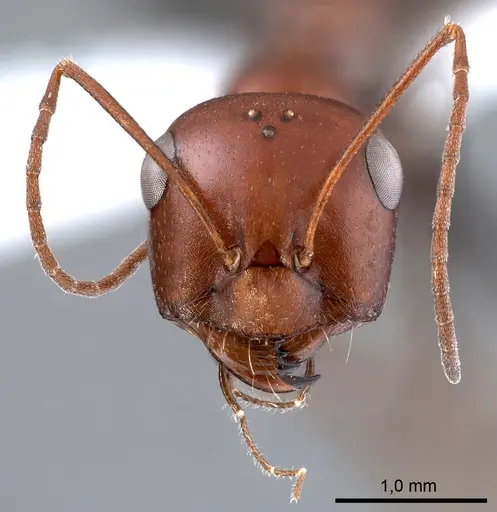
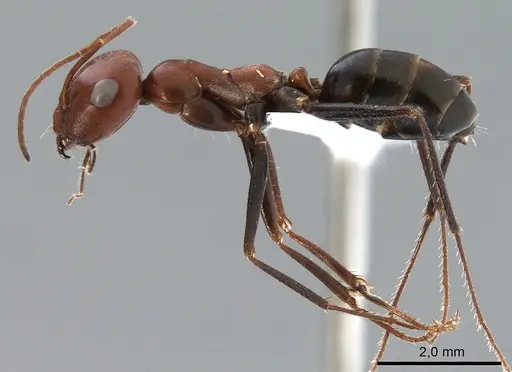
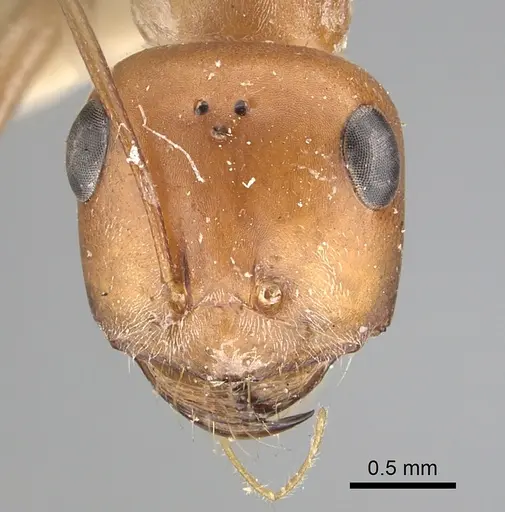
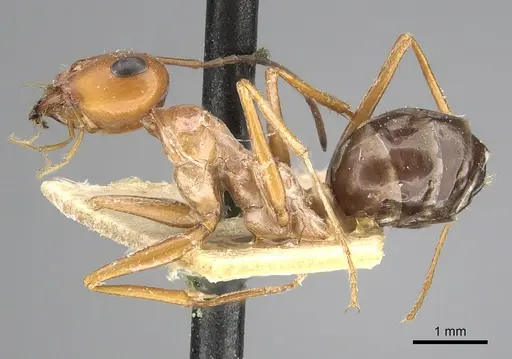
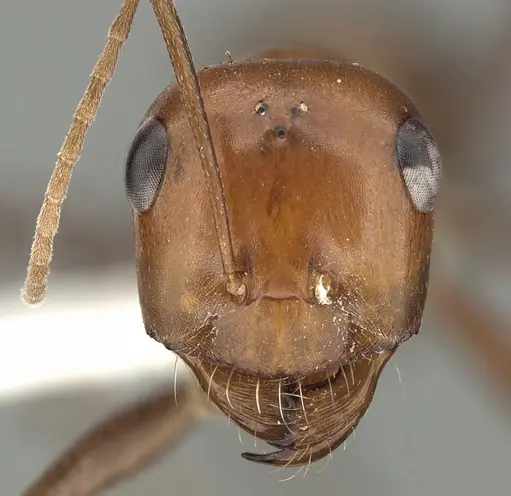
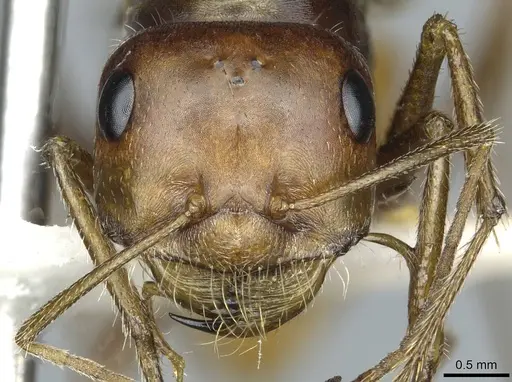
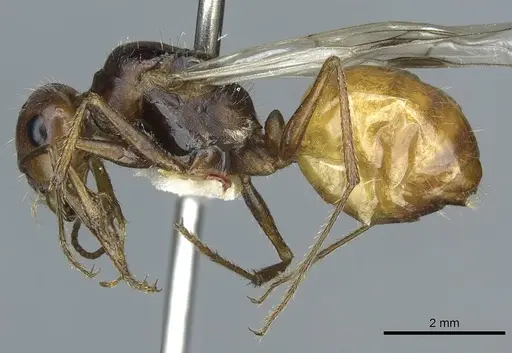
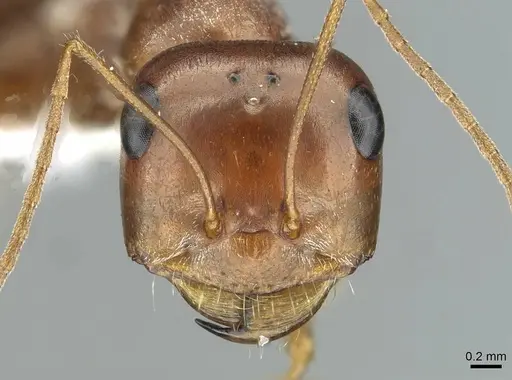
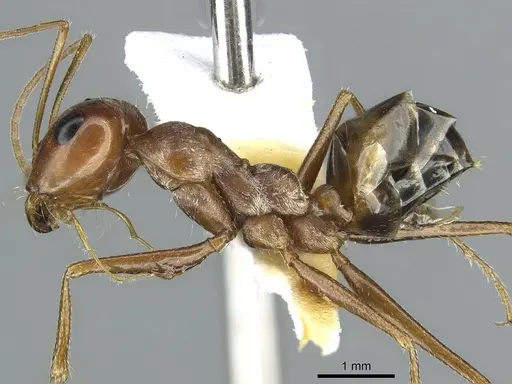
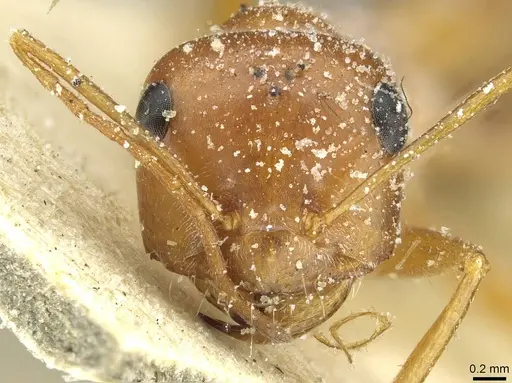
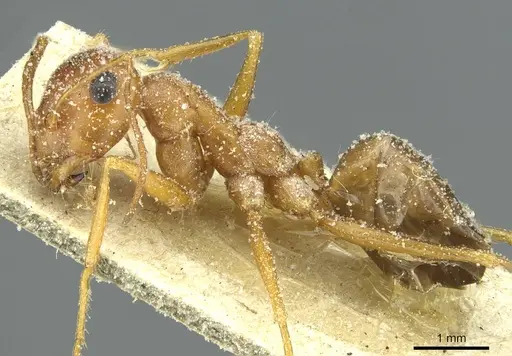
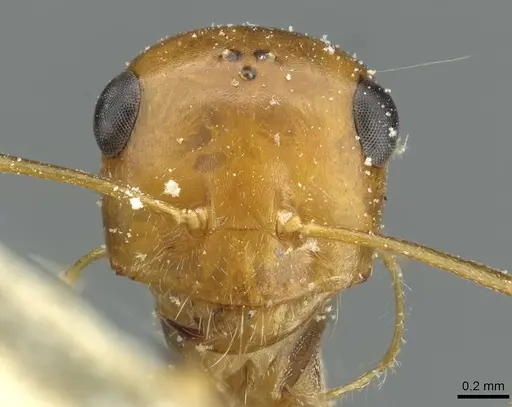
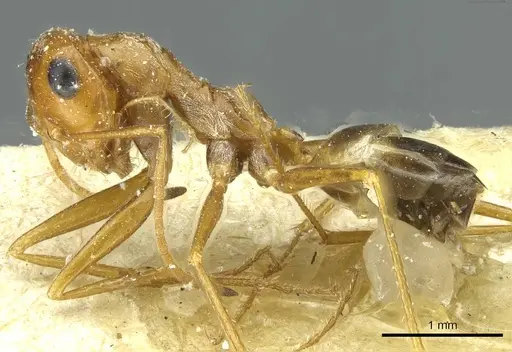
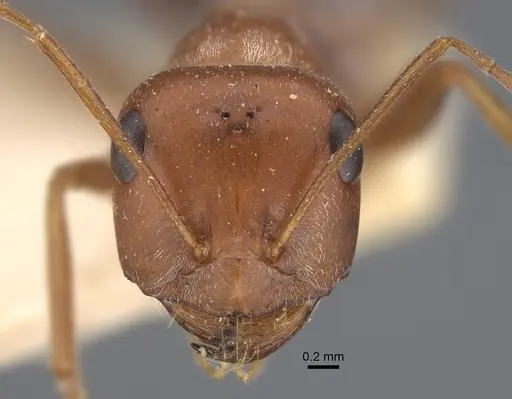
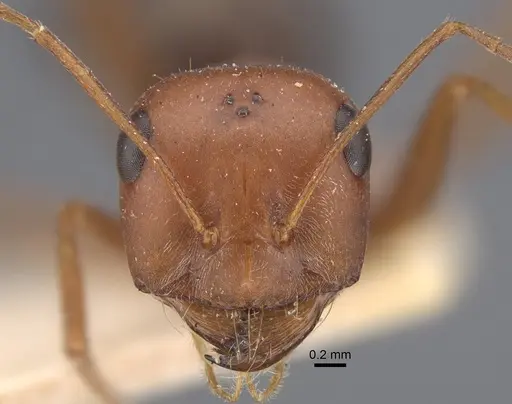
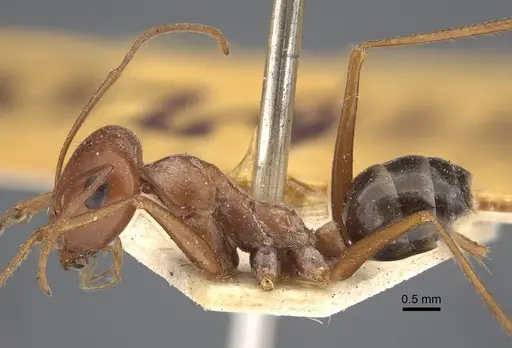
Cataglyphis rubra is a medium-sized desert ant belonging to the Formicinae subfamily. Workers measure approximately 5-6mm and display a distinctive bicolored pattern: the head, mesosoma, and petiole are orange to reddish, while the gaster (abdomen) is dark brown to black . This species belongs to the Cataglyphis albicans species-group and is widely distributed across North Africa and the Middle East, from Algeria and Morocco east to Iran and the Arabian Peninsula [AntWiki]. As a desert specialist, C. rubra inhabits hot, arid coastal and inland desert habitats where it forages during cooler periods to avoid extreme heat .
Quick Summary
- Difficulty: Medium
- Origin & Habitat: Native to North Africa and the Middle East: Algeria, Egypt, Iran, Israel, Libya, Morocco, Oman, Saudi Arabia, Tunisia, Turkey, and United Arab Emirates [3]. This is a desert species that inhabits coastal desert and sandy desert environments [5][6].
- Colony Type: Colony structure is not fully confirmed in available literature. Workers can produce haploid males through arrhenotokous parthenogenesis, providing a backup reproductive mechanism if the queen is lost [7].
- Size & Growth:
- Queen: Size data unavailable, no specific measurements for queens in available literature
- Worker: Approximately 5-6mm [8]
- Colony: Maximum colony size data unavailable
- Growth: Growth rate data unavailable
- Development: Development timeline unconfirmed, estimated 6-8 weeks based on typical Formicinae patterns (Exact development time for this species has not been documented in available research)
- Antkeeping:
- Temperature: Keep at 26-30°C in the foraging area with a thermal gradient. These are desert ants that tolerate high temperatures, the nest should have a warm zone around 28-32°C and a slightly cooler area for retreat [5][6].
- Humidity: Low to moderate humidity (30-50%). Desert species prefer dry conditions, keep the nest substrate moderately dry with only minimal moisture in the founding chamber. Avoid damp conditions.
- Diapause: Diapause requirements are unconfirmed for this species. Based on geographic range (temperate North Africa/Middle East), winter rest may be beneficial but specific duration and temperature requirements are not documented in available literature.
- Nesting: Use a dry, warm nest setup. Y-tong (AAC) nests or plaster nests work well. Provide a sand or sandy-loam substrate for natural digging behavior. Ensure excellent escape prevention, these ants are active and may attempt to escape.
- Behavior: Cataglyphis rubra is an active, fast-moving forager adapted to desert conditions. Workers are diurnal, foraging during morning and evening hours when temperatures are moderate. They are not aggressive toward keepers but will defend their nest if threatened. As Formicinae, they lack a functional sting but can spray formic acid as a defense. Escape prevention is important due to their active nature and moderate size. Workers can produce males parthenogenetically, which is an unusual trait providing colony resilience [7].
- Common Issues: desert species are sensitive to humidity, too much moisture causes fungal problems and colony decline, they require warm conditions, keeping them too cold will slow growth and weaken the colony, escape prevention must be good, active foragers will explore and find gaps in setup, winter diapause requirements are unconfirmed, observe your colony for signs of stress during winter months, wild-caught colonies may harbor parasites that cause issues in captivity
Housing and Nest Setup
Cataglyphis rubra requires a warm, dry nest environment that mimics desert conditions. Y-tong (AAC) nests work well because they allow you to control humidity precisely and provide good visibility. Plaster nests are also suitable, just keep them on the dry side. For the outworld, use a simple setup with a sand or sandy-loam substrate that allows natural foraging behavior. Temperature is critical: maintain the nest at 26-30°C using a heating cable or mat on one side to create a thermal gradient. The foraging area should be warm, while the nest interior can be slightly cooler. These ants are active foragers, so provide adequate space for them to patrol. Escape prevention is important, use fluon on container edges and ensure all connections are tight. A water test tube should always be available, but keep the nest chamber dry. [5][6]
Feeding and Diet
In the wild, Cataglyphis rubra is an omnivorous forager that collects insects, seeds, and honeydew. In captivity, offer a varied diet: protein sources like small crickets, mealworms, and fruit flies 2-3 times per week, plus a constant sugar source such as honey water or sugar water. Desert ants are often selective eaters, so observe what your colony prefers. Fresh water should always be available. Avoid overfeeding, leftover food can attract pests and cause mold in the dry nest environment. Remove uneaten prey after 24 hours.
Temperature and Seasonal Care
As a desert species, Cataglyphis rubra thrives in warm conditions. Keep the nest at 26-30°C during the active season, with a heating cable on one side to create a gradient. They can tolerate temperatures up to 35°C but will seek cooler areas if overheated. During winter, diapause requirements are not well documented for this species. Based on their geographic range in temperate North Africa and Middle East, a cool period (10-15°C) for 2-3 months may be beneficial but should be monitored. Do not force hibernation if the colony shows signs of stress. In spring, gradually warm the colony back to active temperatures. [5][6]
Colony Growth and Development
Cataglyphis rubra colonies growth details are not well documented in available literature. The founding behavior is unconfirmed, claustral founding is typical for the genus but has not been specifically documented for this species. First workers would be expected within 6-8 weeks under optimal conditions based on typical Formicinae patterns. An unusual trait of this species is that workers can produce haploid males through arrhenotokous parthenogenesis [7]. This means if the queen dies, workers may still produce males, though the colony cannot sustain long-term reproduction without a queen. This provides a temporary reproductive backup in the wild.
Behavior and Temperament
Cataglyphis rubra workers are fast, active foragers that patrol their territory methodically. They are diurnal, avoiding the hottest midday hours by foraging in morning and evening. These ants are not particularly aggressive but will defend their nest vigorously if disturbed. As Formicinae, they lack a true sting but can spray formic acid as a defensive secretion. They are not suitable for beginners due to their specific temperature and humidity requirements, but experienced antkeepers will find them rewarding. Their desert adaptation makes them resilient to warm, dry conditions that would harm many other ant species.
Frequently Asked Questions
How long does it take for Cataglyphis rubra to produce first workers?
Exact timeline is unconfirmed. Based on typical Formicinae patterns, first workers may appear in 6-8 weeks at optimal temperatures around 28°C, but specific development time for this species has not been documented.
What temperature do Cataglyphis rubra need?
Keep them at 26-30°C in the nest with a thermal gradient. They are desert ants that tolerate warm conditions but need a cooler retreat area.
Do Cataglyphis rubra need hibernation?
Diapause requirements are unconfirmed. Based on their geographic range in temperate North Africa and Middle East, a cool period may be beneficial but specific duration and temperature are not documented.
Are Cataglyphis rubra good for beginners?
No, they are not recommended for beginners. Their specific temperature and humidity requirements make them better suited for intermediate to experienced antkeepers.
What do Cataglyphis rubra eat?
They are omnivorous. Feed protein (insects like crickets, mealworms) 2-3 times weekly and provide constant access to sugar sources (honey water or sugar water).
How big do Cataglyphis rubra colonies get?
Maximum colony size data is unavailable. Based on genus patterns, colonies likely reach several hundred workers.
Can I keep multiple Cataglyphis rubra queens together?
Colony structure is unconfirmed. Until more data is available, keep only one queen per colony.
Why are my Cataglyphis rubra dying?
Common causes include: too much humidity (desert species need dry conditions), temperatures too low (they need 26-30°C), or inappropriate hibernation. Check these parameters first.
When should I move Cataglyphis rubra to a formicarium?
Wait until the colony has 20-30 workers. Before that, a test tube setup works fine. When moving, ensure the new nest has appropriate temperature and humidity control.
Report an Issue
The current care sheet is based fully on literature. See inconsistencies, or something that's incorrect? Please , it will be resolved after review from an admin. Contributing to the blogs tab also helps providing information, to make us be able to further improve the caresheets. Thank you for your support!
References

This caresheet is licensed under CC BY-SA 4.0 .
Community Blogs
ANTWEB1008063
View on AntWeb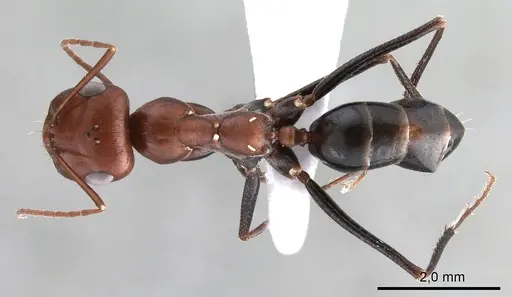
CASENT0249887
View on AntWeb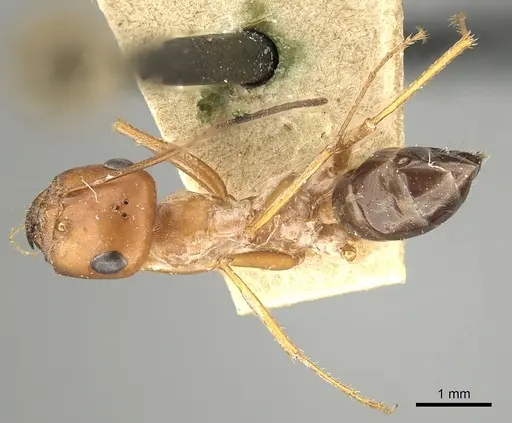
CASENT0280328
View on AntWeb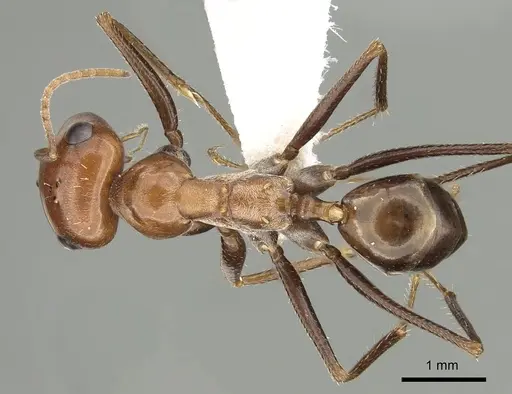
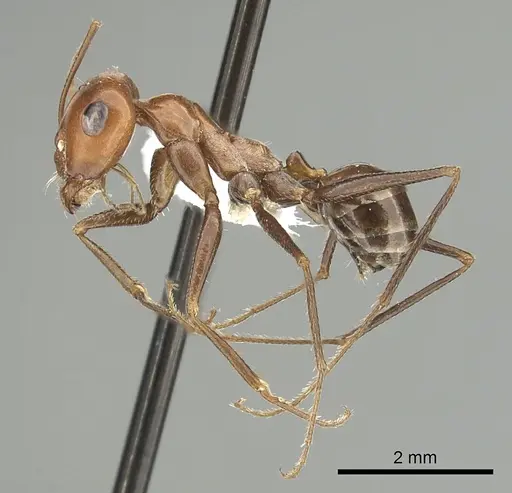
CASENT0911102
View on AntWeb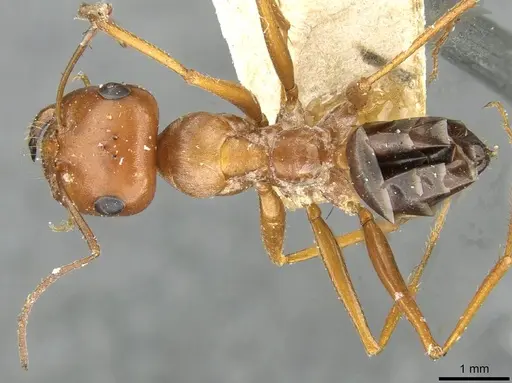
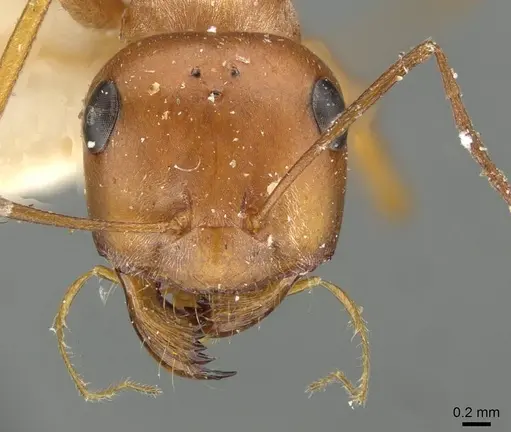
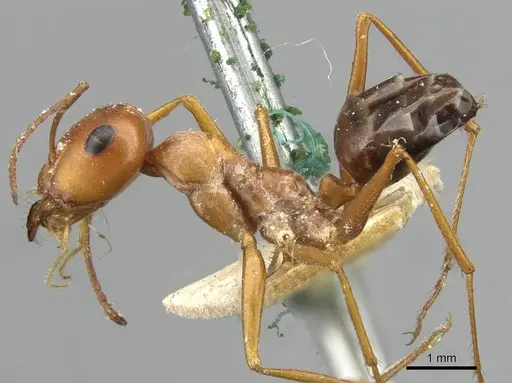
CASENT0912172
View on AntWeb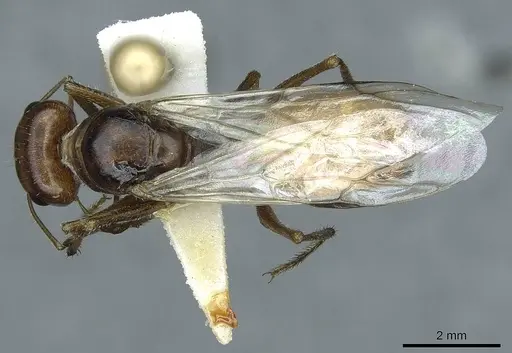
CASENT0912173
View on AntWeb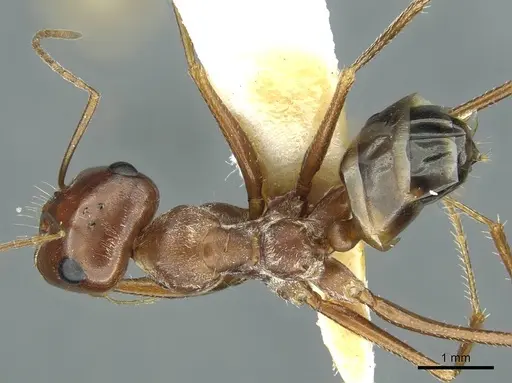
CASENT0912224
View on AntWeb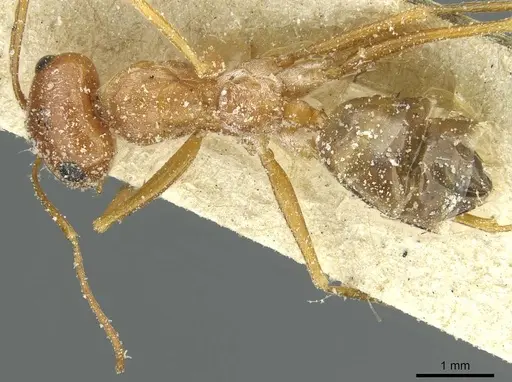
CASENT0912225
View on AntWeb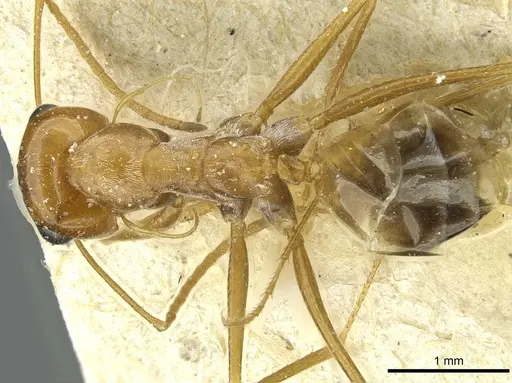
CASENT0917875
View on AntWeb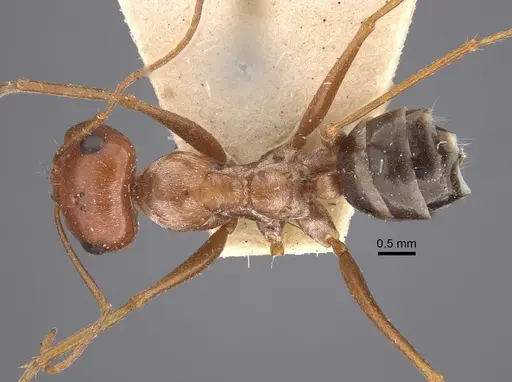
Literature
Loading distribution map...Loading products...