
Cataglyphis holgerseni
- Sci. Name
- Cataglyphis holgerseni
- Tribe
- Formicini
- Subfamily
- Formicinae
- Author
- Collingwood & Agosti, 1996
- Distribution
- Found in 2 countries
Introduction
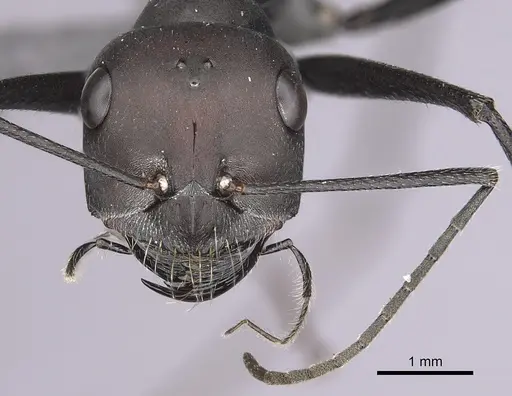
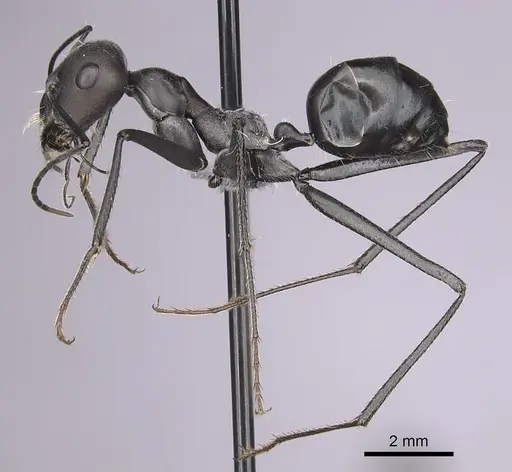
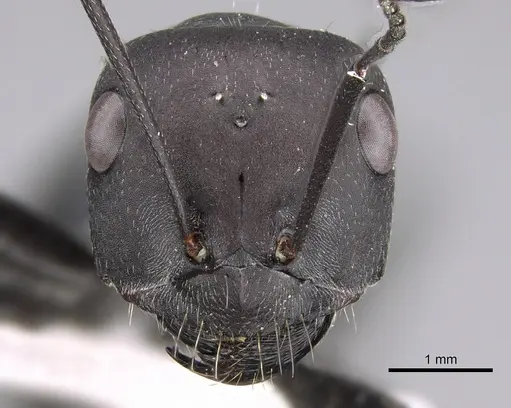
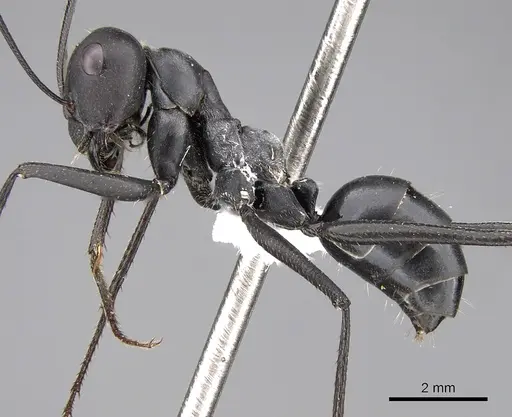
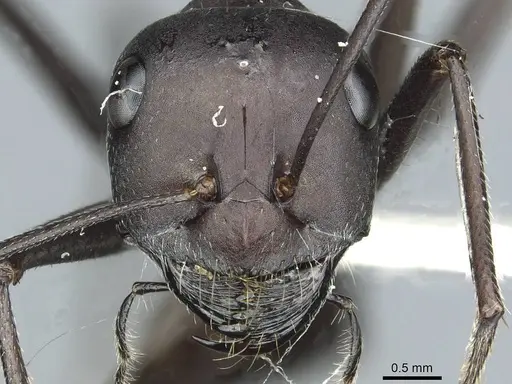
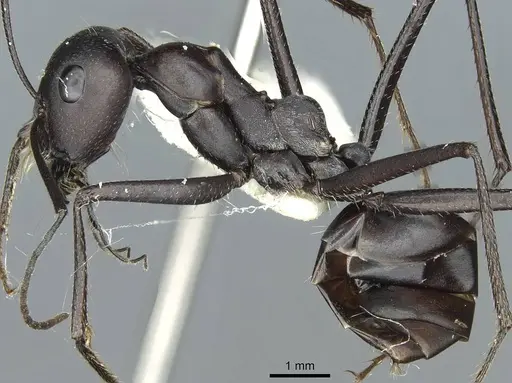
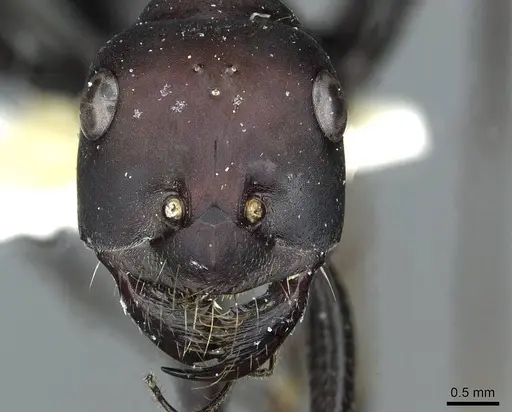
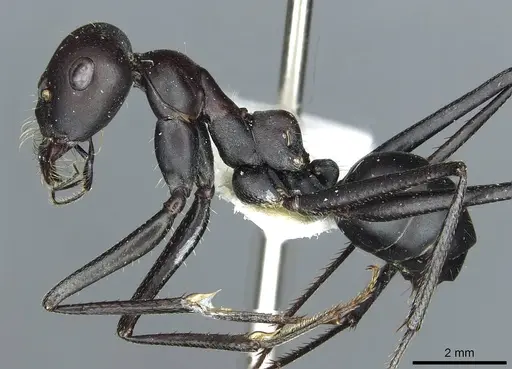
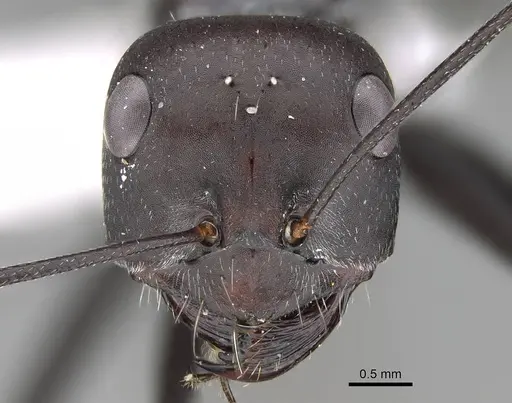
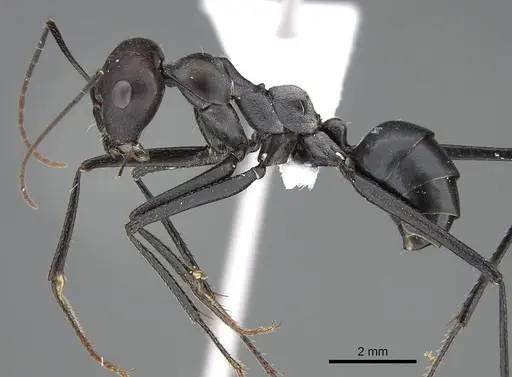
Cataglyphis holgerseni is one of the largest Arabian Cataglyphis species, with workers ranging from 6.8-13.2 mm in total length . These ants are usually entirely black, though some specimens display a dark red frons . They are immediately distinguishable from other black Cataglyphis by their high-raised propodeum - in profile, the dorsal and descending face form a rounded right angle, similar to the red species Cataglyphis urens [AntWiki]. The petiole is relatively massive compared to related species. This species was only recognized as distinct in 1996, previously confused with Cataglyphis nigra [AntWiki]. Found across Egypt, Israel, Jordan, Oman, and Saudi Arabia, they inhabit hot desert environments including the Arava Valley in Israel .
Quick Summary
- Difficulty: Medium
- Origin & Habitat: Hot desert regions of the Middle East, Egypt, Israel (Arava Valley, southern Negev), Jordan, Oman, and Saudi Arabia. Workers have been collected under vegetation like Rubus trees in Oman [3].
- Colony Type: Monogyne, single queen colonies. Research shows 100% of colonies have a single queen, with an average of 1 queen per colony across 8 colonies studied [5]. Workers can produce males if the queen dies through arrhenotokous parthenogenesis [6][7].
- Size & Growth:
- Queen: Size data unavailable, inferred from worker size to be approximately 12-15 mm based on typical Cataglyphis queen-worker proportions.
- Worker: 6.8-13.2 mm (highly polymorphic) [1][2].
- Colony: Up to 3000 workers [8].
- Growth: Moderate, development timeline not directly studied but related desert Cataglyphis species typically develop from egg to worker in 6-10 weeks at optimal temperatures.
- Development: Estimated 6-10 weeks based on related Cataglyphis species in desert habitats. This is inferred from genus-level data as species-specific development has not been documented. (Development likely faster in warmer conditions given their desert adaptation. Founding behavior is unconfirmed but likely claustral based on typical Cataglyphis patterns.)
- Antkeeping:
- Temperature: Keep at 26-32°C with a warm gradient. These are desert ants adapted to extreme heat, they can survive temperatures up to 45°C in the wild [9]. The annual mean temperature in their Israeli habitat is 22.9°C with warmest quarter averaging 29.6°C and maximum temperatures reaching 37.3°C [9]. Provide a heating cable on one side of the nest to create a temperature gradient.
- Humidity: Low, desert species. Keep nest area relatively dry. They naturally occur in arid environments and are adapted to dry conditions.
- Diapause: Likely minimal or none, desert species from hot regions do not typically require strong hibernation. However, a slight cool period (around 15-18°C) during winter months may help simulate natural cycles.
- Nesting: Use a dry, warm nest setup. Y-tong (AAC) or plaster nests work well for this desert species. They prefer tight chambers and narrow passages. Avoid moist substrates, these are true desert ants.
- Behavior: Active daytime foragers adapted to extreme heat. They are aggressive defenders that spray formic acid as their primary defense mechanism (Formicinae subfamily). Workers are polymorphic (varying sizes within the colony) with a queen-worker dimorphism of 12.19 [8]. They hunt prey and scavenge in hot desert conditions when other ants are inactive. Escape risk is moderate, use standard barriers but they are not as prone to escaping as tiny species. Their spray defense can irritate skin and eyes.
- Common Issues: heat stress from excessive heating, while heat-tolerant, temperatures above 47°C become lethal [9], colonies may fail if humidity is too high, these are true desert ants, slow founding phase, queens need time to raise first workers without disturbance, queen loss is fatal, monogyne colonies cannot replace a lost queen [5], workers may die off if not given proper protein-rich diet
Housing and Nest Setup
Cataglyphis holgerseni requires a warm, dry nest environment that mimics their natural desert habitat. Y-tong (AAC) nests or plaster nests work well for this species. The nest chambers should be appropriately sized for their medium-to-large worker size (6.8-13.2 mm). Because they are polymorphic, some workers are quite large while others are smaller, ensure passages are wide enough for the largest workers. The outworld should be spacious enough for foraging. Use a test tube setup for founding colonies, transitioning to a formicarium once the colony reaches 20-30 workers. Escape prevention is important, while not tiny, they are active and determined. Use fluon on test tube rims and ensure any connections between nest and outworld are secure. [1][8]
Temperature and Heating
These desert ants thrive in warm conditions. Maintain nest temperatures between 26-32°C, with access to a warmer zone around 32°C and a cooler zone around 26°C. A heating cable placed on top of the nest (never underneath to avoid drying) creates an ideal gradient. Research shows they can survive temperatures up to 45°C in the wild, with LT50 (lethal temperature for 50% of ants) at 46°C after 3 hours of exposure [9]. Their natural habitat in Israel's Arava Valley experiences annual mean temperatures of 22.9°C, with warmest quarters averaging 29.6°C and maximums reaching 37.3°C [9]. However, they forage during cooler parts of the day and retreat to cooler microhabitats when temperatures soar. In captivity, avoid temperatures above 45°C as survival drops dramatically within a 2-degree range [9].
Feeding and Diet
Cataglyphis holgerseni is a predatory desert ant that primarily hunts insects and other small invertebrates. Feed them a varied diet including small crickets, mealworms, fruit flies, and other appropriately-sized insects. They also readily accept sugar sources like honey water or sugar water. In the wild, they are active foragers that hunt prey and scavenge. Offer protein prey 2-3 times per week, and keep a constant sugar water supply. Remove uneaten prey after 24-48 hours to prevent mold. Fresh water should always be available.
Colony Structure and Reproduction
This is a monogyne species, each colony has exactly one queen. Research confirms 100% of studied colonies had single queens, with an average of 1 queen per colony across 8 colonies [5]. Queens mate with multiple males (obligatory multiple mating), the average paternity frequency is 5.50, meaning queens typically mate with over 5 males [5]. This high mating frequency increases genetic diversity within colonies. If a queen dies, workers can produce haploid males through arrhenotokous parthenogenesis, but cannot produce new queens [6][7]. Worker thelytoky is present, meaning workers can produce female offspring in queenless situations, though this is not the normal reproductive pathway [5]. Colonies can grow to approximately 3000 workers [8].
Behavior and Temperament
Cataglyphis holgerseni is an aggressive, active forager with formic acid spray as its primary defense. Workers are daytime foragers, adapted to hunting in hot desert conditions when other ants are inactive. They are polymorphic, workers vary significantly in size, with larger workers (major workers) often serving as defenders and foragers for larger prey, while smaller workers (minor workers) handle brood care and smaller tasks [8]. The queen-worker dimorphism is pronounced at 12.19, indicating significant size difference between queen and workers [8]. When threatened, they will spray formic acid at attackers. They are not timid ants and will actively defend their nest. Their foraging style is active hunting and scavenging. The spray defense can irritate skin and eyes.
Seasonal Care and Wintering
As a desert species from hot regions of the Middle East, C. holgerseni does not require traditional hibernation. However, a slight reduction in temperature during winter months (15-18°C) can help simulate natural seasonal cycles and may benefit colony health. Do not cool them below 15°C. During winter, reduce feeding frequency but maintain sugar water availability. The key seasonal consideration is maintaining warm temperatures year-round, they are not adapted to cold conditions. If your room temperature drops below 24°C in winter, use a gentle heat source to maintain at least 24°C in the nest area.
Frequently Asked Questions
How long does it take for Cataglyphis holgerseni to produce first workers?
Based on related Cataglyphis species, expect 6-10 weeks from egg to first worker at optimal temperatures (around 28-30°C). Queens likely seal themselves in during founding and raise the first brood alone, so be patient and avoid disturbing the founding chamber.
What temperature do Cataglyphis holgerseni need?
Keep them warm at 26-32°C with a gradient. They are desert ants adapted to extreme heat and can survive up to 45°C, but thrive in the 28-32°C range.
How big do Cataglyphis holgerseni colonies get?
Colonies can reach up to 3000 workers [8]. This is a moderately large colony size for a Cataglyphis species.
Can I keep multiple Cataglyphis holgerseni queens together?
No. This is a monogyne species with single-queen colonies. Only one queen per colony should be kept. If you introduce multiple unrelated queens, they will fight to the death.
Are Cataglyphis holgerseni good for beginners?
They are rated as medium difficulty. While not the hardest species, their heat requirements, formic acid spray defense, and specific humidity needs make them better suited for antkeepers who have already kept at least one successful colony. Their founding phase can be slow and requires patience.
What do Cataglyphis holgerseni eat?
They are predatory ants that primarily eat insects. Feed them small crickets, mealworms, fruit flies, and other appropriately-sized invertebrates. They also accept sugar sources like honey water or sugar water.
Do Cataglyphis holgerseni need hibernation?
No, they do not require traditional hibernation. As desert ants from hot regions, they prefer warm conditions year-round. A slight cool period (15-18°C) in winter is optional but not necessary.
When should I move Cataglyphis holgerseni to a formicarium?
Move them from the test tube setup once the colony reaches 20-30 workers and the test tube becomes crowded. Ensure the new formicarium maintains warm, dry conditions appropriate for this desert species.
Why are my Cataglyphis holgerseni dying?
Common causes include: too high humidity (they need dry conditions), temperatures below 20°C, disturbing the queen during founding, or lack of protein in their diet. Check that your setup mimics their natural desert habitat with proper warmth and low humidity.
Report an Issue
The current care sheet is based fully on literature. See inconsistencies, or something that's incorrect? Please , it will be resolved after review from an admin. Contributing to the blogs tab also helps providing information, to make us be able to further improve the caresheets. Thank you for your support!
References

This caresheet is licensed under CC BY-SA 4.0 .
Community Blogs
CASENT0263969
View on AntWeb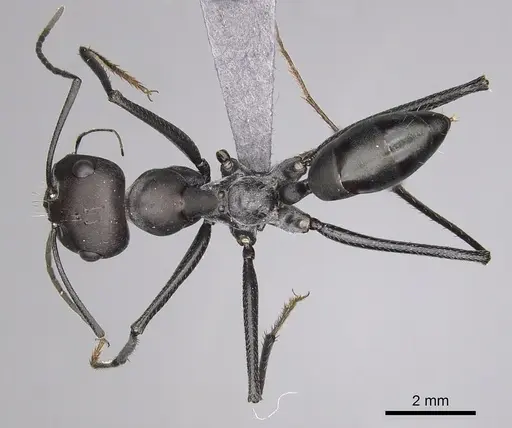
CASENT0317385
View on AntWeb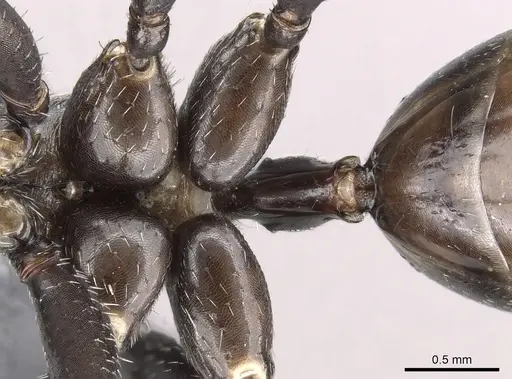
CASENT0317386
View on AntWeb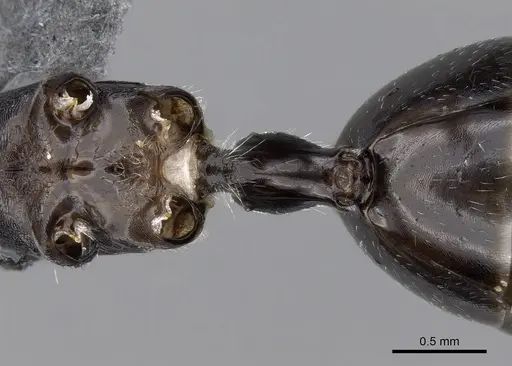
CASENT0906535
View on AntWeb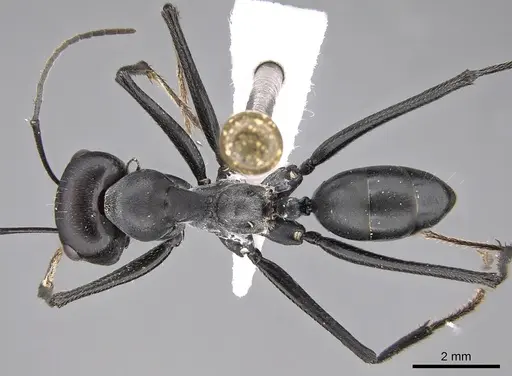
CASENT0912232
View on AntWeb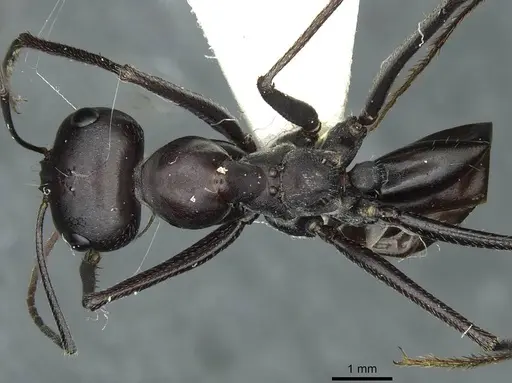
CASENT0912233
View on AntWeb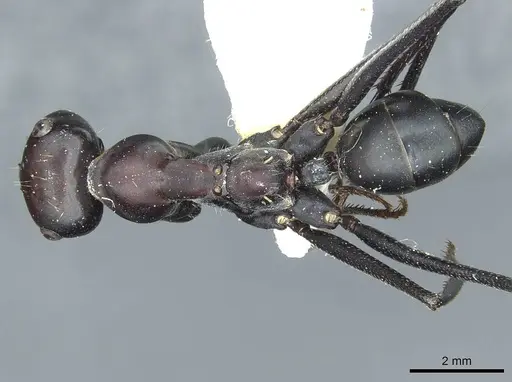
CASENT0922272
View on AntWeb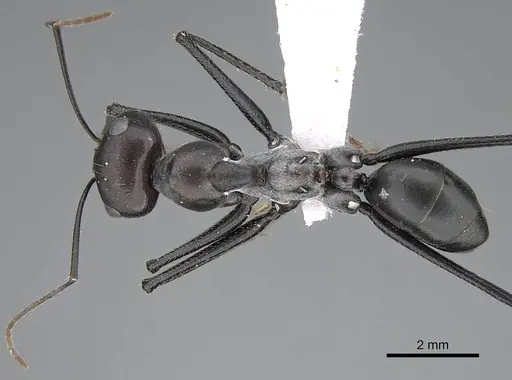
Literature
Loading distribution map...Loading products...