
Cataglyphis fritillariae
- Sci. Name
- Cataglyphis fritillariae
- Tribe
- Formicini
- Subfamily
- Formicinae
- Author
- Khalili-Moghadam <i>et al.</i>, 2021
- Distribution
- Found in 1 countries
Introduction
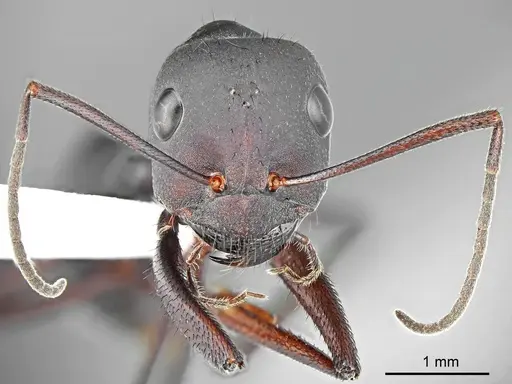
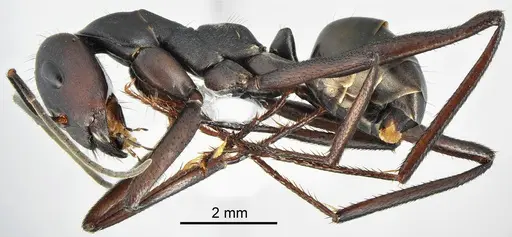
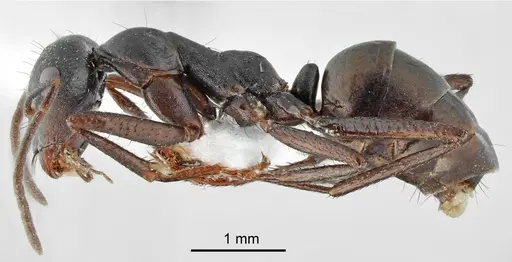
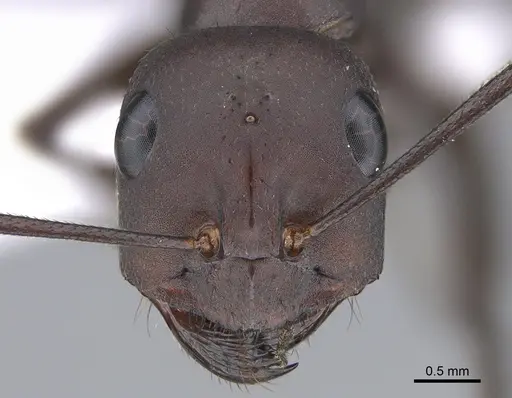
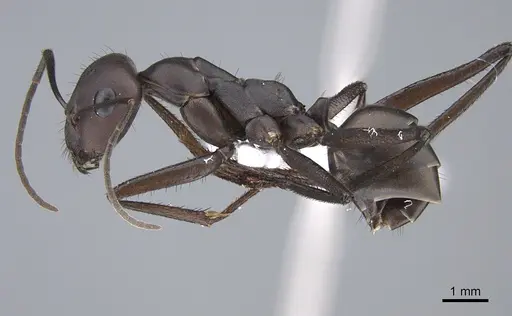
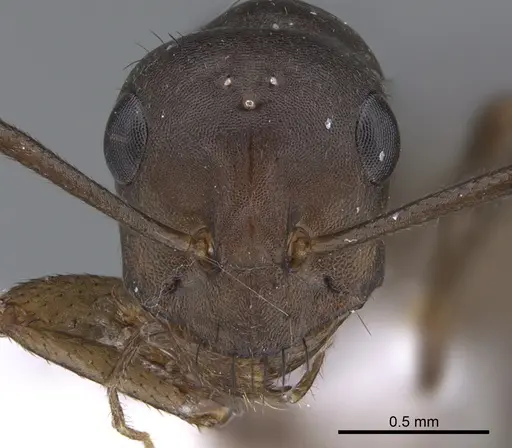
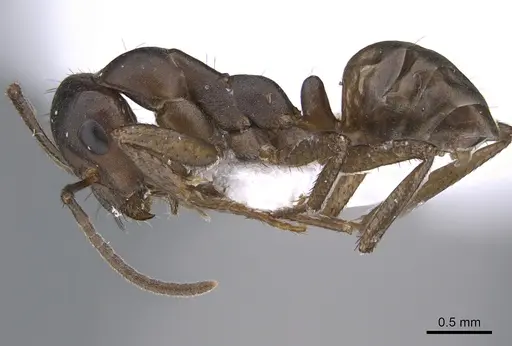
Cataglyphis fritillariae is a recently described ant species from the high-altitude mountains of central Iran, named after the Snake's head flower (Fritillaria imperialis) that blooms at its type locality. Workers are polymorphic with major and minor castes, typically measuring 5-8mm in total length. The ants are primarily black to brownish-black in color, with major workers being darker and minor workers showing more brownish tones. This species belongs to the C. altisquamis species-group and appears to be endemic to the alpine regions of Iran, specifically the Chaharmahal Va Bakhtiari province.
Quick Summary
- Difficulty: Medium
- Origin & Habitat: Endemic to Iran, found exclusively in high-altitude mountain regions between 2143-2400m above sea level. Nests are located under rocks in grazing areas and mountain pastures with scant vegetation [1][2].
- Colony Type: Colony structure is unconfirmed for this species. Based on typical Cataglyphis patterns, likely single-queen colonies.
- Size & Growth:
- Queen: Size data unavailable, queen measurements have not been described [1].
- Worker: ~5-8mm total length, inferred from Cataglyphis genus [1].
- Colony: Unknown, no colony size data available for this newly described species.
- Growth: Unknown, estimated moderate based on genus patterns.
- Development: Unconfirmed, estimated 6-10 weeks based on typical Cataglyphis development. (Development timeline has not been directly studied for this species.)
- Antkeeping:
- Temperature: Keep at room temperature in the low-to-mid 20s°C range (20-25°C). This is an alpine species from high-altitude Iran, so they likely prefer cooler conditions than typical desert Cataglyphis. Observe colony activity and adjust as needed [1][2].
- Humidity: Dry to moderate. Their natural habitat is rocky mountain pastures at high altitude, which tend to be drier. Provide a humidity gradient with a moist test tube water reservoir but avoid overly damp nesting areas.
- Diapause: Likely yes. As an alpine species from high-altitude Iran with cold winters, they probably require a winter dormancy period. Provide 2-3 months of reduced temperatures (10-15°C) during winter months [1][2].
- Nesting: Natural nesting: nests under rocks in open ground. In captivity, a Y-tong (AAC) or plaster nest works well. Provide a dry to moderately humid nest chamber with access to an outworld for foraging.
- Behavior: Active foragers typical of the genus Cataglyphis. They are daytime hunters that search for prey on the ground surface. As members of the Formicinae subfamily, they lack a functional sting and instead spray formic acid as their primary defense mechanism. Workers are moderately aggressive when defending the nest. Escape risk is moderate, standard barriers should contain them, but check for gaps since they can climb smooth surfaces.
- Common Issues: limited availability, this is a newly described species with few sources in the antkeeping trade, temperature uncertainty, being alpine, they may not tolerate warm conditions well, hibernation requirements, improper winter dormancy may affect colony health, slow colony growth, new species means less established care knowledge, wild-caught colonies may struggle with captive conditions after collection from extreme altitude
Origin and Natural Habitat
Cataglyphis fritillariae is endemic to the mountainous regions of central Iran, specifically the Chaharmahal Va Bakhtiari province. This species was discovered relatively recently (described in 2021) and appears to be restricted to high-altitude areas between 2143-2400 meters above sea level [1]. The type locality at Dashte laleh is a small plateau around 3600 hectares in size, situated between 2100-2600m elevation. The area is characterized by grazing land with sparse vegetation, including the Snake's head flower (Fritillaria imperialis) which gave the species its name, along with Milkvetch, Persian shallot, and Daphne plants [1]. Workers have been collected under large stones in both mountain pastures and agricultural areas, suggesting they prefer open, rocky terrain at elevation [2]. This alpine distribution sets them apart from many other Cataglyphis species that inhabit warmer, lower-elevation deserts.
Temperature and Seasonal Care
As an alpine species from high-altitude Iran, Cataglyphis fritillariae likely prefers cooler temperatures than typical desert-dwelling Cataglyphis. Keep the nest area in the low-to-mid 20s°C range (around 20-25°C) and observe how your colony responds. If workers seem sluggish and cluster together, the temperature may be too low. If they avoid the heated side of the nest, it may be too warm. Given their mountain origin, they probably experience cold winters with snow, so a winter dormancy period is likely important for colony health. Provide 2-3 months during winter with temperatures reduced to around 10-15°C, mimicking their natural seasonal cycle [1][2]. This diapause period helps regulate their biological rhythms and may be necessary for successful long-term colony maintenance.
Feeding and Nutrition
Like other Cataglyphis species, C. fritillariae are active foragers that primarily hunt small invertebrates. In captivity, offer protein sources such as small insects (fruit flies, small crickets, mealworms) and other arthropods. Sugar water or honey can be provided as an energy source. Feed every 2-3 days, removing uneaten prey after 24 hours to prevent mold. Since this is a newly kept species, monitor whether your colony readily accepts different food types and adjust accordingly. Fresh water should always be available.
Nesting Requirements
In the wild, this species nests under rocks in open, rocky terrain at high altitude [1][2]. For captive care, a Y-tong (AAC) or plaster formicarium works well. Provide a dry to moderately humid nest environment, these are not humidity-dependent ants given their alpine, relatively dry habitat. The nest should have chambers scaled to the worker size. Include an outworld connected to the nest where foragers can search for food. A test tube setup with a water reservoir works for founding colonies, then transfer to a proper formicarium once the colony reaches 20-30 workers.
Colony Development
Cataglyphis fritillariae is a newly described species (2021), so specific colony development data is not available. Based on typical Cataglyphis patterns, founding likely occurs through claustral foundation, the queen seals herself in a chamber and raises the first workers alone using stored fat reserves. First workers (nanitics) will be smaller than normal workers. Expect slow initial growth during the founding phase, with acceleration once the first batch of workers emerges. Colony size at maturity is unknown. Patience is key with this species, as established care protocols are still being developed. [1]
Frequently Asked Questions
How long does it take for Cataglyphis fritillariae to produce first workers?
The exact timeline is unconfirmed, but based on typical Cataglyphis development, expect first workers around 6-10 weeks after the queen lays eggs, assuming optimal temperature around 22-25°C. The founding phase is typically slow, with the queen raising the first brood alone.
What temperature is best for Cataglyphis fritillariae?
Keep them at room temperature in the low-to-mid 20s°C range (20-25°C). As an alpine species from high-altitude Iran, they likely prefer cooler conditions than typical desert Cataglyphis. Avoid temperatures above 30°C.
Do Cataglyphis fritillariae need hibernation?
Likely yes. As an alpine species from high-altitude Iran with cold winters, they probably require a winter dormancy period. Provide 2-3 months of reduced temperatures (10-15°C) during winter months.
Is Cataglyphis fritillariae good for beginners?
This species is not ideal for beginners. It was only described in 2021,so established care protocols are limited. Additionally, being an alpine species, it has specific temperature and seasonal requirements that may be challenging for new antkeepers to manage.
What do Cataglyphis fritillariae eat?
Like other Cataglyphis species, they are active foragers that likely hunt small invertebrates. Feed small insects (fruit flies, small crickets, mealworms) as protein sources. Sugar water or honey can be offered for energy. Protein should be the primary food source.
How big do Cataglyphis fritillariae colonies get?
Colony size is not documented for this species. Being a newly described species, exact maximum colony size is unknown.
Can I keep multiple Cataglyphis fritillariae queens together?
This has not been studied for this specific species. Based on typical Cataglyphis behavior, single-queen colonies are most common. Combining unrelated queens is not recommended without documented evidence of success.
Where is Cataglyphis fritillariae found?
This species is endemic to Iran, specifically the Chaharmahal Va Bakhtiari province at high altitudes between 2143-2400m. It is found in mountain pastures and grazing areas under rocks.
When should I move my colony to a formicarium?
Move from a test tube setup to a proper nest (Y-tong, plaster, or naturalistic setup) once the colony reaches around 20-30 workers. Ensure the new nest provides appropriate dry to moderately humid conditions with access to an outworld for foraging.
Report an Issue
The current care sheet is based fully on literature. See inconsistencies, or something that's incorrect? Please , it will be resolved after review from an admin. Contributing to the blogs tab also helps providing information, to make us be able to further improve the caresheets. Thank you for your support!
References

This caresheet is licensed under CC BY-SA 4.0 .
Community Blogs
CASENT0872299
View on AntWeb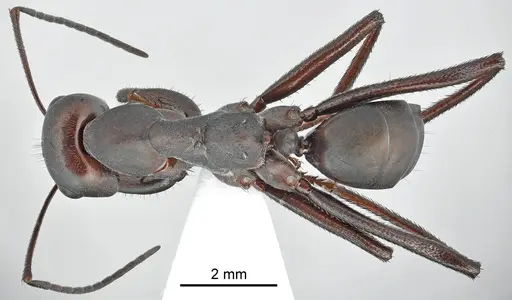
CASENT0872300
View on AntWeb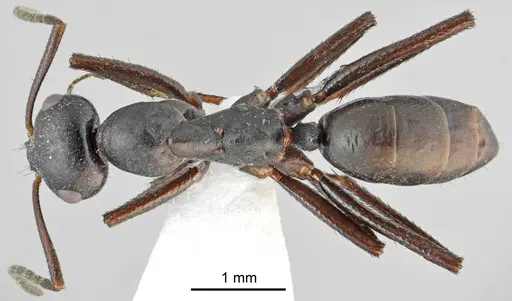
CASENT0872310
View on AntWeb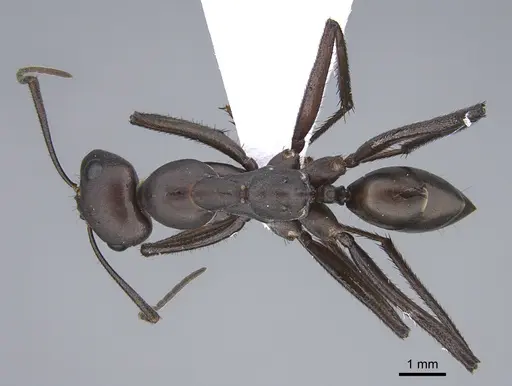
CASENT0872311
View on AntWeb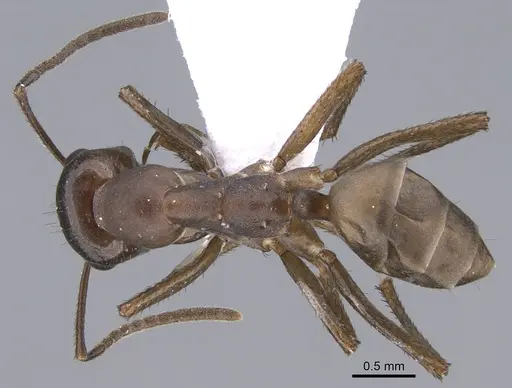
Literature
Loading distribution map...Loading products...