
Cataglyphis foreli
- Sci. Name
- Cataglyphis foreli
- Tribe
- Formicini
- Subfamily
- Formicinae
- Author
- Ruzsky, 1903
- Distribution
- Found in 1 countries
Introduction
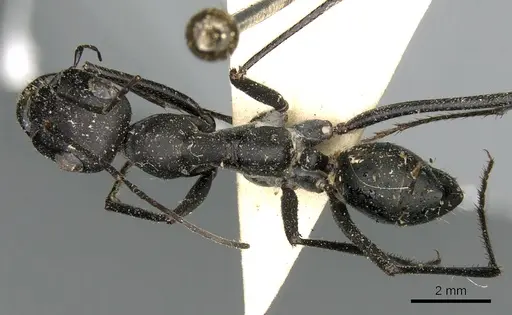
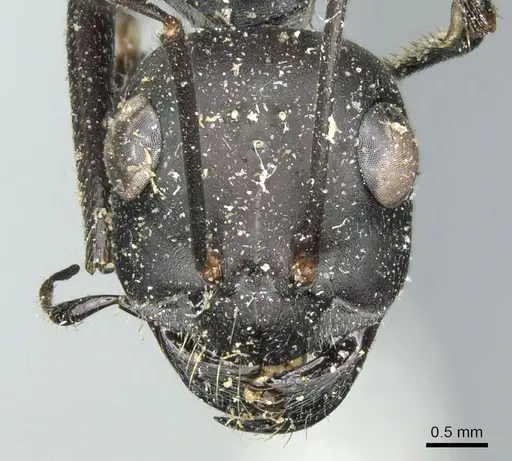
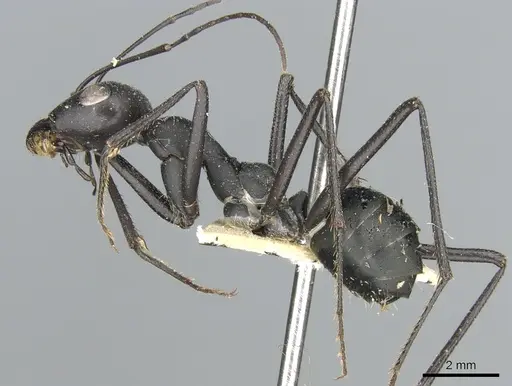
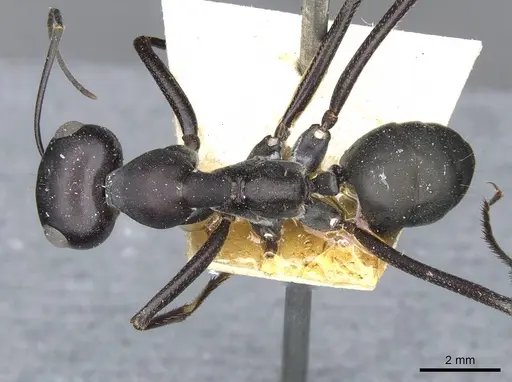
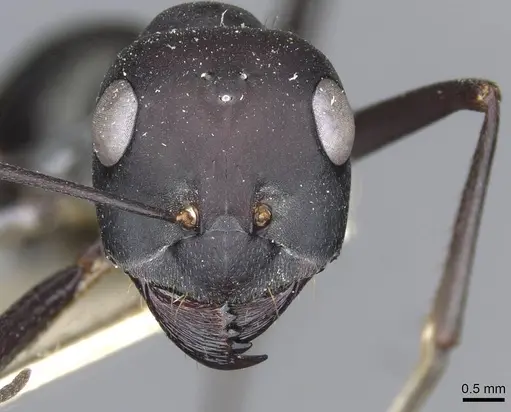
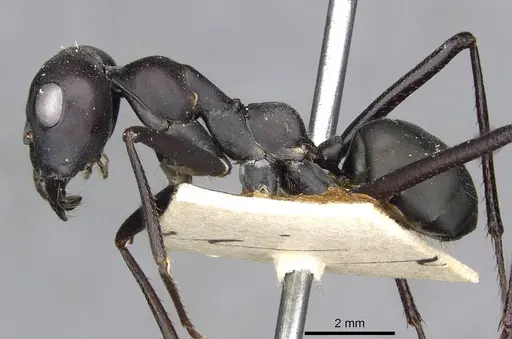
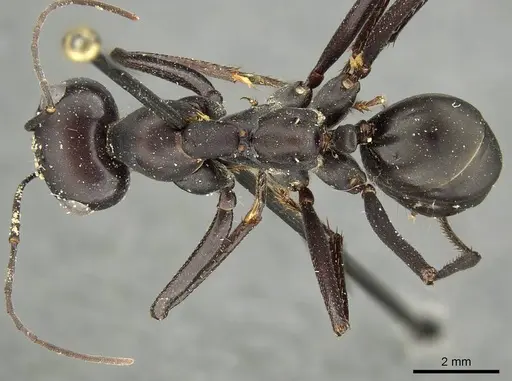
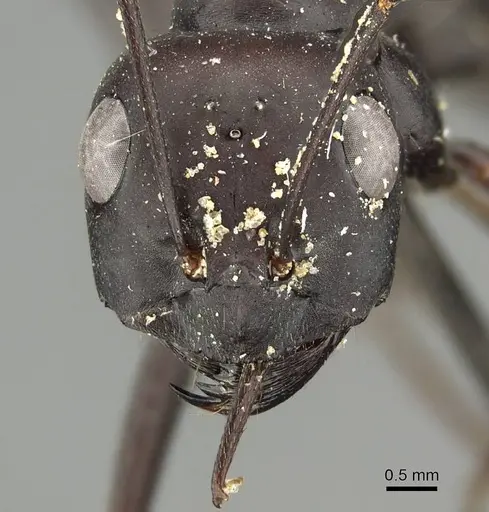
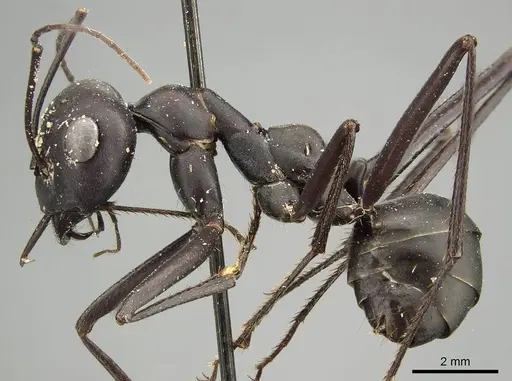
Cataglyphis foreli is a medium-sized desert ant found across Central Asia, from Turkmenistan through Iran to Afghanistan and Uzbekistan. Workers measure 5-13mm, making them one of the larger Cataglyphis species, with a dark reddish-brown to brownish-black head and mesosoma . They inhabit steppe regions with hard clayey soil and are adapted to dry, low-rainfall areas . This species belongs to the alitisquamis species group and is known for its unique clonal social hybridogenesis reproductive system, where queens reproduce asexually while workers result from hybrid mating between different genetic lineages .
Quick Summary
- Difficulty: Medium
- Origin & Habitat: Central Asian species found in Turkmenistan, Iran, Afghanistan, and Uzbekistan. Inhabits steppes with hard clayey soil and dry, low-rainfall areas. Nests are built in the ground in open fields [2][3].
- Colony Type: Monogynous, colonies have a single queen. The species has an unusual reproductive system called clonal social hybridogenesis, where the queen reproduces asexually to produce new queens while workers are hybrids from mating between different genetic lineages [4].
- Size & Growth:
- Queen: ~10-12mm, inferred from Cataglyphis genus patterns
- Worker: 5-13mm [1]
- Colony: Colony size data unavailable, estimated several hundred workers based on related species
- Growth: Moderate, based on genus patterns for medium-sized ants
- Development: Estimated 6-10 weeks at optimal temperature based on related species patterns (Development time inferred from genus-level data for Cataglyphis desert ants, specific timing unconfirmed for this species)
- Antkeeping:
- Temperature: Keep at 24-28°C. These are desert ants adapted to warm conditions, but avoid extreme heat. A heating cable on one side of the nest creates a temperature gradient.
- Humidity: Low to moderate, aim for 30-50% relative humidity. They naturally inhabit dry steppe environments, so keep the nest substrate relatively dry with only occasional light misting [3].
- Diapause: Likely yes, Cataglyphis species from temperate regions typically require a winter rest period. Provide 2-3 months at 10-15°C during winter months.
- Nesting: Y-tong (AAC) or plaster nests work well. They prefer dry conditions with minimal moisture. Provide a test tube setup with a water reservoir but ensure good ventilation to prevent excess humidity.
- Behavior: Active and fast-moving foragers that patrol their territory extensively. They are known for their characteristic rapid movement and can be defensive when defending their nest. Workers are polymorphic with major workers developing larger heads for seed processing and termite hunting. Escape risk is moderate, use standard barrier methods but they are not particularly small. As Formicinae ants, they lack a functional sting and instead spray formic acid as chemical defense against attackers.
- Common Issues: colonies may fail if humidity is too high, these are desert ants adapted to dry conditions, slow founding phase can lead to beginner mistakes, queens seal themselves in and need complete darkness and quiet, winter diapause is likely required for temperate populations, skipping hibernation can weaken colonies, test tube setups can flood if water reservoirs are overfilled, use proper cotton barriers, wild-caught colonies may have parasites that kill them in captivity
Nest Preferences and Housing
Cataglyphis foreli naturally nests in the ground in steppe regions with hard clayey soil. In captivity, they do well in Y-tong (AAC) nests or plaster formicariums that maintain dry conditions. Avoid setups that retain too much moisture, these are desert ants that can develop mold problems in damp environments. A test tube setup works for founding colonies, but transfer to a proper formicarium once the colony reaches 20-30 workers. Provide a temperature gradient so ants can choose their preferred warmth. The outworld should be simple with minimal decorations since they prefer open foraging areas. [2][3][1]
Feeding and Diet
In the wild, C. foreli feeds primarily on termites (Anacanthotermes ahngerianus), storing them in special nest galleries where they are dried and preserved as food reserves. These reserves typically consist of 1-2 dozen termite individuals [1]. In captivity, offer a varied diet including small insects (fruit flies, pinhead crickets, mealworms), and sugar sources like honey water or sugar water. They are active foragers, so place food in the outworld where they can find it easily. Remove uneaten prey after 24 hours to prevent mold. Protein should be offered 2-3 times per week, with sugar water always available.
Temperature and Seasonal Care
These desert ants need warm conditions, maintain nest temperatures around 24-28°C. A heating cable placed on one side of the nest creates a gradient that lets ants regulate their own temperature. During summer months, room temperature may be sufficient if your home stays in this range. In winter, provide a diapause period of 2-3 months at 10-15°C to mimic their natural seasonal cycle. This rest period is important for colony health and may trigger reproductive behavior in the following season. Do not feed during hibernation.
Behavior and Colony Dynamics
C. foreli colonies have a unique reproductive system called clonal social hybridogenesis. The queen reproduces asexually, producing daughters genetically identical to herself, while workers are hybrids resulting from mating between different genetic lineages [4]. This means colonies contain two distinct genetic lineages that work together. Workers are polymorphic, with major workers developing larger heads for specialized tasks. They are fast, active foragers that establish extensive foraging routes. Colonies are monogynous with a single queen [4].
Frequently Asked Questions
How long does it take for Cataglyphis foreli to produce first workers?
Estimated 6-10 weeks from egg to first worker at optimal temperature (around 26°C). This is based on genus patterns since specific development timing for this species is unconfirmed. The founding phase can be slow, queens seal themselves in and may take several weeks before eggs appear.
What do Cataglyphis foreli eat?
They are primarily predatory on termites in the wild, specifically targeting Anacanthotermes ahngerianus [1]. In captivity, feed small insects like fruit flies, pinhead crickets, and mealworms. They also accept sugar water or honey water. Remove uneaten prey after 24 hours.
Are Cataglyphis foreli good for beginners?
Medium difficulty, they are more challenging than common species like Lasius or Messor. They require specific dry, warm conditions and likely need winter diapause. Their unique reproductive system also means wild colonies may have specific genetic requirements.
Can I keep multiple Cataglyphis foreli queens together?
No, this species is monogynous with single-queen colonies. Multiple unrelated queens will fight. Only keep one queen per colony.
Do Cataglyphis foreli need hibernation?
Likely yes, they originate from temperate Central Asian regions with distinct seasons. Provide 2-3 months of winter rest at 10-15°C. Skip feeding during this period.
How big do Cataglyphis foreli colonies get?
Estimated several hundred workers based on related species. Specific colony size data is unavailable for this species. Growth is moderate, expect several months to reach 50 workers.
Why are my Cataglyphis foreli dying?
Common causes include: too high humidity (they need dry conditions), insufficient warmth, disturbance during founding phase, or parasites from wild-caught colonies. Ensure proper escape prevention and maintain appropriate temperature and humidity levels.
When should I move Cataglyphis foreli to a formicarium?
Move from test tube to formicarium when the colony reaches 20-30 workers or when the test tube becomes cramped. Ensure the new setup maintains dry, warm conditions similar to their natural steppe habitat.
Are Cataglyphis foreli aggressive?
They can be defensive when guarding their nest but are not particularly aggressive toward humans. Workers are fast-moving and will investigate food sources quickly. They are more likely to flee than attack when confronted.
Report an Issue
The current care sheet is based fully on literature. See inconsistencies, or something that's incorrect? Please , it will be resolved after review from an admin. Contributing to the blogs tab also helps providing information, to make us be able to further improve the caresheets. Thank you for your support!
References

This caresheet is licensed under CC BY-SA 4.0 .
Community Blogs
Literature
Loading distribution map...Loading products...