
Cataglyphis floricola
- Sci. Name
- Cataglyphis floricola
- Tribe
- Formicini
- Subfamily
- Formicinae
- Author
- Tinaut, 1993
- Distribution
- Found in 1 countries
Introduction
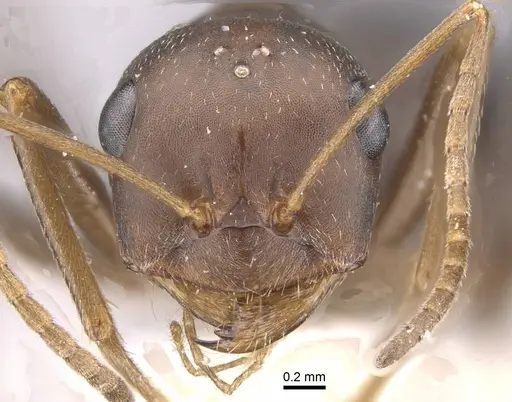
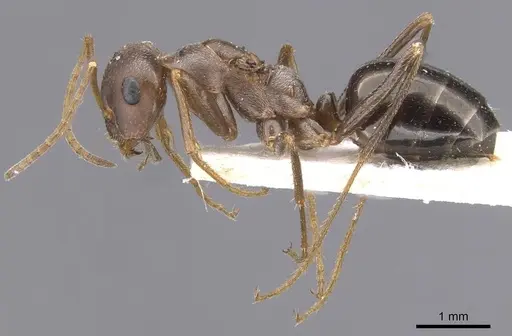
Cataglyphis floricola is a small to medium-sized ant endemic to the Doñana region of southwestern Spain. Workers measure 5.4-6.7mm and come in two color morphs: black and bicolor (red and black) . This species is famous for its unusual diet - it primarily feeds on flower petals from the shrub Halimium halimifolium, making it unique among Cataglyphis ants . Colonies contain up to 600 monomorphic workers and are strictly monogynous with a single queen . What makes this ant remarkable is its extreme heat tolerance - it forages during the hottest hours of the day when other species are inactive, with a critical thermal maximum of 50°C . The species also has two queen types: brachypterous queens with short non-functional wings and ergatoid queens that are worker-like and wingless .
Quick Summary
- Difficulty: Medium
- Origin & Habitat: Endemic to the Guadalquivir estuary region in southwestern Spain, specifically Doñana National Park and surrounding areas. Found in sandy coastal scrubland, dry shrubland (monte blanco), pine forests, and cork oak areas [1][6].
- Colony Type: Strictly monogynous, single-queen colonies. Queens can be either brachypterous (short-winged) or ergatoid (worker-like wingless). Colonies reproduce through fission rather than nuptial flights [5][7].
- Size & Growth:
- Antkeeping:
- Temperature: Extremely thermophilic, keep nest area at 30-40°C with a gradient up to 45°C. This species thrives in heat that would kill other ants. Critical thermal maximum is 50°C, maximal activity temperature is 44°C [4][9]. Provide strong overhead lighting or heating to simulate intense Mediterranean sun.
- Humidity: Low to moderate. Native to semi-arid sandy areas in Doñana. Keep substrate relatively dry with occasional misting. Provide a water tube but avoid constant dampness.
- Diapause: Yes, colonies hibernate from October to late March [3]. Reduce temperature to 10-15°C during winter dormancy period.
- Nesting: Y-tong (AAC) or plaster nests work well. Provide sandy substrate for nesting chambers. This species naturally nests in sandy soil in coastal scrubland [10].
- Behavior: Extremely peaceful and subordinate, never shows aggressive behavior and always flees when encountering other ant species [1]. Forages individually (solitary forager) rather than in groups. Uses solar elevation angle above 20° to navigate, requires bright lighting to trigger foraging activity [3]. Workers close nest entrance with sand and small stones when inactive. Unusual short-distance recruitment for large prey items within 1 meter of nest [11]. Escape risk is moderate, standard barriers work but they are active and fast.
- Common Issues: extreme heat requirements mean most keepers struggle to provide sufficient warmth, unique petal-based diet is difficult to replicate, may refuse standard ant foods, colonies hibernate for 5-6 months which can concern new keepers, very small colony sizes compared to other ants, difficulty finding established colonies since they don't have nuptial flights, must start from queen or small colony
Temperature and Heating Requirements
This is one of the most heat-demanding ant species you can keep. Cataglyphis floricola is a thermal specialist that forages at temperatures where other ants would die. In the wild, it continues foraging up to nearly 60°C soil temperature in full sun [12]. Their critical thermal maximum (CTM) is 50°C and their maximal activity temperature (MAT) is 44°C [4]. For captive care, you need to provide a temperature gradient with the nest area at 30-40°C and a hot spot around 44-45°C. Use a heating cable or heat mat on one side of the nest, preferably from above to simulate the Mediterranean sun. This species will be most active under bright lighting that mimics solar conditions. Without sufficient heat, the colony will become sluggish and may fail to thrive. During winter (October-March), you can reduce temperatures to 10-15°C to simulate their natural hibernation period [3].
Feeding and Diet - The Petal Specialists
Cataglyphis floricola has one of the most unusual diets in the ant world, it primarily feeds on flower petals, especially from Halimium halimifolium (a shrub in the Doñana region). Petals make up 81.9% of collected items in July and 50.8% in September [2]. Both fresh and dried petals are accepted with over 96% acceptance rate. Workers chew and tear petal tissues, and larvae actively feed on petals too [2]. In captivity, you should try to provide flower petals as a primary food source. Fresh petals from various flowers (especially Cistaceae family plants like rockrose) work well. They also accept insect corpses and sugary water in laboratory conditions [10]. This species is primarily insectivorous in general diet but shows strong petal preference. Offer small insects like fruit flies or pinhead crickets as protein, and provide a constant sugar source like honey water. The petal requirement makes this species challenging to feed long-term, you may need to collect fresh petals regularly or experiment with dried flower petals.
Colony Structure and Reproduction
This species has a unique colony structure. Colonies are strictly monogynous, only one queen per colony [7]. However, there are two distinct queen types: brachypterous queens (with short, non-functional wings that have been shed) and ergatoid queens (completely wingless, worker-like in appearance) [5]. Ergatoids are significantly smaller (3.7mg vs 6.5mg) and have about half the number of egg-producing tubes (ovarioles) compared to brachypterous queens. In the wild,46% of nests contain brachypterous queens,40% contain ergatoid queens, and 14% are queenless [5]. Reproduction occurs through colony fission rather than nuptial flights, the colony splits into mother and daughter nests separated by about 7.7 meters on average [5]. Workers transport about 30% of the colony's workers and 21% of cocoons to the new nest location. This is a slow process compared to flying queens, which explains why this species has a very restricted endemic range.
Foraging Behavior and Activity Patterns
Cataglyphis floricola is a strictly diurnal, solitary forager, it never forages at night and never uses recruitment pheromones like many other ants [1]. Activity is triggered by solar elevation angle rather than temperature, when the sun is less than 20° above the horizon, foragers stay in the nest regardless of temperature [3]. Peak activity occurs in May-July with up to 1300 movements per day. The species shows unusual short-distance recruitment: when a worker finds large prey too heavy to carry alone (within 1 meter of the nest), it returns and excites nestmates to help retrieve it. However, this recruitment does not provide directional information, helpers search randomly until they find the prey [11]. Workers are extremely non-aggressive and will flee from conflicts. When attacked by invasive Argentine ants, they simply retreat and seal their nest entrance with sand [12]. This defensive strategy (rather than fighting) allows them to coexist with aggressive invasive species.
Nesting and Setup
In the wild, Cataglyphis floricola nests in sandy soil in coastal sclerophyllous scrubland of Doñana National Park [10]. Nests have a single entrance and are relatively small compared to other ant species. For captive care, a Y-tong (AAC) nest or plaster nest works well. Provide a sandy substrate or at least sandy chambers for them to dig in. The nest should have a temperature gradient so workers can choose their preferred warmth. Because they are extremely thermophilic, ensure the nest receives direct heat from a heating cable or mat. Keep humidity relatively low, these are ants of semi-arid sandy areas. Provide a water tube with cotton as a moisture source, but do not over-moisten the nest. The outworld should be warm and well-lit to encourage foraging activity.
Winter Dormancy (Diapause)
Like many Mediterranean ants, Cataglyphis floricola requires a winter dormancy period. Colonies hibernate from October to late March [3]. During this time, activity drops significantly and the colony essentially shuts down. Reduce temperatures to 10-15°C and reduce feeding to once every 2-3 weeks or stop feeding entirely. Keep a small water source available so the colony does not dehydrate. This hibernation period is essential for the colony is annual cycle, in the wild, larvae are only present in nests from March to September [8]. Do not attempt to keep them active year-round as this may stress the colony and affect its long-term health. The dormancy also helps synchronize the colony is reproductive cycle for spring activity.
Frequently Asked Questions
How long does it take for Cataglyphis floricola to produce first workers?
The exact egg-to-worker development time is unconfirmed for this species. Based on related Cataglyphis species and their seasonal activity patterns (larvae present March-September), expect approximately 6-10 weeks at optimal high temperatures. Growth is moderate, colonies reach up to 600 workers but grow slowly compared to many tropical ants.
Can I keep multiple Cataglyphis floricola queens together?
No. This species is strictly monogynous, colonies have only one queen. Multiple unrelated queens will fight. In the wild, colonies reproduce through fission (splitting), not by combining multiple queens. If you find multiple ergatoid or brachypterous queens in a colony, only one becomes the functional reproductive.
What do Cataglyphis floricola eat?
They are unusual among ants, their primary food is flower petals, especially from Cistaceae plants like Halimium halimifolium. In captivity, offer fresh flower petals (rose, rockrose, hibiscus work well), dried petals, small insects, and sugar water. The petal requirement makes them challenging to feed long-term. They will accept standard ant foods but may show strong preference for petals.
What temperature do Cataglyphis floricola need?
Extremely high temperatures. Keep the nest at 30-40°C with a hot spot around 44-45°C. This species can tolerate up to 50°C and forages at temperatures where other ants are inactive. Provide strong heating and bright lighting. Without sufficient heat, they become sluggish and may fail to thrive.
Do Cataglyphis floricola need hibernation?
Yes. They naturally hibernate from October to late March. Reduce temperatures to 10-15°C during winter and reduce or stop feeding. This dormancy period is essential for their annual cycle and matches their natural behavior in the Doñana region.
Are Cataglyphis floricola good for beginners?
No. This species is recommended for intermediate to advanced antkeepers. Their extreme heat requirements, unusual petal-based diet, and long winter dormancy make them challenging. They also have very small colony sizes compared to beginner-friendly species. However, they are fascinating for experienced keepers interested in thermal specialists.
How big do Cataglyphis floricola colonies get?
Colonies reach up to 600 workers [3], though many sources report smaller colonies around 176-187 workers on average [11][5]. This is relatively small compared to many common ant species. Growth is moderate and colonies remain modest in size.
When do Cataglyphis floricola alates (reproductives) appear?
This species does not have typical nuptial flights. Colonies reproduce through fission, the colony splits into mother and daughter nests. Both brachypterous (short-winged) and ergatoid (wingless) queens are produced internally. Queens cannot fly and dispersal is limited to the distance workers can transport them during colony fission (around 7.7 meters on average).
Why is my Cataglyphis floricola colony not foraging?
Check three things: temperature (they need 30-45°C), lighting (they need bright light with solar elevation above 20° to trigger activity), and season (they are inactive October-March during hibernation). Without sufficient heat and light, workers will remain in the nest. Also ensure you are offering acceptable foods, they prefer petals and may ignore standard ant foods.
Report an Issue
The current care sheet is based fully on literature. See inconsistencies, or something that's incorrect? Please , it will be resolved after review from an admin. Contributing to the blogs tab also helps providing information, to make us be able to further improve the caresheets. Thank you for your support!
References

This caresheet is licensed under CC BY-SA 4.0 .
Community Blogs
CASENT0912196
View on AntWeb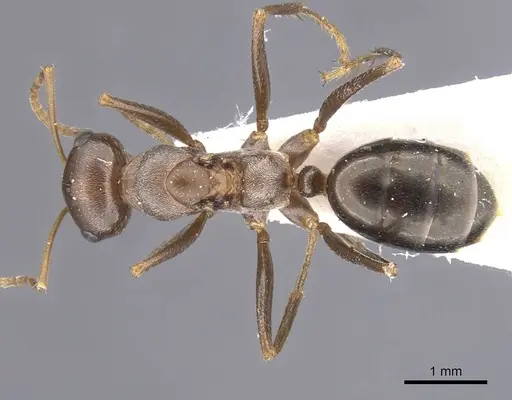
Literature
Loading distribution map...Loading products...