
Cataglyphis fici
- Sci. Name
- Cataglyphis fici
- Tribe
- Formicini
- Subfamily
- Formicinae
- Author
- Salata <i>et al.</i>, 2021
- Distribution
- Found in 1 countries
Introduction
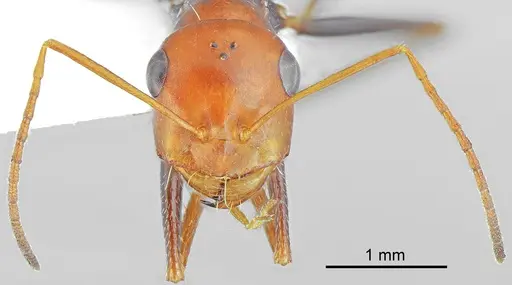
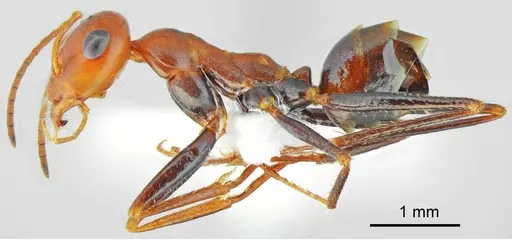
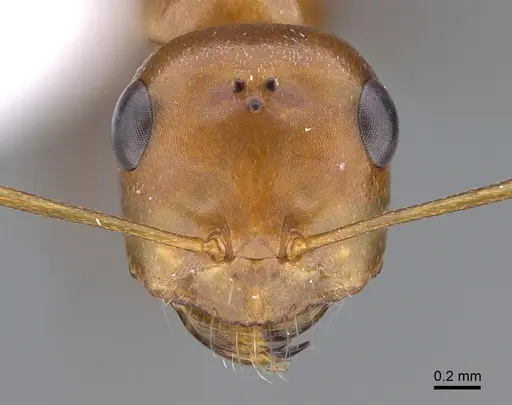
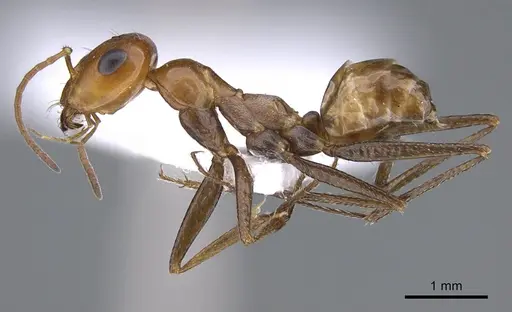
Cataglyphis fici is a small ant species native to Iran, specifically found in the Fars region around Estahban at altitudes of 1730 meters. Workers are characterized by their yellow to yellowish-red body coloration, which distinguishes them from most other Cataglyphis species that are typically brown or black. Their legs are distinctly darker (infuscated), particularly the mid and hind legs with brown femora and tibiae. This species belongs to the Cataglyphis livida complex within the Cataglyphis albicans group and was formally described in 2021 . Workers were collected on the ground in fig orchards, suggesting they inhabit agricultural areas in warm, dry high-elevation sites in southern Iran [AntWiki].
Quick Summary
- Difficulty: Medium
- Origin & Habitat: Native to Iran, specifically the Fars region around Estahban at 1730m altitude. Workers have been collected on the ground in fig orchards, suggesting they inhabit agricultural areas with warm, dry conditions typical of high-elevation sites in southern Iran [1][2].
- Colony Type: Unconfirmed. Based on genus patterns, likely single-queen (monogyne) colonies. No data on colony size or social structure exists for this specific species.
- Size & Growth:
- Queen: Size data unavailable, queen caste has not been described in scientific literature
- Worker: ~3-4mm (inferred from genus, WL 1.81-2.09mm represents mesosoma only) [1]
- Colony: Unknown, no colony data available
- Growth: Unknown, estimated moderate based on genus patterns
- Development: Unknown, estimated 6-10 weeks based on related Cataglyphis species (Development time is unconfirmed for this species. Related Cataglyphis species typically develop from egg to worker in 6-10 weeks at optimal temperatures.)
- Antkeeping:
- Temperature: Keep at 24-28°C. Cataglyphis species are warmth-loving desert ants that benefit from a temperature gradient. A heating cable on one side of the nest creates appropriate conditions.
- Humidity: Low to moderate. Provide a dry nest area with a small water source. These are desert-adapted ants that prefer drier conditions.
- Diapause: Likely yes. Based on genus patterns and the temperate climate of its Iranian range, expect a winter rest period of 2-3 months at reduced temperatures (10-15°C).
- Nesting: Use a dry nest setup. Y-tong (AAC), plaster, or acrylic nests work well. Ensure good ventilation while preventing escapes. Avoid overly humid conditions.
- Behavior: Active and fast-moving foragers. Cataglyphis workers are known for their speed and heat tolerance, they often forage during the hottest parts of the day when other ants retreat. Workers are moderately aggressive when defending the colony but pose no danger to keepers. As Formicinae, they lack a functional sting but can spray formic acid as defense. Escape risk is moderate due to their small size, use standard barrier methods. They likely forage individually for insects and nectar.
- Common Issues: new species, limited captive care information exists, humidity control is critical, too much moisture will kill colonies, winter dormancy requirements are not fully understood for this species, small size means escape prevention must be adequate, no data on queen founding behavior, claustral is likely but unconfirmed
Housing and Nest Setup
Cataglyphis fici requires a dry, well-ventilated nest setup. Y-tong (AAC) nests, plaster nests, or acrylic formicaria all work well for this species. The key is providing a temperature gradient, use a heating cable on one side of the nest to create a warm area around 26-28°C while keeping the other side slightly cooler. This allows the ants to regulate their body temperature by moving between zones. Ensure the nest has adequate ventilation to prevent mold growth, but avoid excessive airflow that dries out the nest too quickly. For the outworld (foraging area), a simple setup with a water test tube and feeding station is sufficient. Because workers are small (around 3-4mm), use barrier methods like fluon on the edges of the outworld to prevent escapes. [1]
Feeding and Diet
Based on genus patterns, Cataglyphis fici is likely an omnivorous forager that collects nectar, honeydew, and small insects. In captivity, offer sugar water or honey as a constant energy source. For protein, provide small insects like fruit flies, small crickets, or mealworm pieces. These ants are active foragers and will likely accept a variety of food items. Feed protein 2-3 times per week, and keep a sugar source available at all times. Remove uneaten prey after 24-48 hours to prevent mold. Given that this species was collected in an agricultural fig orchard, they may have access to fig-derived sugars in the wild, honey or sugar water should be readily accepted. [1]
Temperature and Seasonal Care
Cataglyphis species are thermophilic, meaning they prefer warm conditions. Maintain nest temperatures between 24-28°C for optimal colony health and brood development. A heating cable placed on top of the nest (never underneath where it can cause drying) creates an appropriate gradient. During summer months, room temperature may suffice if your home stays warm. For winter, expect a dormancy period, reduce temperatures to 10-15°C for 2-3 months, mimicking natural seasonal cycles. This species comes from 1730m altitude in Iran, where temperatures fluctuate significantly between seasons. Do not skip the winter rest period as it may affect colony health long-term. Monitor colony activity levels as a guide, reduced activity signals the colony is entering dormancy. [1]
Colony Founding and Development
Queen founding behavior has not been documented for this species. Based on typical Cataglyphis patterns, the queen likely seals herself in a chamber (claustral founding) and raises the first workers alone using stored fat reserves. Expect a claustral founding process if you obtain a newly mated queen. The first workers (nanitics) will be smaller than mature workers and may take 6-10 weeks to emerge at optimal temperatures. Colony growth will be gradual, these are small ants with likely modest colony sizes. Be patient during the founding phase as disturbing the queen can cause abandonment or cannibalization of brood. Keep the founding chamber dark and undisturbed until workers emerge.
Behavior and Temperament
Cataglyphis workers are known for their speed and endurance, they are among the fastest ants in the world and can forage during the hottest parts of the day when other ant species retreat. Workers are moderately defensive and will attack perceived threats, but their small size means they pose minimal risk to keepers. As members of the Formicinae subfamily, they lack a functional sting but can spray formic acid as a chemical defense. Workers forage individually rather than in groups, searching for nectar, honeydew, and small arthropods. Their vision is well-developed compared to many ant species, and they use visual cues for navigation. In captivity, they will readily explore the outworld and quickly discover food sources. Their small size and active nature make them entertaining to watch.
Frequently Asked Questions
How long does it take for Cataglyphis fici to produce first workers?
The exact timeline is unconfirmed for this species. Based on related Cataglyphis species, expect 6-10 weeks from egg to first worker at optimal temperatures (around 26°C). The first workers will be smaller (nanitics) and the colony will grow gradually after that.
What do Cataglyphis fici ants eat?
Based on genus patterns, they are omnivorous. Offer sugar water or honey as a constant energy source, and protein (small insects like fruit flies, pinhead crickets, or mealworm pieces) 2-3 times per week. They are active foragers and will likely accept a variety of foods.
Do Cataglyphis fici ants need hibernation?
Likely yes. This species comes from a temperate region in Iran with distinct seasons. Reduce temperatures to 10-15°C for 2-3 months during winter to allow the colony to rest. Do not skip this dormancy period as it may affect long-term colony health.
What temperature is best for Cataglyphis fici?
Keep nest temperatures between 24-28°C. Use a heating cable on one side of the nest to create a gradient, allowing ants to move between warmer and cooler areas. These are warmth-loving desert ants that benefit from stable, warm conditions.
Are Cataglyphis fici good for beginners?
This species is rated as Medium difficulty. While Cataglyphis are generally hardy once established, this is a newly described species with limited captive data. The main challenges are providing appropriate dry, warm conditions and managing winter dormancy. Beginners may want to start with more established species.
How big do Cataglyphis fici colonies get?
Colony size is unknown for this species. Based on their small worker size (around 3-4mm), colonies likely remain modest, probably under a few hundred workers. Related small Cataglyphis species typically form colonies of several hundred individuals.
Can I keep multiple Cataglyphis fici queens together?
Not recommended. There is no data on colony founding for this species, but combining unrelated queens of this species has not been documented. Based on genus patterns, they likely form single-queen colonies. Start with one queen per colony.
What humidity level do Cataglyphis fici need?
Keep conditions dry to moderate. These are desert-adapted ants that prefer drier conditions. Provide a small water source but avoid overly humid nests. The nest substrate should be dry, think arid habitat rather than damp forest floor.
When should I move Cataglyphis fici to a formicarium?
Keep newly caught or purchased queens in a simple test tube setup until the first workers emerge. Once the colony reaches 20-30 workers and is actively foraging, you can move them to a proper formicarium with a foraging area. Ensure the new setup maintains appropriate temperature and humidity.
Report an Issue
The current care sheet is based fully on literature. See inconsistencies, or something that's incorrect? Please , it will be resolved after review from an admin. Contributing to the blogs tab also helps providing information, to make us be able to further improve the caresheets. Thank you for your support!
References

This caresheet is licensed under CC BY-SA 4.0 .
Community Blogs
CASENT6006519
View on AntWeb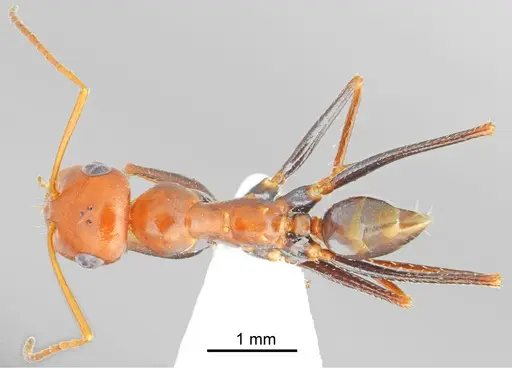
CASENT6006520
View on AntWeb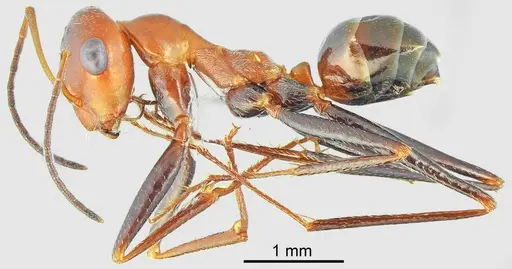
CASENT6006521
View on AntWeb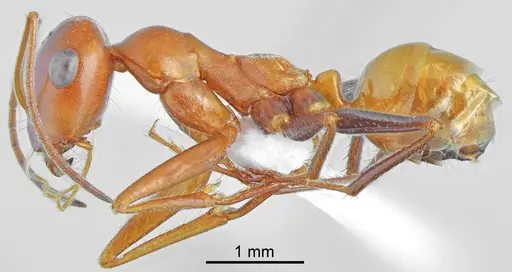
CASENT6006526
View on AntWeb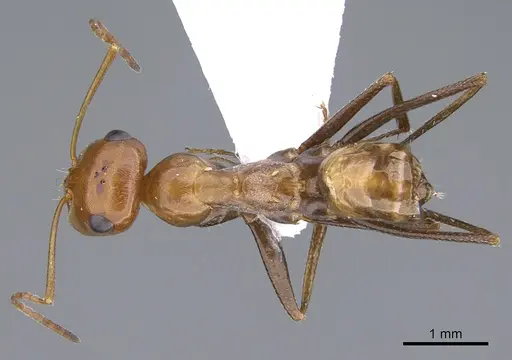
Literature
Loading distribution map...Loading products...