
Cataglyphis cugiai
- Sci. Name
- Cataglyphis cugiai
- Tribe
- Formicini
- Subfamily
- Formicinae
- Author
- Menozzi, 1939
- Distribution
- Found in 3 countries
Introduction
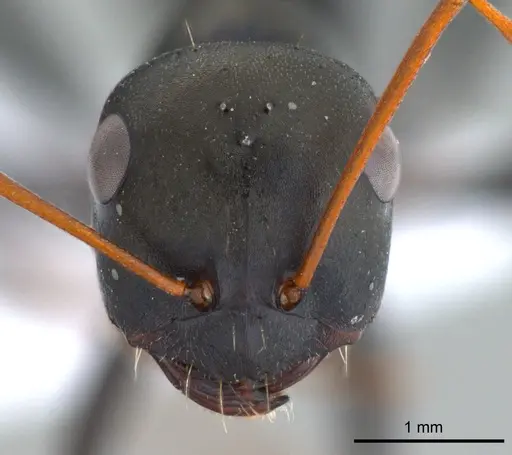
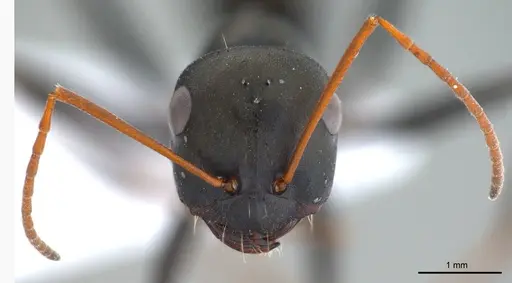
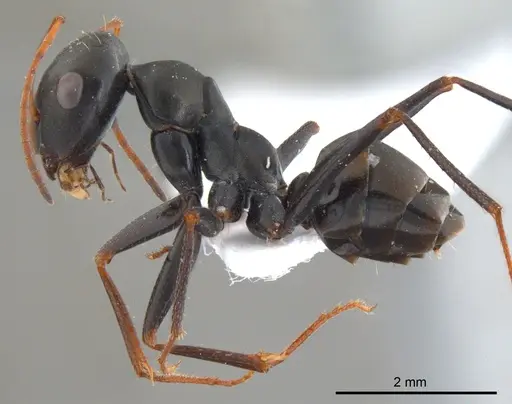
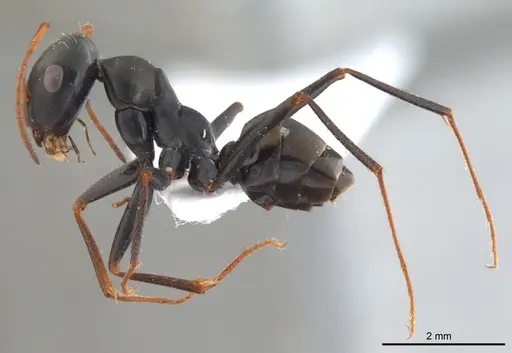
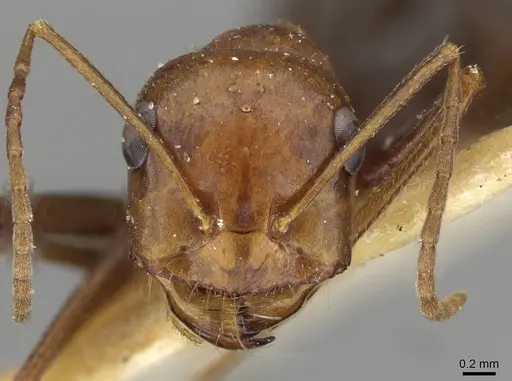
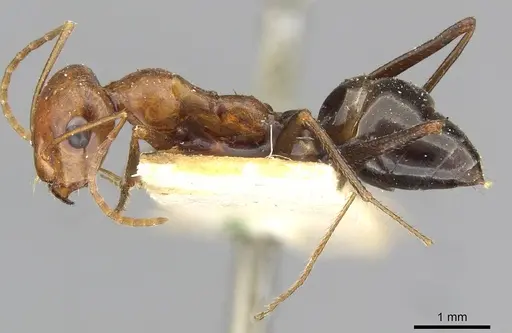
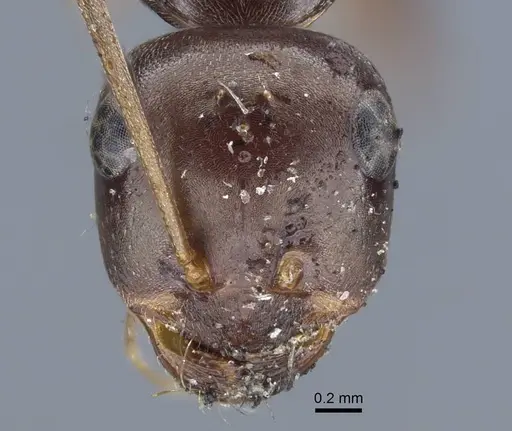
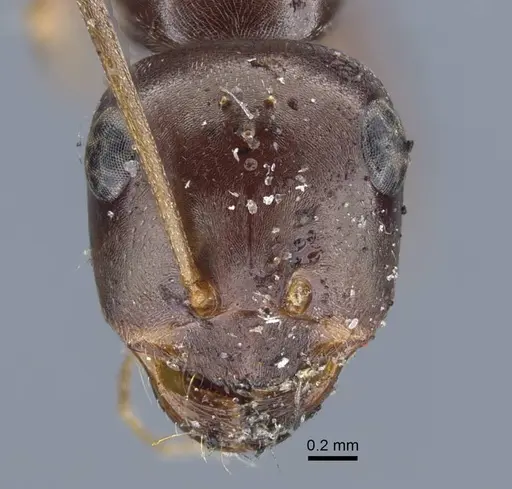
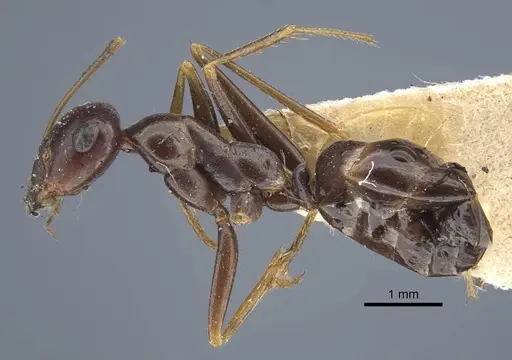
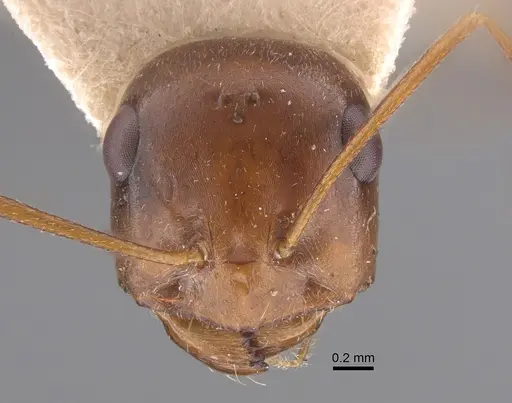
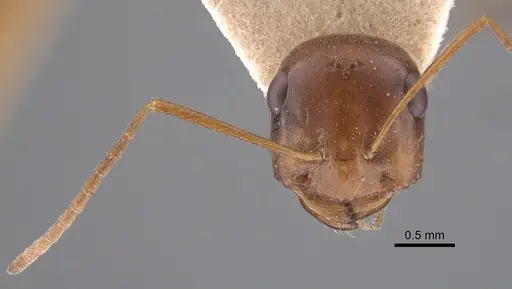
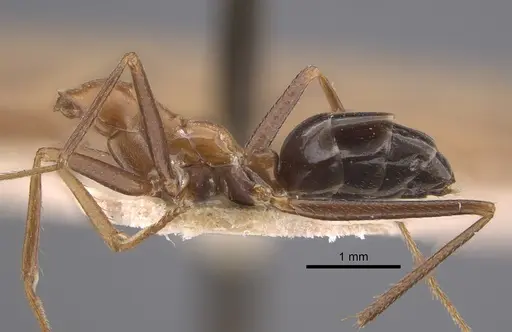
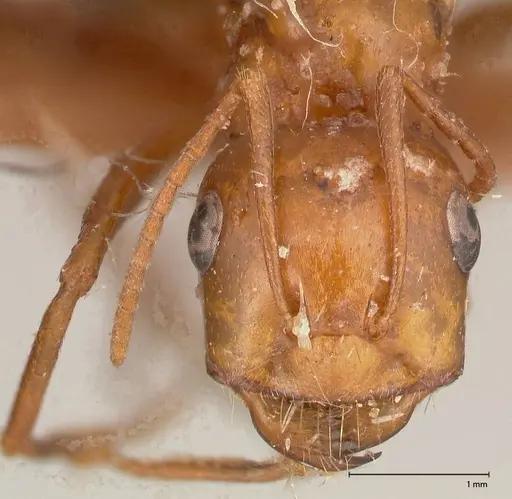
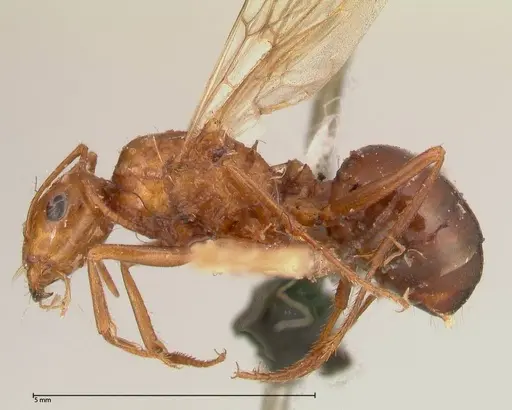
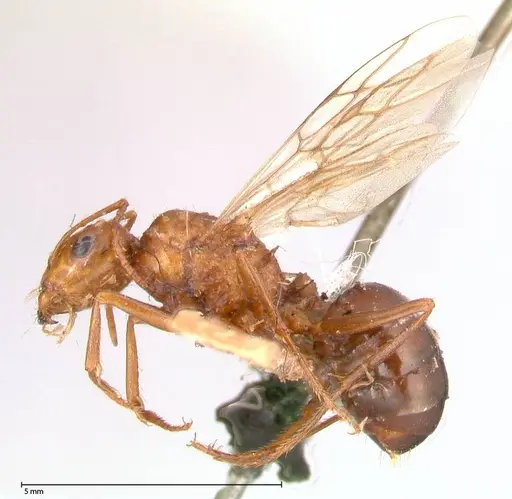
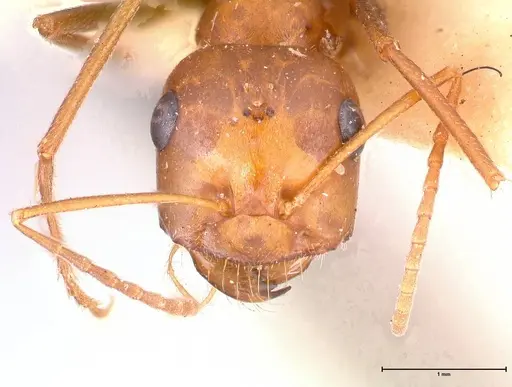
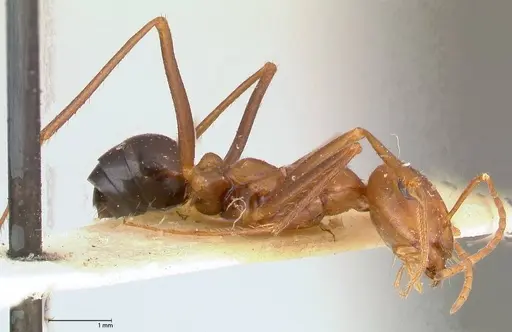
Cataglyphis cugiai is a medium-sized desert ant belonging to the cursor species group. Workers are slender and fast-moving, with the characteristic long legs and dark coloration typical of Cataglyphis ants. This species inhabits the high-altitude regions of the Karakorum and Himalayan ranges, found at elevations between 1300-3600 meters across Pakistan, India (Jammu & Kashmir), and Iran . As a member of the cursor species group, these ants are well-adapted to harsh, dry environments and are active foragers even in challenging conditions . This is a hot-climate specialist species and an indicator species for northern steppe habitats in Iran .
Quick Summary
- Difficulty: Medium
- Origin & Habitat: High-altitude arid and semi-arid regions of the Karakorum, Himalayas, and Alborz mountain ranges. Found in Pakistan (Gilgit-Baltistan, Kargil), India (Jammu & Kashmir), and Iran (Golestan National Park). Natural habitats include rocky mountain slopes, steppe forest edges, and dry alpine meadows at 1300-3600m elevation [1][2][7].
- Colony Type: Likely single-queen colonies (monogyne) based on typical Cataglyphis genus patterns. Colonies are relatively small based on similar species in the cursor group.
- Size & Growth:
- Queen: Size data unavailable, original description did not provide measurements
- Worker: Size data unavailable, original description did not provide measurements, but inferred from genus (~5-8mm)
- Colony: Estimated up to 500 workers based on related species in cursor group
- Growth: Moderate, typical for high-altitude temperate species
- Development: Estimated 8-12 weeks at optimal temperature (25-28°C) (Development time is inferred from related Cataglyphis species. Higher altitudes and cooler conditions in their natural range may slow development compared to lowland desert species.)
- Antkeeping:
- Temperature: Keep nest area at 25-30°C with a slight gradient. These are heat-adapted ants but their high-altitude origin means they can tolerate cooler conditions than pure desert species. Room temperature (22-25°C) is acceptable, with a warm spot around 28°C for brood development [5][6].
- Humidity: Low to moderate, prefer dry to slightly damp conditions. Their natural habitat in steppe and rocky mountain slopes is relatively dry. Provide a water tube but avoid excessive moisture that causes mold.
- Diapause: Yes, given their high-altitude Himalayan origin, a winter rest period is recommended. Reduce temperature to 10-15°C for 2-3 months during winter, mimicking natural seasonal cycles at 3000m+ elevation.
- Nesting: Y-tong (AAC) or plaster nests work well. These ants prefer compact chambers with some dry areas. Avoid overly humid setups. A naturalistic setup with sandy substrate and rocks can also work, mimicking their rocky mountain slope habitat.
- Behavior: Active and fast-moving foragers. Workers venture out to hunt small insects and collect honeydew. They are not particularly aggressive but will defend the nest if threatened. Escape prevention is important, use standard barriers. Their small size means they can fit through small gaps, so ensure lids are secure. As Formicinae ants, they can spray formic acid as defense when threatened.
- Common Issues: high-altitude species may struggle in constantly warm indoor conditions without seasonal temperature cycling, colonies can stall if kept too cool, they need warm spots for brood development, small colony size means slower population growth than tropical species, patience is required, dry habitat preference means overwatering can cause mold problems and colony decline, wild-caught colonies may carry parasites that affect captive survival
Origin and Natural Habitat
Cataglyphis cugiai originates from some of the most rugged terrain in Asia. You will find this species in the Karakorum and Himalayan mountain ranges, specifically in Pakistan's Gilgit-Baltistan region (including Askole and the Suru valley near Kargil), India's Jammu & Kashmir, and Iran's Alborz Range [7][2][3]. They live at impressive altitudes, between 1300 and 3600 meters above sea level [1]. Their natural habitat consists of rocky mountain slopes, steppe forest edges, and dry alpine meadows. This is not a lowland desert species, instead, they occupy cold, dry, mountainous regions where temperatures can drop significantly. In Iran, they are an indicator species for northern steppe habitats, meaning they are strongly associated with this particular ecosystem type [5]. For your colony, this means replicating conditions that experience real seasonal variation, hot summers and cold winters.
Temperature and Seasonal Care
As a hot-climate specialist from high altitudes, C. cugiai needs careful temperature management. Keep the nest area at 25-30°C during the active season, with a warm spot around 28°C ideal for brood development [6]. However, unlike pure desert Cataglyphis, this species can tolerate cooler conditions thanks to its Himalayan origins. Room temperature (22-25°C) is acceptable for general keeping. The most important aspect of temperature care is providing a winter rest period. Reduce temperatures to 10-15°C for 2-3 months during winter, this mimics the harsh winters they experience at 3000m+ elevation in the Karakorum. Without this diapause period, colonies may become stressed and fail to thrive long-term. A heating cable on one side of the nest creates a useful gradient, allowing workers to choose their preferred temperature.
Feeding and Diet
Cataglyphis cugiai is an omnivorous forager, like others in the genus. Workers hunt small insects and arthropods and also collect honeydew from aphids and other sap-sucking insects. In captivity, offer a varied diet: protein sources like small crickets, mealworms, and fruit flies should be provided 2-3 times per week. Sugar water, honey, or commercial ant sugar mixes should be available constantly, these ants need carbohydrates for their active foraging lifestyle. Fresh water should always be accessible. Given their mountain habitat, they may not be as reliant on sugary sources as lowland desert species, but offering sugar options is still recommended. Remove uneaten prey after 24 hours to prevent mold.
Nesting Requirements
This species prefers dry to moderately humid nest conditions. Y-tong (AAC) nests work well because they allow you to control humidity precisely. Plaster nests are another good option, these naturally wick away excess moisture. Avoid setups that stay constantly damp, as this can cause mold and respiratory issues. The nest should have compact chambers scaled to their worker size, with some dry areas available. A water tube for humidity is sufficient, you do not need to mist the nest. For the outworld, a simple setup with a foraging area and substrate is fine. Some keepers add small rocks or sand to create a more naturalistic environment that matches their rocky mountain slope habitat.
Colony Development and Growth
Colonies start when a queen seals herself in a small chamber and raises her first brood on stored fat reserves. The founding process takes several months, expect 8-12 weeks from egg to first worker (nanitic) at optimal temperature [6]. Initial colonies grow slowly because the queen can only lay a few eggs at a time while caring for the first brood alone. Once the first workers emerge, growth accelerates but remains moderate compared to tropical species. Mature colonies likely reach up to 500 workers based on related species in the cursor group. The key to successful colony development is maintaining warm temperatures during the growth season and providing consistent food. Patience is essential, high-altitude species naturally grow slower than their lowland cousins.
Behavior and Temperament
Workers are fast-moving and active, characteristic of the genus. They are not particularly aggressive toward humans but will defend the nest if threatened. Workers forage individually rather than in trails, patrolling the outworld for food. They are visual navigators and use landmark memory, you may notice them exploring and memorizing their territory. Escape prevention is important because they are small and can fit through tiny gaps. Use standard barrier methods like fluon on test tube rims or ensure formicarium lids fit tightly. They handle disturbance reasonably well but prefer stable conditions. The colony will establish a clear foraging pattern once settled, with workers coming and going regularly. As Formicinae ants, they lack a functional sting but can spray formic acid as a chemical defense when threatened.
Frequently Asked Questions
How long does it take for Cataglyphis cugiai to produce first workers?
Expect 8-12 weeks from egg to first worker at optimal temperature (25-28°C). This is slower than many tropical ants due to their high-altitude origin and moderate growth rate. The queen seals herself in and raises the first brood alone on stored fat reserves.
Do Cataglyphis cugiai ants need hibernation?
Yes, hibernation is strongly recommended. Given their Himalayan and Karakorum origin at elevations of 3000m+, they expect cold winters. Reduce temperatures to 10-15°C for 2-3 months during winter. This mimics their natural seasonal cycle and helps maintain colony health long-term.
What temperature should I keep Cataglyphis cugiai at?
Keep nest temperatures at 25-30°C with a warm spot around 28°C for brood development. Room temperature (22-25°C) is acceptable for general keeping. They are heat-adapted but more tolerant of cool conditions than pure desert species due to their high-altitude origin.
How big do Cataglyphis cugiai colonies get?
Based on related species in the cursor group, colonies likely reach up to 500 workers at maturity. This is a moderate colony size, not as large as some tropical species but substantial for a mountain-dwelling ant.
What do Cataglyphis cugiai ants eat?
They are omnivorous. Offer protein sources like small crickets, mealworms, or fruit flies 2-3 times per week. Keep sugar water, honey, or ant sugar mixes available constantly. They also need fresh water. Remove uneaten prey after 24 hours.
Are Cataglyphis cugiai good for beginners?
This species is rated as medium difficulty. While not as challenging as some exotic species, they do require specific care: proper temperature management with a winter diapause period, and attention to humidity levels. If you are willing to provide seasonal temperature cycling and maintain proper heating, they can be a rewarding species to keep.
Can I keep multiple Cataglyphis cugiai queens together?
This is unconfirmed. Based on typical Cataglyphis patterns, they are likely monogyne (single-queen). In the wild, colonies typically have one reproductive queen. Combining unrelated queens is not recommended and would likely result in fighting.
What type of nest is best for Cataglyphis cugiai?
Y-tong (AAC) or plaster nests work well. These ants prefer dry to moderately humid conditions, so nests that allow humidity control are ideal. Avoid constantly damp setups. Compact chambers scaled to their worker size work best.
Where is Cataglyphis cugiai found in the wild?
This species lives in the mountains of South and Central Asia: Pakistan (Karakorum, Gilgit-Baltistan, Kargil), India (Jammu & Kashmir), and Iran (Alborz Range). They inhabit elevations from 1300-3600 meters in rocky mountain slopes and steppe habitats.
Why is my Cataglyphis cugiai colony not growing?
Check three common issues: 1) Temperature may be too cool, they need warm spots (25-28°C) for brood development. 2) Lack of winter rest, without a 2-3 month diapause, colonies may become stressed. 3) Insufficient food, they need regular protein and constant sugar. High-altitude species naturally grow slower, so patience is required.
Report an Issue
The current care sheet is based fully on literature. See inconsistencies, or something that's incorrect? Please , it will be resolved after review from an admin. Contributing to the blogs tab also helps providing information, to make us be able to further improve the caresheets. Thank you for your support!
References

This caresheet is licensed under CC BY-SA 4.0 .
Community Blogs
ANTWEB1008060
View on AntWeb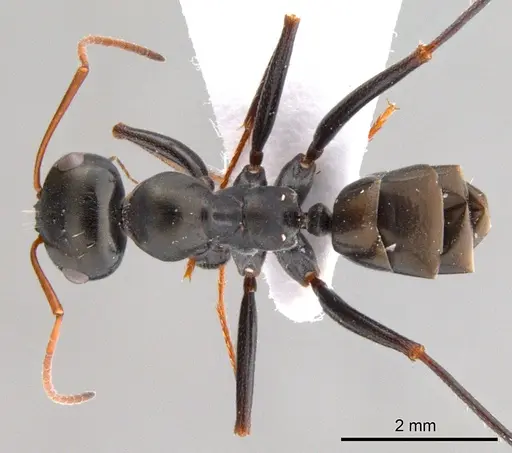
CASENT0911103
View on AntWeb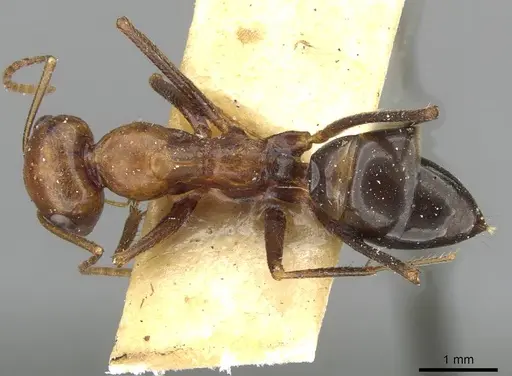
CASENT0917234
View on AntWeb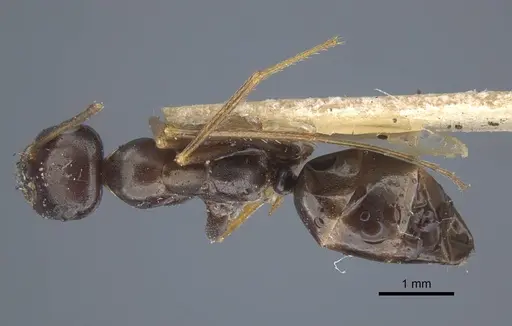
CASENT0917349
View on AntWeb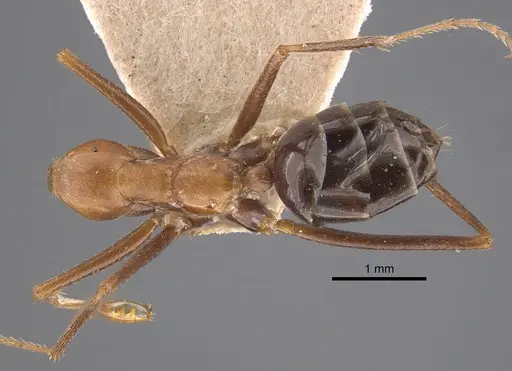
FOCOL0549
View on AntWeb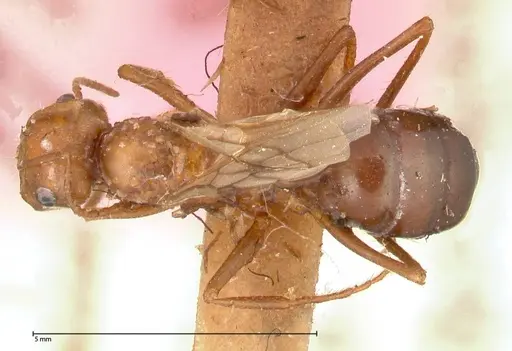
FOCOL0550
View on AntWeb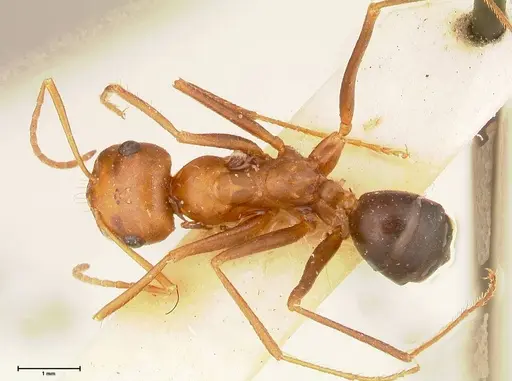
Literature
Loading distribution map...Loading products...