
Cataglyphis bazoftensis
- Sci. Name
- Cataglyphis bazoftensis
- Tribe
- Formicini
- Subfamily
- Formicinae
- Author
- Khalili-Moghadam <i>et al.</i>, 2021
- Distribution
- Found in 1 countries
Introduction
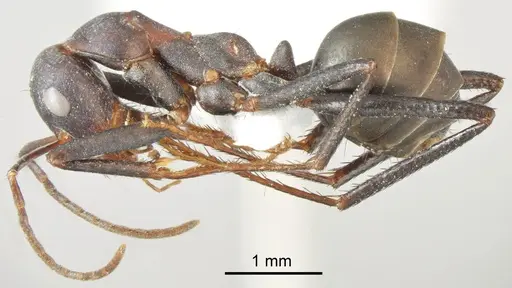
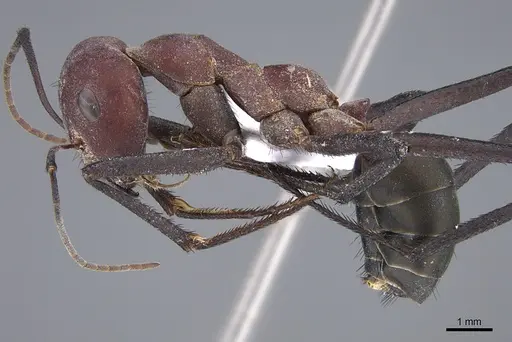
Cataglyphis bazoftensis is a recently described ant species from the mountainous regions of Iran, formally described in 2021. Workers occur in two size castes: major workers measure approximately 9-10mm total length with distinctive reddish coloration on the head, mesosoma, and petiolar node, while minor workers are considerably smaller at approximately 4-5mm and appear mostly brown to black. This species belongs to the C. altisquamis species-group and is currently known only from the Bazoft region in Chaharmahal Va Bakhtiari Province, making it endemic to Iran. The species was discovered nesting under stones in deciduous oak forests at high elevations between 1738 and 1886 meters, surrounded by grazing areas .
Quick Summary
- Difficulty: Unknown, newly described species with limited data
- Origin & Habitat: Endemic to Iran, found in alpine deciduous oak forests at 1738-1886m elevation [1][2]
- Colony Type: Likely monogyne, based on typical Cataglyphis patterns, single-queen colonies are standard for this genus
- Size & Growth:
- Queen: Undescribed, no queen measurements available from research
- Worker: Major workers: ~9-10mm total length (inferred from mesosoma measurements), Minor workers: ~4-5mm total length (inferred from mesosoma measurements) [1]
- Colony: Unknown, no colony size data available
- Growth: Unknown, no development data available
- Development: Unconfirmed, no direct measurements exist for this species. (Development timeline is unknown since no species-specific research exists.)
- Antkeeping:
- Temperature: Based on alpine habitat: keep in the low-to-mid 20s°C range (approximately 20-24°C). The high-elevation oak forest habitat suggests they prefer cooler conditions than desert-dwelling Cataglyphis species.
- Humidity: Standard room humidity should suffice. As a mountain species from Iran, they likely tolerate drier conditions. Provide a water tube for drinking access.
- Diapause: Likely, most temperate Cataglyphis species require a winter rest period. Based on the alpine habitat and Iranian distribution, expect 2-3 months of reduced activity around 10-15°C during winter.
- Nesting: Nests naturally under stones in soil. In captivity, a standard formicarium or test tube setup with compact chambers works well. Avoid overly humid conditions.
- Behavior: Behavior is unstudied in captivity. Based on genus patterns, expect active foragers that search for food individually. They are medium-sized ants and should handle well in captivity. Escape prevention should be standard.
- Common Issues: Limited availability, this is a newly described species rarely available in the antkeeping trade, No captive husbandry data exists, keepers will be pioneers in establishing care protocols, Unknown colony structure means founding success rates are unpredictable, High-altitude origin may make them sensitive to overheating, avoid temperatures above 28°C, Limited information on diet acceptance, start with standard ant foods and observe
Discovery and Taxonomy
Cataglyphis bazoftensis was described in 2021, making it one of the newest additions to the ant-keeping hobby. Researchers Arsalan Khalili-Moghadam and Sebastian Salata discovered this species in the Bazoft region of Koohrang County in Iran, at elevations between 1738 and 1886 meters above sea level. The species name directly references the type locality. It belongs to the C. altisquamis species-group, which distinguishes it from similar Iranian Cataglyphis species like C. shahrekordensis by having a stouter, more triangular petiolar node and less body setae [1][3]. This species is probably endemic to Iran [2].
Natural Habitat
In the wild, these ants nest under stones placed on soil within deciduous oak forests. The surrounding landscape includes grazing areas, suggesting they tolerate some human presence. The alpine zone location (1738-1886m elevation) indicates this species is adapted to cooler, mountain conditions rather than the hot desert environments that many other Cataglyphis species prefer. This high-elevation origin is important for keepers because it suggests the species likely prefers temperatures on the cooler side compared to typical desert ants [1][2].
Appearance and Identification
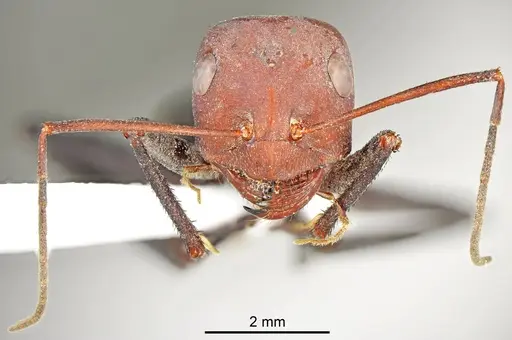
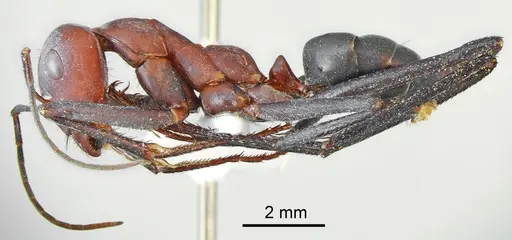
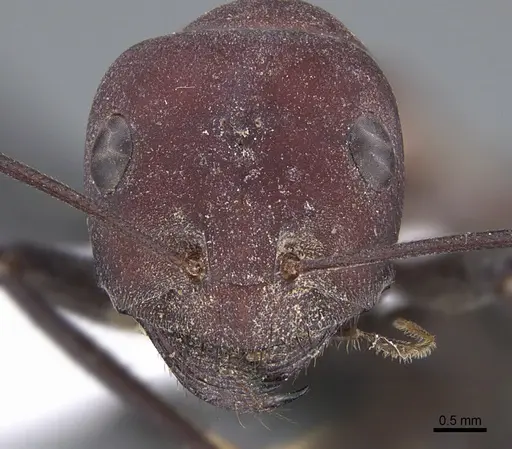
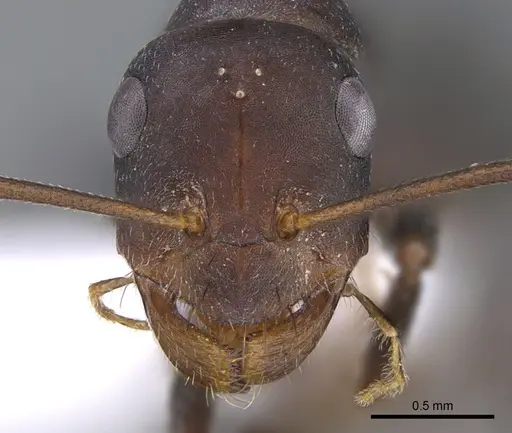
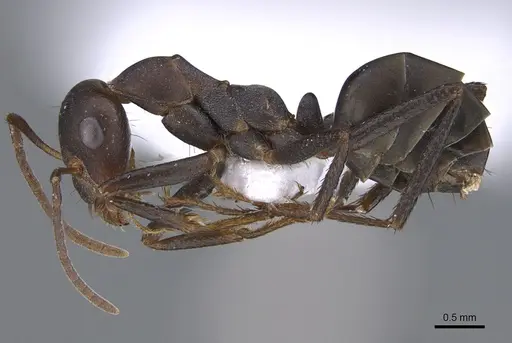
Major workers are the most distinctive caste, with heads, mesosoma, and petiolar nodes showing reddish coloration that darkens to brown in smaller majors. The head is roughly square-shaped, about 1.05 times longer than wide, with large oval eyes. The antennae are notably long, about 1.3 times the head width. Legs are black or brown-black with dense decumbent setae on the dorsal surfaces. Minor workers are much smaller and appear mostly brown to black overall, with the gaster, petiole, femora, and tibiae being brown while trochanters and tarsi are yellow-brown [1].
Keeping Considerations
Since this species has no history in captive husbandry, keepers will essentially be pioneering its care. Start with standard Cataglyphis care protocols: a test tube setup for founding colonies, then transition to a formicarium once the colony reaches 20-30 workers. Given their alpine origin, keep temperatures in the 20-24°C range and avoid overheating. Provide a water tube for drinking and offer standard protein foods like mealworms or crickets alongside sugar water. The high-elevation origin suggests they may tolerate cooler temperatures and possibly require a winter diapause period, though this needs confirmation through keeper observation. Always use proper escape prevention, though these are not among the smallest ants.
Frequently Asked Questions
How do I care for Cataglyphis bazoftensis ants?
Since this is a newly described species with no captive care history, start with standard Cataglyphis protocols. Use a test tube setup for founding, keep temperatures around 20-24°C (cooler than desert species), provide a water tube, and offer protein insects plus sugar water. Observe your colony closely and adjust conditions based on their activity and brood development.
What do Cataglyphis bazoftensis eat?
Diet is unstudied for this species. Based on genus patterns, they likely accept standard ant foods: small insects like mealworms or fruit flies as protein, and sugar water or honey as an energy source. Start with these basics and note what your colony accepts.
How long does it take for Cataglyphis bazoftensis to raise first workers?
Development time is unconfirmed for this species. The timeline may vary, so be patient with founding colonies.
Do Cataglyphis bazoftensis ants need hibernation?
Likely yes, based on their alpine origin in Iran. Most temperate Cataglyphis species require a winter rest period. Expect 2-3 months at reduced temperatures around 10-15°C during winter months.
Is Cataglyphis bazoftensis a good species for beginners?
Not recommended for beginners. This is a newly described species with no established captive husbandry protocols. Keeping it successfully will require experimentation and careful observation. Start with more established species first.
Where does Cataglyphis bazoftensis come from?
This species is endemic to Iran, specifically the Bazoft region in Chaharmahal Va Bakhtiari Province. It was only described in 2021 and is found at high elevations (1738-1886m) in deciduous oak forests [1][2].
What size are Cataglyphis bazoftensis workers?
Major workers measure approximately 9-10mm total length, while minor workers are considerably smaller at approximately 4-5mm total length. This is medium-sized for the genus Cataglyphis [1].
Can I keep multiple Cataglyphis bazoftensis queens together?
Unknown, colony structure has not been documented for this species. Most Cataglyphis are single-queen (monogyne) colonies, but polygyny status is unconfirmed for C. bazoftensis. Do not attempt combining unrelated queens without documented evidence that this species tolerates it.
What temperature is best for Cataglyphis bazoftensis?
Based on their alpine habitat, keep them cooler than typical desert ants, aim for 20-24°C. Avoid temperatures above 28°C. The mountain origin suggests they prefer cooler conditions.
Why is my Cataglyphis bazoftensis colony not growing?
Without established care protocols, troubleshooting is difficult. Ensure temperatures are in the 20-24°C range, provide adequate protein food, and ensure the queen has proper humidity. If problems persist, consult experienced Cataglyphis keepers and document your observations to help build husbandry knowledge for this species.
Report an Issue
The current care sheet is based fully on literature. See inconsistencies, or something that's incorrect? Please , it will be resolved after review from an admin. Contributing to the blogs tab also helps providing information, to make us be able to further improve the caresheets. Thank you for your support!
References

This caresheet is licensed under CC BY-SA 4.0 .
Community Blogs
CASENT0872262
View on AntWeb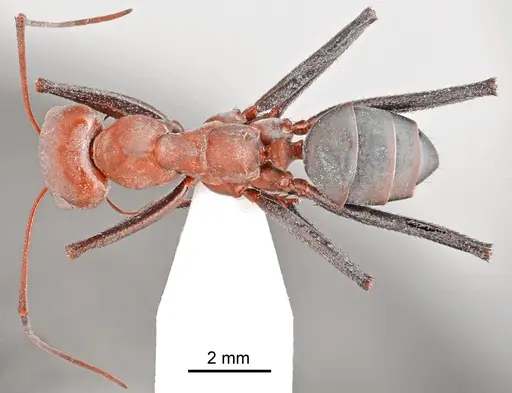
CASENT0872263
View on AntWeb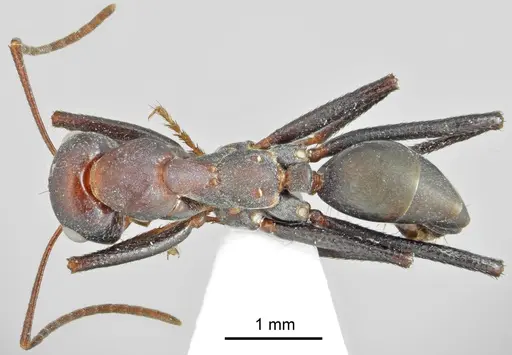
CASENT0872274
View on AntWeb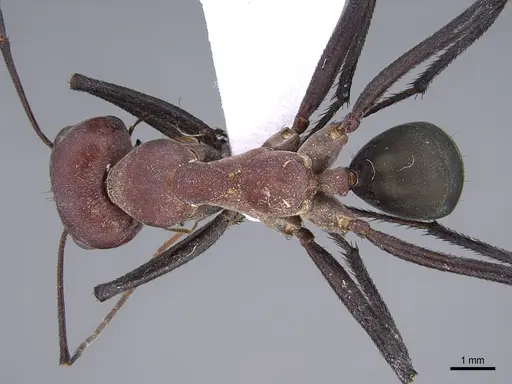
CASENT0872284
View on AntWeb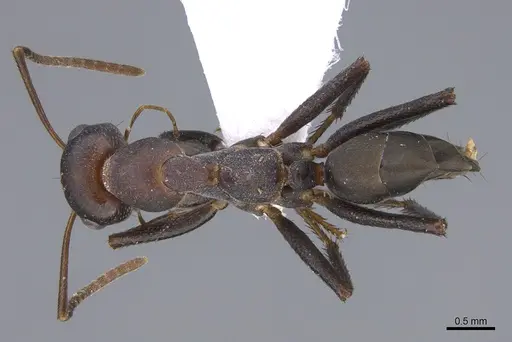
Literature
Loading distribution map...Loading products...