
Cataglyphis albicans
- Sci. Name
- Cataglyphis albicans
- Tribe
- Formicini
- Subfamily
- Formicinae
- Author
- Roger, 1859
- Distribution
- Found in 11 countries
Introduction
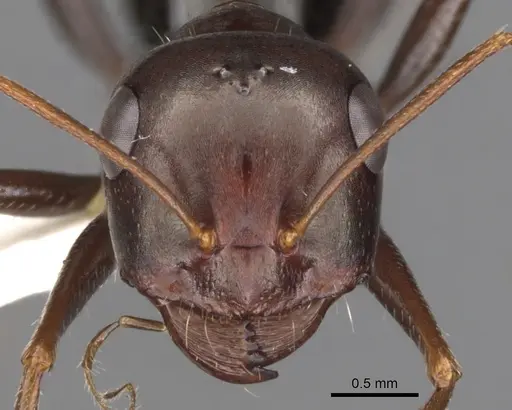
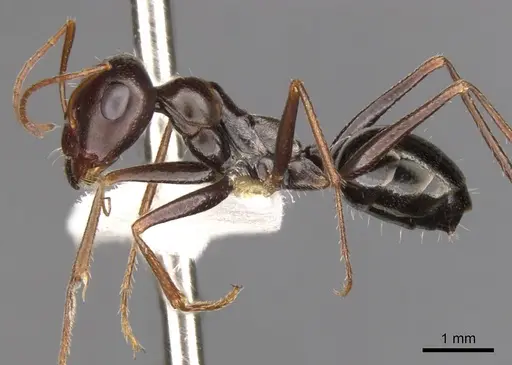
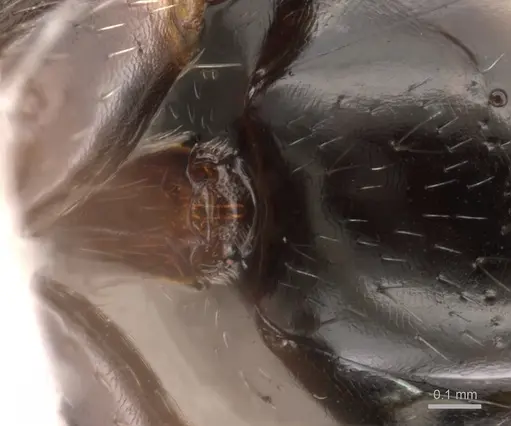
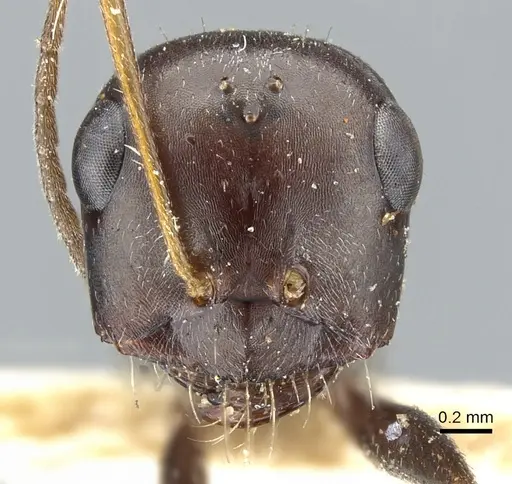
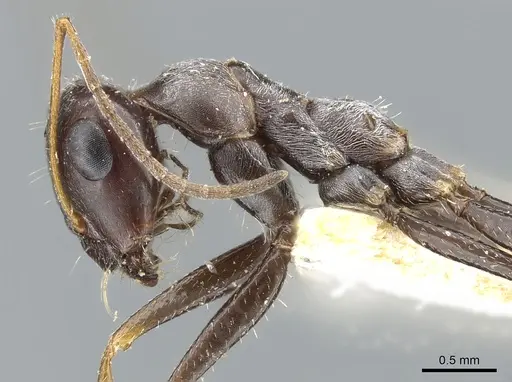
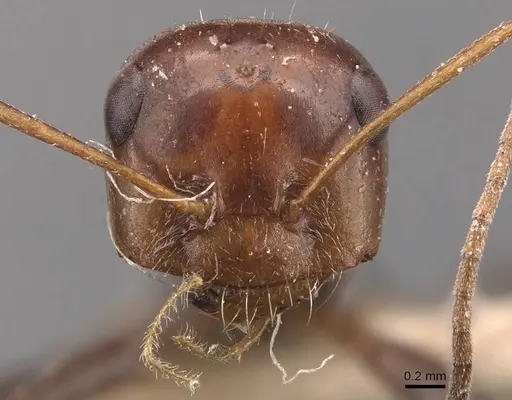
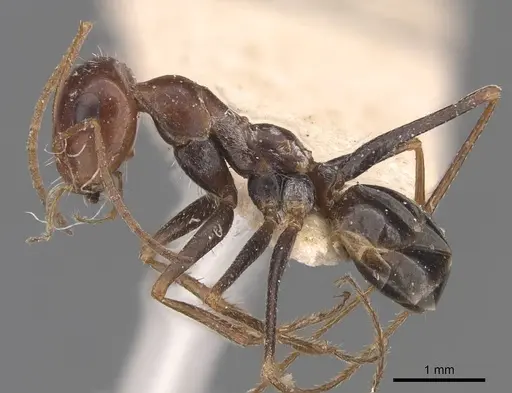
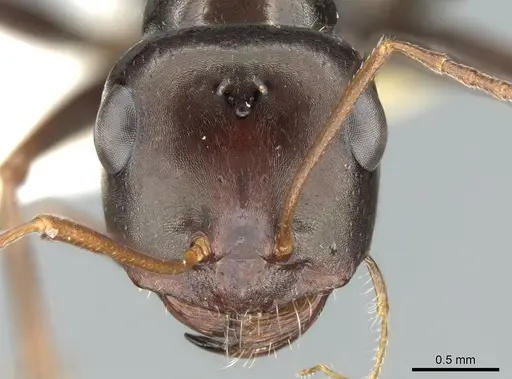
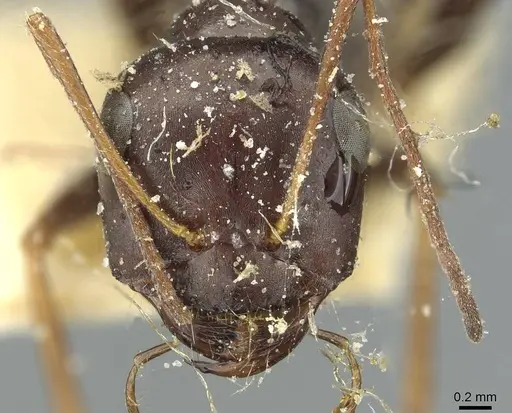
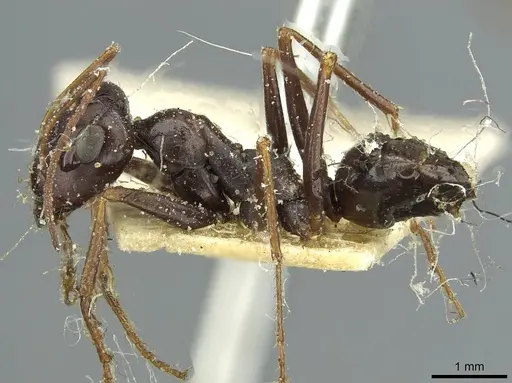
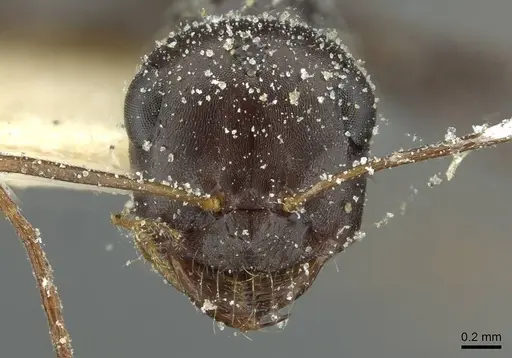
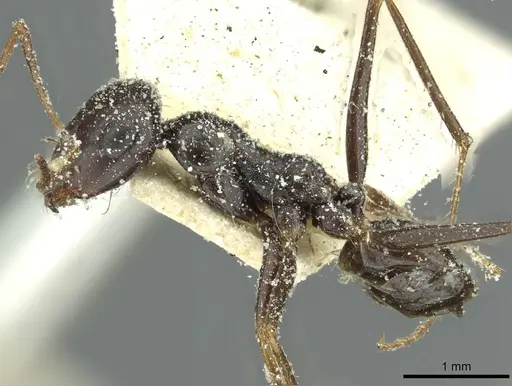
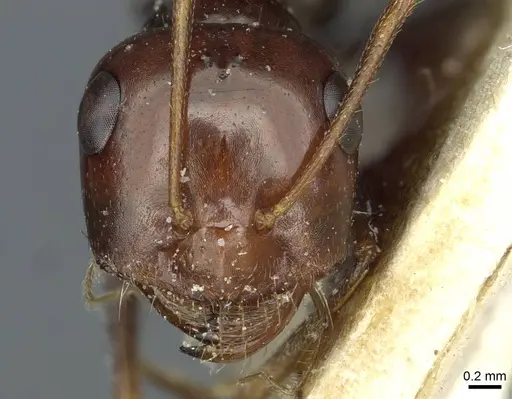
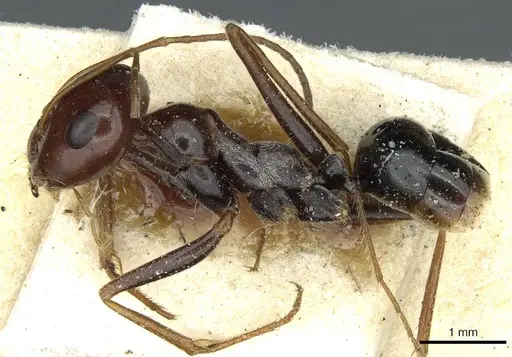
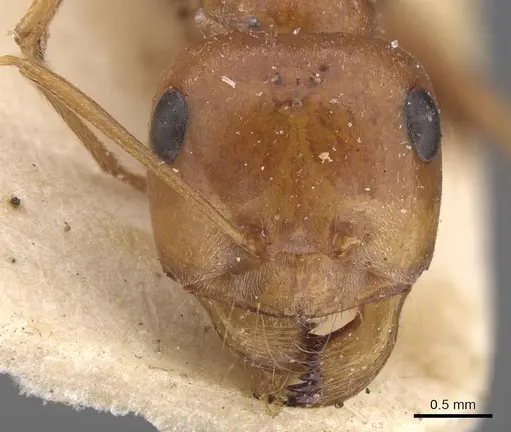
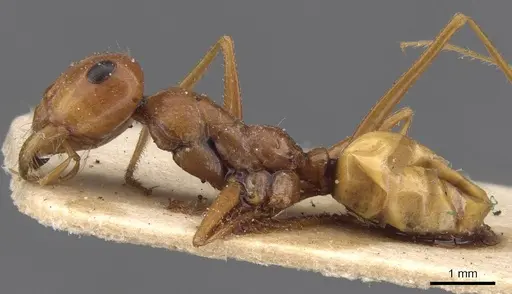
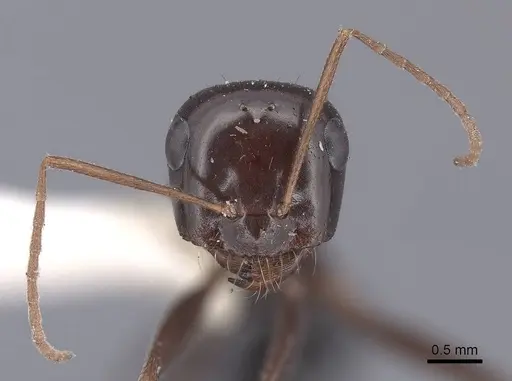
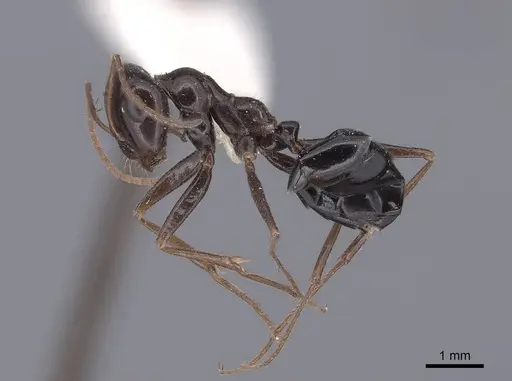
Cataglyphis albicans is a small desert ant found across the Palaearctic region from North Africa through the Middle East to Iran and Turkey. Workers measure approximately 4-7mm in total body length . Coloration varies dramatically based on habitat - typical forms are dark brown to black in cooler or more humid regions, while desert populations can be pale yellow to reddish . This species is known for its running ability, though research shows it is actually a slower, more cautious runner compared to other Cataglyphis species like C. bicolor . They nest under stones in rocky, hard ground habitats and are monogynous with single-queen colonies . This species belongs to the albicans species group, characterized by small body size, monomorphic workers, and a nodiform petiole .
Quick Summary
- Difficulty: Medium
- Origin & Habitat: Native to desert and semi-desert regions of North Africa (Algeria, Tunisia, Morocco, Libya), the Middle East (Israel, Syria, Iraq, Saudi Arabia, Yemen), and extends into Turkey, Armenia, Iran, and the Canary Islands [7][8]. They inhabit rocky places, stony alluvial plains, and hard ground areas, typically avoiding pure sandy soils [2][4]. In Israel, they are found in the southern desert regions [9]. They show resistance to drought and high temperature [10].
- Colony Type: Monogynous, colonies have a single queen [5]. Some populations show polydomous colony structure with multiple nest entrances belonging to the same colony [11].
- Size & Growth:
- Queen: ~6-8mm, inferred from Forel's record of workers up to 7mm (exceptional 8mm) [12]
- Worker: ~4-7mm total body length [1]
- Colony: Colony size data limited. Nest density can reach up to 633 nests per square meter in suitable habitat in Tunisia [11].
- Growth: Moderate
- Development: Estimated 6-10 weeks at optimal temperature based on typical Cataglyphis genus patterns (Direct development data unavailable for this species. Warmer temperatures within safe range accelerate development.)
- Antkeeping:
- Temperature: Keep nest area at 26-30°C with a gradient allowing workers to self-regulate. As a desert species, they tolerate warm conditions [13]. Provide a heating cable on one side of the nest to create a temperature gradient.
- Humidity: Low to moderate, desert species adapted to dry conditions. Keep nest substrate moderately dry with a small water tube for humidity. Avoid damp conditions that can cause mold.
- Diapause: Likely, as a species from temperate regions (Turkey, Greece) extending into desert areas, they probably require a winter rest period. Provide 2-3 months at 10-15°C during winter.
- Nesting: Provide a naturalistic setup with flat stones or a Y-tong/plaster nest with narrow chambers. They prefer hard ground and nest under stones in the wild [4]. They avoid sandy substrates and prefer rocky or clayey soils [2]. In the wild, they build regular 12-14cm high earth walls around nest entrances [3].
- Behavior: These ants are ground-foraging omnivores. Workers forage individually on the ground surface, hunting for small insects and collecting honeydew [14]. They are not aggressive and rarely attempt to sting. Formicinae ants like this species spray formic acid as defense rather than use a stinger. Escape risk is moderate, while small, standard formicarium barriers should work well. They are diurnal foragers, active during cooler parts of the day in their natural desert habitat.
- Common Issues: desert species prone to mold in overly humid conditions, keep nesting area dry, slow colony growth may frustrate beginners, expect 6+ months to first workers, wild-caught colonies may have parasites that kill them in captivity, difficulty establishing founding queen, claustral founding behavior not directly documented for this species, high temperature needs can dry out test tube setups quickly, monitor moisture levels
Housing and Nest Setup
Cataglyphis albicans does well in a naturalistic setup that mimics its natural rocky habitat. Use a formicarium with a layer of hard substrate (compact soil or clay mix) topped with flat stones where workers can nest underneath. Alternatively, a Y-tong or plaster nest with narrow chambers works well for their small size. The key is providing hard ground, in the wild they avoid sandy soils and prefer rocky or clayey substrates where they can build under stones [2][4]. They also construct distinctive 12-14cm high earth walls around nest entrances [3]. A test tube setup can work for founding colonies, but transfer to a more naturalistic setup once the colony reaches 20+ workers. Ensure excellent escape prevention despite their small size.
Feeding and Diet
These ants are omnivorous insectivores. In captivity, offer small live prey such as fruit flies, pinhead crickets, and other tiny insects. They also readily accept sugar water or honey as an energy source. Based on their foraging behavior in the wild, they hunt small arthropods and collect honeydew from aphids [14]. Feed protein prey 2-3 times per week and provide constant access to sugar water. Remove uneaten prey after 24 hours to prevent mold. Their small size means prey items should be appropriately sized.
Temperature and Heating
As a desert species, C. albicans requires warm conditions. Keep the nest area at 26-30°C with a temperature gradient so workers can regulate their own body temperature. Use a heating cable placed on top of the nest (never underneath, as this causes excessive drying). In their natural habitat, they are active during hot daytime hours in desert environments, so they are well-adapted to high temperatures [13]. However, always provide a cooler area within the setup so ants can escape overheating. Room temperature (20-24°C) is too cool for optimal development, heating is essential for colony growth.
Seasonal Care and Winter Rest
Based on their distribution extending into Turkey and Greece, this species likely requires a winter diapause period. During winter (roughly November through February in the Northern Hemisphere), reduce temperature to 10-15°C and reduce feeding. Do not feed during hibernation but ensure a small water source is available. Return to normal temperatures gradually in spring. Colonies from more southern populations (North Africa, Middle East) may have shorter or less strict diapause requirements, but err on the side of providing winter rest to mimic natural cycles. [7][8]
Behavior and Foraging
Cataglyphis albicans is a ground-foraging ant. Workers forage individually, hunting for small prey and collecting sugary secretions. Unlike some faster Cataglyphis species, this ant is described as a relatively clumsy runner and rather sluggish compared to other desert ants [3]. They use visual navigation cues and can orient effectively in unfamiliar environments [15]. Workers are not aggressive and possess the Formicinae defense mechanism, they spray formic acid rather than sting. They are thermophilic desert element species, preferring hot, dry habitats [13].
Frequently Asked Questions
How long does it take for Cataglyphis albicans to raise first workers?
Expect 6-10 weeks from egg to first worker at optimal temperature (26-30°C). This is based on typical Cataglyphis genus development timelines since specific data for C. albicans is not available. Warmer temperatures within the safe range will speed development, while cooler temperatures will slow it down.
Can I keep multiple Cataglyphis albicans queens together?
No. This species is monogynous, colonies have a single queen [5]. Combining unrelated queens is not recommended and would likely result in fighting. If you capture a wild queen, house her alone in a founding setup.
What temperature do Cataglyphis albicans need?
Keep nest temperatures between 26-30°C. As desert ants, they thrive in warm conditions. Use a heating cable on one side of the nest to create a gradient, with the warm end at 28-30°C and a cooler area for self-regulation.
Are Cataglyphis albicans good for beginners?
They are rated as medium difficulty. While not the hardest species, they have specific needs (warm temperatures, dry conditions) that require attention. Their slow colony growth can also test beginner patience. They are best suited for keepers who have kept at least one other ant species successfully.
What do Cataglyphis albicans eat?
They are omnivorous insectivores. Feed small live insects (fruit flies, pinhead crickets, small mealworms) 2-3 times per week and provide constant access to sugar water or honey. Remove uneaten food promptly to prevent mold.
Do Cataglyphis albicans need hibernation?
Yes, likely a 2-3 month winter rest period at 10-15°C. This applies especially to colonies from Turkey and Greece populations. Reduce feeding during this time and allow the colony to slow down naturally.
Why are my Cataglyphis albicans dying?
Common causes include: too high humidity (desert species prone to mold), temperatures too cool (need 26-30°C), insufficient protein in diet, or parasites from wild-caught colonies. Review your setup against their desert habitat requirements and ensure proper temperature and humidity levels.
Report an Issue
The current care sheet is based fully on literature. See inconsistencies, or something that's incorrect? Please , it will be resolved after review from an admin. Contributing to the blogs tab also helps providing information, to make us be able to further improve the caresheets. Thank you for your support!
References

This caresheet is licensed under CC BY-SA 4.0 .
Community Blogs
CASENT0900322
View on AntWeb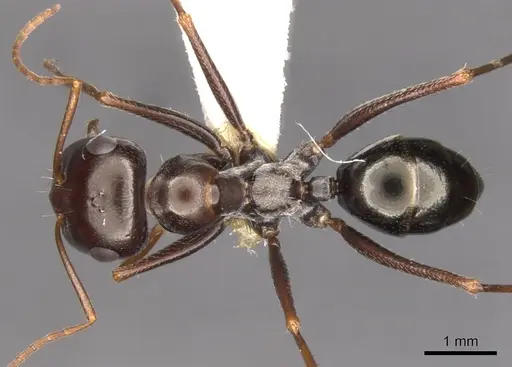
CASENT0903292
View on AntWeb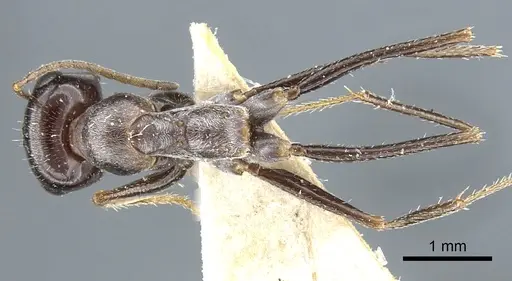
CASENT0905864
View on AntWeb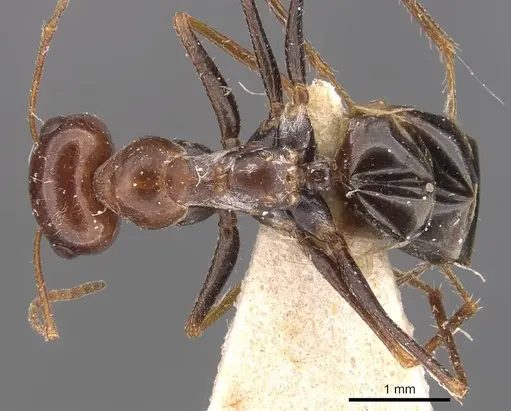
CASENT0906295
View on AntWeb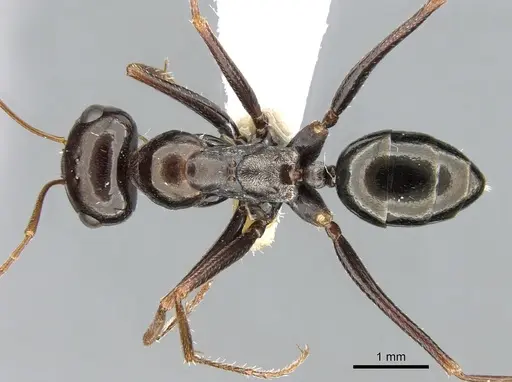
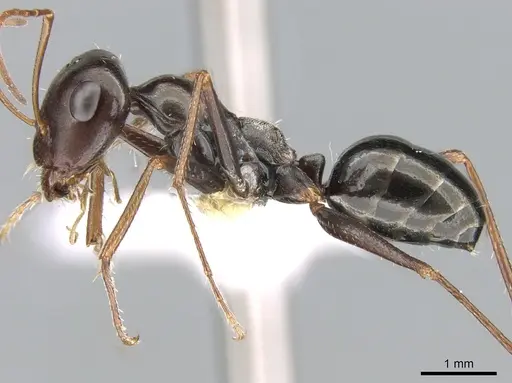
CASENT0912174
View on AntWeb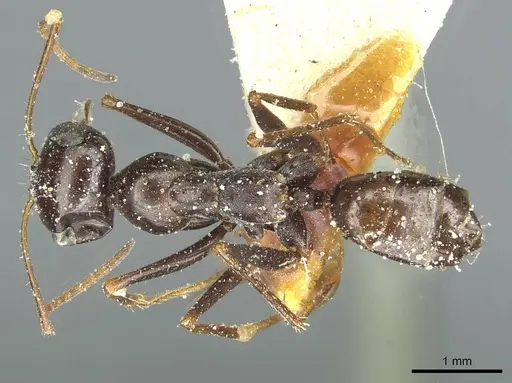
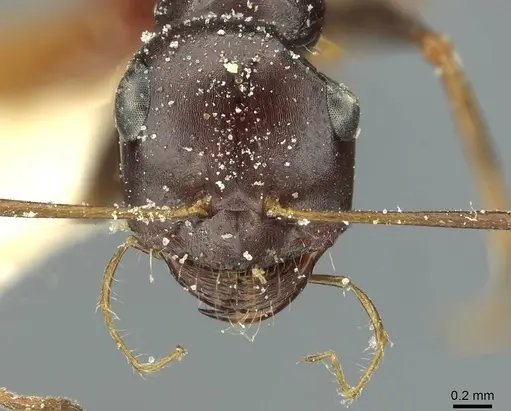
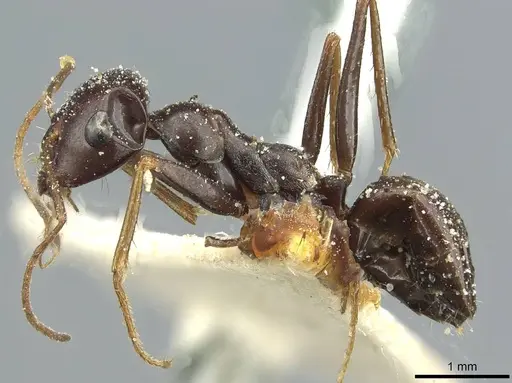
CASENT0912175
View on AntWeb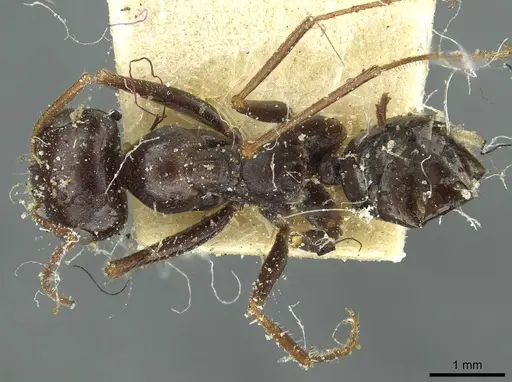
CASENT0912176
View on AntWeb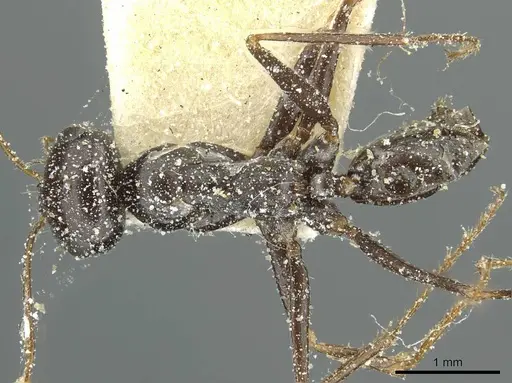
CASENT0912177
View on AntWeb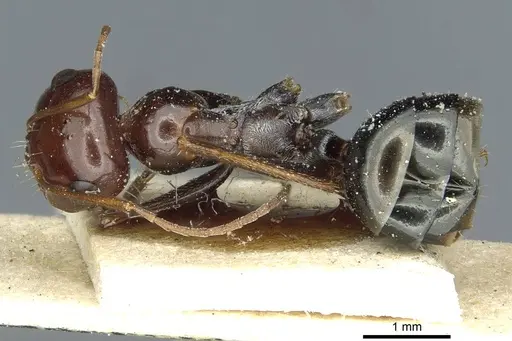
CASENT0913618
View on AntWeb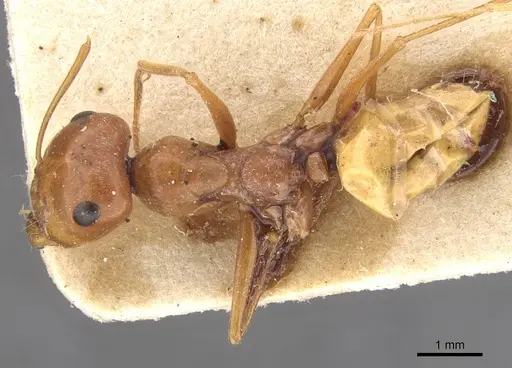
FMNHINS0000046223
View on AntWeb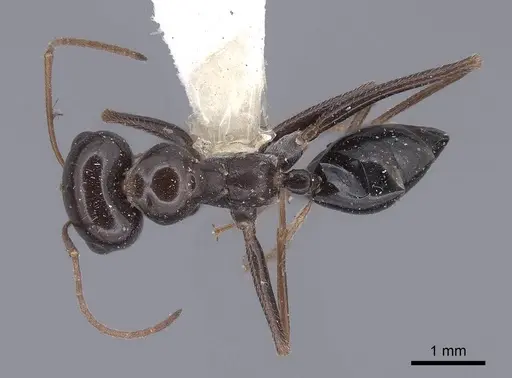
Literature
Loading distribution map...Loading products...