
Cataglyphis adenensis
- Sci. Name
- Cataglyphis adenensis
- Tribe
- Formicini
- Subfamily
- Formicinae
- Author
- Forel, 1904
- Distribution
- Found in 2 countries
Introduction
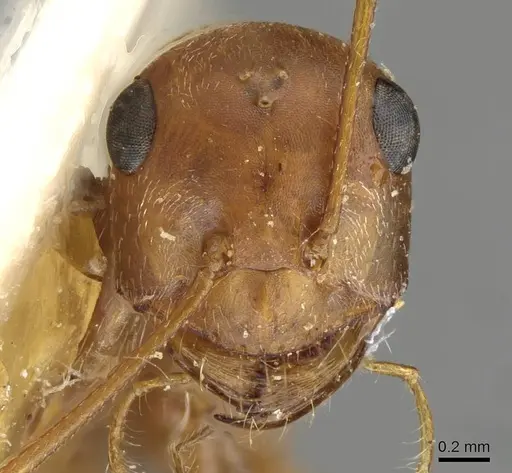
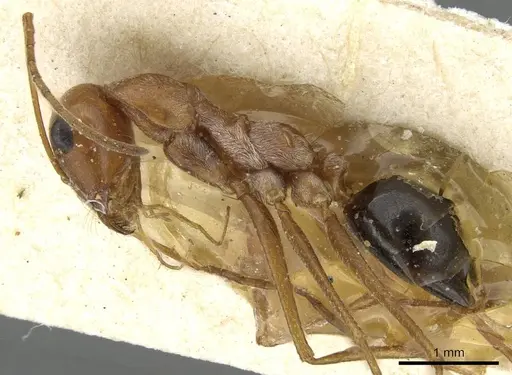
Cataglyphis adenensis is a desert ant native to the Arabian Peninsula, with a bicolored appearance: head and mesosoma red to dull brown-red, and gaster brown . It has a short, broad head, a high petiole, and a sloped dorsum . This species is found in Yemen, Kuwait, Oman, United Arab Emirates, Qatar, and Egypt . As a desert ant, it is adapted to hot, arid conditions and forages actively on the ground surface. A key feature of Cataglyphis adenensis is its defense mechanism: it lacks a functional sting and instead sprays formic acid as a chemical defense, typical of Formicinae ants .
Quick Summary
- Difficulty: Medium
- Origin & Habitat: Native to the Arabian Peninsula, including Yemen, Kuwait, Oman, United Arab Emirates, Qatar, and Egypt, in hot, arid desert environments [3][4][5][1].
- Colony Type: Unconfirmed, research context does not specify colony structure for this species.
- Size & Growth:
- Queen: Size data unavailable, no total length measurements in research context.
- Worker: Size data unavailable, no total length measurements in research context.
- Colony: Unknown, no specific data on colony size.
- Growth: Moderate, inferred from genus patterns.
- Development: Estimated 6-10 weeks based on genus patterns [2]. (Development time is inferred from related Cataglyphis species, specific timing for this species is unconfirmed.)
- Antkeeping:
- Temperature: Keep warm, roughly 24-30°C, based on desert adaptation of Cataglyphis genus [2].
- Humidity: Keep substrate dry, as desert ants are adapted to arid conditions [2].
- Diapause: No, inferred from tropical range, no hibernation needed.
- Nesting: Use dry, sandy substrate in a Y-tong or plaster nest, mimicking natural desert habitat [2].
- Behavior: Active foragers that patrol the ground surface, not aggressive but will defend nest. Workers are fast-moving and skittish. Escape risk is moderate for this medium-sized species.
- Common Issues: desert species may die if kept too humid or damp., require warm temperatures, cool conditions slow activity and growth., fast-moving workers may escape if barriers are inadequate.
Housing and Nest Setup
Use a Y-tong or plaster nest with dry, sandy substrate that drains well. These desert ants prefer dry conditions, the substrate should feel barely moist, not damp. Place the nest in a warm area, around 26-28°C, and use a heating cable on one side to create a temperature gradient [2]. The outworld should be simple for active foragers.
Feeding and Diet
Offer protein sources like small insects (e.g., fruit flies, mealworms) and sweet liquids (e.g., sugar water, honey). Feed protein 2-3 times per week with constant sugar water available [2].
Temperature and Heating
Keep nest area at 26-30°C during active season. Cataglyphis are thermophilic desert ants that thrive in heat. Use a heating cable on top of the nest to maintain warmth [2].
Humidity and Water
Low humidity is key, keep nest substrate dry. Provide a water source in the outworld, such as a test tube with water and cotton plug, but avoid misting the nest [2].
Colony Development
Founding behavior is unconfirmed. Expect first workers to emerge in 6-10 weeks under warm conditions, based on genus patterns. Growth is moderate, and colonies may reach several hundred workers, but specific data is lacking [2].
Frequently Asked Questions
How long does it take for Cataglyphis adenensis to go from egg to worker?
Estimated 6-10 weeks based on genus patterns [2]. The exact timeline for this species is unconfirmed.
Do Cataglyphis adenensis ants need hibernation?
No, inferred from their tropical range, they do not require hibernation [2].
What temperature should I keep Cataglyphis adenensis at?
Keep them warm at 26-30°C, based on desert adaptation [2].
Are Cataglyphis adenensis good for beginners?
They are intermediate-level due to specific warm, dry needs, but not recommended as a first species [2].
What do Cataglyphis adenensis eat?
They are generalist foragers, offer small insects for protein and sugar water for carbohydrates [2].
How big do Cataglyphis adenensis colonies get?
Unknown, no specific data on colony size [2].
Can I keep multiple Cataglyphis adenensis queens together?
Unconfirmed, research context does not specify colony structure, so it is not recommended to attempt multiple queens.
Why is my Cataglyphis adenensis colony dying?
Common causes include too much humidity, cool temperatures, or disturbance during founding. Keep substrate dry and warm [2].
When should I move Cataglyphis adenensis to a formicarium?
Wait until the colony has several workers, but specific timing is unconfirmed. Use a test tube setup for founding stage [2].
Report an Issue
The current care sheet is based fully on literature. See inconsistencies, or something that's incorrect? Please , it will be resolved after review from an admin. Contributing to the blogs tab also helps providing information, to make us be able to further improve the caresheets. Thank you for your support!
References

This caresheet is licensed under CC BY-SA 4.0 .
Community Blogs
CASENT0249890
View on AntWeb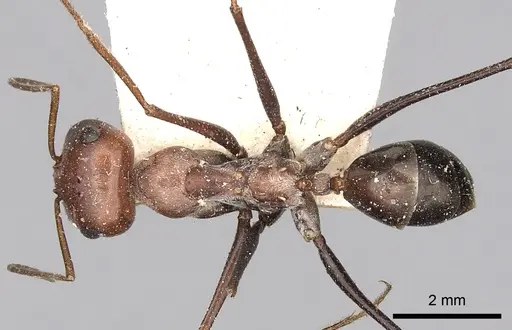
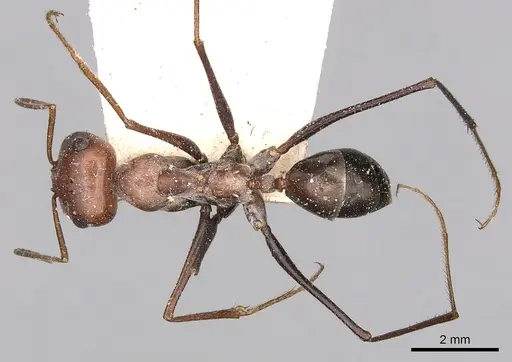
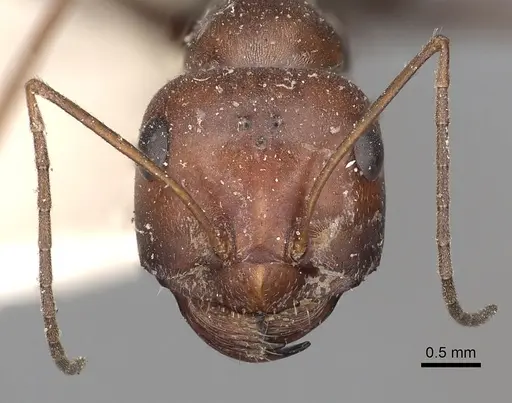
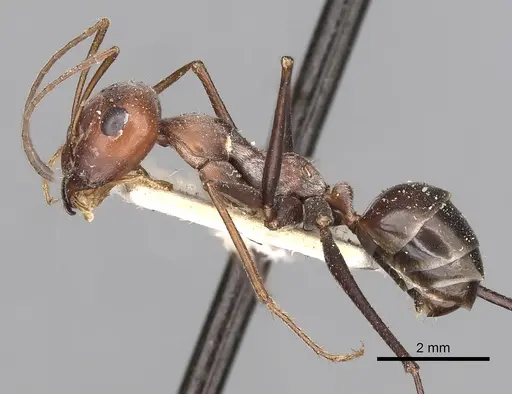
CASENT0911114
View on AntWeb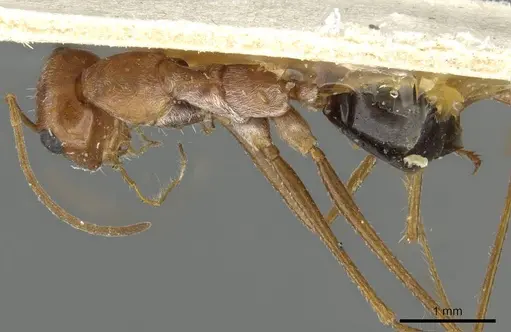
Literature
Loading distribution map...Loading products...