
Carebara weyeri
- Sci. Name
- Carebara weyeri
- Tribe
- Crematogastrini
- Subfamily
- Myrmicinae
- Author
- Karavaiev, 1930
- Distribution
- Found in 0 countries
Introduction
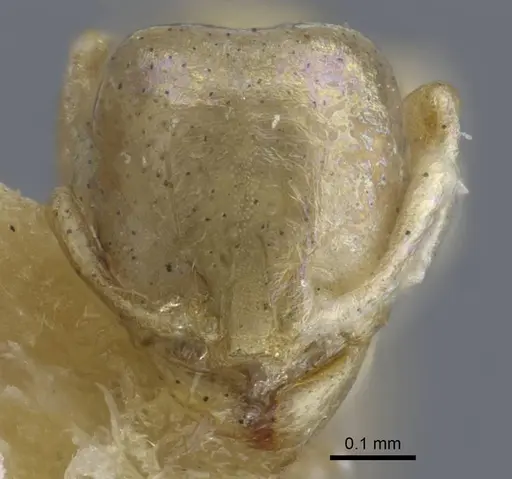
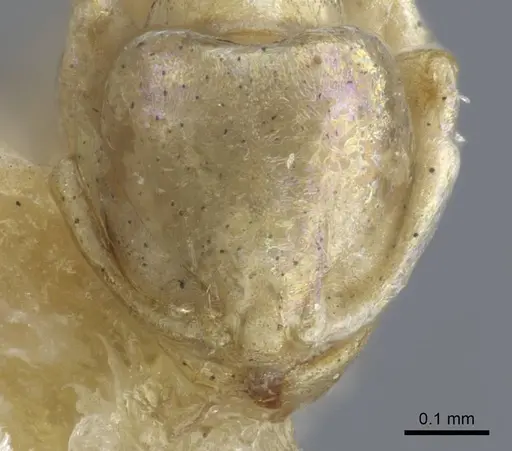
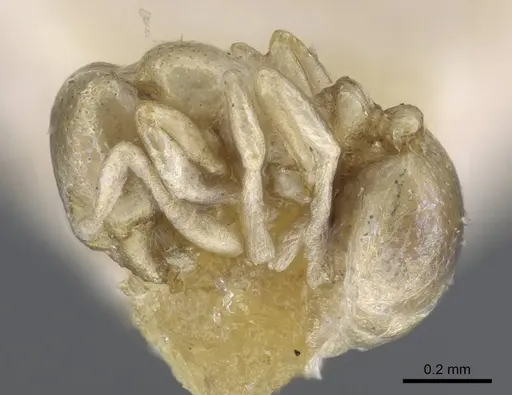
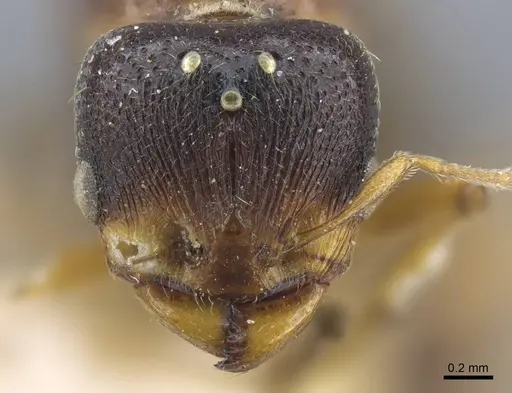
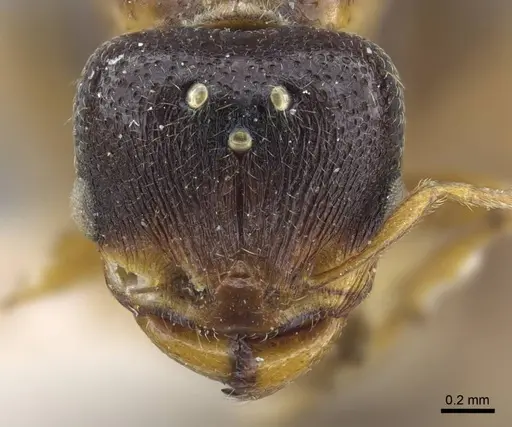
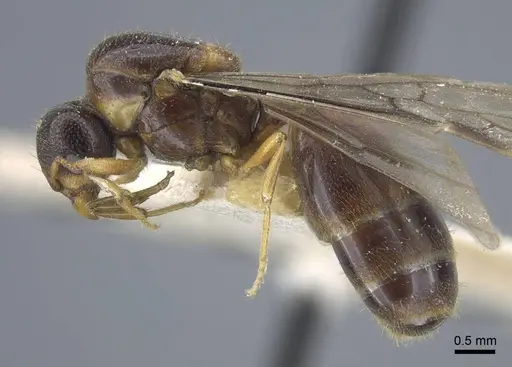
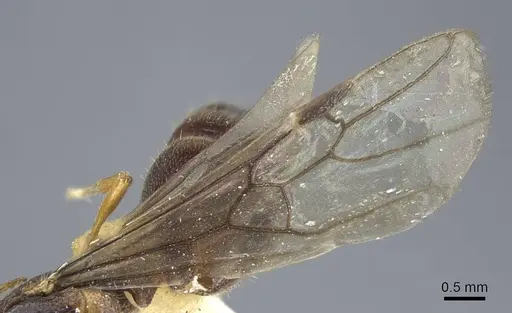
Carebara weyeri is a tiny ant species endemic to Ambon Island in the Maluku Islands of Indonesia. Workers are minute, and the genus is known for its extremely small worker caste. The species was originally described in 1930 by Karavaiev from specimens collected on Ambon, and remains poorly studied in scientific literature. These ants belong to the Carebara genus within the Myrmicinae subfamily. As an endemic species restricted to a single island, C. weyeri represents a unique opportunity for specialized keepers interested in rare Indonesian ants.
Quick Summary
- Difficulty: Unknown, likely Advanced
- Origin & Habitat: Endemic to Ambon Island, Indonesia. Found in undisturbed forest habitats [1]. This is a tropical island environment with high humidity and warm temperatures year-round.
- Colony Type: Unconfirmed, colony structure has not been documented in scientific literature.
- Size & Growth:
- Queen: Size data unavailable, no measurements exist in available literature. Based on genus Carebara patterns, queens are expected to be larger than workers
- Worker: Size data unavailable, no measurements exist in available literature. Based on genus Carebara patterns, workers are expected to be minute
- Colony: Maximum colony size is unknown. Related Carebara species form colonies ranging from several hundred to a few thousand workers
- Growth: Unknown, no development data available
- Development: Timeline is unconfirmed. Based on typical tropical Myrmicinae patterns, estimated 4-8 weeks at optimal temperature (No specific development data exists for this species.)
- Antkeeping:
- Temperature: Tropical species, keep at 24-28°C. Provide a gentle temperature gradient allowing ants to self-regulate
- Humidity: High humidity required, maintain 70-85%. Keep nest substrate consistently moist but not waterlogged, reflecting their undisturbed forest origin
- Diapause: Unlikely, as a tropical endemic species, seasonal dormancy is not expected
- Nesting: Natural nesting preferences unconfirmed. Based on genus patterns, likely nests in soil, rotting wood, or under stones in shaded forest locations. In captivity, a small test tube setup or Y-tong nest with fine chambers works well for their tiny size. Keep nesting area dark and humid
- Behavior: Behavior is unstudied. Based on genus Carebara patterns, workers are likely small, active, and may be nocturnal or crepuscular. Escape prevention is critical due to their extremely small size, they can squeeze through the tiniest gaps. Most Carebara species can deliver a mild sting, though their small size limits effectiveness against human skin. They likely forage for small prey and tend honeydew-producing insects.
- Common Issues: tiny size makes escape prevention critical, use fine mesh barriers and tight-fitting lids, no published care guides means keepers must adapt from related species, high humidity requirements can lead to mold if ventilation is poor, limited availability makes this species difficult to acquire, undocumented behavior means unexpected issues may arise
Species Background and Distribution
Carebara weyeri is an extremely rare ant species known only from Ambon Island in the Maluku Islands of Indonesia. The species was originally described in 1930 by Karavaiev from specimens collected by F. Weyer. The type specimens include minor workers and queens, deposited in Ukrainian collections. Despite being described nearly a century ago, scientific knowledge about this species remains extremely limited. The 2015 survey of ants on Ambon Island confirmed its presence in undisturbed forest habitats, but no ecological or behavioral studies have been published. This endemic status makes C. weyeri particularly interesting for specialized antkeepers, as they are supporting conservation of a species found nowhere else on Earth. [1]
Housing and Nest Setup
Due to their tiny size, Carebara weyeri requires careful housing setup. A small test tube setup works well for founding colonies, with the queen sealed in a chamber maintained at high humidity. For established colonies, a Y-tong nest with very small chambers or a plaster nest with appropriately scaled tunnels is recommended. The nesting chambers should be sized appropriately for their minute workers, passages too wide may cause stress. Keep the nest area dark and humid, mimicking the shaded forest floor conditions of their natural habitat. A water reservoir connected to the test tube or nest helps maintain humidity without frequent disturbance. Escape prevention is critical, these ants can slip through gaps invisible to the naked eye. Use fluon on container rims and ensure all ventilation holes are covered with fine mesh.
Feeding and Nutrition
Direct feeding observations for Carebara weyeri do not exist in scientific literature. Based on typical Carebara genus behavior, these ants are likely omnivorous scavengers and predators of small arthropods. In captivity, offer small protein sources such as freshly killed fruit flies, pinhead crickets, or small mealworm pieces. Due to their tiny size, prey items must be appropriately scaled, even a single fruit fly may be substantial for their workers. Sugar sources such as diluted honey or sugar water may be accepted, though some Carebara species show limited sugar interest. Feed small amounts every 2-3 days and remove uneaten food promptly to prevent mold in the humid setup. Always provide fresh water, either through a damp substrate or a small water tube with a cotton wick.
Temperature and Humidity Management
As a tropical endemic from Ambon Island, Carebara weyeri requires warm and humid conditions. Maintain temperatures in the range of 24-28°C, with a slight gradient allowing workers to self-regulate. A heating cable on one side of the nest can create this gradient, place it on top of the nest rather than underneath to avoid excessive drying. Humidity should be maintained at 70-85%, which is higher than many common ant species. This can be achieved through a water reservoir connected to the nest, regular misting of the outworld, or housing in a humidified setup. However, balance humidity with adequate ventilation to prevent mold growth, which can quickly devastate small colonies. The undisturbed forest origin suggests they prefer stable conditions without dramatic fluctuations. [1]
Colony Development Expectations
No specific development timeline exists for Carebara weyeri. Based on related tropical Myrmicinae, expect the first workers to emerge within 4-8 weeks at optimal temperature and humidity. Initial colony growth will be slow, the first batch of workers may number only a few individuals. Colony development speed is unknown but likely moderate for a tropical species. Maximum colony size is unconfirmed, though related Carebara species typically reach several hundred to a few thousand workers. The queen was described alongside workers in the original type series, confirming she is larger than workers. Founding colonies require patience, do not disturb the queen during the founding period as stress can cause abandonment or cannibalism of brood.
Legal and Ethical Considerations
Carebara weyeri is endemic to Indonesia and may be subject to export restrictions. Before acquiring this species, verify that it was legally obtained and that international transport complies with CITES regulations regarding Indonesian wildlife. As an endemic island species, responsible captive breeding is valuable for conservation of the genetic line. Never release this species or any non-native ant into local ecosystems, even if they originated from a similar climate, they could become invasive or disrupt native ant communities. If you no longer wish to keep the colony, consider offering it to another experienced keeper rather than release.
Frequently Asked Questions
How long does it take for Carebara weyeri to produce first workers?
The egg-to-worker timeline is unconfirmed for this species. Based on related tropical Myrmicinae, expect approximately 4-8 weeks at optimal temperature (24-28°C) and humidity. Initial broods are typically small, with nanitics numbering only a few individuals.
What do Carebara weyeri ants eat?
Feeding behavior is unstudied for this species. Based on genus patterns, they likely accept small live prey such as fruit flies, small crickets, and other micro-arthropods. They may also scavenge and accept sugar sources like diluted honey or sugar water. Offer small, appropriately-sized prey items.
Are Carebara weyeri ants aggressive or do they sting?
Behavior is unstudied, but most Carebara species can deliver a mild sting. However, due to their extremely small size, the sting is typically ineffective against human skin. They are more likely to flee than bite or sting when disturbed.
What temperature and humidity do Carebara weyeri need?
Keep them at 24-28°C with humidity around 70-85%. This reflects their tropical forest origin on Ambon Island. Provide a temperature gradient so workers can self-regulate, and maintain consistent humidity through a water reservoir or damp substrate.
Can beginners keep Carebara weyeri?
This species is not recommended for beginners. There are no published care guides, behavior is poorly documented, and their tiny size requires specialized equipment and escape prevention. Only experienced keepers should attempt this species.
How big do Carebara weyeri colonies get?
Maximum colony size is unconfirmed in scientific literature. Based on related Carebara species, colonies likely reach several hundred to a few thousand workers. Growth is slow initially, with founding colonies taking months to establish.
Do Carebara weyeri need hibernation or diapause?
As a tropical endemic species from Ambon Island, seasonal dormancy is unlikely. These ants probably remain active year-round with slight reductions during cooler periods. Do not attempt to hibernate this species.
Where does Carebara weyeri come from?
Carebara weyeri is endemic to Ambon Island in the Maluku Islands of Indonesia. It was originally described in 1930 and has only been recorded in undisturbed forest habitats on this single island.
How do I prevent Carebara weyeri from escaping?
Escape prevention is critical due to their minute size. Use fine mesh on all ventilation. Apply fluon or similar barrier gel to container rims. Check all seams and connections regularly, these ants can slip through gaps invisible to the naked eye.
Can I keep multiple Carebara weyeri queens together?
Colony structure is unconfirmed for this species. The safe approach is to house each queen separately until her first workers emerge. Do not combine unrelated foundresses without documented evidence that this species accepts pleometrosis.
Report an Issue
The current care sheet is based fully on literature. See inconsistencies, or something that's incorrect? Please , it will be resolved after review from an admin. Contributing to the blogs tab also helps providing information, to make us be able to further improve the caresheets. Thank you for your support!
References

This caresheet is licensed under CC BY-SA 4.0 .
Community Blogs
CASENT0917012
View on AntWeb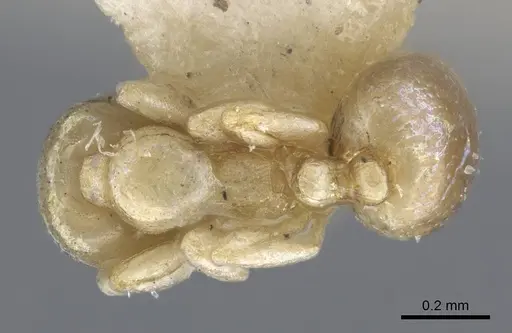
CASENT0917013
View on AntWeb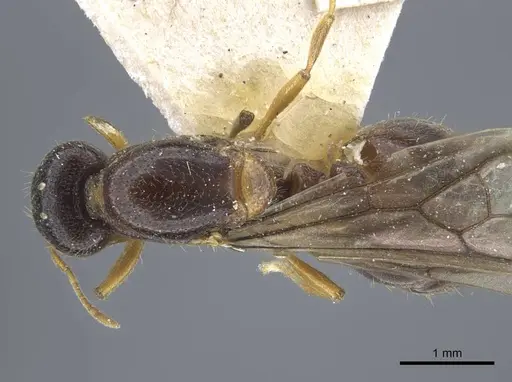
Literature
Loading distribution map...Loading products...