
Carebara nana
- Sci. Name
- Carebara nana
- Tribe
- Crematogastrini
- Subfamily
- Myrmicinae
- Author
- Roger, 1863
- Distribution
- Found in 1 countries
Introduction
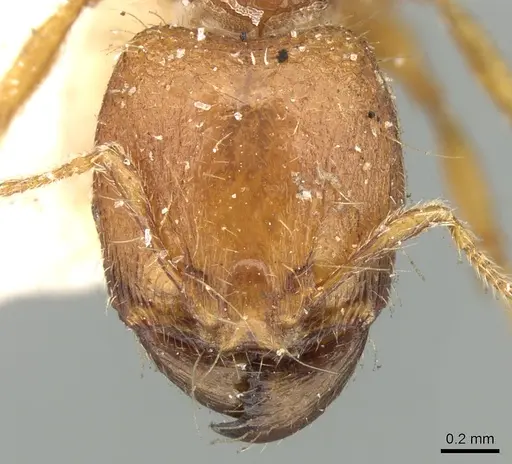
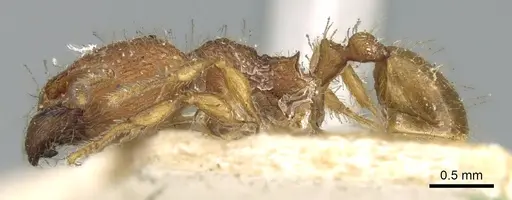
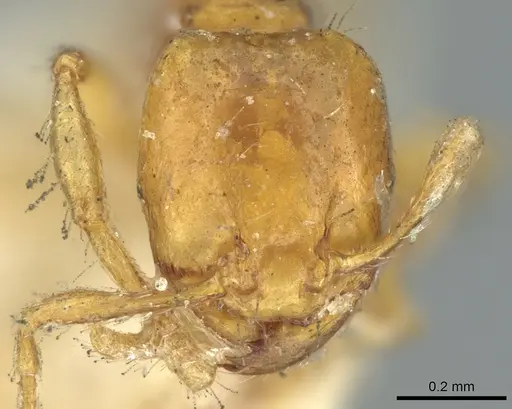
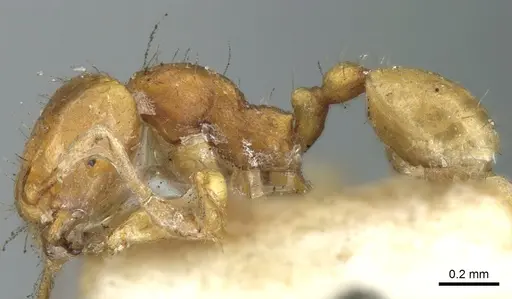
Carebara nana is a tiny polymorphic ant species native to South and Southeast Asia, formerly known as Pheidologeton nanus . The species name 'nana' means dwarf in Latin - a fitting description for these diminutive ants. This species is characterized by having 9-segmented antennae, very rudimentary eyes with fewer than four ommatidia, and a head that is almost as broad as long with distinct striations throughout . The base of the first gastral tergite is smooth and shining, and the vertex lacks distinct horns or teeth . Workers are polymorphic with major and minor castes, a characteristic feature of the genus Carebara. Queens have been documented in the type series from Sri Lanka . This species remains poorly studied in captivity with limited documentation on behavior and colony structure. They inhabit tropical and subtropical regions of India and Sri Lanka, with some records from southern China .
Quick Summary
- Difficulty: Medium
- Origin & Habitat: India, Sri Lanka, and southern China in tropical and subtropical regions. Recorded from Arunachal Pradesh and Kerala states of India [3]. Likely nests in soil or rotting wood in forested areas.
- Colony Type: Colony structure is unconfirmed. Based on related Carebara species, likely monogyne (single queen) with polymorphic workers (major and minor castes).
- Size & Growth:
- Queen: Size data unavailable, no specific measurements exist for this species
- Worker: Size data unavailable, no specific measurements exist for this species
- Colony: Unknown, no documented colony sizes for this species
- Growth: Unknown
- Development: Unknown, no specific study exists for this species (Development time is unstudied. Warmer temperatures within the tropical range may accelerate development if similar to related species.)
- Antkeeping:
- Temperature: Keep at 24-28°C. This is a tropical species from India and Sri Lanka, so warmth is essential for colony health and brood development.
- Humidity: Keep substrate consistently moist but not waterlogged. Think damp forest floor, the substrate should feel damp to the touch with some drier areas available. Mist occasionally and provide a water tube for drinking access.
- Diapause: Unknown, tropical species may not require true hibernation but may show reduced activity during cooler months. Consider a slight temperature reduction during winter if colony shows decreased activity.
- Nesting: Use a naturalistic setup with moist substrate (soil/sand mix) or a Y-tong/plaster nest that holds humidity well. Tight chambers scaled to their small size work best. Avoid dry, airy setups.
- Behavior: This is a small, cryptic ant species likely adapted to foraging in leaf litter and soil. Their very rudimentary eyes (with fewer than 4 ommatidia) suggest they are adapted to low-light or subterranean conditions and may rely more on chemical cues than vision [2]. They are probably not aggressive. Escape prevention is critical due to their very small size, use fine mesh and tight-fitting lids. The stinger is present but likely too small to penetrate human skin effectively (Myrmicinae default smear defense).
- Common Issues: escape prevention is critical due to their very small size, they can squeeze through standard test tube gaps, limited available information means care is largely inferred from genus patterns, not species-specific studies, tropical humidity requirements can lead to mold issues if ventilation is poor, no documented development timeline makes colony management uncertain, wild-caught colonies may have parasites or diseases that are difficult to treat in captivity
Housing and Nest Setup
Carebara nana requires setup considerations that match their tiny size and tropical origins. For founding colonies, a simple test tube setup works well, ensure the cotton is packed tightly as these small ants can squeeze through gaps that larger species would never attempt. For established colonies, a naturalistic terrarium-style setup with a soil/sand substrate allows them to create natural tunnel systems. The substrate should be kept consistently moist but never waterlogged. A Y-tong or plaster nest with narrow chambers also works well, as these nests hold humidity effectively. Regardless of setup, always use excellent escape prevention, fine mesh on any ventilation holes and tight-fitting lids are essential. Place the nest in a dark area or provide shaded areas, as their rudimentary eyes suggest they prefer lower light conditions [2].
Feeding and Diet
Based on related Carebara species, this ant is likely omnivorous with a preference for protein. Offer small live prey such as fruit flies, pinhead crickets, and small mealworms. They will likely accept protein-rich foods like boiled egg, chicken, or fish flakes. Sugar sources like honey water or sugar water should be offered occasionally. Feed small amounts every 2-3 days and remove any uneaten prey after 24 hours to prevent mold. A constant water source (through a test tube water reservoir or small dish) is essential. Given their small size, food particles should be appropriately sized.
Temperature and Humidity Requirements
As a tropical species from India and Sri Lanka, Carebara nana requires warm and humid conditions. Maintain temperatures between 24-28°C for optimal colony health and brood development. A heating cable placed on one side of the nest creates a temperature gradient, allowing ants to self-regulate by moving between warmer and cooler areas. Humidity should be kept high, the substrate should feel consistently moist but not soggy. Mist the outworld occasionally and ensure the nest material retains moisture. A water tube provides drinking access and helps maintain humidity through evaporation. During winter or if colony activity decreases, a slight temperature reduction to around 20-22°C may be appropriate, but avoid prolonged cool temperatures.
Colony Structure and Growth
Carebara nana is a polymorphic species, meaning colonies contain different worker castes, larger major workers (sometimes called soldiers) and smaller minor workers. This polymorphism is characteristic of the genus Carebara. The exact colony size is not documented. Queens and workers have been documented in type series from Sri Lanka, but specific size measurements are not available [1]. Colony growth rate is unknown, expect gradual expansion over time. Be patient with colony growth as small ant species often develop more slowly than larger species.
Behavior and Temperament
This is a cryptic, small ant species that likely spends much of its time foraging in leaf litter and soil. Their very rudimentary eyes (with fewer than 4 ommatidia) suggest they are not strong visual foragers and may rely more on chemical cues and touch [2]. They are probably not aggressive and unlikely to defend territory aggressively. Major workers, when present, may be used for defense or seed processing. Their small size means they are vulnerable to larger predators and competing ants. In captivity, they are generally peaceful and easy to handle, though their tiny size makes them harder to observe than larger species. They likely show typical Myrmicinae behavior of carrying prey items back to the nest.
Frequently Asked Questions
How long does it take for Carebara nana to produce first workers?
This is unknown, no specific development study exists for this species. Expect several months from founding to first workers, but this is an estimate only.
What do Carebara nana ants eat?
They likely accept small protein sources like fruit flies, pinhead crickets, small mealworms, and boiled egg. Sugar water or honey water may be accepted occasionally. Feed small amounts every 2-3 days and remove uneaten food promptly.
Are Carebara nana ants aggressive?
They are not considered aggressive. Based on related species, they are relatively peaceful and unlikely to bite or sting. Their small size makes them more vulnerable than threatening.
Do Carebara nana ants need hibernation?
As a tropical species from India and Sri Lanka, they likely do not require true hibernation. However, they may show reduced activity during cooler months and benefit from a slight temperature reduction to around 20-22°C in winter.
How big do Carebara nana colonies get?
This is unknown, no documented colony sizes exist for this species. Related Carebara species may reach several hundred to a couple thousand workers, but C. nana specifically is unstudied.
What temperature should I keep Carebara nana at?
Keep them at 24-28°C. This tropical species requires warmth, a heating cable on one side of the nest can help maintain appropriate temperatures.
Can I keep Carebara nana in a test tube setup?
Yes, test tubes work well for founding colonies. However, escape prevention must be excellent due to their very small size, use tightly packed cotton and consider adding a thin layer of fluon to the opening.
Do Carebara nana ants sting?
They have a stinger like most Myrmicinae, but it is likely too small to effectively penetrate human skin. The Myrmicinae default defense is smearing venom rather than piercing.
Is Carebara nana a good species for beginners?
This species is rated as Medium difficulty. While not aggressive, the limited available care information and their small size (requiring excellent escape prevention) make them better suited for keepers with some experience.
Why are my Carebara nana ants dying?
Common causes include: escape through tiny gaps (check all openings), improper humidity (too dry or too wet), temperatures outside their 24-28°C range, mold from overwatering, or stress from excessive disturbance. Review each factor and adjust accordingly.
Report an Issue
The current care sheet is based fully on literature. See inconsistencies, or something that's incorrect? Please , it will be resolved after review from an admin. Contributing to the blogs tab also helps providing information, to make us be able to further improve the caresheets. Thank you for your support!
References

This caresheet is licensed under CC BY-SA 4.0 .
Community Blogs
CASENT0906202
View on AntWeb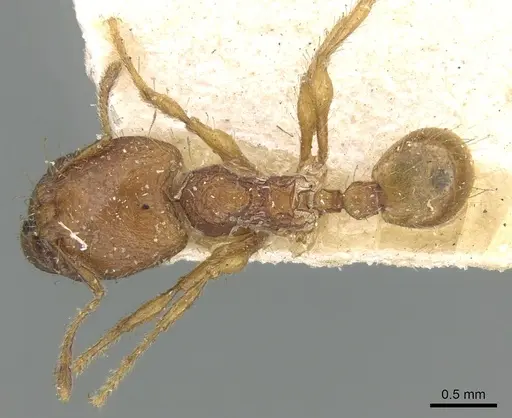
CASENT0906213
View on AntWeb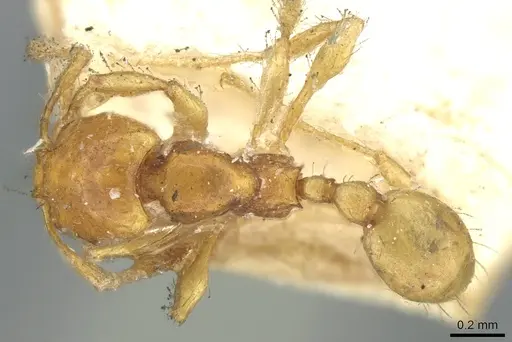
Literature
Loading distribution map...Loading products...