
Carebara grandidieri
- Sci. Name
- Carebara grandidieri
- Tribe
- Crematogastrini
- Subfamily
- Myrmicinae
- Author
- Forel, 1891
- Distribution
- Found in 3 countries
Introduction
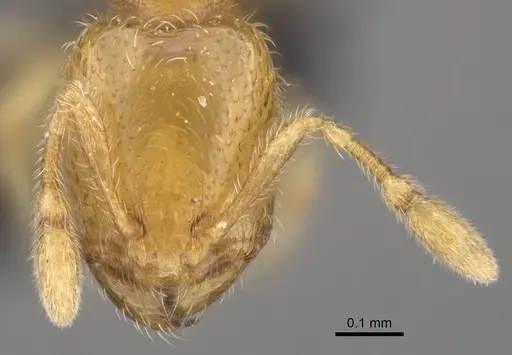
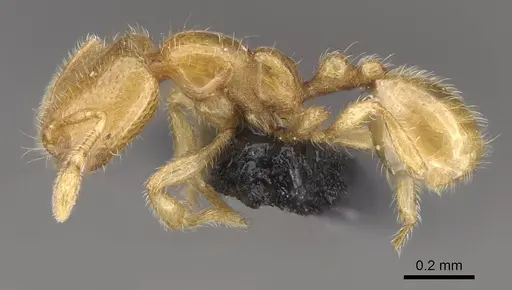
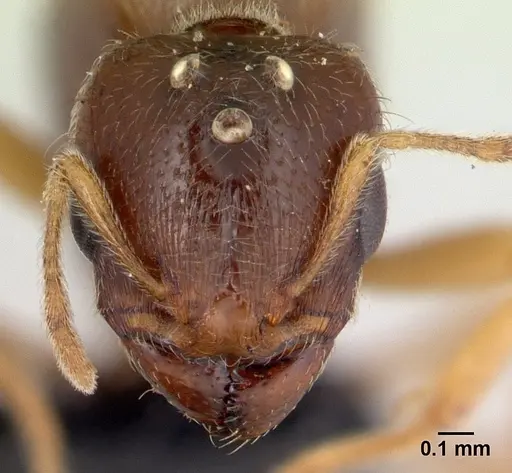
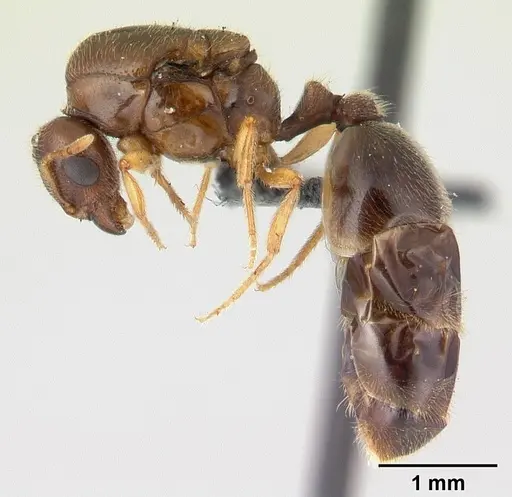
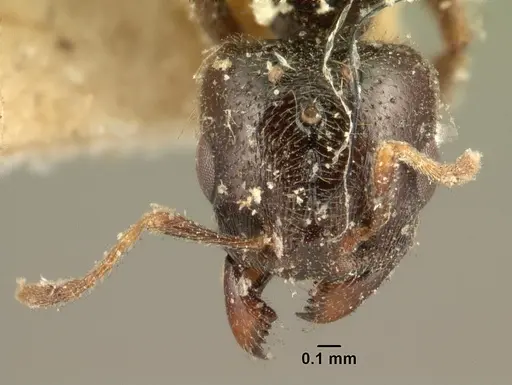
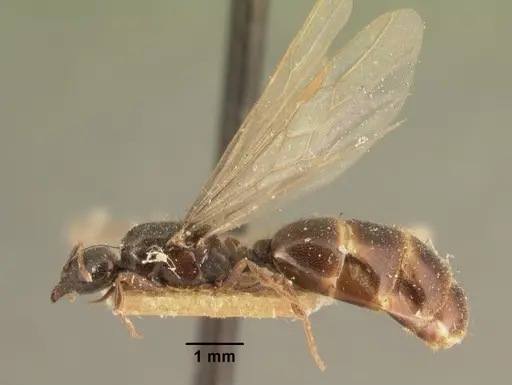
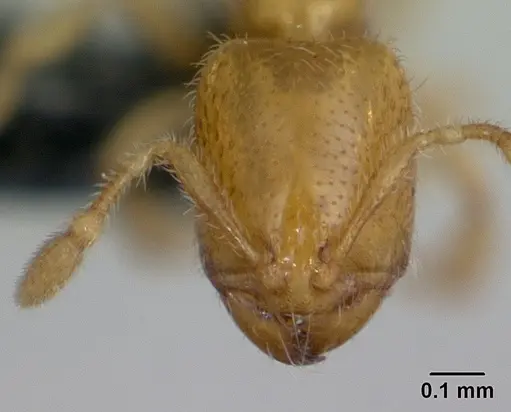
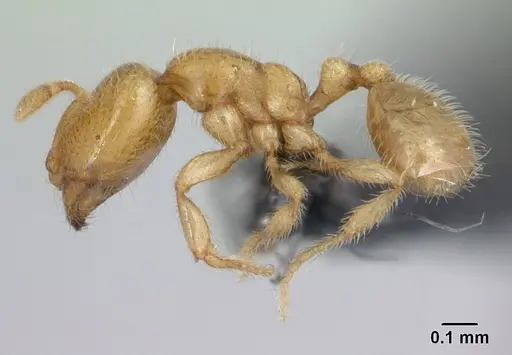
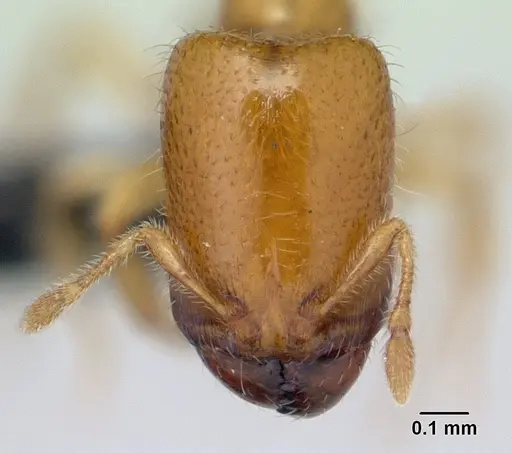
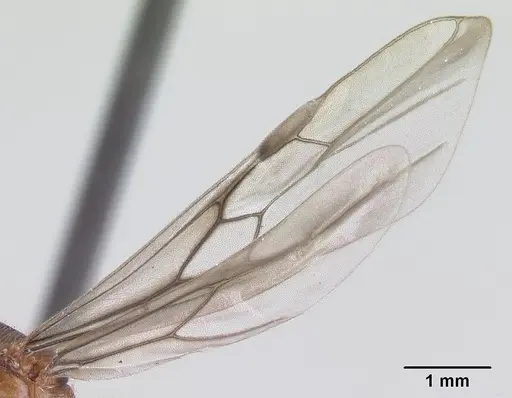
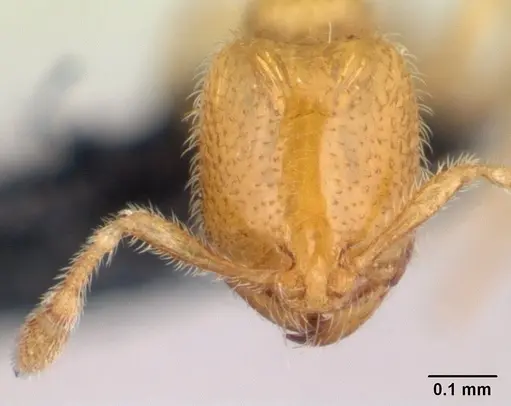
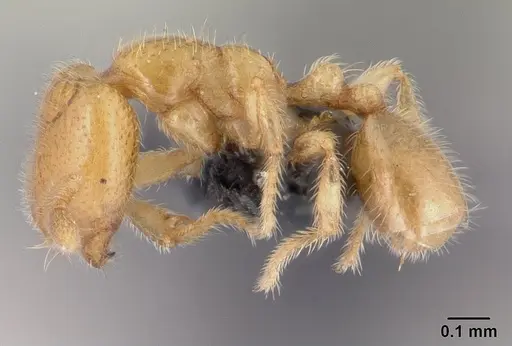
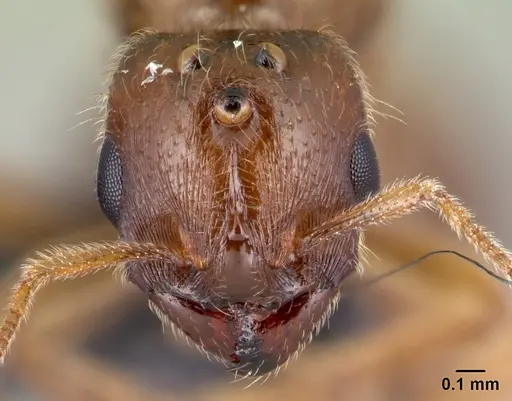
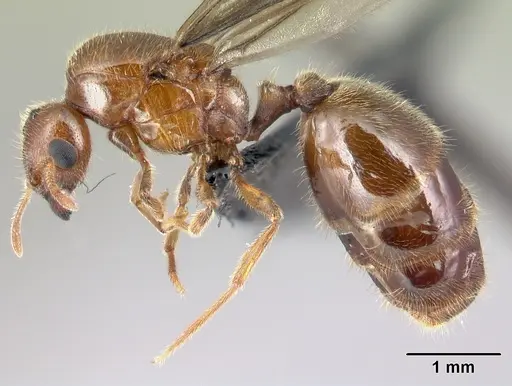
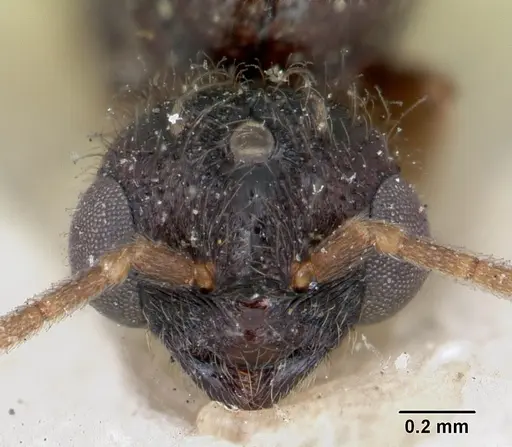
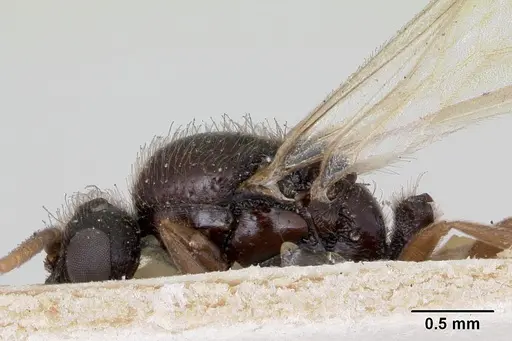
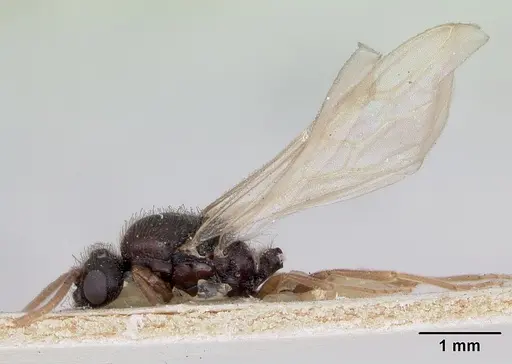
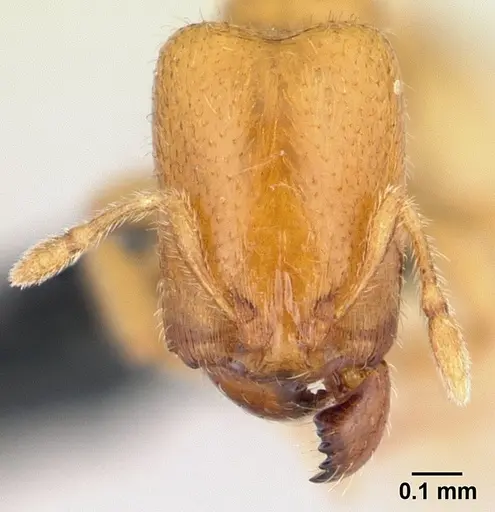
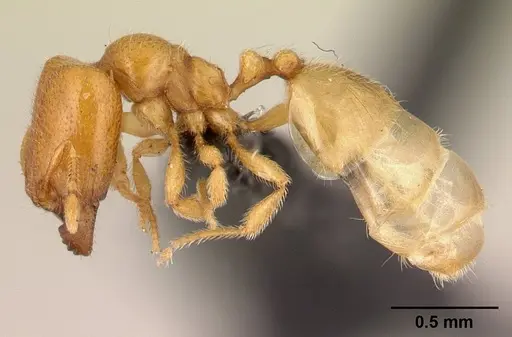
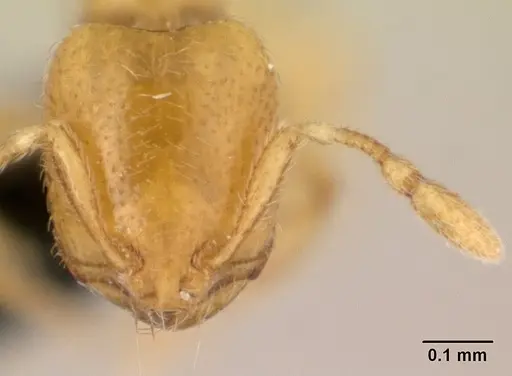
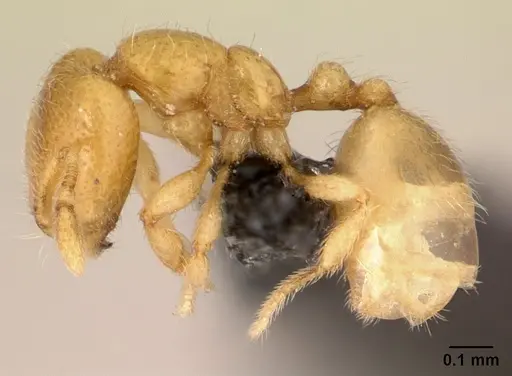
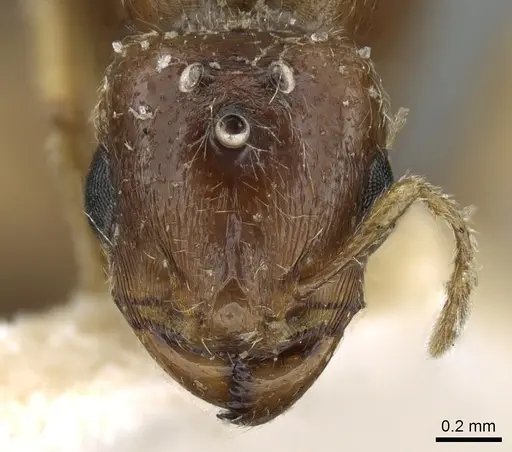
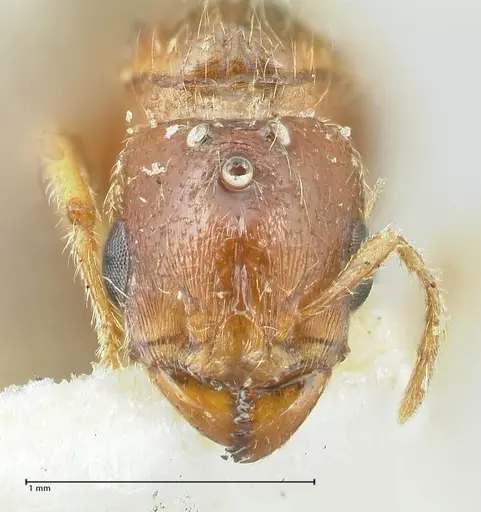
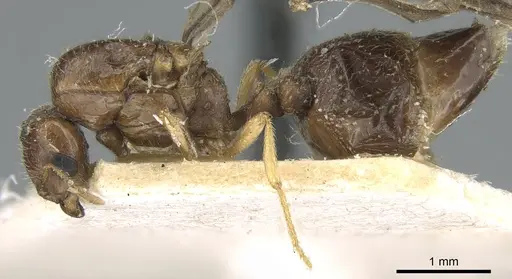
Carebara grandidieri is a tiny ant species native to Madagascar, Comoros, and Mayotte. Workers come in two distinct sizes: major workers have a nearly rectangular head with distinctive longitudinal rugae on the face, while minor workers are smaller with a more rounded head . This species is one of only two Carebara species in the Malagasy region with nine-segmented antennae, making identification relatively straightforward . The coloration is yellowish ferruginous, and the species shows remarkable variation in pilosity and propodeal shape across different populations . This species is highly adaptable, found across a wide range of elevations from coastal scrub at 10m up to montane rainforest at 1550m, and in virtually every forest type on Madagascar including dry forest, spiny forest, and gallery forest . They nest in decomposing wood, soil, leaf litter, and even termite mounds - essentially any moist, protected microhabitat in the forest floor layer .
Quick Summary
- Difficulty: Medium
- Origin & Habitat: Madagascar, Comoros, and Mayotte, islands off the east coast of Africa. This species thrives in diverse tropical habitats from coastal scrub to montane rainforest, typically nesting in moist decaying wood, leaf litter, and soil at elevations between 10-1550 meters [1][2].
- Colony Type: Unknown, colony structure has not been documented in scientific literature.
- Size & Growth:
- Queen: Size data unavailable, no queen measurements exist in available literature. Based on Carebara genus patterns, estimated approximately 4-6mm
- Worker: Major workers: approximately 2-3mm. Minor workers: approximately 1.5-2mm. These are inferred from head measurements (HL 0.56-0.84mm for majors,0.39-0.49mm for minors) using typical Myrmicinae body proportions [1]
- Colony: Unknown, no colony size data available in scientific literature
- Growth: Unknown, no development timing data exists for this species
- Development: Unknown, no direct measurements available (This is a tropical species from Madagascar. Smaller ant species typically develop faster than larger ones, but temperature dependency makes precise timing uncertain.)
- Antkeeping:
- Temperature: Keep at 22-26°C, this species comes from tropical Madagascar so warmth is important. A gentle temperature gradient allows workers to choose their preferred zone. Room temperature in most homes should work well, but watch for sluggishness indicating they need it warmer.
- Humidity: High humidity is essential, they naturally live in rotting wood, leaf litter, and moist soil. Keep the nest substrate consistently damp but not waterlogged. Provide a water tube and occasional misting of the outworld. The substrate should feel moist to touch with visible condensation occasionally.
- Diapause: Unknown, no research on overwintering requirements exists. As a tropical species from Madagascar, they likely do not require true hibernation. However, a slight cooldown period may benefit colony health even if not strictly necessary.
- Nesting: Y-tong (AAC) nests work well for these tiny ants, the narrow chambers match their natural preference for tight spaces in rotting wood. Plaster nests also work since they hold moisture well. Test tube setups are suitable for founding colonies. Avoid large, open spaces, these ants prefer cramped, humid chambers.
- Behavior: These are shy, non-aggressive ants that avoid confrontation. Workers are slow-moving and spend most of their time foraging through the substrate. They do not sting and pose no danger to keepers. The major workers have slightly larger heads but are still tiny and not effective defenders. Escape prevention is critical, at under 3mm, they can squeeze through small gaps. Use fluon on test tube rims and ensure all connections are sealed. They are secretive nesters that prefer dark, humid spaces and rarely venture into bright outworlds.
- Common Issues: escape prevention is critical, their small size means they can slip through small gaps, no development data exists so growth expectations are uncertain and colonies may appear stagnant, humidity must be consistently high, drying out kills colonies quickly, wild-caught colonies may contain parasites or pathogens that cause colony collapse, slow growth can frustrate keepers expecting rapid development
Housing and Nest Setup
Carebara grandidieri is a tiny ant that requires careful attention to housing. For founding colonies, a standard test tube setup works well, fill it about one-third with water, plug with cotton, and place the queen in the humid chamber. For established colonies, Y-tong (AAC) nests with narrow chambers are ideal because they mimic the tight spaces in rotting wood where these ants naturally nest. Plaster nests also work well because they hold humidity effectively. The outworld should be small and simple, these ants do not need much space. Always use excellent escape prevention: apply fluon to all rims and test tube edges, check all connections for gaps, and consider using a barrier around the outworld. [1][2]
Feeding and Diet
The natural diet of Carebara grandidieri is not documented in scientific literature. Based on typical Carebara behavior, they are likely omnivorous scavengers that collect honeydew, small insects, and organic matter. In captivity, offer small protein sources like fruit flies, pinhead crickets, and tiny mealworms. Because the workers are so small, prey items must be appropriately sized, anything larger than the workers themselves will be ignored. Sugar water or honey water should be offered regularly, especially for the queen and developing brood. Feed every 2-3 days and remove any uneaten prey after 24 hours to prevent mold. These ants are not aggressive foragers, so place food near nest entrances where workers will find it.
Temperature and Humidity
As a tropical species from Madagascar, Carebara grandidieri needs warm, humid conditions. Keep the nest area at 22-26°C, this is roughly room temperature in many homes and matches their natural range. A slight temperature gradient lets the colony regulate their own conditions. Humidity is more critical than temperature: these ants naturally live in rotting wood and leaf litter where moisture is constantly high. Keep the nest substrate consistently damp but never allow standing water. A water tube attached to the nest provides a constant moisture source. Mist the outworld occasionally and monitor for condensation inside the nest. If the nest dries out, the colony will decline rapidly. [1]
Colony Development and Expectations
One of the biggest challenges with Carebara grandidieri is the complete lack of development data, no one has documented exactly how long it takes from egg to first worker. The first workers will be very small minor workers. Major workers appear later as the colony grows. Growth is likely slow compared to larger ant species. Do not expect rapid expansion, these are tiny ants with naturally small colonies. Be patient and avoid the temptation to overfeed, which causes mold problems in small setups. If your colony seems stagnant for months, check humidity levels first before assuming something is wrong.
Handling and Temperament
Carebara grandidieri is among the most docile ant species you can keep. Workers are tiny, slow-moving, and show no aggression toward keepers. They do not sting and pose no danger whatsoever. The major workers have slightly larger mandibles but are still too small to penetrate human skin. These ants are secretive by nature, they prefer dark, humid nest chambers and will rarely venture into bright areas of the outworld. When cleaning or moving the colony, use gentle handling and avoid crushing any workers. The biggest practical concern is their small size making them difficult to contain, always double-check your escape prevention measures. [1]
Frequently Asked Questions
How long does it take for Carebara grandidieri to produce first workers?
The exact timeline is unknown, no scientific studies have documented development time for this species. Based on typical patterns for small Myrmicinae ants, expect approximately 6-10 weeks from egg to first worker at 24-26°C. This is a rough estimate, so be patient with new colonies.
Can I keep Carebara grandidieri in a test tube?
Yes, test tubes work well for founding colonies. Use a standard test tube setup with a water reservoir and keep it humid. Apply fluon to the rim to prevent escapes.
What do Carebara grandidieri eat?
Based on typical Carebara diet, offer small protein sources like fruit flies, tiny mealworms, or pinhead crickets. Sugar water or honey water should be available constantly. All prey must be appropriately sized, these workers are very small so anything larger than a fruit fly will be ignored.
Do Carebara grandidieri ants sting?
No, these ants do not sting. They are completely harmless to humans. Workers are too small and docile to pose any threat.
Are Carebara grandidieri good for beginners?
This species is rated Medium difficulty. While they are docile and harmless, the lack of documented care information and their small size makes them better suited for keepers who already have some experience with small ant species.
How big do Carebara grandidieri colonies get?
The maximum colony size is unknown, no scientific literature documents colony sizes for this species. Based on their tiny worker size and typical Carebara patterns, colonies are likely modest.
Do Carebara grandidieri need hibernation?
As a tropical species from Madagascar, they likely do not require true hibernation. However, a slight cooldown in winter may benefit colony health even if not strictly necessary. Do not let them experience cold temperatures below 15°C.
Why are my Carebara grandidieri escaping?
Their small size means they can escape through small gaps. Use fluon on all rims and tube connections, check for gaps in mesh, and ensure your outworld barrier is complete.
When should I move Carebara grandidieri to a formicarium?
Wait until the colony has at least 20-30 workers before moving to a formicarium. The queen can stay in the founding test tube connected to the outworld. Y-tong nests with small chambers work best for these tiny ants.
Can I keep multiple queens together?
This is unknown, no research exists on colony founding behavior for this species. Based on typical ant behavior, it is not recommended to combine unrelated foundress queens as they may fight.
Report an Issue
The current care sheet is based fully on literature. See inconsistencies, or something that's incorrect? Please , it will be resolved after review from an admin. Contributing to the blogs tab also helps providing information, to make us be able to further improve the caresheets. Thank you for your support!
References

This caresheet is licensed under CC BY-SA 4.0 .
Community Blogs
CASENT0036011
View on AntWeb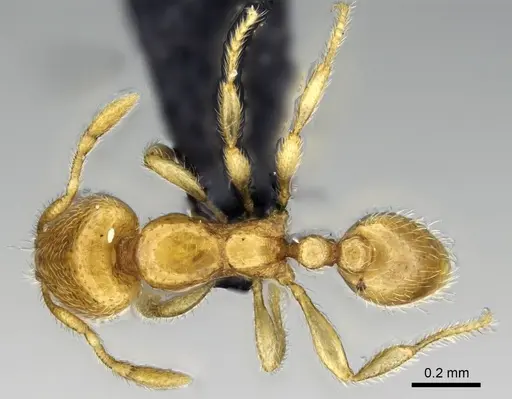
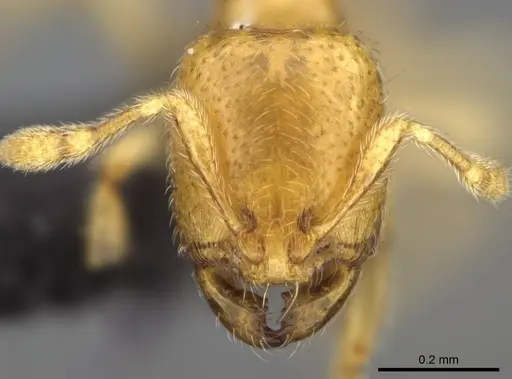
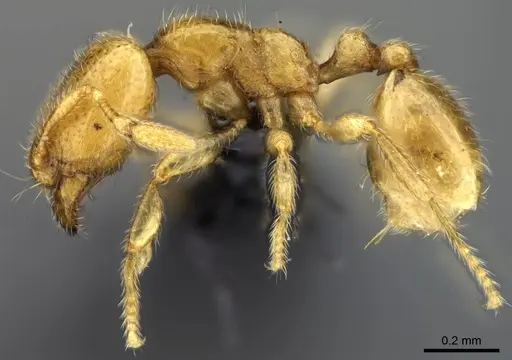
CASENT0047187
View on AntWeb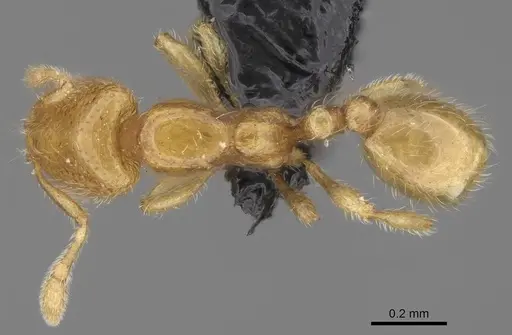
CASENT0048931
View on AntWeb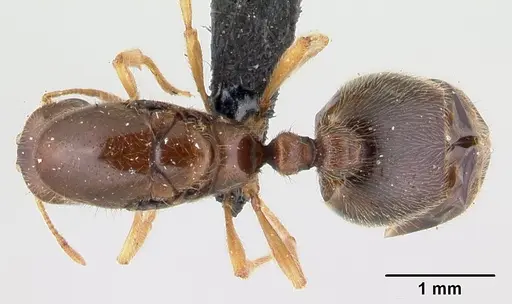
CASENT0101813
View on AntWeb
CASENT0101999
View on AntWeb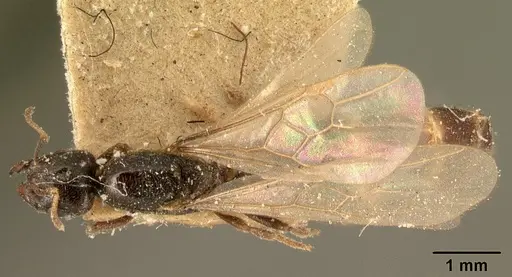
CASENT0133049
View on AntWeb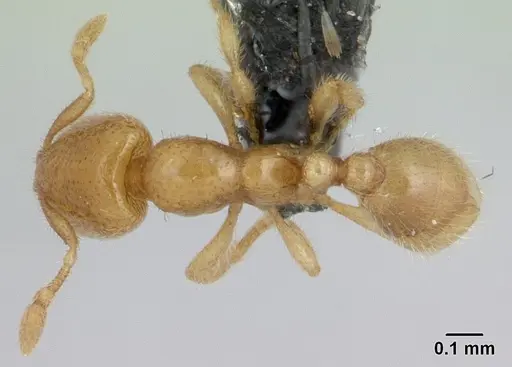
CASENT0133170
View on AntWeb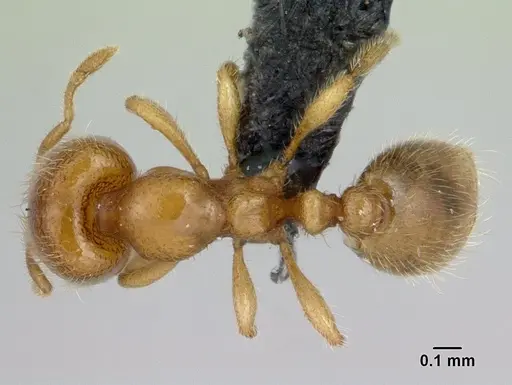
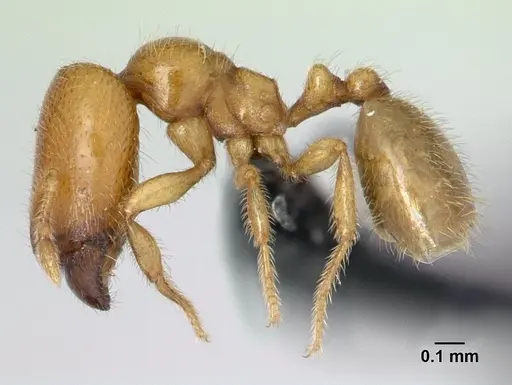
CASENT0147362
View on AntWeb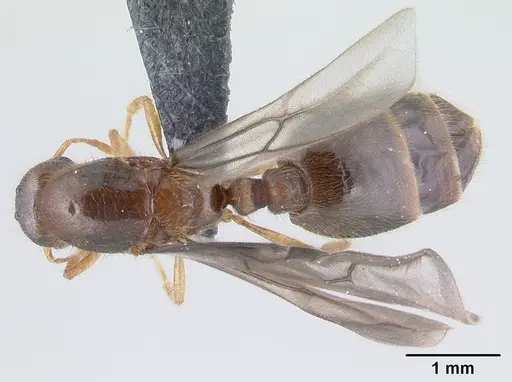
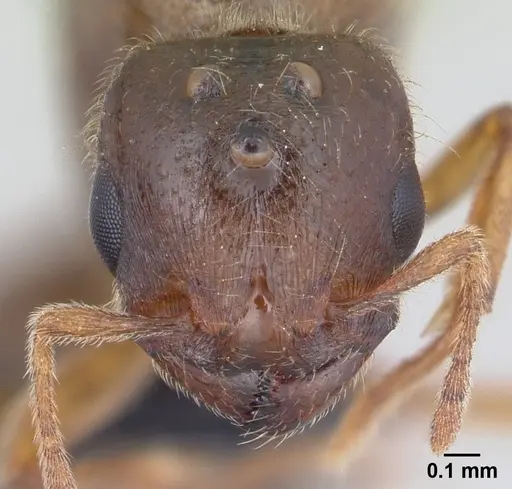
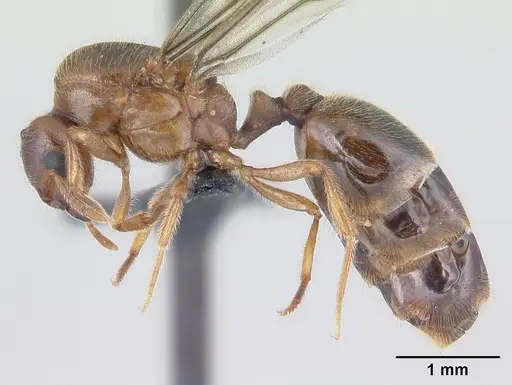
CASENT0147483
View on AntWeb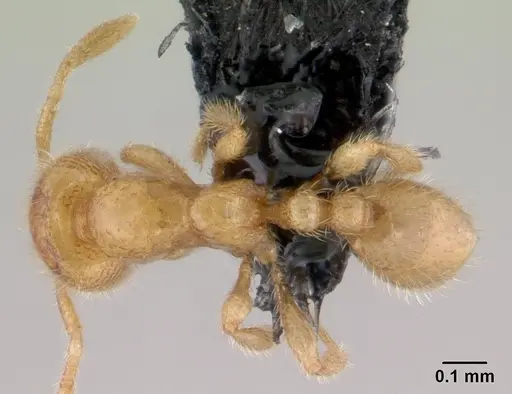
CASENT0147574
View on AntWeb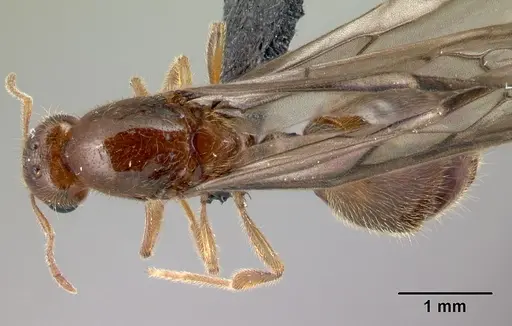
CASENT0172790
View on AntWeb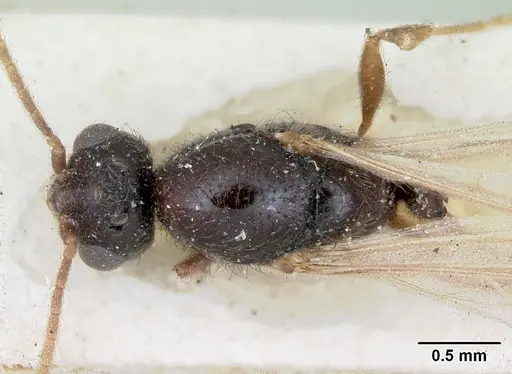
CASENT0444646
View on AntWeb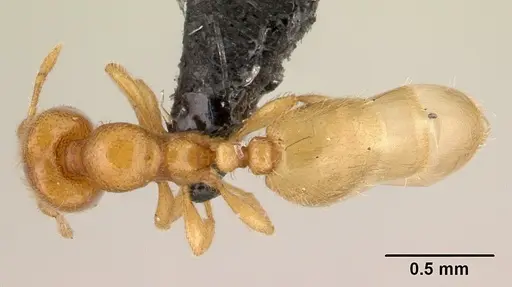
CASENT0451421
View on AntWeb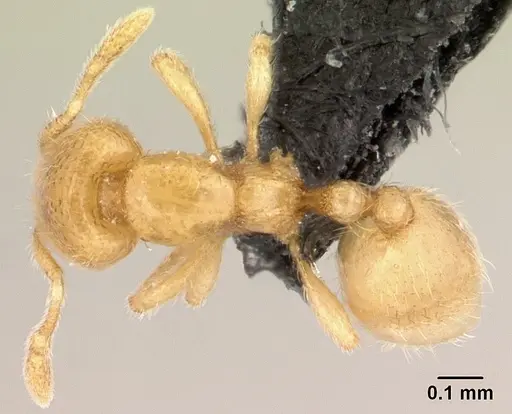
CASENT0906665
View on AntWeb
Literature
Loading distribution map...Loading products...