
Carebara fayrouzae
- Sci. Name
- Carebara fayrouzae
- Tribe
- Crematogastrini
- Subfamily
- Myrmicinae
- Author
- Sharaf, 2013
- Distribution
- Found in 1 countries
Introduction
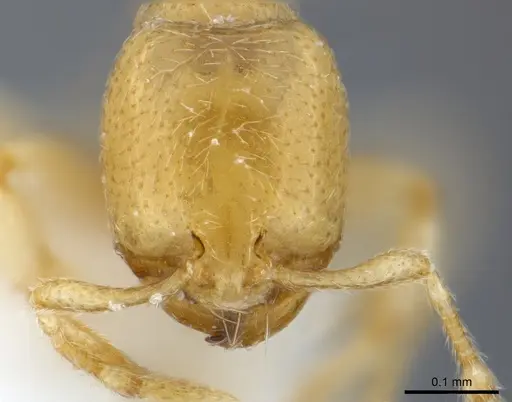
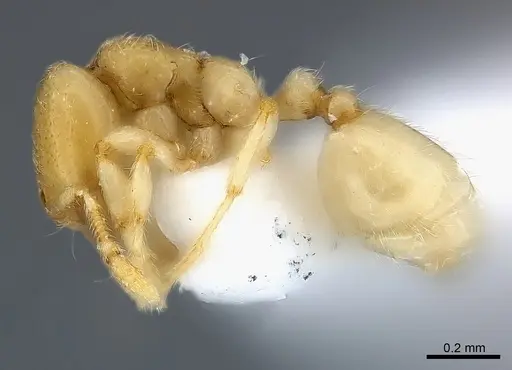
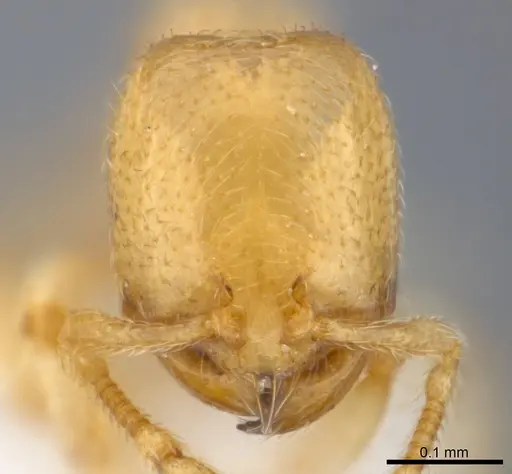
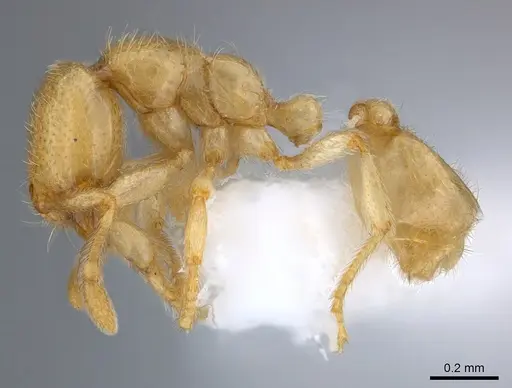
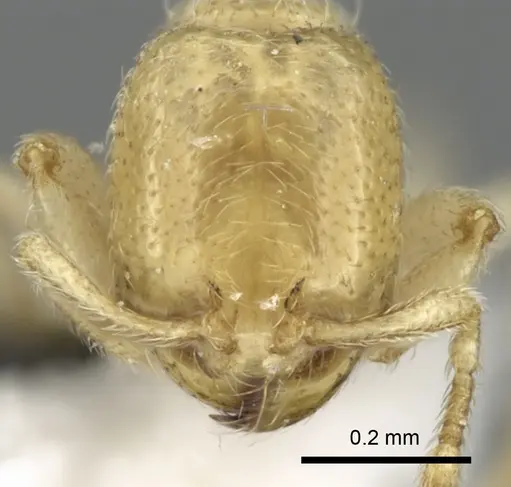
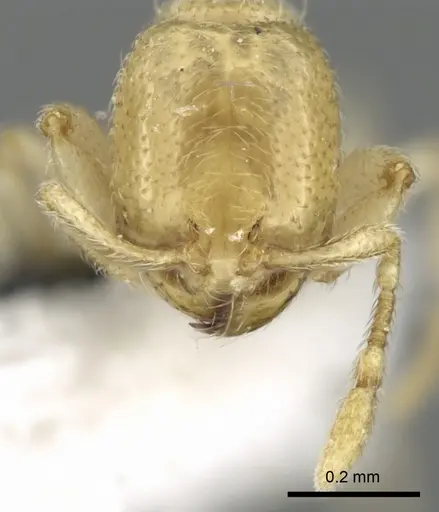
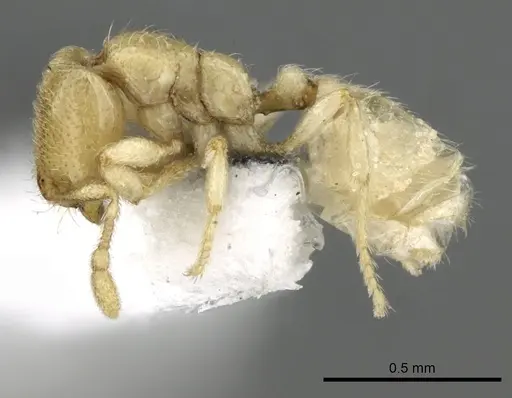
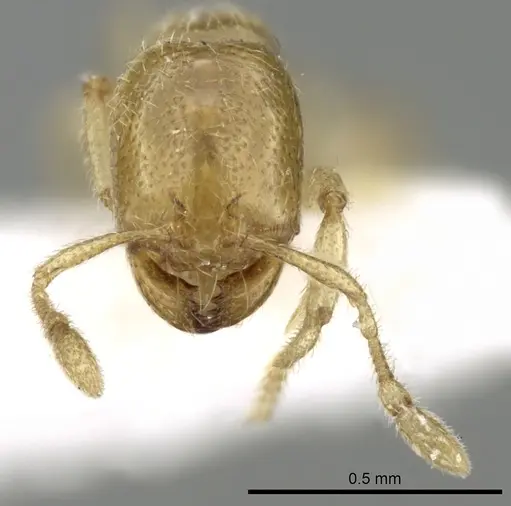
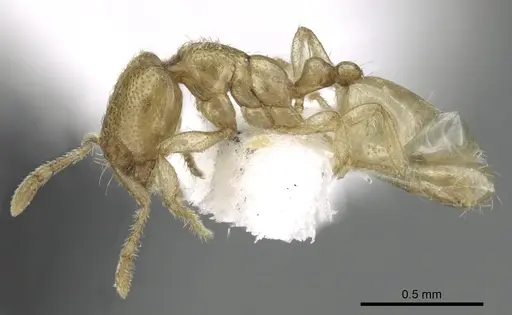
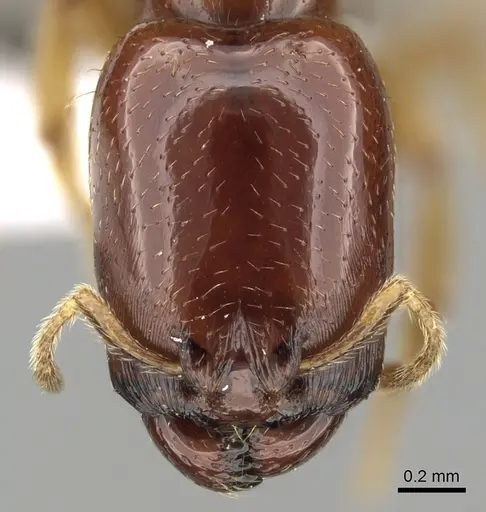
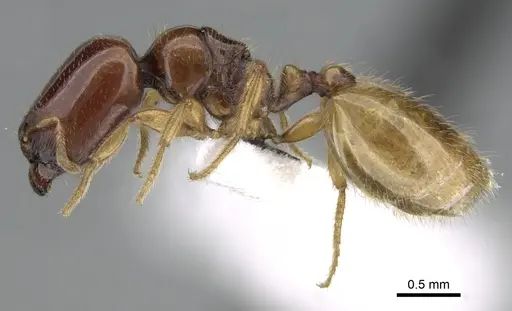
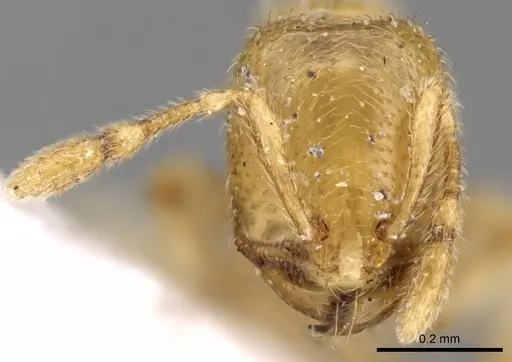
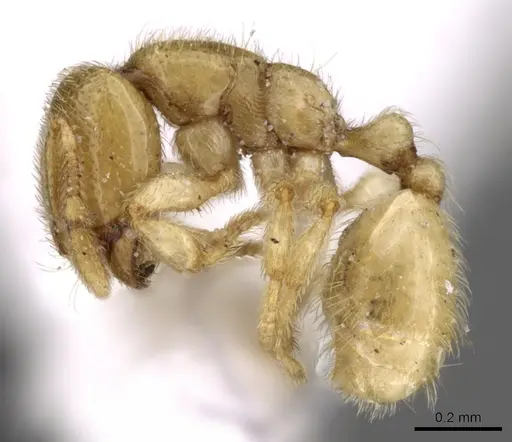
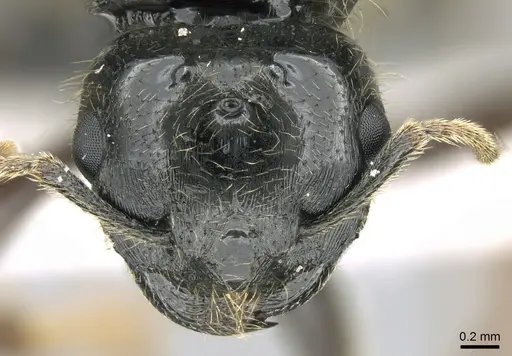
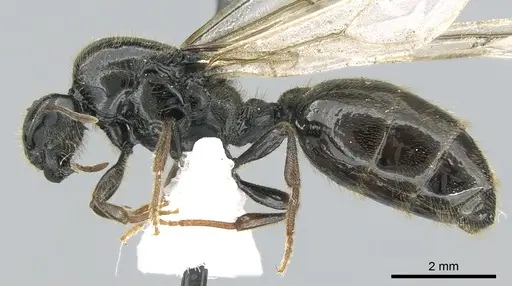
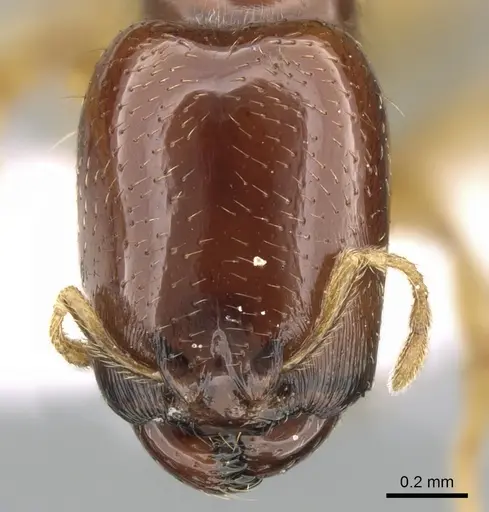
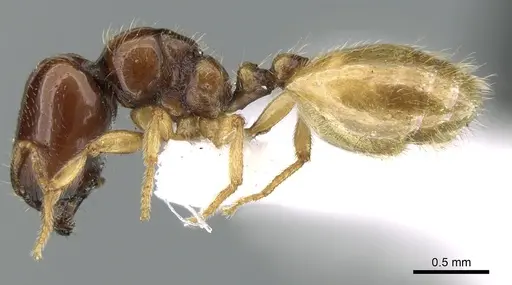
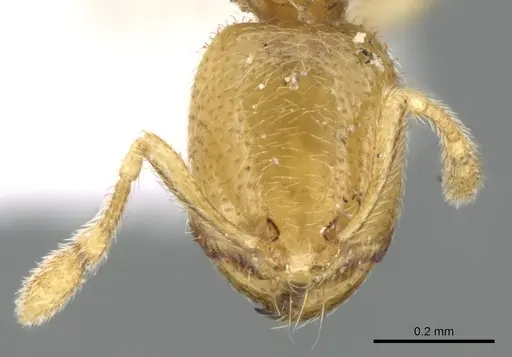
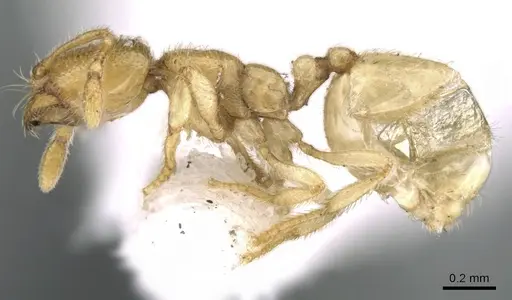
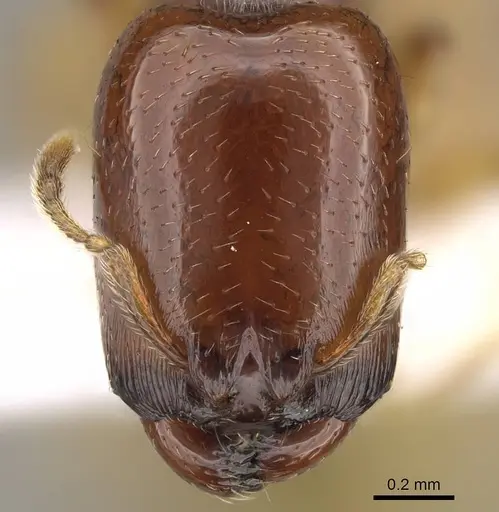
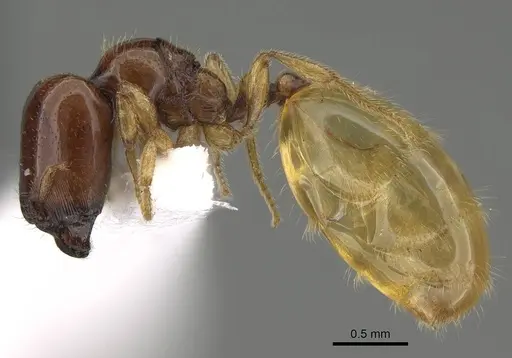
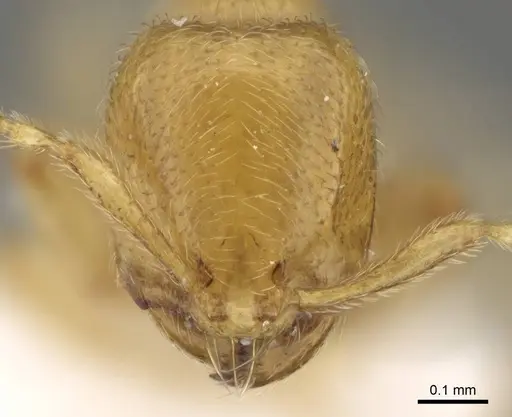
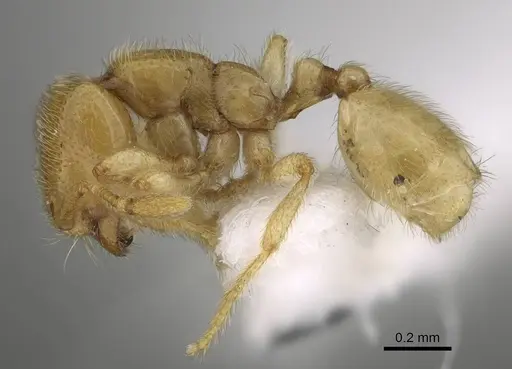
Carebara fayrouzae is a tiny myrmicine ant species native to Saudi Arabia, where it inhabits desert and semi-desert ecosystems in the central and eastern regions. This species was only recently described in 2013, making it one of the more recently discovered Arabian ants. The genus Carebara is known for dramatic size differences between castes - minor workers are just 1.66-1.94mm while queens reach an impressive 9.75-10.75mm . Major workers (soldiers) measure 3.27-5.00mm and feature a distinctive bicolored pattern with brownish head and mesosoma contrasting against yellow antennae, legs, and gaster . Minor workers are uniformly pale yellow and nearly translucent in appearance. All castes have nine-segmented antennae and an unarmed propodeum (no spines on the rear of the thorax) . This species belongs to the Carebara lignata species complex and represents only the second Carebara species recorded from the Arabian Peninsula .
Quick Summary
- Difficulty: Medium
- Origin & Habitat: Native to Saudi Arabia, specifically the central and eastern desert regions. Nests in leaf litter under almond trees in farm areas, with colonies found in the upper organically enriched clay layer and occasionally in deeper loose sand layers [1][2].
- Colony Type: Colony structure is unconfirmed. The genus Carebara typically forms single-queen colonies, but specific data for C. fayrouzae is lacking.
- Size & Growth:
- Queen: 9.75-10.75 mm [1]
- Worker: Minor workers: 1.66-1.94 mm, Major workers: 3.27-5.00 mm [1]
- Colony: Unknown, no colony size data available for this species
- Growth: Unknown, no development timing data available
- Development: Unknown, no direct development data exists for this species (No development timing studies exist for C. fayrouzae. Estimates based on related Carebara species suggest development takes several weeks to months at warm temperatures.)
- Antkeeping:
- Temperature: Keep at 24-30°C. Desert species from Saudi Arabia prefer warm conditions. A heating cable on one side of the nest creates a temperature gradient allowing ants to self-regulate.
- Humidity: Moderate. This is a desert species but nests in leaf litter with organically enriched soil, keep substrate slightly moist but not waterlogged. The upper clay layer in their natural habitat was organically enriched but not saturated [1][2].
- Diapause: Likely none, desert ants from hot climates typically remain active year-round with possible slowdown during extreme heat. No specific diapause data available.
- Nesting: This species naturally nests in leaf litter and shallow soil. In captivity, test tube setups work well for founding colonies. The tiny minor workers (under 2mm) require tight escape prevention, fine mesh barriers are essential. Y-tong (AAC) nests or small formicaria work well.
- Behavior: These ants are small and relatively docile. Minor workers are nearly blind (often with only 1-3 ommatidia or no eyes at all) and rely heavily on chemical trails and vibrations [3]. Major workers serve as soldiers and may defend the colony. They are likely nocturnal or crepuscular foragers based on their tiny eyes. All castes can squeeze through very small gaps due to their minute size, escape prevention is critical. They probably feed on small insects, honeydew, and organic debris like other Carebara species. As Myrmicinae, they have a modified stinger used to smear venom rather than pierce flesh.
- Common Issues: escape prevention is critical, minor workers are under 2mm and can squeeze through standard barrier gaps, no development data means you are pioneering husbandry, expect a learning curve, desert species are sensitive to overwatering, too much moisture can kill colonies, tiny workers are difficult to feed, prey items must be appropriately sized, limited availability as a newly described species, finding colonies may be difficult
Housing and Nest Setup
Carebara fayrouzae is a tiny ant that requires careful attention to housing. In the wild, they nest in leaf litter under almond trees, with most foragers found in the upper organically enriched clay layer and fewer in deeper sand layers [1]. For captivity, test tube setups work well for founding colonies. Use a small water reservoir but avoid flooding, these desert ants prefer drier conditions. When the colony grows, transfer to a small Y-tong (AAC) formicarium with appropriately sized chambers. The nest material should be slightly moist but not wet, mimicking the semi-dry conditions of their desert habitat. Because minor workers are only 1.66-1.94mm, escape prevention must be excellent, standard cotton ball barriers may not suffice. Use fluon-coated barriers or fine mesh (at least 0.5mm mesh size) on all openings.
Feeding and Diet
While no specific diet studies exist for C. fayrouzae, Carebara species are typically omnivorous scavengers that feed on small insects, honeydew, and organic matter. In captivity, offer small protein sources like fruit flies, pinhead crickets, small mealworms, and other appropriately sized insects. Sugar water or honey can be offered occasionally, though these tiny ants may have difficulty accessing liquid foods due to their size, use a soaked cotton ball or very shallow dish. Feed small amounts every few days and remove uneaten food to prevent mold. Given their tiny minor workers (under 2mm), prey items must be very small, springtails, fruit fly parts, or tiny crickets work well.
Temperature and Heating
As a desert species from Saudi Arabia, Carebara fayrouzae requires warm temperatures. Keep the nest area between 24-30°C, with a slight gradient allowing workers to self-regulate. A small heating cable placed on one side of the nest can provide warmth, but avoid direct contact with the nest material to prevent overheating. Room temperature (around 24-26°C) may be sufficient in warmer climates. Monitor colony activity, if workers become sluggish or cluster together, slightly increase temperature. During winter, a slight reduction to room temperature is acceptable, but avoid cold drafts. The desert environment suggests they can tolerate brief temperature fluctuations but prefer stable warmth. [1]
Handling and Colony Care
This species is newly described and rarely kept in captivity, meaning you will be pioneering husbandry techniques. Handle colonies gently and avoid disturbing the queen during the founding stage. Major workers (3.27-5.00mm) serve as soldiers and may defend the colony, though they are not particularly aggressive. The tiny minor workers are fragile and can easily become trapped in condensation or drowned in water reservoirs, use small water tubes with appropriate cotton size. Watch for signs of stress like workers fleeing the nest or refusing food. Because this species has not been widely kept, be prepared to experiment with different setups and adjust based on colony response. Photography and documentation of your colony will contribute valuable information to the antkeeping community. [1]
Understanding Their Unique Morphology
Carebara fayrouzae has several distinctive physical features that make it unique among Arabian ants. All castes have nine-segmented antennae, which is unusual in the genus [1]. Major workers (soldiers) have minute eyes, sometimes with only 1-3 ommatidia or completely absent, this is an adaptation to their cryptic lifestyle in leaf litter and soil [3]. The propodeum (the rear section of the thorax) is completely unarmed, meaning there are no spines, this helps distinguish it from similar species like Carebara arabica [1]. The bicolored major workers (brownish head and mesosoma with yellow abdomen) are particularly striking and make this species visually distinctive. Queens are dramatically larger (9.75-10.75mm) than workers, which is typical of Carebara but still impressive to observe.
Frequently Asked Questions
How long does it take for Carebara fayrouzae to have first workers?
The exact development time is unknown, this species has not been studied in captivity. Based on typical Myrmicinae development at warm temperatures, expect first workers several weeks to a few months after the queen lays eggs. Be patient as this is a newly kept species and timelines may vary.
What do Carebara fayrouzae ants eat?
Like other Carebara species, they likely accept small insects (fruit flies, springtails, tiny crickets), honeydew, and occasionally sugar water or honey. Prey must be very small due to their tiny minor workers (under 2mm). Offer protein regularly and remove uneaten food promptly.
Are Carebara fayrouzae ants good for beginners?
This species is rated Medium difficulty. While not the most challenging ant, they are a newly described species with limited husbandry information, making them better suited for keepers who enjoy experimenting and documenting their findings. Their tiny size requires careful attention to escape prevention.
Do Carebara fayrouzae ants sting?
They have a stinger like other Myrmicinae, but due to their tiny size (minor workers under 2mm), they are unlikely to penetrate human skin. Major workers may give a mild nip if handled roughly, but they are not considered dangerous or aggressive.
How big do Carebara fayrouzae colonies get?
Colony size is unknown, no wild colony data exists for this recently described species. Based on related Carebara species, colonies likely reach several hundred to a few thousand workers over several years.
Can I keep multiple Carebara fayrouzae queens together?
Colony structure is unconfirmed for this species. The genus Carebara typically forms single-queen colonies, but combining unrelated queens has not been documented. Do not attempt pleometrosis (multiple queen founding) without specific evidence this species tolerates it.
What temperature do Carebara fayrouzae ants need?
Keep them warm at 24-30°C. As a desert species from Saudi Arabia, they prefer stable warmth. A heating cable on one side of the nest creates a gradient for self-regulation. Avoid temperatures below 20°C or above 35°C.
Do Carebara fayrouzae need hibernation?
Likely no. This is a desert species from a hot climate, they probably remain active year-round with possible slowdown during extreme summer heat. No diapause or hibernation is required, but a slight temperature reduction in winter is acceptable.
Why are my Carebara fayrouzae escaping?
Minor workers are extremely small (1.66-1.94mm) and can squeeze through tiny gaps. Use fine mesh barriers (0.5mm or smaller), fluon-coated edges, and ensure all lid seams are tight. Check for any gaps larger than 1mm.
When should I move Carebara fayrouzae to a formicarium?
Move from test tube to a formicarium when the colony reaches a size where the test tube becomes crowded. Ensure the new setup has appropriately sized chambers and maintains similar humidity levels to reduce transfer stress.
Report an Issue
The current care sheet is based fully on literature. See inconsistencies, or something that's incorrect? Please , it will be resolved after review from an admin. Contributing to the blogs tab also helps providing information, to make us be able to further improve the caresheets. Thank you for your support!
References

This caresheet is licensed under CC BY-SA 4.0 .
Community Blogs
CASENT0217362
View on AntWeb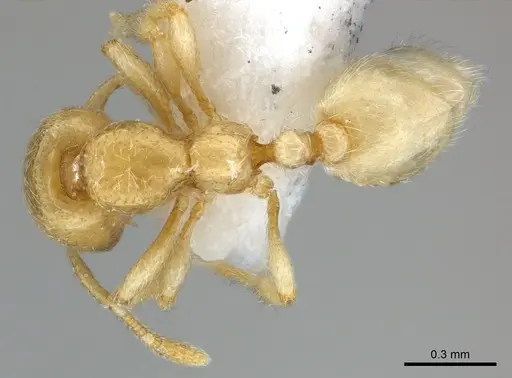
CASENT0217368
View on AntWeb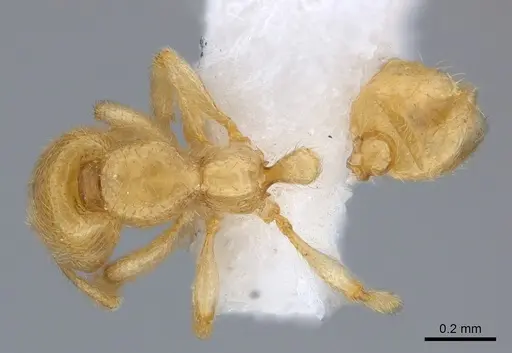
CASENT0249865
View on AntWeb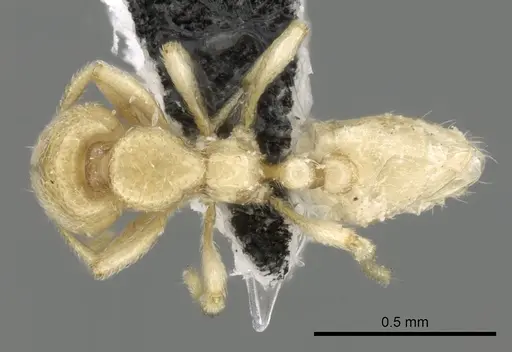
CASENT0249868
View on AntWeb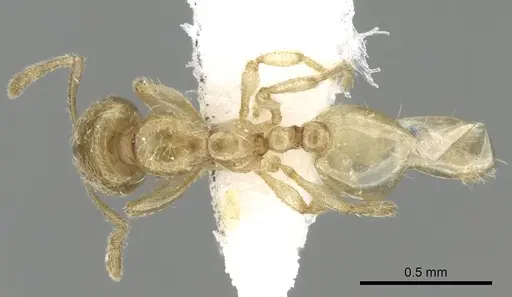
CASENT0280975
View on AntWeb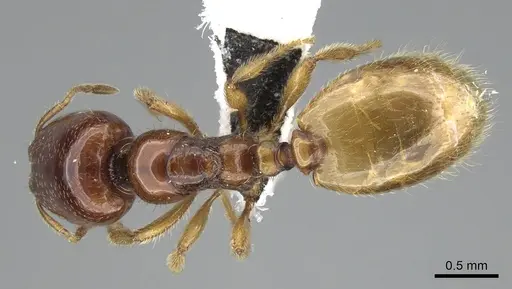
CASENT0280994
View on AntWeb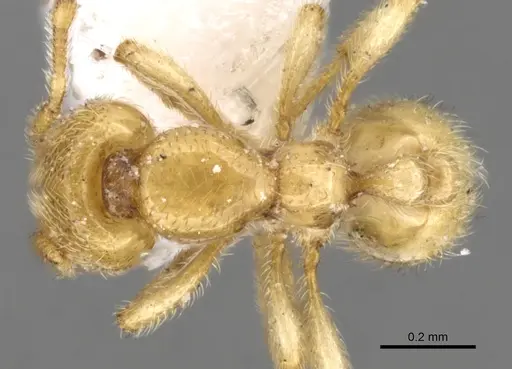
CASENT0906362
View on AntWeb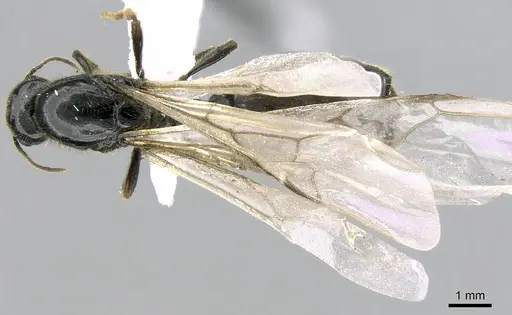
CASENT0906363
View on AntWeb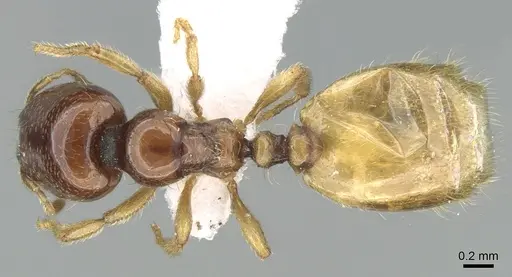
CASENT0906364
View on AntWeb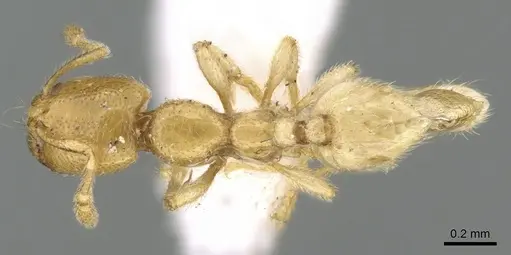
CASENT0919795
View on AntWeb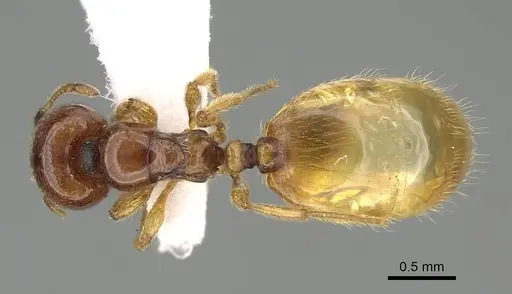
CASENT0919796
View on AntWeb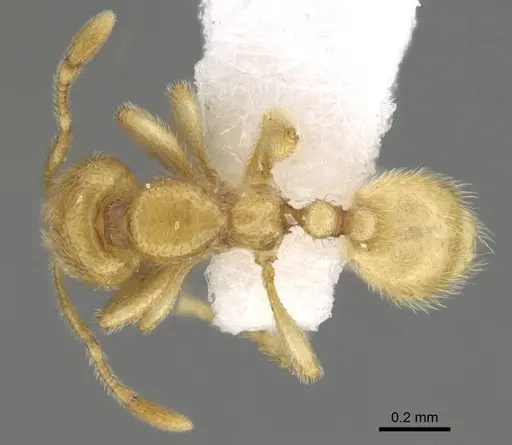
Literature
Loading distribution map...Loading products...