
Carebara diabola
- Sci. Name
- Carebara diabola
- Tribe
- Crematogastrini
- Subfamily
- Myrmicinae
- Author
- Santschi, 1913
- Distribution
- Found in 1 countries
Introduction
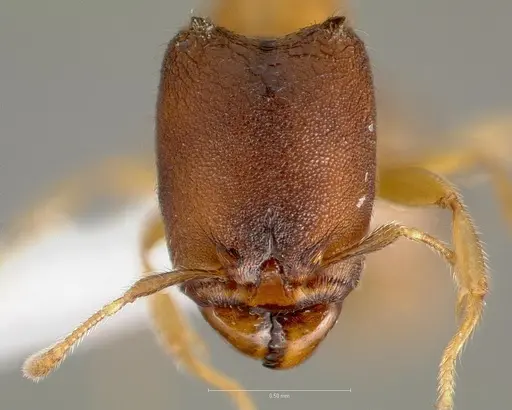
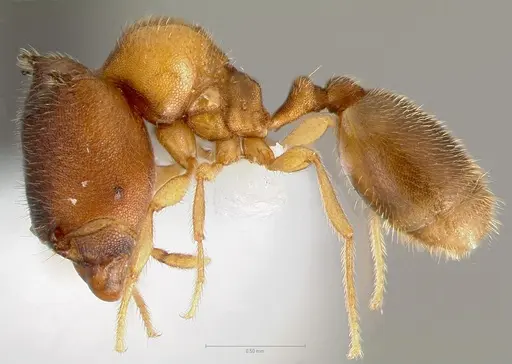
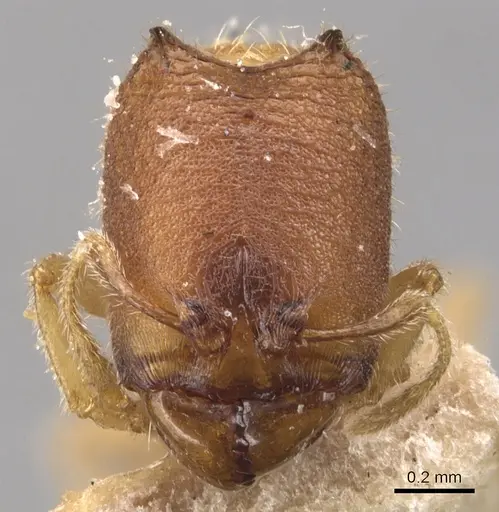
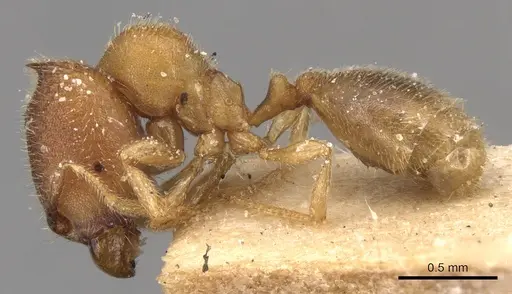
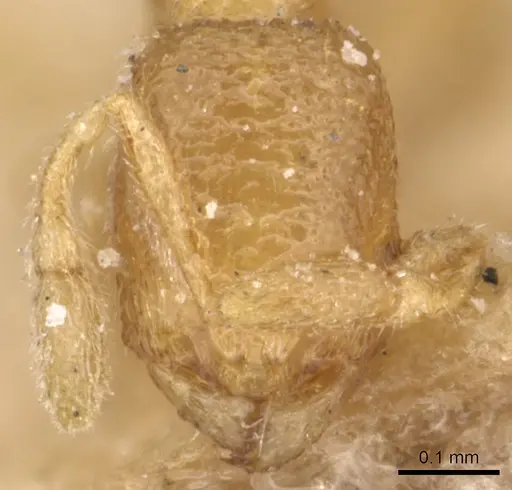
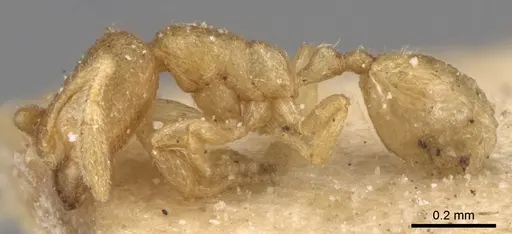
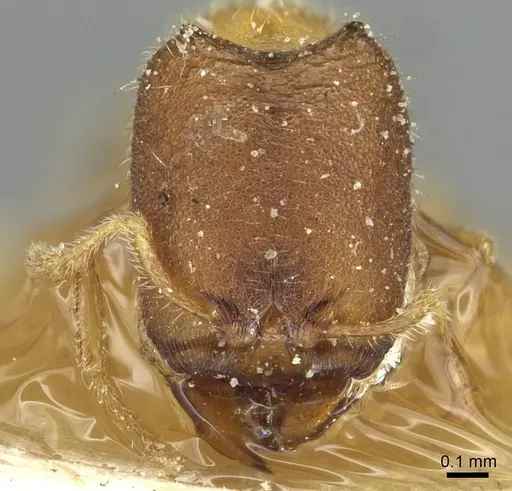
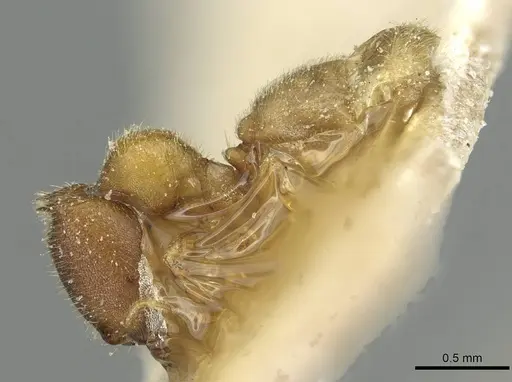
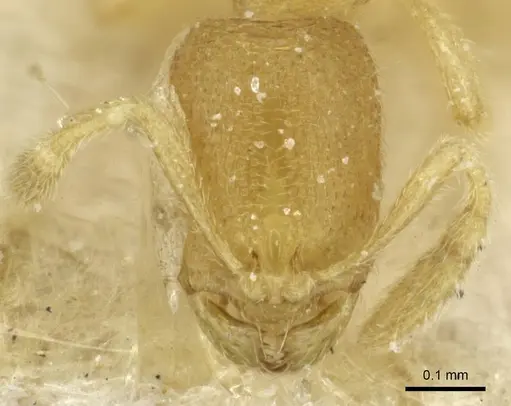
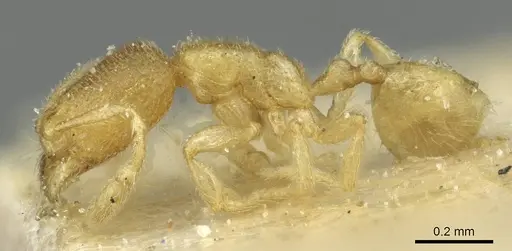
Carebara diabola is a tiny West African ant species native to Cameroon and Ivory Coast. Workers are very small with major workers (soldiers) having distinctly enlarged heads compared to minor workers. The species was originally described as Oligomyrmex diabolus and has been reclassified several times before being placed in Carebara. In the wild, they inhabit mid-elevation areas in Central Cameroon, found most commonly around 900m altitude. These are cryptic ants that likely nest in soil or rotting wood in forested areas, typical of the Carebara genus.
Quick Summary
- Difficulty: Unknown, too little documented to assess
- Origin & Habitat: West Africa, Cameroon and Ivory Coast. Found at elevations between 800-1150m in Central Cameroon, suggesting preference for mid-elevation forest habitats [1].
- Colony Type: Colony structure is unconfirmed. Based on genus Carebara patterns, likely single-queen colonies with major and minor worker castes.
- Size & Growth:
- Queen: Size data unavailable, inferred from Carebara genus patterns to be approximately 4-6mm
- Worker: Very small, minor workers are tiny, major workers have enlarged heads [2].
- Colony: Estimated up to a few hundred workers based on typical Carebara size
- Growth: Estimated moderate based on genus patterns
- Development: Unconfirmed, estimated 6-8 weeks based on related Myrmicinae at optimal temperature (No direct development data exists for this species. Estimate based on genus-level patterns for small tropical Myrmicinae.)
- Antkeeping:
- Temperature: Estimated 24-28°C based on elevation data (800-1150m), they likely prefer warm but not extreme conditions. Avoid temperatures below 20°C.
- Humidity: Based on West African forest habitat, they need moderate to high humidity. Keep nest substrate consistently moist but not waterlogged. Provide a moisture gradient so ants can choose their preferred zone.
- Diapause: Unknown, as a tropical species from Cameroon, likely no true diapause but may reduce activity in cooler months.
- Nesting: Based on genus patterns, likely nests in soil or rotting wood. In captivity, a small test tube setup or Y-tong nest with moist substrate works well. Avoid large open spaces, these are tiny ants that need appropriately scaled chambers.
- Behavior: Behavior is undocumented for this specific species. Based on genus Carebara patterns, they are likely cryptic and not aggressive. Major workers (soldiers) may defend the colony. They probably forage for small prey and honeydew. Escape prevention is critical due to their very small size, use fine mesh and tight-fitting barriers.
- Common Issues: tiny size makes escape likely without fine mesh barriers, very limited natural history data makes proper care challenging, wild-caught colonies may have parasites or diseases not yet understood, humidity requirements are uncertain, start with moderate-high and observe, slow growth may cause keepers to overfeed or disturb the colony unnecessarily
Species Background and Identification
Carebara diabola was originally described by Santschi in 1913 as Carebara diabola, based on specimens collected in Victoria, Cameroon by F. Silvestri. The species has undergone several reclassifications, moving through Aneleus and Oligomyrmex before being placed in Carebara by Fernández in 2004. The species has two known castes: major workers (sometimes called soldiers) with distinctly enlarged heads, and minor workers. Distribution is limited to Cameroon and Ivory Coast in West Africa. In Cameroon, they have been recorded at elevations between 800-1150m, with the highest occurrence counts at around 900m elevation. [1][2]
Natural Habitat and Elevation Preferences
Based on collection data from Central Cameroon, Carebara diabola appears to prefer mid-elevation habitats around 900m. The elevation range of 800-1150m suggests they inhabit forested areas at these altitudes, which in Cameroon would be in highland forest zones. This is consistent with many Carebara species that are cryptic forest-dwellers. The elevation data suggests they may prefer slightly cooler conditions than true lowland tropical ants, but still within warm tropical ranges. [1]
Housing and Nest Setup
Due to their very small size, Carebara diabola requires appropriately scaled housing. A small test tube setup works well for founding colonies, use a test tube with a cotton ball providing a water reservoir. For established colonies, a Y-tong nest with small chambers or a small plaster nest with moisture retention works well. The key is tight chambers scaled to their tiny size, avoid large open spaces. Because of their small size, escape prevention must be excellent. Use fine mesh on any ventilation holes and ensure all connections are sealed. A humidity gradient within the nest allows the colony to self-regulate.
Feeding and Diet
Carebara species are typically omnivorous, feeding on small insects, honeydew, and occasionally seeds. For Carebara diabola, offer small live prey appropriate to their size, fruit flies, pinhead crickets, and small mealworms work well. They likely cannot tackle large prey items. Sugar sources like honey water or sugar water can be offered occasionally, though many tiny Myrmicinae prefer protein. Feed small amounts and remove uneaten food to prevent mold. Adjust feeding frequency based on colony size and consumption rate.
Temperature and Seasonal Care
Based on their elevation range (800-1150m), Carebara diabola likely prefers warm but not extreme temperatures. Start around 24-28°C as a baseline and observe colony behavior. If workers cluster near the warm side, increase slightly, if they avoid heated areas, reduce temperature. As a tropical West African species, they likely do not require true hibernation. However, they may reduce activity during cooler periods. Avoid temperatures below 20°C as a safety threshold. A heating cable on one side of the nest can create a gentle gradient.
Challenges and Limitations
Carebara diabola is one of the least documented ant species in the hobby. There is very limited scientific data on its biology, behavior, colony structure, and exact care requirements. Everything in this caresheet is either inferred from genus-level patterns or estimated from related species. This makes it a challenging species for even experienced antkeepers. If you obtain this species, careful observation and documentation of your colony's behavior would be valuable contributions to the antkeeping community. Start with conservative parameters and adjust based on how your colony responds.
Frequently Asked Questions
How long does it take for Carebara diabola to produce first workers?
This is unconfirmed for this specific species. Based on genus patterns for small Myrmicinae, estimate 6-8 weeks from egg to worker at optimal temperature (around 26°C). The first workers (nanitics) will likely be smaller than normal workers.
What do Carebara diabola ants eat?
Based on genus patterns, they likely accept small live prey (fruit flies, small crickets, micro mealworms) and may take sugar sources like honey water. Feed small amounts and remove uneaten food promptly.
Do Carebara diabola ants sting?
Given their very small size, any sting would be negligible to humans. Most tiny Myrmicinae cannot penetrate human skin. However, major workers may bite if threatened.
Can I keep Carebara diabola in a test tube?
Yes, a test tube setup is appropriate for founding colonies. Use a small test tube with a water reservoir via cotton ball. Ensure tight escape prevention, their tiny size means they can squeeze through very small gaps.
What temperature should I keep Carebara diabola at?
Estimated 24-28°C based on their elevation range in Cameroon. Create a gentle gradient so the colony can choose its preferred temperature. Avoid temperatures below 20°C.
How big do Carebara diabola colonies get?
Colony size is unconfirmed for this species. Based on typical Carebara patterns, expect up to a few hundred workers at maturity. They have major and minor worker castes.
Is Carebara diabola good for beginners?
No. This species has almost no documented care information, making it challenging even for experienced keepers. The limited natural history data means you will be largely pioneering care techniques. Consider more established species first.
Do Carebara diabola need hibernation?
Unknown, as a tropical species from Cameroon, true hibernation is unlikely. They may reduce activity in cooler months but probably do not need a diapause period.
Why are my Carebara diabola dying?
Without specific data, common causes could include: temperature stress (too cold or too hot), humidity issues (too dry or waterlogged), escape-related mortality, or stress from overhandling. Document your setup and conditions carefully when troubleshooting.
When should I move Carebara diabola to a formicarium?
Wait until the colony has at least 20-30 workers and the test tube space is becoming crowded. For this tiny species, a small Y-tong or plaster nest with appropriately scaled chambers works well.
Report an Issue
The current care sheet is based fully on literature. See inconsistencies, or something that's incorrect? Please , it will be resolved after review from an admin. Contributing to the blogs tab also helps providing information, to make us be able to further improve the caresheets. Thank you for your support!
References

This caresheet is licensed under CC BY-SA 4.0 .
Community Blogs
CASENT0409323
View on AntWeb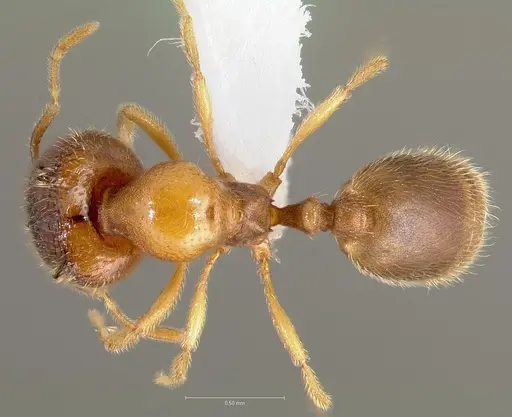
CASENT0904663
View on AntWeb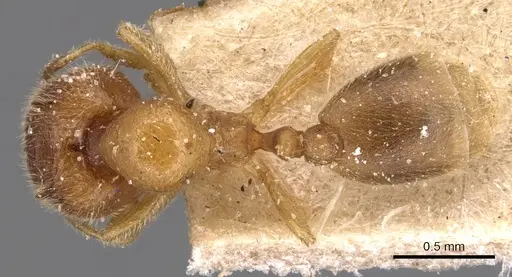
CASENT0904664
View on AntWeb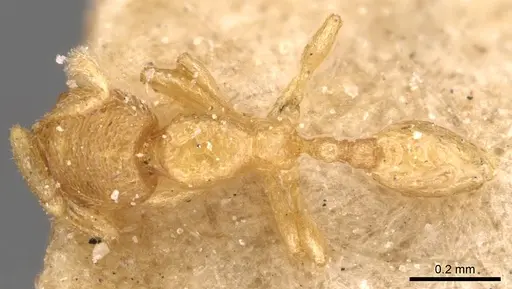
CASENT0913503
View on AntWeb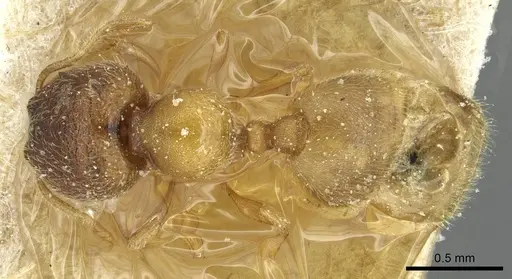
CASENT0913504
View on AntWeb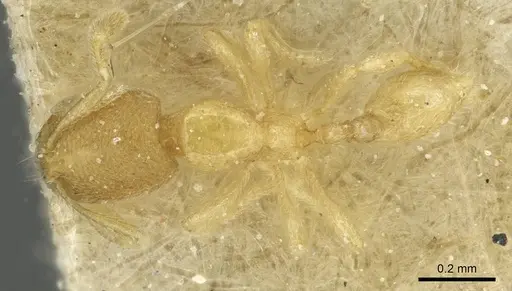
Literature
Loading distribution map...Loading products...