
Carebara creolei
- Sci. Name
- Carebara creolei
- Tribe
- Crematogastrini
- Subfamily
- Myrmicinae
- Author
- Azorsa & Fisher, 2018
- Distribution
- Found in 2 countries
Introduction
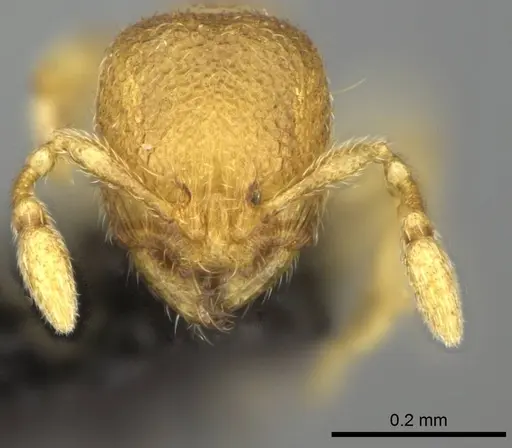
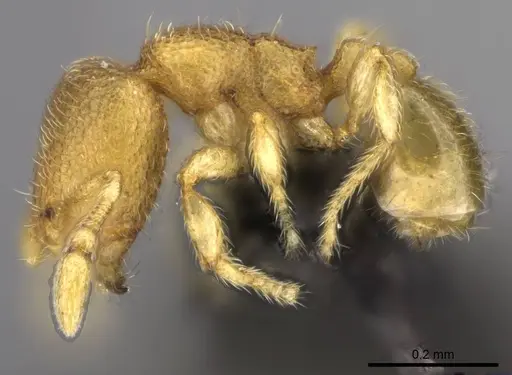
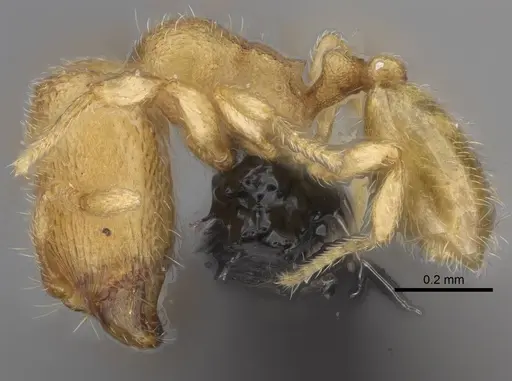
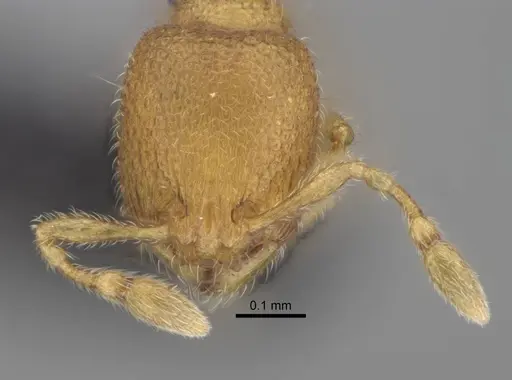
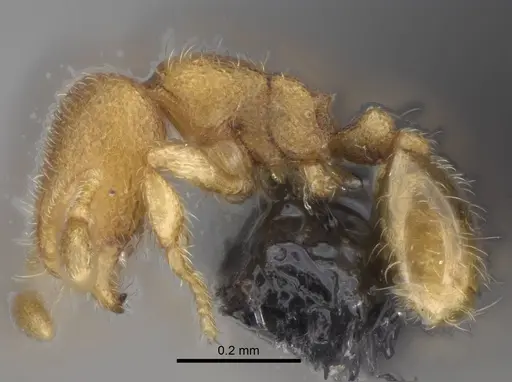
Carebara creolei is a tiny two-caste ant (major and minor workers) endemic to Mauritius and Seychelles in the Indian Ocean. Minor workers are among the smallest ants in the region at approximately 1.2mm total length, while major workers are slightly larger . They have a distinctive yellowish-ferruginous color with completely sculptured heads and mesosoma, and uniquely possess nine-segmented antennae (shared only with Carebara grandidieri in the region) . These ants live in coastal scrub, mangrove, mixed forest, and rainforest habitats at elevations from 1-200 meters, nesting in sifted litter, leaf mold, rotten wood, and under coconut husks . This species was only described in 2018, making it one of the most recently described Carebara species. Notably, there are no intermediate forms between major and minor worker castes - the major workers are clearly distinct from minors . The fact that they appear on two geographically distant islands (Mauritius and Seychelles) raises the possibility of human-mediated introduction, though no source population has been identified in Southeast Asia [AntWiki].
Quick Summary
- Difficulty: Medium
- Origin & Habitat: Mauritius and Seychelles islands in the Indian Ocean. Found in coastal scrub, mangrove, mixed forest, and rainforest at elevations 1-200 meters [1].
- Colony Type: Colony structure is unconfirmed. No data on queen number or colony size in the scientific literature.
- Size & Growth:
- Queen: Size data unavailable, queen has not been described in the original species description [1]
- Worker: Minor workers approximately 1.2mm total length. Major workers are larger but exact measurements unavailable [1]
- Colony: Unknown, no colony size data available
- Growth: Unknown, no development data available
- Development: Estimated 4-8 weeks at warm temperatures based on typical small Myrmicinae patterns. (Estimated based on genus patterns. Small size suggests relatively fast development compared to larger ants.)
- Antkeeping:
- Temperature: Keep at 24-28°C. Based on their tropical island habitat (Mauritius/Seychelles), they prefer warm conditions. A gentle heat gradient allows workers to regulate their temperature.
- Humidity: Keep substrate consistently moist. Their natural habitat includes coastal scrub, mangrove, and rainforest, all humid environments. Provide damp leaf litter or soil substrate.
- Diapause: Unknown, no data on overwintering requirements. As a tropical species from islands near the equator, they likely do not require a true diapause.
- Nesting: Provide a naturalistic setup with multiple small chambers filled with damp substrate (soil/leaf litter mix). They naturally nest in sifted litter, rotting wood, and under debris. A Y-tong or plaster nest with small chambers scaled to their tiny size also works well.
- Behavior: These ants are extremely small and likely secretive. They are probably nocturnal or crepuscular foragers based on their tiny eyes (single ommatidium). They will likely accept small live prey (springtails, fruit flies) and may tend aphids for honeydew. Escape prevention is critical, their minute size means they can squeeze through the tiniest gaps. Use fine mesh barriers and tight-fitting lids.
- Common Issues: escape prevention is critical, their extremely small size means they can squeeze through gaps that larger ants cannot, no colony size data means growth expectations are uncertain, humidity management is challenging, they need damp substrate but not flooding, as a recently described species (2018), captive care is not well-established, wild-caught colonies may be stressed from collection methods and have high mortality
Housing and Nest Setup
Carebara creolei is an extremely small ant that requires careful attention to nest dimensions and escape prevention. In the wild, they live in sifted leaf litter, leaf mold, rotten wood, and under debris like coconut husks [1]. For captivity, a naturalistic setup works best, a shallow container filled with a damp soil/leaf litter mixture allows them to create their own tunnels. Alternatively, a Y-tong or plaster nest with very small chambers scaled to their tiny size provides good visibility. The key is ensuring chambers are appropriately sized, too large and the ants will feel exposed, too small and they cannot move properly. Use tight-fitting lids and apply fluon or similar barriers to all openings. Because minor workers are only about 1.2mm total length, standard ant keeping barriers may not work, fine mesh (at least 0.5mm or smaller) is essential for any ventilation holes.
Temperature and Humidity
As a species from tropical islands near the equator (Mauritius and Seychelles at roughly 20°S latitude), Carebara creolei expects warm and humid conditions year-round [1]. Keep the nest area at 24-28°C with a gentle gradient, this allows workers to move to their preferred temperature zone. Room temperature in most homes may be too cold, so a small heating cable or mat on one side of the nest can help maintain warmth. Humidity should be high, think damp forest floor. The substrate should feel consistently moist but not waterlogged. Provide a water tube or small water source, and mist the outworld occasionally. However, avoid stagnant air as this promotes mold. Good ventilation while maintaining humidity is key, small ventilation holes or mesh screens help balance this.
Feeding and Diet
Based on typical Carebara genus behavior and their tiny size, these ants are likely omnivorous with a preference for small protein sources. In the wild, they were collected using Winkler traps from leaf litter, suggesting they forage on the forest floor for small invertebrates [1]. Feed small live prey such as springtails, fruit flies, and tiny crickets. They will likely accept protein jelly or crushed insects. Sugar sources may be accepted, try offering a drop of diluted honey or sugar water occasionally, but protein should be the primary food. Feed every 2-3 days and remove uneaten prey to prevent mold. Because they are so small, portion sizes should be tiny, just a few springtails or a small piece of protein jelly.
Colony Development and Growth
The queen of Carebara creolei has not been described in the scientific literature, so colony founding behavior is unknown [1]. Based on typical Carebara patterns, the colony likely starts with a single claustral queen (queen seals herself in and lives off stored fat) raising the first brood alone. Minor workers typically develop faster than majors, so you may see small workers first. The minor workers are already extremely small at approximately 1.2mm total length, among the smallest ants in the region [1]. Major workers develop later as the colony grows. Growth rate is unknown but likely moderate for their size. Be patient, small ant species often take months to establish visible populations. Do not disturb the founding chamber unnecessarily.
Handling and Temperament
Carebara creolei is likely a secretive, non-aggressive species that avoids confrontation. Their tiny eyes (single ommatidium) suggest limited vision and they probably rely more on chemical cues [1]. They are not known to sting and their small size makes them harmless to humans. However, their minute size makes them extremely difficult to handle or relocate without specialized tools. When working with the colony, use soft bristle brushes rather than forceps to move workers. Avoid disturbing the nest unnecessarily, these ants prefer dark, humid environments and may abandon disturbed areas. Their cryptic lifestyle means you may not see much activity outside the nest, which is normal behavior.
Frequently Asked Questions
How long does it take for Carebara creolei to produce first workers?
The exact timeline is unknown as this species was only described in 2018 and no captive breeding data exists. Based on typical Carebara patterns for small Myrmicinae, expect 4-8 weeks from egg to first worker at optimal warm temperatures (around 26°C). Be patient, small ant species often develop slowly in the founding stage.
What do Carebara creolei eat?
Based on their tiny size and genus patterns, they likely eat small live prey (springtails, fruit flies) and may accept honeydew from aphids. Offer small protein sources like crushed insects or protein jelly. Sugar sources like diluted honey may be accepted occasionally. Feed small amounts every 2-3 days.
Can I keep Carebara creolei in a test tube?
A test tube can work for a founding colony, but their tiny size and preference for leaf litter habitat suggests a naturalistic setup with damp substrate is better long-term. If using a test tube, ensure the cotton is packed tightly, these ants are so small they can squeeze through standard cotton fibers. Consider using a small container with soil/leaf litter mixture instead.
Do Carebara creolei ants sting?
They are extremely small Myrmicinae ants and do not have a painful sting. Their tiny size makes them harmless to humans. However, their minute size also makes them difficult to see and handle safely.
Are Carebara creolei good for beginners?
This species is not ideal for beginners. It was only described in 2018, so captive care is not well-established. Their extremely small size makes housing, feeding, and escape prevention challenging. Additionally, no colony size data exists, making growth expectations uncertain. Start with more established species like Lasius or Tetramorium before trying Carebara.
What temperature do Carebara creolei need?
Keep them warm at 24-28°C. Their native habitat on tropical Mauritius and Seychelles islands indicates they prefer warm, humid conditions. A small heating cable on one side of the nest can help maintain temperatures, especially in cooler climates.
Do Carebara creolei need hibernation?
No, as a tropical species from islands near the equator, they likely do not require a true diapause. Maintain warm temperatures year-round (24-28°C). Do not attempt to cool them significantly as this could stress or kill the colony.
Why are my Carebara creolei escaping?
Their extremely small size means they can squeeze through gaps that larger ants cannot. Use fine mesh (0.5mm or smaller) for any ventilation, ensure lids fit tightly, and apply fluon or similar barriers to all openings. Check for any tiny gaps around water tubes or feeding areas.
How big do Carebara creolei colonies get?
Colony size is unknown, no data exists in the scientific literature. Based on their tiny size and the fact they are the smallest Carebara in the region, colonies are likely relatively small. Major workers develop separately from minors with no intermediate forms [1].
Can I keep multiple queens together?
Colony structure is unconfirmed for this species. No data exists on whether they are monogyne (single queen) or polygyne (multiple queens). Do not attempt to combine unrelated queens without established protocols for this species.
Report an Issue
The current care sheet is based fully on literature. See inconsistencies, or something that's incorrect? Please , it will be resolved after review from an admin. Contributing to the blogs tab also helps providing information, to make us be able to further improve the caresheets. Thank you for your support!
References

This caresheet is licensed under CC BY-SA 4.0 .
Community Blogs
CASENT0060366
View on AntWeb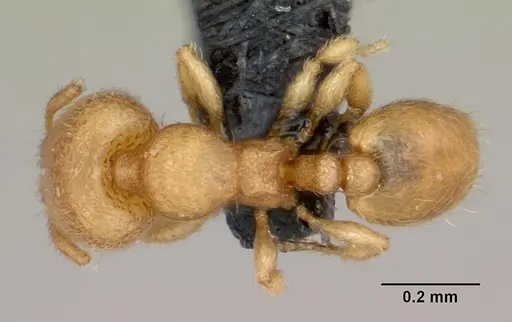
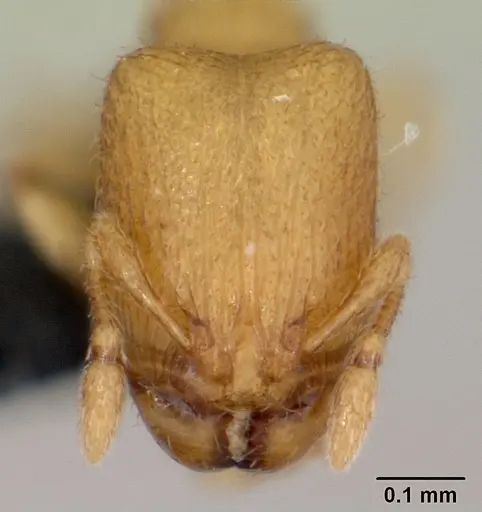
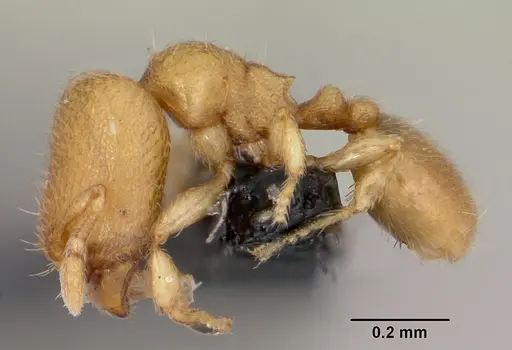
CASENT0060670
View on AntWeb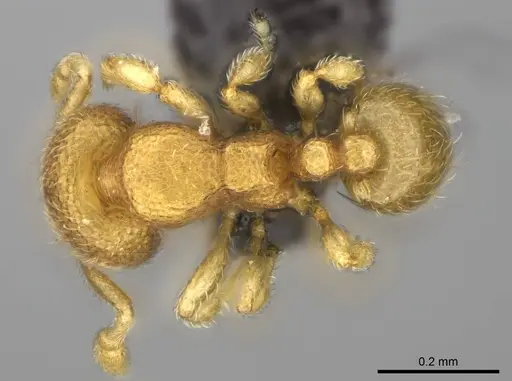
CASENT0060719
View on AntWeb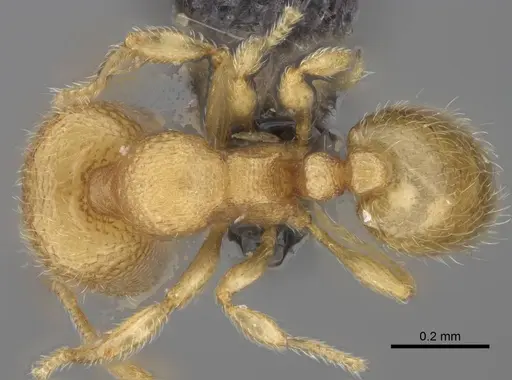
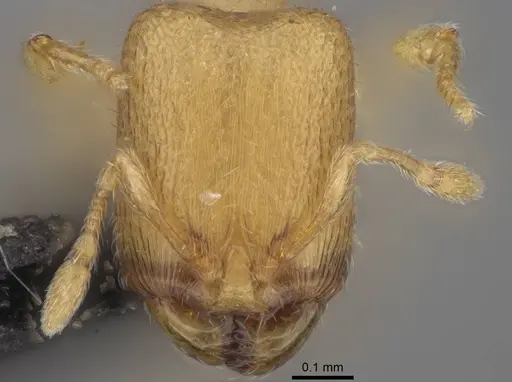
CASENT0160368
View on AntWeb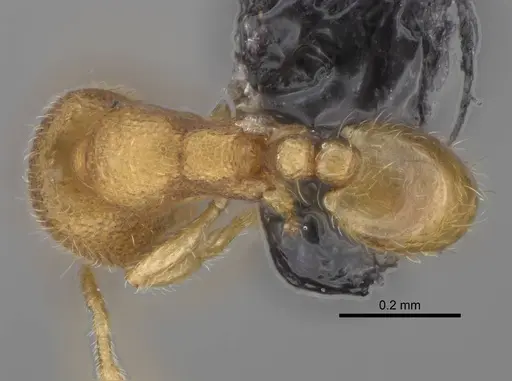
Literature
Loading distribution map...Loading products...