
Yellow Sneaking Ant
Cardiocondyla wroughtonii
- Sci. Name
- Cardiocondyla wroughtonii
- Tribe
- Crematogastrini
- Subfamily
- Myrmicinae
- Author
- Forel, 1890
- Common Name
- Yellow Sneaking Ant
- Distribution
- Found in 17 countries
Introduction
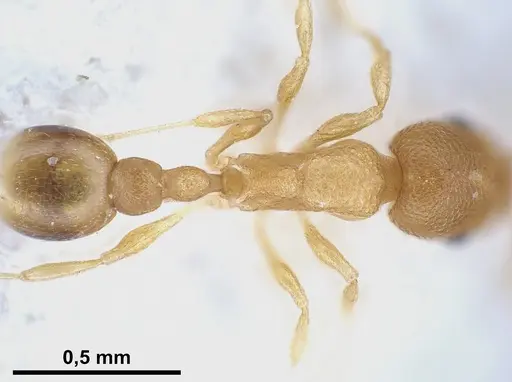
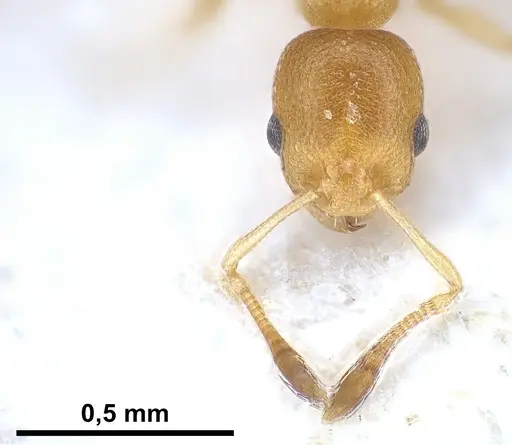
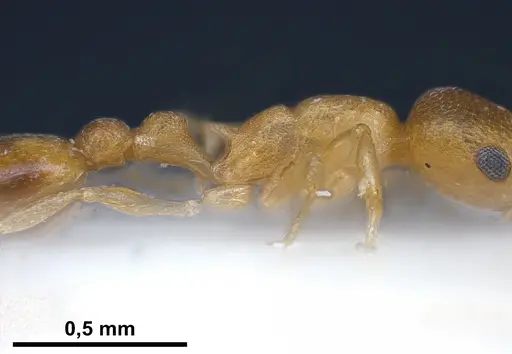
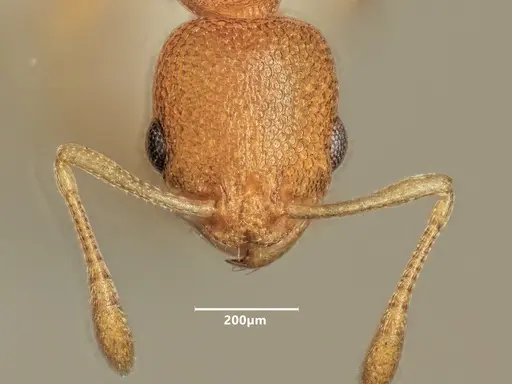
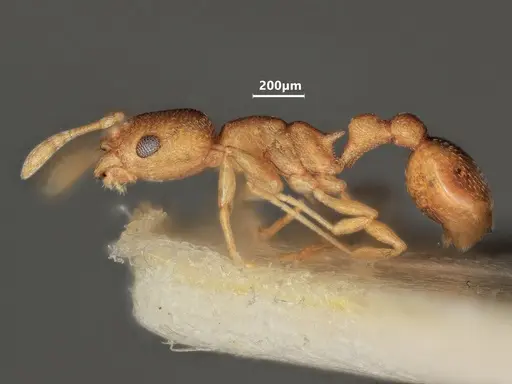
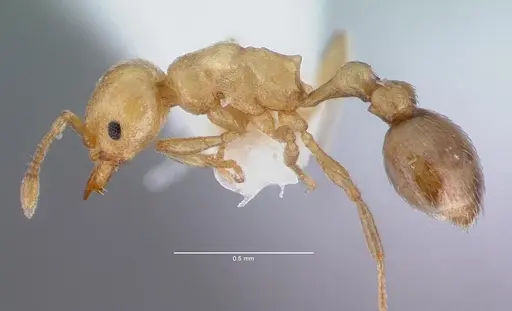
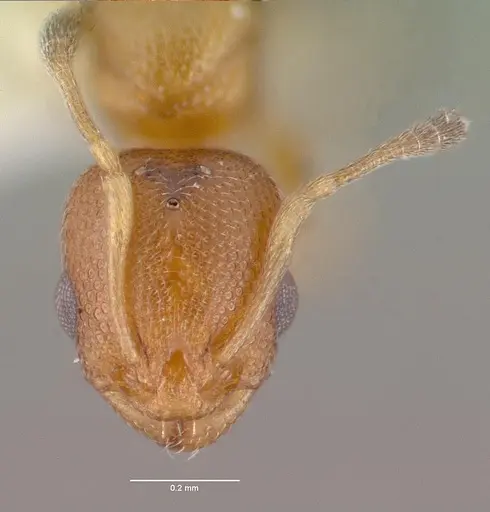
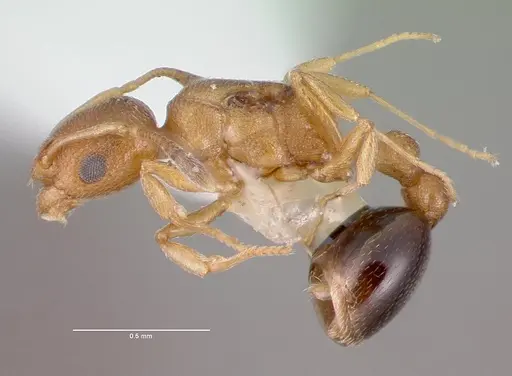
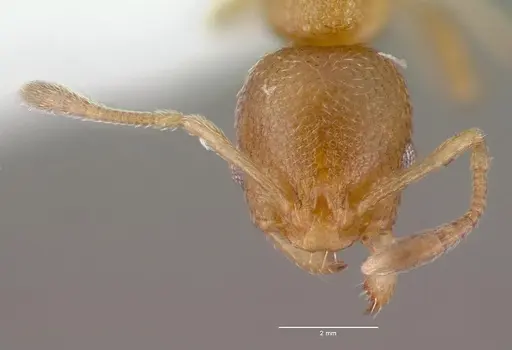
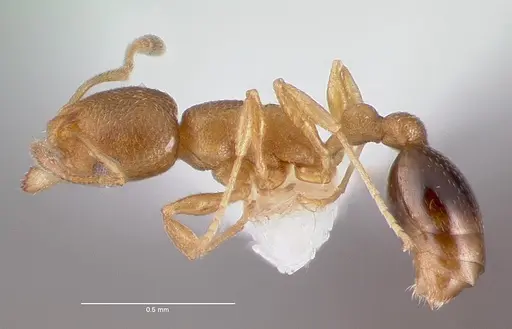
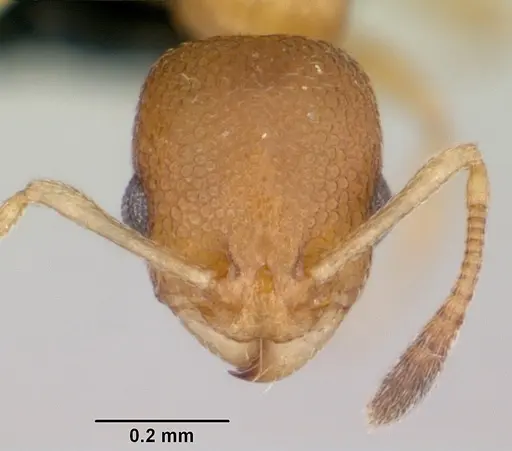
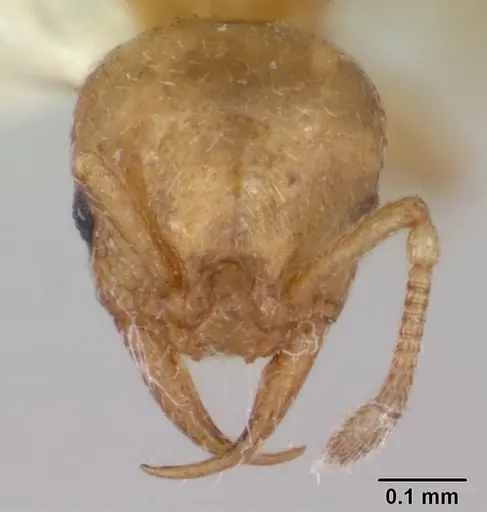
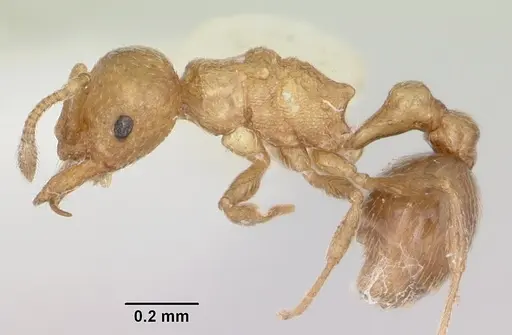
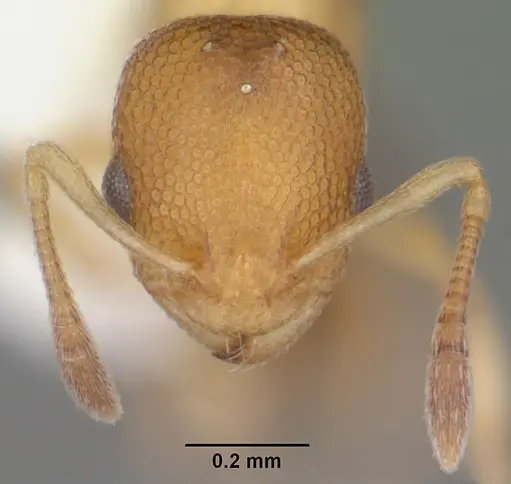
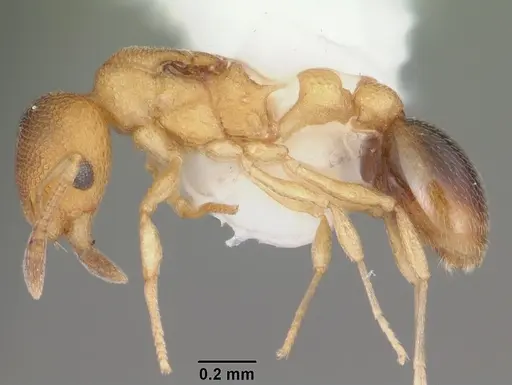
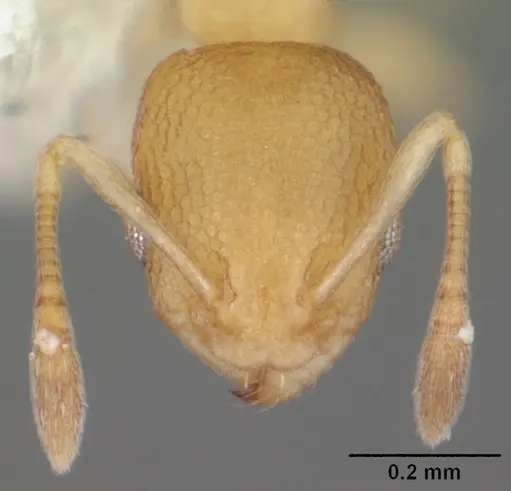
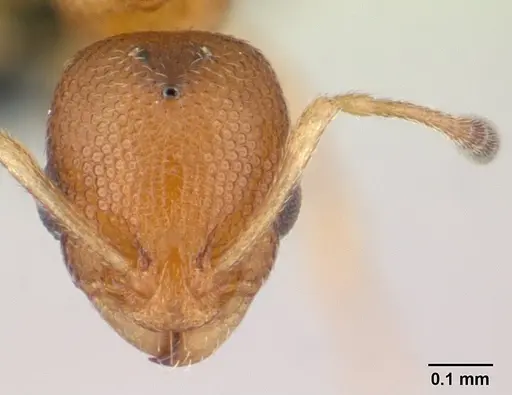
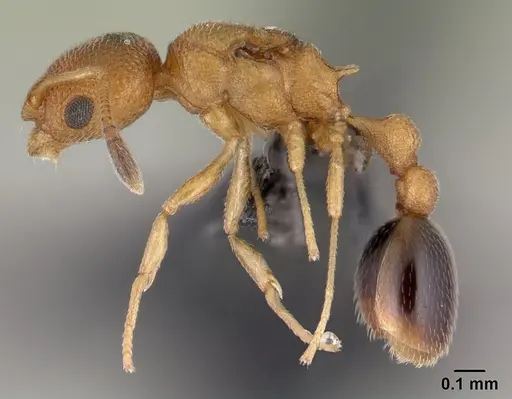
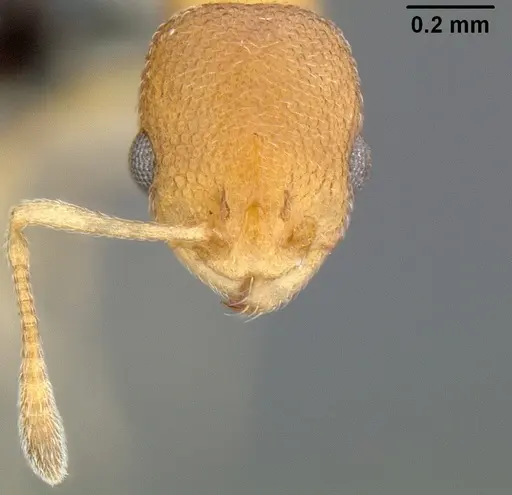
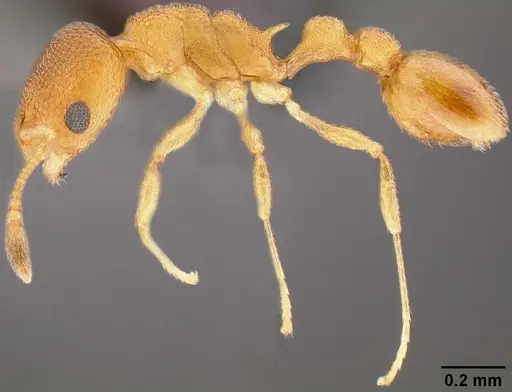
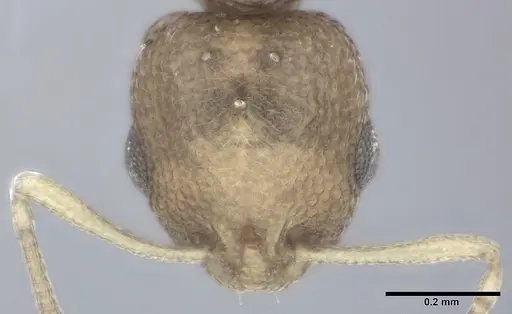
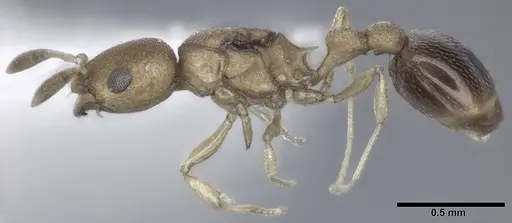
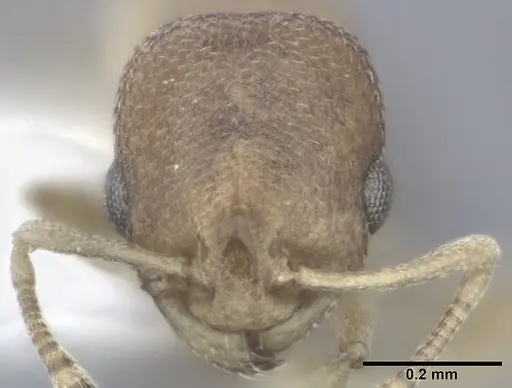
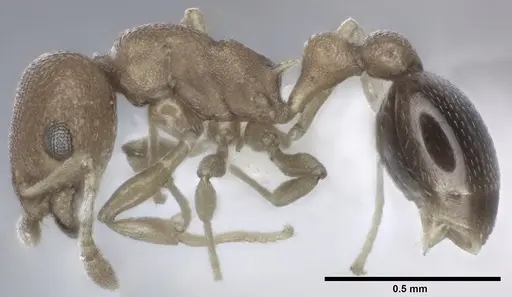
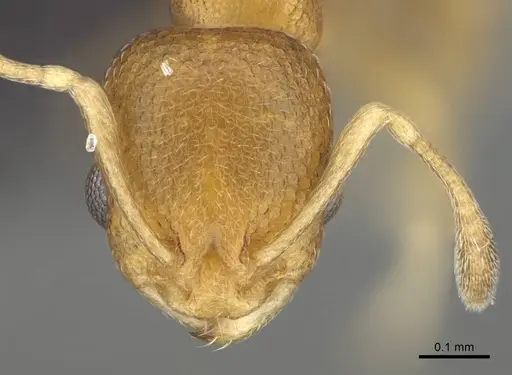
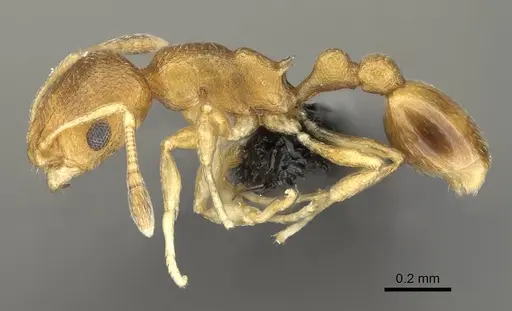
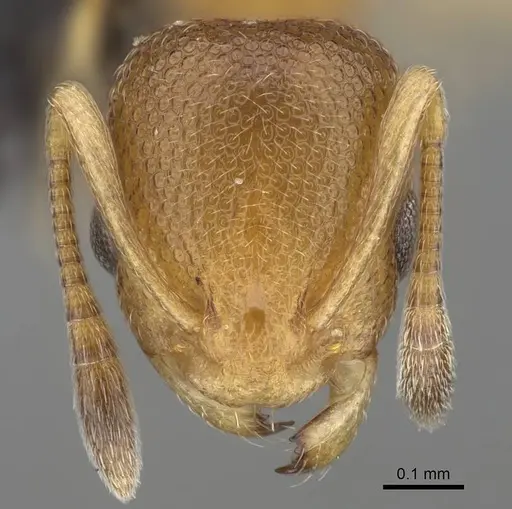
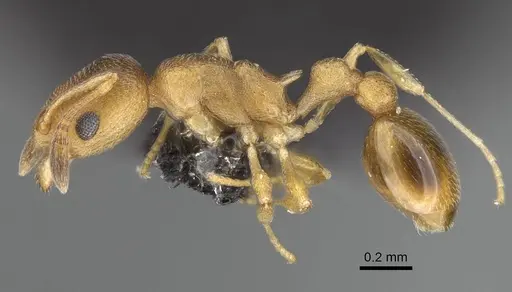
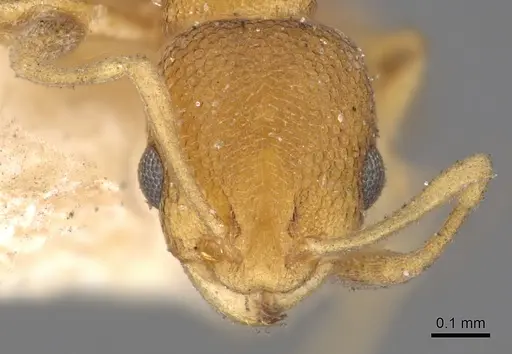
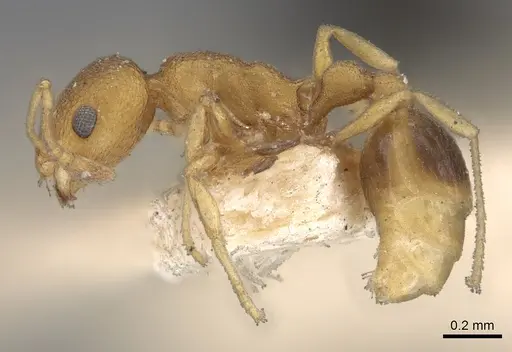
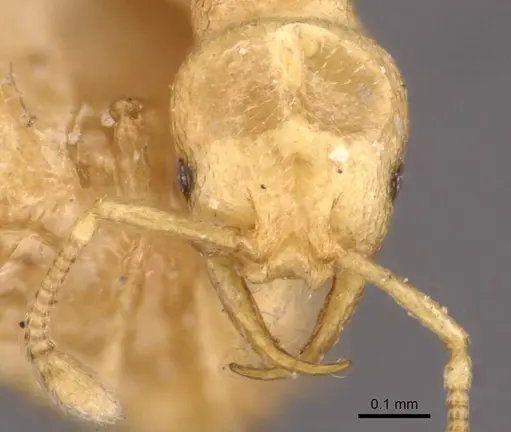
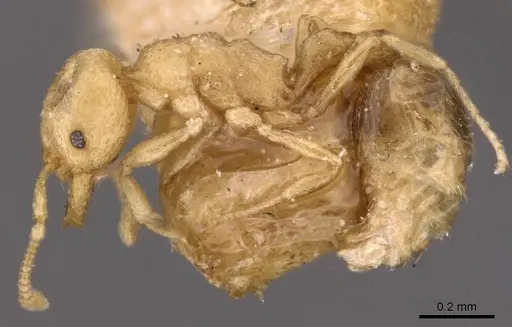
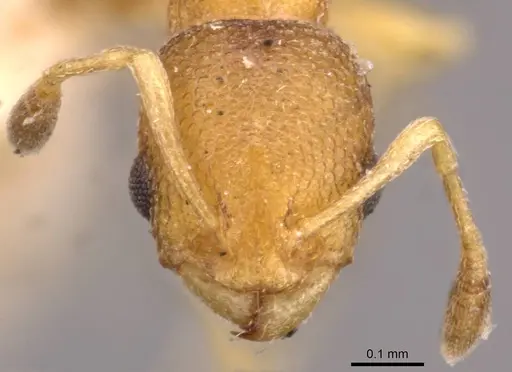
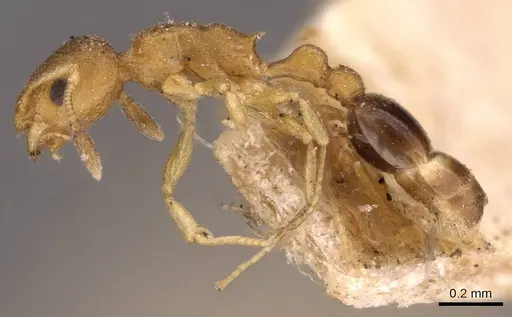
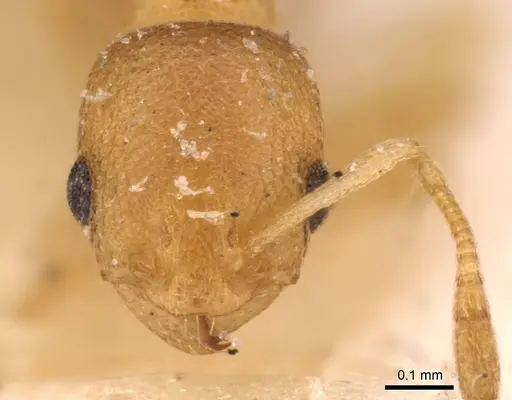
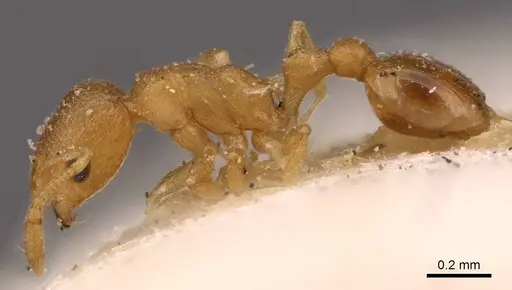
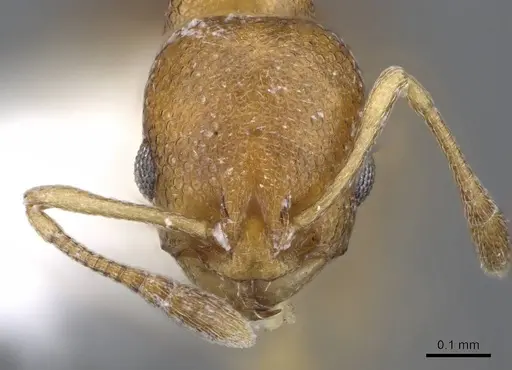
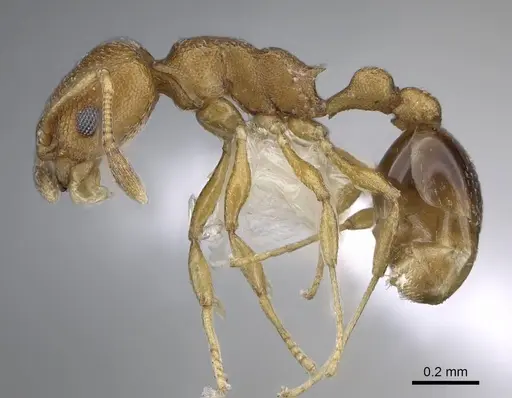
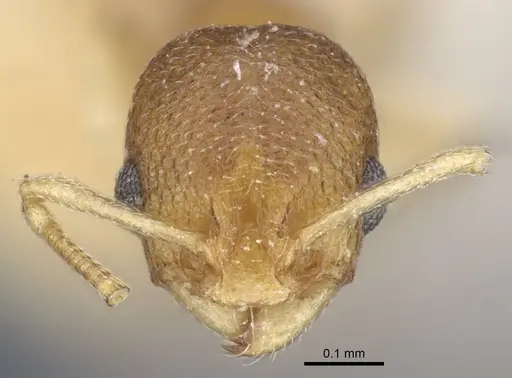
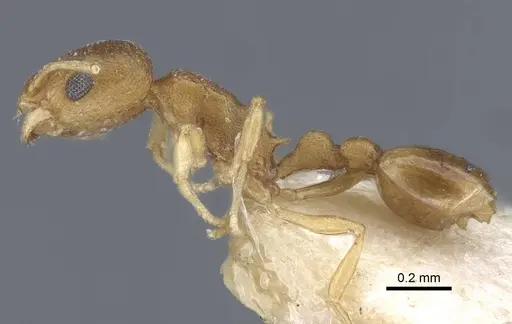
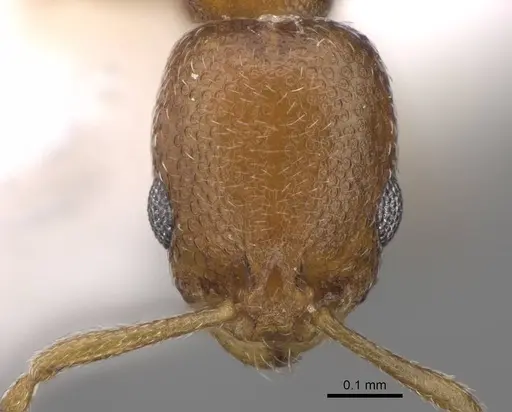
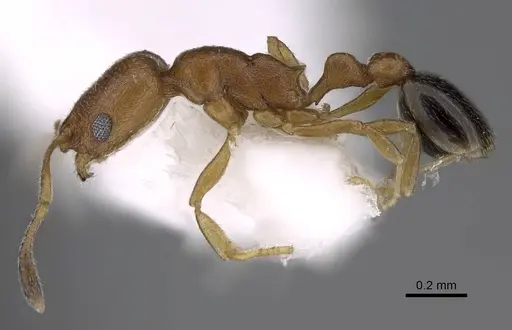
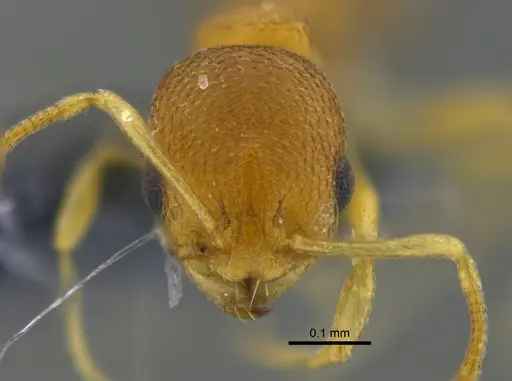
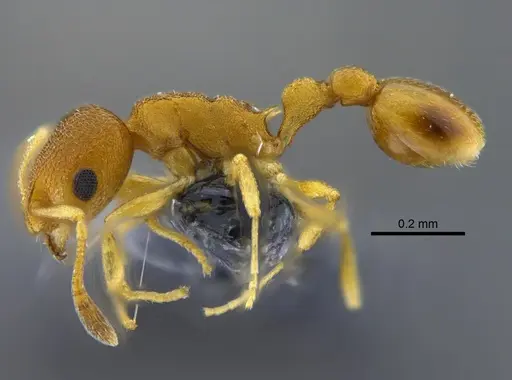
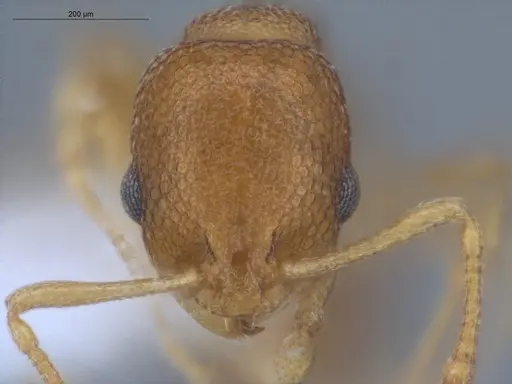
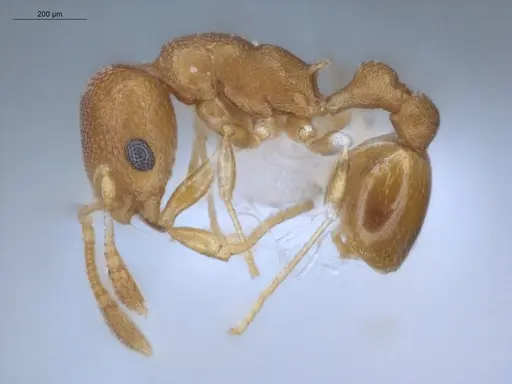
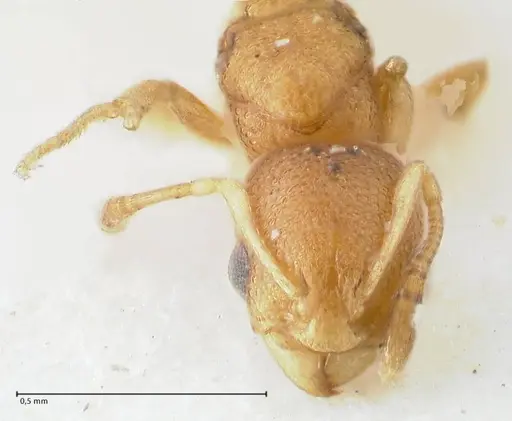
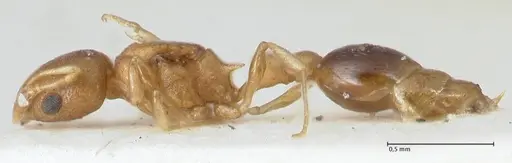
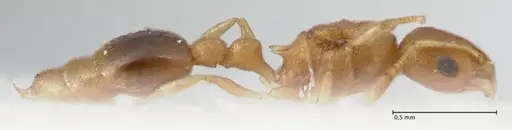
Cardiocondyla wroughtonii is a tiny tramp ant from Southeast Asia that has spread across tropical and subtropical regions worldwide . Workers are just 1.6-1.9 mm long, with a variable color pattern: most colonies have light yellowish bodies with a faint brown band on the first gaster segment, but about a quarter of colonies are dark brown all over . They nest in small plant cavities like hollow grass stems, dead twigs, and leaf litter . Colonies are polygynous (multiple queens) and reproduce by fission, which helps them spread fast . A wild trait: they produce both winged males and wingless (ergatoid) males that have sickle-shaped mandibles and fight to the death for mating rights . This species also carries Westeberhardia bacteria, a symbiont found in related ants .
Quick Summary
- Difficulty: Expert
- Origin & Habitat: Native to tropical Asia and Australia, now a tramp species found across all tropical and subtropical regions: Florida, Hawaii, Australia, India, Japan, Africa, the Pacific Islands, and parts of Europe and the Americas [1][2][3]. Lives in open areas, grassland, and forest margins, nesting in hollow stems, dead twigs, and between leaves [8].
- Colony Type: Polygynous colonies with up to 500 workers. Multiple queens coexist peacefully and can be adopted from other colonies. New nests form by colony fission. Workers are all the same size (monomorphic) [9][3].
- Size & Growth:
- Queen: Size data unavailable, queens are not much larger than workers, but exact total length has not been published
- Worker: 1.6-1.9 mm [3][10]
- Colony: Up to 500 workers [8]
- Growth: Moderate
- Development: Estimated 6-8 weeks at 24-26°C, based on related Cardiocondyla species, exact timeline not studied for this species (Development speeds up with higher temperatures within the comfortable range.)
- Antkeeping:
- Temperature: Warm room temperature (22-26°C). Being a tropical tramp, they slow down below 20°C and stop developing below 18°C. Use a small heat mat on one side of the nest to create a gradient.
- Humidity: Moderate humidity. Keep nest substrate slightly moist but not waterlogged, they naturally nest in plant cavities that hold some moisture without being wet.
- Diapause: No, as a tropical species, they do not need hibernation. Activity may slow in cooler conditions but they remain active year-round.
- Nesting: Arboreal cavity nester, loves small spaces like hollow twigs or grass stems. Offer a Y-tong (AAC) or plaster nest with narrow chambers, a test tube set upright, or a naturalistic setup with cork and small branches. Avoid large open nests, which they won't use properly [3].
- Behavior: Peaceful and harmless to humans. At 1.6-1.9 mm they cannot sting or bite effectively. Their main defense is smearing a secretion onto enemies (shared with other Crematogastrini). Wingless males fight lethally inside the nest, but that doesn't involve the keeper. The big challenge is their tiny size, they can squeeze through gaps under 1 mm, so fine mesh is a must.
- Common Issues: invasive species warning, Cardiocondyla wroughtoniii is a tramp species that has spread worldwide via human commerce. It is NOT recommended to keep this species outside its native range (Southeast Asia) unless you are certain it is already established in your area. Extreme precautions must be taken to prevent any escape, and this species should never be released [10][11][12]., tiny size (1.6-1.9 mm) means escape is likely unless you use fine mesh (under 0.5 mm openings) on all vents and check every connection., colonies stay small (up to 500 workers), don't expect a big bustling colony., polygynous colonies may produce many queens, that's normal, not a problem., can be outcompeted by larger or more aggressive species if housed too close, but they are tough survivors.
Housing and Nest Setup
Cardiocondyla wroughtoniii naturally nests in small cavities like hollow grass stems, dead twigs, between layers of leaves, and in leaf litter [3]. In captivity, provide a Y-tong (AAC), plaster, or 3D-printed nest with narrow chambers (2-3 mm high) that mimic plant stems. A test tube set upright with a water reservoir at the bottom works great too. Because workers are only 1.6-1.9 mm, escape prevention is critical, use mesh with openings under 0.5 mm on all ventilation, seal any gaps in the outworld, and consider a thin layer of fluon or PTFE on the rim. They don't need a huge outworld, a small plastic tub or glass jar with some twigs and leaves for cover is enough. Keep the nest slightly humid but not wet, a small water reservoir or regularly moistening the plaster works.
Feeding and Diet
In the wild, this species tends aphids for honeydew and hunts tiny arthropods [11][12]. In captivity, offer a constant supply of sugar water or honey (a drop in a small feeder, changed regularly to prevent mold). For protein, give small prey like fruit flies (Drosophila), pinhead crickets, or tiny mealworms. Because the ants are tiny, any prey item larger than a fruit fly may not be attacked. Feed protein 2-3 times per week and remove leftovers after 24 hours. They will also tend aphids if you keep a plant with them, but that is optional. A balanced diet of sugar and protein will keep the colony growing.
Temperature and Seasonal Care
As a tropical tramp, Cardiocondyla wroughtoniii does best at warm room temperatures, roughly 22-26°C. Below 20°C the colony will slow down, and below 18°C workers may become sluggish and stop caring for brood. They do not need hibernation at all, being from Southeast Asia, they are active year-round. In winter, just keep them away from cold drafts and maintain room temperature. A small heat mat on one side of the nest can help keep the warm spot around 24-26°C, but make sure there is a cooler area so the ants can choose their preferred spot. No special diapause setup is needed.
Colony Structure and Unique Male System
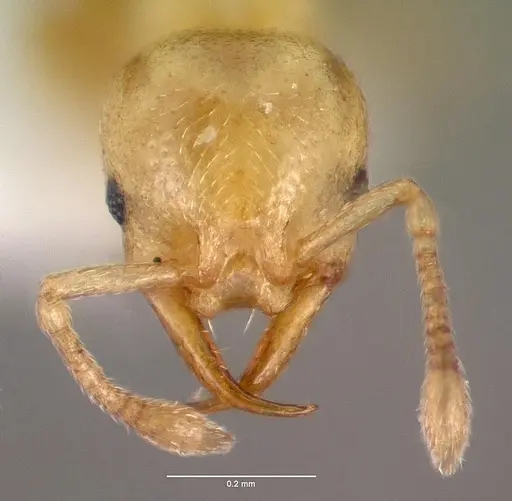
Cardiocondyla wroughtoniii is polygynous, colonies naturally contain multiple queens that all lay eggs [9][3]. Queens can be adopted from other colonies, which is one reason this species spreads so easily. Colonies reproduce by fission: a group of workers and queens simply walk away to start a new nest [3]. The colony stays relatively small, topping out at about 500 workers [8]. A truly unique feature is the male dimorphism. Each colony produces two types of males: winged males that can fly to mate elsewhere, and wingless (ergatoid) males that stay in the nest [3]. The ergatoid males have long, sickle-shaped (falcate) mandibles [4]. They use these to kill newly emerged male rivals by piercing their soft bodies, and they smear adult rivals with a special secretion that makes the workers attack and kill the marked male [5][13]. The ergatoid males produce sperm continuously throughout their lives, so they can mate with every new queen that ecloses [5][14]. This is one of the most extreme male competitions in the ant world, and it's definitely something to watch for if you keep this species.
Behavior and Defense
Cardiocondyla wroughtoniii is a peaceful, non-stinging ant. Their main defense is smearing a venom onto enemies with a spatulate stinger (typical of myrmicine ants in tribe Crematogastrini). They are completely harmless to humans. Workers are timid and will quickly run away when disturbed. Because of their small size, they rely on hiding rather than fighting. They do not display any aggressive behaviors toward each other (except the ergatoid males fighting inside the colony, which is normal). In the wild, they tend to be outcompeted by larger ants but thrive in disturbed habitats where few competitors exist [15]. In captivity, they do well alone, but be careful not to house them near very aggressive species that could invade their nest. IMPORTANT: This species is a classic tramp ant that has invaded many countries worldwide. In places where it is not native, keeping it carries the risk of accidental introduction. If you live outside its native range (Southeast Asia), consider whether you really want to keep a species that could become invasive. Extreme measures to prevent escape are required. Do not release this ant for any reason.
Frequently Asked Questions
How long does it take for Cardiocondyla wroughtonii to have first workers?
Expect first workers (nanitics) to emerge about 6-8 weeks after the queen lays eggs at 24-26°C. This estimate is based on related Cardiocondyla species, the exact timeline has not been studied specifically for this species.
Can I keep multiple Cardiocondyla wroughtonii queens together?
Yes, and you should expect multiple queens! This species is naturally polygynous, meaning several queens coexist peacefully and all lay eggs. Unlike many ants where queens fight, these queens tolerate each other and can even be adopted from other colonies [9][3].
Do Cardiocondyla wroughtonii sting?
No, they do not sting and are completely harmless to humans. Their defense is a smearing secretion from a modified stinger, not a sting. Even if they tried, their small size (1.6-1.9 mm) means they can't break human skin.
What do Cardiocondyla wroughtonii eat?
In the wild they eat honeydew from aphids and hunt tiny insects [11]. In captivity, provide sugar water or honey as a constant energy source, plus small protein like fruit flies, pinhead crickets, or other tiny insects. Remove uneaten prey after 24 hours.
Are Cardiocondyla wroughtonii good for beginners?
No. Despite being small and peaceful, this species is an invasive tramp ant that should be kept only by experienced keepers who can guarantee no escapes. The difficulty is set to Expert because of the invasive risk. Beginners should choose a non-invasive species.
What size colony do Cardiocondyla wroughtonii reach?
Colonies reach up to 500 workers maximum [8]. That's relatively small compared to many ant species, which makes them easy to house but also means you won't get a huge colony.
Do Cardiocondyla wroughtonii need hibernation?
No, they do not need hibernation. As a tropical species they are active year-round at room temperature. They may slow down a bit in cooler conditions but never enter true diapause.
Why do the male ants fight each other?
The wingless (ergatoid) males have sickle-shaped mandibles they use to kill newly emerged male rivals. They also smear adult rivals with a secretion that makes workers attack and kill them [4][5]. This lethal competition allows one or a few ergatoid males to monopolize mating with all the new queens in the colony.
What nest type is best for Cardiocondyla wroughtonii?
A Y-tong (AAC), plaster, or 3D-printed nest with narrow chambers mimics their natural nesting sites (hollow plant stems). A test tube placed upright also works well. Avoid large, open nesting spaces, they prefer tight cavities [3].
How do I prevent Cardiocondyla wroughtonii from escaping?
Because they are so tiny (1.6-1.9 mm), use fine mesh with openings under 0.5 mm on all ventilation. Check that all connections are tight and there are no gaps. A fluon or PTFE barrier on the inner rim of the outworld adds extra security.
Is Cardiocondyla wroughtonii the same as the 'sneaking ant'?
No. The 'sneaking ant' usually refers to Cardiocondyla mauritanica or C. minutior. C. wroughtonii is a different tramp species in the same genus. All are small, brownish, and spread by human commerce [16][17].
Report an Issue
The current care sheet is based fully on literature. See inconsistencies, or something that's incorrect? Please , it will be resolved after review from an admin. Contributing to the blogs tab also helps providing information, to make us be able to further improve the caresheets. Thank you for your support!
References

This caresheet is licensed under CC BY-SA 4.0 .
Community Blogs
ANTWEB1041255
View on AntWeb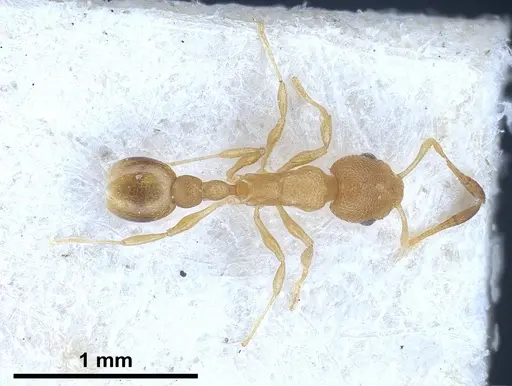
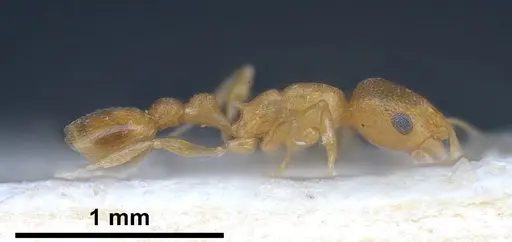
ANTWEB1048547
View on AntWeb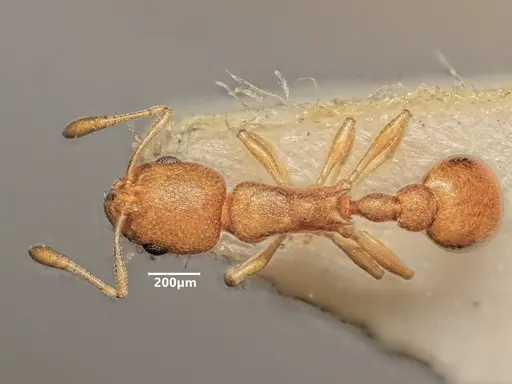
CASENT0000503
View on AntWeb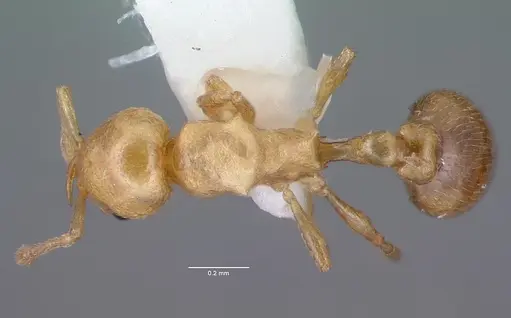
CASENT0009245
View on AntWeb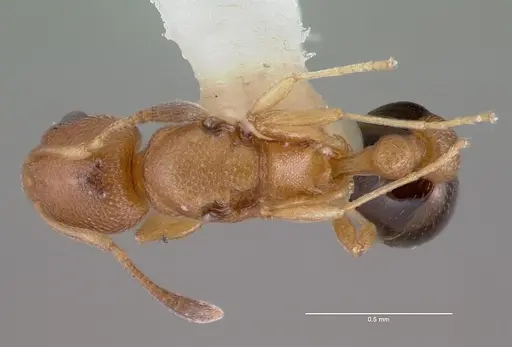
CASENT0009246
View on AntWeb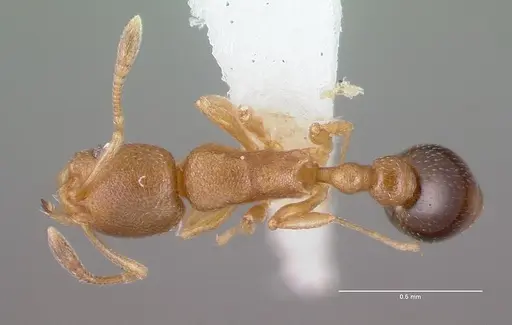
CASENT0060052
View on AntWeb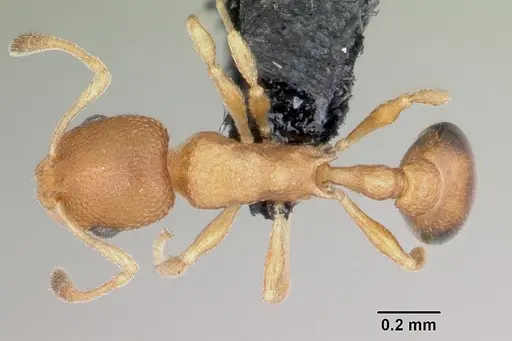
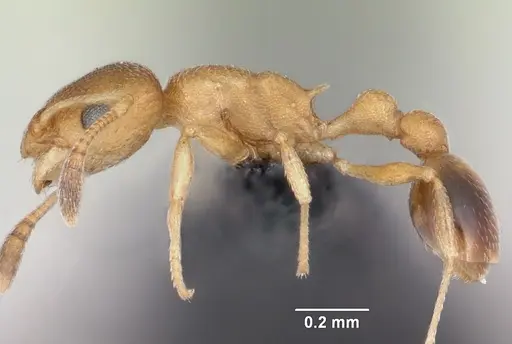
CASENT0102969
View on AntWeb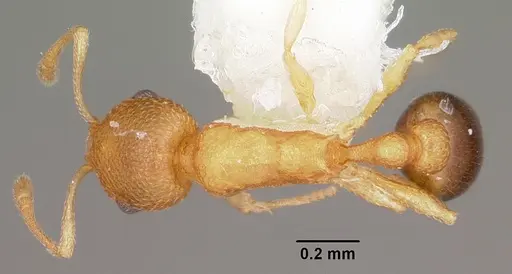
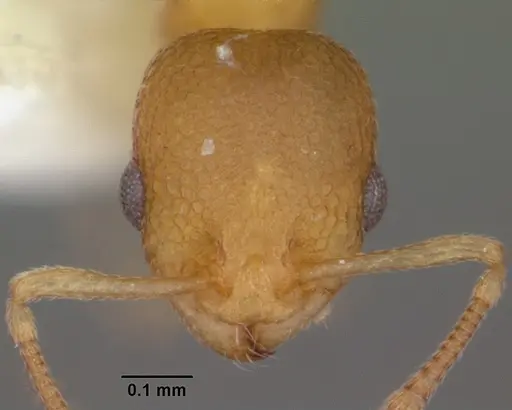
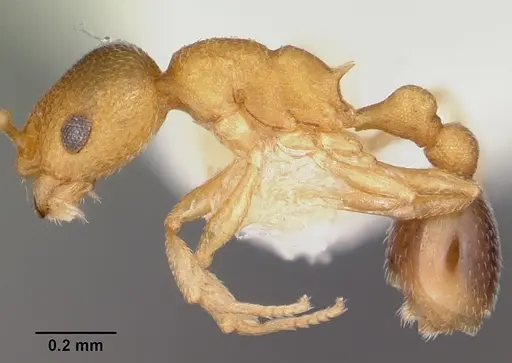
CASENT0103168
View on AntWeb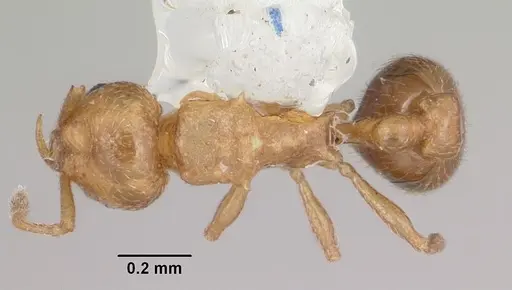
CASENT0103749
View on AntWeb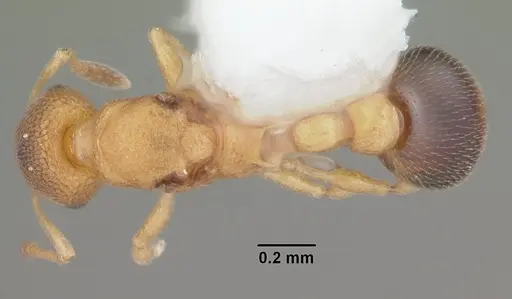
CASENT0103750
View on AntWeb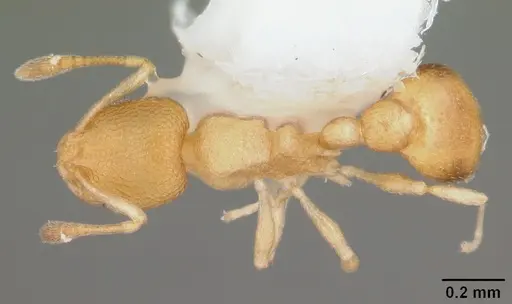
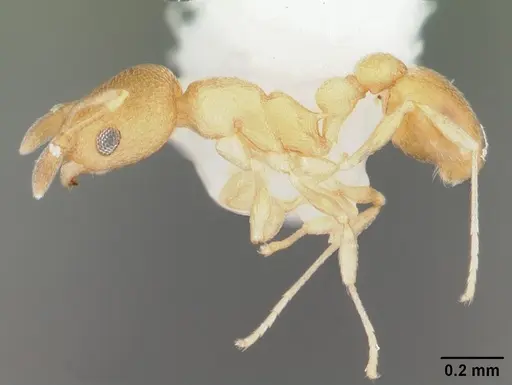
CASENT0133506
View on AntWeb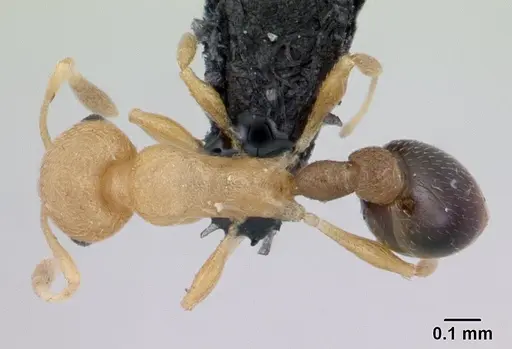
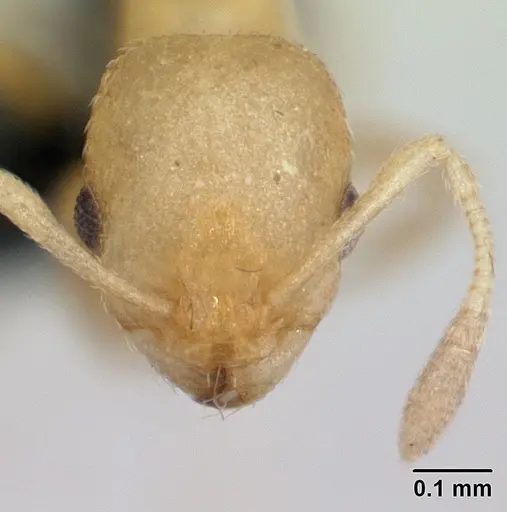
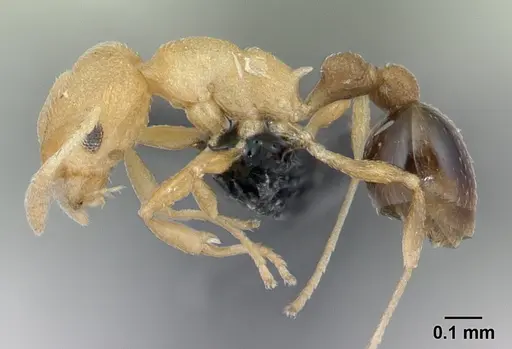
CASENT0147012
View on AntWeb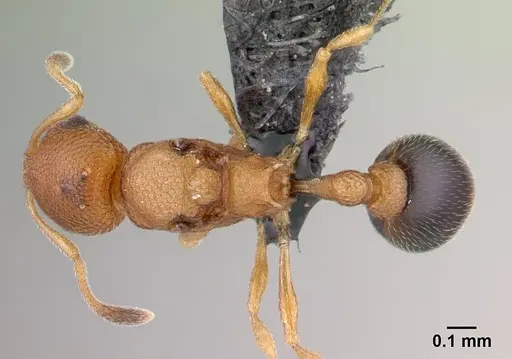
CASENT0171166
View on AntWeb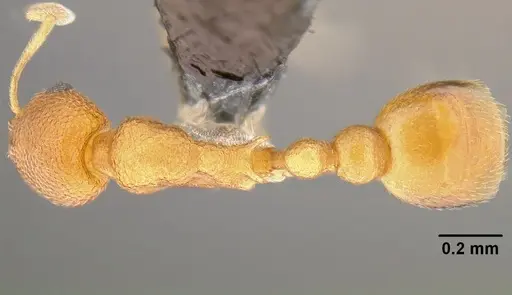
CASENT0246601
View on AntWeb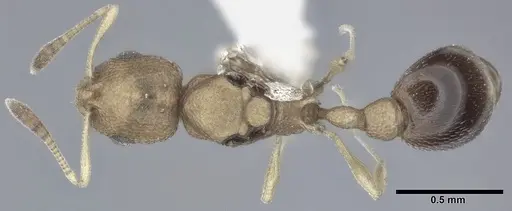
CASENT0246602
View on AntWeb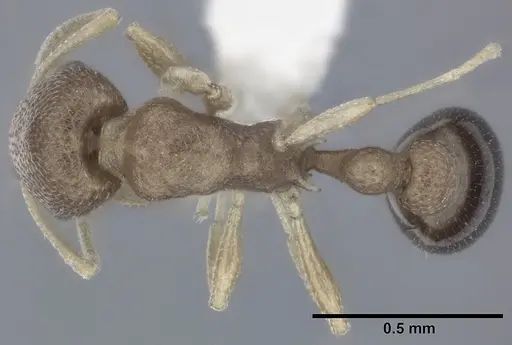
CASENT0474550
View on AntWeb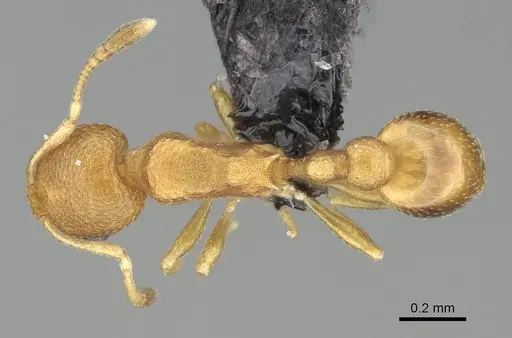
CASENT0799259
View on AntWeb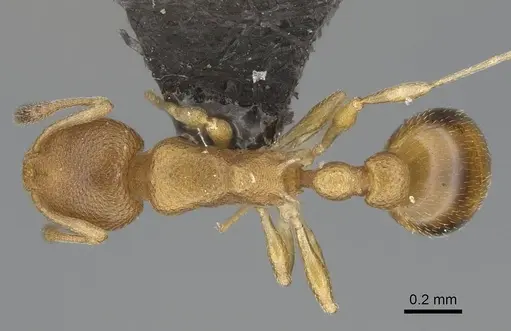
CASENT0901753
View on AntWeb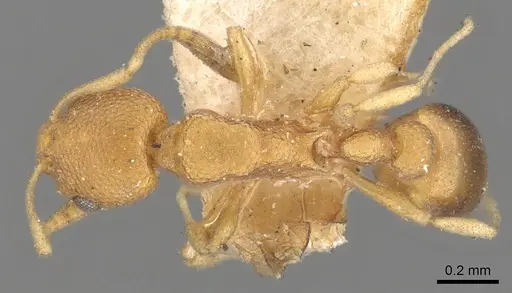
CASENT0908349
View on AntWeb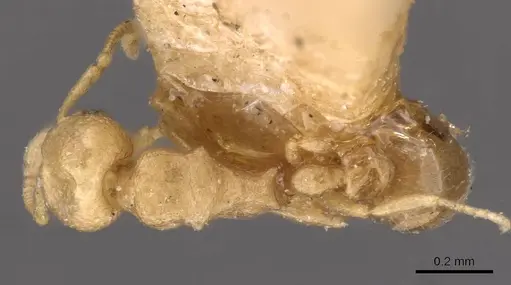
CASENT0908350
View on AntWeb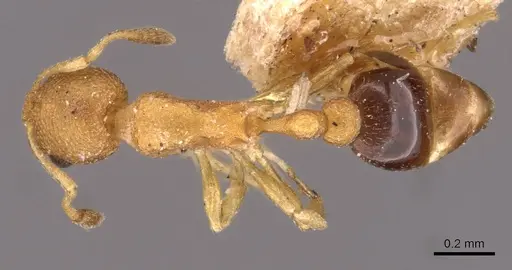
CASENT0908351
View on AntWeb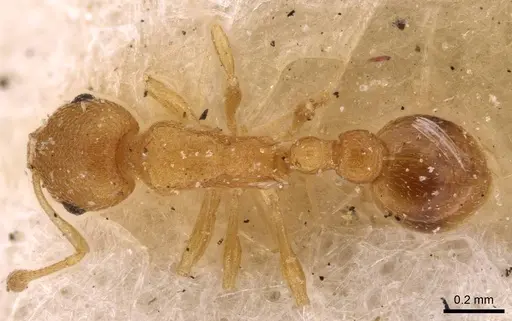
CASENT0914972
View on AntWeb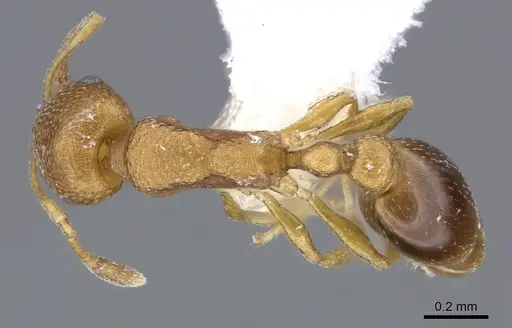
CASENT0916971
View on AntWeb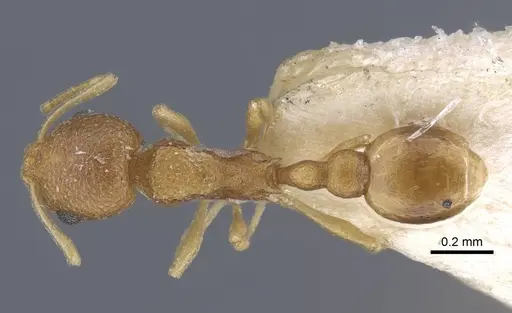
CASENT0922871
View on AntWeb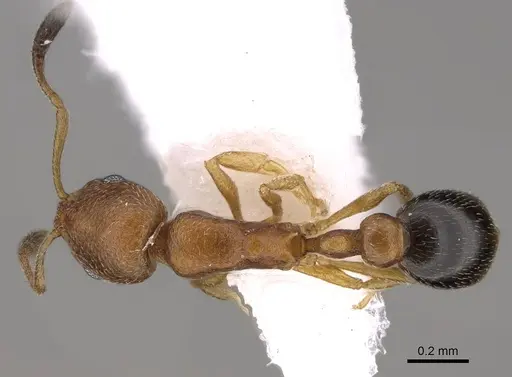
CBUMAGENT41984
View on AntWeb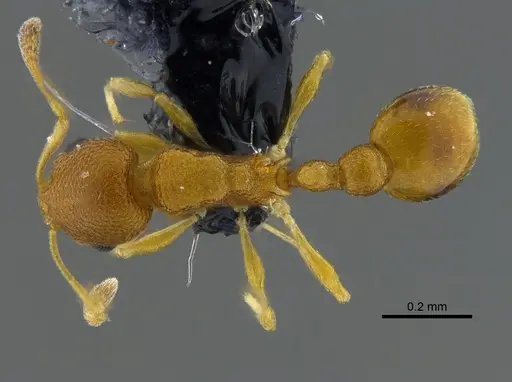
ECOFOG-PAT19-0073-09
View on AntWeb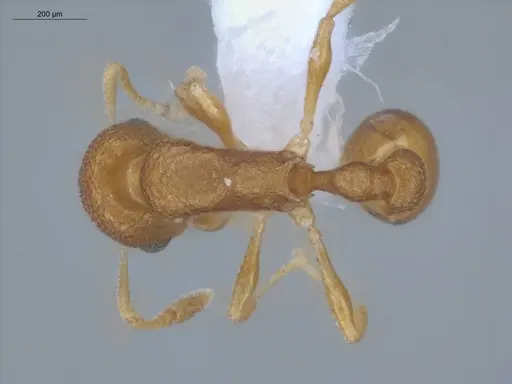
FOCOL1612
View on AntWeb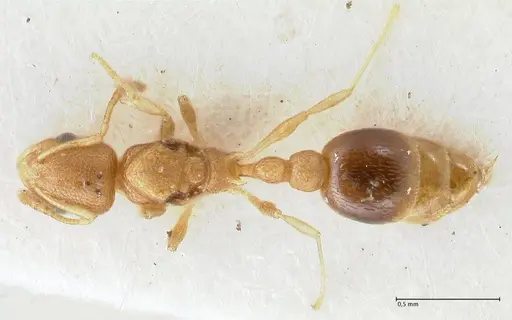
Literature
Loading distribution map...Loading products...