
Brown Spiny Timid Ant
Cardiocondyla shuckardi
- Sci. Name
- Cardiocondyla shuckardi
- Tribe
- Crematogastrini
- Subfamily
- Myrmicinae
- Author
- Forel, 1891
- Common Name
- Brown Spiny Timid Ant
- Distribution
- Found in 6 countries
Introduction
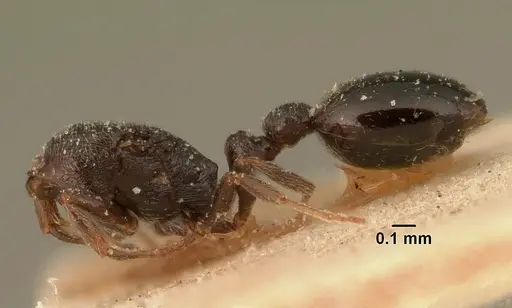
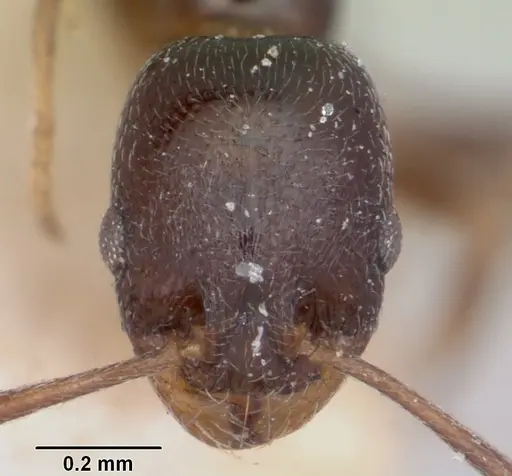
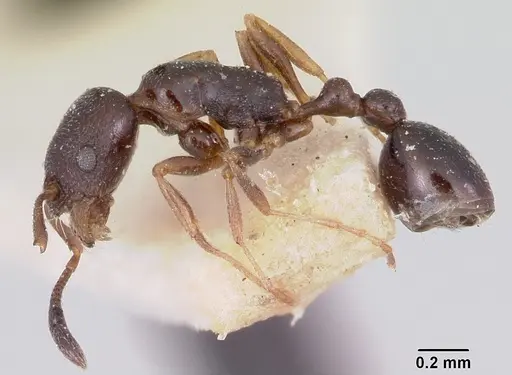
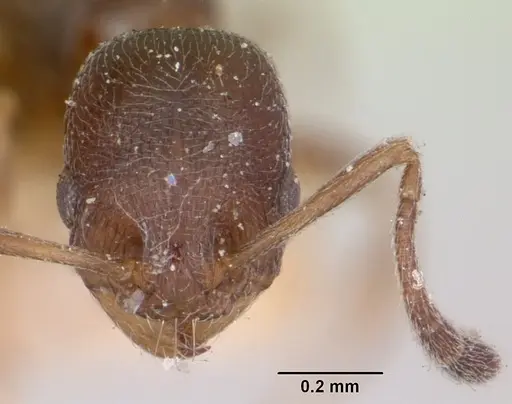
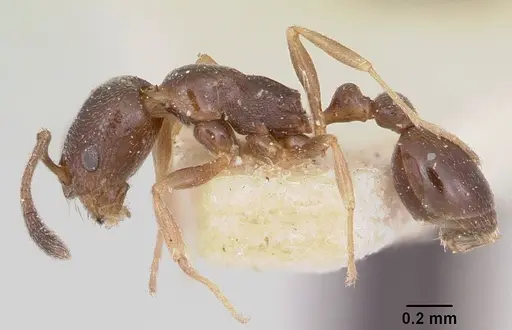
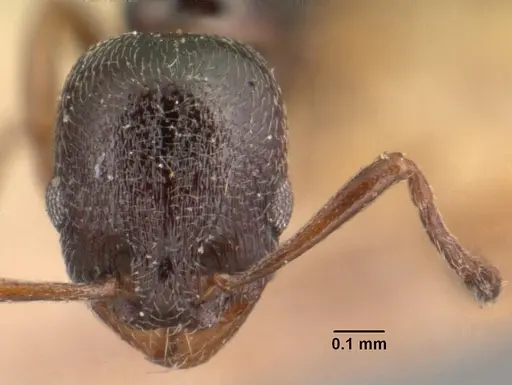
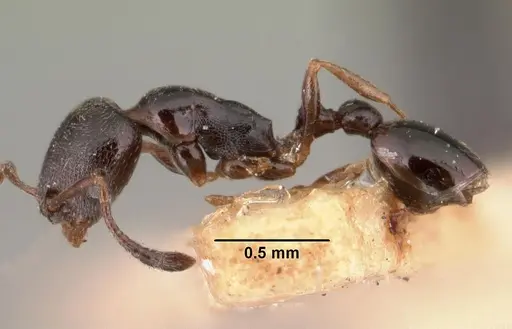
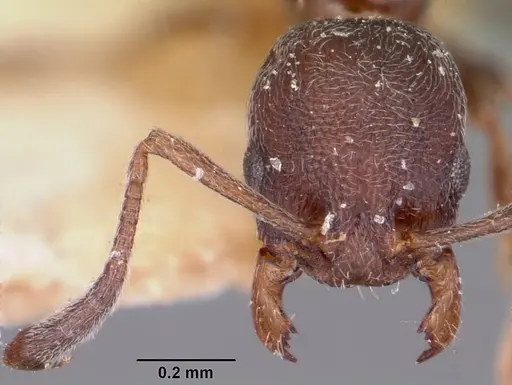
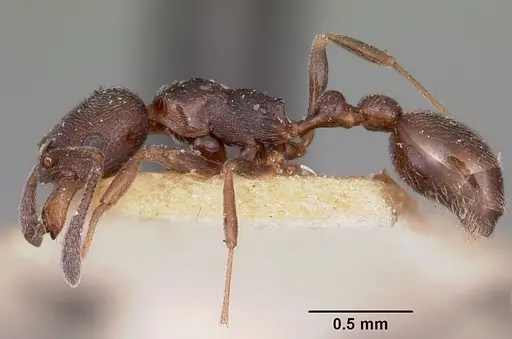
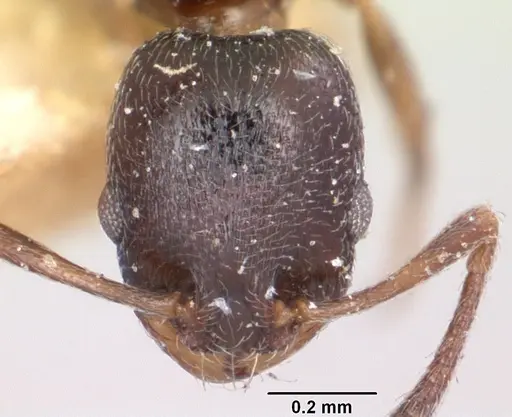
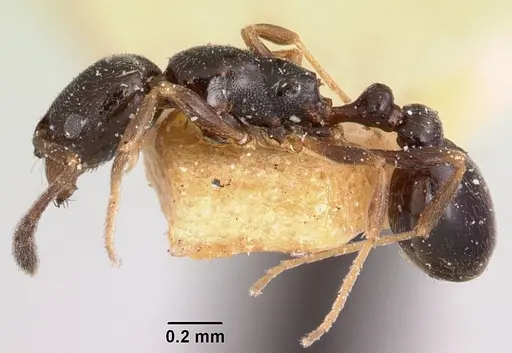
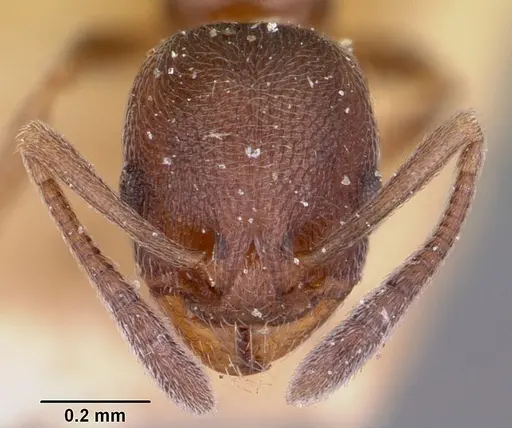
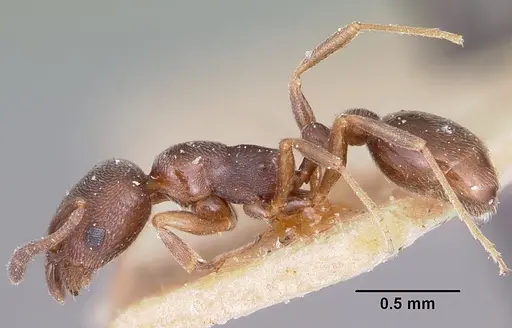
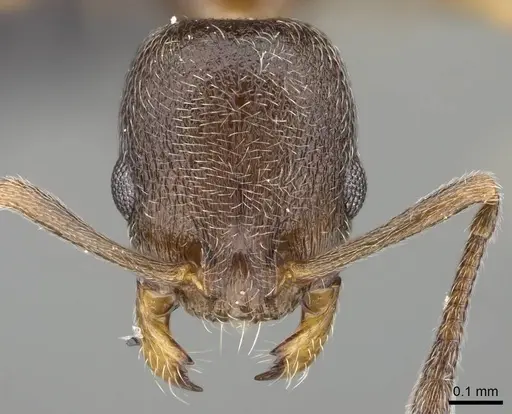
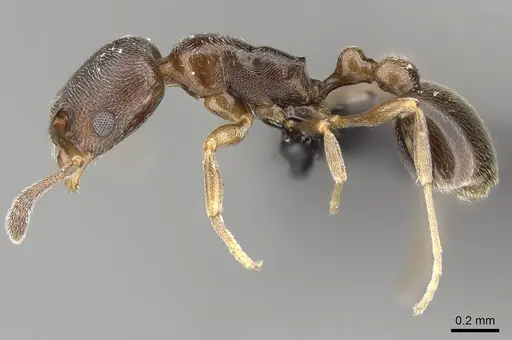
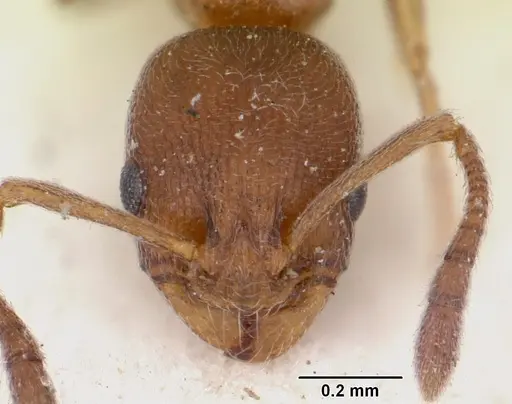
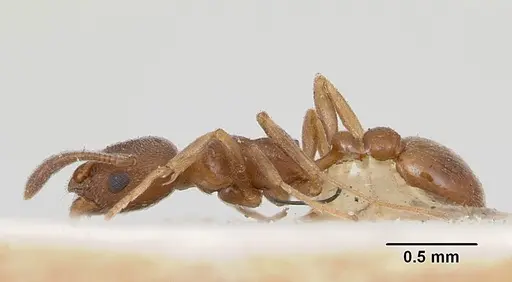
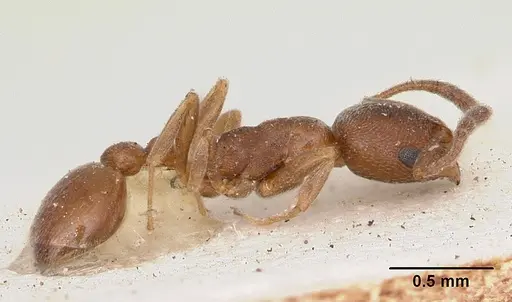
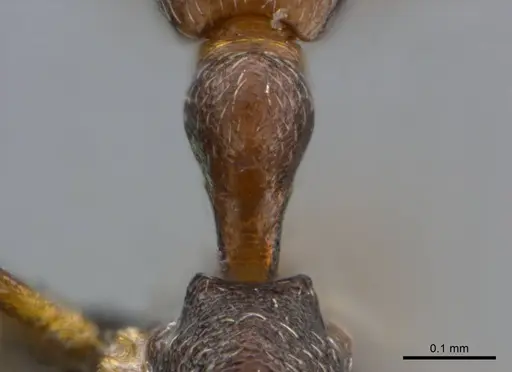
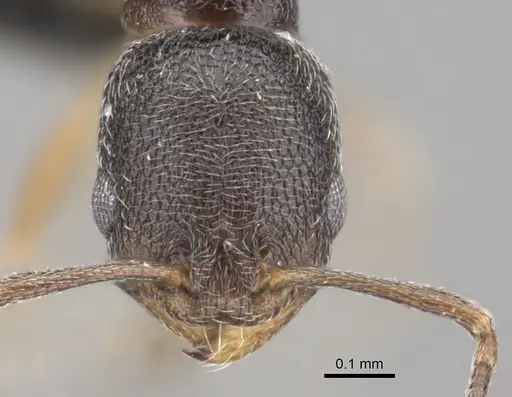
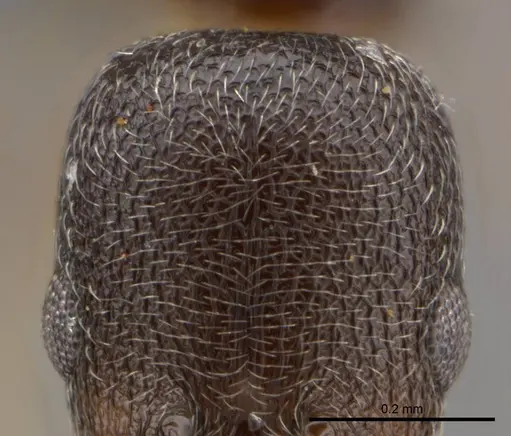
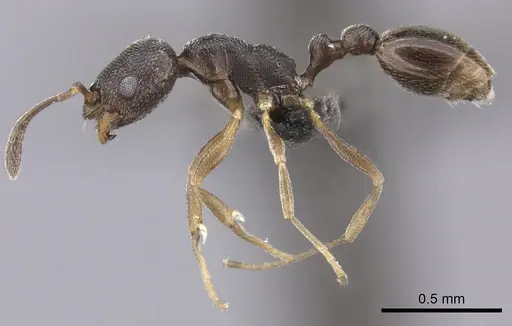
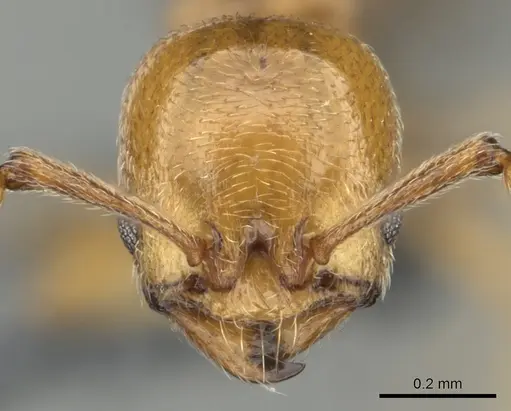
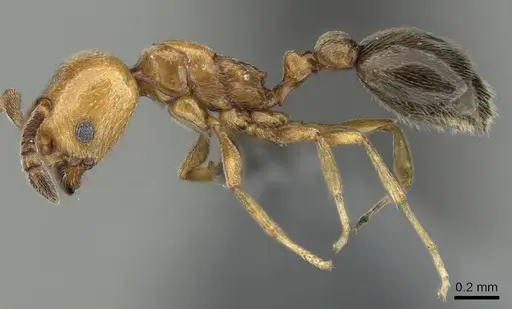
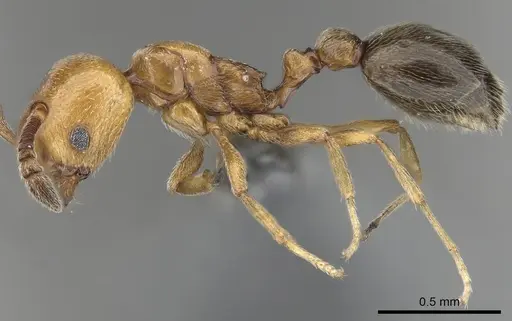
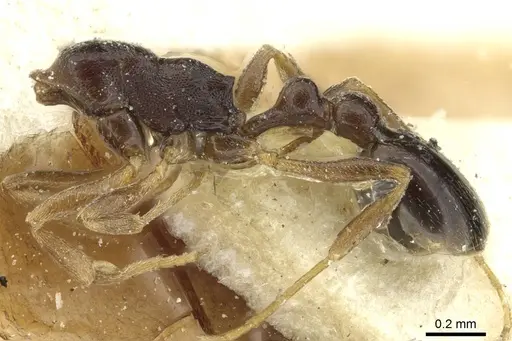
Cardiocondyla shuckardi is a tiny, dark brown ant native to the Afrotropical region and Madagascar. Workers measure just 2.0-2.6mm, making them one of the smaller ant species you will encounter . They belong to the Cardiocondyla shuckardi species group, characterized by their extremely reduced propodeal armament - meaning the spines or teeth on their rear section are barely visible, appearing as tiny bumps or denticles rather than proper spines . Queens are slightly larger and come in multi-queen colonies . What makes this species particularly interesting is its social structure. These ants live in polygynous colonies with 1 to 7 queens, and they have a remarkable tolerance for inbreeding - genetic studies show an estimated sib-mating frequency of nearly 90% . They also produce wingless (ergatoid) males that fight each other, a rare and unusual trait in the ant world. Found across Africa, Madagascar, and into the Arabian Peninsula, this species thrives in disturbed open habitats like gardens, parks, and grassland paths .
Quick Summary
- Difficulty: Medium
- Origin & Habitat: Native to the Afrotropical region including Madagascar, Botswana, Cameroon, Ghana, Kenya, South Africa, and neighboring countries. Also found in the Arabian Peninsula (Saudi Arabia, Kuwait, UAE, Yemen). Inhabits degraded open grassland, sandy paths, parks, and gardens in central highlands at elevations of 1284-1381m [2][3].
- Colony Type: Polygynous, colonies naturally contain 1 to 7 queens that all lay eggs.
- Size & Growth:
- Antkeeping:
- Temperature: Keep warm and stable, roughly low-to-mid 20s°C. They thrive in consistently warm conditions without major swings [2].
- Humidity: Provide a mostly dry nest with one small moist area. They nest in sandy soil under stones, so avoid waterlogged substrates [2].
- Diapause: No, as a tropical species from warm African and Malagasy regions, they do not require winter rest [2].
- Nesting: Small chambers in sandy soil under stones or pebbles [2]. In captivity, a small Y-tong (AAC), plaster, or soil nest works best. Keep chambers tight and scaled to their tiny size.
- Behavior: Workers are active foragers that travel over two meters from the nest to search for food [2]. They use tandem running, one worker leads another to food sources. Colonies are not particularly aggressive and these ants lack a functional sting that can penetrate human skin. The most notable behavioral trait involves their males: unlike most ants with winged males, Cardiocondyla shuckardi produces wingless ergatoid males that have enlarged, heavily sclerotized mandibles. These males fight each other, and researchers have found injured males with missing legs and decapitations, indicating violent male-to-male combat [2]. Their tiny size means escape prevention is critical, they can squeeze through very small gaps.
- Common Issues: escape prevention is critical due to their very small 2mm size, use fine mesh and tight-fitting barriers, small colony size means slow growth, do not overfeed or mold becomes a problem, wild-caught colonies may carry parasites that can devastate small colonies, test tube setups work better than large formicariums for these tiny ants, multi-queen colonies may fight if stressed, keep disturbance minimal
Housing and Nest Setup
Cardiocondyla shuckardi needs appropriately scaled housing. In the wild, they nest in small pea-sized chambers in sandy soil under stones, roots, or between pebbles in the upper 15cm of ground [2]. For captivity, a small test tube setup works well for founding colonies. As the colony grows, you can move them to a small Y-tong (AAC) or plaster nest with tight chambers scaled to their 2mm worker size. Avoid large formicariums. These ants do best in compact spaces that match their natural chamber size. A small naturalistic setup with a layer of sandy substrate and a flat stone on top can also work well [2].
Feeding and Diet
Like most Cardiocondyla species, these ants are generalist feeders that accept both sugar and protein sources. In their natural habitat, they forage for honeydew, small insects, and nectar. In captivity, offer a constant source of sugar water or honey diluted with water. For protein, small prey items like fruit flies, pinhead crickets, or other tiny insects work well. Because workers only reach about 2mm, prey items should be appropriately sized. Feed small amounts of protein 2-3 times per week, and remove any uneaten prey within 24 hours to prevent mold. [2]
Temperature and Seasonal Care
As a tropical species from Madagascar and the African highlands, Cardiocondyla shuckardi prefers warm conditions. Keep the nest area at 24-28°C for optimal colony health and brood development [2]. They are found at elevations of 1284-1381m in Madagascar, which stays warm year-round. Unlike temperate species, they do not require diapause or hibernation. You can maintain them at room temperature (around 24-26°C) without special heating, but a heating cable on one side of the nest can help if your room runs cool. They do best in consistently warm conditions without temperature swings [2].
Colony Structure and Multi-Queen Dynamics
This species is polygynous, meaning colonies naturally contain multiple reproductive queens, typically 1 to 7 per colony [2]. Unlike many ants where multiple queens leads to fighting, in Cardiocondyla shuckardi all queens actively lay eggs and have developed eggs and filled spermatheca (sperm storage organs). Studies show queen relatedness in multi-queen colonies is extremely high (0.949), suggesting new queens often stay in or near their natal colony rather than dispersing far. This high relatedness combined with inbreeding (89.7% sib-mating frequency) makes their social structure quite unusual. For antkeepers, this means you can keep multiple queens together without concern, it is their natural state [2].
Behavior and Defense
Workers are active foragers that travel surprising distances for such tiny ants, over two meters from the nest [2]. They use tandem running, where one experienced worker leads a nestmate to food sources. Colonies are not aggressive and these ants lack a functional sting that can penetrate human skin. The most notable behavioral trait involves their males: unlike most ants with winged males, Cardiocondyla shuckardi produces wingless ergatoid males that have enlarged, heavily sclerotized mandibles. These males fight each other, and researchers have found injured males with missing legs and decapitations, indicating violent male-to-male combat [2]. This fighting behavior helps certain males monopolize mating opportunities. As members of the Myrmicinae subfamily, they use a modified spatulate stinger to smear venom onto enemies rather than piercing flesh [4].
Escape Prevention
Due to their extremely small worker size of just 2.0-2.6mm, escape prevention is critical for this species. They can squeeze through the tiniest gaps that would hold back larger ants. Use tight-fitting lids on any outworld or feeding dishes. If using test tubes, ensure the cotton plug is packed firmly. Fine mesh (at least 0.5mm or smaller) works better than standard mesh for barriers. Apply Fluon or similar barrier products to the rim of any container. Check for gaps around any connections or fittings. The smaller your setup, the more important this becomes, a tiny gap that larger ants ignore will be an escape highway for these tiny workers.
Frequently Asked Questions
How long does it take for Cardiocondyla shuckardi to produce first workers?
Expect 6-10 weeks from egg to first worker at optimal temperature (24-28°C). This is estimated from typical Cardiocondyla development patterns since specific timing for this species has not been studied. Small colony size means growth will feel slow, founding colonies may take several months to reach 10+ workers.
Can I keep multiple Cardiocondyla shuckardi queens together?
Yes, this species is naturally polygynous with 1 to 7 queens per colony. Multi-queen colonies are the norm in the wild, with all queens actively laying eggs. You can keep multiple foundresses together or add queens to established colonies without issues [2].
Do Cardiocondyla shuckardi ants sting?
No significant sting. These tiny ants lack a functional stinger that can penetrate human skin. They are completely harmless to handle and will not bite or sting. Their main defense is simply being too small to bother with [4].
What size colony do Cardiocondyla shuckardi reach?
Small, typically 10-80 workers, with a maximum of around 85 workers documented in the wild [2]. This is typical for the genus Cardiocondyla. Do not expect large, impressive colonies, these are tiny ants that stay small.
Are Cardiocondyla shuckardi good for beginners?
Yes, they are easy to keep due to their tolerance of varied conditions, small colony size needs, and lack of aggressive behavior. The main challenges are their tiny size (requiring good escape prevention) and slow growth. They are forgiving of beginner mistakes.
Do Cardiocondyla shuckardi need hibernation?
No, as a tropical species from Madagascar and Africa, they do not require hibernation or winter rest. Keep them warm and active year-round at 24-28°C [2].
What do Cardiocondyla shuckardi eat?
They accept sugar water or honey as a constant energy source and small protein prey like fruit flies, pinhead crickets, or other tiny insects. Feed protein 2-3 times per week and remove uneaten prey within 24 hours.
Why are my Cardiocondyla shuckardi dying?
Common causes include: escape (they are tiny and will find any gap), overfeeding leading to mold, parasites from wild-caught colonies, or temperatures too low (below 24°C). Small colonies are vulnerable, a few workers dying can significantly impact a colony of only 10-80 individuals.
When should I move Cardiocondyla shuckardi to a formicarium?
Keep them in test tubes for founding. Move to a small Y-tong or naturalistic setup when the colony reaches 20-30 workers. They prefer tight chambers scaled to their tiny size, avoid large open spaces.
Report an Issue
The current care sheet is based fully on literature. See inconsistencies, or something that's incorrect? Please , it will be resolved after review from an admin. Contributing to the blogs tab also helps providing information, to make us be able to further improve the caresheets. Thank you for your support!
References

This caresheet is licensed under CC BY-SA 4.0 .
Community Blogs
ANTWEB1008124
View on AntWeb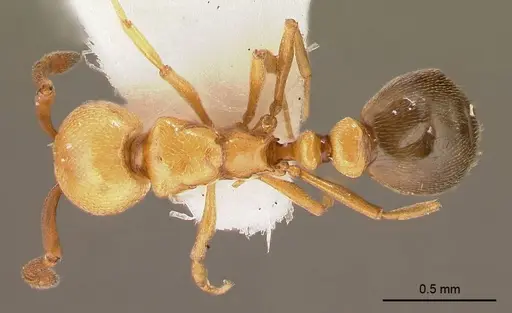
CASENT0101127
View on AntWeb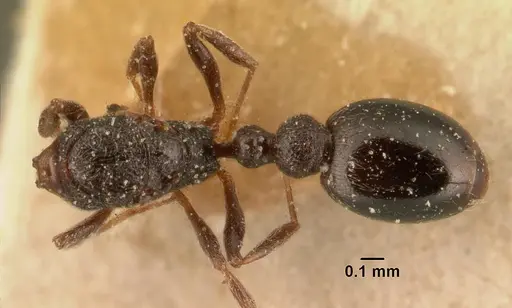

CASENT0101218
View on AntWeb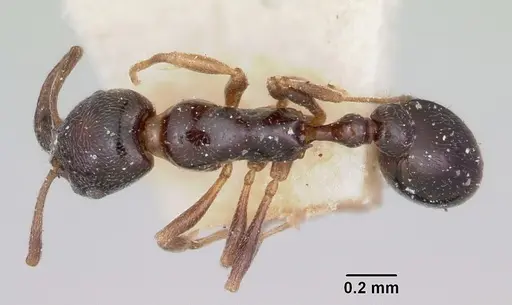
CASENT0101219
View on AntWeb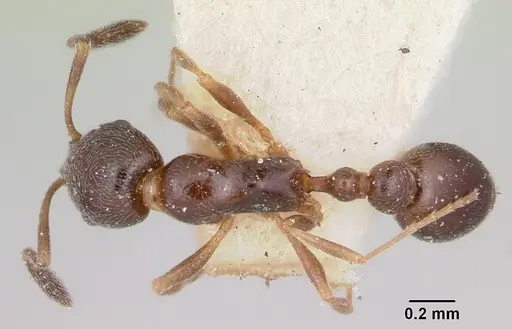
CASENT0101461
View on AntWeb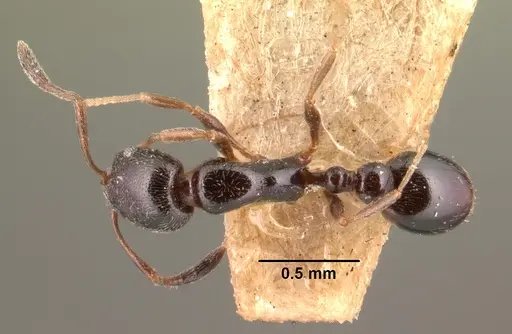
CASENT0101678
View on AntWeb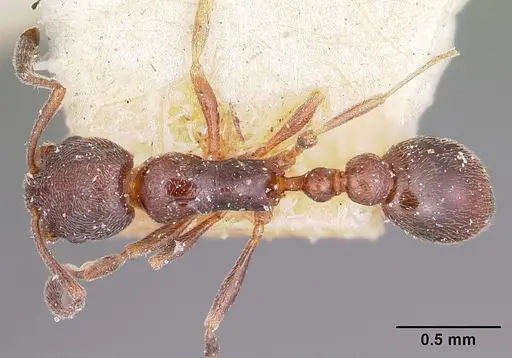
CASENT0101859
View on AntWeb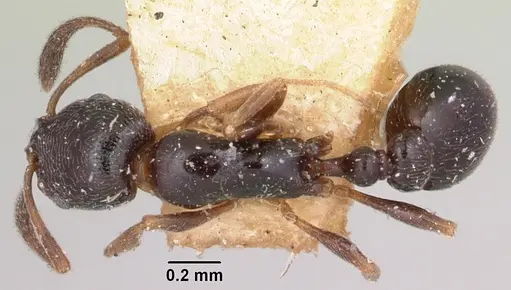
CASENT0101891
View on AntWeb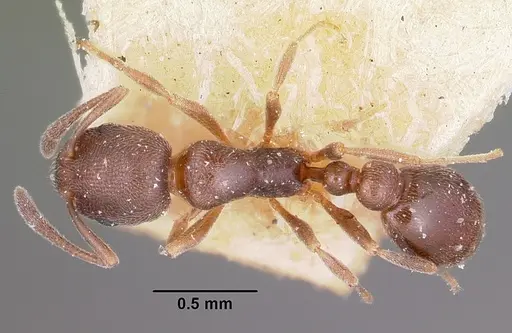
CASENT0128804
View on AntWeb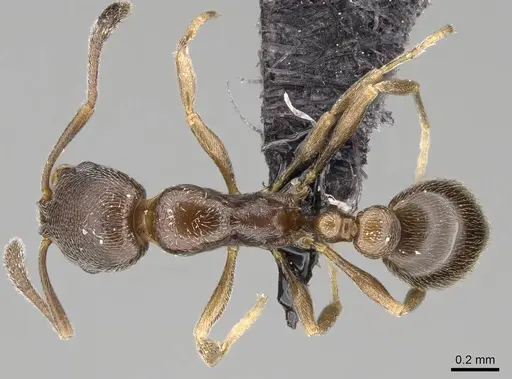
CASENT0172818
View on AntWeb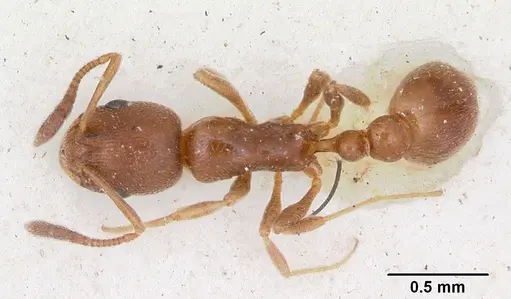
CASENT0235862
View on AntWeb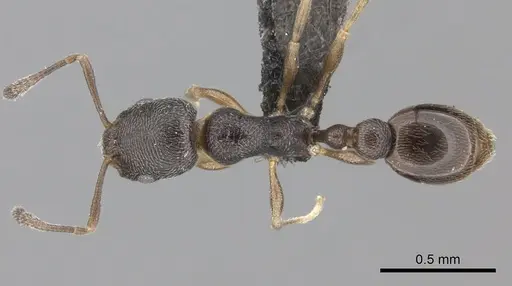
CASENT0251157
View on AntWeb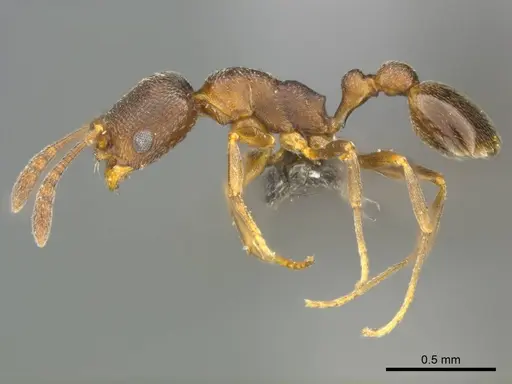
CASENT0280594
View on AntWeb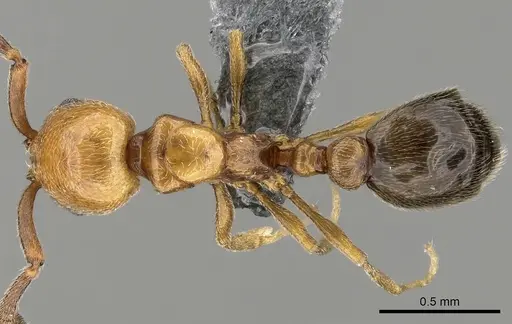
CASENT0812057
View on AntWeb
CASENT0912881
View on AntWeb
CASENT0912882
View on AntWeb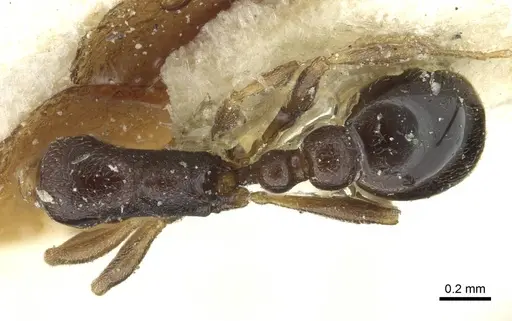
Literature
Loading distribution map...Loading products...