
Cardiocondyla pirata
- Sci. Name
- Cardiocondyla pirata
- Tribe
- Crematogastrini
- Subfamily
- Myrmicinae
- Author
- Seifert & Frohschammer, 2013
- Distribution
- Found in 1 countries
Introduction
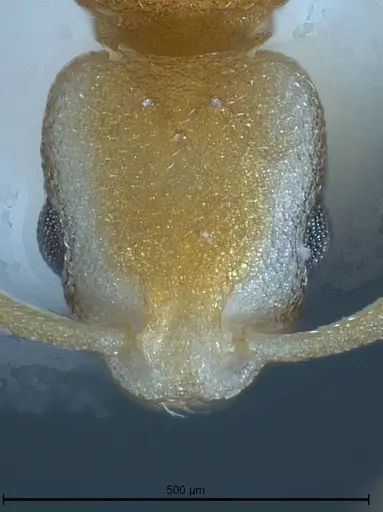
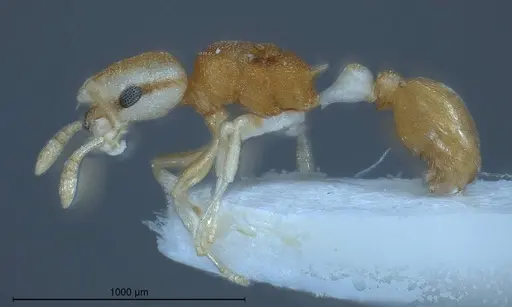
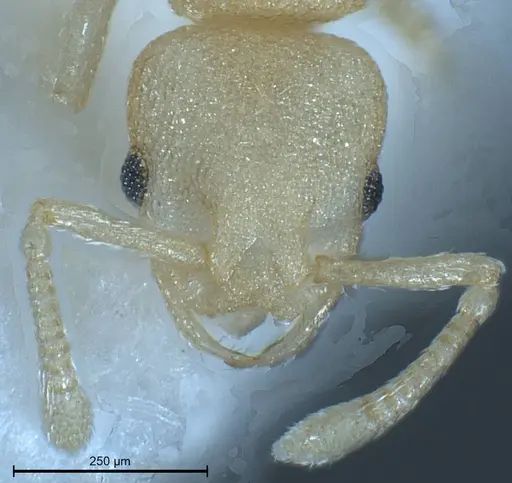
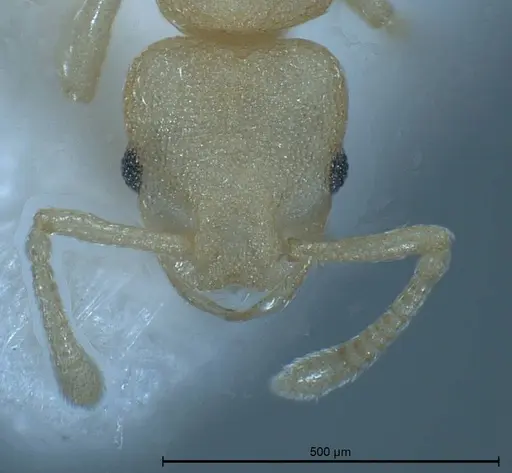
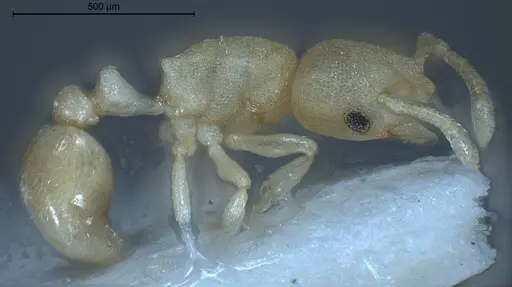
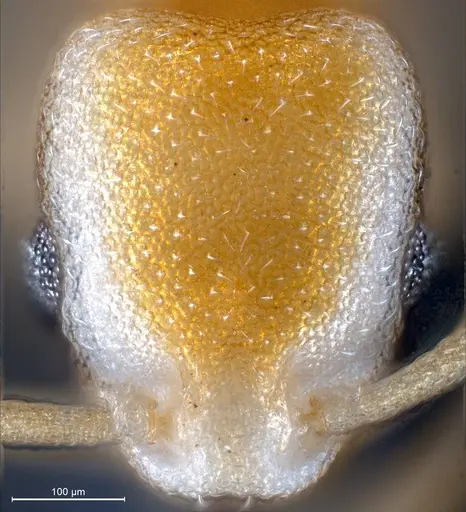
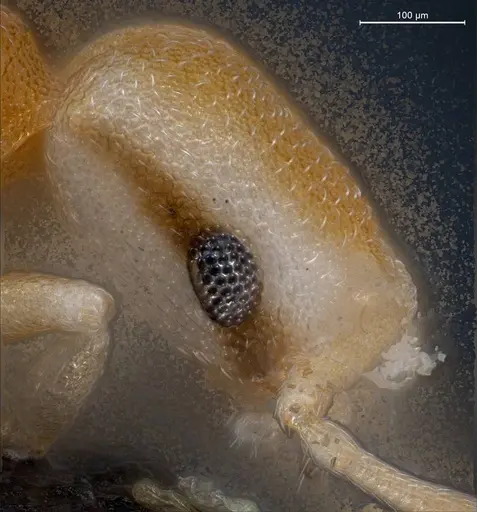
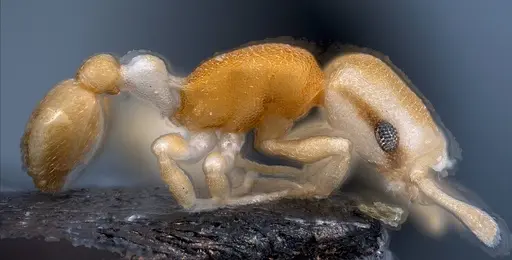
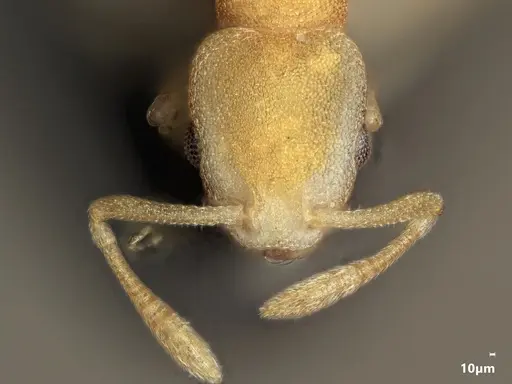
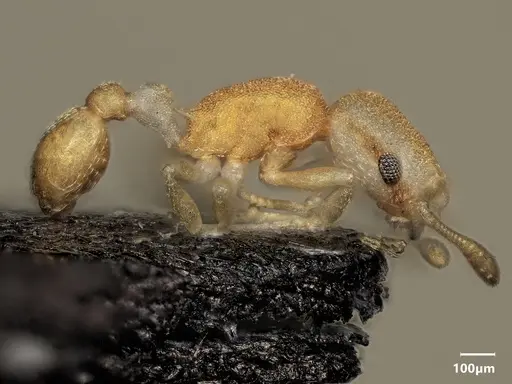
Cardiocondyla pirata is a stunningly beautiful tiny ant species native to the Philippines, specifically found in Luzon around Los Banos. What makes this ant absolutely unmistakable is its distinctive 'pirate' pigmentation pattern - a dark brown ribbon running across each eye, flanked above and below by broad unpigmented bands that appear whitish. The rest of the body shows a striking contrast: light yellowish-brown on the gaster, vertex, and legs, with a light orange-brown mesosoma and whitish areas on the petiole, clypeus, and leg joints. This species belongs to the Cardiocondyla argentea group and was only described in 2013, making it a relatively new discovery in the antkeeping hobby. Workers are among the smallest ants, with a head size of 397 micrometers - the smallest measurement in the genus.
Quick Summary
- Difficulty: Hard
- Origin & Habitat: Philippines (Luzon, Los Banos) at 14.1643°N, 121.2375°E. Found in a hortarium (botanical garden) environment at 58m elevation. This is a tropical Southeast Asian species from the Indomalaya region [1][2].
- Colony Type: Polygynous, colonies naturally contain 1-4 queens working together. The single complete wild colony collected had 3 dealate queens and 15 workers. Ergatoid (wingless) males are produced and mate inside the nest [1][3].
- Size & Growth:
- Queen: Size data unavailable, the only available measurement is cephalic size (437 micrometers), which measures head length only, not total body length. Inferred from Cardiocondyla genus, queens are likely approximately 2mm total length [1][3].
- Worker: Size data unavailable, the only available measurement is cephalic size (397 micrometers), which measures head length only, not total body length. Inferred from Cardiocondyla genus, workers are likely approximately 1.5-2mm total length [1][3].
- Colony: Maximum unknown, the only collected colony had 15 workers plus brood. Based on related Cardiocondyla species, colonies likely remain small [1][2].
- Growth: Unknown, no long-term observations available
- Development: Unknown, not directly studied for this species (No specific development data exists for this species. Related Cardiocondyla species typically develop from egg to adult worker in 4-8 weeks at optimal temperatures.)
- Antkeeping:
- Temperature: Keep warm at 24-28°C. This species is from tropical Philippines and requires consistent warmth. A heating cable on one side of the nest can create a gentle gradient.
- Humidity: High humidity required, think damp tropical forest floor. Keep the nest substrate consistently moist but not waterlogged. The substrate should feel damp to the touch.
- Diapause: No, as a tropical species from the Philippines, diapause is not expected. This species originates from a region with year-round warm temperatures [2].
- Nesting: Natural nesting is in small cavities, the type specimens were found in a hole of a stone at a riverside. In captivity, use very small-scale setups: test tubes with cotton plugs, small acrylic nests, or Y-tong nests with tiny chambers scaled to their minute size. The key is tight chambers, these ants are tiny and can slip through standard barriers.
- Behavior: These are peaceful, small ants that are not aggressive. Workers are extremely tiny and will likely flee rather than fight when threatened. They are not known to sting and pose no danger to keepers. Because of their incredibly small size, escape prevention is critical, they can squeeze through the tiniest gaps. Use fine mesh barriers and ensure all openings are sealed. Ergatoid males (wingless) are produced instead of winged males, and they mate inside the nest. Males have distinctive sickle-shaped mandibles and will fight each other to monopolize mating opportunities with the queens [1][3][4].
- Common Issues: escape prevention is critical due to their extremely tiny size, they can slip through gaps that other ants cannot, no long-term captive colony data exists, this is a newly described species with limited husbandry information, high humidity requirements can lead to mold if ventilation is poor, tropical species may not tolerate temperature drops or dry conditions, small colony size means any losses have greater impact on the colony
Housing and Escape Prevention
Housing Cardiocondyla pirata presents unique challenges due to their extremely small size. Workers have a head size of just 397 micrometers, that's less than half a millimeter in head length! This means standard ant keeping equipment may have gaps that these tiny ants can slip through. Use test tubes with cotton plugs for founding colonies, ensuring the cotton is packed tightly. For larger colonies, use acrylic nests or Y-tong nests with chambers scaled to their tiny size. The most critical aspect of housing is escape prevention, you must use fine mesh barriers on all openings. Standard mesh may not be fine enough, consider using fabric mesh or lint screens. All connections between the nest and outworld should be sealed with cotton or fine mesh. These ants are not strong climbers and may struggle on smooth surfaces, but their small size means they can fit through impossibly tiny gaps. [1][2][3]
Feeding and Diet
Based on related Cardiocondyla species, these ants are likely omnivorous with a preference for small live prey. In the wild, they probably forage for tiny insects and arthropods, and may tend aphids for honeydew. In captivity, offer small live prey such as springtails, fruit flies, and other micro-arthropods. Sugar sources may be accepted, you can offer diluted honey or sugar water, but due to their tiny size, ensure the liquid is easily accessible and won't drown the ants. Protein is important for colony growth, offer small insects regularly. Because of their minute size, food items should be appropriately scaled. Observe your colony to see what they accept and adjust accordingly. [4][1]
Temperature and Humidity
As a tropical species from the Philippines, Cardiocondyla pirata requires warm and humid conditions. Maintain temperatures in the range of 24-28°C, consistent warmth is important for brood development. A heating cable placed on one side of the nest can create a gentle temperature gradient, allowing the ants to regulate their own exposure to heat. Place the heating element on top of the nest rather than underneath to avoid drying out the substrate through excessive evaporation. Humidity should be high, think damp forest floor conditions. Keep the nest substrate consistently moist but not waterlogged. The substrate should feel damp to the touch. However, ensure adequate ventilation to prevent mold growth, which can be a problem in overly humid, stagnant conditions. [2][1]
Colony Structure and Reproduction
Cardiocondyla pirata has a fascinating and unusual colony structure. Colonies are polygynous, meaning they contain multiple queens, typically 1-4 per nest. The only complete wild colony collected had 3 dealate (wingless) queens and 15 workers. Unlike most ants, this species produces only ergatoid males, wingless males that develop from the worker caste rather than from winged sexuals. These ergatoid males are long-lived and mate inside the nest with the queens. Male ergatoids have distinctive sickle-shaped mandibles and will fight rival males using these weapons to monopolize mating opportunities. This explains why you typically only see one ergatoid male per colony, they kill rivals to ensure exclusive access to queens. The single collected colony produced over 20 female sexuals (new queens) and one ergatoid male in laboratory conditions before it died. [1][2][3][4]
Unique Appearance and Identification
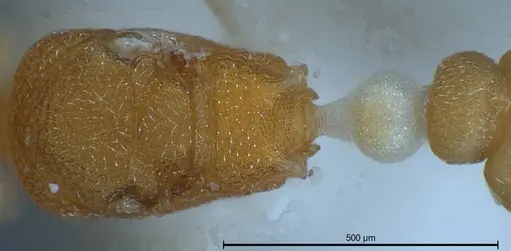
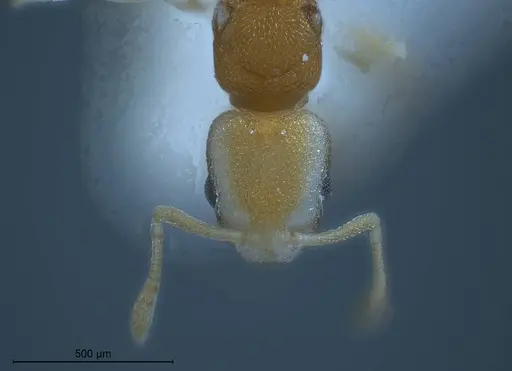
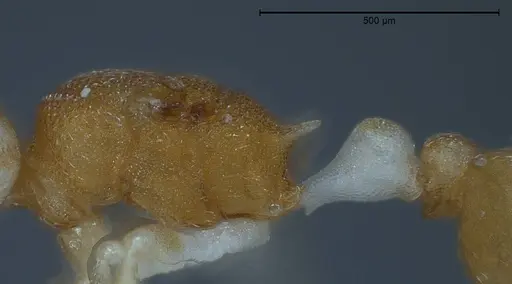
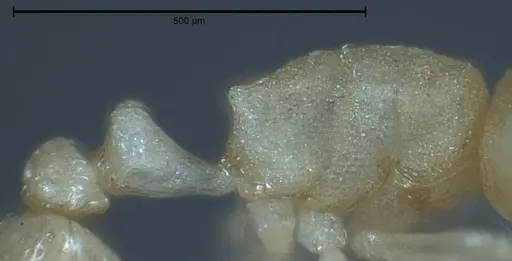
Cardiocondyla pirata is absolutely unmistakable in the ant world, no other ant species has a similar pigmentation pattern. The most distinctive feature is the dark brown 'pirate blindfold', a longitudinal ribbon running across each eye at head level, roughly as wide as the eye itself. This dark band is flanked above and below by broad unpigmented bands that appear whitish, creating a striking contrast. The rest of the body shows a beautiful pattern: the vertex (back of head), scapes (antennal segments), postpetiole, and gaster (abdomen) are light yellowish-brown, while the mesosoma (middle body section) is light orange-brown. Areas like the petiole, middle and hind coxae, clypeus, propodeal spines, and funiculus lack pigmentation entirely and appear whitish. This species was only described in 2013, making it a recent discovery. The 'pirata' species name directly references the pirate-like blindfold marking. [1][2]
Frequently Asked Questions
How long does it take for Cardiocondyla pirata eggs to develop into workers?
The exact development timeline is unknown for this species as it has not been directly studied.
Can I keep multiple Cardiocondyla pirata queens together?
Yes, this is natural for the species. Cardiocondyla pirata is polygynous, colonies in the wild contain 1-4 queens working together. The type colony had 3 dealate queens.
Do Cardiocondyla pirata ants sting?
These ants are tiny and non-aggressive. They belong to the Myrmicinae subfamily which has a smear-type defense mechanism using a flattened stinger, but given their minute size, they pose minimal threat to keepers.
What do Cardiocondyla pirata ants eat?
Based on related species, they likely accept small live prey (springtails, fruit flies, micro-arthropods), and may take sugar sources like honey water or sugar water. Protein is important for colony growth.
Are Cardiocondyla pirata good for beginners?
No, this species is not recommended for beginners. It is a newly described species (2013) with no long-term captive husbandry data. Their extremely tiny size makes escape prevention challenging, and they have specific humidity and temperature requirements. Additionally, this species is very rare in the antkeeping hobby.
What temperature should I keep Cardiocondyla pirata at?
Keep them warm at 24-28°C. As a tropical species from the Philippines, they require consistent warmth. A heating cable on one side of the nest can help maintain appropriate temperatures.
Why is it called the Pirate Ant?
The species name 'pirata' refers to its distinctive pigmentation pattern, a dark brown ribbon across each eye that resembles a pirate's blindfold. This unique marking makes it completely unmistakable compared to any other ant species worldwide.
How big do Cardiocondyla pirata colonies get?
The maximum colony size is unknown. The only complete wild colony collected had 15 workers. Based on related Cardiocondyla species, colonies likely remain relatively small.
Do Cardiocondyla pirata have winged males?
No, this species produces only ergatoid (wingless) males. These males are born without wings and mate inside the nest with the queens. They have distinctive sickle-shaped mandibles and fight rival males to monopolize matings.
When will this species be available in the antkeeping hobby?
Cardiocondyla pirata is extremely rare in captivity. It was only described in 2013 and has limited distribution in the Philippines. It is unlikely to be widely available in the antkeeping hobby anytime soon.
Report an Issue
The current care sheet is based fully on literature. See inconsistencies, or something that's incorrect? Please , it will be resolved after review from an admin. Contributing to the blogs tab also helps providing information, to make us be able to further improve the caresheets. Thank you for your support!
References

This caresheet is licensed under CC BY-SA 4.0 .
Community Blogs
ANTWEB1008382
View on AntWeb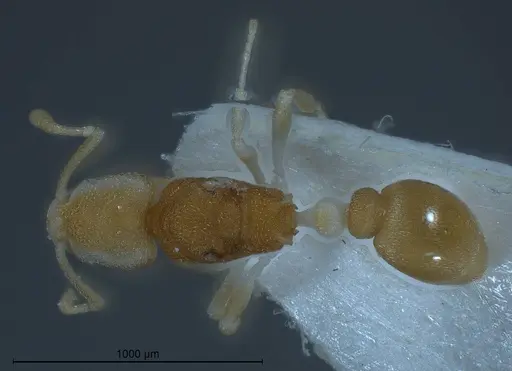
ANTWEB1008383
View on AntWeb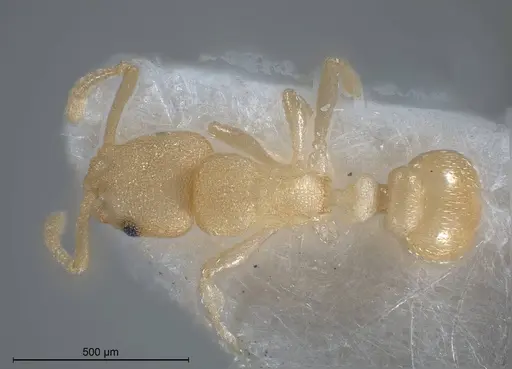
ANTWEB1008384
View on AntWeb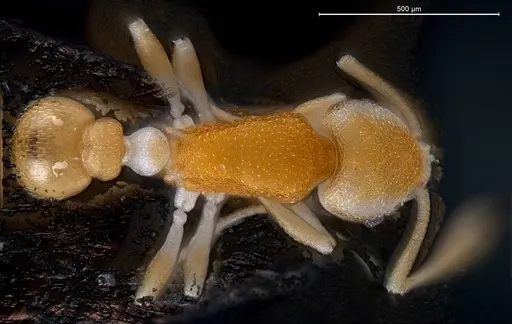
ANTWEB1048532
View on AntWeb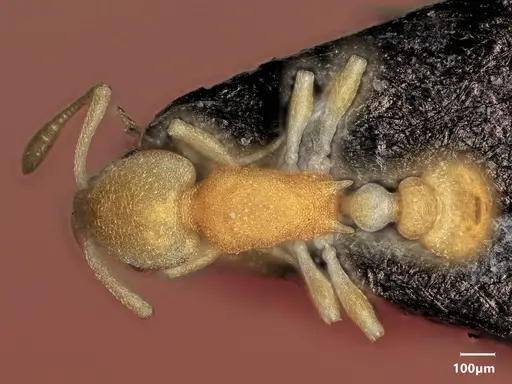
Literature
Loading distribution map...Loading products...