
Cardiocondyla paradoxa
- Sci. Name
- Cardiocondyla paradoxa
- Tribe
- Crematogastrini
- Subfamily
- Myrmicinae
- Author
- Emery, 1897
- Distribution
- Found in 2 countries
Introduction
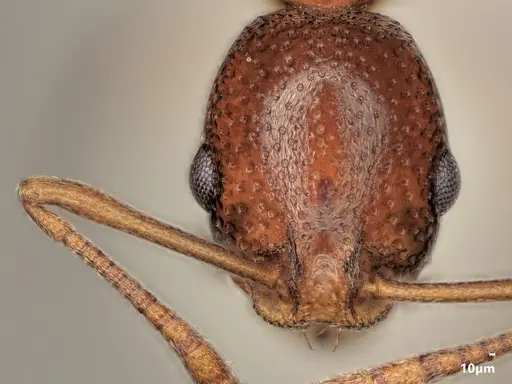
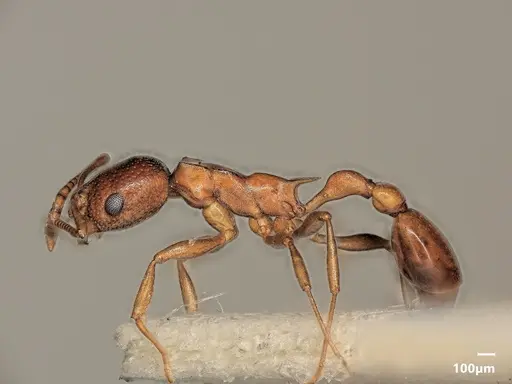
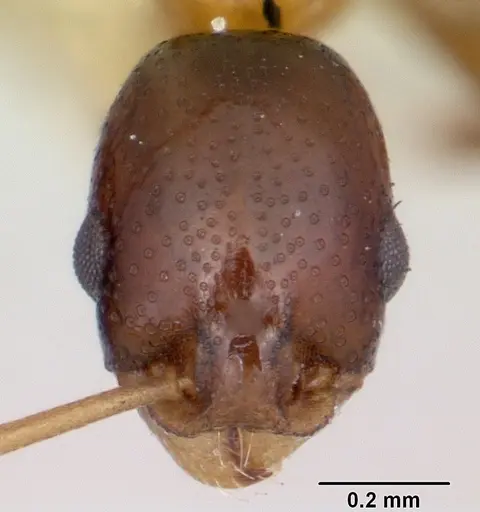
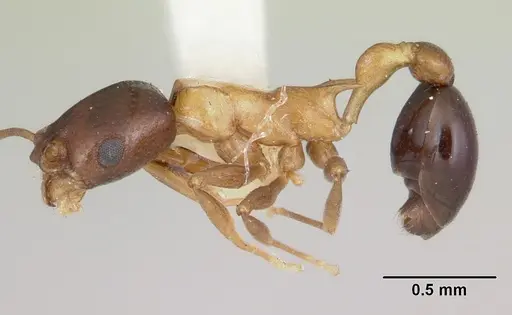
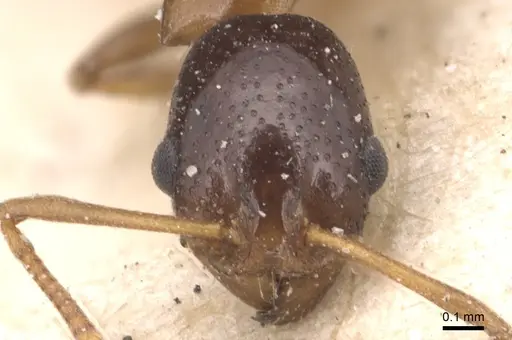
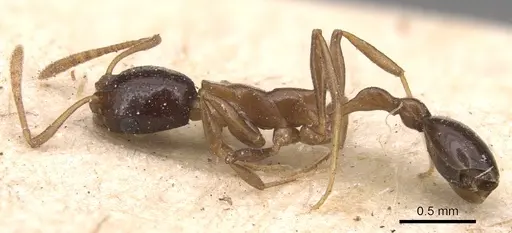
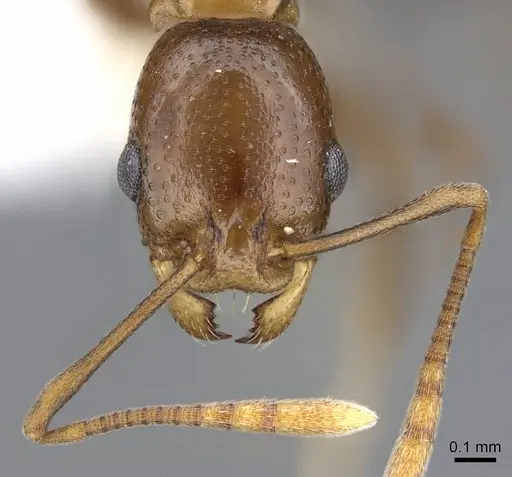
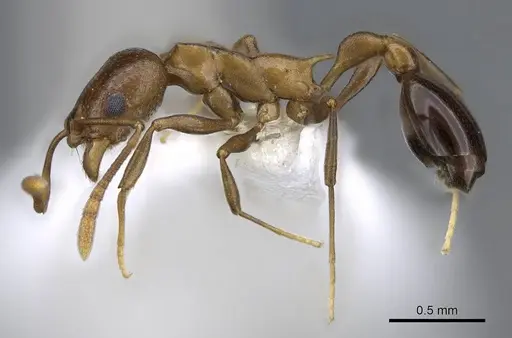
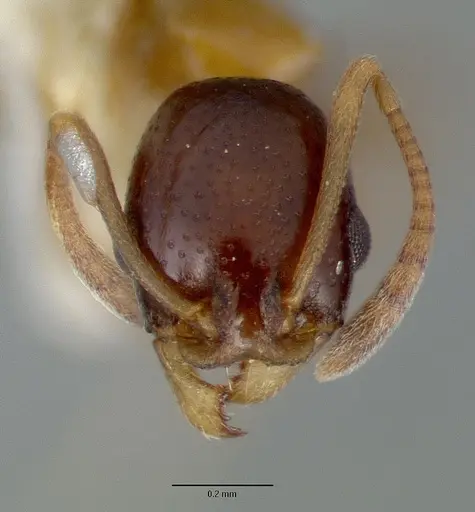
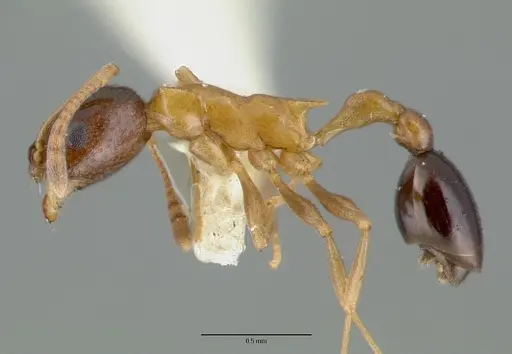
Cardiocondyla paradoxa is a tiny rain forest ant species native to New Guinea, found throughout Papua New Guinea and Indonesian Irian Jaya. Workers have a distinctive appearance with a dark brown head and gaster, yellow-brown antennae, and yellow mesosoma and legs. The pronotal corners are prominently sharp, and the petiole is extremely narrow and elongated. This species nests in soil to about 20cm depth, constructing a single entrance hidden beneath leaf litter. Unlike many Cardiocondyla that thrive in disturbed areas, C. paradoxa is a habitat specialist found primarily in rubber plantations rather than primary forests . As a member of Myrmicinae, they possess a modified stinger used to smear venom on attackers rather than pierce flesh.
Quick Summary
- Difficulty: Medium
- Origin & Habitat: New Guinea (Papua New Guinea and Indonesian Irian Jaya), ranging from sea level to 1800m elevation in tropical rain forests [1]. Found in leaf litter on the forest floor and in rubber plantations [2][3].
- Colony Type: Colony structure is unconfirmed. Multiple queens have not been documented in this species.
- Size & Growth:
- Queen: Size data unavailable, no documented measurements for queens of this species
- Worker: ~2mm, inferred from Cardiocondyla genus (head measurement CS 583 µm available but represents head only, not total body length)
- Colony: Size data unavailable
- Growth: Growth rate data unavailable
- Development: Data unavailable, development has not been studied in this species (No direct observations available)
- Antkeeping:
- Temperature: Keep at 24-28°C, this is a tropical species from New Guinea where temperatures are consistently warm year-round
- Humidity: High humidity is essential. These ants come from rain forest leaf litter where conditions are constantly damp. Keep substrate moist but not waterlogged, with a water tube for drinking water
- Diapause: No, as a tropical species, they do not require hibernation. Keep temperatures stable year-round
- Nesting: Soil-nesting species that digs chambers up to 20cm deep. In captivity, a naturalistic setup with moist soil or a Y-tong/plaster nest works well. They prefer tight, humid chambers scaled to their tiny size. Avoid dry conditions entirely [1][3].
- Behavior: These ants are very small and quite shy. Workers forage on the ground surface, likely collecting honeydew and small prey. They are not aggressive and rarely sting. Escape prevention is critical, their tiny size means they can squeeze through standard barrier setups. Use fine mesh and tight-fitting lids. They are slow-moving and spend most of their time in the nest or just outside the entrance.
- Common Issues: escape prevention is critical, their tiny size allows them to squeeze through the smallest gaps, high humidity must be maintained or colonies will fail, slow growth can frustrate keepers who overfeed or disturb the nest too frequently, wild-caught colonies may have parasites that kill them in captivity, test tube setups may dry out too quickly, monitor moisture constantly
Housing and Nest Setup
Cardiocondyla paradoxa requires a setup that maintains high humidity while providing proper nesting space. A naturalistic terrarium with moist soil works well, fill the outworld with a soil mix that holds moisture but doesn't become waterlogged. The nest chamber should be about 20cm below the surface in the wild, but in captivity you can provide a shallower setup with a water reservoir. Y-tong nests with narrow chambers also work if you keep them consistently moist. Whatever setup you choose, ensure the nest material stays damp but not soaking wet. A test tube setup can work but requires frequent checking and refilling of the water reservoir. The outworld should be simple, these tiny ants don't need much space to forage. [1][3]
Feeding and Diet
Like other Cardiocondyla species, C. paradoxa likely has an omnivorous diet. They probably feed on honeydew from aphids and scale insects, plus small insects and other protein sources. In captivity, offer sugar water or honey water as a constant energy source. For protein, provide small prey items like fruit flies, pinhead crickets, or other tiny insects. Given their minute size, prey items should be appropriately scaled. Observe whether they accept the food you offer. Remove uneaten prey after 24-48 hours to prevent mold. Feed small amounts frequently rather than large meals that could spoil.
Temperature and Humidity Control
As a tropical rain forest species from New Guinea, C. paradoxa needs warm and humid conditions. Keep temperatures in the range of 24-28°C. A heating cable on one side of the nest can create a gradient, but be careful not to dry out the nest. Room temperature may be sufficient if your home stays in this range. Humidity is more critical, aim for 70-80% relative humidity in the nest area. The substrate should feel consistently damp but not have standing water. Mist the outworld occasionally but focus on maintaining moisture in the nest itself. A water tube attached to the nest provides drinking water and helps maintain humidity through evaporation. Monitor conditions regularly, as small setups can dry out quickly in heated rooms. [1]
Handling and Temperament
Cardiocondyla paradoxa is a docile, non-aggressive species. Workers are tiny and rarely attempt to sting. They are not defensive of their nest and will typically retreat when disturbed. However, their small size makes them easy to accidentally crush or lose. When working with them, use soft tools and move slowly. They are not suitable for observation-focused keeping since they spend most of their time hidden in the nest. Their quiet nature makes them interesting to watch in a naturalistic setup where they can exhibit natural behaviors like foraging and nest maintenance. The biggest handling concern is preventing escapes, their minute size allows them to slip through gaps that would hold larger ants.
Growth and Development
Specific development times for C. paradoxa have not been documented. The first workers, called nanitics, will be smaller than mature workers. Colony growth is likely slow initially, the queen produces few eggs at first while she focuses on establishing a workforce. Patience is key with this species, small colonies can take many months to establish. Avoid disturbing the nest frequently, as this can stress the queen and slow development.
Frequently Asked Questions
How long does it take for Cardiocondyla paradoxa to produce first workers?
Data is unavailable. Development has not been studied in this species, so no timeline can be provided.
Can I keep Cardiocondyla paradoxa in a test tube setup?
Yes, but it requires careful humidity management. Test tubes dry out quickly, so you must check water levels frequently and refill as needed. A Y-tong or naturalistic setup with moist soil is often easier to maintain long-term.
What do Cardiocondyla paradoxa ants eat?
They likely accept sugar sources (honey water, sugar water) and small protein prey like fruit flies or tiny insects. Offer sugar water constantly and protein 2-3 times per week. Remove uneaten food promptly.
Do Cardiocondyla paradoxa ants sting?
They are capable of stinging but rarely do so. Their small size and docile nature mean they pose no threat to keepers. They will flee rather than defend.
Are Cardiocondyla paradoxa good for beginners?
They are moderate difficulty. The main challenges are maintaining high humidity and preventing escapes due to their tiny size. If you can provide stable, humid conditions and have experience with escape-prone tiny ants, they can be kept successfully.
How big do Cardiocondyla paradoxa colonies get?
Colony size data is unavailable. No documented observations of maximum colony size exist for this species.
Do Cardiocondyla paradoxa need hibernation?
No. As a tropical species from New Guinea, they do not require hibernation. Keep temperatures stable year-round in the 24-28°C range.
Why are my Cardiocondyla paradoxa escaping?
Their tiny size allows them to squeeze through gaps that hold larger ants. Use fine mesh on all ventilation holes, apply fluon or barrier grease to edges, and ensure all lids fit tightly. Check for any gaps larger than 0.5mm.
When should I move Cardiocondyla paradoxa to a formicarium?
Wait until the colony has at least 50-100 workers and is actively foraging in the outworld. Moving too early can stress the queen. A naturalistic setup with soil is most appropriate for this soil-nesting species.
Can I keep multiple Cardiocondyla paradoxa queens together?
The colony structure has not been documented for this species. Combining unrelated queens is not recommended since it has not been studied and could result in fighting.
Report an Issue
The current care sheet is based fully on literature. See inconsistencies, or something that's incorrect? Please , it will be resolved after review from an admin. Contributing to the blogs tab also helps providing information, to make us be able to further improve the caresheets. Thank you for your support!
References

This caresheet is licensed under CC BY-SA 4.0 .
Community Blogs
ANTWEB1048529
View on AntWeb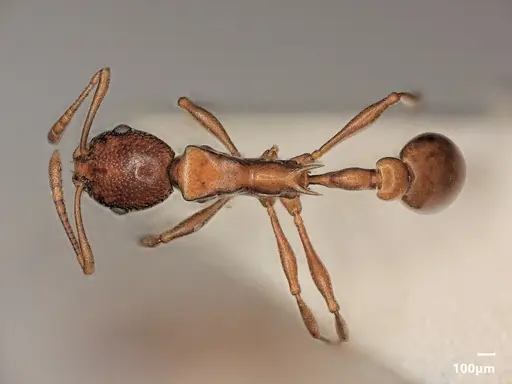
CASENT0103276
View on AntWeb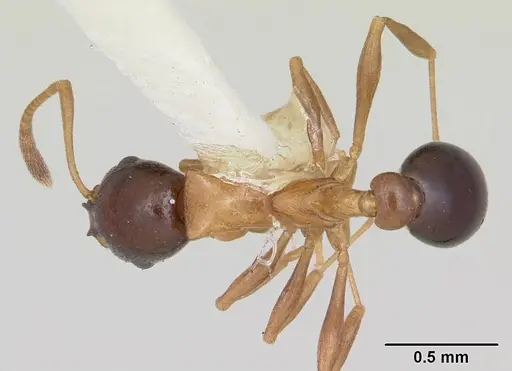
CASENT0904465
View on AntWeb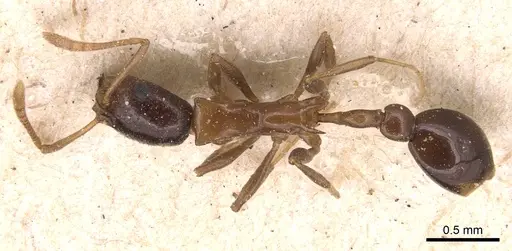
CASENT0914969
View on AntWeb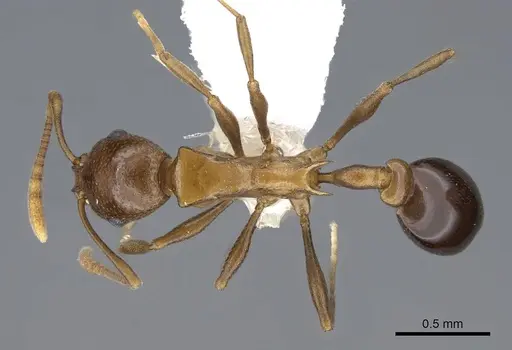
CASTYPE06949
View on AntWeb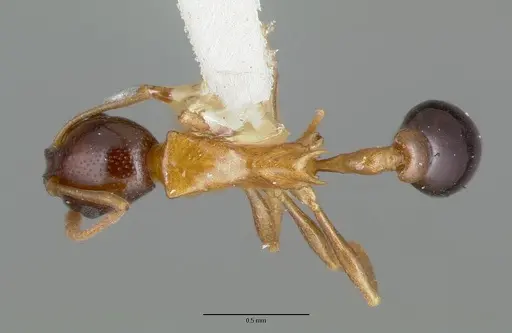
Literature
Loading distribution map...Loading products...