
Arboreal Sneaking Ant
Cardiocondyla obscurior
- Sci. Name
- Cardiocondyla obscurior
- Tribe
- Crematogastrini
- Subfamily
- Myrmicinae
- Author
- Wheeler, 1929
- Common Name
- Arboreal Sneaking Ant
- Distribution
- Found in 16 countries
Introduction
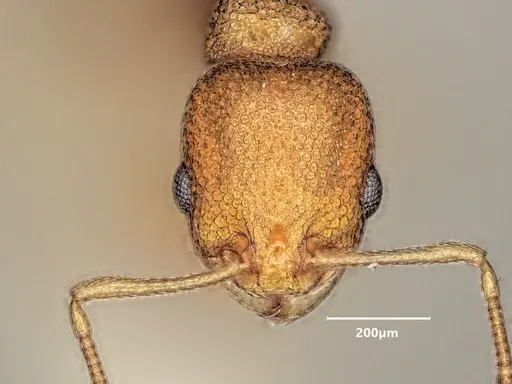
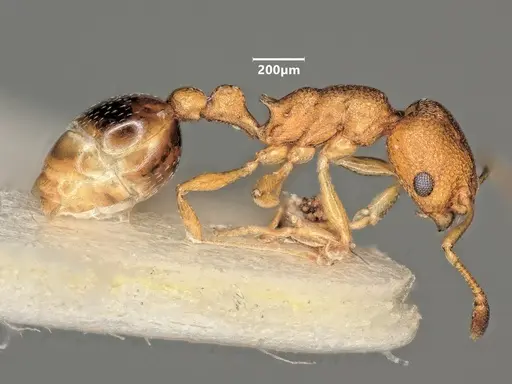
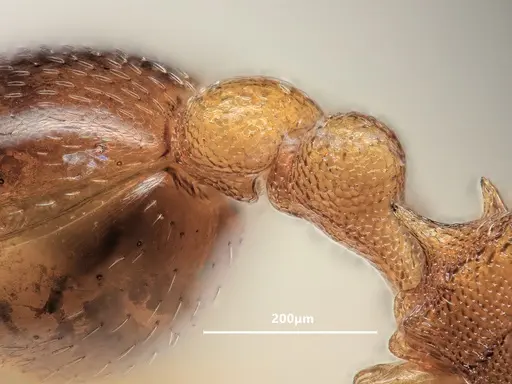
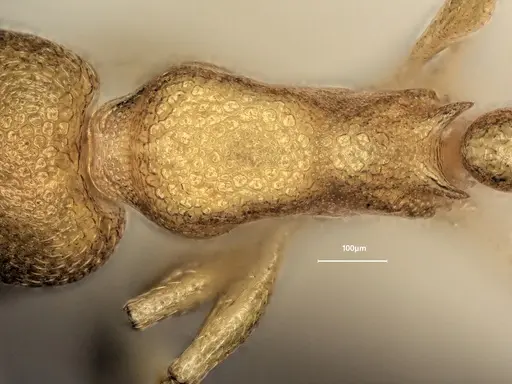
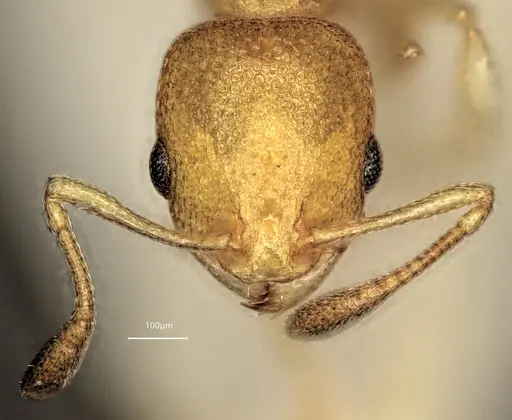
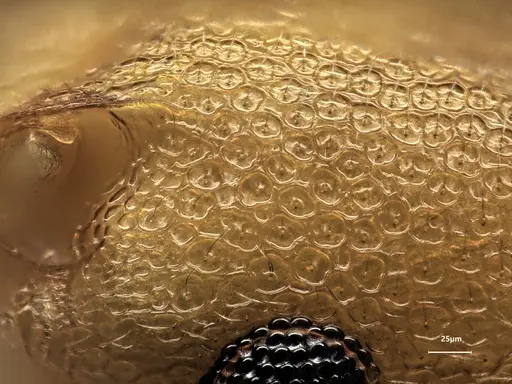
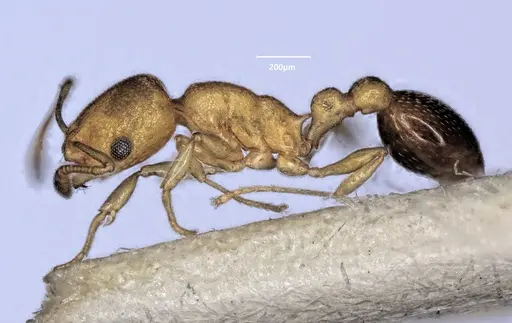
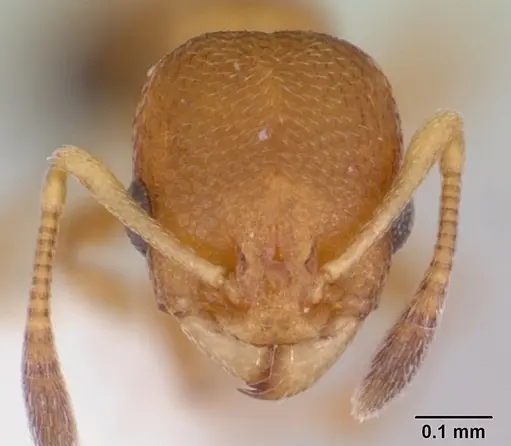
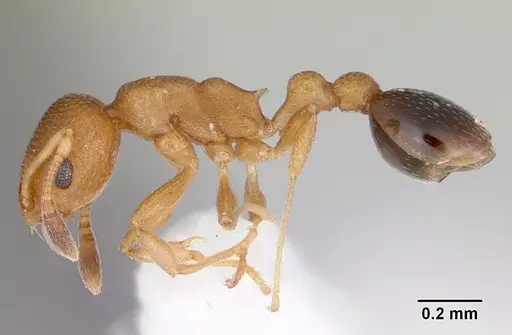
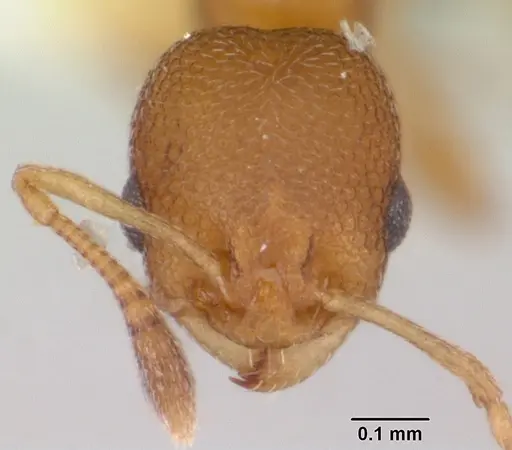
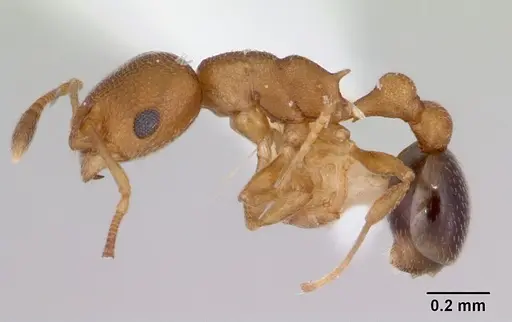
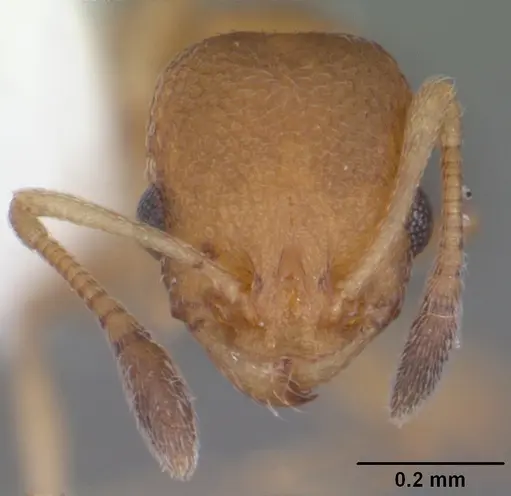
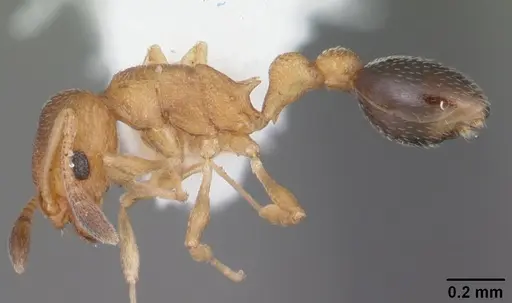
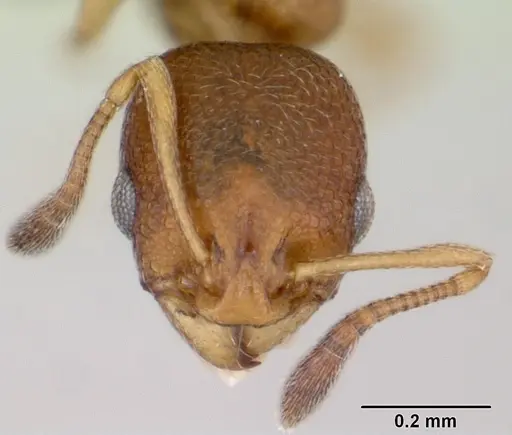
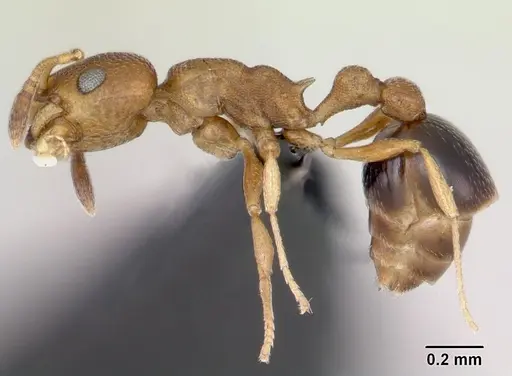
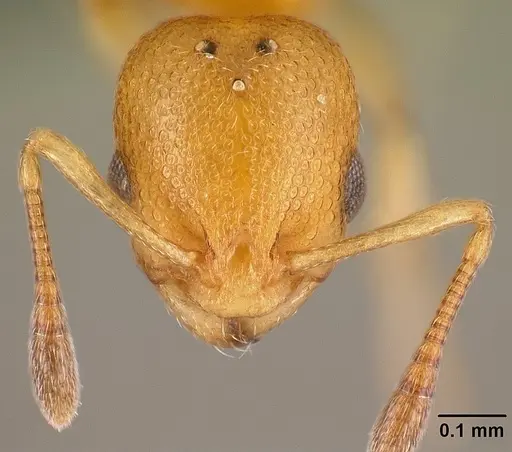
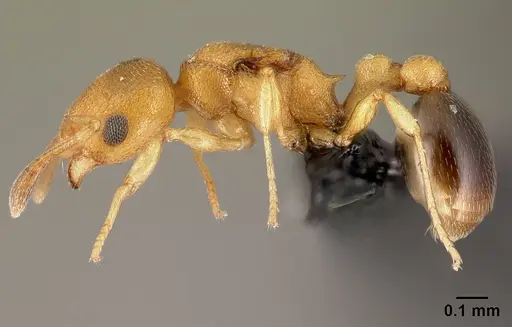
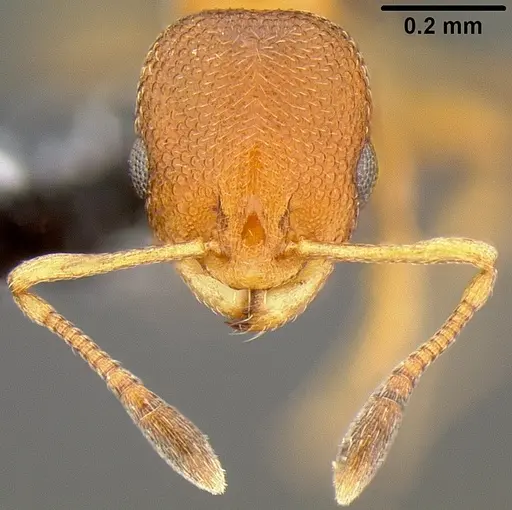
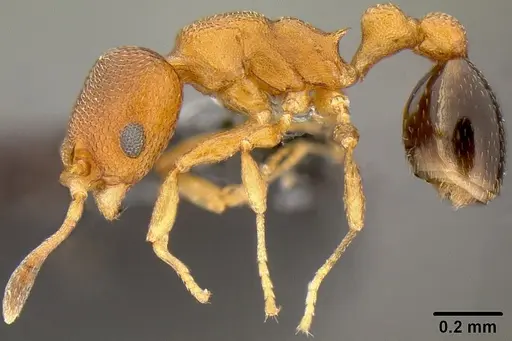
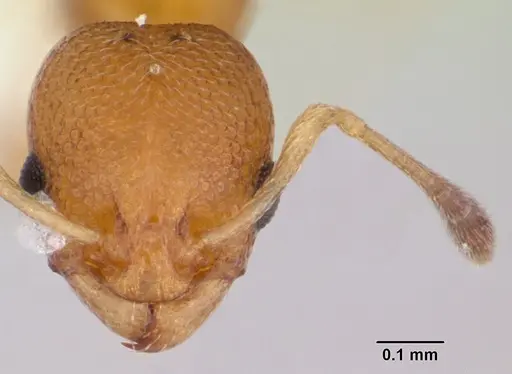
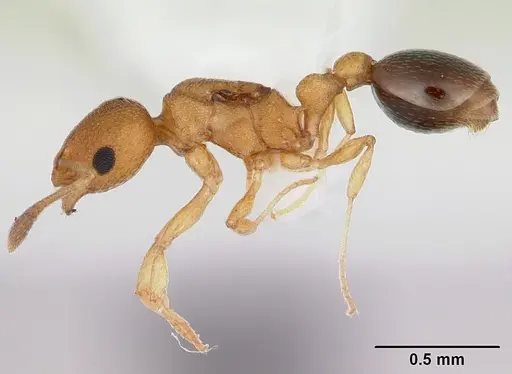
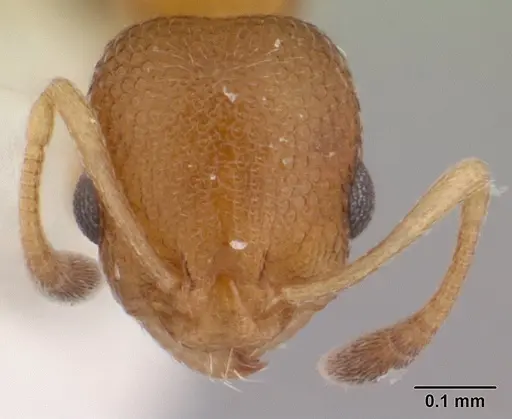
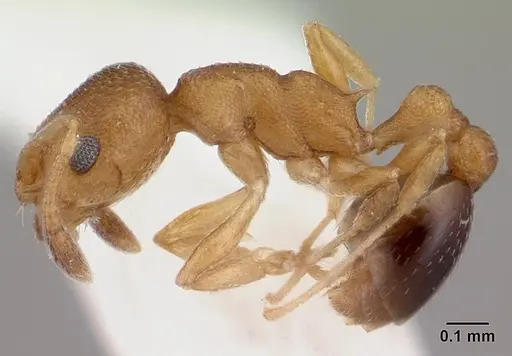
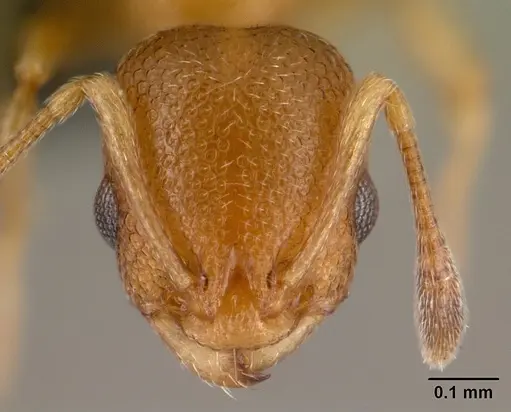
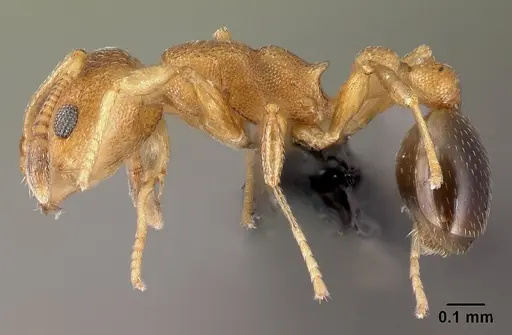
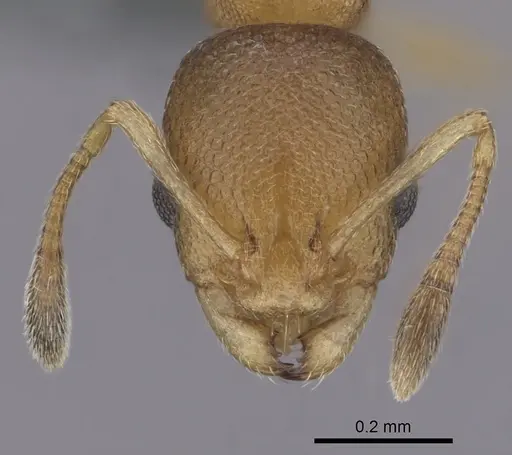
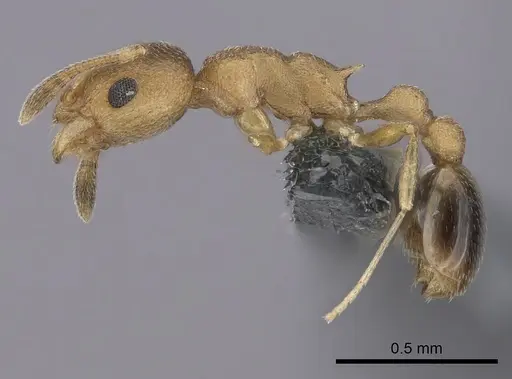
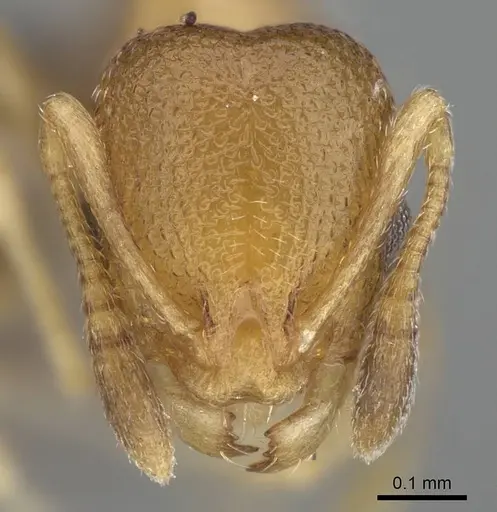
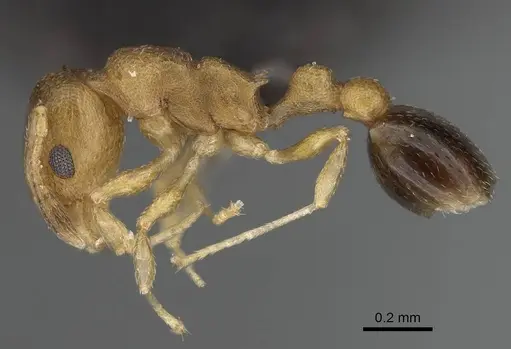
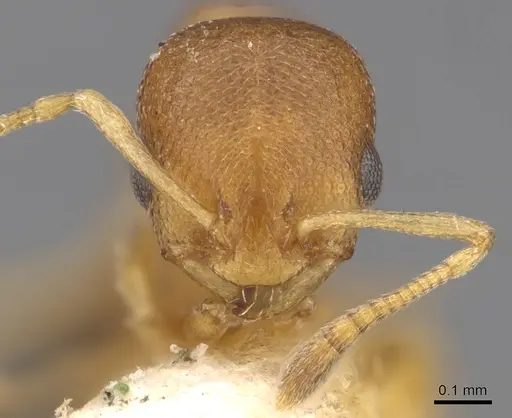
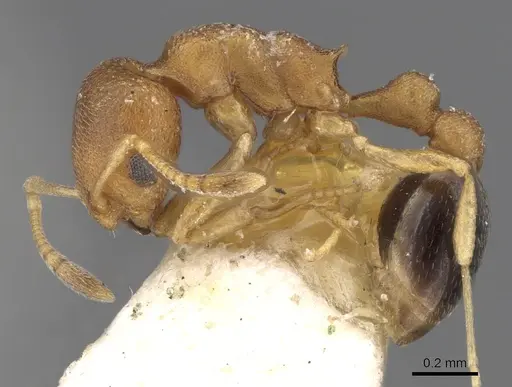
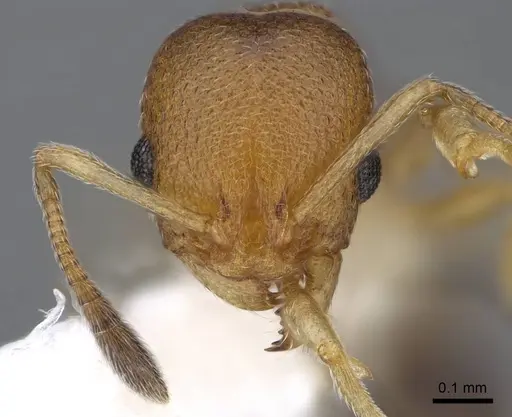
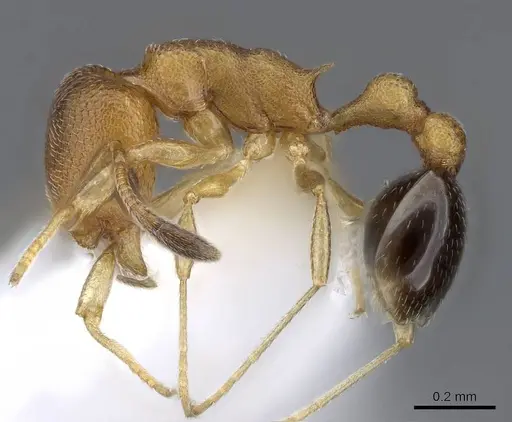
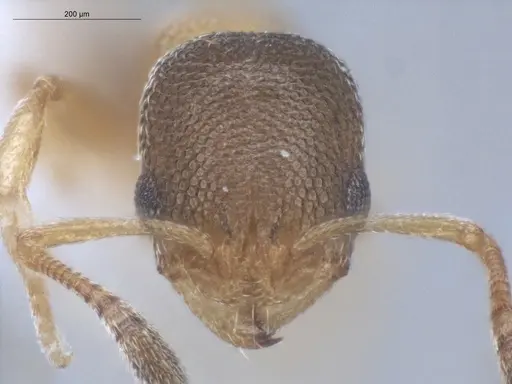
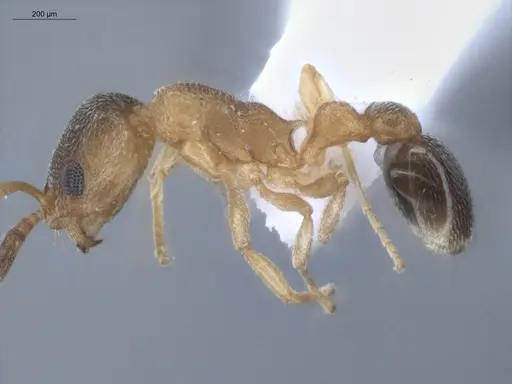
Cardiocondyla obscurior is a tiny myrmicine ant known for its remarkable male dimorphism - colonies produce both winged disperser males and wingless fighter males (ergatoids) with distinctive sickle-shaped mandibles. Workers measure approximately 2mm, with a dark brown gaster contrasting against their yellowish head and mesosoma. This species is highly arboreal, nesting in preformed cavities in trees and shrubs such as dead twigs, aborted fruits, and plant galls 2-5 meters above ground . Originally from Southeast Asia, this tramp species has spread globally through human commerce and now inhabits tropical and subtropical regions worldwide, making it one of the most widespread Cardiocondyla species.
Quick Summary
- Difficulty: Expert
- Origin & Habitat: Presumed Southeast Asian origin, now cosmopolitan in tropical and subtropical regions across the Americas, Pacific Islands, Africa, and Europe. Found in arboreal cavities in bushes and trees including dead twigs of Erythrina, aborted coconuts, and plant galls [1][2].
- Colony Type: Facultatively polygynous, colonies can have single or multiple queens (typically 2-10+ queens). Colonies founded by budding where queens leave with workers to form satellite nests. Regular inbreeding occurs with sibling mating [2][3].
- Size & Growth:
- Antkeeping:
- Temperature: Keep at 25-28°C. They tolerate a range of 23-30°C but grow best in warm conditions. A slight temperature drop (5°C for 2+ days) can trigger production of winged males [6].
- Humidity: Moderate to high humidity (60-80%). Provide a moist nest substrate but avoid waterlogging. Their natural arboreal nesting sites are protected from extreme moisture.
- Diapause: No, this is a tropical species that does not require hibernation. Keep at stable warm temperatures year-round [3].
- Nesting: Arboreal nesting, they prefer small cavities above ground. Y-tong (AAC) nests or plaster nests with narrow chambers work well. Provide small chambers scaled to their tiny size. Can also use test tube setups with cotton-plugged water section.
- Behavior: Generally peaceful and non-aggressive. Workers forage individually without mass recruitment, though occasional tandem running occurs. They are not known to sting and pose no danger to humans. Their tiny size makes escape prevention important, use fine mesh barriers. Colonies are skittish and may abandon broods if disturbed. The most notable behavior is the ergatoid male's lethal fighting, wingless males patrol the nest and kill rival males to monopolize mating with virgin queens [7].
- Common Issues: tiny size means escapes are likely without fine mesh barriers, they can squeeze through standard formicarium gaps., colonies are sensitive to disturbance, avoid frequent nest inspections that can cause queen abandonment., winged male production may indicate stress from temperature changes or overcrowding [6]., inbreeding depression can occur after multiple generations of sibling mating, avoid prolonged inbreeding [10]., antibiotic exposure harms their essential bacterial endosymbionts, avoid treating with antibiotics [3]., WARNING: This is an invasive tramp species. Do NOT release this ant into the wild, it can establish in non-native regions and cause ecological damage.
Housing and Nest Setup
Cardiocondyla obscurior is an arboreal species that nests in small cavities above ground, so your setup should reflect this. Y-tong (AAC) nests or plaster nests with small, tight chambers work best, these tiny ants need chambers scaled to their ~2mm size. Test tube setups are also suitable, especially for founding colonies. Keep the nest moderately humid with a moist substrate that does not dry out completely, but avoid waterlogging. Because they are tiny, escape prevention is critical, use fine mesh on all openings and ensure any connections between outworld and nest are snug. Place the setup in a warm area (25-28°C) away from direct sunlight and vibrations. [4][1][2]
Feeding and Diet
These ants are opportunistic feeders that accept both sugar and protein sources. Offer sugar water or honey as a constant energy source. For protein, provide small insects like fruit flies, pinhead crickets, or small mealworms. In the lab, they are fed honey and insect pieces (cockroaches and fruit flies) twice weekly [2]. They forage individually rather than using mass recruitment, so place food in the outworld where foragers can find it. Remove uneaten protein after 24-48 hours to prevent mold. Their small size means even tiny prey items are suitable.
Temperature and Seasonal Care
Keep your colony at 25-28°C for optimal growth and reproduction. This is a tropical species that does not require hibernation or cooling periods. However, they are sensitive to temperature changes, a sudden drop of 5°C for at least 2 days can trigger production of winged males, which normally only appears under stressful conditions [6]. Stable temperatures year-round are ideal. Room temperature within this range is usually sufficient, but you may need a heating cable or mat in cooler climates. Avoid placing the nest near air conditioning vents or drafty areas.
Understanding Their Unique Male System
One of the most fascinating aspects of C. obscurior is their male dimorphism. Colonies normally produce wingless ergatoid males that stay in the nest and fight rival males using their distinctive sickle-shaped mandibles. These fighters patrol the brood area, killing rival ergatoid male pupae or newly eclosed males to monopolize mating with virgin queens [7]. Winged males are rarely produced and only under stressful conditions like temperature drops or colony fragmentation, they disperse to mate outside the nest [6]. In your colony, you will likely see the wingless ergatoid males (completely yellow with pointed mandibles) patrolling near the brood. This is normal behavior and not a problem to address.
Colony Dynamics and Multi-Queen Care
C. obscurior colonies are facultatively polygynous, meaning they can have one or multiple queens. In the wild, Japanese populations typically have more queens (median 10) than Brazilian populations (median 5) [8]. Multiple queens coexist peacefully in established colonies. Queens have remarkable longevity, they can live up to a year with an average lifespan of 26 weeks [5]. Mated queens live significantly longer than virgin queens, and queens produce both winged and ergatoid males. When keeping multiple queens together, ensure adequate space and resources. Colonies can also reproduce through budding, where a queen leaves with workers to establish a satellite nest.
Growth and Development Timeline
Development from egg to adult worker takes approximately 4-5 weeks. Eggs hatch in 5-8 days, then develop through larval stages over roughly 16-18 days before pupating, with the pupal stage lasting another 4 days for workers [5]. Winged reproductives take longer to develop, about 3 weeks longer than workers. Queens in your colony should begin laying eggs within a couple weeks of mating. The first workers (nanitics) will be smaller but will grow normally with subsequent broods. Colonies grow steadily and can reach several hundred workers over time. Egg-laying rates increase with queen age, and queens maintain high fecundity throughout most of their lifespan with negligible reproductive senescence [9].
Health and Common Problems
These ants are generally hardy but have specific vulnerabilities. Their tiny size makes them prone to escaping through standard barriers, always use fine mesh. They are sensitive to disturbance and may abandon broods if stressed. Prolonged inbreeding can cause problems, after 4-5 generations of sibling mating, you may see reduced queen lifespan, high brood mortality, and male sterility [10]. Avoid using antibiotics as they harm the essential bacterial endosymbionts (Candidatus Westeberhardia) that this species depends on for cuticle development [3]. If your colony produces winged males, it may indicate stress from temperature instability or overcrowding, review your conditions. Finally, ensure protein foods are small enough for these minute ants to handle.
Frequently Asked Questions
How long does it take for Cardiocondyla obscurior to produce first workers?
Expect first workers (nanitics) approximately 4-5 weeks after the queen lays her first eggs. This includes about 5-8 days for eggs to hatch, then 16-18 days as larvae, and 4 days as pupae [5]. The first batch may be smaller than subsequent workers.
Can I keep multiple Cardiocondyla obscurior queens together?
Yes, this species is facultatively polygynous, multiple queens can coexist peacefully in established colonies. In the wild, colonies typically have 2-10+ queens. You can keep multiple founding queens together, but provide adequate space and monitor for aggression initially [2][8].
Do Cardiocondyla obscurior ants sting?
No, this species does not sting and poses no danger to humans. They are completely harmless. Their small size means they cannot penetrate human skin even if they tried.
What do Cardiocondyla obscurior ants eat?
They accept both sugar and protein foods. Offer honey or sugar water as a constant sugar source. For protein, provide small insects like fruit flies, pinhead crickets, or small mealworms. Feed protein 2-3 times per week and remove uneaten prey after 24 hours [2][11].
Why is my colony producing winged males?
Winged male production is typically a stress response in this species. It can be triggered by sudden temperature drops (5°C or more for 2+ days), colony fragmentation, or overcrowding [6]. If you see winged males, review your temperature stability and ensure the colony has adequate space. Occasional winged male production is normal, but persistent production may indicate suboptimal conditions.
Do Cardiocondyla obscurior need hibernation?
No, this is a tropical species that does not require hibernation. Keep them at stable warm temperatures (25-28°C) year-round. They are not adapted to cold and temperatures below 20°C for extended periods can be harmful [3].
How big do Cardiocondyla obscurior colonies get?
Colonies typically reach a few dozen to several hundred workers. Maximum colony size is usually under 500 workers in captivity [4]. Growth rate is relatively fast, a healthy colony can reach several hundred workers within a year.
Are Cardiocondyla obscurior good for beginners?
While this species is relatively easy to keep due to its small size and peaceful temperament, it is rated as Expert difficulty because it is an invasive tramp species. Never keep this ant in regions where it is not native, and take extreme precautions to prevent any escape, as established populations can cause severe ecological damage.
Why are the ergatoid males fighting?
This is completely normal behavior. Ergatoid (wingless) males have specialized sickle-shaped mandibles and stay in the nest to fight rival males. Their job is to kill competing males and monopolize mating with virgin queens, this is how they ensure reproductive success [7]. You may see them patrolling near the brood or engaging in fights with rival males.
Report an Issue
The current care sheet is based fully on literature. See inconsistencies, or something that's incorrect? Please , it will be resolved after review from an admin. Contributing to the blogs tab also helps providing information, to make us be able to further improve the caresheets. Thank you for your support!
References

This caresheet is licensed under CC BY-SA 4.0 .
Community Blogs
ANTWEB1048527
View on AntWeb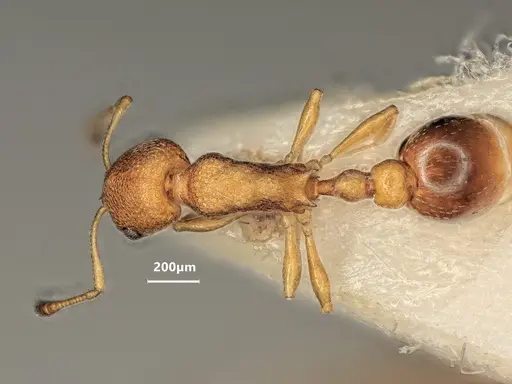
ANTWEB1060474
View on AntWeb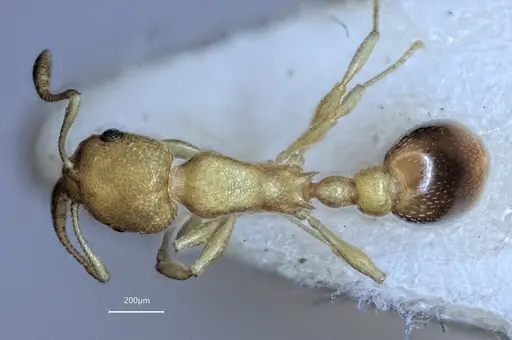
CASENT0103429
View on AntWeb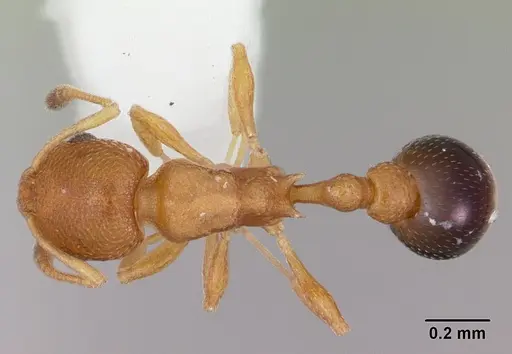
CASENT0103430
View on AntWeb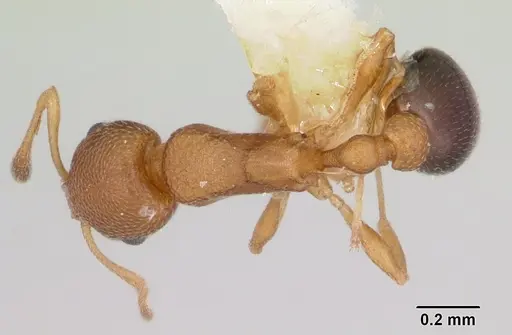
CASENT0103752
View on AntWeb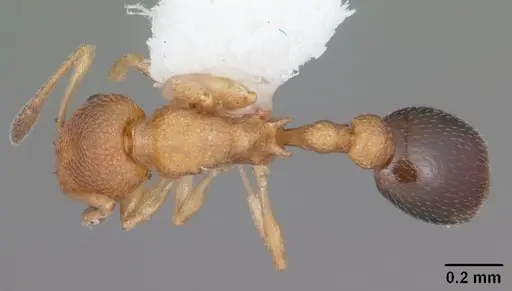
CASENT0119909
View on AntWeb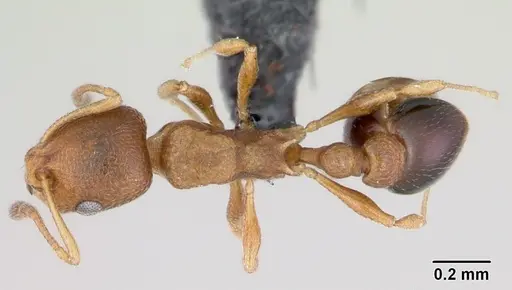
CASENT0159741
View on AntWeb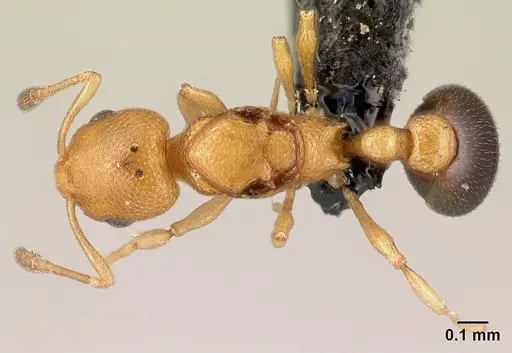
CASENT0171038
View on AntWeb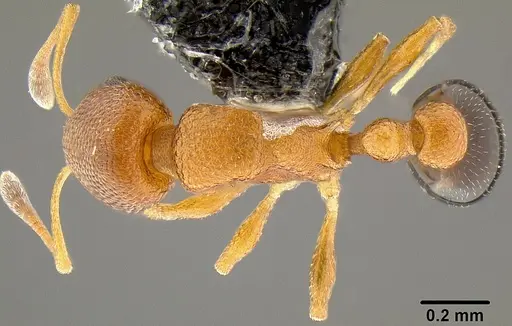
CASENT0172616
View on AntWeb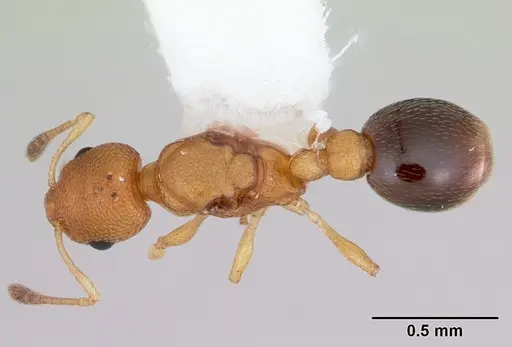
CASENT0178363
View on AntWeb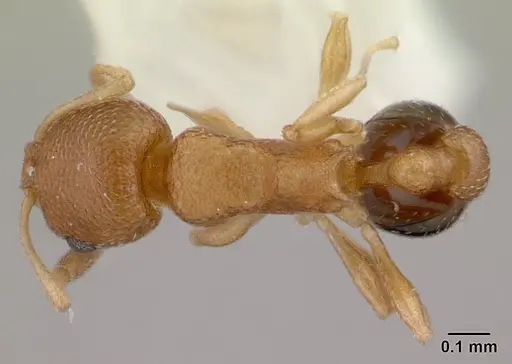
CASENT0217233
View on AntWeb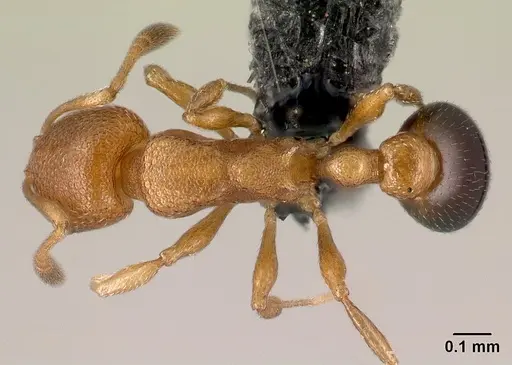
CASENT0264663
View on AntWeb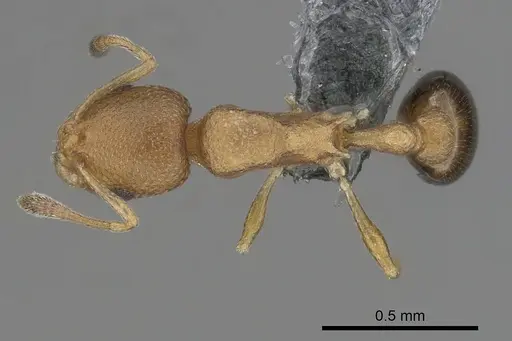
CASENT0799216
View on AntWeb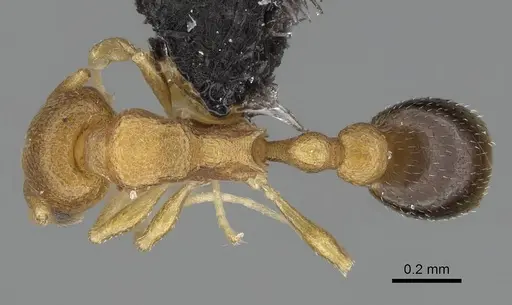
CASENT0901754
View on AntWeb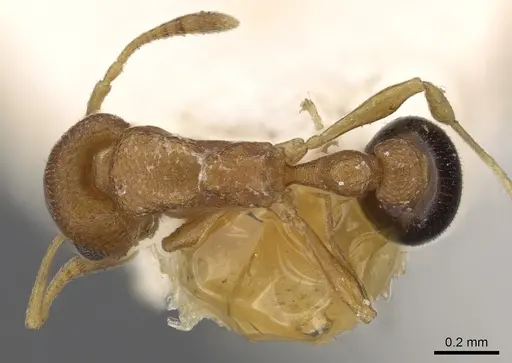
CASENT0914967
View on AntWeb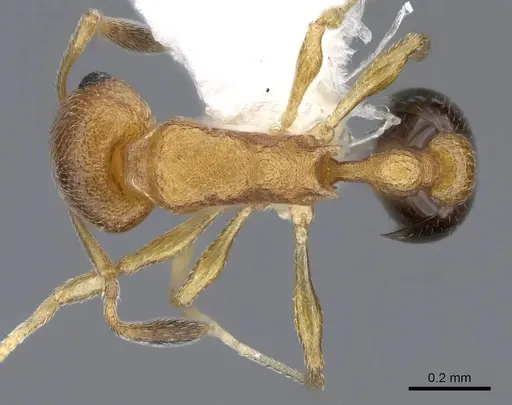
ECOFOG-BUG-2529-06
View on AntWeb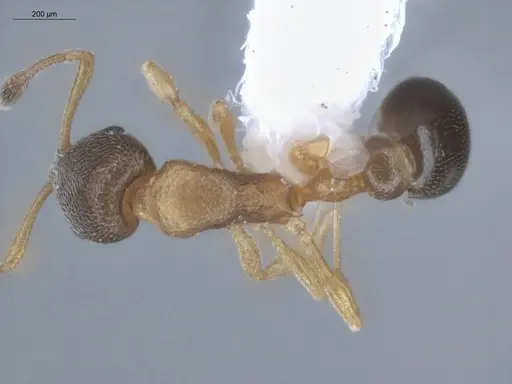
Literature
Loading distribution map...Loading products...