
Cardiocondyla nuda
- Sci. Name
- Cardiocondyla nuda
- Tribe
- Crematogastrini
- Subfamily
- Myrmicinae
- Author
- Mayr, 1866
- Distribution
- Found in 12 countries
Introduction
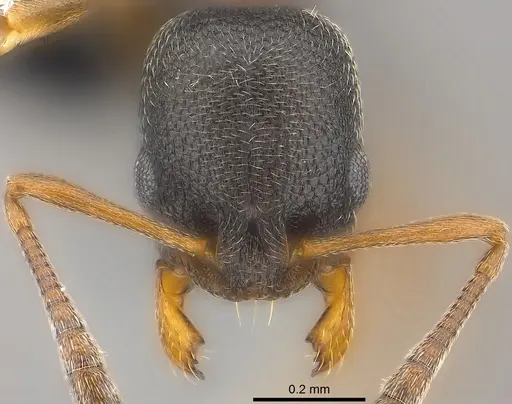
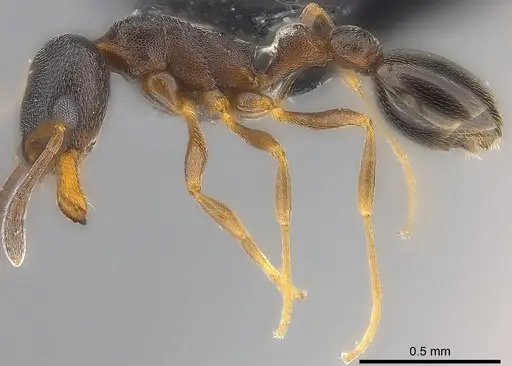
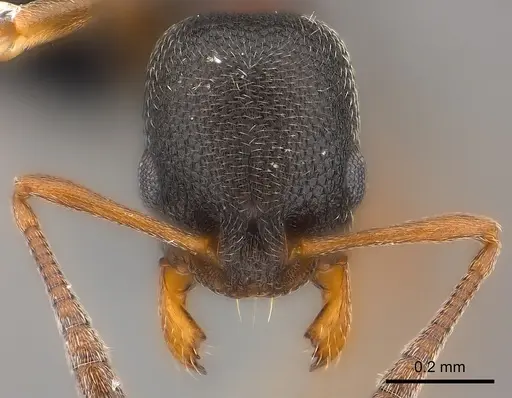
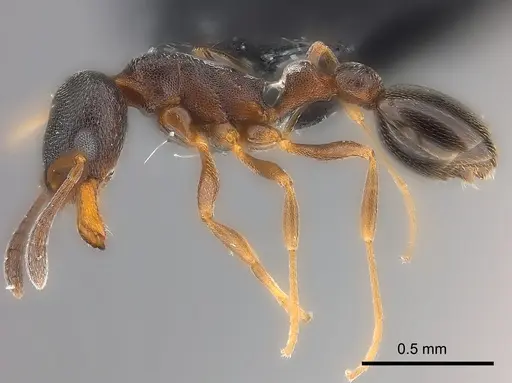
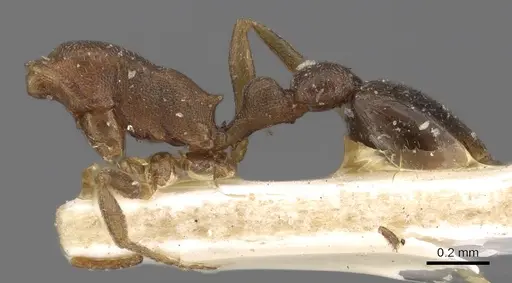
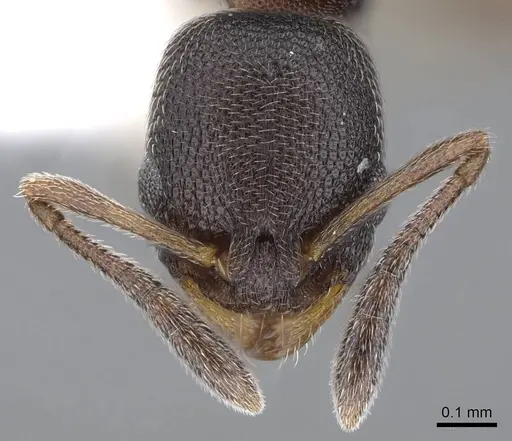
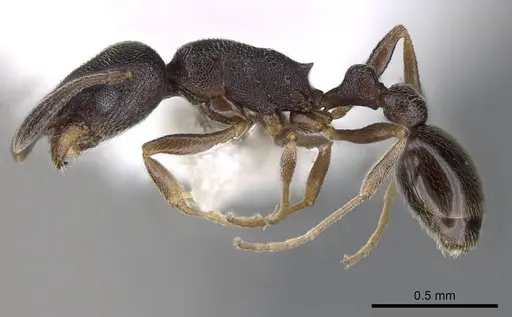
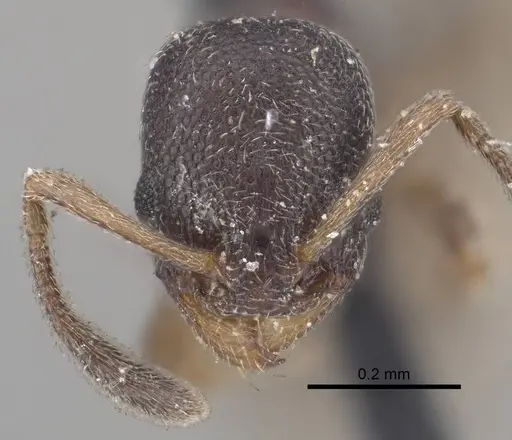
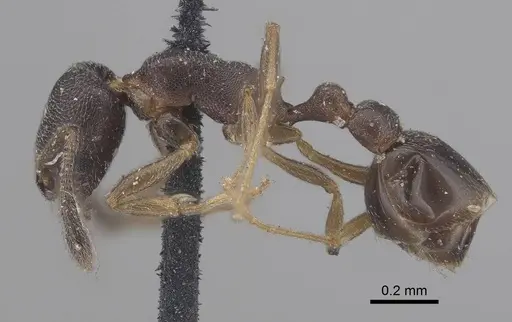
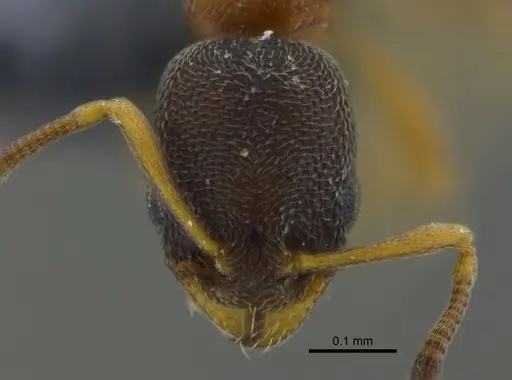
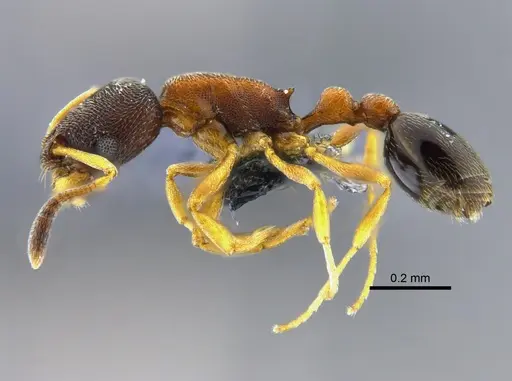
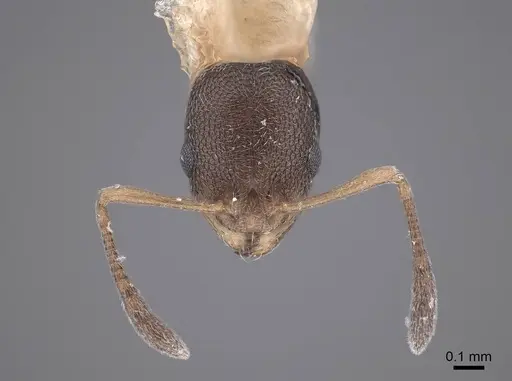
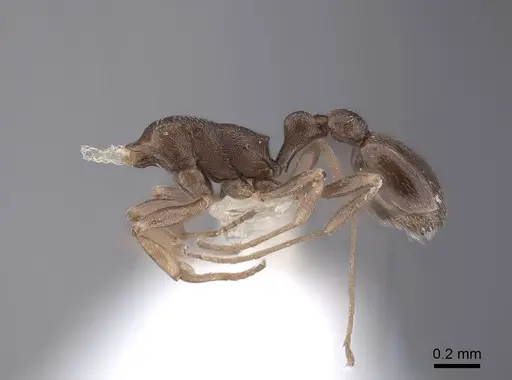
Cardiocondyla nuda is a tiny ant native to the Australasian-Pacific region, ranging from Australia and Papua New Guinea east to Samoa and Fiji. Workers measure approximately 2mm in total length and have a distinctive appearance with a long rectangular head, small eyes, and short propodeal spines. The body is dark brown to blackish with fine microreticulation giving a dull to weakly shining appearance. Colonies are polygynous, containing multiple queens, and reproduce by budding rather than nuptial flights. The most unusual feature is the males: they are ergatoid (wingless) and engage in fierce fights with rival males, killing freshly emerged callows to secure mating opportunities with new queens. This species was once mistakenly identified as a cosmopolitan tramp species, but careful taxonomic revision has shown true C. nuda is restricted to the tropical Pacific .
Quick Summary
- Difficulty: Easy
- Origin & Habitat: Native to the Australasian-Pacific region, Australia, Papua New Guinea, Fiji, Samoa, Tonga, and other Pacific islands. Found in diverse habitats from coastal dunes and grasslands to rainforest, preferring areas with annual rainfall above 1000mm [1][3].
- Colony Type: Polygynous colonies with multiple fertile queens. Colonies contain approximately 20-200 workers and have a high queen-to-worker ratio averaging 1.2 [4][1]. Males are ergatoid (wingless) and mate within the nest.
- Size & Growth:
- Antkeeping:
- Temperature: Keep at 24-28°C (warm tropical conditions). This is a lowland species restricted to elevations below 900m in introduced ranges like Hawaii [7]. Provide gentle heating if room temperature is below this range.
- Humidity: Moderate to high humidity. In their natural range, they inhabit areas with annual rainfall above 1000mm. Keep nest substrate moist but not waterlogged, with some drier areas available [1].
- Diapause: No, as a tropical species, they do not require hibernation. Activity may slow slightly during cooler periods but no true diapause.
- Nesting: Use test tubes or small nests. In nature they nest under stones, in soil, and in decaying logs [8]. Provide tight chambers scaled to their tiny size, these are very small ants that can escape through standard mesh.
- Behavior: Generally peaceful and non-aggressive. Workers forage individually and are active throughout the day. They are attracted to protein sources and sugar. Escape prevention is critical, their tiny size means they can squeeze through standard mesh. Males are wingless and remain in the nest, mating with newly emerged queens inside the colony. Adult males are aggressive toward rival males and will kill freshly eclosing male callows [4].
- Common Issues: escape prevention is critical, tiny size allows them to squeeze through standard mesh barriers, polygynous colonies may have multiple queens, do not attempt to separate unrelated queens as they naturally coexist, colonies reproduce by budding, if the nest is disturbed, queens may leave with workers to establish new nests, slow founding phase, as small colony species, initial growth can be gradual, males fight and kill rivals, this is normal behavior and not a problem in captivity
Housing and Nest Setup
Cardiocondyla nuda is a tiny ant that requires appropriately scaled housing. Test tube setups work well for founding colonies and small clusters. For established colonies, small nests with narrow chambers are ideal. The key requirement is excellent escape prevention, these ants are so small they can squeeze through standard mesh. Use fluon on test tube rims and consider fine mesh (0.5mm or smaller) on any outworld connections. Provide a small outworld area for foraging. The nest should have a water reservoir to maintain humidity, but avoid direct water contact with the ants. Keep the nest in a warm, stable location away from direct sunlight and vibrations. [4][1]
Feeding and Diet
These ants are opportunistic feeders attracted to both protein and sugar sources. In studies, they readily accept protein baits like minced meat [9]. Offer small protein sources such as fruit flies, small crickets, or mealworm pieces. Sugar water, honey, or diluted nectar can be provided as an energy source. Feed small amounts every 2-3 days and remove uneaten food to prevent mold. Given their tiny size, food items should be appropriately scaled, very small pieces that workers can manage. Colonies with multiple queens may have higher food demands as they can produce 2-3 eggs per day [4].
Temperature and Humidity
As a tropical Pacific species, Cardiocondyla nuda requires warm conditions. Maintain temperatures between 24-28°C. In their natural range across northern and eastern Australia, Papua New Guinea, and Pacific islands, temperatures are consistently warm year-round. They prefer areas with annual rainfall above 1000mm, so moderate to high humidity is beneficial. Keep the nest substrate moist but not saturated. A small water tube in the test tube setup provides humidity through evaporation. Avoid cold drafts and ensure the colony is kept away from air conditioning vents or cold windows during winter months. [1][7]
Colony Structure and Behavior
This species is polygynous, meaning colonies naturally contain multiple queens. This is unusual among ants and means you cannot simply introduce additional queens to a colony, they already coexist. Colonies reproduce through budding, where a queen leaves with workers to establish a new nest, rather than through nuptial flights. The males are ergatoid (wingless) and never develop wings. These males are remarkably aggressive toward rival males, actively killing freshly emerged callows to eliminate competition. Males can mate with multiple queens and produce sperm throughout their lifespan, a rare trait among ants. Workers are monomorphic (all the same size) and forage individually rather than in groups [4][1][10].
Growth and Development
Colonies start with a single queen who seals herself in and raises the first workers (nanitics) on stored body fat. Once the first workers emerge, the colony begins growing. Queens can lay 2-3 eggs per day, so growth can be steady once established. Maximum colony size is around 200 workers, which is relatively small compared to many ant species. The presence of multiple queens in established colonies helps maintain egg production. Development from egg to worker takes approximately 6-8 weeks under optimal warm conditions, based on typical Cardiocondyla development patterns. Colonies may produce alate (winged) queens and males for dispersal, though the exact triggers are not well documented. [4]
Common Challenges
The primary challenge with Cardiocondyla nuda is their tiny size. They are excellent escape artists and will find any gap in their enclosure. Apply fluon to all rim edges and use fine mesh (0.5mm or smaller) on any ventilation or outworld connections. Check enclosures daily during the founding phase. Another consideration is their polygynous nature, do not attempt to combine unrelated foundress queens as this species naturally handles multiple queens. If you split a colony, ensure both portions have at least one queen and some workers. Finally, as a small colony species, growth can seem slow during the founding phase, patience is key. They are not aggressive and do not sting, making them safe to handle, but their small size makes them fragile.
Frequently Asked Questions
How long does it take for Cardiocondyla nuda to produce first workers?
Expect first workers (nanitics) to emerge in approximately 6-8 weeks under optimal warm conditions (24-28°C). This is estimated from typical Cardiocondyla development, as specific timing for this species is not well documented. The queen seals herself in and raises the first brood alone using stored energy reserves.
Can I keep multiple Cardiocondyla nuda queens together?
Yes, this species is naturally polygynous, colonies contain multiple fertile queens. You do not need to introduce additional queens to an established colony. If you have a wild-caught colony, it likely already has multiple queens. Do not attempt to combine unrelated foundress queens from different colonies.
Do Cardiocondyla nuda ants sting?
No, these ants do not sting. They are very small and docile. Workers are harmless and cannot penetrate human skin. Their defense is primarily escape, they will run away from threats rather than fight.
What do Cardiocondyla nuda ants eat?
They accept both protein and sugar sources. Offer small protein items like fruit flies, tiny crickets, or mealworm pieces. They also readily take sugar water, honey, or nectar. In studies, they were attracted to protein baits. Feed small amounts every 2-3 days and remove uneaten food.
How big do Cardiocondyla nuda colonies get?
Colonies reach approximately 20-200 workers. This is relatively small compared to many ant species. The high queen-to-worker ratio (averaging 1.2) means multiple queens share the colony, which helps maintain egg production despite the modest worker count.
Do Cardiocondyla nuda need hibernation?
No, they do not require hibernation. As a tropical species from the Pacific region, they need warm conditions year-round. Keep them at 24-28°C continuously. They may show slightly reduced activity during cooler periods but do not enter true diapause.
Why are my Cardiocondyla nuda escaping?
Their tiny size (around 2mm) makes them excellent escape artists. Apply fluon to all rim edges, use fine mesh (0.5mm or smaller) on any connections, and check enclosures daily. Even tiny gaps that would not concern larger ants will allow these to escape.
Are Cardiocondyla nuda good for beginners?
Yes, they are considered easy to keep. They are small, docile, do not sting, and have relatively simple care requirements. The main challenge is escape prevention due to their tiny size. They are forgiving of minor temperature fluctuations and do not require special hibernation setup.
When should I move Cardiocondyla nuda to a formicarium?
Move them when the test tube becomes crowded or the water reservoir is depleted. For this small species, a small nest works well. They prefer tight chambers scaled to their tiny size. Ensure the new nest has appropriate humidity and escape prevention before transferring.
Why are the male ants fighting in my colony?
This is normal behavior. Male Cardiocondyla nuda are ergatoid (wingless) and are highly aggressive toward rival males. They actively seek out and kill freshly emerged male callows to eliminate competition for mating opportunities with new queens. Adult males typically ignore each other but will fight if they encounter a rival callow. This behavior is fascinating natural history and not a problem to solve.
Report an Issue
The current care sheet is based fully on literature. See inconsistencies, or something that's incorrect? Please , it will be resolved after review from an admin. Contributing to the blogs tab also helps providing information, to make us be able to further improve the caresheets. Thank you for your support!
References

This caresheet is licensed under CC BY-SA 4.0 .
Community Blogs
CASENT0000506
View on AntWeb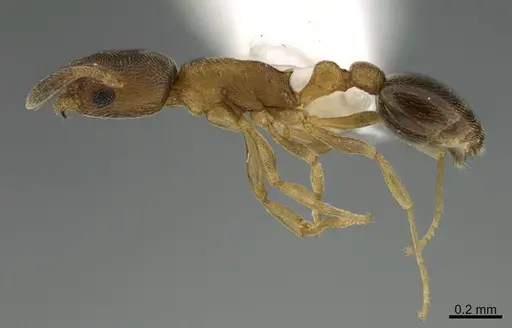
CASENT0178361
View on AntWeb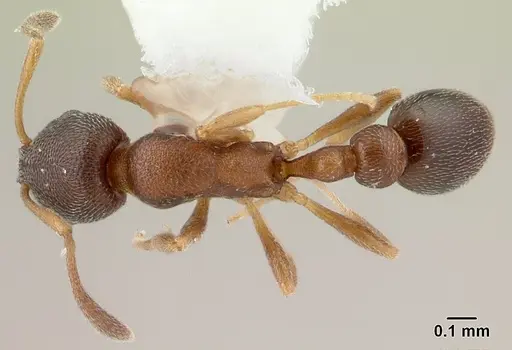
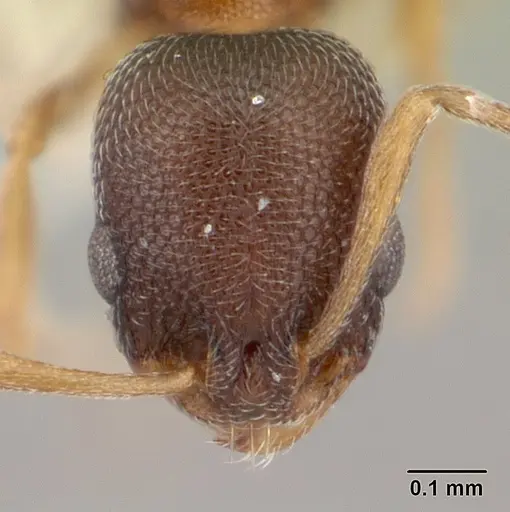
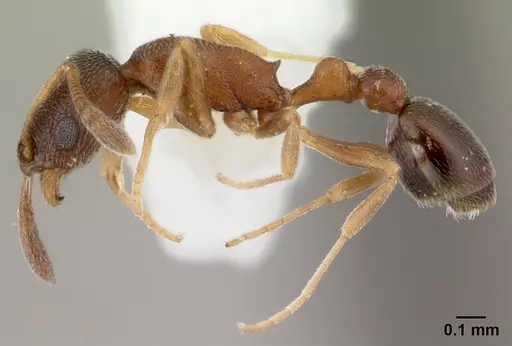
CASENT0181806
View on AntWeb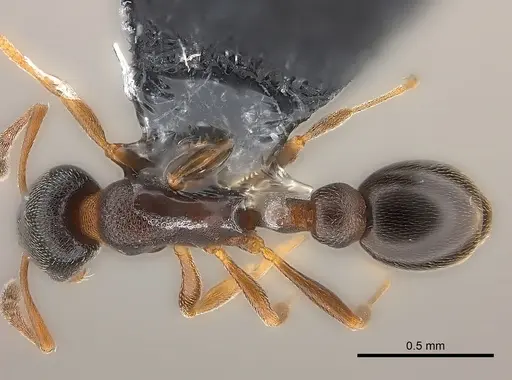
CASENT0181838
View on AntWeb
CASENT0901758
View on AntWeb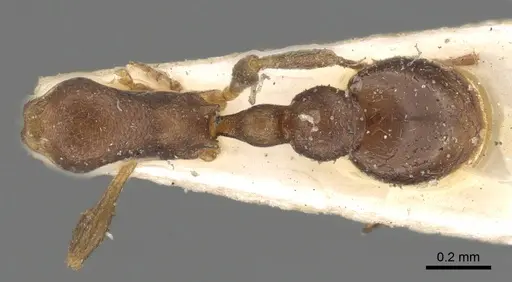
CASENT0914966
View on AntWeb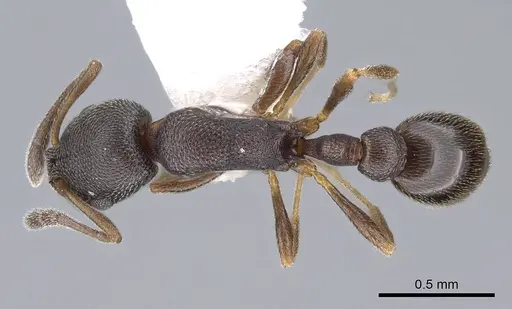
CASENT0919732
View on AntWeb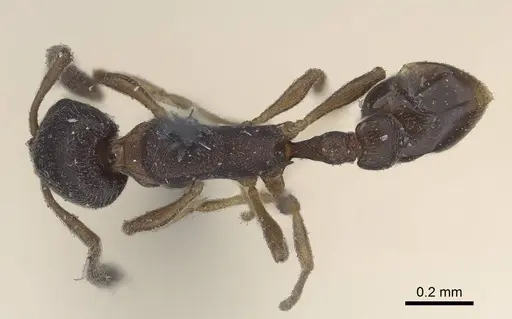
CBUMAGENT41957
View on AntWeb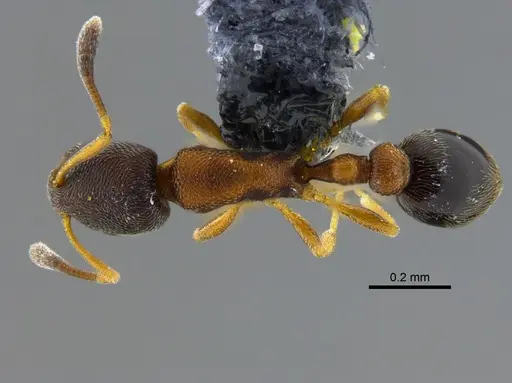
FMNHINS0000051550
View on AntWeb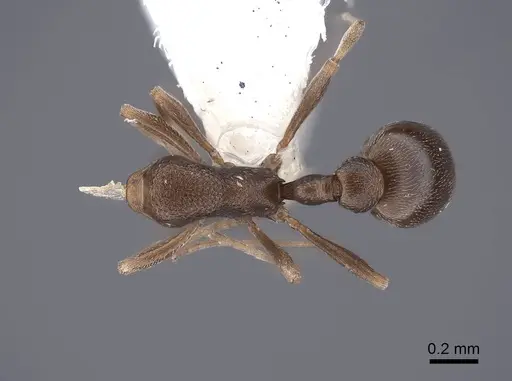
Literature
Loading distribution map...Loading products...