
Lesser Sneaking Ant
Cardiocondyla minutior
- Sci. Name
- Cardiocondyla minutior
- Tribe
- Crematogastrini
- Subfamily
- Myrmicinae
- Author
- Forel, 1899
- Common Name
- Lesser Sneaking Ant
- Distribution
- Found in 12 countries
Introduction
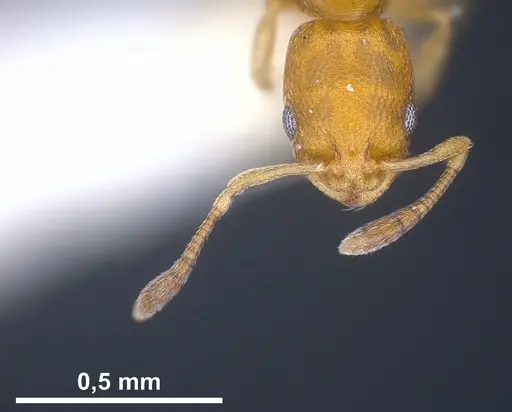
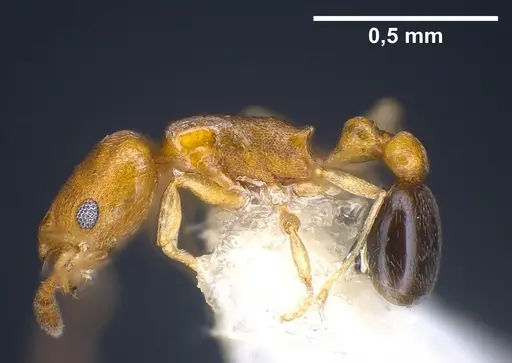
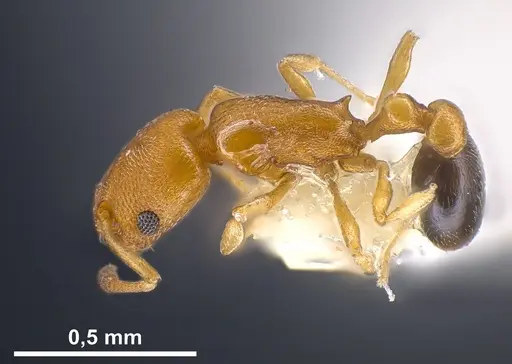
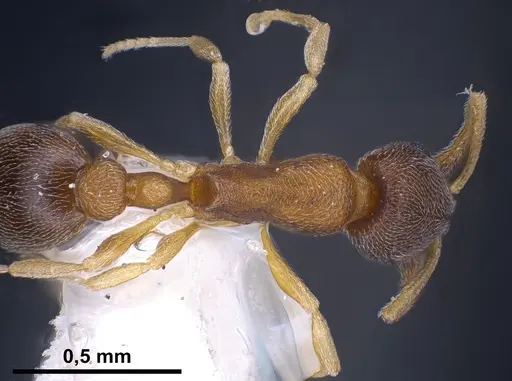
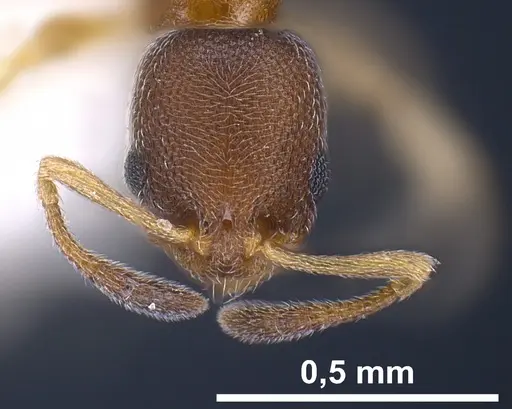
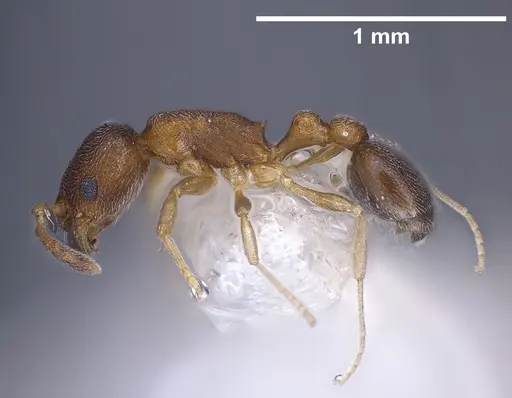
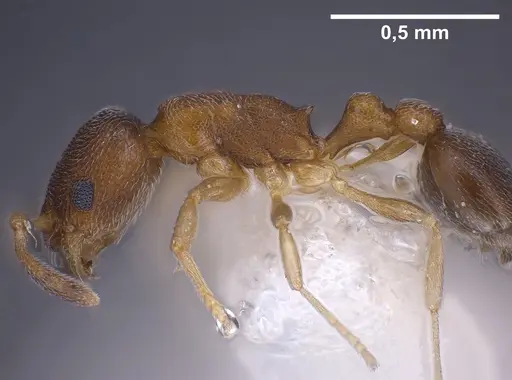
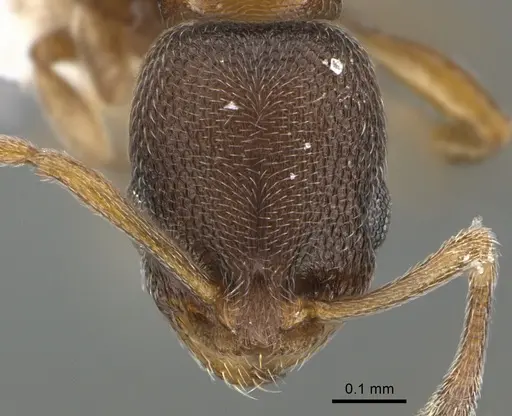
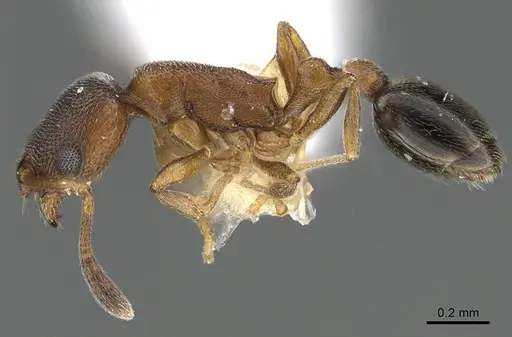
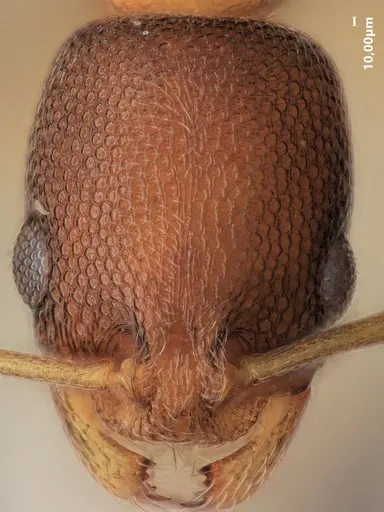
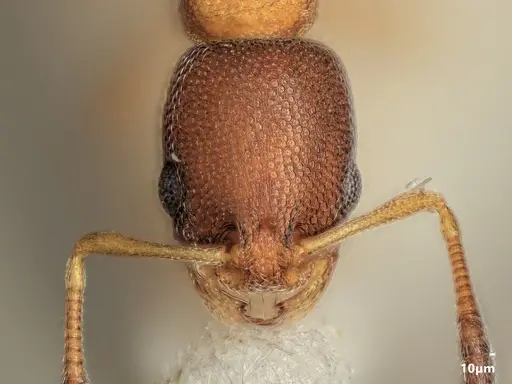
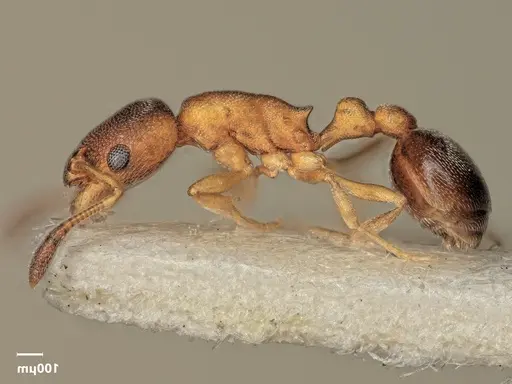
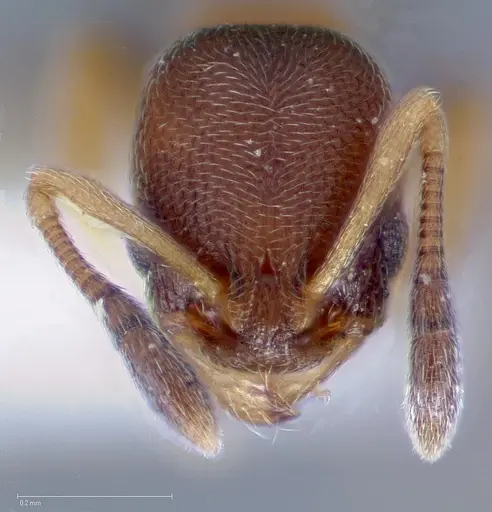
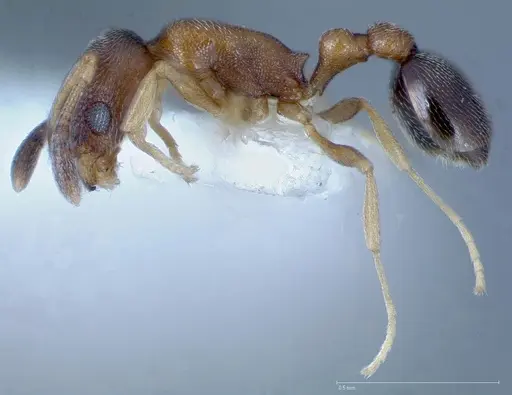
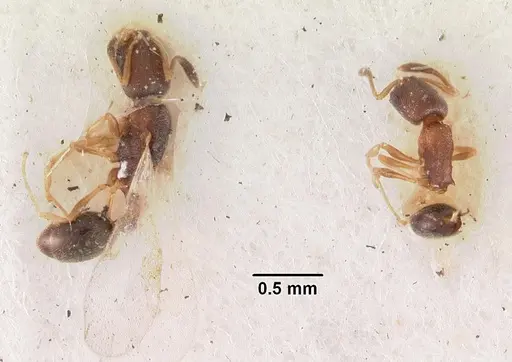
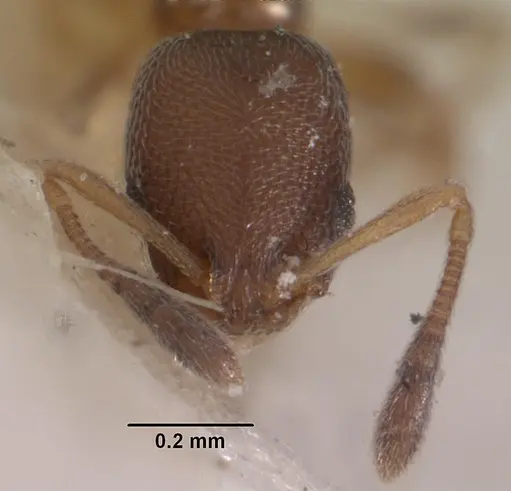
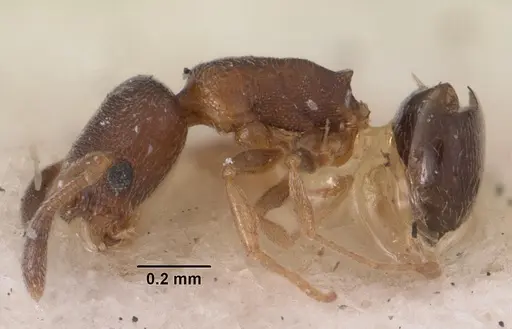
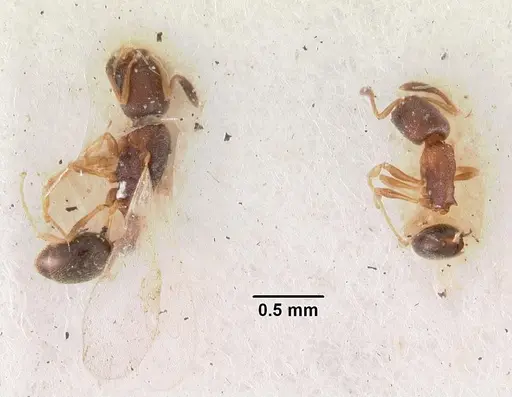
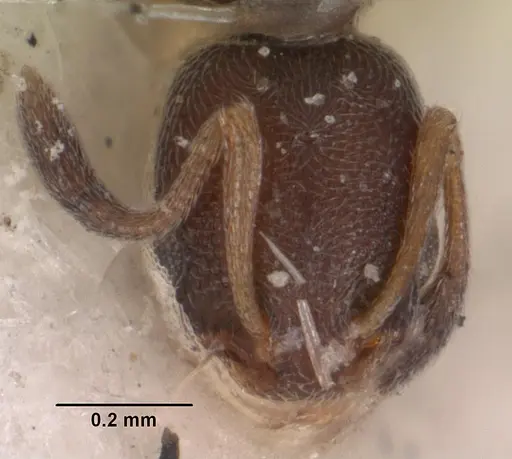
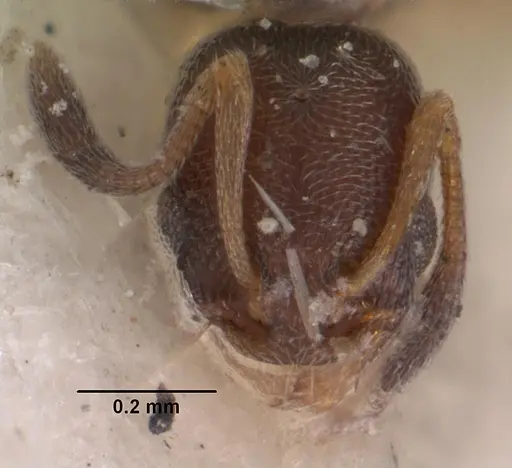
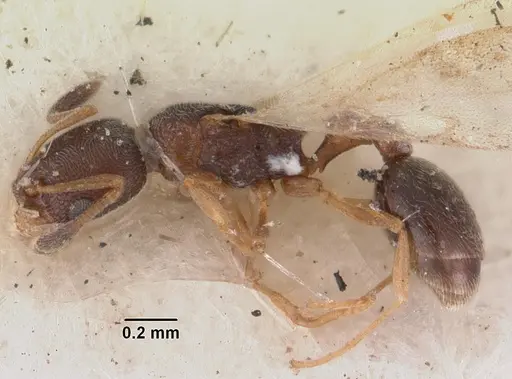
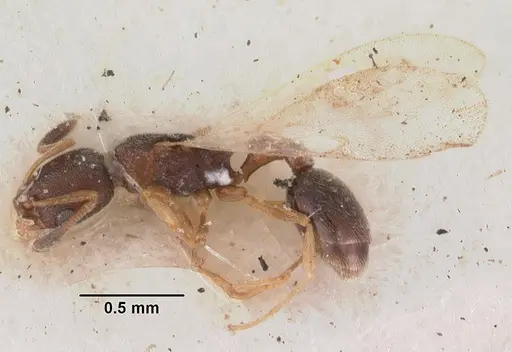
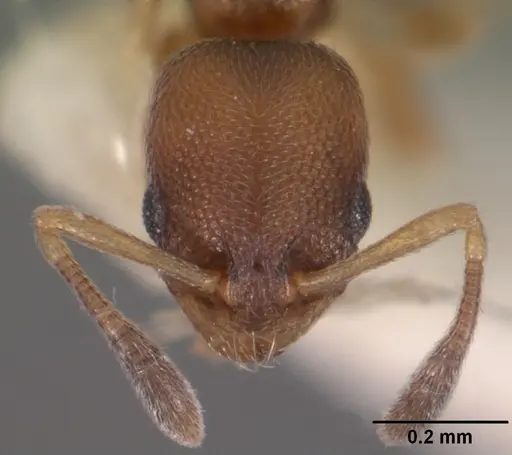
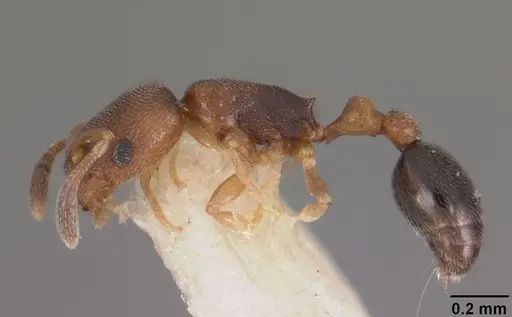
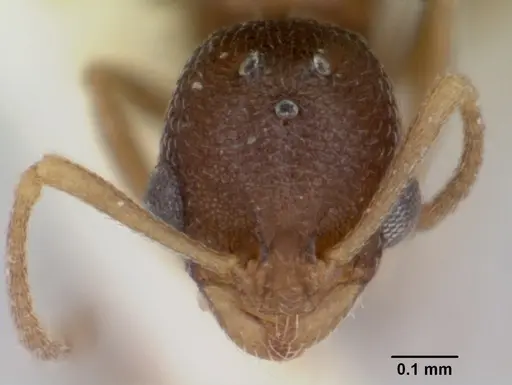
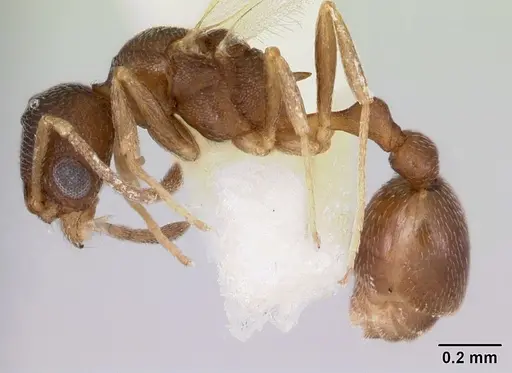
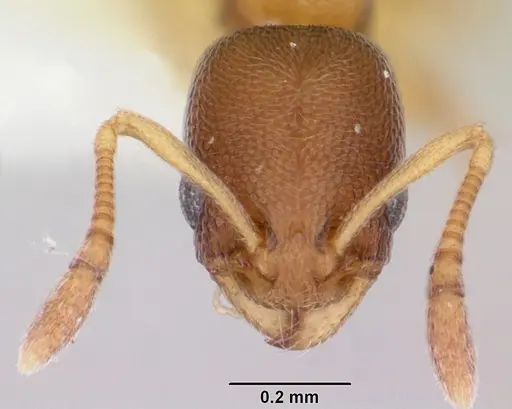
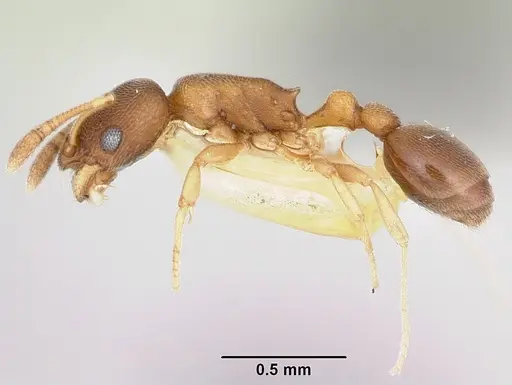
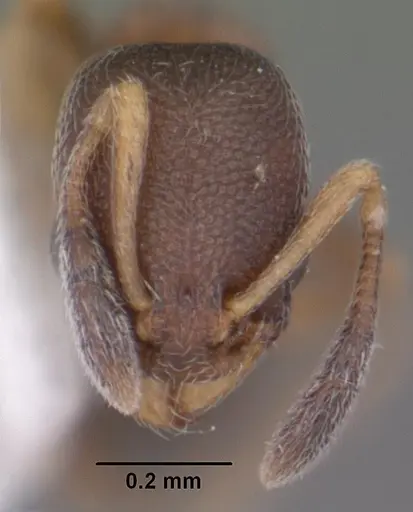
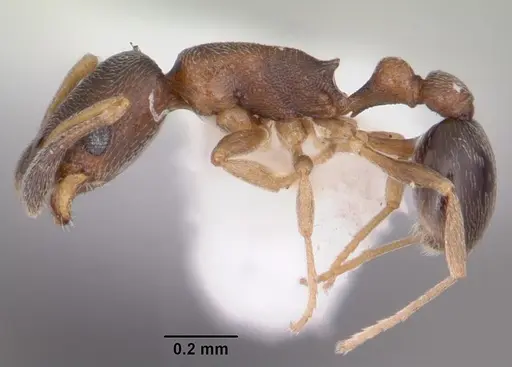
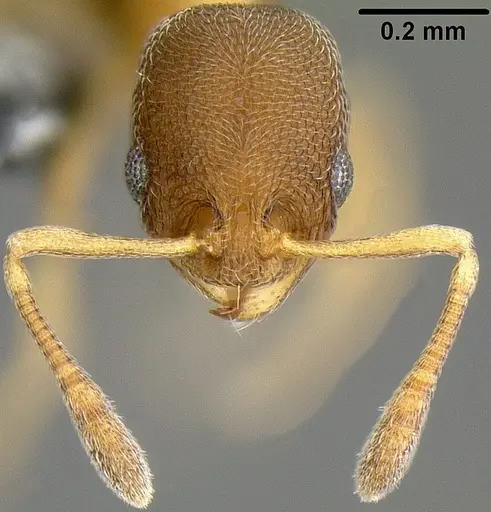
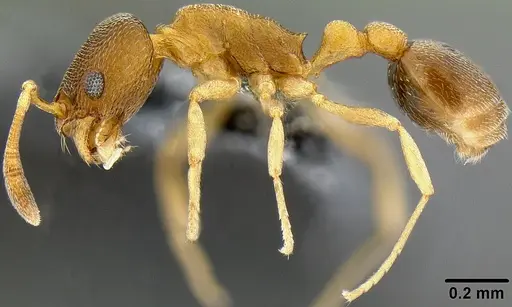
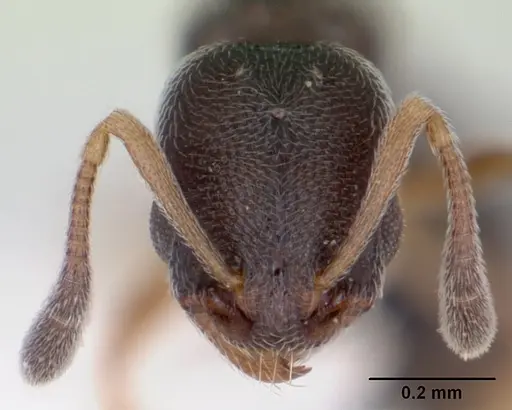
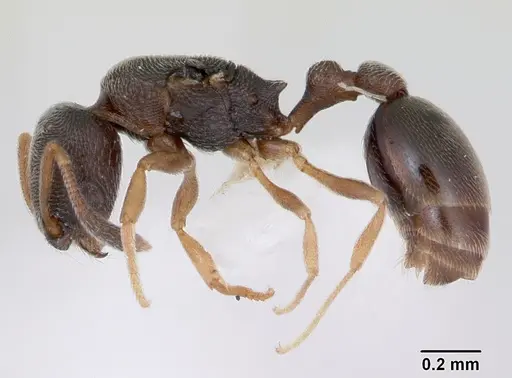
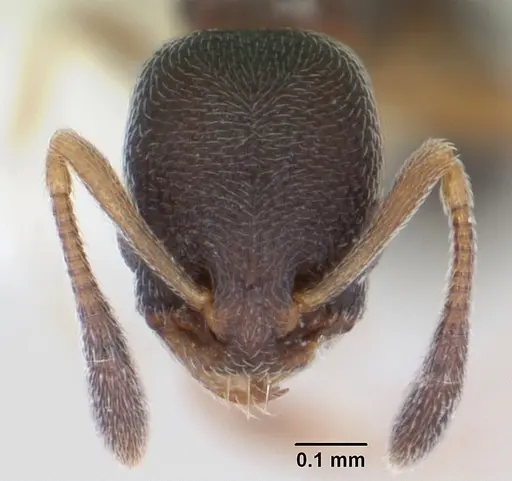
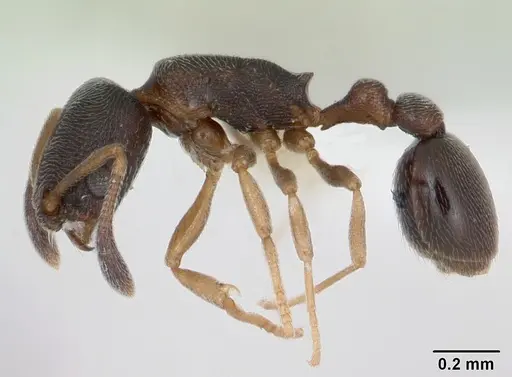
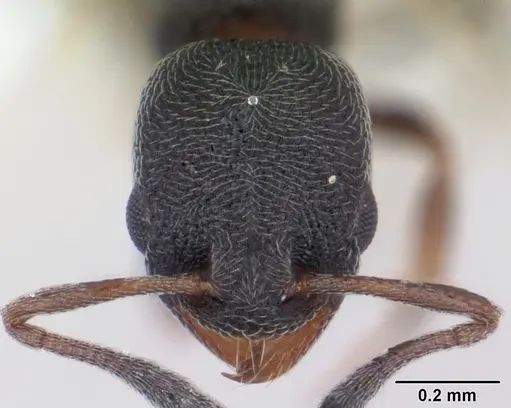
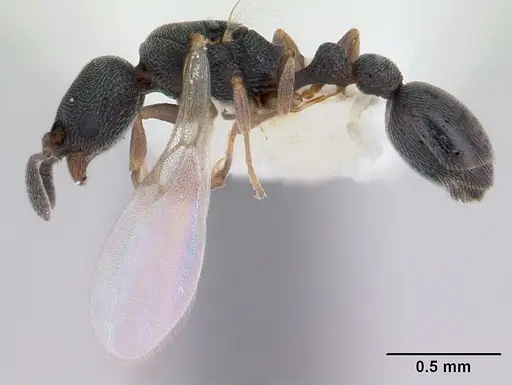
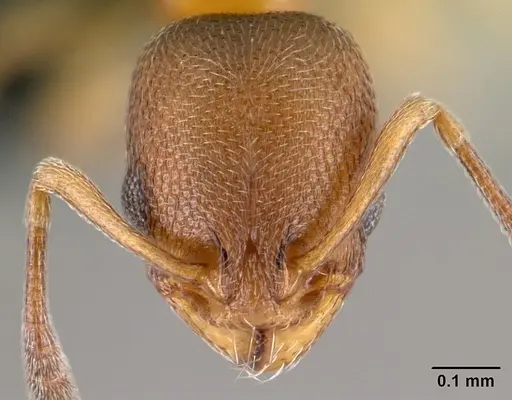
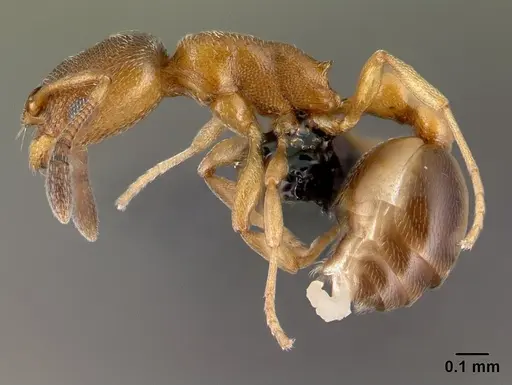
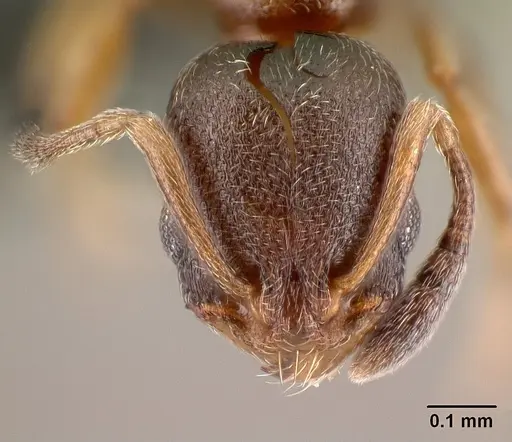
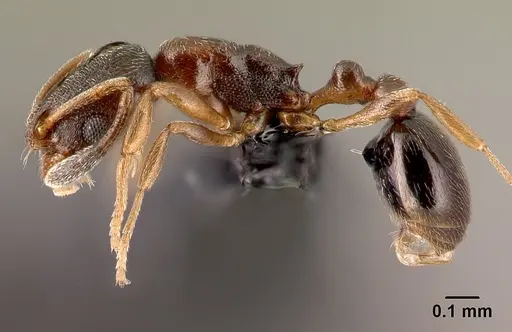
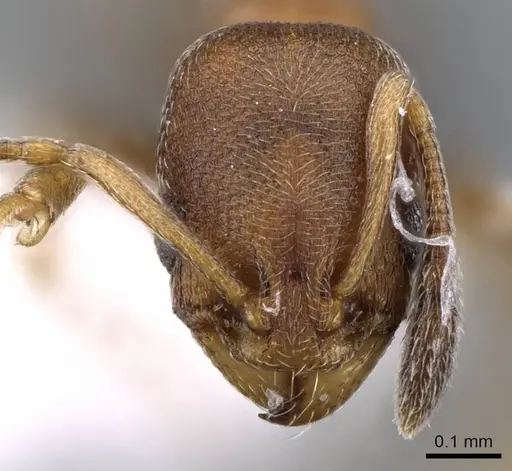
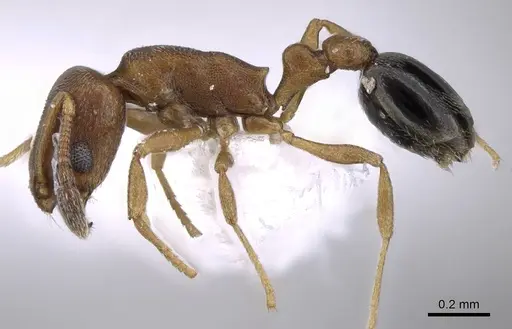
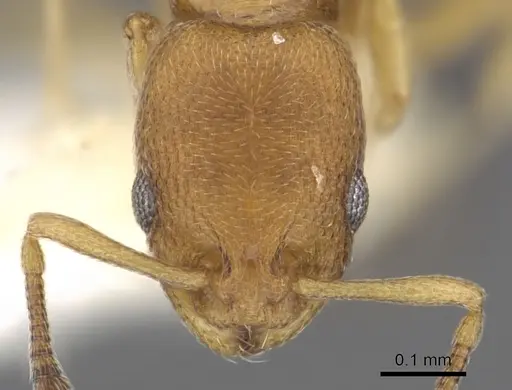
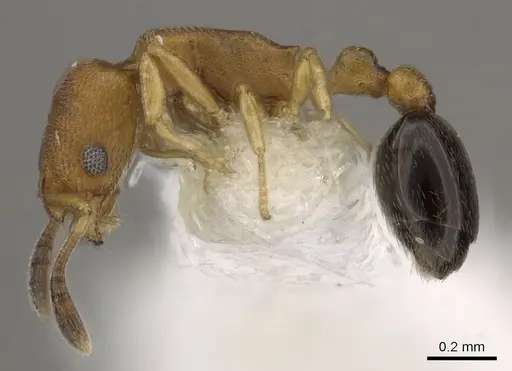
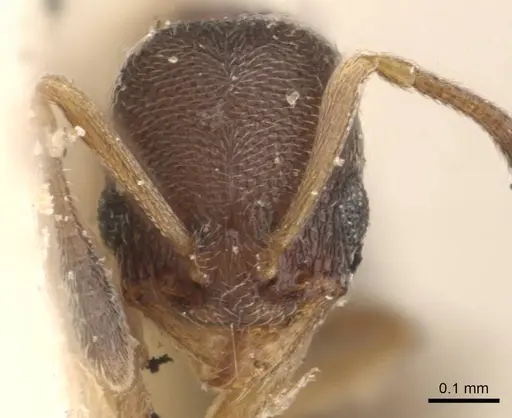
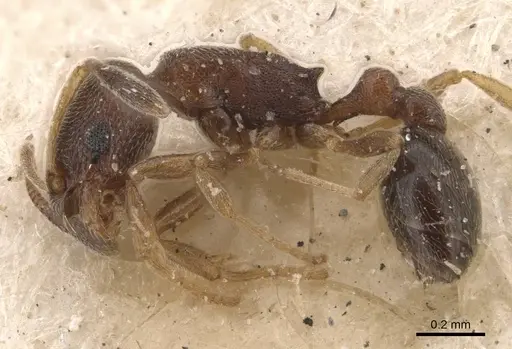
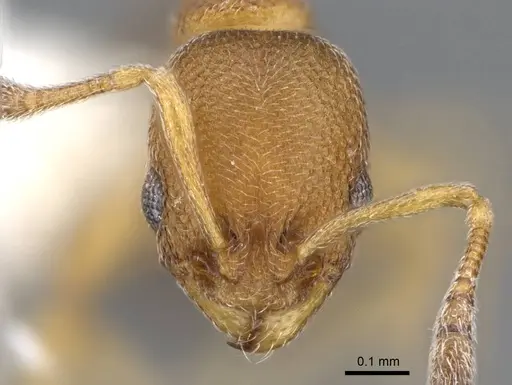
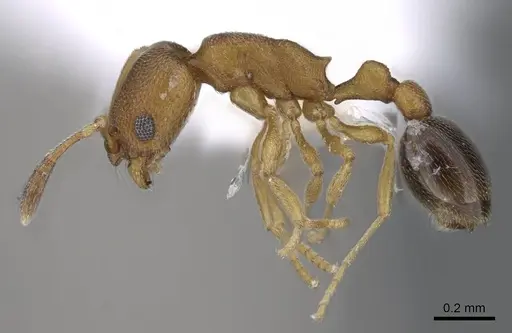
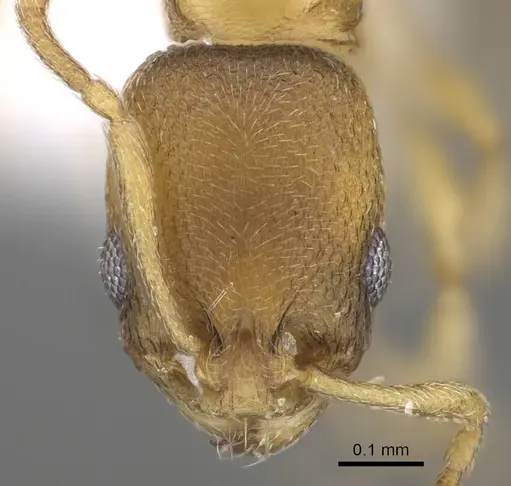
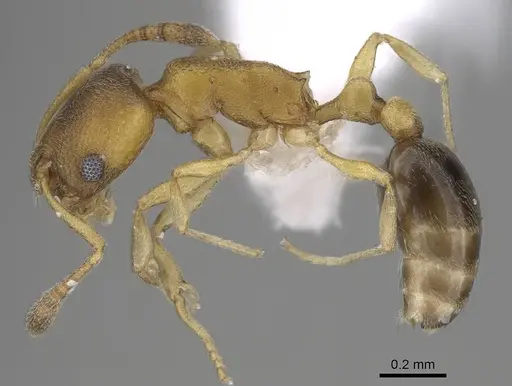
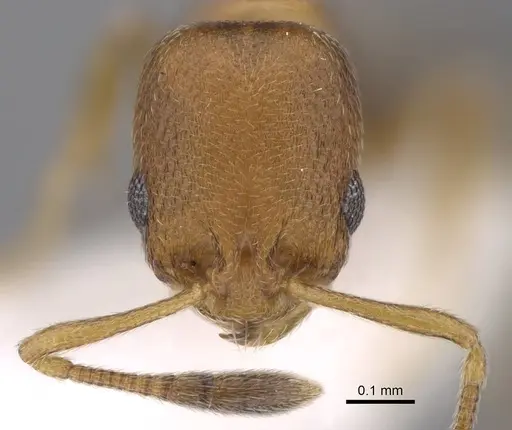
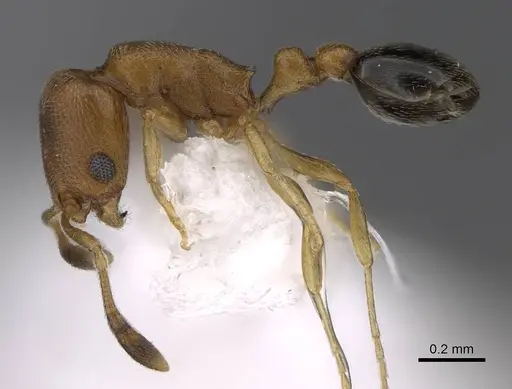
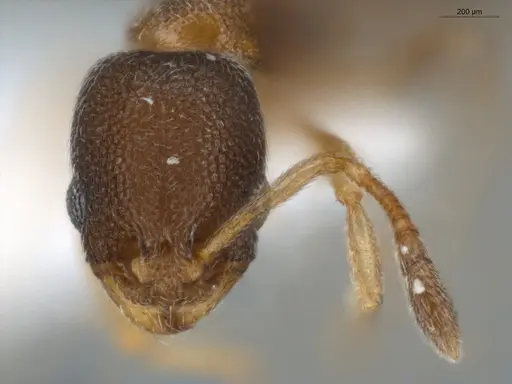
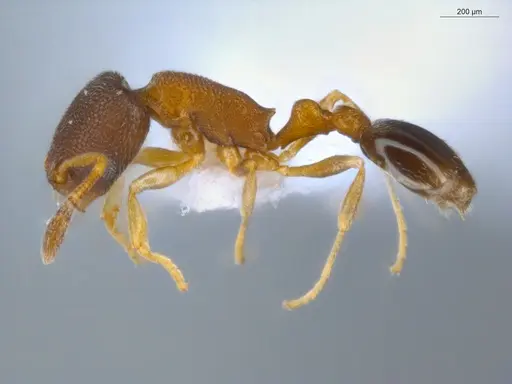
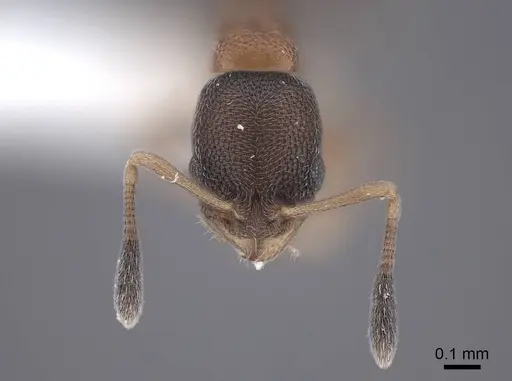
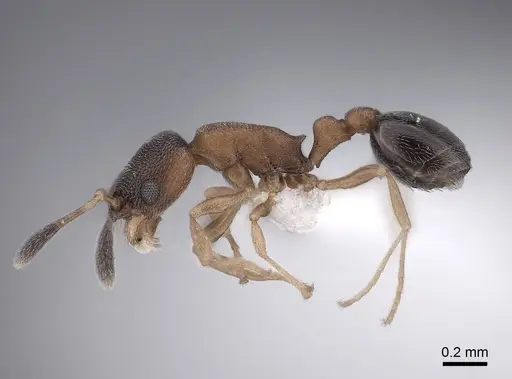
Cardiocondyla minutior is a tiny ant species native to the Indomalayan region that has become one of the world's most widespread tramp ants, colonizing tropical and subtropical areas across the globe . Workers measure just 1.5-1.7mm with a slender body ranging from dirty yellow to dark brown, and a darker brown to black gaster . The species is easily recognized by its very small size, lack of a distinct metanotal groove, and short propodeal spines . This ant nests in shallow soil in open, disturbed areas and has the remarkable ability to coexist with aggressive invasive ants like the Argentine ant . The most fascinating aspect of this species is its male dimorphism - colonies produce both winged males that disperse to find mates and ergatoid (wingless) males that stay in the nest and fight rival males to monopolize mating opportunities with newly emerged queens .
Quick Summary
- Difficulty: Easy
- Origin & Habitat: Native to the Indomalayan region (Southeast Asia), now pantropical, found in Hawaii, Caribbean, Pacific islands, Americas, Africa, and Oceania [1][5]. Inhabits open disturbed areas with bare or weakly herbaceous ground, shallow soil nests under stones, and in small plant cavities [6][2].
- Colony Type: Facultatively polygynous, colonies can have single or multiple queens working together [7]. Stock colonies studied had approximately 30-50 workers with several queens each [4].
- Size & Growth:
- Queen: ~1.5-1.7 mm, inferred from worker size and typical Cardiocondyla proportions [1]
- Worker: 1.5-1.7 mm [1]
- Colony: Up to several hundred workers in mature colonies [8]
- Growth: Moderate
- Development: 6-8 weeks (estimated based on typical Cardiocondyla development) (Development time not directly studied but expected to be relatively fast given small body size and tropical origin)
- Antkeeping:
- Temperature: Keep at 24-28°C. As a tropical tramp species, they prefer warm conditions but can tolerate room temperature in most homes [1].
- Humidity: Maintain moderate to high humidity. In the wild, they nest in shallow soil that retains moisture, often in areas with some ground cover [2][9]. Keep the nesting area slightly moist but not waterlogged.
- Diapause: No, as a tropical species, they do not require hibernation. However, they may show reduced activity during cooler periods [1].
- Nesting: Use a small test tube setup or a small formicarium with tight chambers scaled to their tiny size. They prefer shallow soil chambers or narrow acrylic tunnels. A Y-tong or plaster nest with small chambers works well [6].
- Behavior: These ants are generally docile and not aggressive toward keepers. Workers are small and slow-moving, foraging individually or using tandem running to recruit nestmates to food sources [10]. They are not known to sting and pose no danger to humans. Their tiny size means they can escape through very small gaps, excellent escape prevention is essential. Colonies are quiet and spend most of their time in the nest area [10].
- Common Issues: escape prevention is critical, their tiny size allows them to squeeze through standard barrier gaps, small colony size means slower population growth, requiring patience, may be outcompeted by larger ants in multi-species setups, test tube setups must be properly sealed, they can escape through minute gaps, overfeeding can lead to mold in their small nesting spaces
Housing and Nest Setup
Cardiocondyla minutior is a tiny ant that requires appropriately scaled housing. A standard test tube setup works well for founding colonies, use a small water reservoir with a cotton plug, keeping the tube horizontal so the queen can retreat to the humid end. For established colonies, a small formicarium with tight chambers scaled to their minute size is ideal. These ants nest in shallow soil in the wild, so a plaster or Y-tong nest with narrow chambers mimics their natural environment well [2]. Avoid large, open spaces that can make them feel insecure. Because of their tiny size, escape prevention must be excellent, use fluon on the edges of any formicarium and ensure all connections are tightly sealed. A small outworld for feeding is sufficient, these ants don't need much space.
Feeding and Diet
Like most Cardiocondyla species, C. minutior is omnivorous and will accept a variety of foods. In captivity, they readily consume sugar water, honey, or diluted maple syrup as an energy source. For protein, offer small insects like fruit flies, pinhead crickets, or small mealworms, prey should be appropriately sized for their tiny workers. They are known to collect honeydew in the wild, so sweet liquids are an important part of their diet [6]. Feed them a few times per week, removing any uneaten prey after 24 hours to prevent mold. Because their colonies remain relatively small, they don't require large quantities of food. A constant sugar source (like a soaked cotton ball) plus occasional small protein offerings works well for maintenance.
Temperature and Seasonal Care
As a tropical tramp species originally from the Indomalayan region, Cardiocondyla minutior prefers warm temperatures in the range of 24-28°C [1]. They can tolerate room temperature (20-24°C) but may show reduced activity and slower growth. If your home is cool, a small heating cable on one side of the nest can create a beneficial gradient. Unlike temperate species, they do not require a winter diapause or hibernation period. However, avoid overheating, temperatures above 32°C can be harmful. They are adaptable and have successfully established in many subtropical and tropical regions worldwide, demonstrating their tolerance to varying conditions [1]. Keep them away from cold drafts and air conditioning vents.
Understanding Their Unique Male System
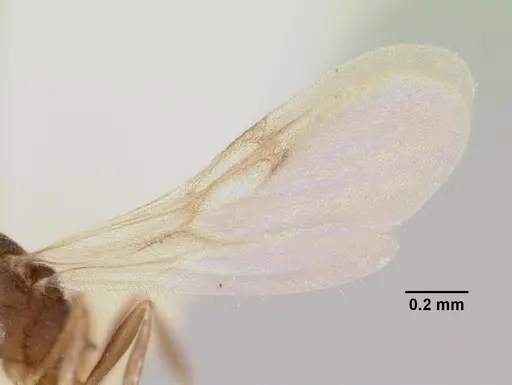
One of the most fascinating aspects of Cardiocondyla minutior is their male dimorphism, colonies produce two types of males [4]. Winged (alate) males have wings and can disperse from their natal colony to find mates elsewhere. Ergatoid males are wingless and remain in the nest, where they fight rival ergatoid males to monopolize mating with freshly emerged queens [4][8]. This lethal competition means colonies typically have only one adult ergatoid male at a time, though occasionally two or three may coexist if a young male escapes attack [4]. When colonies are fragmented or stressed (fewer workers per nest), they produce more winged males, this is an adaptive response to dispersal needs [4]. For antkeepers, this means your colony may produce both winged and wingless males, which is normal behavior and not a cause for concern.
Colony Growth and Development
Cardiocondyla minutior colonies remain relatively small compared to many common ant species. In the wild, colonies typically contain only a few dozen to a few hundred workers [8]. The founding queen requires initial worker assistance to establish the colony, laboratory studies show zero success for single queens founding alone, while groups of queens with workers have 20-33% success rates [11]. First workers (nanitics) are smaller than mature workers and emerge after several weeks. Growth rate is moderate, don't expect rapid colony expansion. Sexuals (new queens and males) can be produced year-round in stable colonies [8]. Multiple queens may coexist in established colonies (facultative polygyny), which can accelerate growth but also leads to competition. Be patient with these ants, their appeal is their fascinating behavior, not rapid colony expansion.
Handling and Temperament
Cardiocondyla minutior is a docile species that poses no threat to keepers. Workers are too small to bite effectively and do not possess a painful sting. They are not aggressive and will typically flee rather than defend. However, their tiny size makes them difficult to handle and easy to accidentally injure. When working with them, use soft tools and avoid squeezing or crushing workers. They are best observed through the nest walls rather than handled directly. Their small size also means they are vulnerable to predation by larger ants or insects if kept in multi-species setups. They are an excellent 'watching' species, their interesting male behavior and social structure make them engaging pets without requiring interactive handling. [1][10]
Frequently Asked Questions
How long does it take for Cardiocondyla minutior to produce first workers?
Expect first workers (nanitics) to emerge in approximately 6-8 weeks after the queen lays her first eggs, assuming temperatures around 25°C. This is typical for small tropical ant species. Growth is relatively slow initially but accelerates once you have 10-20 workers.
Can I keep multiple Cardiocondyla minutior queens together?
Yes, this species is facultatively polygynous, meaning multiple queens can coexist in the same colony [7]. In fact, stock colonies studied had several queens each [4]. However, introducing unrelated queens to an established colony may result in aggression, it's best to either found colonies with multiple queens from the start or let a single-queen colony establish before considering introductions.
Do Cardiocondyla minutior ants sting?
No, these ants are not known to sting and pose no danger to humans. Their tiny size means their mandibles cannot effectively bite, and they lack a painful sting apparatus. They are completely safe to handle gently if needed.
What makes Cardiocondyla minutior different from other ants?
Their most unique feature is male dimorphism, they produce both winged males that disperse and ergatoid (wingless) males that stay and fight rival males for mating opportunities [4]. This lethal male competition is rare among ants and makes them fascinating to observe. They are also one of the smallest ant species and have successfully colonized almost every tropical region on Earth as a tramp species.
Why are my Cardiocondyla minutior dying?
Common causes include: escape (their tiny size means they can slip through standard barriers), mold from overfeeding or excessive moisture, temperature stress (too cold slows them down, too hot can kill them), and competition from other ants. Check your escape prevention first, reduce feeding if mold appears, and ensure temperatures stay in the 24-28°C range. Also ensure they have access to moisture without being flooded.
Are Cardiocondyla minutior good for beginners?
Yes, they are considered easy to keep due to their tolerance of varied conditions, small colony size, and docile nature. They don't require hibernation, are not aggressive, and don't need elaborate setups. The main challenges are their tiny size (requiring good escape prevention) and slower growth compared to faster-developing species. They are an excellent first ant for someone interested in observing interesting social behavior.
How big do Cardiocondyla minutior colonies get?
Colonies remain relatively small compared to common ants like Lasius or Camponotus. Mature colonies typically reach several hundred workers at most [8]. This makes them suitable for long-term keeping in small formicariums without outgrowing their housing too quickly.
What do Cardiocondyla minutior eat in captivity?
They accept sugar sources (honey, sugar water, maple syrup) and small protein prey (fruit flies, pinhead crickets, small mealworms). Feed a few times per week with a constant sugar source and occasional protein. Remove uneaten prey after 24 hours to prevent mold in their small nesting space.
When should I move Cardiocondyla minutior to a formicarium?
Move them when the test tube is overcrowded or the water reservoir is exhausted, typically when you have 30-50+ workers. They do well in small formicariums with tight chambers scaled to their tiny size. A Y-tong or plaster nest with narrow passages works well. Don't move them too early as they feel secure in small spaces.
Report an Issue
The current care sheet is based fully on literature. See inconsistencies, or something that's incorrect? Please , it will be resolved after review from an admin. Contributing to the blogs tab also helps providing information, to make us be able to further improve the caresheets. Thank you for your support!
References

This caresheet is licensed under CC BY-SA 4.0 .
Community Blogs
ANTWEB1041246
View on AntWeb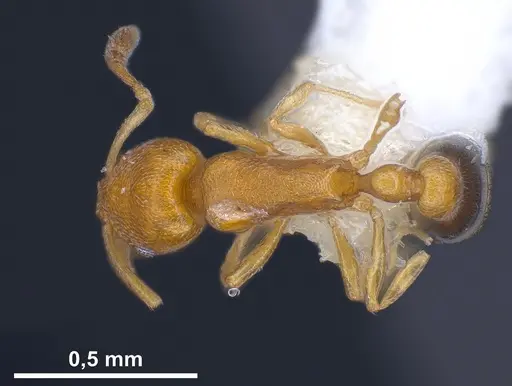
ANTWEB1041253
View on AntWeb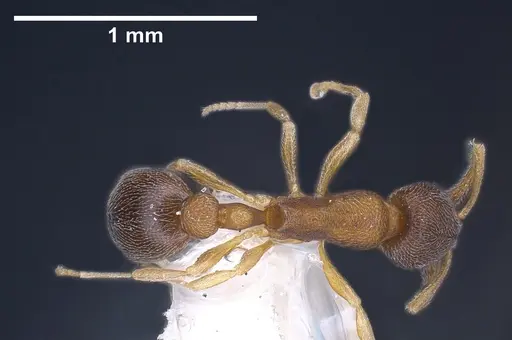
ANTWEB1041912
View on AntWeb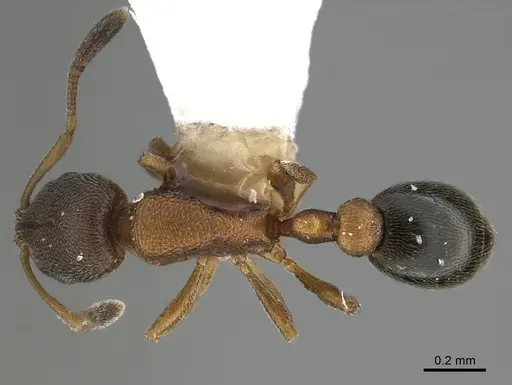
ANTWEB1048523
View on AntWeb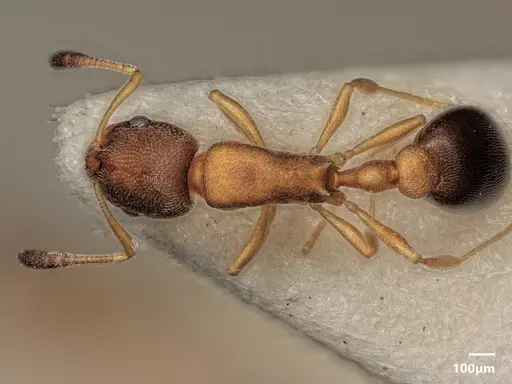
CASENT0005679
View on AntWeb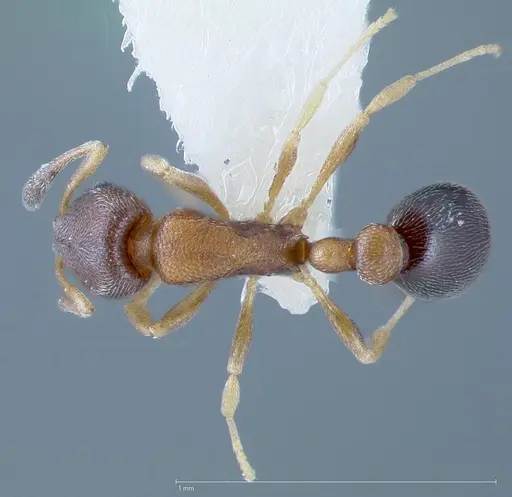
CASENT0102304
View on AntWeb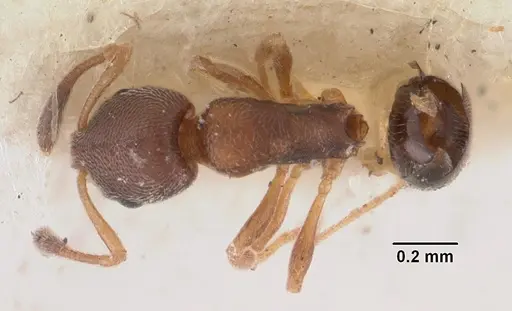
CASENT0102305
View on AntWeb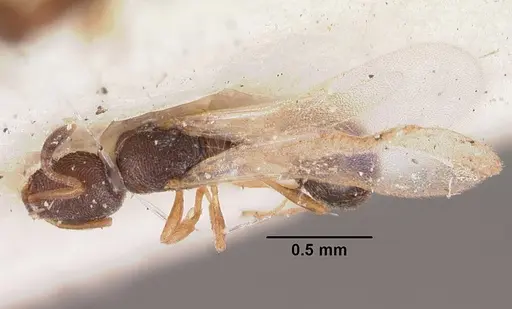
CASENT0102306
View on AntWeb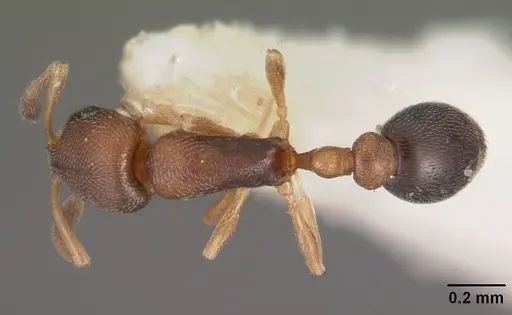
CASENT0103435
View on AntWeb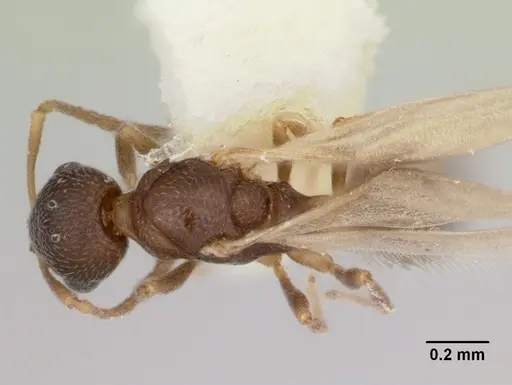
CASENT0103436
View on AntWeb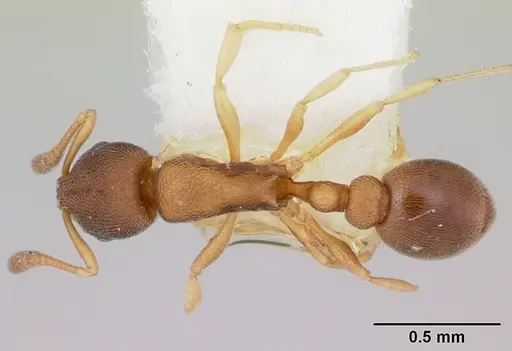
CASENT0103740
View on AntWeb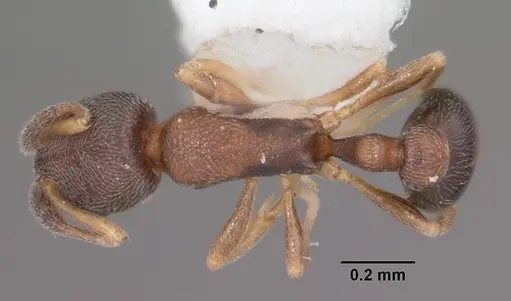
CASENT0171077
View on AntWeb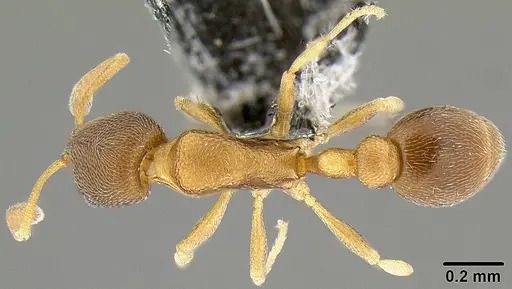
CASENT0173260
View on AntWeb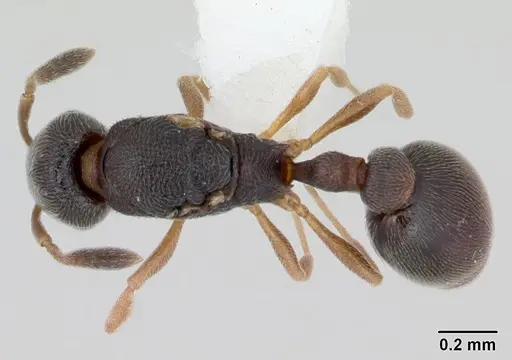
CASENT0173261
View on AntWeb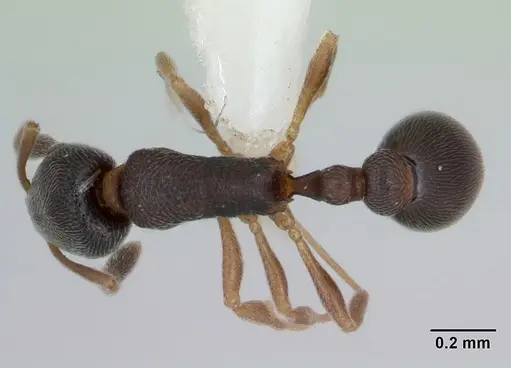
CASENT0178349
View on AntWeb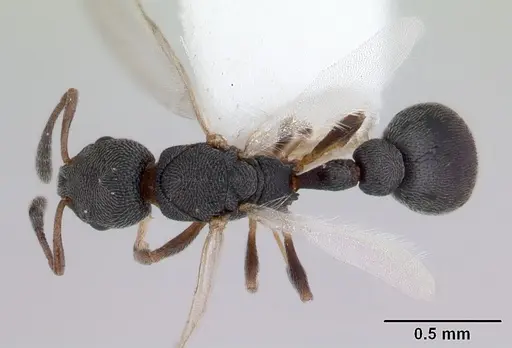
CASENT0196173
View on AntWeb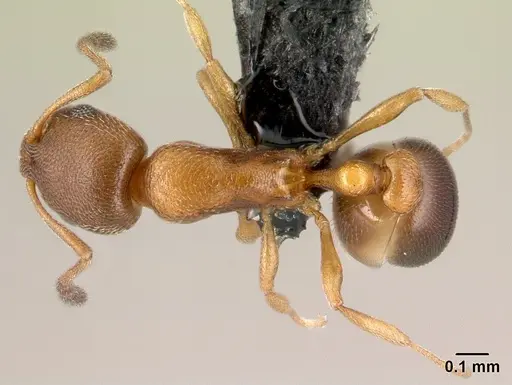
CASENT0196227
View on AntWeb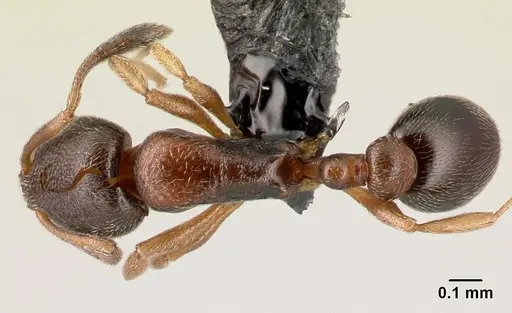
CASENT0746617
View on AntWeb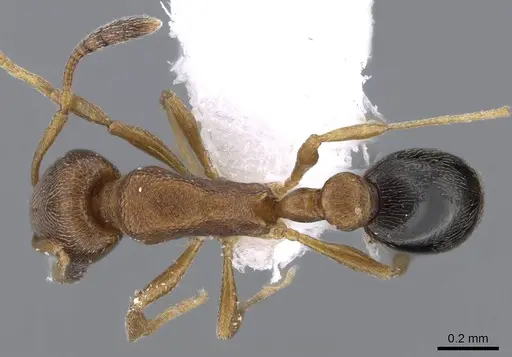
CASENT0901759
View on AntWeb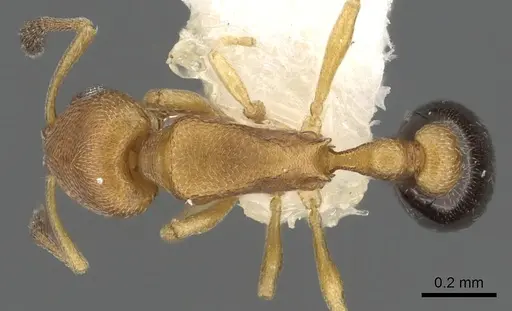
CASENT0908344
View on AntWeb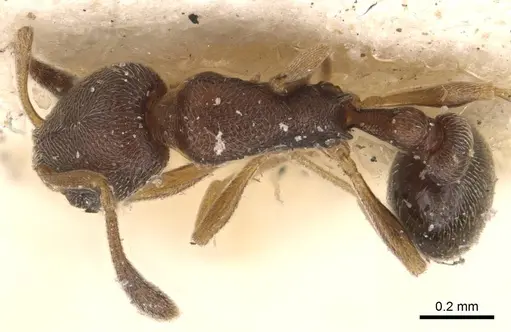
CASENT0914963
View on AntWeb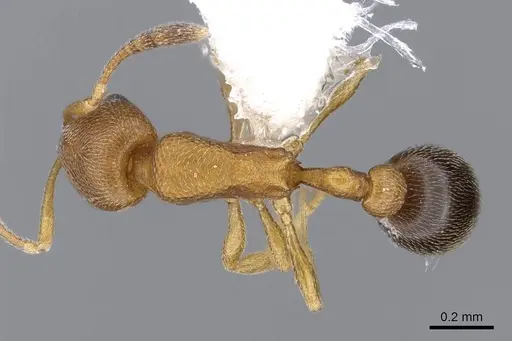
CASENT0922293
View on AntWeb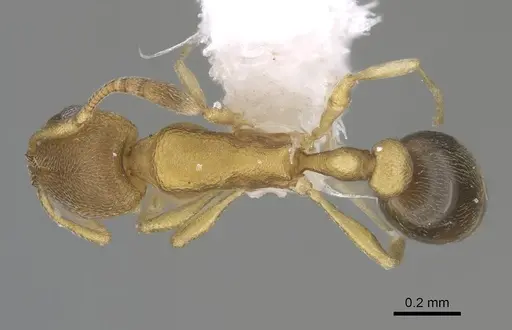
CASENT0922873
View on AntWeb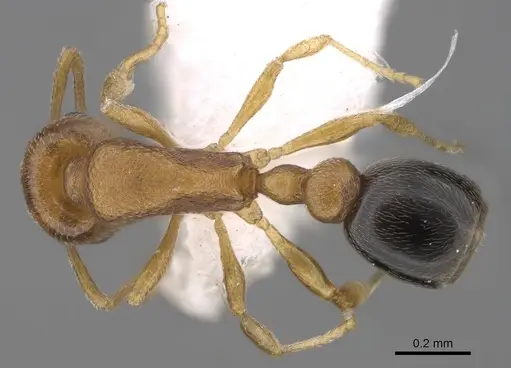
ECOFOG-OI17-0006-06
View on AntWeb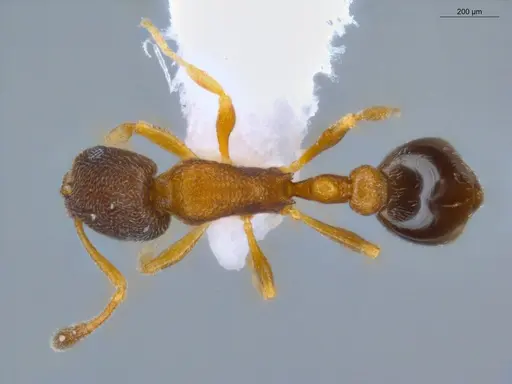
FMNHINS0000065820
View on AntWeb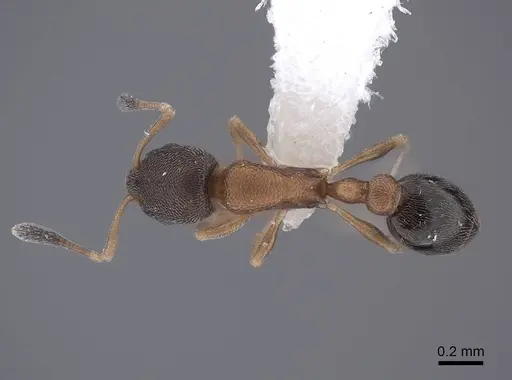
Literature
Loading distribution map...Loading products...