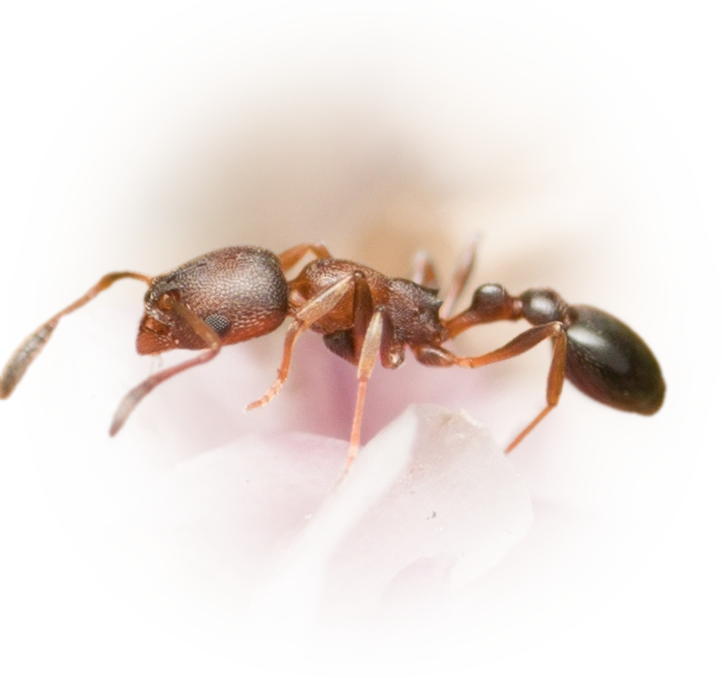
Moorish Sneaking Ant
Cardiocondyla mauritanica
- Sci. Name
- Cardiocondyla mauritanica
- Tribe
- Crematogastrini
- Subfamily
- Myrmicinae
- Author
- Forel, 1890
- Common Name
- Moorish Sneaking Ant
- Distribution
- Found in 10 countries
Introduction
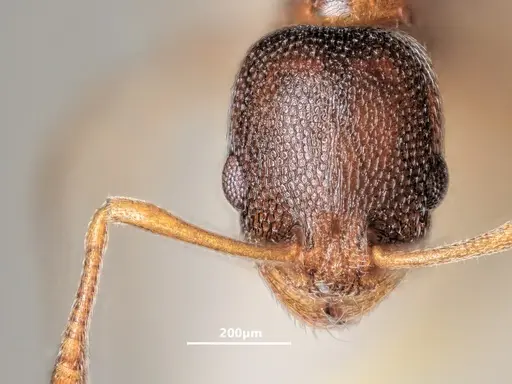
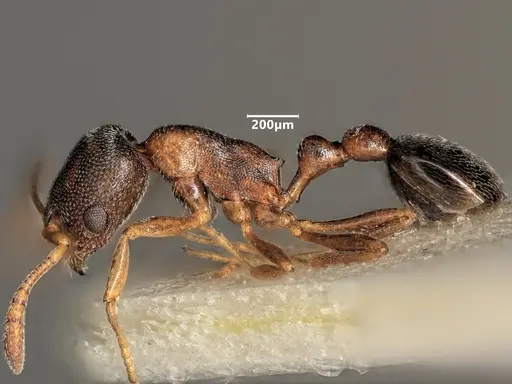
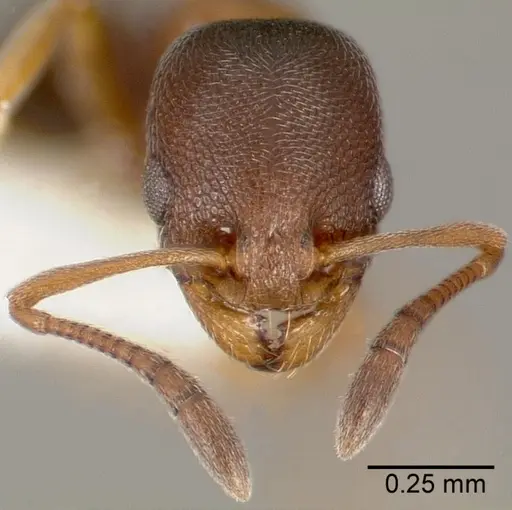
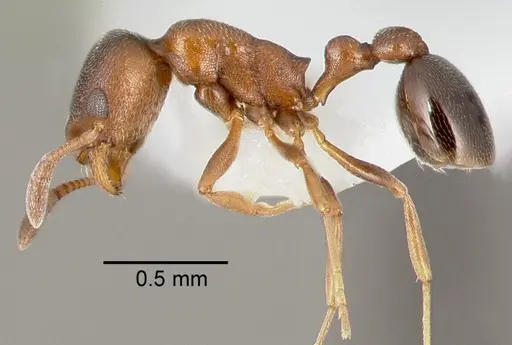
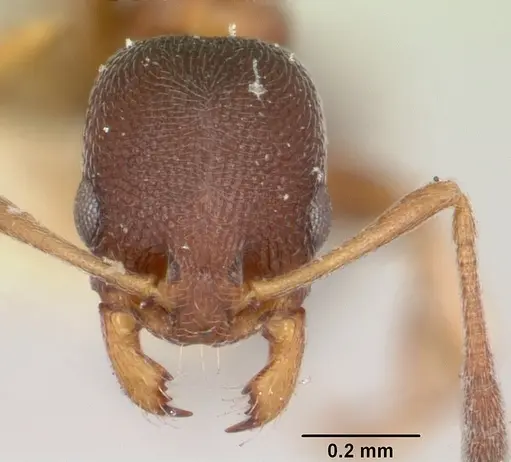
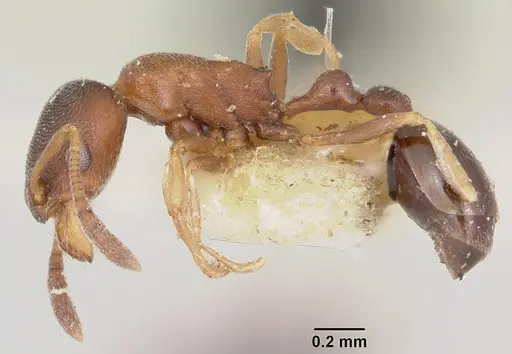
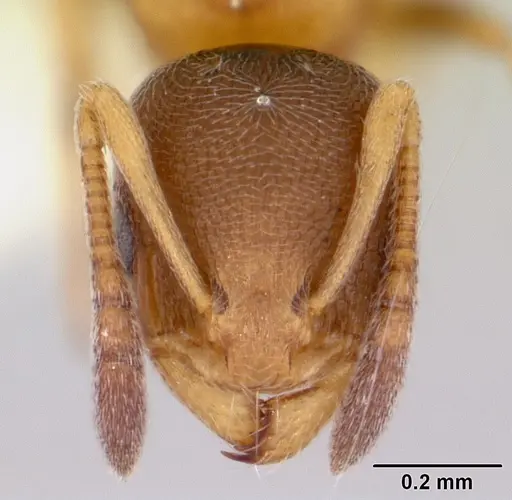
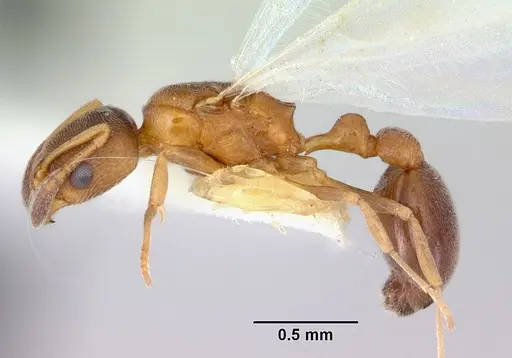
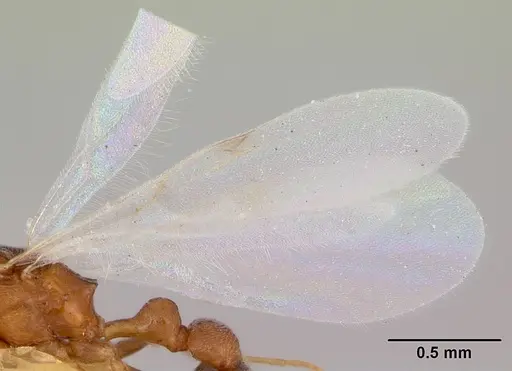
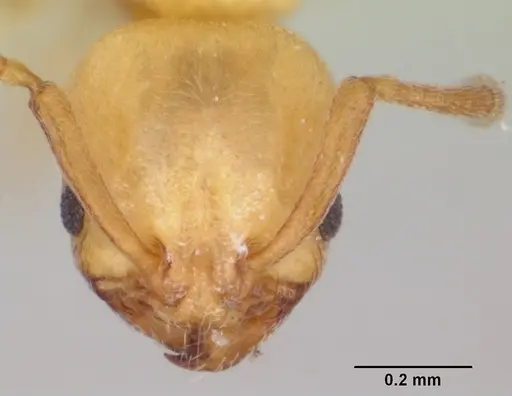
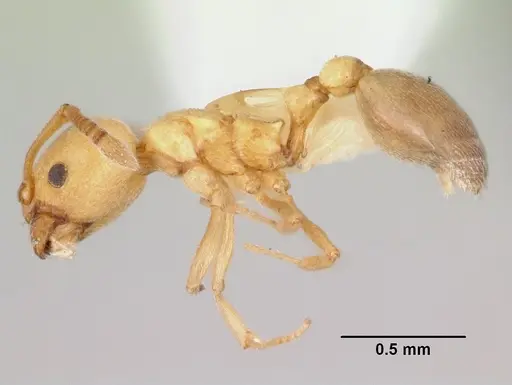
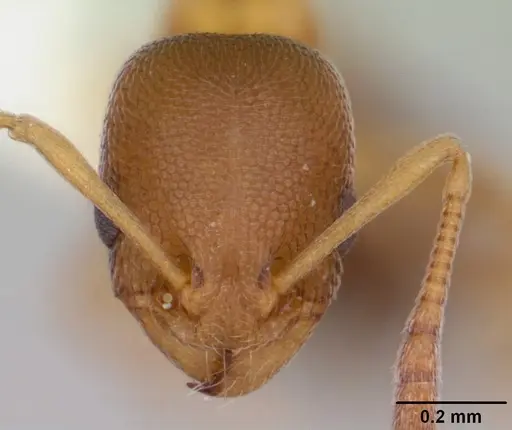
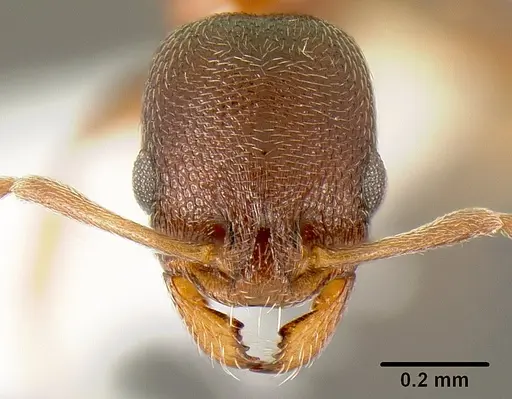
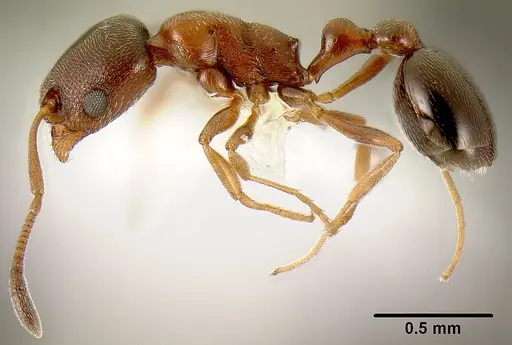
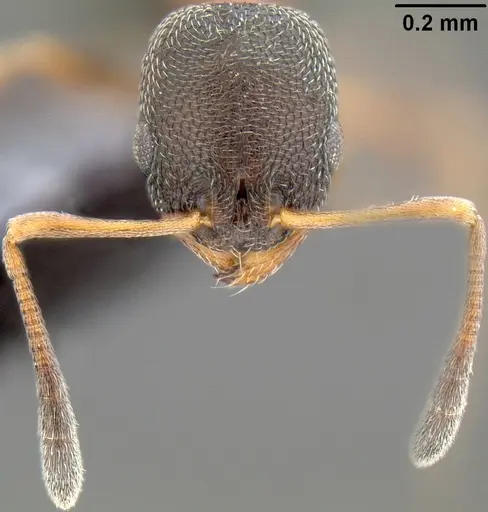
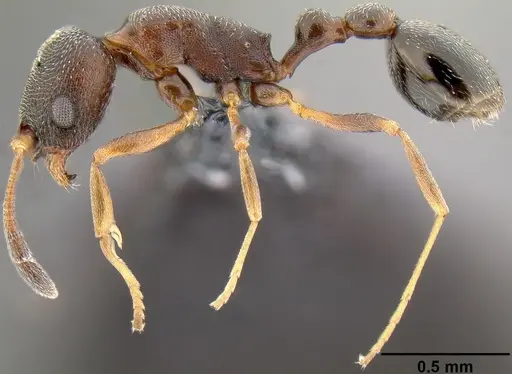
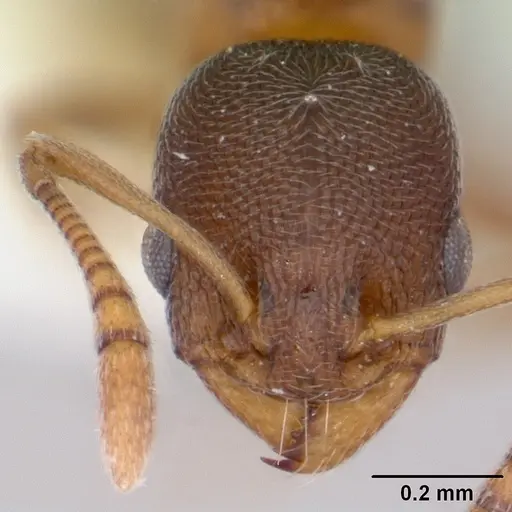
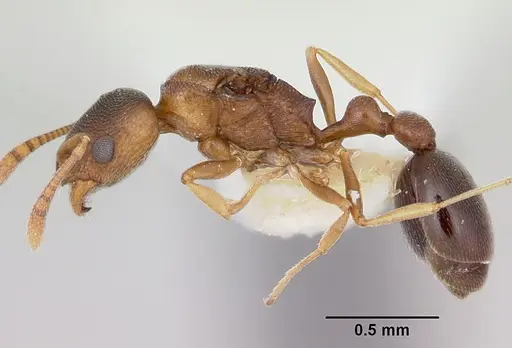
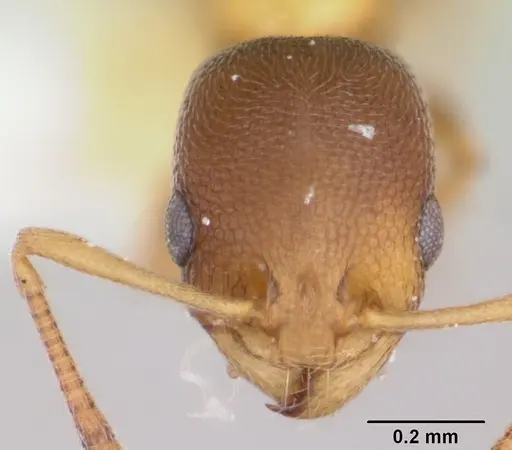
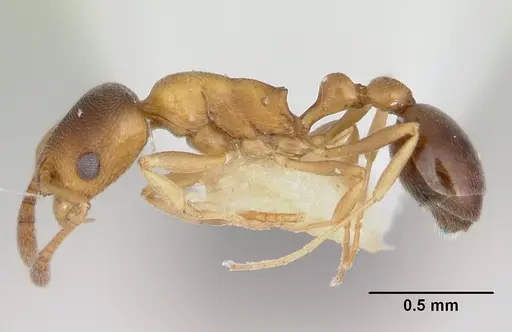
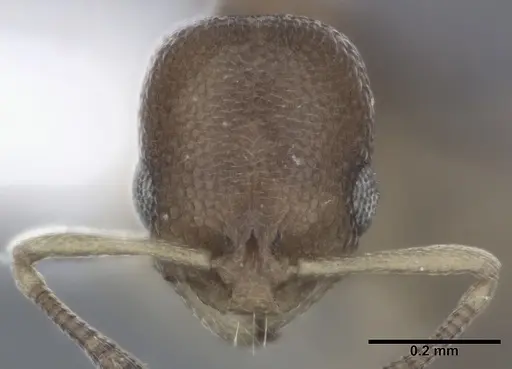
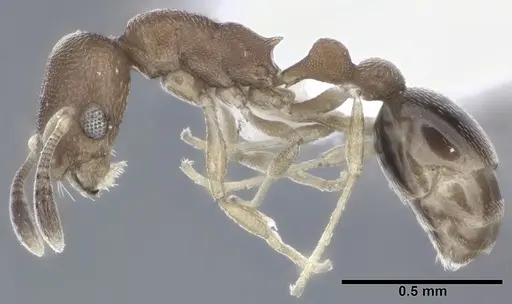
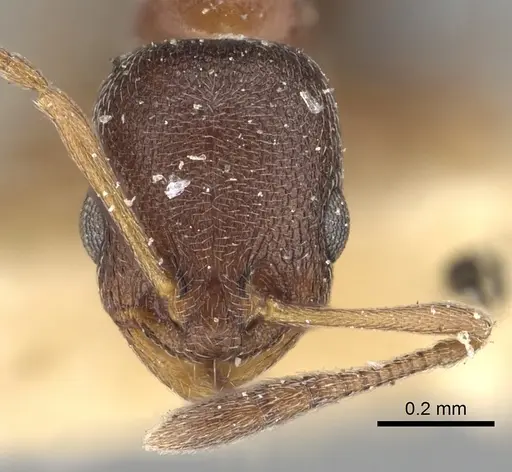
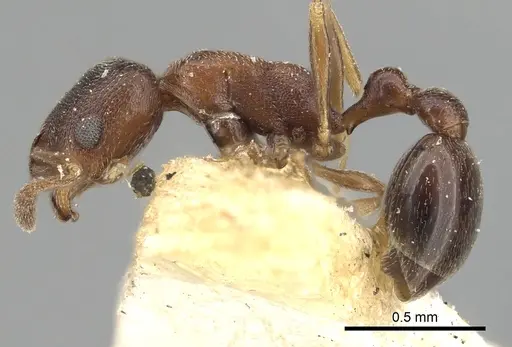
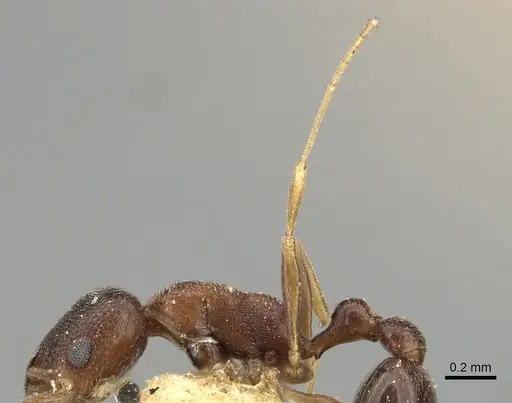
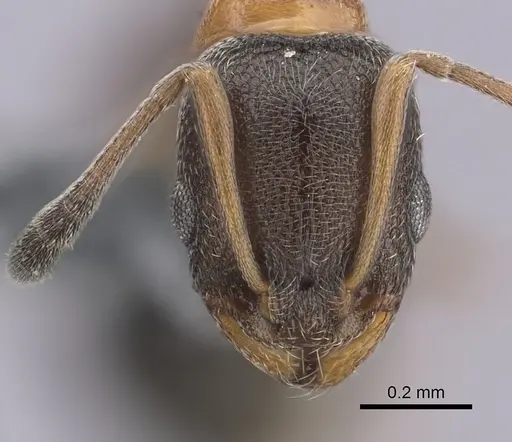
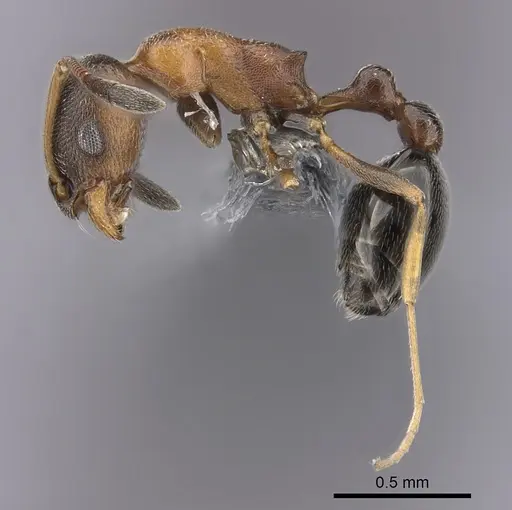
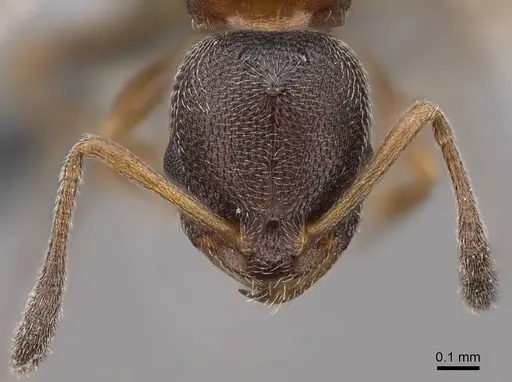
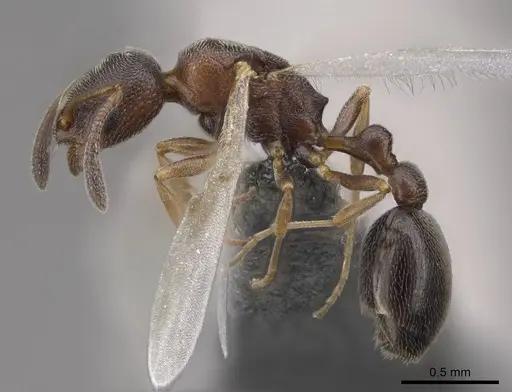
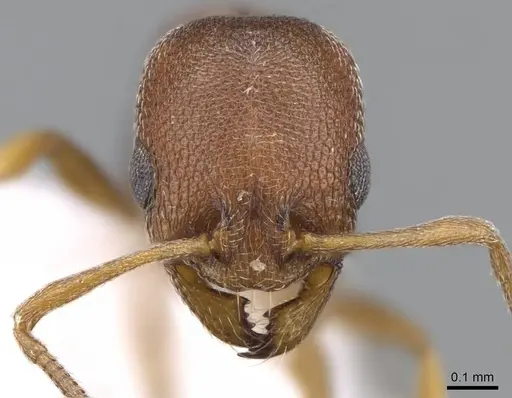
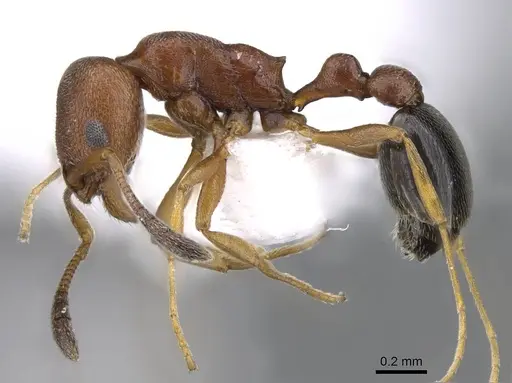
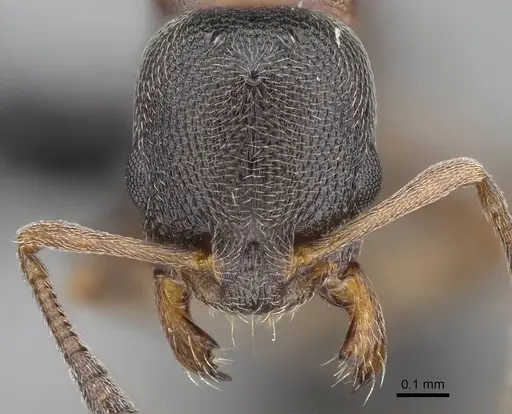
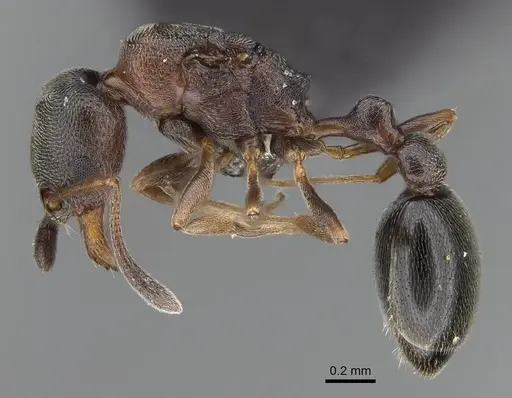
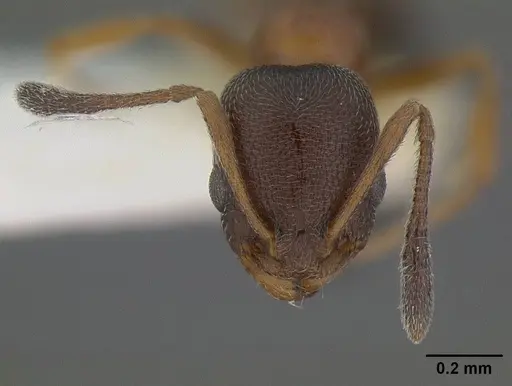
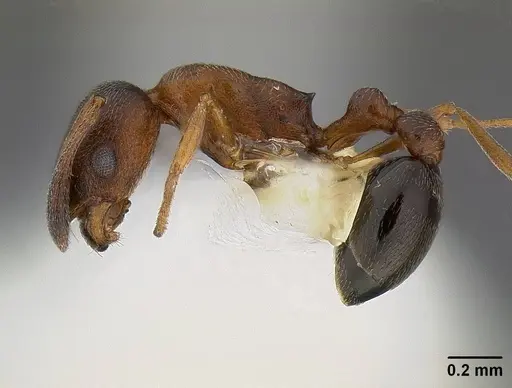
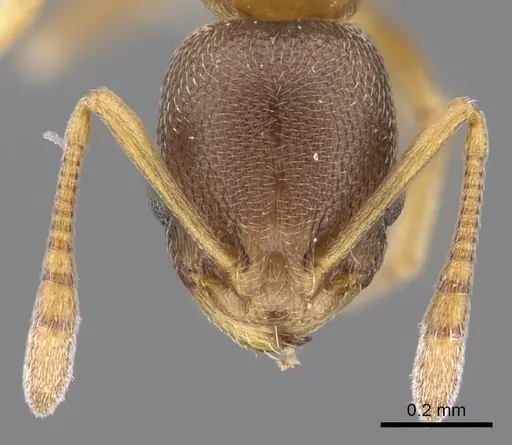
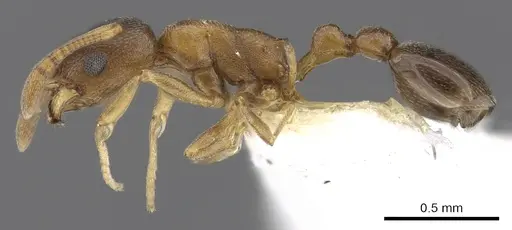
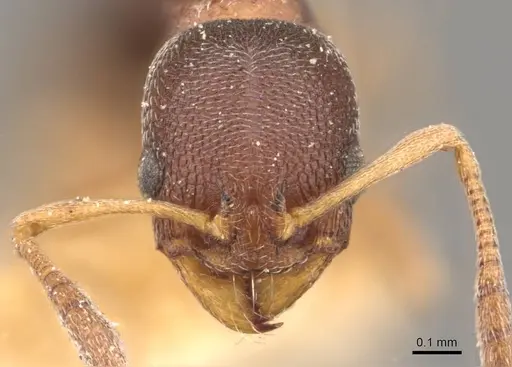
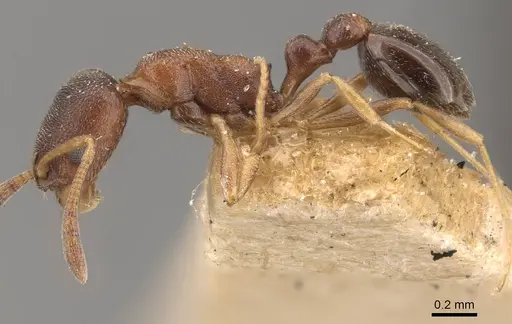
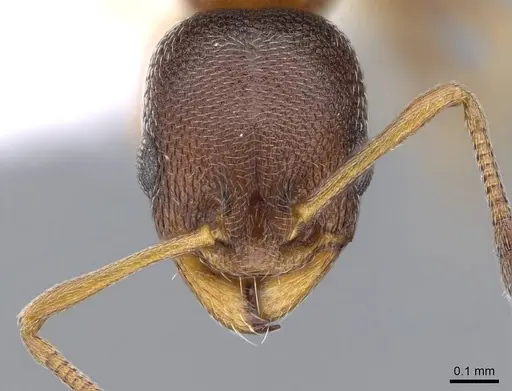
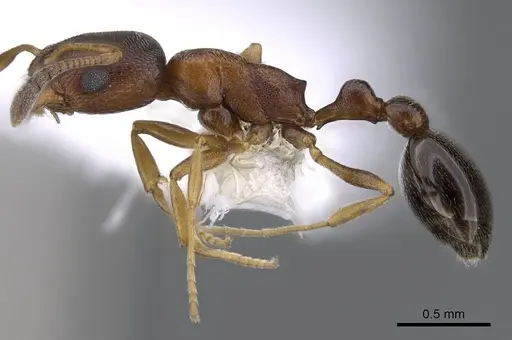
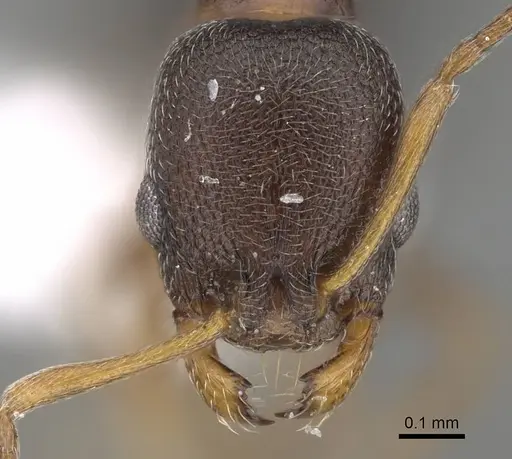
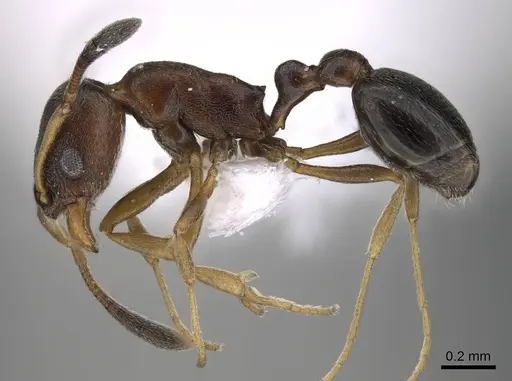
Cardiocondyla mauritanica is a tiny ant native to semi-deserts of North Africa, the Middle East, and South Asia. Workers measure about 2.0-3.5mm and have a bicolored look: dark brown head and gaster with an orange-brown mesosoma and waist . The postpetiole is narrow and roughly hexagonal from above, sitting lower than the petiole in side view . It belongs to the Cardiocondyla nuda group and is one of the most widely spread tramp ants in the world, reaching the Americas, Canary Islands, and Southeast Asia through human trade . What sets this ant apart is its mating system. It has only wingless ergatoid males that never leave the nest to find mates. Instead, they mate with queens inside the colony (intranidal mating) . These males use shear-shaped mandibles to crush and cut off the legs and antennae of rival males that are still soft after emerging from their pupae . Colonies are polygynous (multiple queens), which helps them start new nests quickly through colony splitting (fission) .
Quick Summary
- Difficulty: Expert
- Origin & Habitat: Native to semi-deserts and xerothermous habitats of North Africa, the Middle East, and South Asia. Originally described from Tunisia, its natural range runs from India through Pakistan, the Middle East, and across the Mediterranean [3][4]. It is now a cosmopolitan tramp species found in the Americas, Canary Islands, Indonesia, and elsewhere [3][4].
- Colony Type: Polygynous (multiple queens per colony). Colonies have less than 500 workers and can form new nests by fission – a group of workers and queens leaves to start a new nest [3][6]. Multiple ergatoid (wingless) males are present in the colony [3].
- Size & Growth:
- Queen: ~2.5-3.5mm – inferred from Cardiocondyla genus (queens slightly larger than workers) [1].
- Worker: ~2.0-3.5mm [1].
- Colony: Up to 500 workers [3].
- Growth: Moderate – development from egg to adult takes about 56 days at room temperature [7].
- Development: About 6-8 weeks at room temperature – estimated from the 56-day development time documented for ergatoid males [7]. (Well-fed queens in labs lay 2-3 eggs per day [7]. The first workers (nanitics) will be smaller than mature workers.)
- Antkeeping:
- Temperature: Keep between 20-28°C. Workers start foraging at 19-20°C and stop when temperatures go above 26°C. Avoid anything over 30°C [8]. Room temperature (22-25°C) works well.
- Humidity: Moderate. In the wild they nest under flat stones in sandy soil near water sources [6]. Keep the nest substrate lightly moist but not wet. They can handle drier conditions than many ants since they come from semi-deserts [3].
- Diapause: No true diapause needed. As a subtropical tramp species, they do not require a cold winter period. Activity may slow in cooler months but that's normal.
- Nesting: Use test tubes or small formicaria made of Y-tong, plaster, soil, or 3D-printed material. They prefer tight, narrow chambers scaled to their tiny size. A natural setup with a thin layer of sandy soil and a flat stone mimics their wild nesting under stones. Never use acrylic nests.
- Behavior: These ants are calm and non-aggressive. Workers are small and shy, foraging mid-morning to mid-afternoon between 19-26°C [8]. They use tandem running to recruit nestmates to food [8]. They are not dangerous to people – their sting is weak and only used in defense. Their tiny size (under 3.5mm) means escape prevention is critical – they can squeeze through very small gaps. They are submissive toward dominant ants like the Argentine ant but can coexist by using stinging defense and avoiding fights [4].
- Common Issues: tiny size – easy to lose unless you use very fine mesh and tight seals, colonies grow slowly – beginners may become impatient with the moderate speed, test tube water reservoirs can dry out fast in warm conditions – check often, multiple queens can cause colony splits – watch for queen loss during moves, this is an invasive species in many countries – never release any ants into the wild and take extreme care to prevent escapes in non-native areas
Housing and Nest Setup
Because Cardiocondyla mauritanica is so small, simple setups work best. Test tubes are excellent for starting colonies – use a small tube with a water reservoir blocked by cotton. For larger colonies, use a Y-tong, plaster, soil, or 3D-printed formicarium with chambers sized for 2-3mm ants. A natural setup with a thin layer of sandy soil and a flat stone on top mimics their wild nesting under stones [6]. Whichever you pick, make sure it is escape-proof – these ants can slip through gaps that seem too small. Use tight lids and apply Fluon or PTFE barrier around the rim. Avoid acrylic nests, they don't hold humidity well and are hard to clean.
Feeding and Diet
Cardiocondyla mauritanica is omnivorous and accepts many foods. Provide sugar water or honey as a constant energy source. For protein, offer small insects like fruit flies, pinhead crickets, or dead arthropod bits [8]. In the wild, workers forage in wet sandy soil and leaf litter, so give them a moist area in the outworld [2]. Feed small prey 2-3 times per week and keep sugar water always available. Remove uneaten food after 24-48 hours to stop mold.
Temperature and Seasonal Care
Keep the colony at room temperature, ideally 22-26°C. Workers start foraging at 19-20°C and stop when it gets above 26°C [8]. At surface temperatures of 42°C they quit completely [8], so avoid direct sun or heat sources. They do not need a cold diapause – they come from warm subtropical areas without real winters [4]. You may see less activity in cooler months, but that's normal. If your room drops below 18°C, use a low-level heating mat on one side of the nest to keep them active. They tolerate dry air better than many ants, which fits their semi-desert origin [3].
Colony Structure and Behavior
Colonies are polygynous (multiple queens) and polydomous (nest in several connected sites) [8]. In California, one colony had subcolonies up to 6 meters apart [8]. New nests form by fission – a group of workers and queens simply walks away to start a new home [3]. The most unusual part is the males: they are wingless ergatoids that fight each other. When a male first emerges (callow), other males attack it using shear-shaped mandibles to crush its cuticle and cut off its legs and antennae [3][5]. Despite this, colonies keep several adult males at once [9].
Understanding Their Unique Mating System
Unlike most ants, Cardiocondyla mauritanica has no winged males at all – only ergatoid (worker-like) males [3]. These males mate inside the nest (intranidal mating). So a queen never needs to fly to mate, she simply mates with a male in her home colony. This is one reason the species spreads so easily – fertilized queens can be carried long distances in soil or plants without anyone noticing [3]. The males have another odd trait: they use their mandibles to hammer the head of a female during courtship before backing up to mate [10]. Mating lasts about 13-26 seconds [11].
Coexisting with Other Ants
Cardiocondyla mauritanica is famous for living near the aggressive Argentine ant (Linepithema humile). In California, researchers found nests only 8cm from an Argentine ant nest [4]. When Argentine ants approach, C. mauritanica workers crouch and stay still. If grabbed, they sting the attacker repeatedly until it lets go [4]. This does not trigger a full Argentine ant alarm, so both species share the area [4]. For antkeepers, that means this species is very peaceful and should be kept alone – don't put them with aggressive ants that could kill them. They are submissive but not helpless.
Warning: Invasive Species
WARNING: Cardiocondyla mauritanica is an invasive tramp species in many parts of the world, including the Americas, Canary Islands, Indonesia, and several Pacific islands [4][3]. It is NOT recommended to keep this species in countries where it is not native. If you do keep it, you must take extreme precautions to prevent any escape. Established invasive populations can cause severe ecological damage. Never release any ants into the wild. Always dispose of unwanted colonies by freezing or boiling.
Frequently Asked Questions
How long does it take for Cardiocondyla mauritanica to develop from egg to worker?
About 6-8 weeks at room temperature. Development of ergatoid males takes 56 days at room temperature, and workers likely have a similar timeline [7].
Can I keep multiple queens together in one colony?
Yes. This species is naturally polygynous – multiple queens live together without fighting [3][4].
Do Cardiocondyla mauritanica ants sting?
They have a weak sting that is not medically important. Workers are tiny (2-3.5mm) and very calm toward keepers [3]. Their sting is mainly used against other ants, not people [4].
What temperature range is best for Cardiocondyla mauritanica?
Keep them between 20-28°C. Foraging starts at 19-20°C and stops above 26°C [8]. Room temperature (22-25°C) is ideal. Avoid heat above 30°C.
Are Cardiocondyla mauritanica good for beginners?
They are easy to care for, but because they are an invasive species, they are not recommended for beginners. If you have experience preventing escapes and live in a country where they are already established, they can be a low-maintenance choice. The main challenge is their tiny size – you need very good escape prevention [3].
How big do Cardiocondyla mauritanica colonies get?
Colonies typically reach up to 500 workers in the wild [3]. In captivity, most hobbyists see 100-300 workers. They are not a large-colony species.
What do Cardiocondyla mauritanica eat?
They are omnivorous. Give them constant access to sugar water or honey, and offer small protein sources like fruit flies, pinhead crickets, or dead insects 2-3 times per week [8][3].
Do they need a hibernation period?
No. They come from warm subtropical regions (North Africa, Middle East, South Asia) and do not need a cold winter rest [4]. Activity may slow in winter but no formal diapause is needed.
Why are the males unusual in this species?
They have only wingless (ergatoid) males – no flying males exist. These males mate inside the nest (intranidal mating) [3]. They use shear-shaped mandibles to attack and kill newly emerged rival males [3][5]. This creates violent competition inside the colony.
When should I move them to a formicarium?
You can keep them in test tubes forever if the colony stays small (under 50 workers). For larger colonies, move them to a Y-tong, plaster, soil, or 3D-printed formicarium with chambers sized for their tiny bodies. Make sure the nest is escape-proof [3].
Report an Issue
The current care sheet is based fully on literature. See inconsistencies, or something that's incorrect? Please , it will be resolved after review from an admin. Contributing to the blogs tab also helps providing information, to make us be able to further improve the caresheets. Thank you for your support!
References

This caresheet is licensed under CC BY-SA 4.0 .
Community Blogs
ANTWEB1048521
View on AntWeb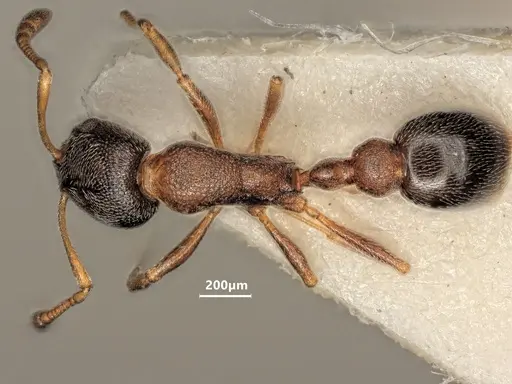
CASENT0005678
View on AntWeb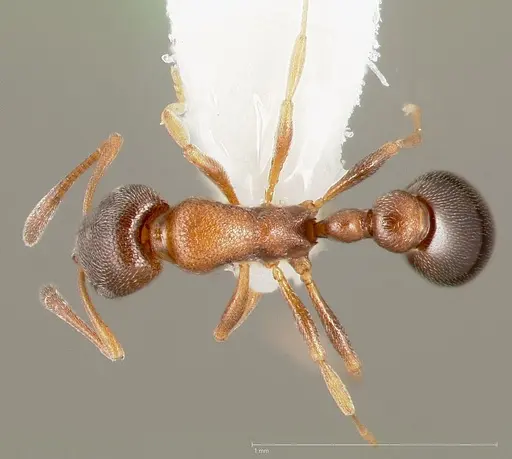
CASENT0103167
View on AntWeb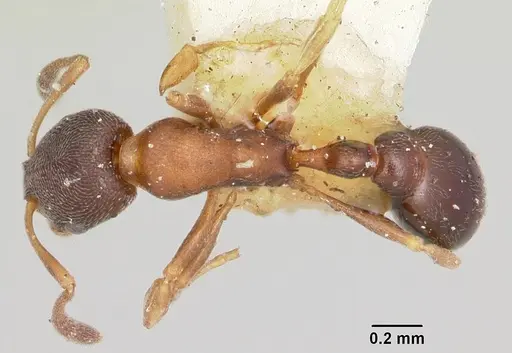
CASENT0103432
View on AntWeb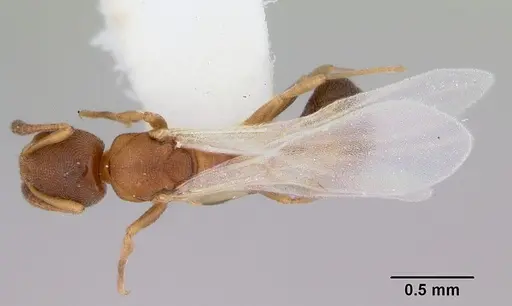
CASENT0103433
View on AntWeb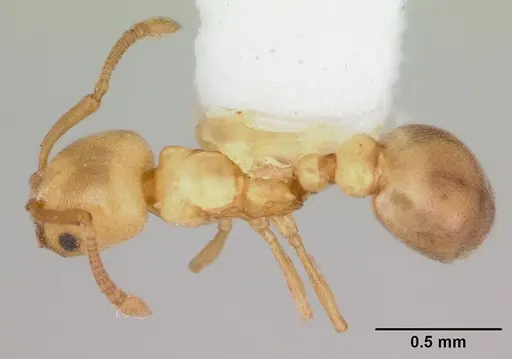
CASENT0103434
View on AntWeb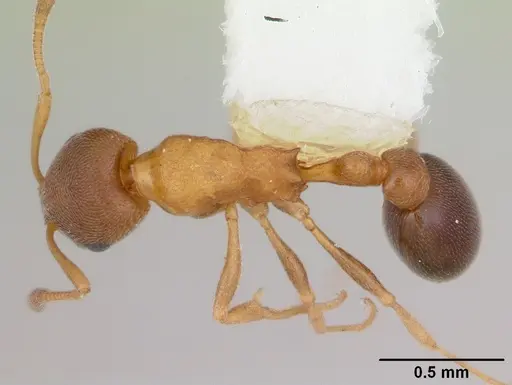
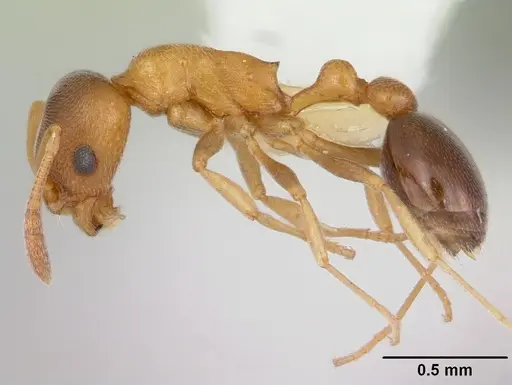
CASENT0104695
View on AntWeb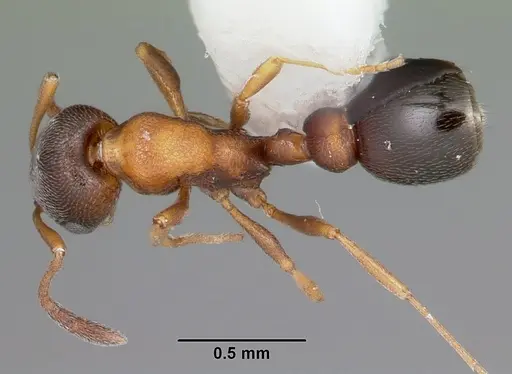
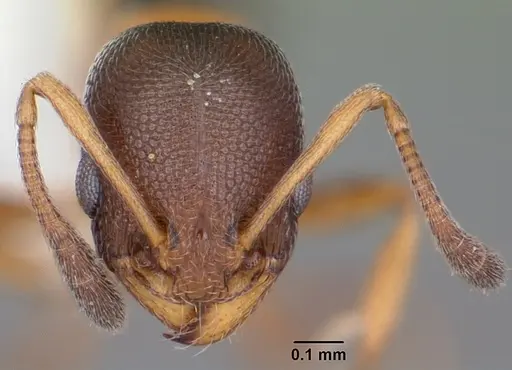
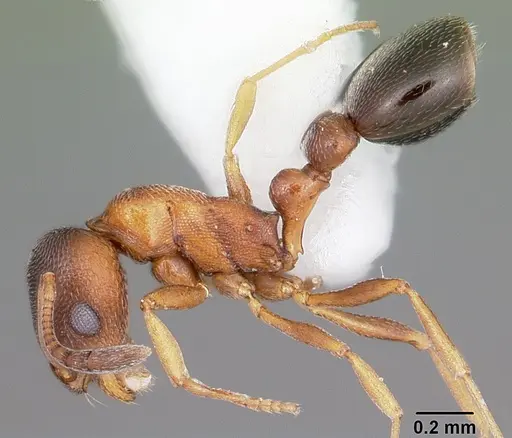
CASENT0106115
View on AntWeb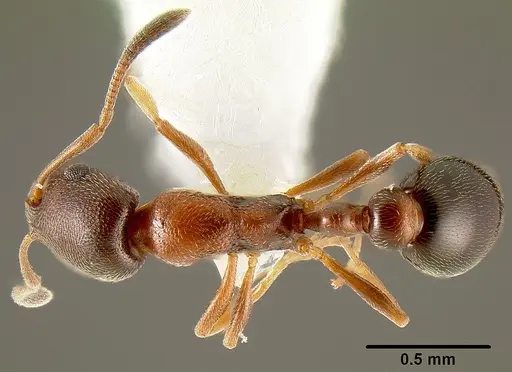
CASENT0171168
View on AntWeb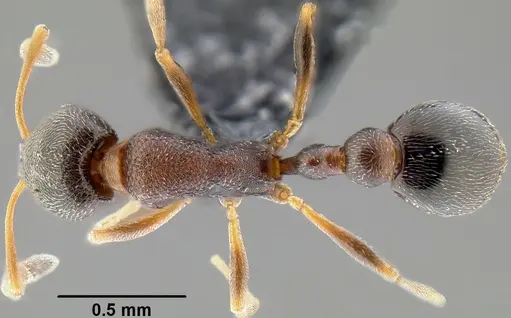
CASENT0172606
View on AntWeb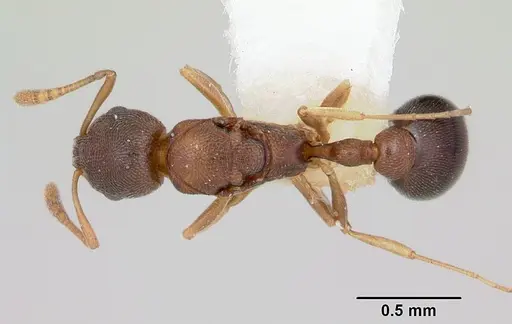
CASENT0172607
View on AntWeb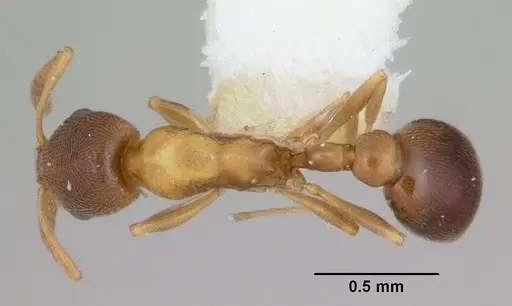
CASENT0246600
View on AntWeb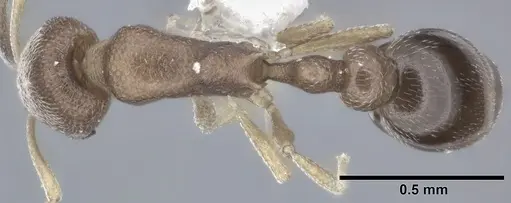
CASENT0249873
View on AntWeb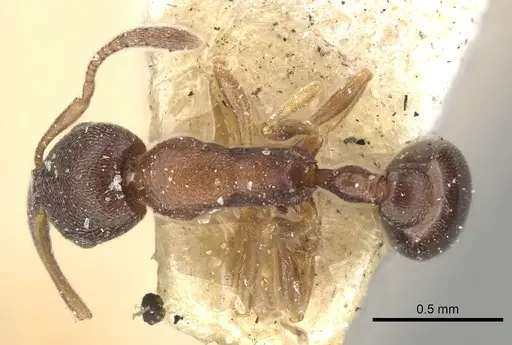
CASENT0263693
View on AntWeb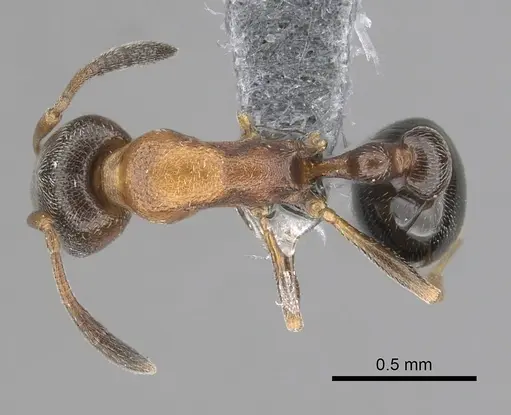
CASENT0724879
View on AntWeb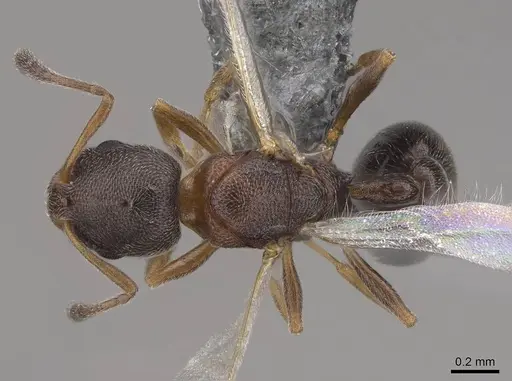
CASENT0746618
View on AntWeb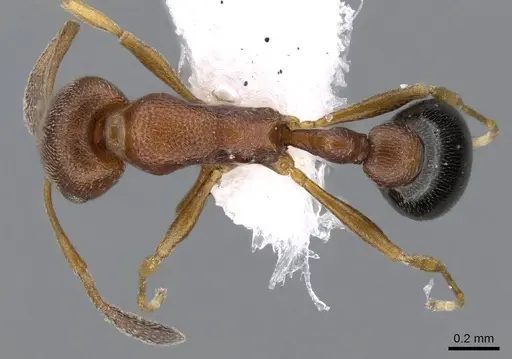
CASENT0799288
View on AntWeb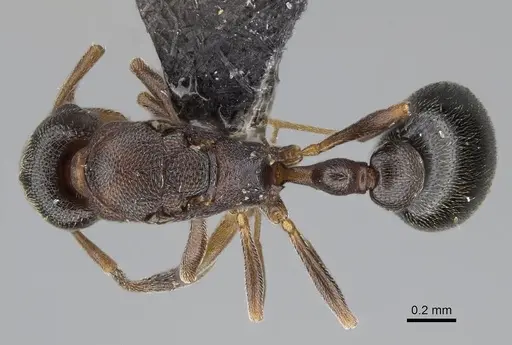
CASENT0844222
View on AntWeb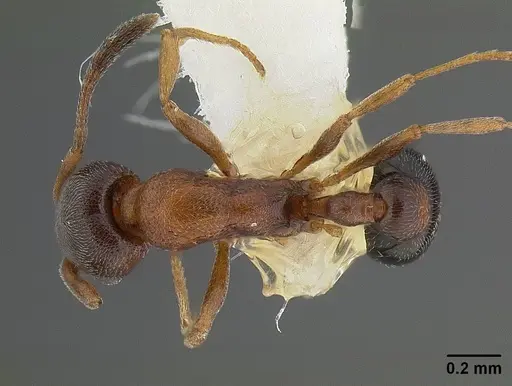
CASENT0901755
View on AntWeb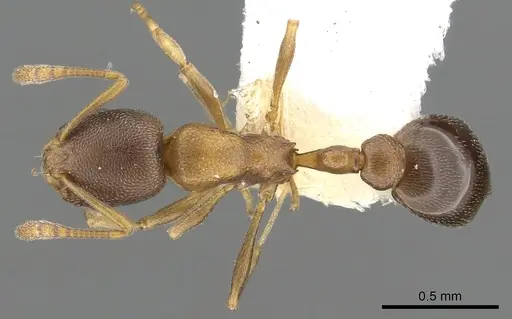
CASENT0908345
View on AntWeb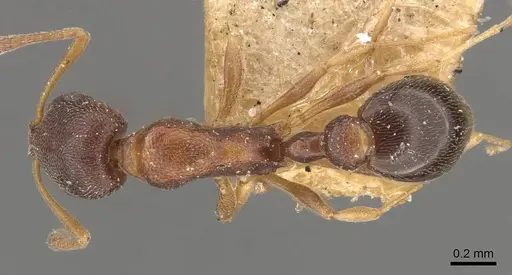
CASENT0914962
View on AntWeb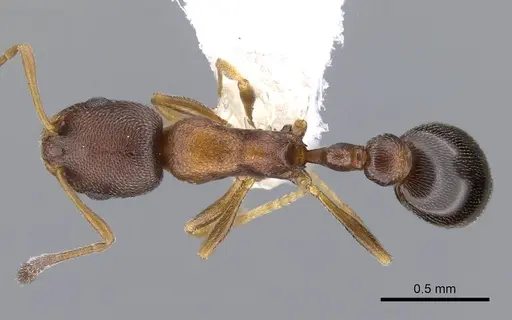
CASENT0922292
View on AntWeb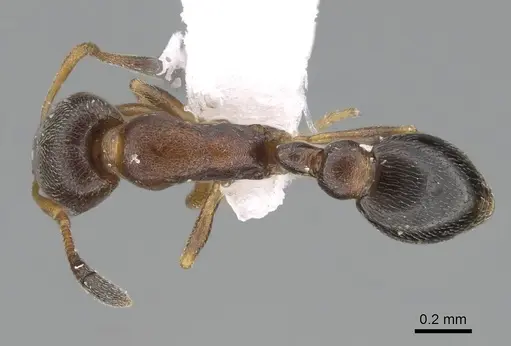
Literature
Loading distribution map...Loading products...