
Cardiocondyla kagutsuchi
- Sci. Name
- Cardiocondyla kagutsuchi
- Tribe
- Crematogastrini
- Subfamily
- Myrmicinae
- Author
- Terayama, 1999
- Distribution
- Found in 6 countries
Introduction
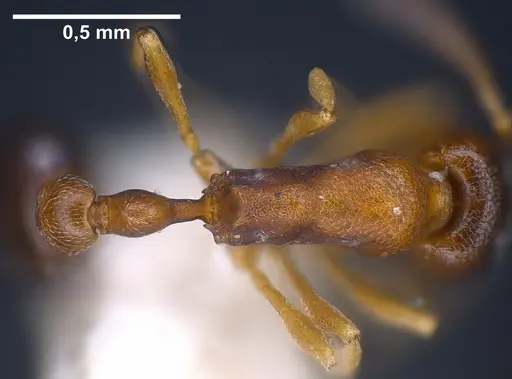
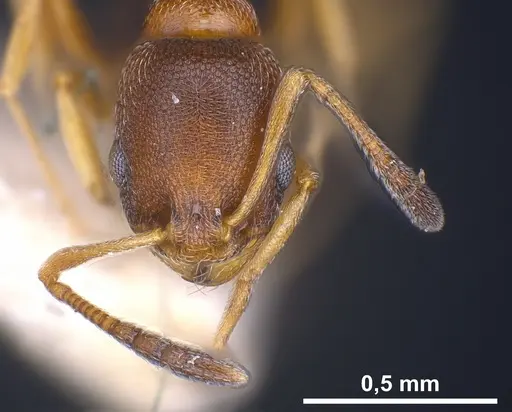
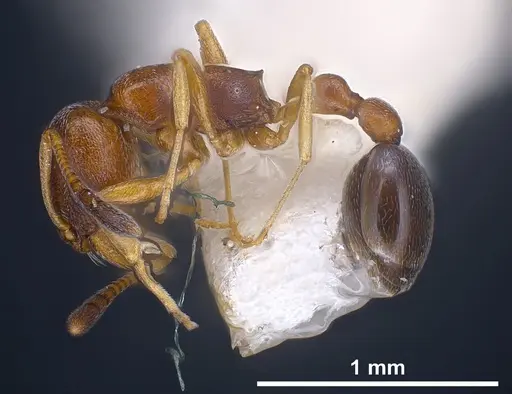
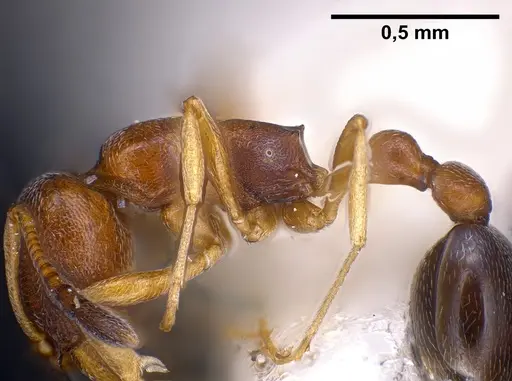
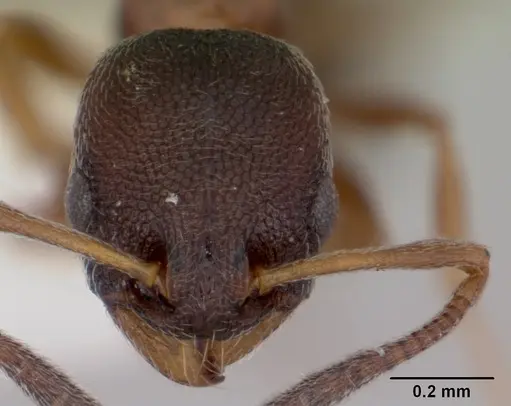
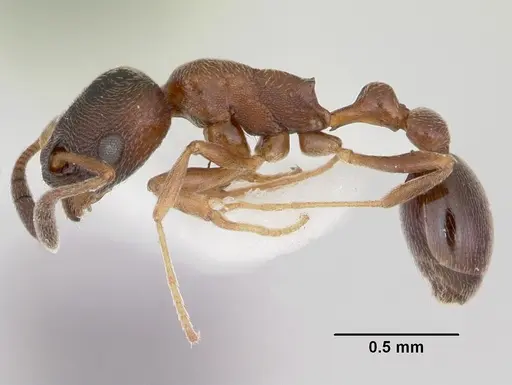
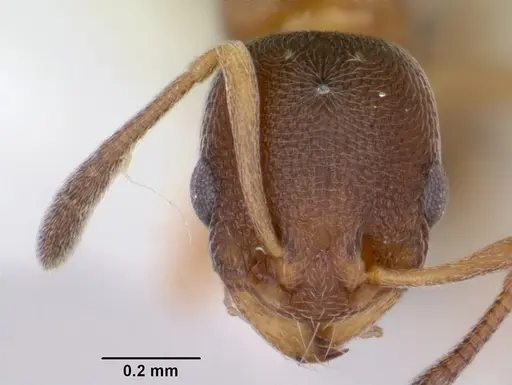
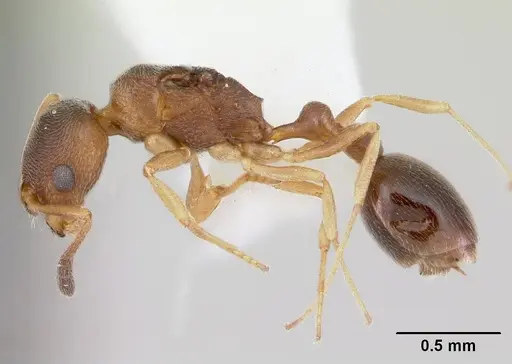
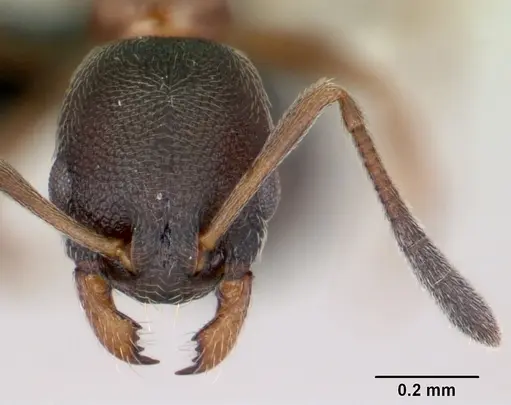
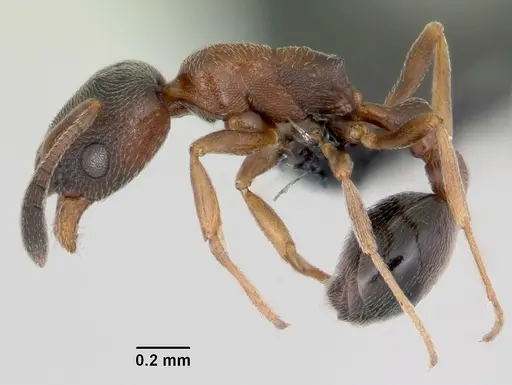
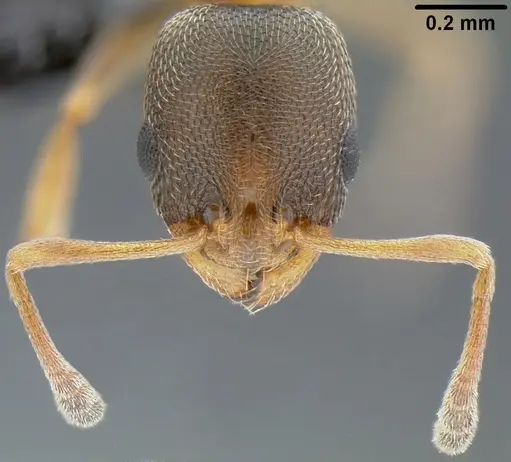
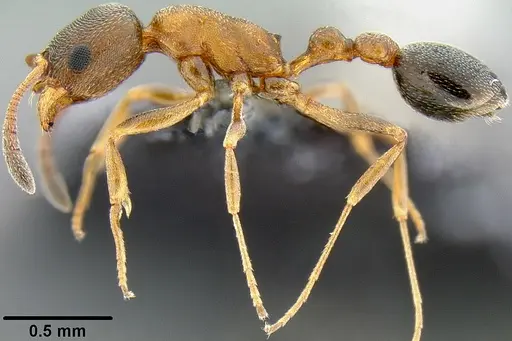
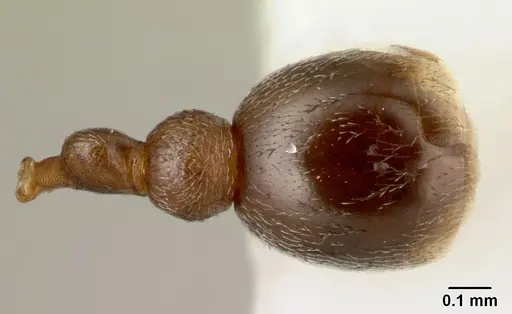
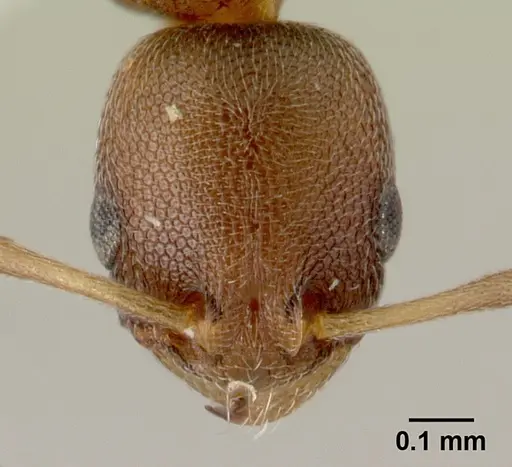
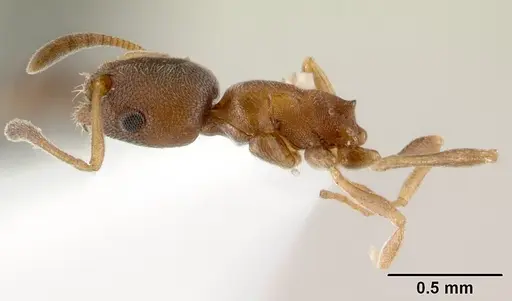
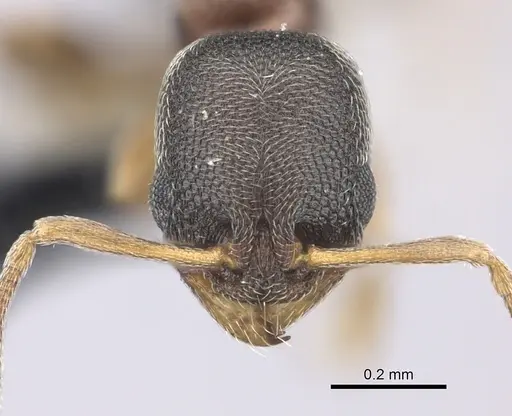
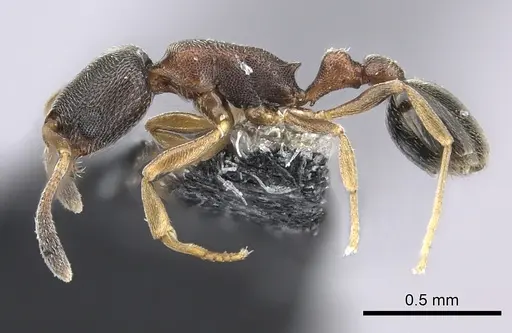
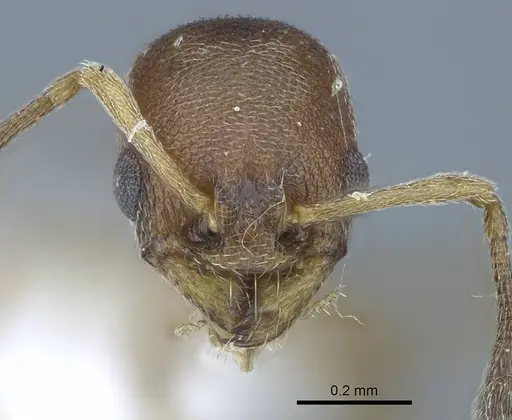
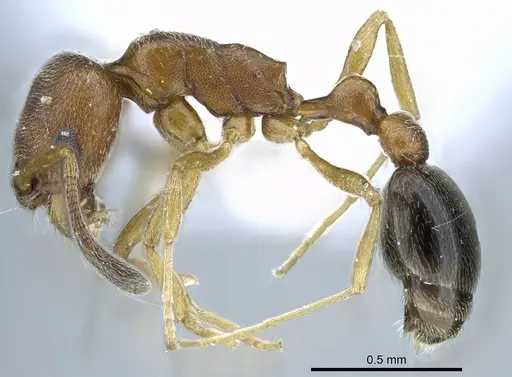
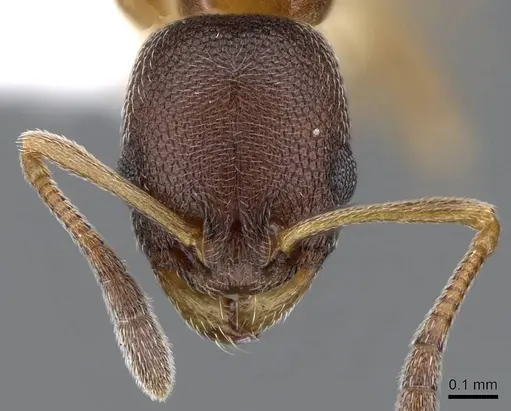
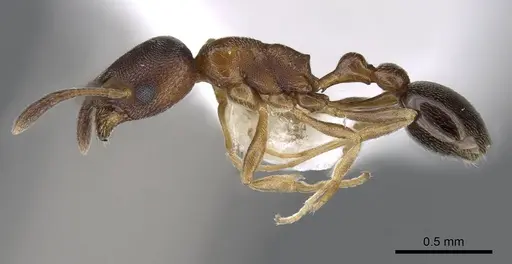
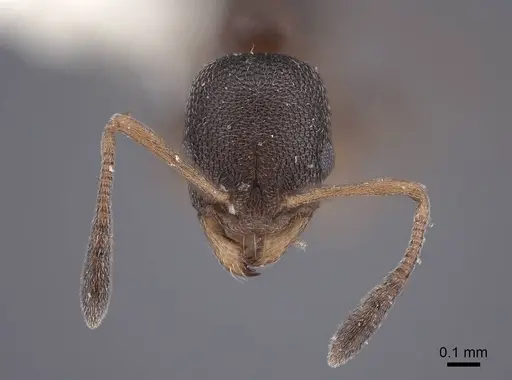
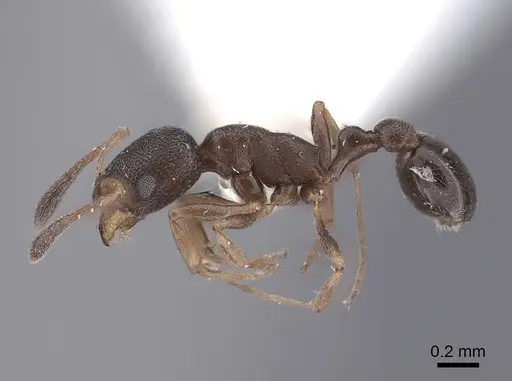
Cardiocondyla kagutsuchi is a tiny ant species native to East Asia and the Indo-Malayan region, ranging from Japan through Southeast Asia to Papua New Guinea and the Pacific Islands. Workers measure approximately 1.5-1.8mm with an elongated head, small eyes, and short blunt propodeal spines. They are dark brown to blackish in color, often with a lighter mesosoma. This species is part of the C. nuda group, which is notoriously difficult to identify due to subtle morphological differences between species. What makes C. kagutsuchi particularly interesting is its male polymorphism - some populations produce both winged and wingless (ergatoid) males, while others produce only wingless males. The species has also been introduced to Hawaii and South Korea.
Quick Summary
- Difficulty: Easy
- Origin & Habitat: Native to India through Southeast Asia to Japan, Philippines, and Pacific Islands. Nests in shallow soil in open, disturbed areas with bare or weakly herbaceous ground, often near seashores [1][2]. Found at elevations up to 1000m in some regions like the Himalayas [3].
- Colony Type: Single-queen (monogyne) colonies with ergatoid replacement reproductives. Some populations produce both winged and wingless males, while others produce only wingless males [4][5].
- Size & Growth:
- Queen: approximately 3-4mm, inferred from Cardiocondyla genus patterns
- Worker: 1.5-1.8mm total length [6]
- Colony: up to several hundred workers, estimated from genus patterns
- Growth: Moderate, queens have lifespan under one year, suggesting relatively fast colony development [5]
- Development: approximately 6-8 weeks at optimal temperature, estimated from related Cardiocondyla species (Development time is temperature-dependent, warmer conditions within acceptable range accelerate development.)
- Antkeeping:
- Temperature: Keep at 22-26°C. Based on related species being maintained at 17°C/28°C cycles [5], this species tolerates a range. Start at room temperature (22-24°C) and adjust based on colony activity.
- Humidity: Keep nest substrate moderately moist but not waterlogged. In nature they nest in soil in open areas, so they tolerate drier conditions than forest-dwelling species. Allow substrate to dry partially between water additions.
- Diapause: Unknown, no specific data on hibernation requirements. Given its broad range from tropical to temperate Japan, some winter rest may be beneficial in temperate regions. Consider a cool period (15-18°C) for 2-3 months in winter if colony shows reduced activity.
- Nesting: Shallow soil nests in natural settings. In captivity, a small test tube setup or acrylic nest with thin chambers works well. The tiny size means chambers should be appropriately scaled, avoid large open spaces. A thin layer of substrate (1-2cm) in a shallow formicarium or test tube setup mimics their natural shallow soil nesting.
- Behavior: Generally peaceful and non-aggressive. Like other Cardiocondyla, they are shy and not defensive. Workers forage individually for small prey and honeydew. The ergatoid (wingless) males have specialized mandibles used to fight rival males, but this does not affect keeper interactions. Escape prevention is critical due to their very small size, they can squeeze through tiny gaps. Use fine mesh and tight-fitting barriers.
- Common Issues: escape prevention is critical, their tiny size means they can squeeze through the smallest gaps without fine mesh barriers, colonies may be slow to establish due to small colony size at founding, overfeeding can lead to mold in small setups, remove uneaten food promptly, confusion with other Cardiocondyla species (C. nuda, C. mauritanica, C. strigifrons) means ensure correct identification, introduced populations in Hawaii and South Korea may have different behaviors than native range, this species has been introduced to non-native regions (Hawaii, South Korea), never release ants outside their native range
Housing and Nest Setup
Cardiocondyla kagutsuchi is a tiny ant that requires appropriately scaled housing. A small test tube setup works well for founding colonies, use a test tube with a cotton ball separating the water reservoir from the ants, filled about one-third with water. For established colonies, a shallow acrylic nest or small formicarium with thin chambers (2-3mm height) mimics their natural shallow soil nesting. The key is keeping chambers appropriately sized, these ants feel insecure in large open spaces. Use a thin substrate layer (1-2cm) if using a naturalistic setup. Escape prevention is absolutely critical, these ants are tiny enough to squeeze through standard formicarium gaps. Apply fluon or use fine mesh (at least 0.5mm) on all openings. [2][1]
Feeding and Diet
Like other Cardiocondyla species, C. kagutsuchi is a generalist feeder. Offer sugar water (honey or sucrose solution) as a constant energy source, they will readily accept it. For protein, provide small soft-bodied prey like fruit flies, pinhead crickets, or small mealworms. They are not aggressive hunters, so prey should be small and easy to handle. You can also offer occasional small amounts of seeds or insect remains. Feed small amounts 2-3 times per week, removing any uneaten prey after 24 hours to prevent mold. The tiny size of workers means even very small prey items are substantial meals for them.
Temperature and Seasonal Care
Maintain temperatures between 22-26°C for optimal colony health and development. This species tolerates a range given its distribution from tropical Asia to temperate Japan. Room temperature is often suitable. If your colony seems sluggish, a slight temperature increase may help. For keepers in temperate regions, a winter cool period (15-18°C) for 2-3 months may benefit colonies, though this is not definitively required. Watch your colony's behavior, if workers become less active in winter, a cool period may be appropriate. Avoid temperatures below 15°C or above 30°C. A small heating cable on one side of the nest can create a temperature gradient if needed. [5]
Understanding Male Polymorphism
One of the most interesting aspects of C. kagutsuchi is its male polymorphism. Different populations produce different male morphs: Type 1 produces both winged and wingless (ergatoid) males (found only on Ishigaki Island), Type 2 produces both short-winged and wingless males, and Type 3 produces only wingless males (found from Kanto to Okinawa in Japan) [2]. The ergatoid males have specialized shear-shaped mandibles used to fight rival males and kill freshly emerged rivals [7]. This male competition does not affect keeper experience but is fascinating natural history. In single-queen colonies, sex ratios are female-biased due to local mate competition among wingless fighter males [5].
Colony Development and Reproduction
C. kagutsuchi queens have a relatively short lifespan of less than one year [5], which is shorter than many other ant species. This means colonies must reproduce within the queen's lifetime for the line to continue. Colonies are monogyne (single-queen) and sex ratios vary significantly between genetic lines, some colonies produce predominantly females while others produce more males [5]. The presence of ergatoid (wingless) replacement reproductives means if the primary queen dies, a wingless daughter may take over reproduction. This is different from polygyny (multiple queens), the colony remains functionally single-queen but has backup reproductives available.
Frequently Asked Questions
How long does it take for Cardiocondyla kagutsuchi to produce first workers?
Expect first workers (nanitics) approximately 6-8 weeks after the queen lays eggs, at optimal temperature (22-26°C). This is typical for Cardiocondyla species. The exact timing depends on temperature, warmer conditions within the acceptable range speed development, while cooler conditions slow it.
Can I keep multiple Cardiocondyla kagutsuchi queens together?
Not recommended. This species is monogyne (single-queen) in nature. While ergatoid replacement reproductives exist within colonies, combining unrelated foundress queens has not been documented and would likely result in fighting. Each colony should have one founding queen.
Do Cardiocondyla kagutsuchi ants sting?
Cardiocondyla ants have stingers but are too small to penetrate human skin effectively. They are completely harmless to keepers. Their primary defense is fleeing rather than stinging.
Are Cardiocondyla kagutsuchi good for beginners?
Yes, they are considered easy to keep due to their small size, generalist diet, and tolerance of varying conditions. The main challenges are escape prevention (due to their tiny size) and correct identification (they are easily confused with other Cardiocondyla species). They do not require special heating if room temperature is within their range.
What do Cardiocondyla kagutsuchi eat?
They accept sugar sources (honey water, sugar water) and small protein prey (fruit flies, small mealworms, pinhead crickets). Feed sugar water constantly and small prey 2-3 times per week. Remove uneaten prey after 24 hours to prevent mold.
How big do Cardiocondyla kagutsuchi colonies get?
Colony size data is limited, but based on related species, colonies likely reach several hundred workers. Queens are short-lived (under one year), so colonies may not reach massive sizes before the queen dies and is replaced by an ergatoid.
Do Cardiocondyla kagutsuchi need hibernation?
Not definitively documented. Given their broad range from tropical to temperate Japan, some winter rest may be beneficial in temperate regions. Consider a cool period (15-18°C) for 2-3 months if your colony shows reduced activity in winter. This is optional rather than required.
Why are my Cardiocondyla kagutsuchi escaping?
Their tiny size (1.5-1.8mm) means they can squeeze through the smallest gaps. Use fine mesh (0.5mm or smaller), apply fluon to barrier edges, and ensure all connections are tight. Check lid seams, tube connections, and any gaps in your formicarium.
When should I move my colony to a formicarium?
Move from test tube to a small formicarium when the colony reaches 30-50 workers or when the test tube becomes crowded. Given their preference for shallow nests, use a shallow acrylic nest or naturalistic setup with thin chambers.
Is Cardiocondyla kagutsuchi invasive?
It has been introduced to Hawaii (first recorded 1967) and South Korea. In Hawaii, it is considered an exotic species but occurs sporadically in small numbers [8]. It has not been documented as a significant invasive pest like some other Cardiocondyla species. Never release ants outside their native range.
Report an Issue
The current care sheet is based fully on literature. See inconsistencies, or something that's incorrect? Please , it will be resolved after review from an admin. Contributing to the blogs tab also helps providing information, to make us be able to further improve the caresheets. Thank you for your support!
References

This caresheet is licensed under CC BY-SA 4.0 .
Community Blogs
ANTWEB1041248
View on AntWeb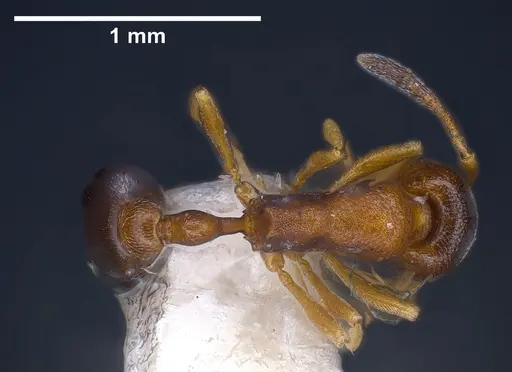
CASENT0103438
View on AntWeb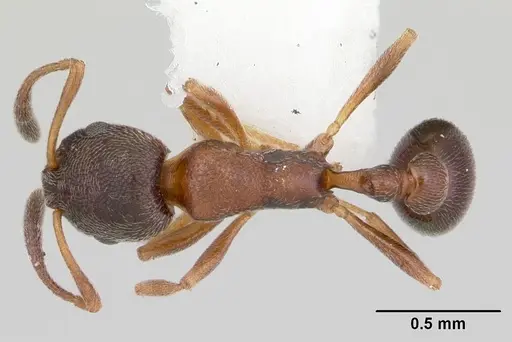
CASENT0103439
View on AntWeb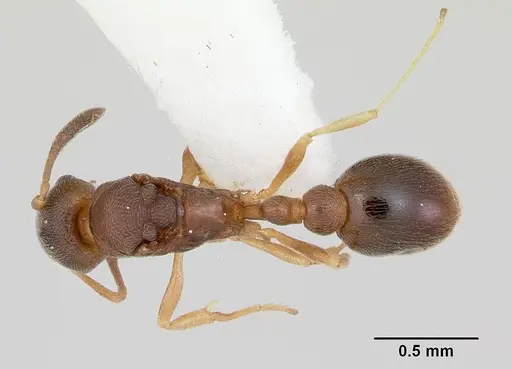
CASENT0119698
View on AntWeb
CASENT0171071
View on AntWeb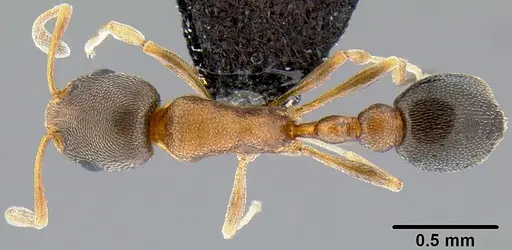
CASENT0178360
View on AntWeb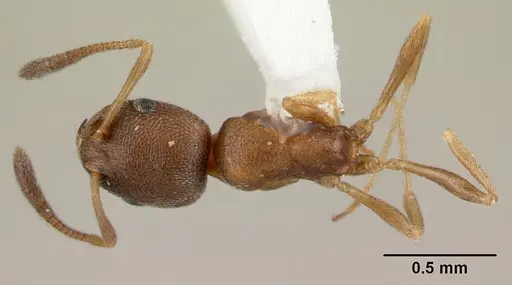
CASENT0219738
View on AntWeb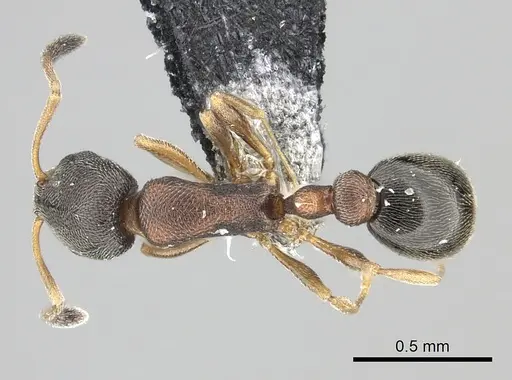
CASENT0248778
View on AntWeb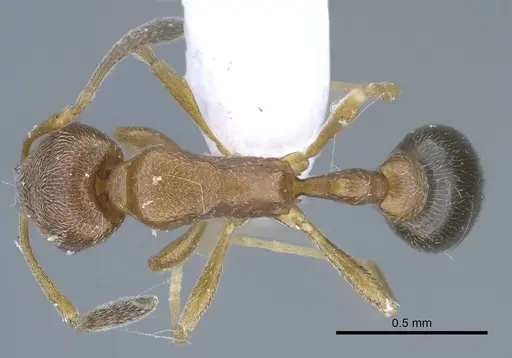
CASENT0914961
View on AntWeb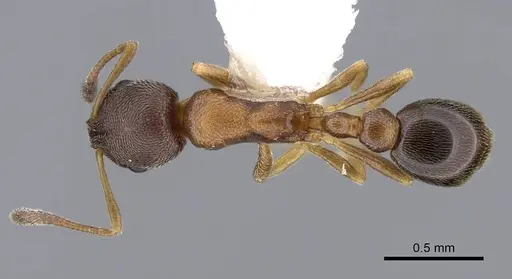
FMNHINS0000065587
View on AntWeb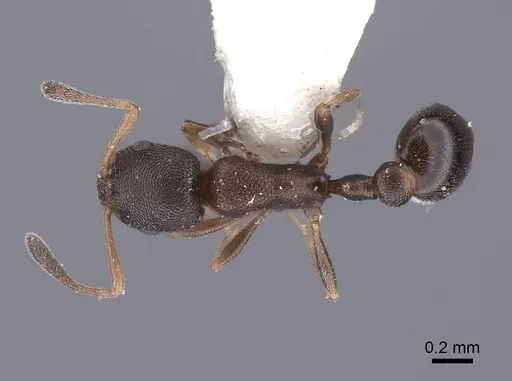
Literature
Loading distribution map...Loading products...