
Cardiocondyla itsukii
- Sci. Name
- Cardiocondyla itsukii
- Tribe
- Crematogastrini
- Subfamily
- Myrmicinae
- Author
- Seifert <i>et al.</i>, 2017
- Distribution
- Found in 3 countries
Introduction
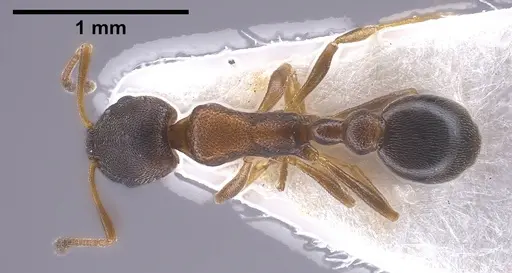
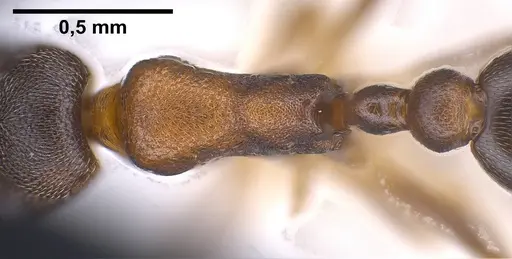
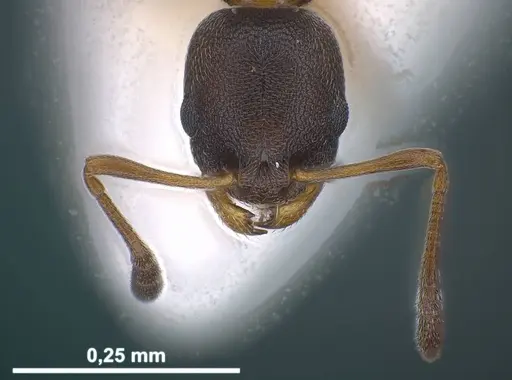
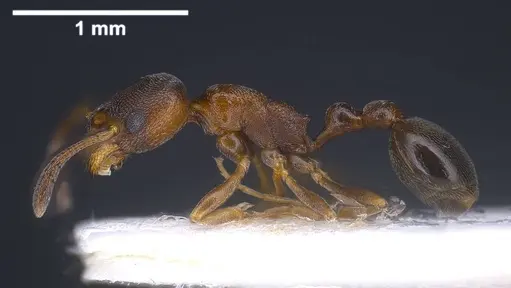
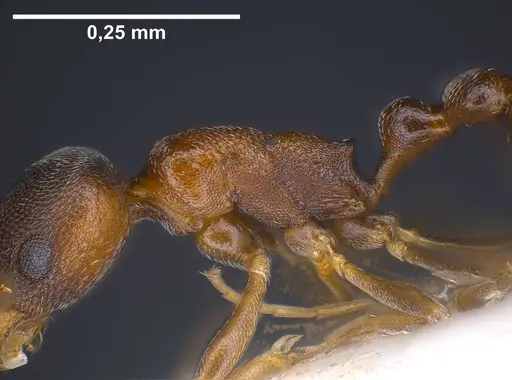
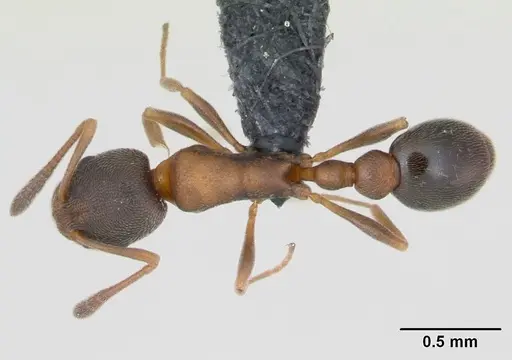
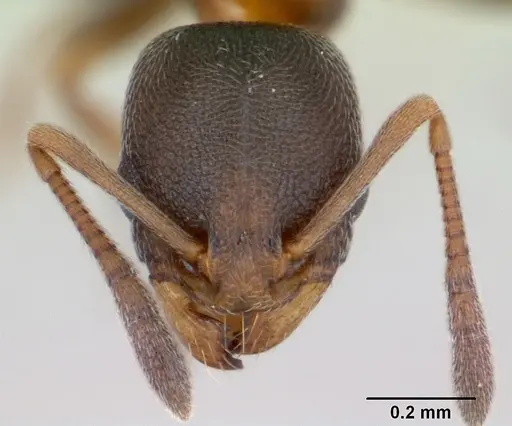
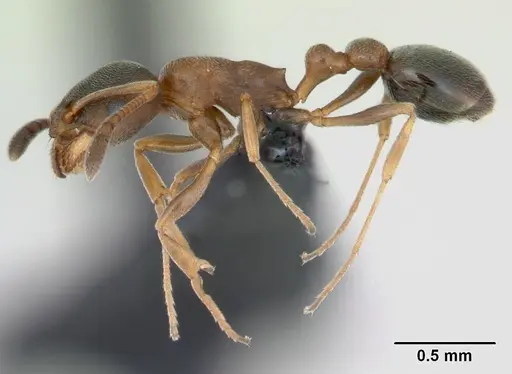
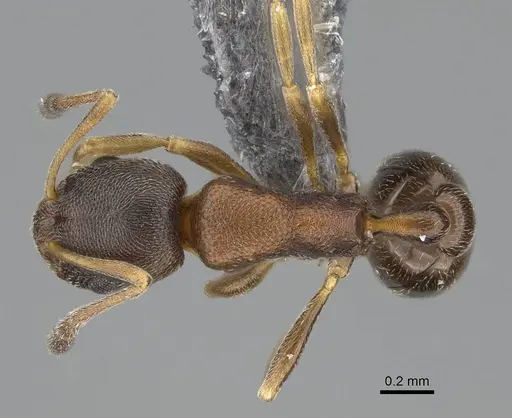
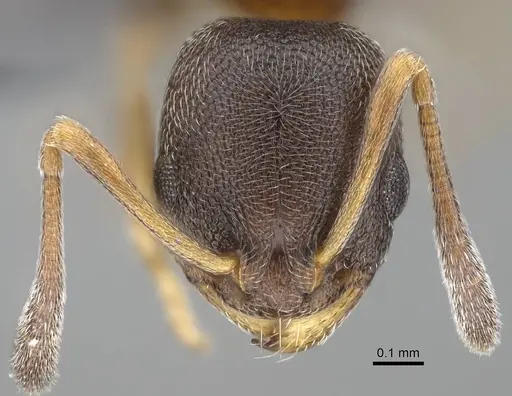
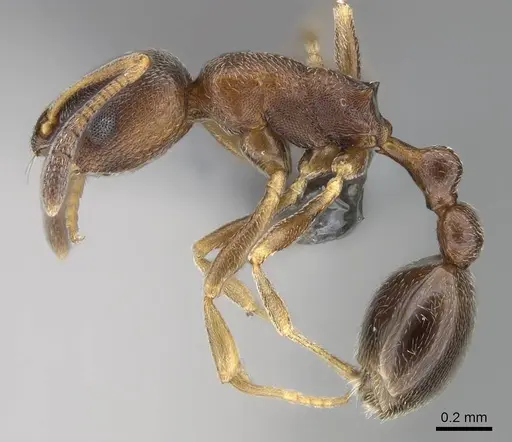
Cardiocondyla itsukii is a tiny ant species belonging to the C. nuda group, native to a massive range spanning 17,000 km from the Indian Ocean (Reunion Island) across South and East Asia to the Pacific (Hawaii, Kiribati). Workers are approximately 2-2.5mm, making them among the smallest ants in the hobby. They have a relatively short head, reduced propodeal spines appearing as small dents, and the longest pubescence hairs in the C. nuda group. Color varies significantly across their range but typically features a dark brown to blackish gaster, medium brown mesosoma, and dark head. This species is a tramp species, meaning it has spread across vast distances through human commerce, and is one of the few ants found in high densities in Hawaiian primary rainforests. The most unusual trait is their reproductive system: they have no winged males, only wingless ergatoid males that fight each other with their strong mandibles to gain mating access to queens inside the nest .
Quick Summary
- Difficulty: Medium
- Origin & Habitat: Pan-Pacific tramp species found across India, Southeast Asia, Japan, and Pacific islands. In Hawaii, they inhabit primary rainforests with Metrosideros trees and Cibotium ferns, as well as higher elevations on Mauna Kea volcano. They prefer warm, humid tropical environments and are often found in disturbed areas and urban settings [1][2].
- Colony Type: Polygynous, colonies typically have multiple queens with multiple ergatoid (wingless) males present. Mating occurs strictly inside the nest (intranidal), which is a key adaptation for their tramp lifestyle. Queens can live for many years, with fecundity positively associated with lifespan [1][2].
- Size & Growth:
- Queen: ~4-5mm, inferred from Cardiocondyla genus patterns
- Worker: ~2-2.5mm, inferred from Cardiocondyla genus patterns
- Colony: Up to several hundred workers, estimated from genus patterns
- Growth: Moderate
- Development: Estimated 6-8 weeks based on related Cardiocondyla species (Development is likely faster than temperate species due to their tropical distribution. Intranidal mating means colonies can produce workers quickly once established.)
- Antkeeping:
- Temperature: Keep at 24-28°C. As a tropical tramp species, they prefer warm conditions. A heating cable on one side of the nest creates a temperature gradient.
- Humidity: Keep humidity moderate to high (60-80%). These ants come from humid tropical environments and rainforest habitats. The nest substrate should remain consistently moist but not waterlogged.
- Diapause: No, as a tropical species, they do not require hibernation. Keep temperatures stable year-round.
- Nesting: Y-tong (AAC) nests or plaster nests work well for these tiny ants. They need tight chambers and narrow passages scaled to their very small size. Avoid tall, open spaces.
- Behavior: Peaceful and non-aggressive. Workers are small and slow-moving. They forage individually and are not territorial. The most notable behavior is the male combat, wingless ergatoid males fight each other with their strong shear-shaped mandibles, crushing rivals' heads or cutting off appendages. This occurs only when males are freshly emerged, adults do not fight. Escape prevention is critical due to their extremely small size, they can squeeze through the tiniest gaps. Use fine mesh barriers and tight-fitting lids [1][2].
- Common Issues: escape prevention is critical, they are tiny and can squeeze through gaps too small to see, colonies may fail if temperatures drop below 22°C for extended periods, slow founding phase, queens may take months to produce first workers, test tube setups can dry out quickly due to small water reservoirs, WARNING: This is a tramp species established in non-native areas including Hawaii. Do not release this species outdoors as it could contribute to invasive spread.
Housing and Nest Setup
Cardiocondyla itsukii is an extremely small ant, with workers measuring only about 2-2.5mm. This tiny size creates significant housing challenges that you must address from day one. Use Y-tong (AAC) nests or plaster nests with chambers scaled to their size, passages should be narrow and tight. Test tube setups work for founding colonies but monitor moisture levels closely, as small water reservoirs dry out faster than larger setups. Escape prevention is non-negotiable: these ants can squeeze through gaps that seem impossible. Use fine mesh on any ventilation holes, ensure all lids fit tightly, and consider applying Fluon or similar barriers to all edges. A naturalistic setup with flat stones can work, but the key is eliminating any gaps larger than 1mm. [1][2]
Temperature and Heating
As a tropical tramp species with a distribution spanning from the Indian Ocean to Hawaii, C. itsukii requires warm conditions to thrive. Keep the nest area at 24-28°C, with a slight gradient if possible. A heating cable placed on top of the nest (never underneath, which causes excessive drying) works well to maintain warmth. These ants are found in Hawaii's rainforests and volcanic slopes, environments that stay consistently warm year-round. Temperatures below 22°C for extended periods can slow colony development and may contribute to colony failure. Room temperature may suffice in warm climates, but most keepers will need supplemental heating to maintain the ideal range. [1][2]
Feeding and Diet
Like other Cardiocondyla species, C. itsukii is omnivorous and will accept a variety of foods. Offer sugar water or honey as an energy source, and provide protein through small insects like fruit flies, pinhead crickets, or other appropriately-sized prey. Their tiny size means prey items should be very small, micro arthropods like springtails are ideal. Feed small amounts every 2-3 days, removing any uneaten food promptly to prevent mold. The polygynous colony structure means multiple queens are producing eggs, so protein demand increases as the colony grows. Observe your colony's consumption patterns and adjust feeding frequency accordingly. [1][2]
Colony Structure and Reproduction
C. itsukii has one of the most unusual reproductive systems among ants. There are no winged males, only wingless ergatoid males that develop from fertilized eggs. Multiple ergatoid males are typically present in each colony, and they engage in fierce combat immediately after emerging, using their strong shear-shaped mandibles to crush rivals' heads or sever limbs. This fighting is strictly limited to freshly eclosed males, adults do not attack each other. Mating occurs strictly inside the nest (intranidal), which allows colonies to establish without requiring nuptial flights, a key adaptation that makes them successful tramp species. Colonies are polygynous, typically with multiple reproductive queens. Queens can live for many years, and their fecundity (number of offspring) is positively associated with lifespan, more productive queens live longer. Some older queens eventually produce only males, suggesting sperm depletion [1][2].
Humidity and Water
These ants come from humid tropical environments, including Hawaiian rainforests. Keep the nest substrate consistently moist but never waterlogged. The substrate should feel damp to the touch with visible condensation on the nest walls. Because of their small size and the small chambers they inhabit, humidity fluctuations happen faster than with larger ants. Check moisture levels daily and rehydrate as needed rather than following a fixed schedule. A small water test tube with a cotton plug works for founding colonies, but you may need to add water more frequently than with larger species. Adequate ventilation helps prevent mold while maintaining humidity, avoid both stagnant air and excessive drying airflow. [1][2]
Seasonal Care
As a tropical species, C. itsukii does not require hibernation or diapause. Maintain consistent temperatures year-round. In temperate climates, ensure heating continues during winter months when room temperatures might drop. The polygynous colony structure means multiple queens are producing brood continuously when conditions are favorable. Colony growth is likely fastest during warm summer months and may slow slightly in winter even with heating, but this is normal. Do not attempt to induce dormancy, these ants have no evolutionary adaptation for cold periods. [1][2]
Defense Mechanism
As a member of the Myrmicinae subfamily, C. itsukii has a modified, flattened spatulate stinger used to wipe or smear venom onto enemies rather than piercing flesh. However, due to their extremely small size, any venom delivery would be negligible and they are considered harmless to keepers.
Frequently Asked Questions
How long does it take for Cardiocondyla itsukii to produce first workers?
Based on related Cardiocondyla species, expect 6-8 weeks from founding to first workers (nanitics). The queen seals herself in and uses stored fat reserves to survive until her first brood emerges. Patience is key, do not disturb the founding chamber during this period.
Can I keep multiple Cardiocondyla itsukii queens together?
Yes, this species is naturally polygynous, meaning colonies typically have multiple queens. Unlike many species where multiple queens will fight, C. itsukii queens coexist peacefully. If starting a colony from multiple foundresses, they should establish together without issues.
Do Cardiocondyla itsukii ants sting?
Due to their extremely small size (about 2-2.5mm), any sting would be negligible and unable to penetrate human skin. They are completely harmless to keepers.
Are Cardiocondyla itsukii good for beginners?
This species is rated Medium difficulty. While their small size creates some challenges (escape prevention, feeding small prey), their peaceful nature and lack of aggressive behavior make them manageable. The main challenges are preventing escapes and maintaining proper humidity and temperature. Experienced antkeepers should have success, complete beginners may struggle with their tiny size.
Why do Cardiocondyla itsukii males fight each other?
The males are wingless ergatoids that cannot fly to find mates. Instead, they fight for mating access inside the nest. Using their strong shear-shaped mandibles, they attack freshly emerged rivals by crushing their heads or cutting off legs and antennae. This combat only happens when males first emerge, adults do not fight. The winners gain priority access to queens for mating.
How big do Cardiocondyla itsukii colonies get?
Based on genus patterns, colonies likely reach several hundred workers. As a tramp species with multiple queens, they can establish quickly but are not known for the massive colony sizes seen in some genera like Camponotus or Formica.
What makes Cardiocondyla itsukii different from other Cardiocondyla?
C. itsukii has the longest pubescence hairs in the C. nuda group and relatively reduced propodeal spines (appearing as small dents). Their reproductive system with wingless fighting males and intranidal mating is unusual even for Cardiocondyla. They also have an extremely wide distribution spanning 17,000 km, one of the widest of any ant species.
What do I feed Cardiocondyla itsukii?
Offer sugar water or honey for carbohydrates and energy. For protein, provide small insects appropriately sized for 2-2.5mm ants, fruit flies, micro crickets, springtails, or other tiny arthropods. Feed small amounts every 2-3 days and remove uneaten food to prevent mold.
When should I move Cardiocondyla itsukii to a formicarium?
Wait until the colony has at least 20-30 workers before considering a formicarium. Test tubes work well for smaller colonies. When moving, ensure the new setup maintains the same tight chamber dimensions and escape prevention measures, these tiny ants will exploit any gap.
Report an Issue
The current care sheet is based fully on literature. See inconsistencies, or something that's incorrect? Please , it will be resolved after review from an admin. Contributing to the blogs tab also helps providing information, to make us be able to further improve the caresheets. Thank you for your support!
References

This caresheet is licensed under CC BY-SA 4.0 .
Community Blogs
Literature
Loading distribution map...Loading products...