
Cardiocondyla israelica
- Sci. Name
- Cardiocondyla israelica
- Tribe
- Crematogastrini
- Subfamily
- Myrmicinae
- Author
- Seifert, 2003
- Distribution
- Found in 1 countries
Introduction
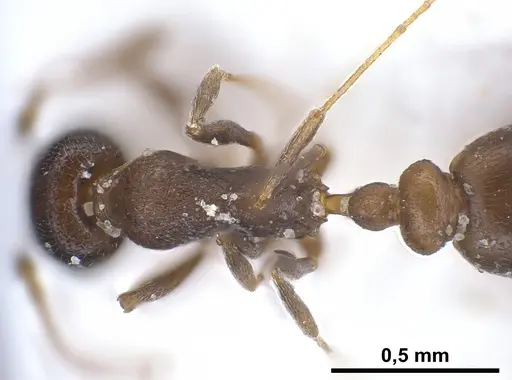
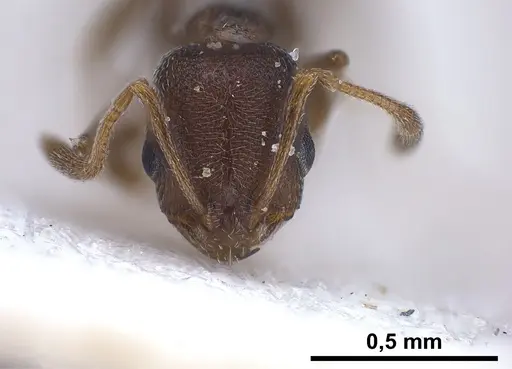
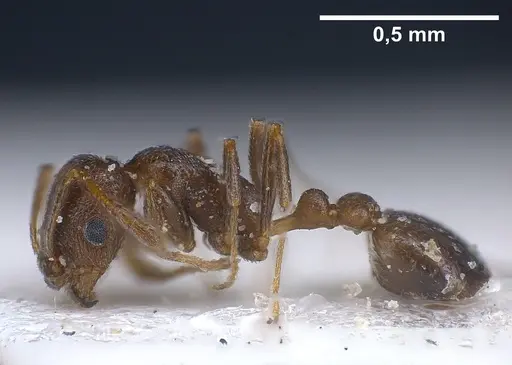
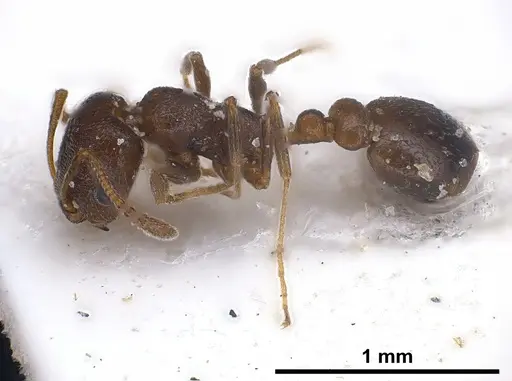
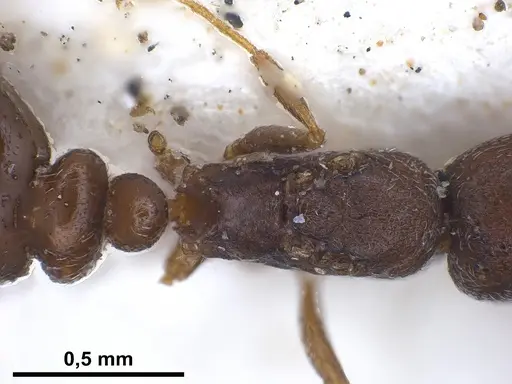
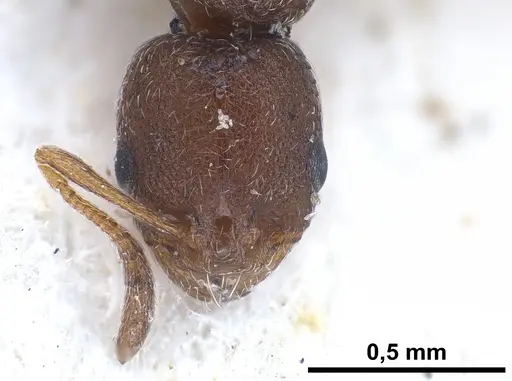
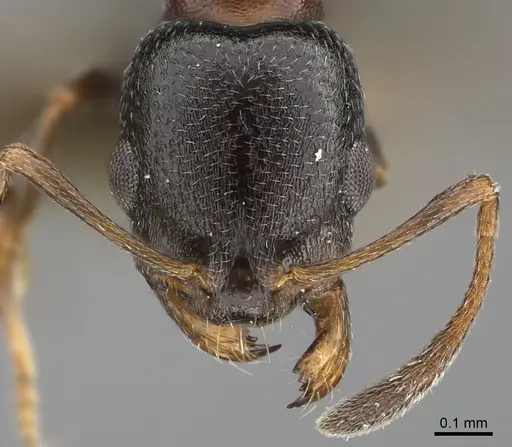
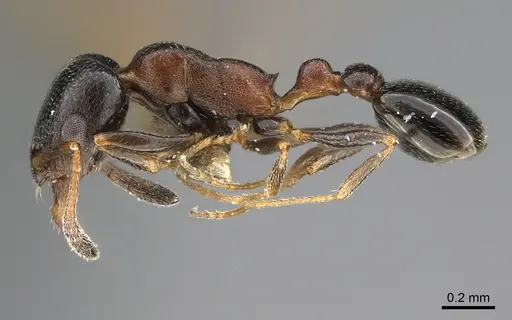
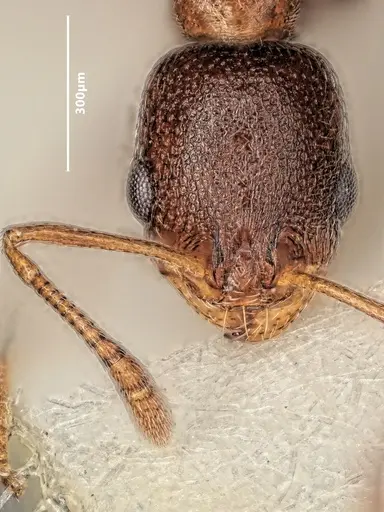
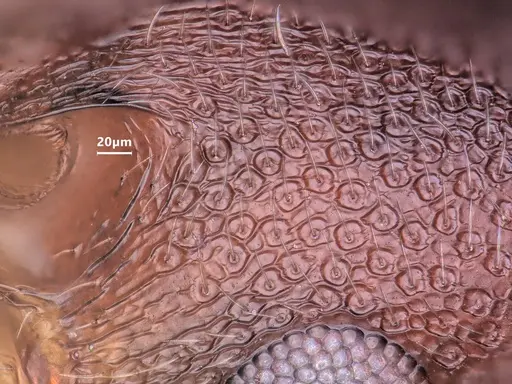
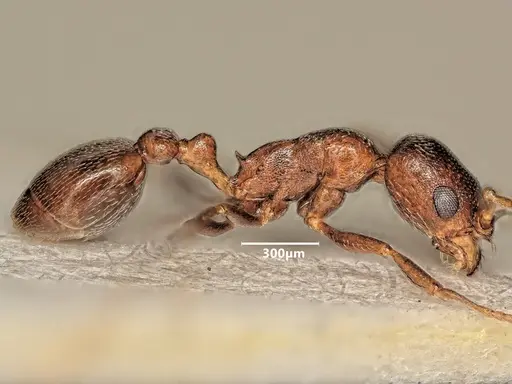
Cardiocondyla israelica is a tiny ant species native to a small region of the Middle East, found only in Egypt and Israel . Workers are among the smallest ants you might keep – total length is not directly measured, but based on the genus they likely reach about 2–3 mm. They have a medium brown body with a yellowish tint, a narrow waist, and small spines on the thorax. Queens are darker, medium to dark brown. This ant belongs to the Cardiocondyla bulgarica group and is identified by deep, well‑spaced pits (foveolae) on the top of the head and strong lengthwise ridges on the head capsule, which separate it from close relatives . So far, it‘s known from only five locations, from the Dead Sea basin up to 378 m above sea level, in places with Tamarix bushes and reeds, often in disturbed areas .
Quick Summary
- Difficulty: Hard
- Origin & Habitat: Egypt and Israel – collected in wild patches with Tamarix and Phragmites within cultivated, insecticide‑polluted land [1][2].
- Colony Type: Unconfirmed – no data on whether they have one queen (monogyne) or multiple queens (polygyne). Likely monogyne based on general Cardiocondyla patterns.
- Size & Growth:
- Queen: Size data unavailable – inferred from Cardiocondyla genus (likely ~3–4 mm total length).
- Worker: Size data unavailable – inferred from Cardiocondyla genus (likely ~2–3 mm total length).
- Colony: Unknown – likely small, up to a few hundred workers based on typical Cardiocondyla colonies.
- Growth: Unknown – likely moderate based on genus patterns.
- Development: Unconfirmed – estimated 4–8 weeks based on related Cardiocondyla species. (No direct development data exists. Estimate assumes warm conditions (22–26 °C).)
- Antkeeping:
- Temperature: Unconfirmed – based on Middle Eastern distribution, aim for 22–28 °C. A gentle heat gradient is recommended.
- Humidity: Unconfirmed – likely prefers drier conditions overall, but should have one moist area (e.g., a small water tube). Do not keep substrate wet.
- Diapause: Unknown – given warm native climate, likely no true hibernation needed. May slow down slightly in cooler months.
- Nesting: Unconfirmed – likely prefers dry to moderately humid nests, possibly in soil or under stones like related species. Use a small formicarium with narrow chambers.
- Behavior: Behavior is unstudied. Based on genus patterns, they are likely peaceful and not aggressive. Their tiny size means excellent escape prevention is essential – they can squeeze through gaps invisible to the naked eye. Workers are likely active foragers searching for small food items.
- Common Issues: escape prevention is critical – workers are tiny and can squeeze through the smallest gaps., virtually no species‑specific care information exists – keepers must rely on genus‑level estimates., colony growth may be slow and invisible to beginners., wild‑caught colonies may carry parasites or diseases – quarantine new colonies., temperature and humidity requirements are unknown – careful observation and adjustment needed.
Discovery and Distribution
Cardiocondyla israelica was formally described by Seifert in 2003 from workers and queens collected in Egypt and Israel [4][3]. The type specimens include a worker from Tor (Sinai) collected in 1935,plus more recent samples from Egypt‘s Ebn Salam Mansora and Israel‘s Neot Hakikar and Ein Agrabim. This ant has an extremely limited known distribution – only five localities in a narrow band from 31°E to 36°E and 28°N to 31°N [1][2]. The altitudinal range is remarkable, stretching from 346 m below sea level (likely the Dead Sea area) up to 378 m above sea level. In Israel, it’s been recorded in the Arava Valley and northern Negev regions [5]. The Egyptian specimens were taken from a wild area with Tamarix bushes and Phragmites reeds within cultivated, insecticide‑polluted surroundings [1].
Identification and Morphology
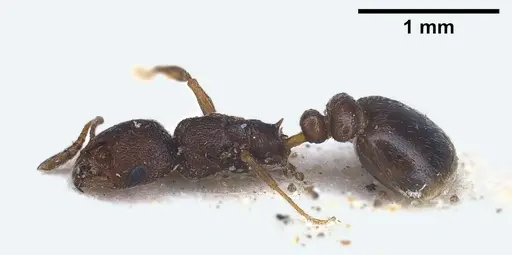
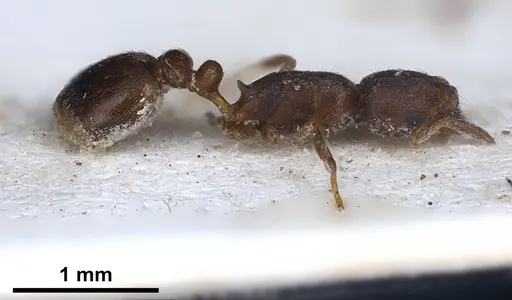
This species belongs to the Cardiocondyla bulgarica group. You can tell it apart from close relatives like Cardiocondyla ulianini, Cardiocondyla gallilaeica, Cardiocondyla caspiensis, and Cardiocondyla littoralis by its deeper, well‑defined, and densely packed foveolae (small circular pits) on the top of the head, along with stronger lengthwise ridges on the head capsule [1][2][3]. Workers are medium brown with a yellowish tint, while queens are darker, medium to dark brown. The petiole (the narrow waist segment) is noticeably narrow. The queens have similarly strong head sculpture, approaching the condition seen in Cardiocondyla koshewnikovi [4][3].
Nest Preferences and Housing
Natural nesting sites are not documented. The Egyptian samples were collected from salty soil with Tamarix and Phragmites, suggesting they tolerate semi‑arid to moderately humid conditions. For captive care, start with a small test tube setup – their tiny size means even a small tube is plenty. Because workers are so small (estimated ~2–3 mm), you must use the finest mesh barriers (at least 0.5 mm openings) and seal every connection. A small formicarium with narrow chambers, made of plaster or Y‑tong, works once the colony has a few dozen workers. Avoid tall, open spaces that could disorient them. Based on typical Cardiocondyla preferences, they likely prefer drier conditions than many ants, but a small water tube for humidity is fine. Never use acrylic nests – they don’t hold moisture well and are harder to clean. [1][3]
Feeding and Diet
Diet is unstudied for this species. Based on typical Cardiocondyla behavior, they are probably omnivorous, accepting small insects, honeydew, and sugar sources. Because workers are tiny, any prey must be very small – flightless fruit flies, pinhead crickets, or small pieces of mealworm are good options. Given their Middle Eastern distribution, they may be adapted to sparse resources and can survive on minimal feeding. Offer a small drop of honey or sugar water regularly, plus a protein source 2–3 times per week. Remove uneaten prey within 24–48 hours to prevent mold. Start with small amounts and adjust based on colony response. [3]
Temperature and Seasonal Care
Specific temperature requirements are unconfirmed. Their native range in Egypt and Israel is hot, so they likely prefer warm conditions – aim for 22–28 °C. A heating cable on one side of the nest creates a gradient, letting the ants choose. Diapause requirements are unknown, given the warm climate, they probably don‘t need true hibernation. They may slow down during cooler months but should stay active year‑round at room temperature. Room temperature (22–24 °C) is a safe starting point. If you see less activity in winter, it’s fine – just don‘t force a cold period unless you’re sure. [1][2]
Behavior and Colony Dynamics
No behavioral studies exist for this species. As a Cardiocondyla, it likely shows typical genus traits: peaceful colonies, non‑aggressive workers, and probably a single‑queen structure (though this is unconfirmed). The genus is known for producing males without mating (arrhenotokous parthenogenesis) and, in some species, ergatoid (wingless) queens that can reproduce inside the nest. Workers are likely active foragers that search for small food items. Their tiny size makes them vulnerable and requires excellent escape prevention. Handle with care – they are easy to crush or lose. Colony growth is likely moderate, with colonies probably staying under a few hundred workers. [3]
Challenges and Common Problems
The biggest challenge is the total lack of species‑specific care information – everything you do will be guesswork based on genus patterns. That makes this ant suitable only for experienced keepers who are comfortable experimenting. Their tiny size means escape prevention is the number one priority – use the finest mesh (0.25 mm or smaller) on all ventilation and seal every edge with fluon or petroleum jelly. Wild‑caught colonies may carry mites or other parasites, so quarantine any new colony. Growth may be slow and hard to see, which can frustrate beginners. Be prepared to adjust temperature and humidity based on what the colony does, not on a fixed schedule.
Frequently Asked Questions
How long does it take for Cardiocondyla israelica to produce first workers?
The egg‑to‑worker timeline is unconfirmed. Based on typical Cardiocondyla development, expect 4–8 weeks at 24–26°C. Actual time will vary with temperature and colony health.
What do Cardiocondyla israelica ants eat?
Diet is unconfirmed. Based on related Cardiocondyla, they likely accept small insects (fruit flies, pinhead crickets), honey, and sugar water. Offer prey small enough for their tiny workers and remove uneaten food after 24 hours.
Can I keep multiple Cardiocondyla israelica queens together?
Colony structure is unconfirmed. Without data, it‘s not recommended to combine unrelated queens. If your colony naturally has multiple queens, you may let them cohabitate, but separate them if aggression occurs.
Do Cardiocondyla israelica ants sting?
Like all ants in the subfamily Myrmicinae, they have a stinger, but they are far too small to penetrate human skin. They are not dangerous and will flee rather than fight.
What temperature is best for Cardiocondyla israelica?
Specific requirements are unconfirmed. Based on their Middle Eastern origin, aim for 22–28°C. Room temperature (22–24°C) is a safe starting point. A gentle heat gradient allows self‑regulation.
Are Cardiocondyla israelica good for beginners?
No. This species is not recommended for beginners because virtually nothing is known about its captive care. Only experienced keepers comfortable with experimentation should attempt to keep it.
How big do Cardiocondyla israelica colonies get?
Maximum colony size is unknown. Based on typical Cardiocondyla patterns, colonies likely remain small – probably well under 500 workers. Their tiny size and limited distribution suggest small colonies.
Do Cardiocondyla israelica need hibernation?
Diapause requirements are unknown. Given the warm climate of Egypt and Israel, they likely do not require true hibernation. They may slow down slightly during cooler months but should not need a winter rest period.
Why are my Cardiocondyla israelica escaping?
Their tiny size makes escape likely without excellent prevention. Use very fine mesh (0.25 mm or smaller) on all ventilation, seal edges with fluon or petroleum jelly, and check for gaps invisible to the naked eye. Even tiny cracks can be escape routes.
When should I move Cardiocondyla israelica to a formicarium?
Move when the test tube becomes crowded, usually after the colony reaches 30–50 workers. They prefer small, tight spaces, so a small formicarium with narrow chambers is best.
What makes Cardiocondyla israelica different from other Cardiocondyla?
It has a very small distribution (only five known sites in Egypt and Israel), deep and densely packed pits on the head, and stronger lengthwise ridges on the head. It is one of the least studied Cardiocondyla species, with almost no captive care data.
Report an Issue
The current care sheet is based fully on literature. See inconsistencies, or something that's incorrect? Please , it will be resolved after review from an admin. Contributing to the blogs tab also helps providing information, to make us be able to further improve the caresheets. Thank you for your support!
References

This caresheet is licensed under CC BY-SA 4.0 .
Community Blogs
ANTWEB1040303
View on AntWeb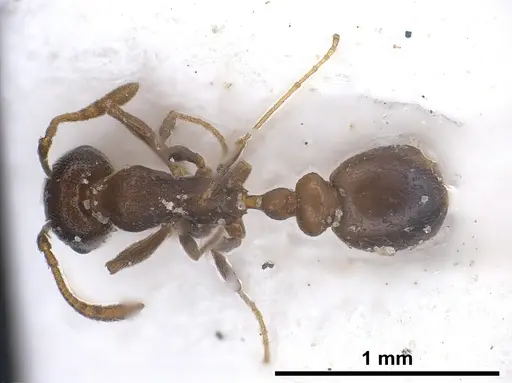
ANTWEB1041247
View on AntWeb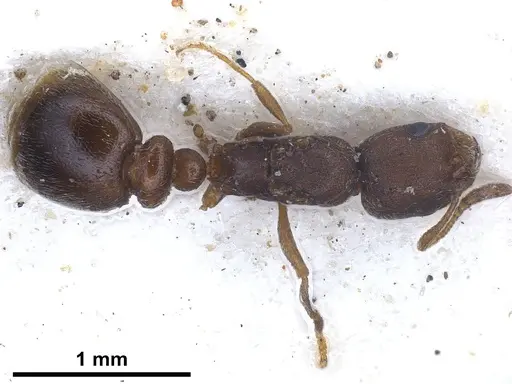
ANTWEB1041910
View on AntWeb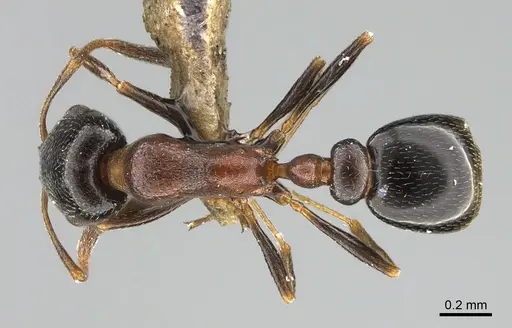
ANTWEB1048516
View on AntWeb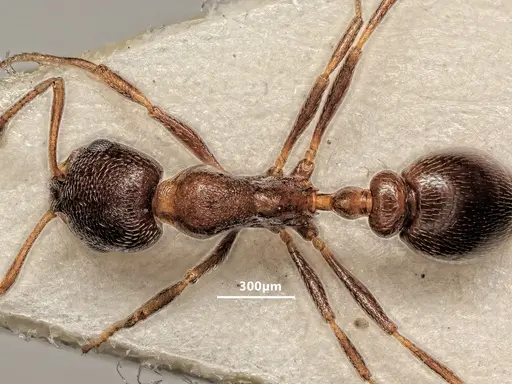
Literature
Loading distribution map...Loading products...