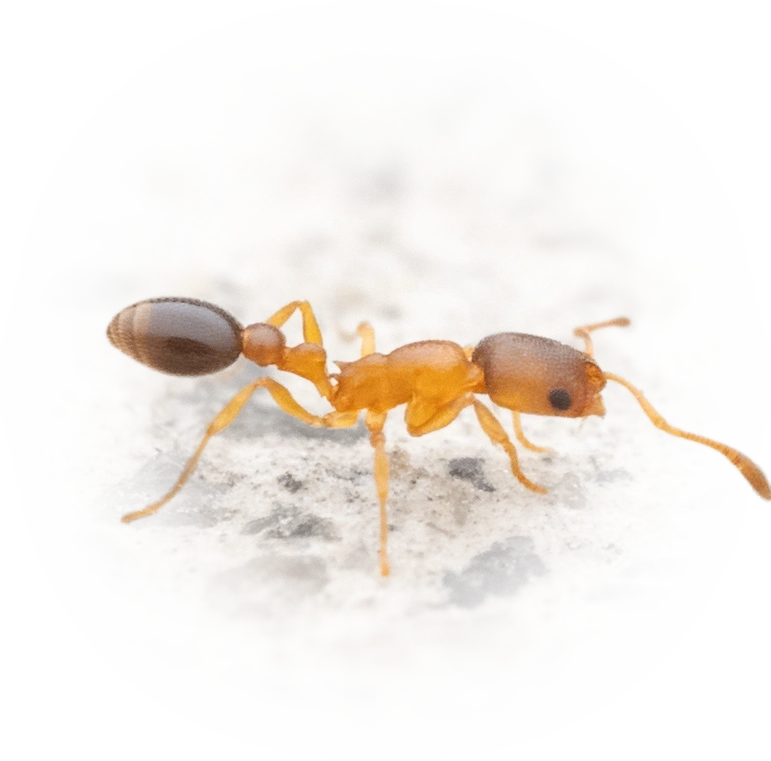
Emery's Sneaking Ant
Cardiocondyla emeryi
- Sci. Name
- Cardiocondyla emeryi
- Tribe
- Crematogastrini
- Subfamily
- Myrmicinae
- Author
- Forel, 1881
- Common Name
- Emery's Sneaking Ant
- Distribution
- Found in 20 countries
Introduction
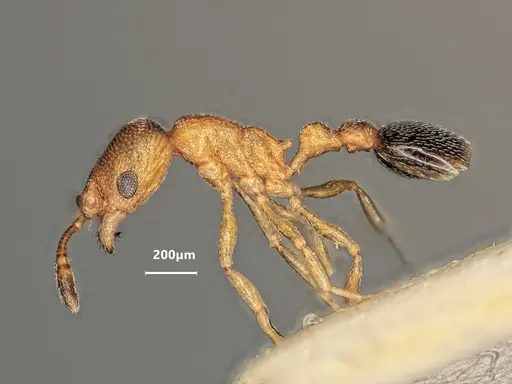
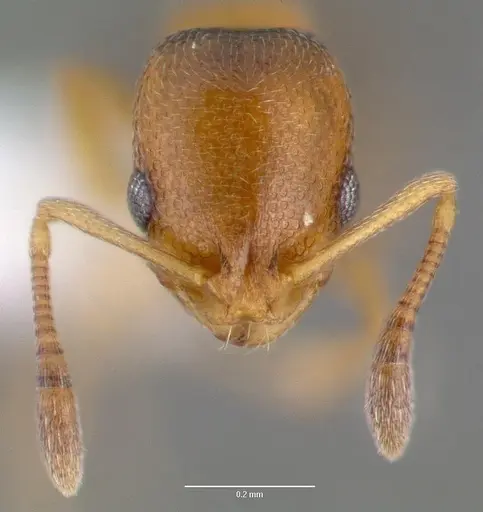
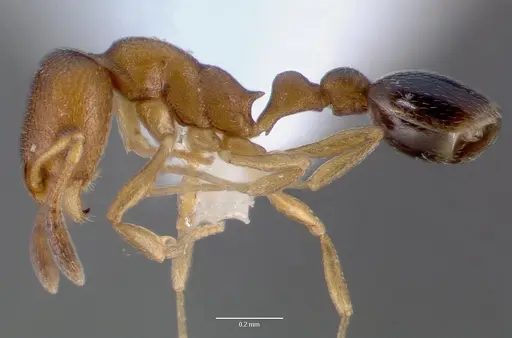
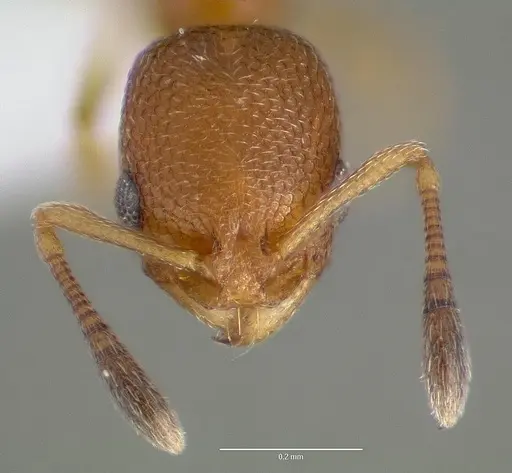
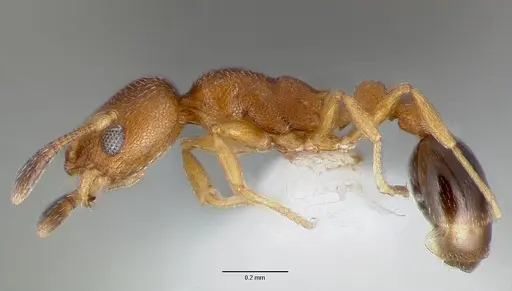
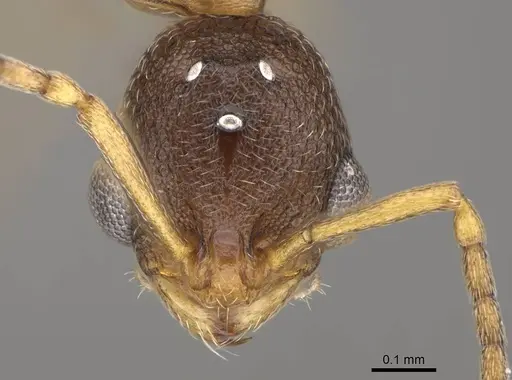
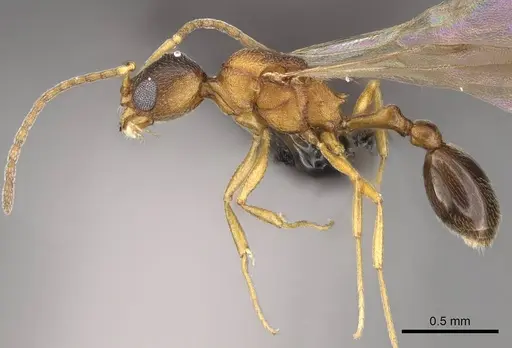
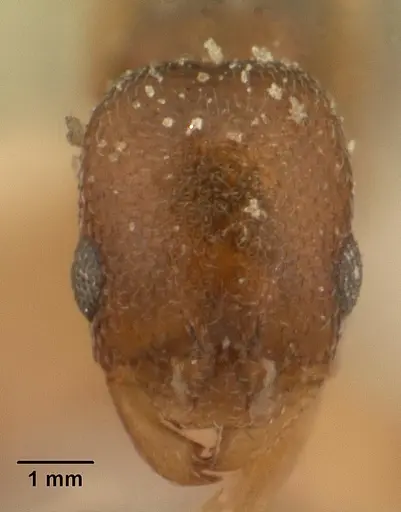
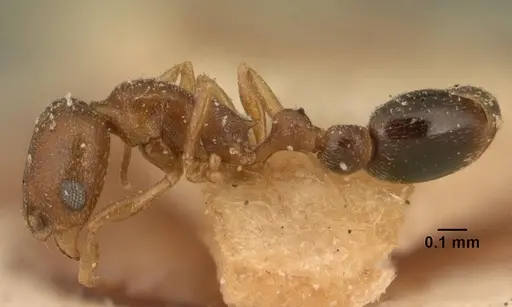
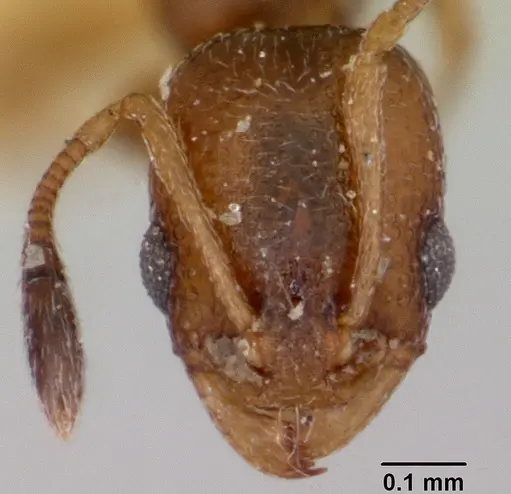
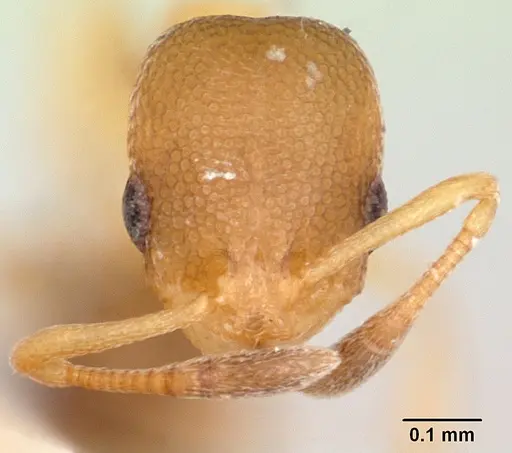
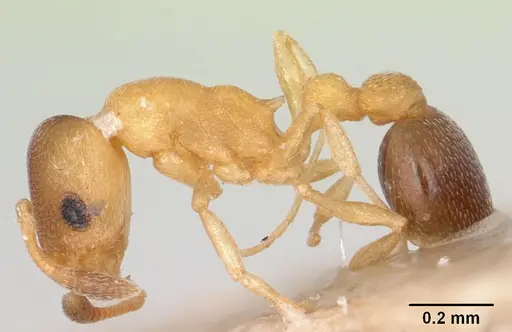
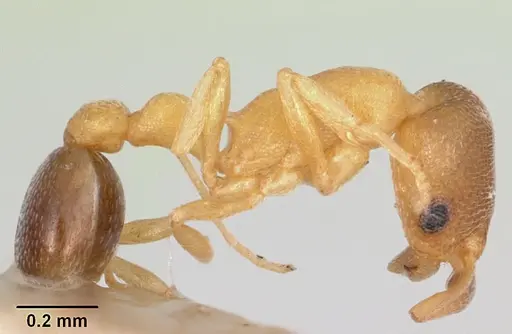
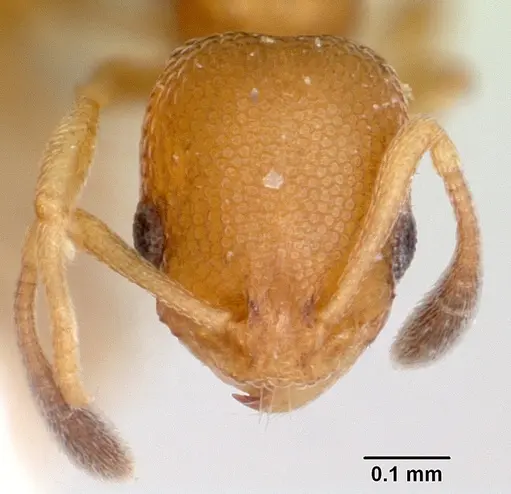
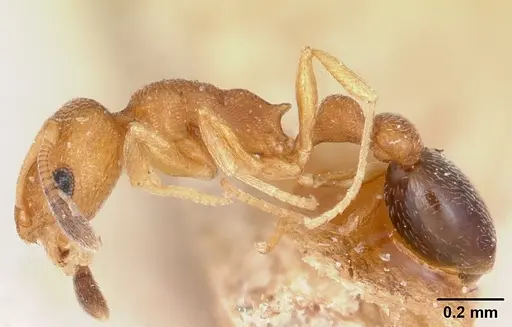
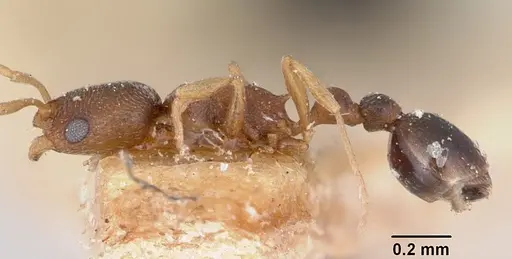
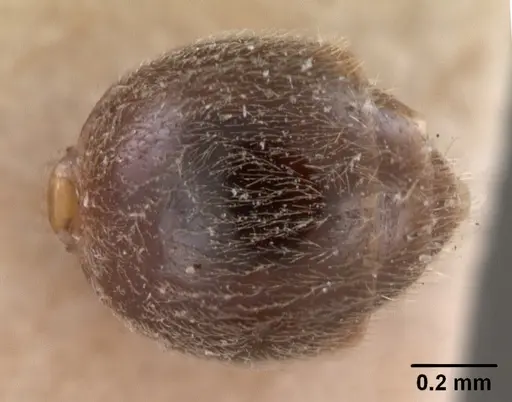
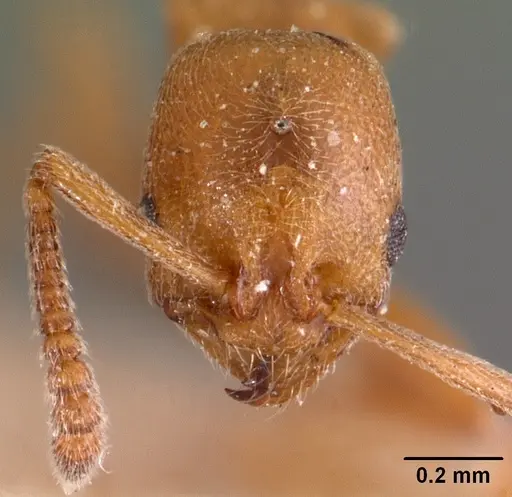
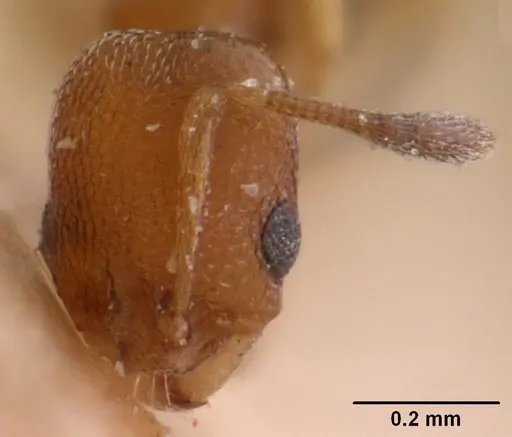
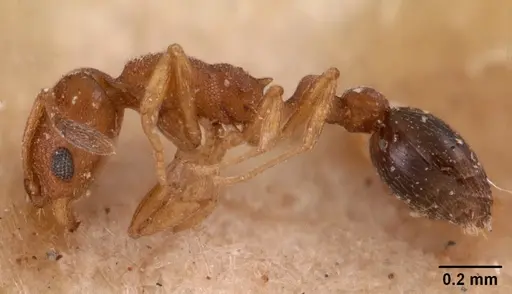
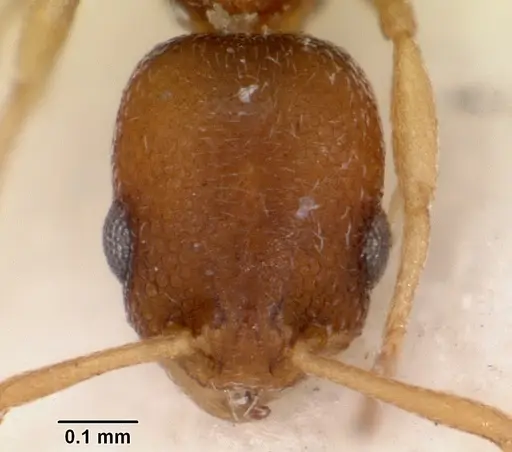
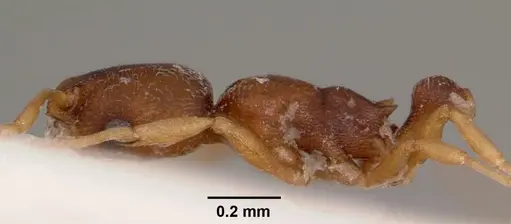
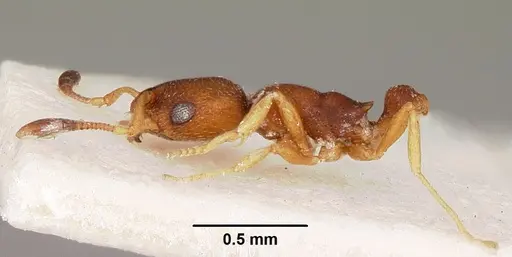
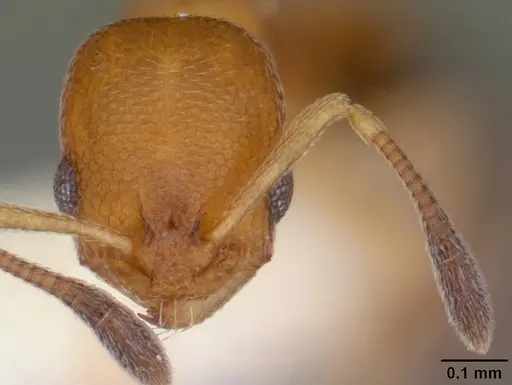
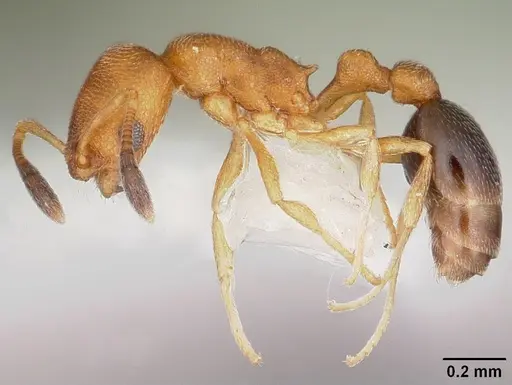
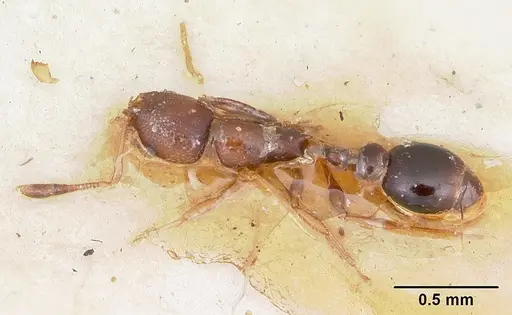
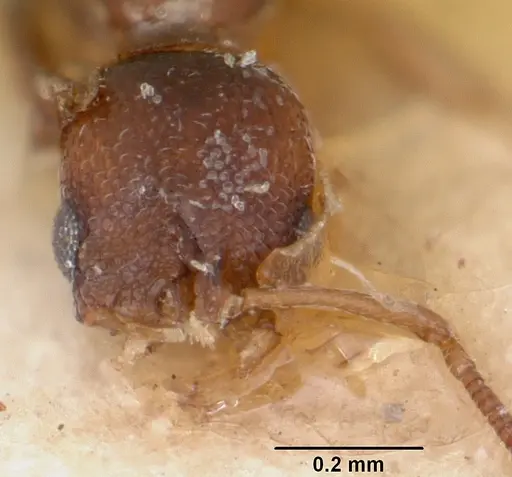
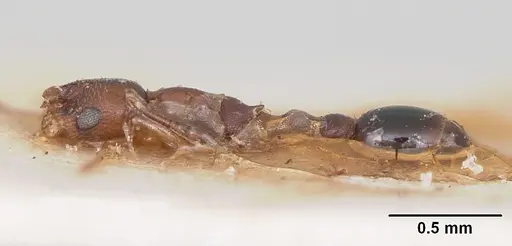
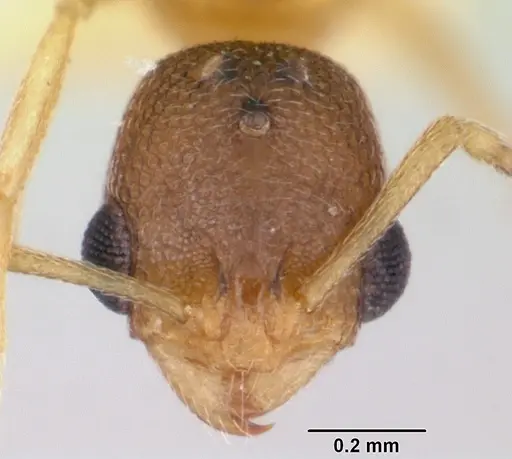
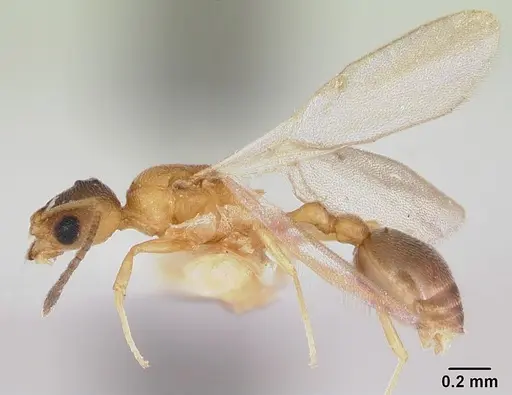
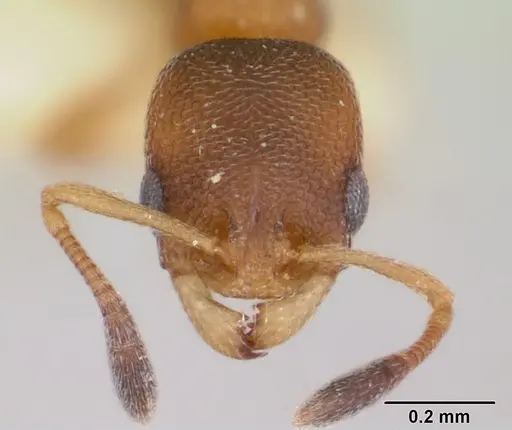
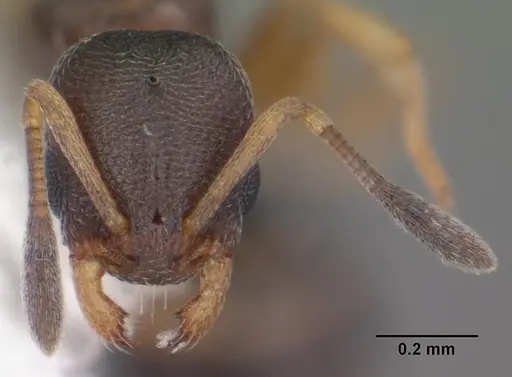
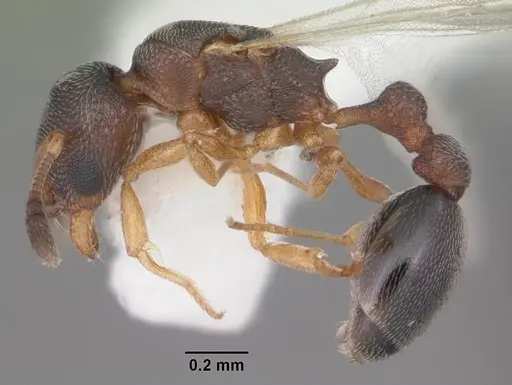
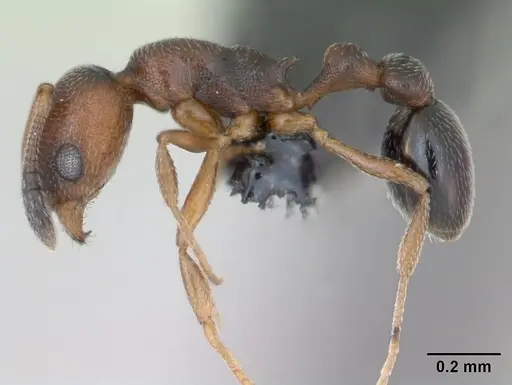
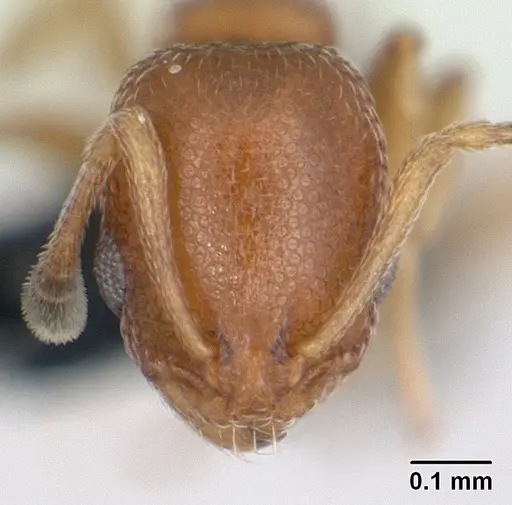
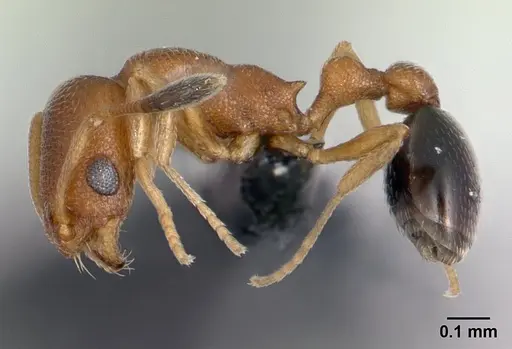
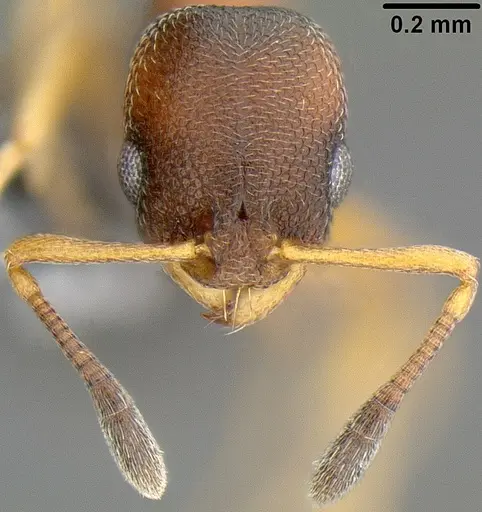
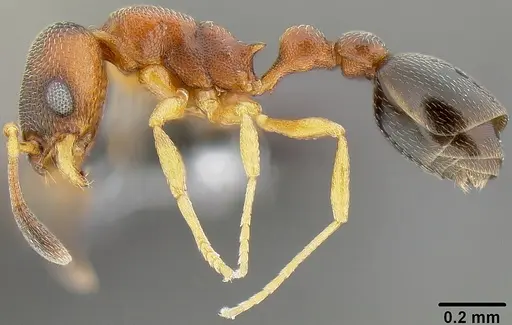
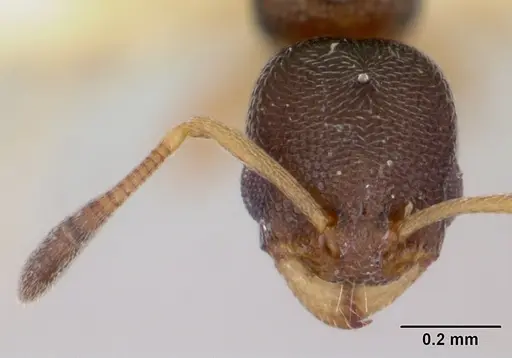
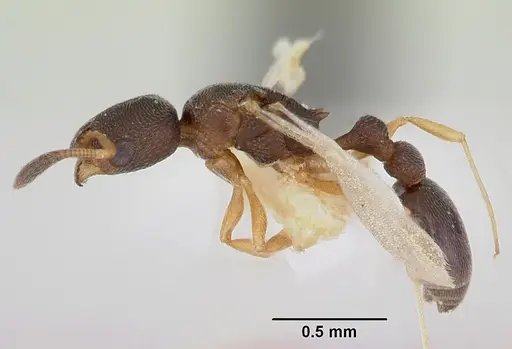
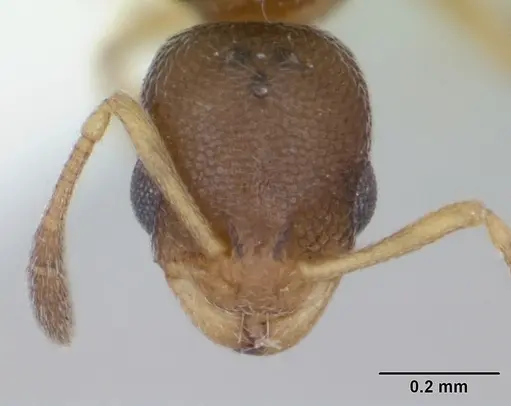
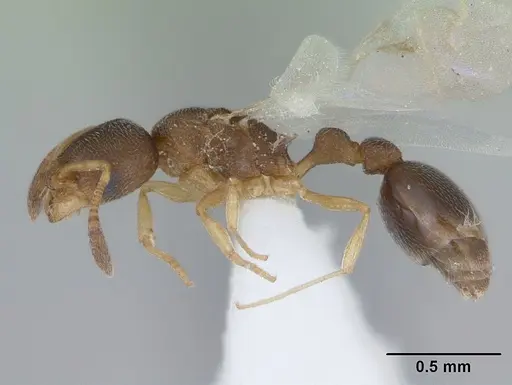
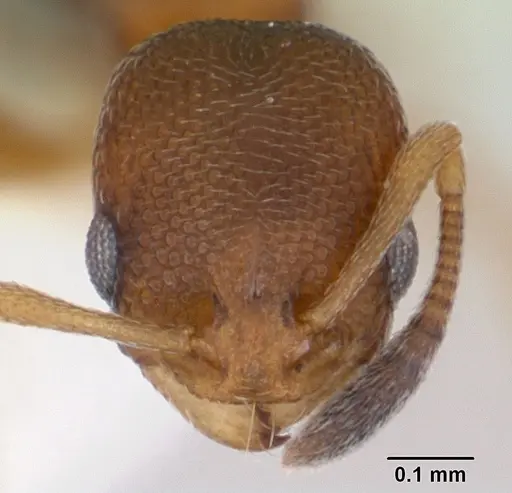
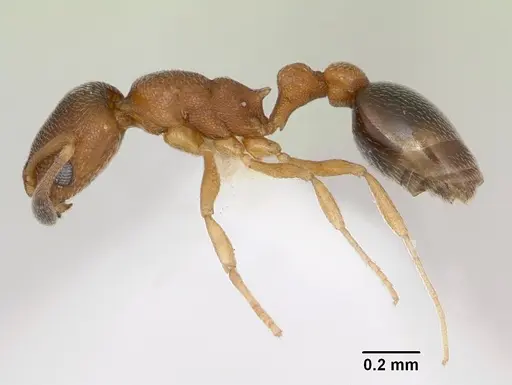
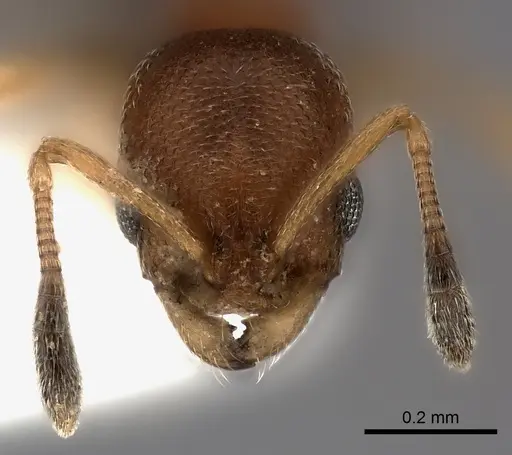
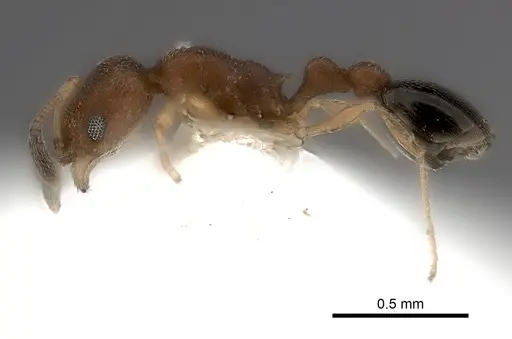
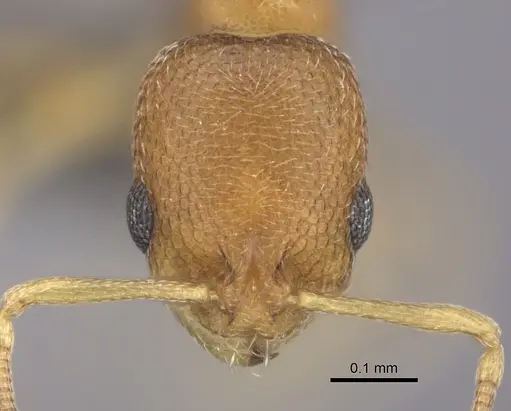
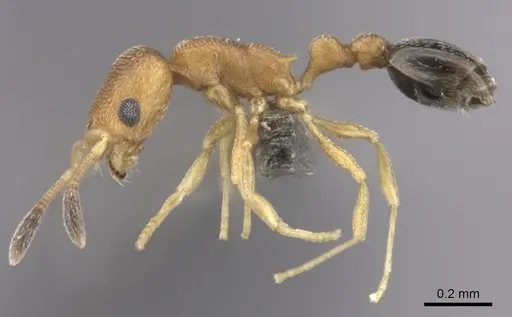
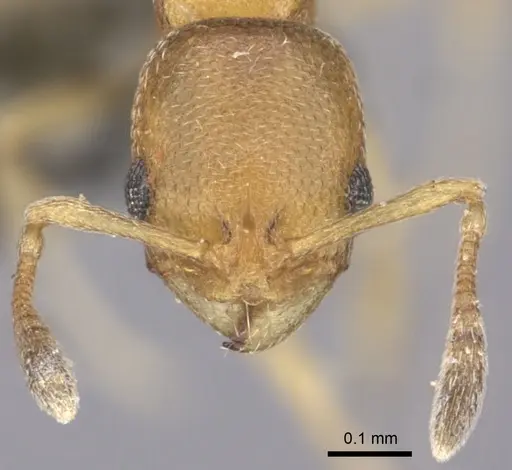
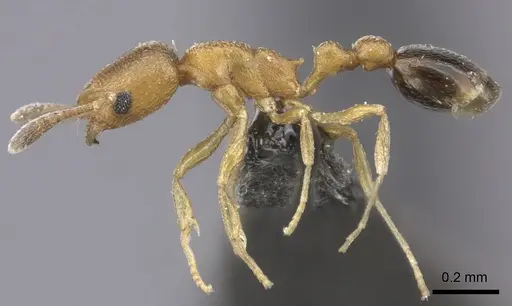
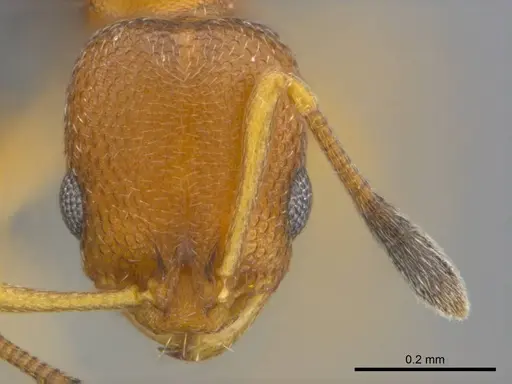
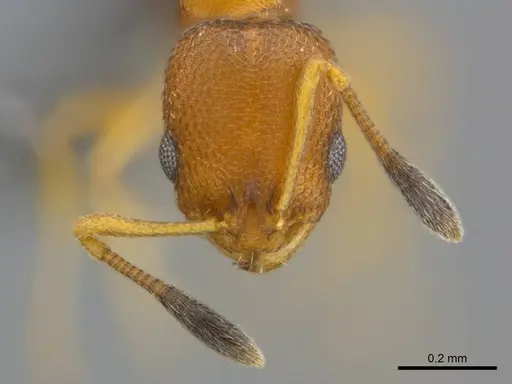
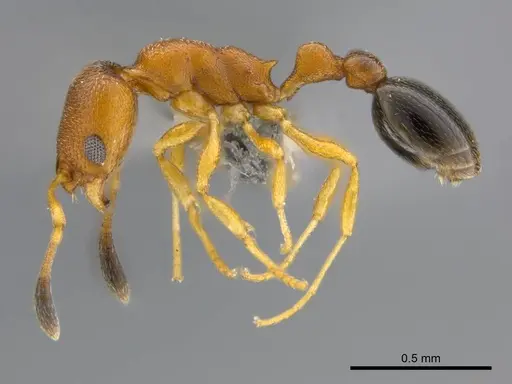
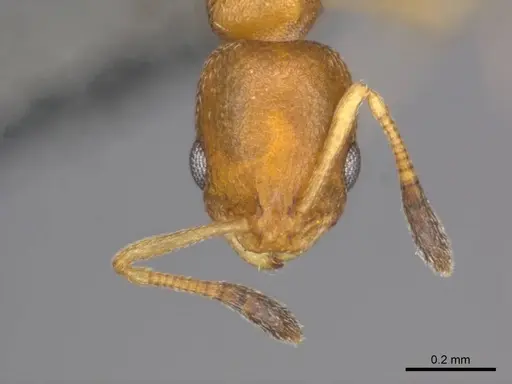
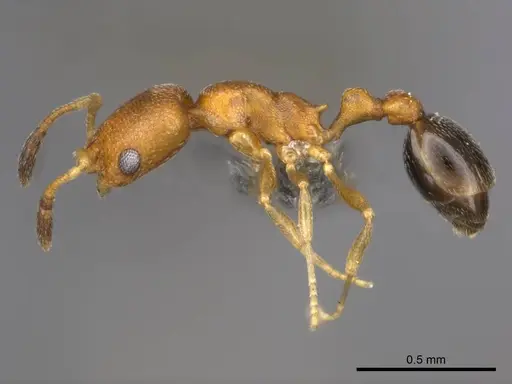
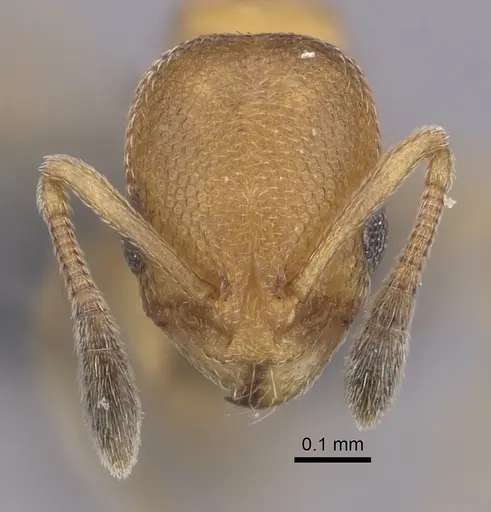
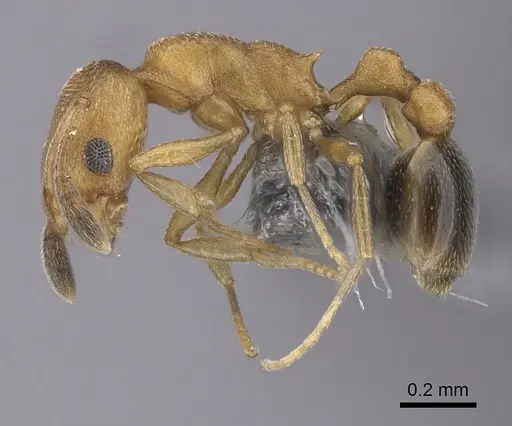
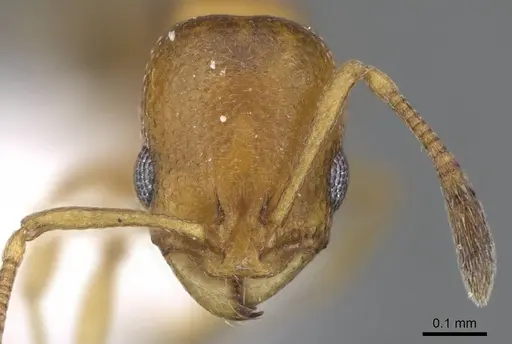
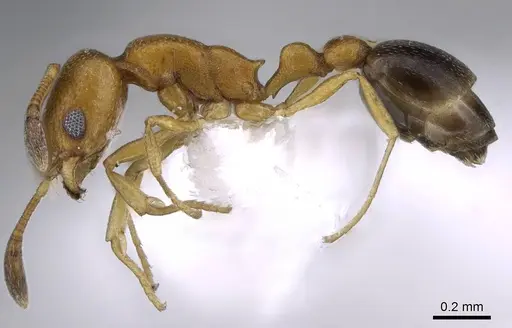
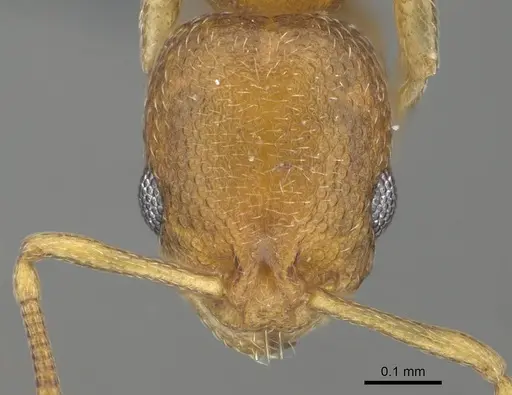
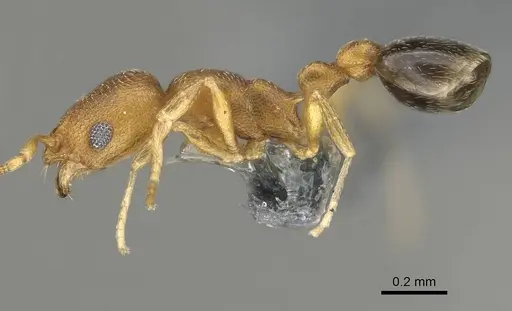
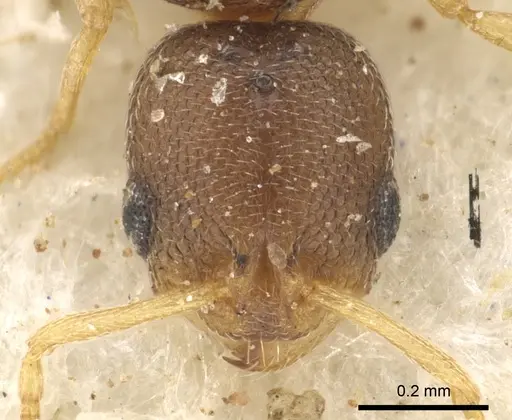
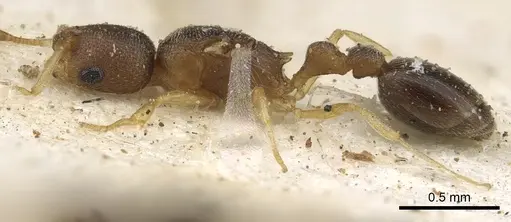
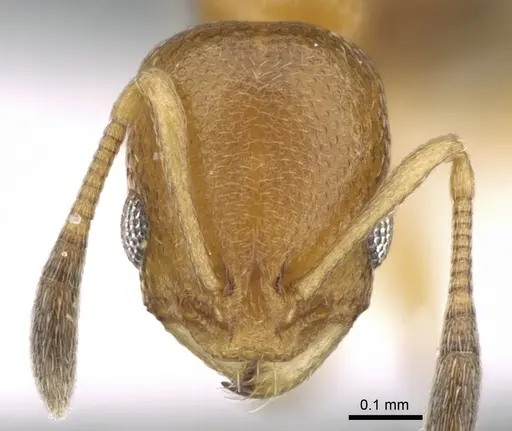
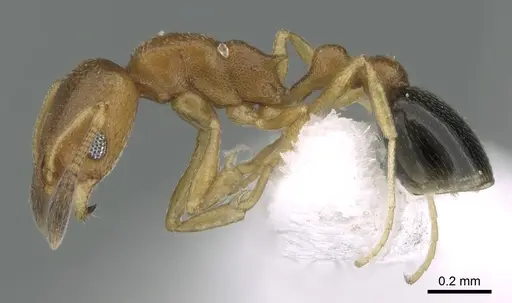
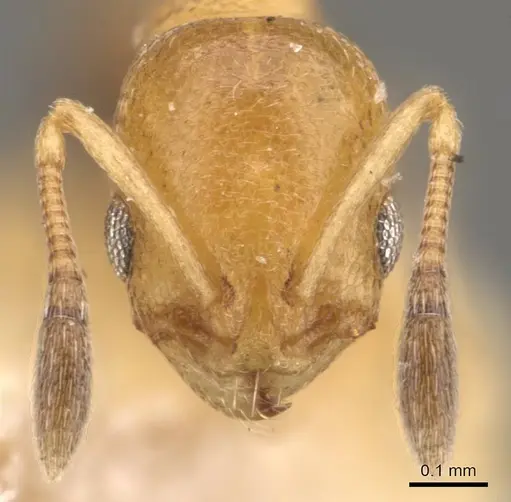
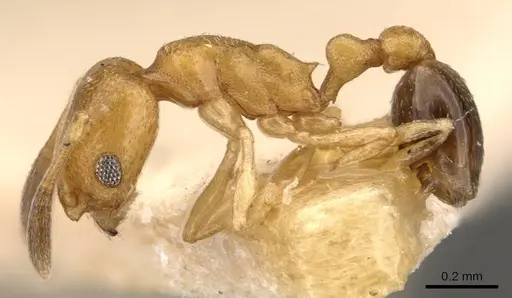
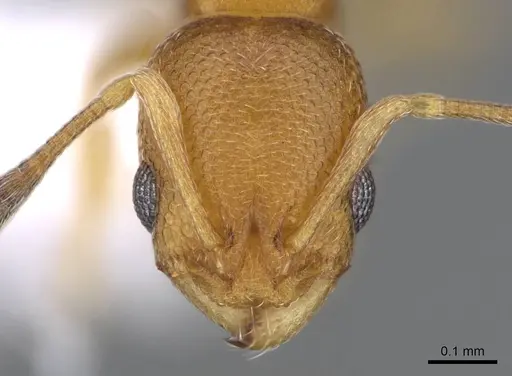
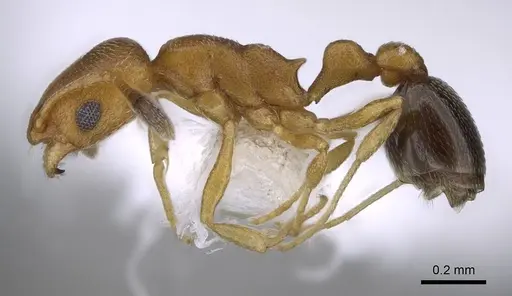
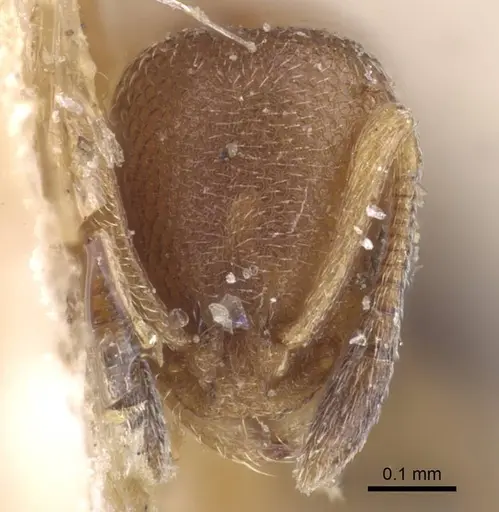
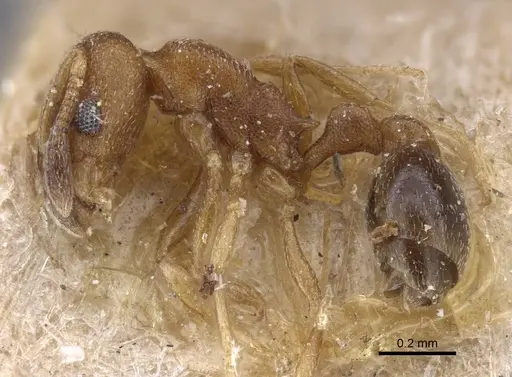
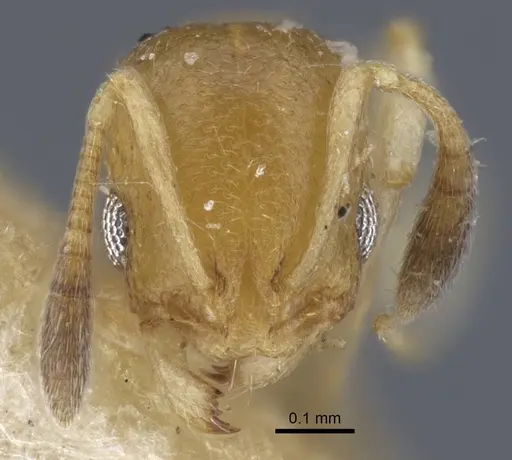
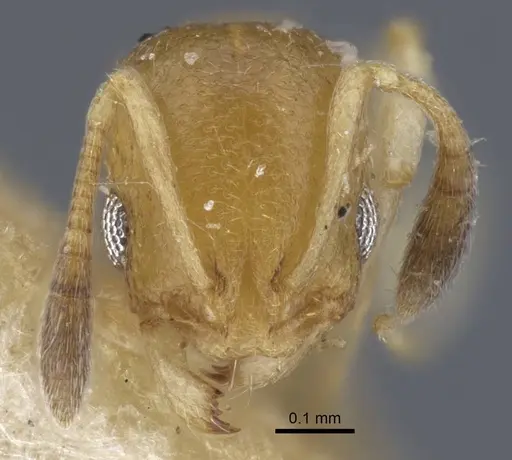
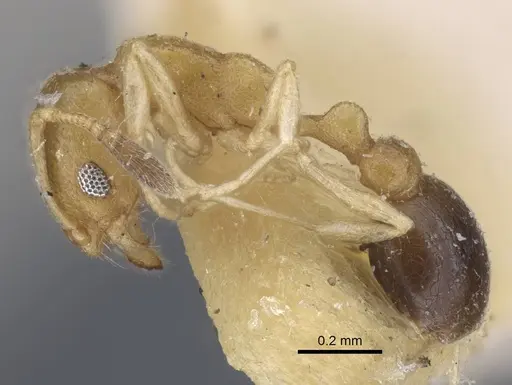
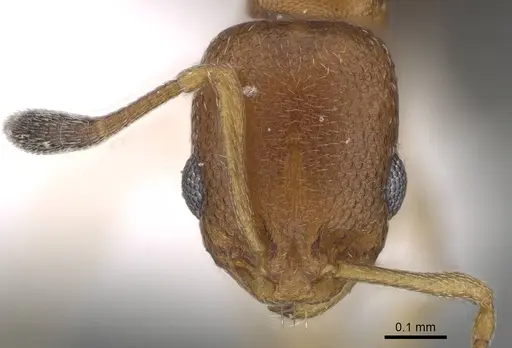
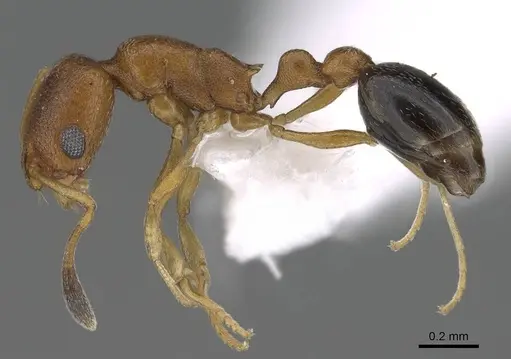
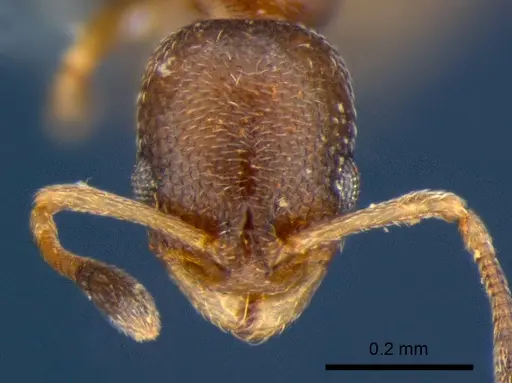
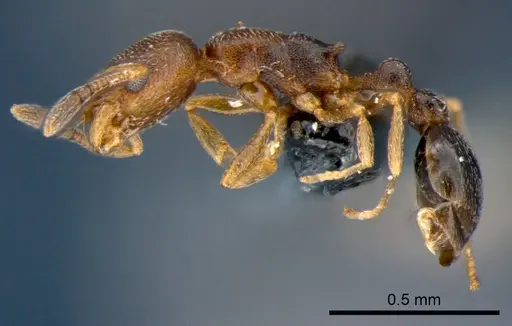
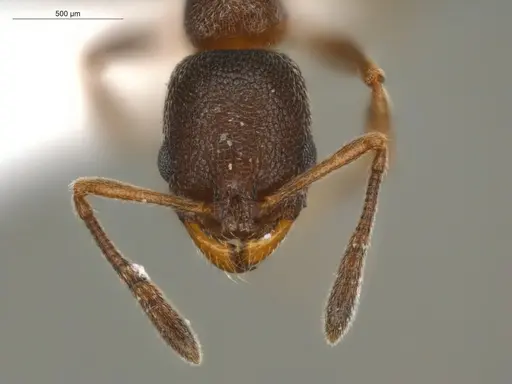
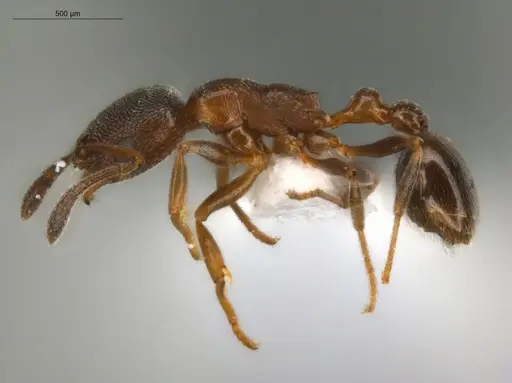
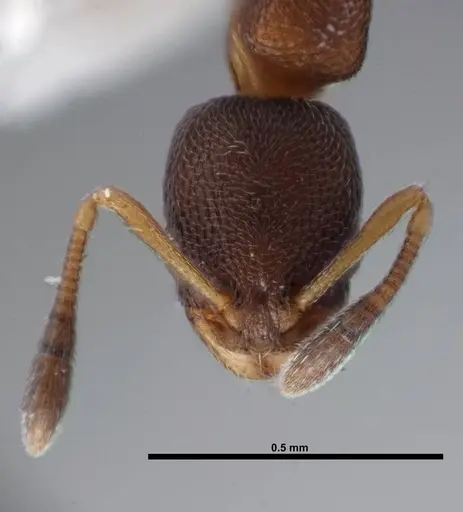
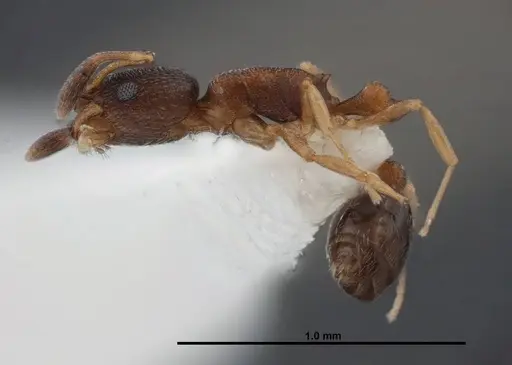
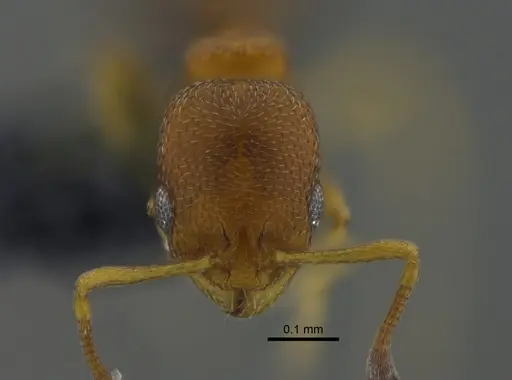
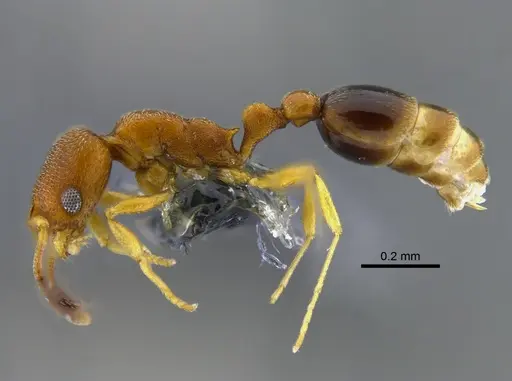
Cardiocondyla emeryi is a tiny ant species native to Africa that has spread across the world as a tramp species through human commerce. Workers measure approximately 1.8-2.1mm with a yellowish body and dark brown to black gaster (abdomen) . This species is notable for its male polymorphism - colonies produce both winged males that disperse and wingless ergatoid males that fight each other for mating opportunities within the nest . Colonies are polygynous (multiple queens) and relatively small, typically reaching only several dozen workers . Despite their small size, they possess a clever defense mechanism - they produce a repellent pheromone that causes much larger ant species like Solenopsis geminata and Pheidole dentata to actively avoid them . This species is commonly found in disturbed urban areas, gardens, sidewalks, and greenhouses across tropical and subtropical regions worldwide .
Quick Summary
- Difficulty: Easy
- Origin & Habitat: Native to Africa (Seifert 2003), now pantropical, found across Africa, Americas, Asia, Pacific Islands, and southern Europe. In Europe primarily an indoor species in greenhouses, though outdoor populations exist in Mediterranean tourist areas in Spain, Morocco, Turkey, Israel, and Syria [6][7].
- Colony Type: Polygynous (multiple queens per colony). Colonies consist of several dozen workers with numerous queens [3]. Male polymorphism, colonies produce both winged and wingless (ergatoid) males.
- Size & Growth:
- Queen: Approximately 4.6mm, inferred from Cardiocondyla genus [8]
- Worker: 1.8-2.1mm [1][9]
- Colony: Up to several dozen workers [3]
- Growth: Moderate
- Development: Approximately 55 days (about 8 weeks) at 60-70°F (15-21°C) [4] (Development: egg to larva = 12 days, larva to pupa = 27 days, pupa to adult = 16 days [4])
- Antkeeping:
- Temperature: Keep at 21-26°C (70-79°F). Foraging only occurs when surface temperature reaches 21°C or higher [4]. In temperate climates, room temperature is usually sufficient.
- Humidity: Moderate humidity. In nature, nests are found in sandy soil about 5cm deep, often near the coast [3]. Keep substrate lightly moist but not waterlogged.
- Diapause: No true diapause required. As a tropical/tramp species, they remain active year-round at warm temperatures. If kept in a temperate climate without heating, they may slow down in winter but do not require a formal hibernation period.
- Nesting: Shallow soil nests with tiny entrances (~1mm diameter). In captivity, a shallow test tube setup or small formicarium with sandy substrate works well. They prefer tight, confined spaces scaled to their tiny size.
- Behavior: Generally peaceful and non-aggressive toward other ant species. Their main defense is the repellent pheromone they produce, which causes other ants to avoid them rather than fight [4]. Workers forage singly rather than in groups, with at least 15 minutes between forager departures [4]. They are omnivorous, accepting honeydew, nectar, and small soft-bodied insects. Wingless (ergatoid) males fight each other within the nest, often killing newly emerged rivals, while winged males are non-aggressive [3]. Escape prevention is critical due to their very small size, they can squeeze through standard mesh barriers.
- Common Issues: escape prevention is critical, their tiny size allows them to squeeze through standard barriers, colonies are relatively small and grow slowly compared to many tramp ants, foraging only occurs above 21°C, cold rooms will result in no activity, may be outcompeted by larger, more aggressive ant species in multi-species setups, small colony size means fewer workers to maintain humidity and care for brood
Housing and Nest Setup
Cardiocondyla emeryi is a tiny ant that needs appropriately scaled housing. A small test tube setup works well for founding colonies, while established colonies can be kept in a small formicarium. The nest should have tight chambers and narrow passages scaled to their 2mm worker size. Use a sandy or soil substrate that holds some moisture but drains well. Because they nest shallowly in nature (about 5cm deep), avoid deep soil setups that could become waterlogged [3]. A small water reservoir connected to the nest helps maintain humidity. Escape prevention is critical, use fine mesh (at least 0.5mm) and ensure all connections are sealed, as these tiny ants can squeeze through gaps that larger ants cannot pass.
Feeding and Diet
These ants are omnivorous and accept a variety of foods. In captivity, they readily consume sugar water, honey, or diluted honeydew. For protein, offer small soft-bodied insects like fruit flies, pinhead crickets, or small mealworms. Workers will also scavenge on dead insects. They are poor at cutting through heavily sclerotized (hard-shelled) insect exoskeletons, so stick with soft-bodied prey [4]. Solid food is rarely brought back to the nest, food transfer mainly happens through regurgitated liquids. Feed protein 2-3 times per week and keep a sugar source available constantly. Remove uneaten prey after 24-48 hours to prevent mold.
Temperature and Heating
Cardiocondyla emeryi requires warm conditions to remain active. Foraging only occurs when surface temperatures reach 21°C (70°F) or higher [4]. In a typical room-temperature home (20-24°C), they should do well. If your colony is sluggish, add a small heating cable on one side of the nest to create a gentle gradient. Avoid temperatures above 30°C as this may stress the colony. In temperate climates without central heating, consider a small heat mat during winter months. This species does not require a diapause or hibernation period, they remain active year-round at warm temperatures.
Colony Structure and Reproduction
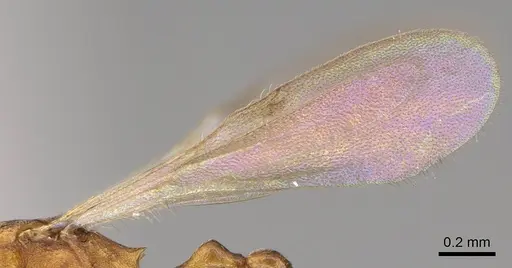
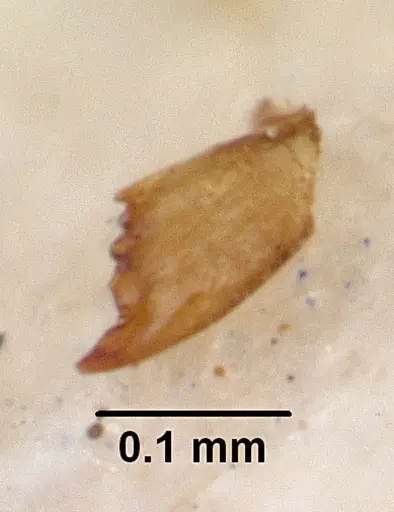
One of the most fascinating aspects of C. emeryi is their male polymorphism. Colonies produce two distinct male types: winged males that disperse from the nest to find mates, and wingless ergatoid males that remain in the nest [3]. Ergatoid males have shear-shaped mandibles and fight each other, often killing newly emerged rivals to secure mating opportunities with virgin queens. Typically only one ergatoid male per nest survives, while several winged males may coexist peacefully [3]. Colonies are polygynous, meaning multiple queens live together and all contribute to egg production. This social structure allows colonies to grow larger than single-queen colonies. Queens are very small and colonies rarely exceed several dozen workers.
Behavior and Defense
Despite their tiny size, C. emeryi has developed a clever defense strategy. When encountered by larger ant species like Solenopsis geminata or Pheidole dentata, workers release a repellent pheromone that causes the much larger ants to panic and flee [4]. This allows C. emeryi to nest in close proximity to these aggressive species without conflict. Workers forage singly rather than in recruitment teams, emerging from the nest at widely spaced intervals (at least 15 minutes apart) [4]. They search for food in erratic, crooked paths rather than straight lines. This solitary foraging style is unusual among ants and may help reduce competition with mass-recruiting species.
Frequently Asked Questions
How long does it take for Cardiocondyla emeryi to produce first workers?
From egg to adult worker takes approximately 55 days (about 8 weeks) at temperatures between 60-70°F (15-21°C). The breakdown is: egg to larva = 12 days, larva to pupa = 27 days, pupa to adult = 16 days [4].
Can I keep multiple Cardiocondyla emeryi queens together?
Yes, this species is naturally polygynous (multiple queens per colony). Wild colonies consistently have several queens, and they coexist peacefully [3]. You can introduce multiple foundress queens together without issues.
Do Cardiocondyla emeryi ants sting?
No, these ants are too small to sting humans effectively. Their main defense is the repellent pheromone they produce, which makes other ants avoid them rather than fight [4].
What temperature do Cardiocondyla emeryi need?
Keep them at 21-26°C (70-79°F). Foraging only occurs when temperatures reach 21°C or higher [4]. Room temperature is usually sufficient, but ensure the nest area does not get cold in winter.
Are Cardiocondyla emeryi good for beginners?
Yes, they are considered an easy species to keep. They are small, peaceful, and do not require special care beyond warm temperatures and good escape prevention. Their small colony size makes them manageable for beginners [5].
How big do Cardiocondyla emeryi colonies get?
Colonies remain relatively small, typically reaching only several dozen workers [3]. They are not large colony builders like some other tramp species.
Why are my C. emeryi not foraging?
Check your temperature first. Foraging only occurs when surface temperatures reach 21°C (70°F) or higher [4]. If the area is too cold, workers will remain in the nest. Also ensure they have a sugar source available, they may be waiting for warmer conditions to forage for protein.
Report an Issue
The current care sheet is based fully on literature. See inconsistencies, or something that's incorrect? Please , it will be resolved after review from an admin. Contributing to the blogs tab also helps providing information, to make us be able to further improve the caresheets. Thank you for your support!
References

This caresheet is licensed under CC BY-SA 4.0 .
Community Blogs
ANTWEB1048512
View on AntWeb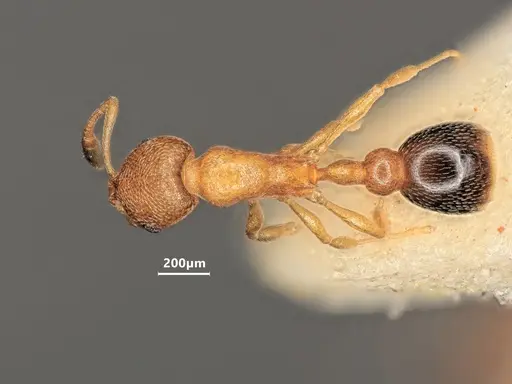
CASENT0005964
View on AntWeb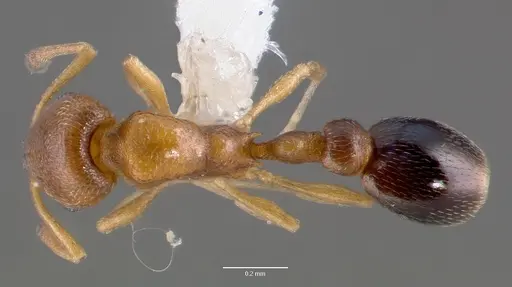
CASENT0006004
View on AntWeb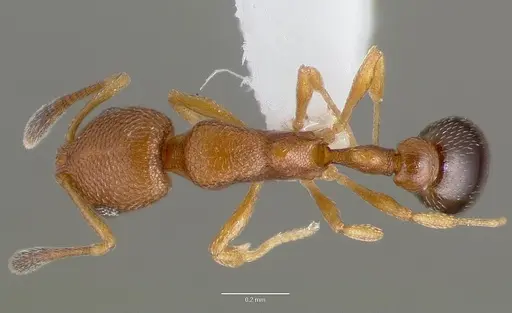
CASENT0082706
View on AntWeb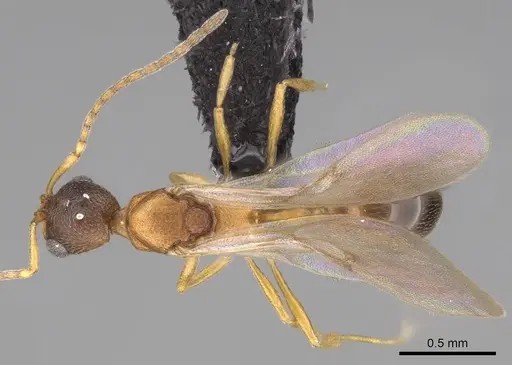
CASENT0101129
View on AntWeb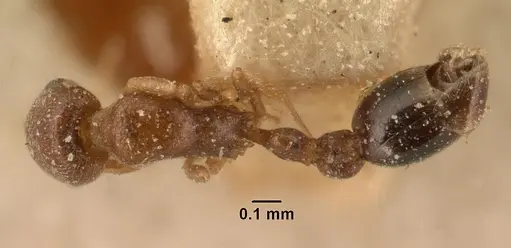
CASENT0101208
View on AntWeb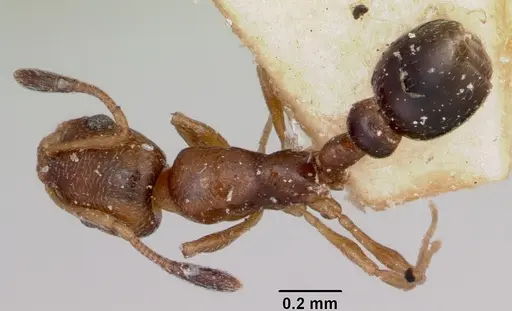
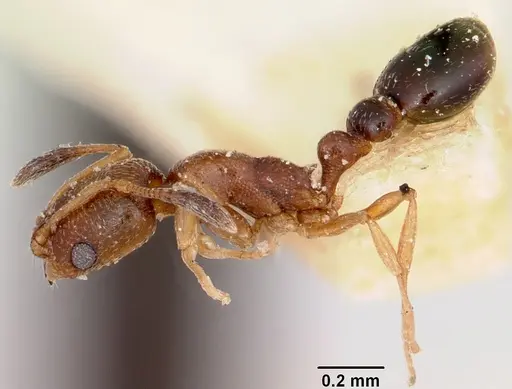
CASENT0101209
View on AntWeb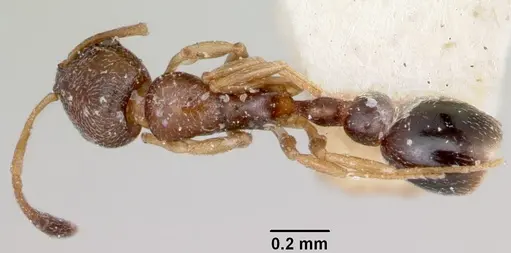
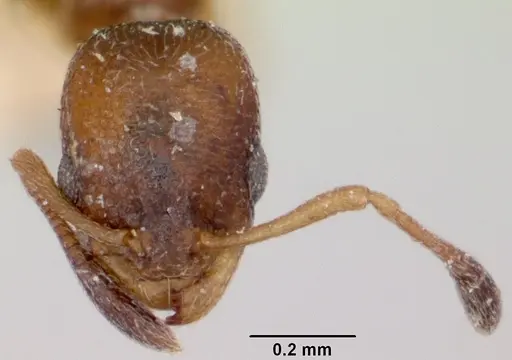
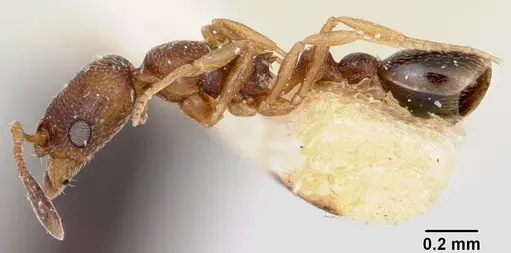
CASENT0101216
View on AntWeb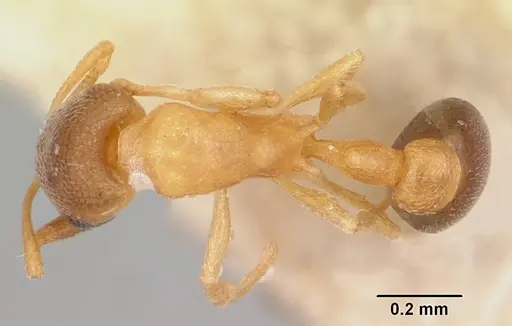
CASENT0101217
View on AntWeb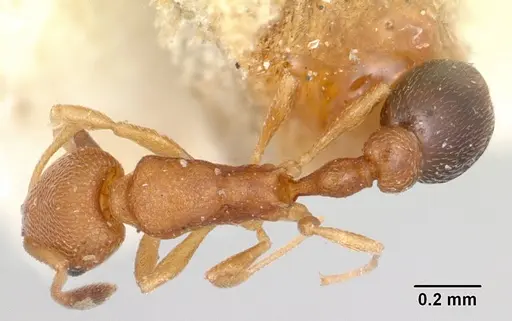
CASENT0101778
View on AntWeb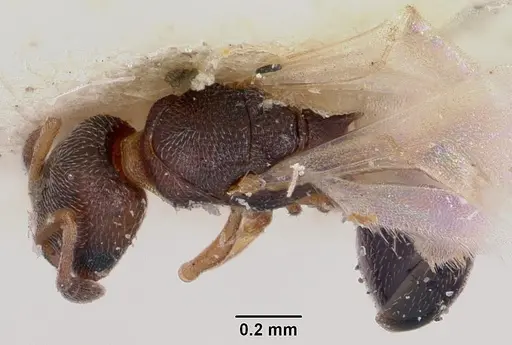
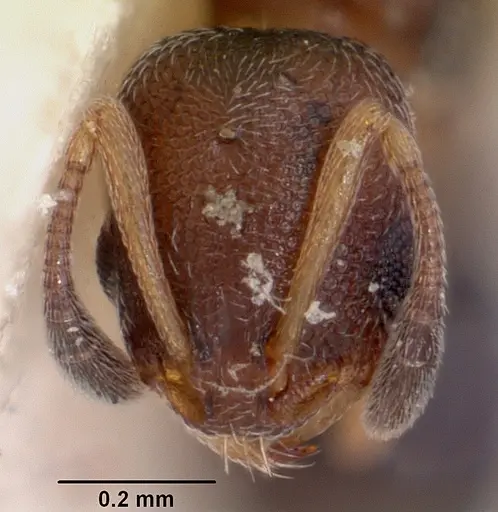
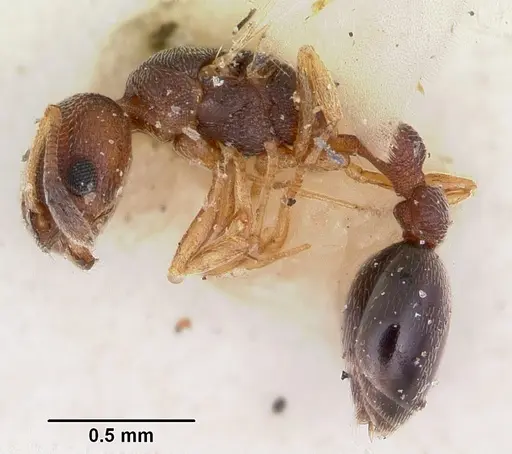
CASENT0101860
View on AntWeb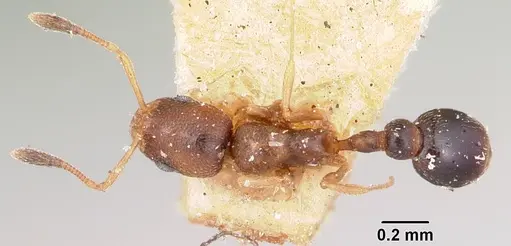
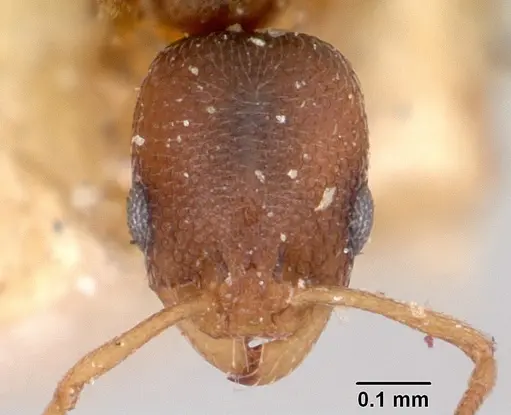
CASENT0102044
View on AntWeb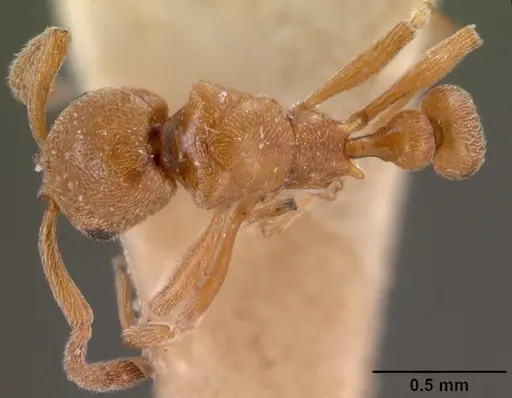
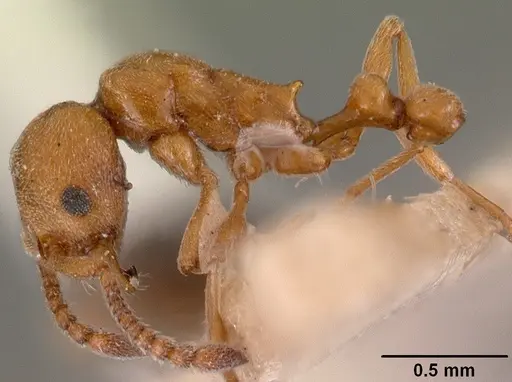
CASENT0102045
View on AntWeb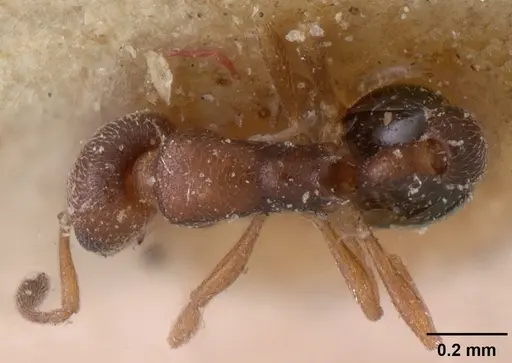
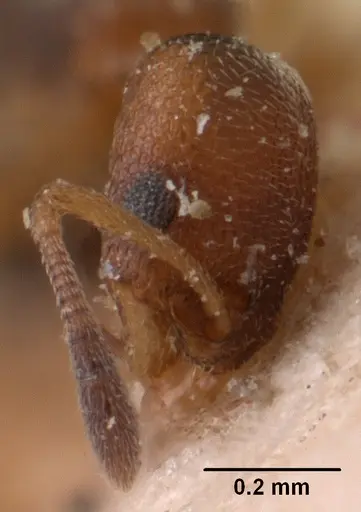
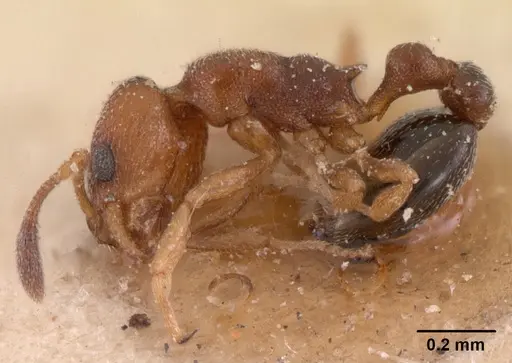
CASENT0102119
View on AntWeb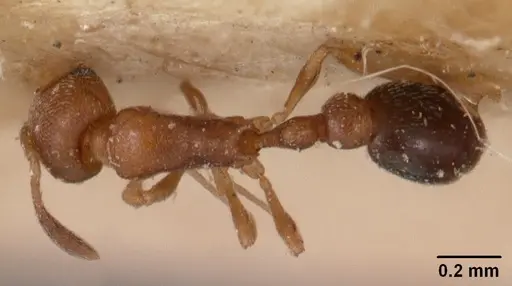
CASENT0102942
View on AntWeb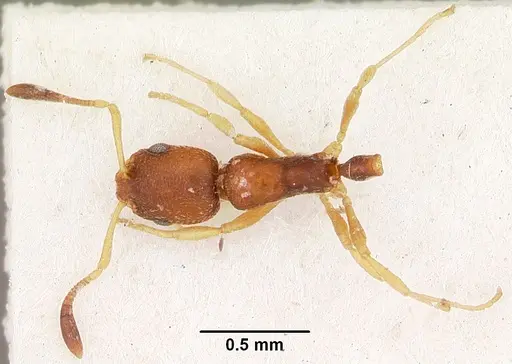
CASENT0102968
View on AntWeb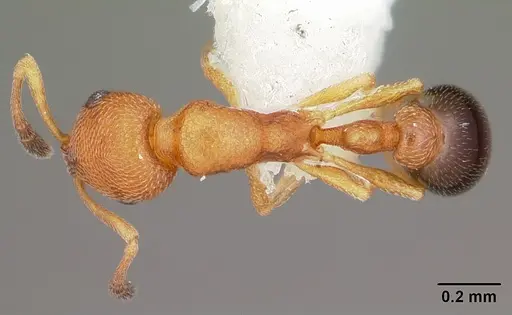
CASENT0103302
View on AntWeb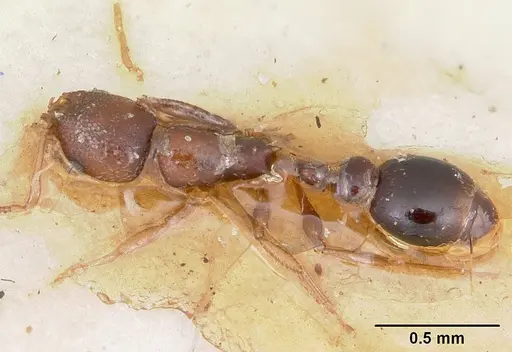
CASENT0103437
View on AntWeb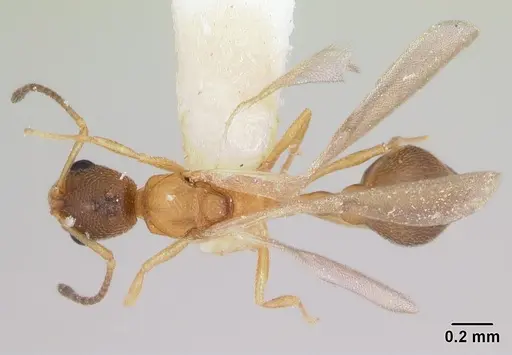
CASENT0103472
View on AntWeb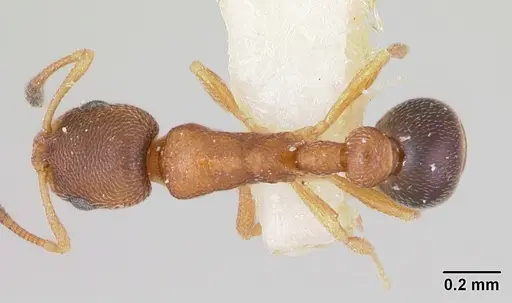
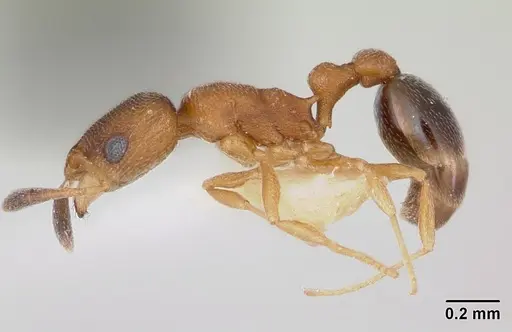
CASENT0103733
View on AntWeb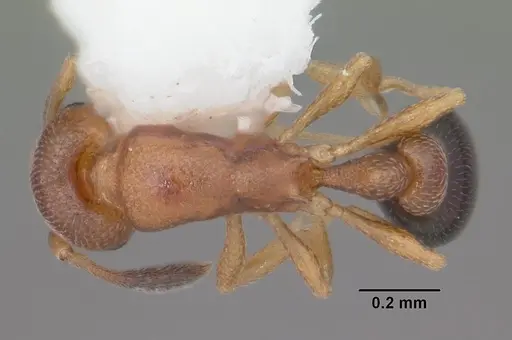
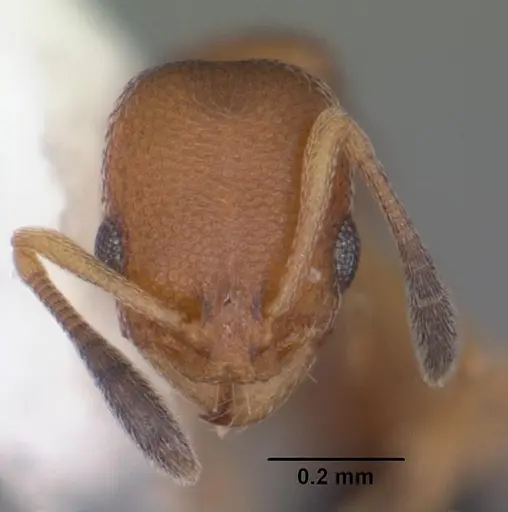
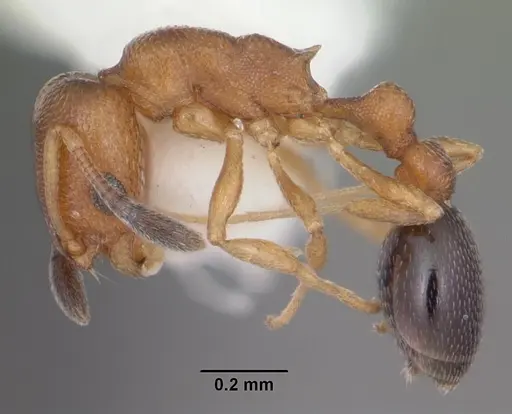
CASENT0103734
View on AntWeb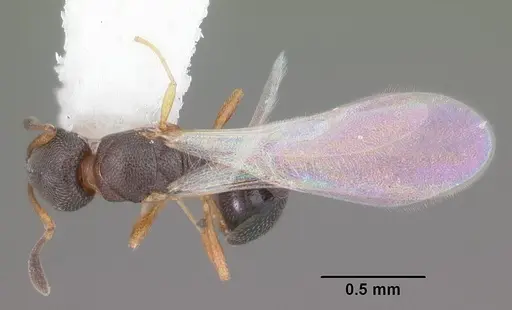
CASENT0125107
View on AntWeb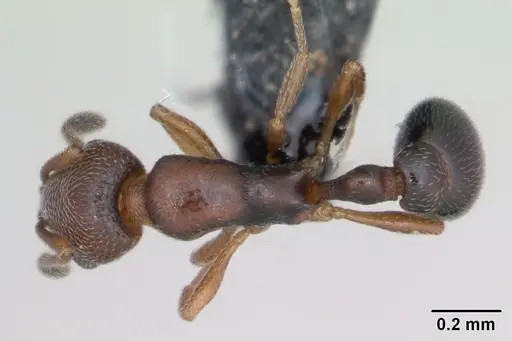
CASENT0125674
View on AntWeb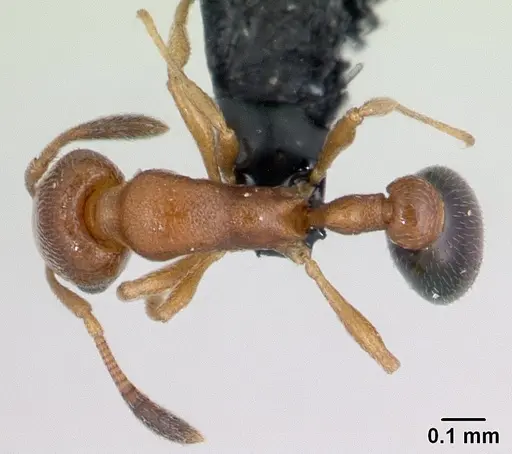
CASENT0171087
View on AntWeb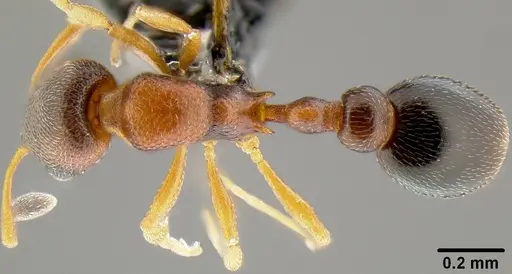
CASENT0172628
View on AntWeb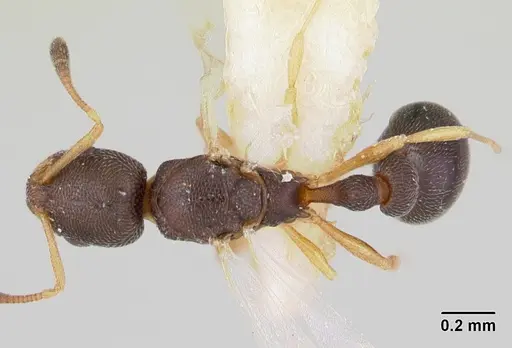
CASENT0173258
View on AntWeb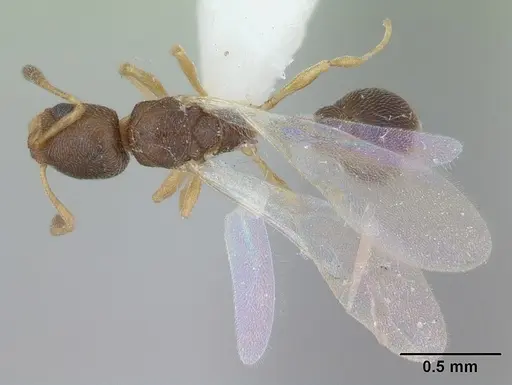
CASENT0173259
View on AntWeb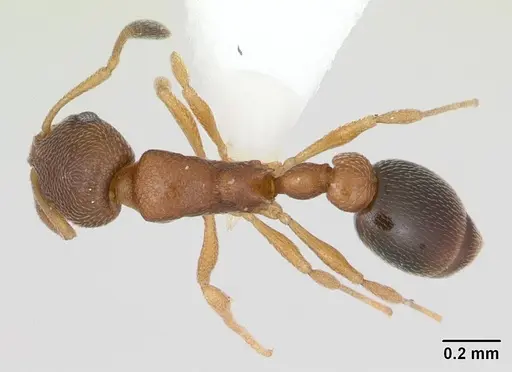
CASENT0217205
View on AntWeb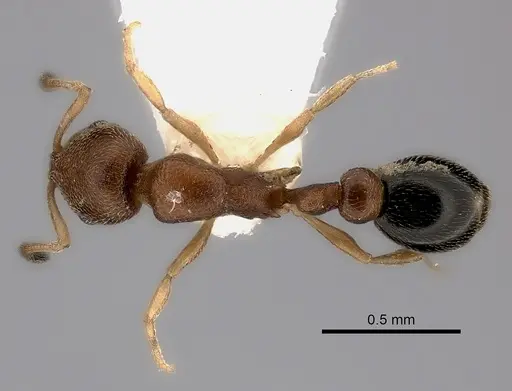
CASENT0235428
View on AntWeb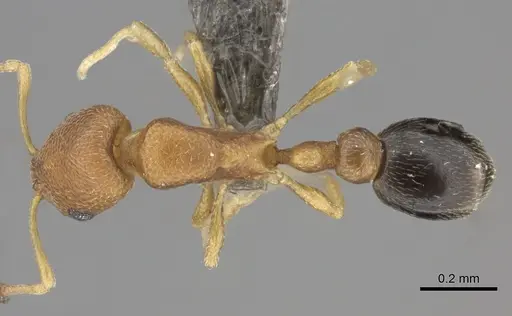
CASENT0235861
View on AntWeb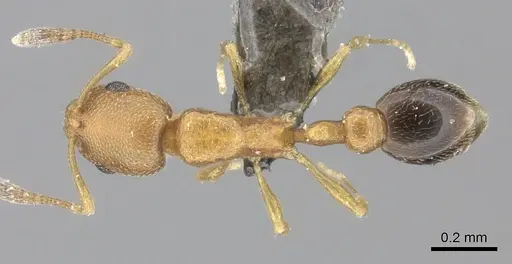
CASENT0250183
View on AntWeb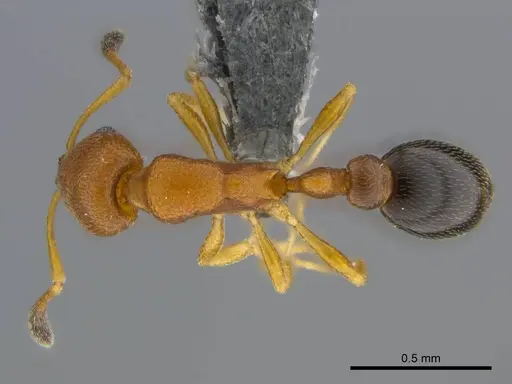
CASENT0257318
View on AntWeb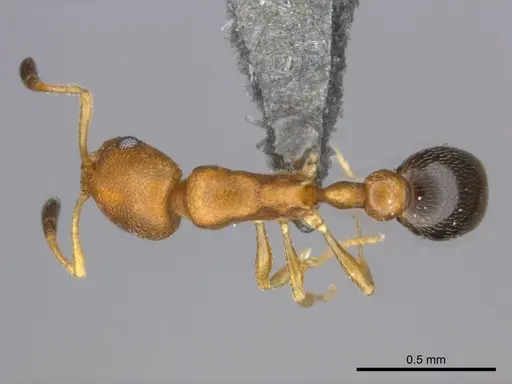
CASENT0264222
View on AntWeb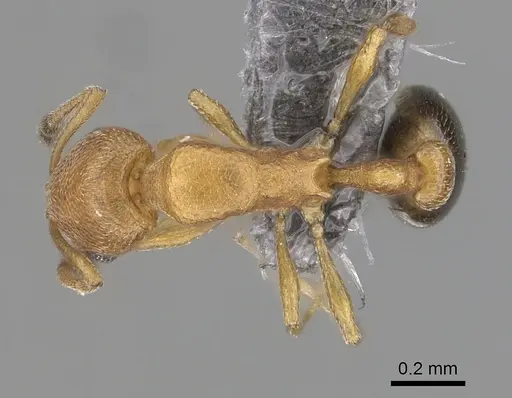
CASENT0746616
View on AntWeb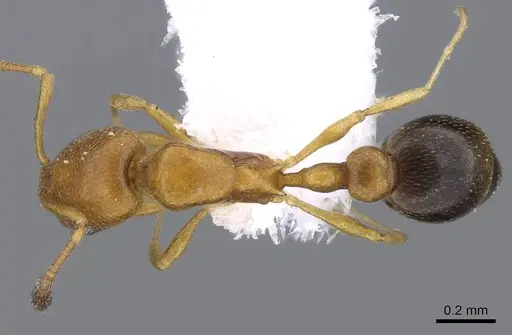
CASENT0767683
View on AntWeb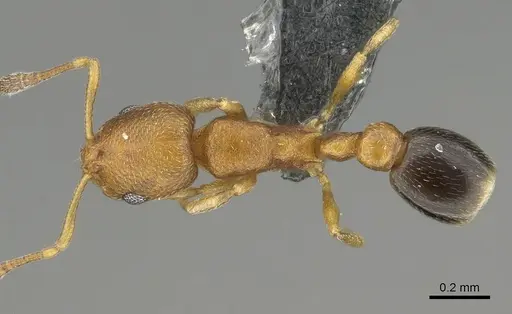
CASENT0812061
View on AntWeb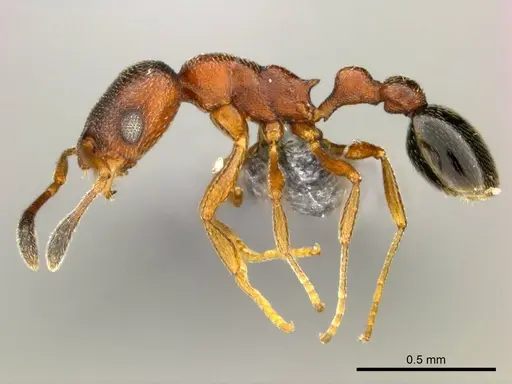
CASENT0901745
View on AntWeb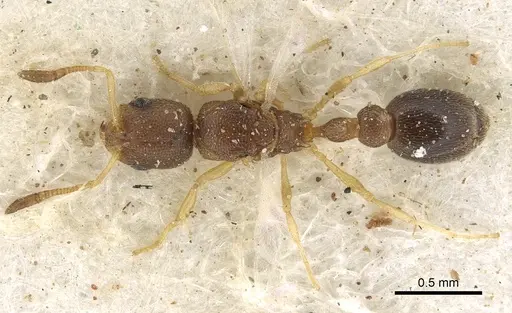
CASENT0906359
View on AntWeb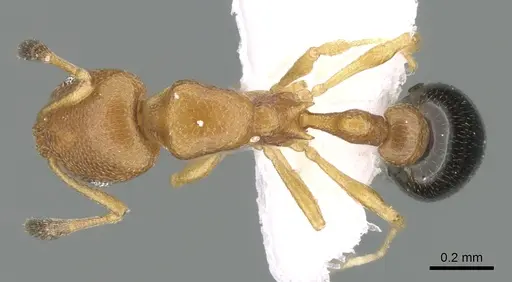
CASENT0908342
View on AntWeb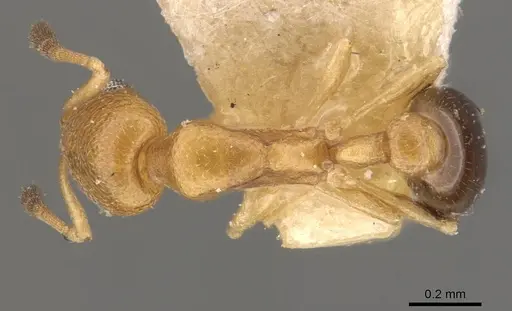
CASENT0914960
View on AntWeb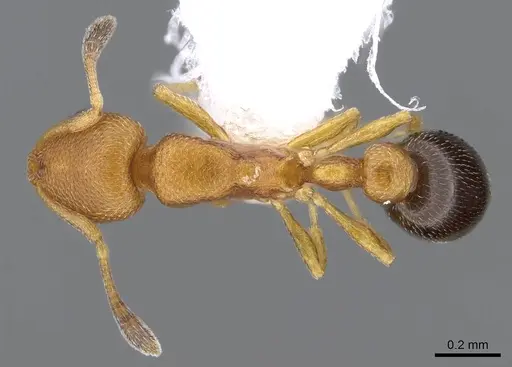
CASENT0916973
View on AntWeb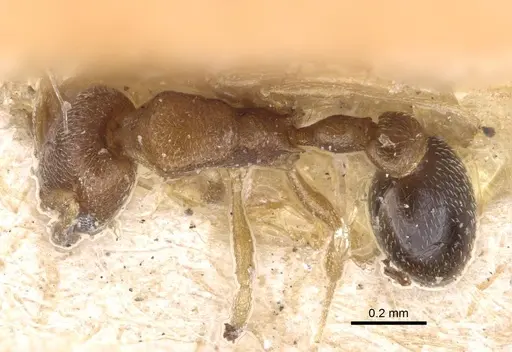
CASENT0916974
View on AntWeb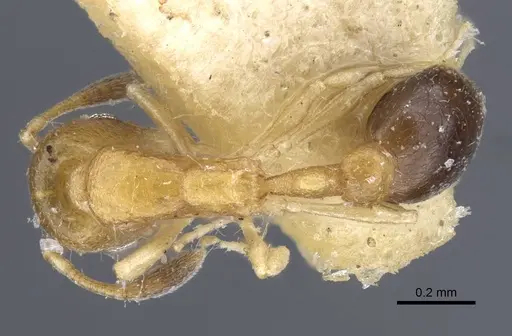
CASENT0922295
View on AntWeb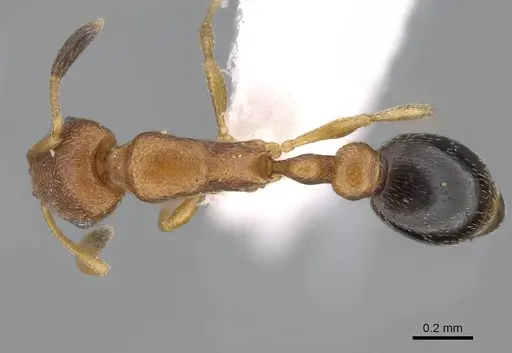
CSIRONC0183
View on AntWeb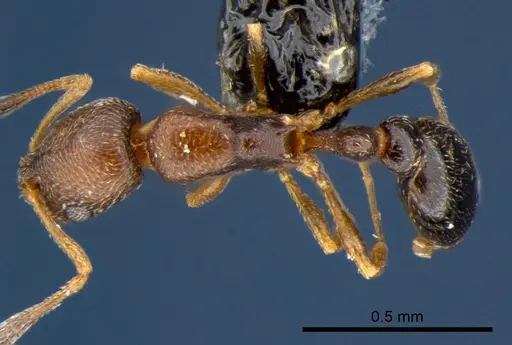
ECOFOG-BOUM-0381-01
View on AntWeb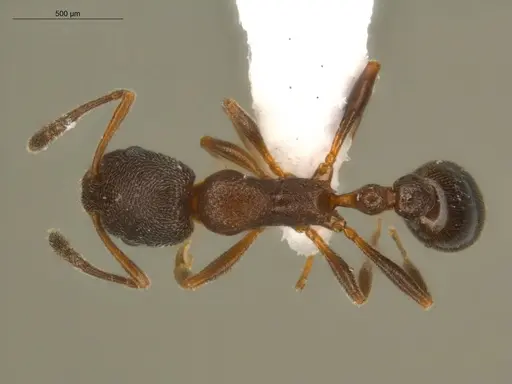
FMNHINS0000088670
View on AntWeb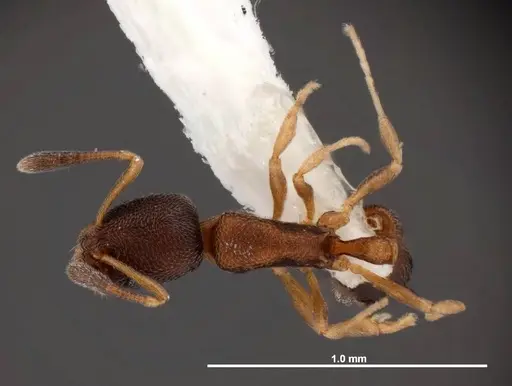
IAVH-E-264167
View on AntWeb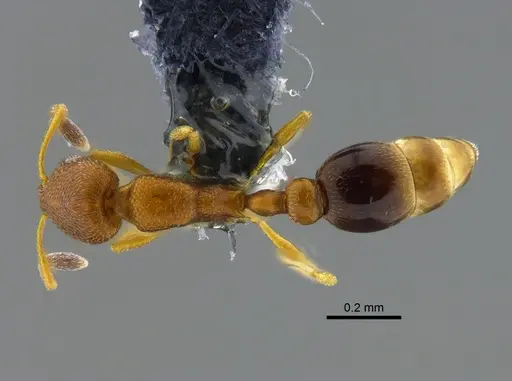
Literature
Loading distribution map...Loading products...