
Cardiocondyla batesii
- Sci. Name
- Cardiocondyla batesii
- Tribe
- Crematogastrini
- Subfamily
- Myrmicinae
- Author
- Forel, 1894
- Distribution
- Found in 4 countries
Introduction
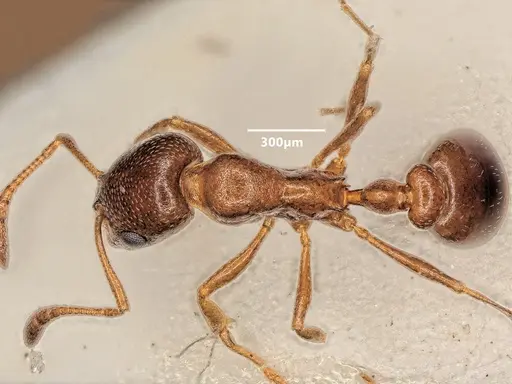
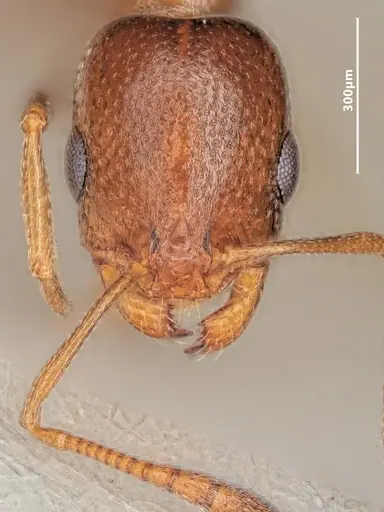
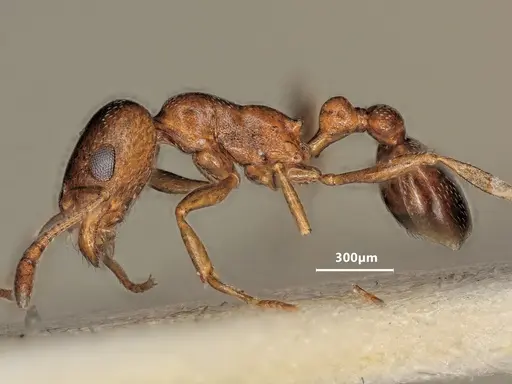
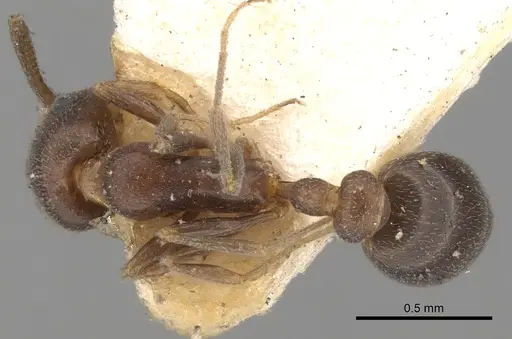
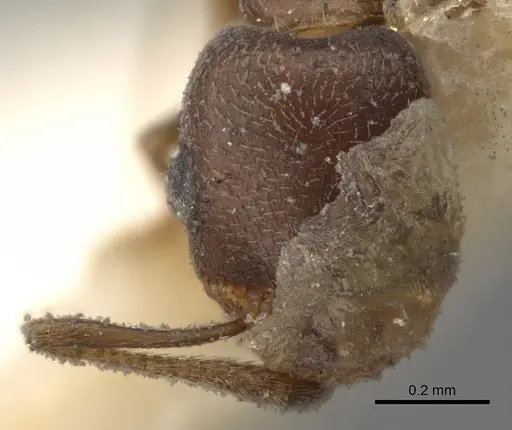
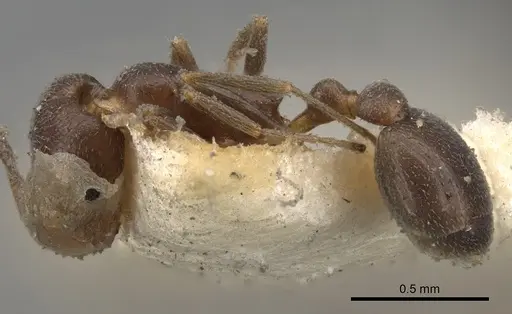
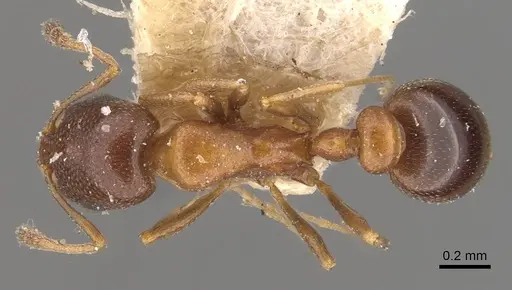
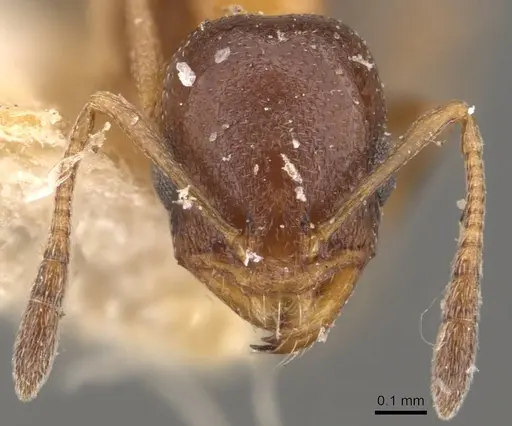
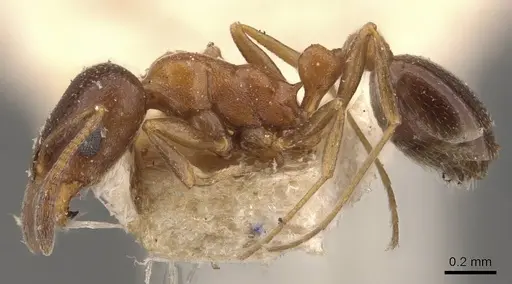
Cardiocondyla batesii is a tiny Mediterranean ant species with workers measuring approximately 2mm in length. They have a distinctive bicolored appearance: medium brown head, light orange-brown mesosoma and waist, and dark brown gaster. This species belongs to the batesii group and is found across southern Spain, Portugal, the Balearic Islands, and North Africa from Morocco to Algeria . What makes C. batesii unusual is their reproductive system. Colonies are strictly monogynous with only one egg-laying queen, but they contain 1-3 ergatoid (wingless) males that are mutually tolerant - unlike many ant species where males fight, these coexist peacefully. Queens come in three size morphs (B, m, and M queens), all flightless, which disperse on foot to found new colonies. This species has extreme inbreeding with 83% of all matings occurring between brothers and sisters .
Quick Summary
- Difficulty: Easy
- Origin & Habitat: Western Mediterranean region, found in southern Spain, Portugal, Balearic Islands, Morocco, Algeria, Tunisia, and Libya. They inhabit very sunny, dry places with loose sandy or unstable substrates like dunes, nesting in soil cavities down to over 1 meter depth [1][5].
- Colony Type: Strictly monogynous, single queen per colony. Colonies contain up to 120 workers and 1-3 ergatoid (wingless) males. Queens are dimorphic with brachypterous (short-winged) and macropterous forms, but both are flightless and disperse on foot [1][4].
- Size & Growth:
- Queen: ~2mm, inferred from Cardiocondyla genus
- Worker: ~2mm, inferred from Cardiocondyla genus
- Colony: up to 120 workers [1]
- Growth: Moderate
- Development: 7-10 weeks depending on queen morph type. B-queens: 54 days, m-queens: 57 days, M-queens: 72 days [4] (B-queens (brachypterous) produce workers fastest at 54 days, while M-queens (long-winged) take longest at 72 days. This correlates with fat content, B-queens have 47% fat vs M-queens at 28%.)
- Antkeeping:
- Temperature: Keep at room temperature, around 20-25°C. They naturally inhabit warm, sunny Mediterranean locations [1].
- Humidity: Low to moderate. They prefer dry, sunny nesting sites in the wild. Keep substrate moderately dry, not waterlogged.
- Diapause: Likely, based on Mediterranean distribution, they probably experience reduced activity in winter months. Specific diapause requirements are not well documented in the literature.
- Nesting: Y-tong or plaster nests work well for these tiny ants. Provide sandy or loose substrate for them to dig in. They naturally nest in soil cavities so a naturalistic setup with loose substrate is ideal.
- Behavior: Very docile and non-aggressive. Workers are tiny and harmless, they cannot sting humans. Colonies are peaceful and do not show territorial aggression. They are discreet foragers that prefer sandy substrates. Escape prevention is important due to their very small size, use fine mesh barriers. Queens disperse on foot rather than flying, which is unusual among ants [1].
- Common Issues: tiny size means escapes are likely without fine mesh barriers, small colony size means they develop slowly and beginners may lose patience, high inbreeding in wild colonies may affect captive breeding success, nests can be hard to locate due to their small size and cryptic nesting habits, queens may have low founding success rates, B-queens 13.6%, M-queens only 3.6% [4]
Housing and Nest Setup
Cardiocondyla batesii is a tiny ant that needs appropriately scaled housing. Y-tong nests with narrow chambers or plaster nests work well. Because they naturally nest in loose sandy soil cavities, a naturalistic setup with a sand-soil mixture is ideal. The nest should be kept relatively dry, these are ants of sunny, dry Mediterranean habitats. Use test tubes for founding colonies, but ensure the cotton is properly packed since their small size allows them to squeeze through gaps. Escape prevention is critical, use fine mesh on any openings. A small outworld area allows for feeding and foraging. [1][5]
Feeding and Diet
Like most Cardiocondyla species, C. batesii accepts a variety of foods including small insects, honeydew, and sugar sources. Their tiny workers can only tackle very small prey items. Offer small live prey like fruit flies, springtails, or tiny crickets. Sugar water or honey can be offered occasionally. Feed small amounts every few days and remove uneaten food to prevent mold. Given their small colony sizes, avoid overfeeding.
Temperature and Seasonal Care
Keep these ants at warm room temperature, ideally 20-25°C. They naturally occur in Mediterranean climates with hot, dry summers. A heating cable on one side of the nest can create a temperature gradient if your room is cool. Based on their Mediterranean distribution, they likely benefit from a cooler winter period with reduced activity, though specific diapause requirements are not well documented. If keeping them through winter, you can reduce feeding and keep them at cooler room temperature for a few months. [1]
Colony Structure and Reproduction
C. batesii has one of the most unusual reproductive systems in ants. Colonies are strictly monogynous, only one queen per colony produces eggs. However, colonies contain 1-3 ergatoid (wingless) males that are mutually tolerant and do not fight [1]. Queens come in three morphs: B-queens (short-winged/brachypterous), m-queens (long-winged but flightless), and M-queens (long-winged). All are flightless and disperse on foot to found new colonies [4]. The extreme inbreeding (83% brother-sister matings) is balanced by queens using sperm from unrelated males to avoid inbreeding depression [4]. Sex ratios are extremely female-biased with over 85% of sexuals being new queens.
Behavior and Temperament
This is a docile ant species. Workers are tiny, non-aggressive, and cannot sting humans. Colonies are peaceful and do not exhibit territorial behavior. The ergatoid males are notably tolerant of each other, unlike most ant species where males fight, these coexist peacefully [3]. Queens mate inside the nest with ergatoid males, then disperse on foot to found new colonies. This foot-based dispersal is unusual since most ants use nuptial flights. Workers are discreet foragers that prefer sandy substrates.
Frequently Asked Questions
How long does it take for Cardiocondyla batesii to produce first workers?
First workers appear in 7-10 weeks depending on queen type. B-queens (short-winged) produce workers fastest at 54 days, while M-queens (long-winged) take longest at 72 days [4].
Can I keep multiple Cardiocondyla batesii queens together?
No. This species is strictly monogynous, colonies only tolerate one fertile queen. Workers will attack and kill any additional queens [1].
Are Cardiocondyla batesii ants dangerous or do they sting?
No, they are completely harmless. Workers are tiny and cannot sting humans. They are very docile and non-aggressive.
What do Cardiocondyla batesii ants eat?
They accept small insects, sugar water, and honey. Feed small live prey like fruit flies or tiny crickets. Remove uneaten food to prevent mold.
How big do Cardiocondyla batesii colonies get?
Colonies reach up to 120 workers in the wild [1]. This is a small colony size compared to many ant species.
Do Cardiocondyla batesii queens fly?
No. Both brachypterous (short-winged) and macropterous (long-winged) queens are flightless. They disperse on foot to found new colonies [1][4].
Do Cardiocondyla batesii need hibernation?
Based on their Mediterranean distribution, they likely experience reduced winter activity. Specific diapause requirements are not well documented, but a cool period for 2-3 months is recommended.
Why are my Cardiocondyla batesii dying?
Common issues include: escape due to tiny size (use fine mesh), overfeeding leading to mold, too much moisture (they prefer dry conditions), or founding failure (queens have low success rates, especially M-queens at only 3.6%) [4].
Are Cardiocondyla batesii good for beginners?
Yes, they are easy to keep due to their docile nature and simple care requirements. However, their very small size requires attention to escape prevention, and slow growth may test patience.
When should I move Cardiocondyla batesii to a formicarium?
Wait until the colony has 20 or more workers. For founding colonies, keep them in a test tube setup. Move to a small formicarium or Y-tong nest once the colony outgrows the test tube.
Report an Issue
The current care sheet is based fully on literature. See inconsistencies, or something that's incorrect? Please , it will be resolved after review from an admin. Contributing to the blogs tab also helps providing information, to make us be able to further improve the caresheets. Thank you for your support!
References

This caresheet is licensed under CC BY-SA 4.0 .
Community Blogs
Literature
Loading distribution map...Loading products...