
Cardiocondyla atalanta
- Sci. Name
- Cardiocondyla atalanta
- Tribe
- Crematogastrini
- Subfamily
- Myrmicinae
- Author
- Forel, 1915
- Distribution
- Found in 1 countries
Introduction
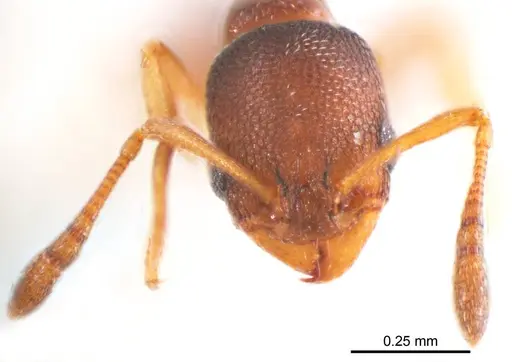
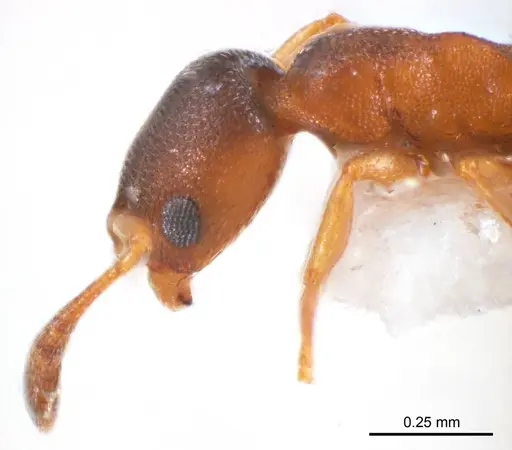
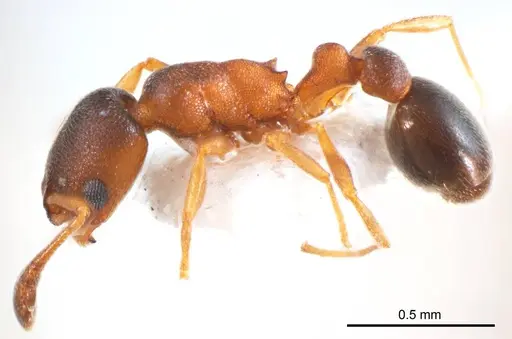
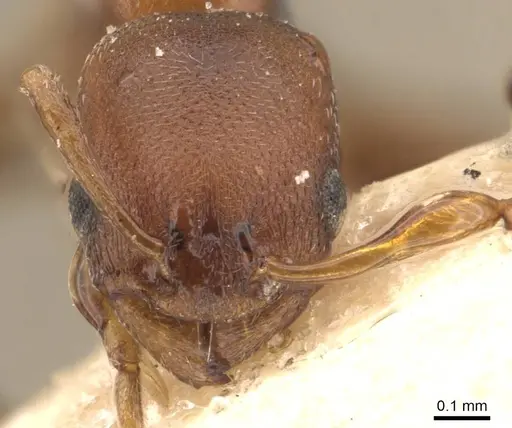
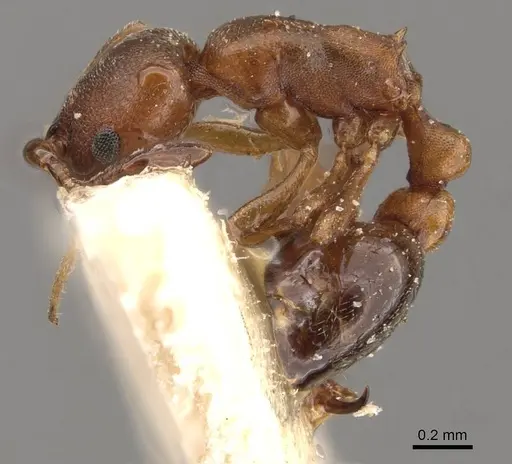
Cardiocondyla atalanta is a tiny myrmicine ant native to Australia, Papua New Guinea, Lord Howe Island, and Norfolk Island. Workers measure approximately 2.5mm and have the typical smooth, shiny appearance of the C. nuda group with a less elongated head and shorter scape compared to its close relative C. nuda . This species is part of the nuda group, known for their cryptic nature - C. atalanta was only recognized as a separate species from C. nuda in 2008 through detailed morphometric analysis . What makes C. atalanta interesting is its flexible social structure. Research shows multiple fertile queens in 4 out of 6 wild colonies, and the males have a peculiar aggressive behavior where ergatoid (wingless) males kill rival callow males and fight with adult males . This species is an opportunist - able to thrive in disturbed habitats like road sides and city parklands across much of Australia .
Quick Summary
- Difficulty: Easy
- Origin & Habitat: Native to Australia (all except inner desert territories), Papua New Guinea, Lord Howe Island, and Norfolk Island. Found in Eucalyptus savannah, open grassland, parkland, and urban areas [2][1].
- Colony Type: Multi-queen colonies are common in the wild, multiple fertile queens were found in 4 of 6 colonies excavated. Males are ergatoid (wingless) and engage in fights [1].
- Size & Growth:
- Queen: size data unavailable, inferred from Cardiocondyla genus (~4-5mm)
- Worker: approximately 2.5mm, inferred from Cardiocondyla genus
- Colony: up to several hundred workers based on related species
- Growth: Moderate
- Development: 6-8 weeks (estimated based on genus patterns) (Development time inferred from related species in the genus)
- Antkeeping:
- Temperature: Keep at 22-26°C. This species is adapted to warm, xerothermous conditions across Australia with annual rainfall below 1000mm in many areas [2]. Room temperature is typically suitable.
- Humidity: Moderate, prefer drier conditions than many tropical ants. Allow the nest to dry out partially between waterings. These ants are adapted to Australia's variable climate.
- Diapause: Unlikely required, being an Australian species from variable climates, they may slow down in cooler months but true hibernation is not typically necessary in heated homes.
- Nesting: Will readily accept test tubes, Y-tong nests, or acrylic setups. Their small size means narrow passages work well. They do well in relatively dry conditions.
- Behavior: Generally peaceful and non-aggressive. Workers are small but active foragers. The main behavioral note is that ergatoid males will fight each other, this is normal colony behavior and not a concern for keepers. They are not known for stinging and pose no danger to humans. Their tiny size means escape prevention is critical, they can squeeze through very small gaps.
- Common Issues: escape prevention is critical due to their very small size, use fine mesh and tight-fitting lids, overheating can be a problem since they're adapted to variable Australian conditions but not extreme heat, colonies may be slow to establish initially, patience is needed during the founding phase, multi-queen colonies may have tension between queens initially, provide ample space
Housing and Setup
Cardiocondyla atalanta is a small ant that does well in standard test tube setups for founding colonies. For established colonies, a Y-tong nest works well, just ensure the chambers are appropriately sized for their tiny workers. Because they are so small, escape prevention must be excellent. Use fluon on the rim of test tubes and fine mesh on any ventilation. They prefer drier conditions than many tropical ants, so don't keep the nest constantly wet. A small water reservoir in a test tube setup is sufficient, they will drink from the condensation. [1]
Feeding and Diet
Like other Cardiocondyla species, C. atalanta is an opportunist that will accept a variety of foods. Offer sugar water or honey as a constant energy source. For protein, small prey items like fruit flies, pinhead crickets, or mealworm pieces work well. They are not aggressive hunters but will scavenge and collect honeydew. Feed small amounts a few times per week, remove any uneaten prey after 24 hours to prevent mold. Their small size means even tiny prey items are substantial for them.
Temperature and Seasonal Care
This species is adapted to Australia's warm climate and does well at room temperature (22-26°C). They can tolerate cooler temperatures but growth will slow. Avoid extreme heat, temperatures above 30°C may stress them. Since they're from a region with seasonal variation, they may naturally slow down in winter months if your home cools, but they don't require a true hibernation period. If you keep your home at normal room temperature year-round, they should remain active throughout the year. [2][1]
Colony Structure and Behavior
C. atalanta is one of the more flexible Cardiocondyla species when it comes to colony structure. Wild colonies commonly have multiple queens, researchers found multiple fertile queens in 4 out of 6 colonies studied [1]. This means your colony may develop with either a single queen or multiple queens cooperating. The males are ergatoid (born without wings) and exhibit unusual aggressive behavior, they kill rival young males and fight with adult males [1]. This male-male competition is a normal part of their biology and is not something you need to intervene in. The colony will regulate itself.
Growth and Development
Workers are very small (approximately 2.5mm) and develop from egg to adult in approximately 6-8 weeks under warm conditions, based on typical Cardiocondyla development patterns. The first workers (nanitics) will be smaller than subsequent generations. Colonies grow gradually, don't expect rapid expansion. A mature colony may reach several hundred workers. Be patient during the founding phase as the queen alone must raise the first brood without foraging. She relies on stored fat reserves until the first workers emerge. [1]
Frequently Asked Questions
How long does it take for Cardiocondyla atalanta to get first workers?
Expect first workers in about 6-8 weeks at warm room temperature (24-26°C). This is typical for Cardiocondyla species. The queen seals herself in and raises the first brood alone using stored fat reserves.
Can I keep multiple Cardiocondyla atalanta queens together?
Yes, this species naturally forms multi-queen colonies in the wild. Unlike many ants, C. atalanta queens can coexist peacefully. However, when combining unrelated foundress queens, introduce them carefully and monitor for aggression initially.
Do Cardiocondyla atalanta ants sting?
No, they are not known to sting. These tiny ants are completely harmless to humans. They may bite if handled roughly, but their small size means even this is barely noticeable.
What do Cardiocondyla atalanta ants eat?
They accept sugar water or honey for carbohydrates, and small protein sources like fruit flies, tiny crickets, or mealworm pieces. They are opportunistic feeders and will scavenge. Offer sugar constantly and protein a few times per week.
Are Cardiocondyla atalanta good for beginners?
Yes, they are one of the easier ant species to keep. They are tolerant of varying conditions, don't require hibernation, and are peaceful. The main challenge is their tiny size requiring good escape prevention.
How big do Cardiocondyla atalanta colonies get?
Based on related species, colonies likely reach several hundred workers. They are not among the largest Cardiocondyla but can still be impressive in numbers.
Why are the male ants fighting in my colony?
This is completely normal behavior. Male Cardiocondyla atalanta are ergatoid (wingless) and naturally compete with each other. They kill rival young males and fight with adult males. This is instinctive behavior and not a problem for your colony.
Do Cardiocondyla atalanta need hibernation?
No, they don't require a true hibernation period. Being from Australia's variable climate, they may slow down slightly in cooler months, but in a heated home they will remain active year-round.
What's the difference between Cardiocondyla atalanta and C. nuda?
These are cryptic sister species that were only separated in 2008 through detailed morphometric analysis. C. atalanta has a less elongated head and scape, higher petiole, and longer pubescence on the gastral tergites compared to C. nuda [1]. Their behavior and colony structure are essentially identical.
Why are my Cardiocondyla atalanta escaping?
Their tiny size means they can squeeze through incredibly small gaps. Check all lids, use fluon on rims, and ensure any ventilation has fine mesh (at least 0.5mm or smaller). Even a tiny crack is enough for them to escape.
Report an Issue
The current care sheet is based fully on literature. See inconsistencies, or something that's incorrect? Please , it will be resolved after review from an admin. Contributing to the blogs tab also helps providing information, to make us be able to further improve the caresheets. Thank you for your support!
References

This caresheet is licensed under CC BY-SA 4.0 .
Community Blogs
ANTWEB1008623
View on AntWeb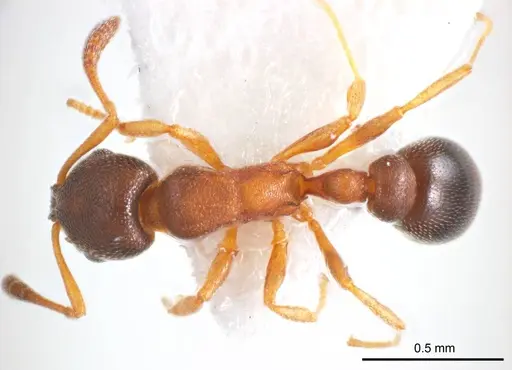
CASENT0908343
View on AntWeb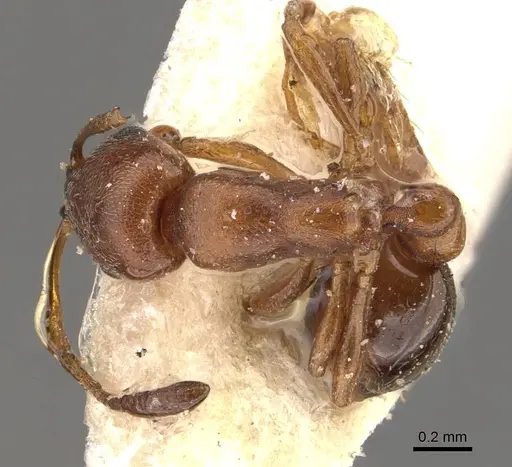
Literature
Loading distribution map...Loading products...