
Camponotus zoro
- Sci. Name
- Camponotus zoro
- Subgenus
- Mayria
- Tribe
- Camponotini
- Subfamily
- Formicinae
- Author
- Rasoamanana & Fisher, 2022
- Distribution
- Found in 1 countries
Introduction
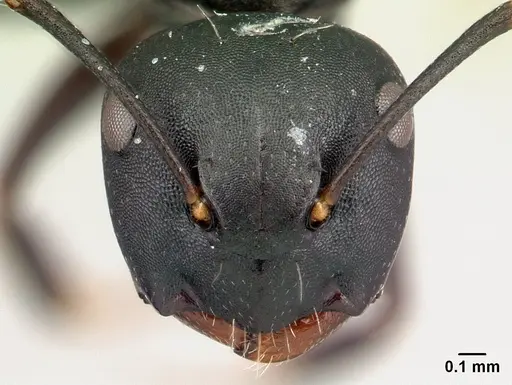
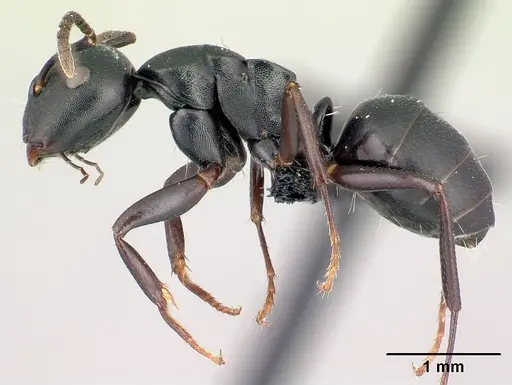
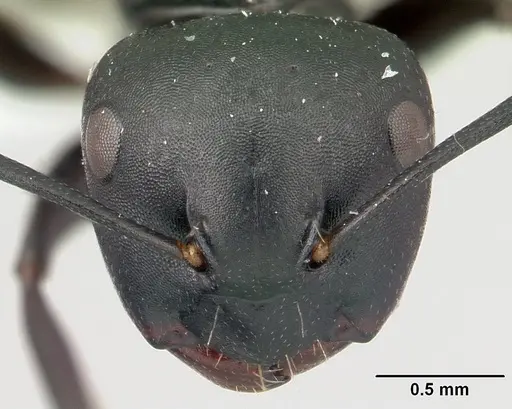
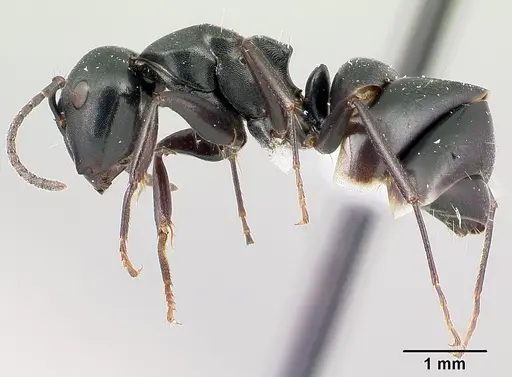
Camponotus zoro is a medium-sized ant species endemic to Madagascar, recently described in 2022. Workers are entirely black with finely sculptured bodies and dark brown appendages. The species belongs to the Camponotus robustus species group and is characterized by a deeply impressed metanotal groove and distinctive margination along the mesosoma. Minor workers measure approximately 5-7mm in body length, while major workers are larger at approximately 8-10mm . This ant was discovered in montane rainforest and Uapaca woodland at elevations between 1300-1550 meters in southern Madagascar . The species name 'zoro' means 'angle' in Malagasy, referring to the unique angular structure of the mesosoma.
Quick Summary
- Difficulty: Medium
- Origin & Habitat: Camponotus zoro is endemic to Madagascar, found in montane rainforest and Uapaca woodland at elevations of 1300-1550 meters. Specimens have been collected from deciduous forest in southern Madagascar through beating low vegetation, sifting leaf litter, and baiting with honey and tuna fish [1].
- Colony Type: Colony structure is unconfirmed. Based on typical Camponotus patterns, likely single-queen colonies, but this has not been directly documented.
- Size & Growth:
- Queen: Unconfirmed, no queen measurements available for this newly described species.
- Worker: Minor workers: approximately 5-7mm body length. Major workers: approximately 8-10mm body length. Sizes are inferred from Camponotus genus patterns since only head measurements (CS) are available in the original description [1].
- Colony: Unknown, no colony size data available for this species.
- Growth: Unknown, development rate has not been documented for this newly described species.
- Development: Unconfirmed, no specific development data available for this species. (Development timeline is unknown. Typical Camponotus species take several months from founding to first workers, but exact timing for C. zoro has not been studied.)
- Antkeeping:
- Temperature: Keep at 20-24°C. As a montane species from 1300-1550m elevation, they likely prefer cooler conditions than typical tropical ants. Avoid temperatures above 28°C. A gentle temperature gradient allows workers to regulate their conditions.
- Humidity: Montane rainforest origin indicates high humidity needs. Maintain 70-80% relative humidity. Keep the nest substrate consistently moist but not waterlogged. Provide a water tube for drinking access.
- Diapause: Likely required. As a montane species from Madagascar, they likely experience cooler seasonal periods. Consider providing a winter rest period at 15-18°C for 2-3 months, reducing activity but not fully freezing them.
- Nesting: In captivity, Camponotus zoro does well in Y-tong (AAC) nests, plaster nests, or test tube setups. They prefer dark, enclosed spaces. Provide nesting chambers scaled to their medium size. A formicarium with multiple connected chambers works well for growing colonies.
- Behavior: Camponotus zoro is a moderately active forager. Collection data shows they are attracted to both sweet (honey) and protein (tuna) baits, indicating a generalist diet. They likely forage at night or during cooler hours, typical of montane forest ants. Major workers serve as colony defenders. Escape prevention should be moderate, their medium size means standard barriers work well, but they can climb smooth surfaces. They are not known to be particularly aggressive but will defend the nest if threatened. As a Formicinae species, they can bite and spray formic acid as a defense mechanism.
- Common Issues: humidity control is critical, being from montane rainforest, they suffer in dry conditions, temperature stress, avoid overheating, they prefer cooler temperatures than typical tropical ants, limited availability, this is a newly described species with no established captive breeding populations, slow colony growth, expect moderate development speed, patience is required, queen confirmation needed, colony type has not been documented, monitor for multiple queens
Nest Preferences and Housing
Camponotus zoro does well in standard antkeeping setups including Y-tong (AAC) nests, plaster nests, and test tube arrangements. As a medium-sized Camponotus species, they need appropriately scaled nesting chambers, not too small (workers need room to move) but not excessively large (too much open space stresses founding colonies). The species prefers dark, enclosed spaces typical of forest-dwelling ants. For founding colonies, a test tube setup with a water reservoir works well. As the colony grows to 20+ workers, consider moving to a formicarium with multiple connected chambers. Ensure the nest material can retain humidity since this is a montane species that evolved in damp conditions. [1]
Feeding and Diet
Based on collection data showing they were attracted to both honey and tuna fish baits, Camponotus zoro is a generalist feeder that accepts both sugar and protein sources. Offer sugar water (1:1 ratio) or honey as a constant sugar source. For protein, provide small insects like fruit flies, mealworms, or crickets. Feed protein 2-3 times per week, adjusting based on colony size and consumption. Remove uneaten prey after 24-48 hours to prevent mold. Fresh water should always be available. This species forages actively and will likely accept a variety of foods, making them relatively easy to feed compared to specialized predators. [1]
Temperature and Seasonal Care
As a montane species from 1300-1550m elevation in Madagascar, Camponotus zoro likely prefers cooler temperatures than typical tropical ants. Keep the nest area at 20-24°C, avoiding temperatures above 28°C. A heating cable on one side of the nest can create a gentle gradient (22-26°C across the setup) allowing workers to self-regulate. During winter, consider providing a diapause period at 15-18°C for 2-3 months. This mimics their natural seasonal cycle in the highlands of Madagascar. Reduce feeding during diapause and maintain light moisture in the nest. Do not allow temperatures to drop below 10°C. [1]
Behavior and Colony Dynamics
Camponotus zoro is a moderately active species with typical Camponotus foraging patterns. Workers are medium-sized and likely forage both day and night, though montane forest ants often prefer cooler hours. The presence of major workers (larger workers with larger heads) indicates typical polymorphism within the colony. Majors serve as defenders and may assist with processing larger food items. This species is not known to be particularly aggressive but will defend the nest vigorously if disturbed. Standard escape prevention measures work well for their medium size. [1]
Frequently Asked Questions
How long does it take for Camponotus zoro to produce first workers?
Unknown, no specific development data exists for this newly described species. Typical Camponotus species take several months from founding to first workers, but exact timing for C. zoro has not been studied.
What temperature do Camponotus zoro ants need?
Keep them at 20-24°C. As a montane species from 1300-1550m elevation in Madagascar, they likely prefer cooler conditions than typical tropical ants. Avoid temperatures above 28°C.
Do Camponotus zoro ants need hibernation?
Likely yes, consider a 2-3 month diapause period at 15-18°C during winter. This mimics their natural seasonal cycle in the Madagascar highlands. Reduce feeding but maintain light moisture during this period.
What do Camponotus zoro ants eat?
They are generalists that accept both sugar and protein. Offer sugar water or honey as a constant sugar source. For protein, provide small insects like fruit flies, mealworms, or crickets 2-3 times per week.
Is Camponotus zoro good for beginners?
This species is rated as Medium difficulty. While not overly demanding, their specific temperature and humidity requirements (cool, humid montane conditions) require more attention than common temperate species. They are also a newly described species with limited availability.
How big do Camponotus zoro colonies get?
Colony size is unknown for this species. No colony size data has been documented in the original species description.
Can I keep multiple Camponotus zoro queens together?
Colony structure is unconfirmed for this species. Based on typical Camponotus patterns, they likely form single-queen colonies. Combining unrelated queens is not recommended without documented evidence of polygyny.
What humidity level do Camponotus zoro ants need?
Maintain 70-80% relative humidity. As a montane rainforest species, they need consistently damp conditions. Keep the nest substrate moist but not waterlogged, and provide a water tube for drinking access.
When should I move Camponotus zoro to a formicarium?
Move from a test tube setup to a formicarium when the colony reaches 20-30 workers and the test tube becomes crowded. Ensure the new setup maintains appropriate humidity and provides appropriately sized chambers.
Report an Issue
The current care sheet is based fully on literature. See inconsistencies, or something that's incorrect? Please , it will be resolved after review from an admin. Contributing to the blogs tab also helps providing information, to make us be able to further improve the caresheets. Thank you for your support!
References

This caresheet is licensed under CC BY-SA 4.0 .
Community Blogs
CASENT0049853
View on AntWeb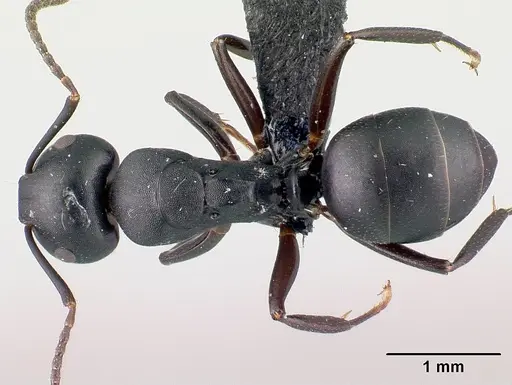
CASENT0409150
View on AntWeb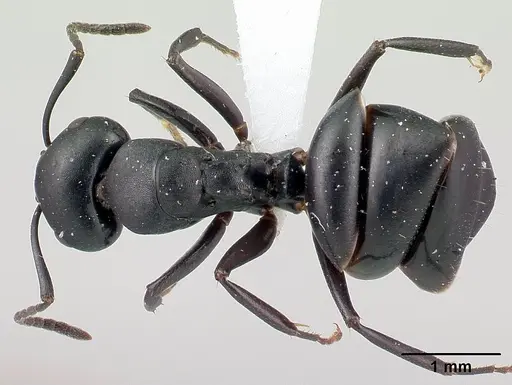
Literature
Loading distribution map...Loading products...