Camponotus zonatus exhibits a clear seasonal flight window. Peak flight activity is concentrated in May, with the overall period spanning April to July.

Caribbean Banded Carpenter Ant
Camponotus zonatus
- Sci. Name
- Camponotus zonatus
- Subgenus
- Tanaemyrmex
- Tribe
- Camponotini
- Subfamily
- Formicinae
- Author
- Emery, 1894
- Common Name
- Caribbean Banded Carpenter Ant
- Distribution
- Found in 9 countries
- Nuptial Flight
- From April to July
- Peak flight Time
- 21:00
AI Identifiable
try →
Introduction
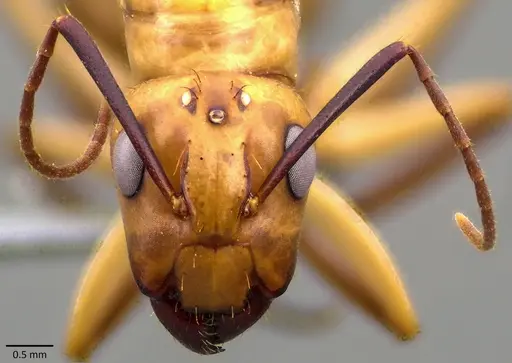
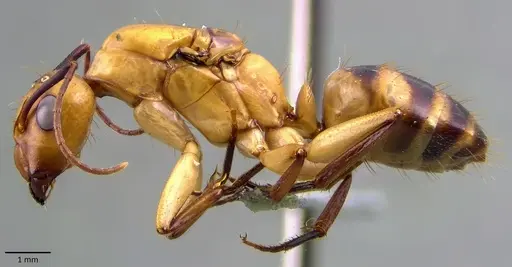
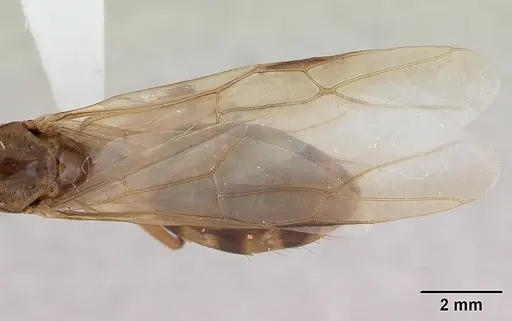
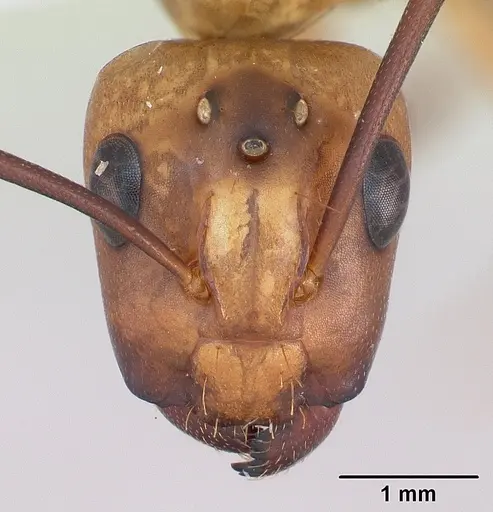
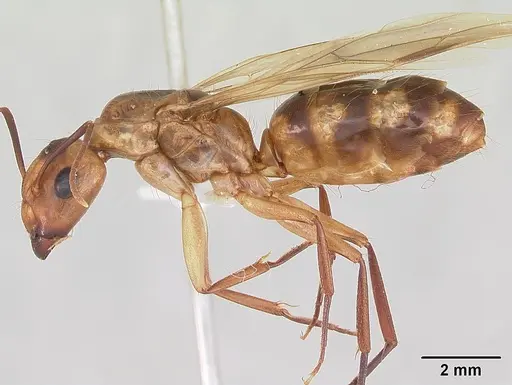
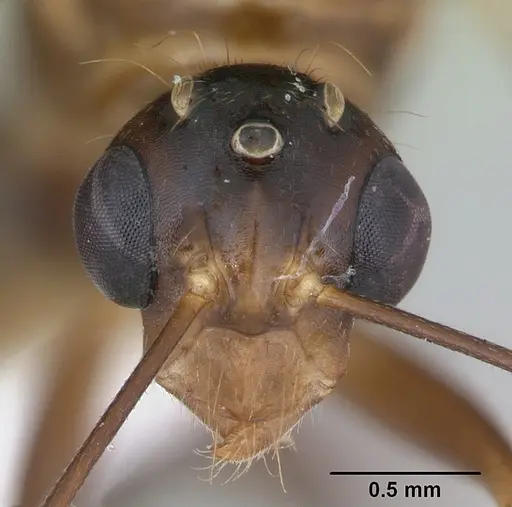
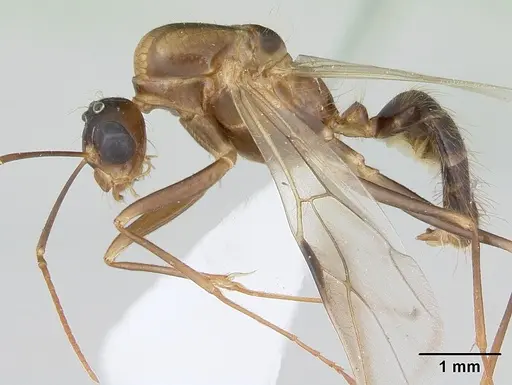
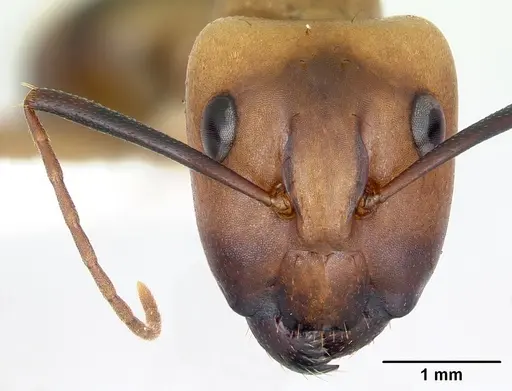
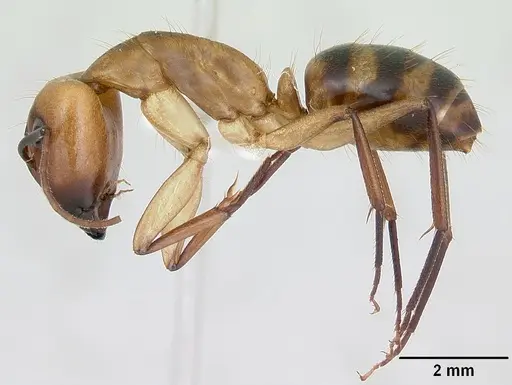
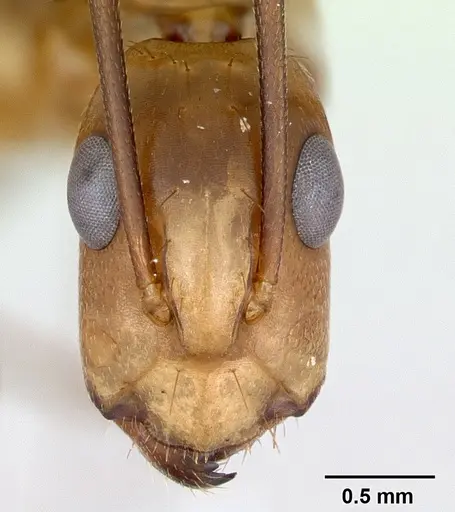
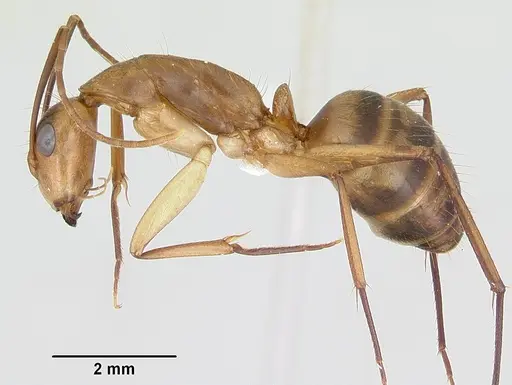
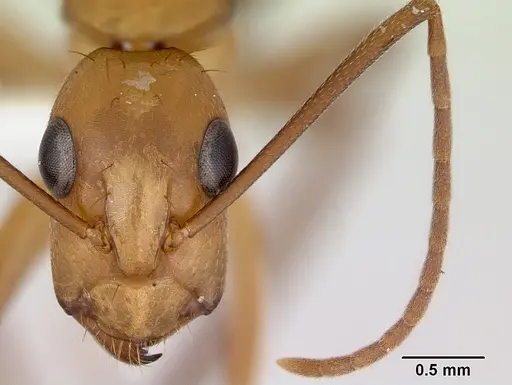
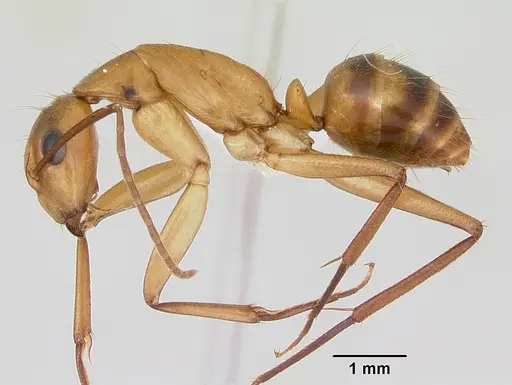
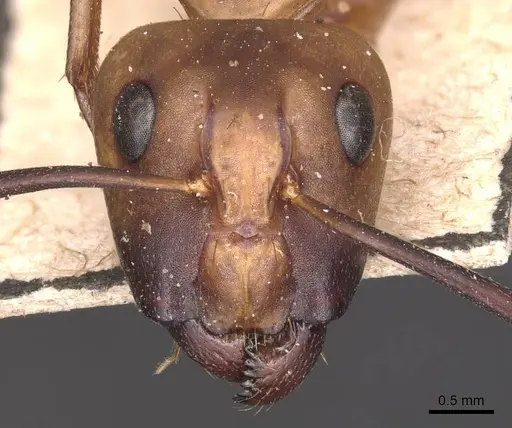
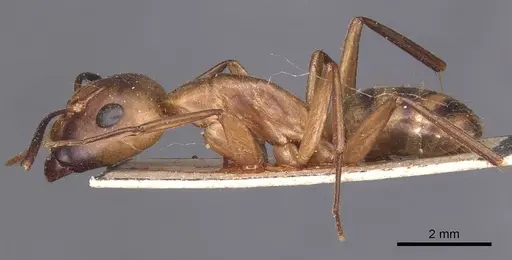
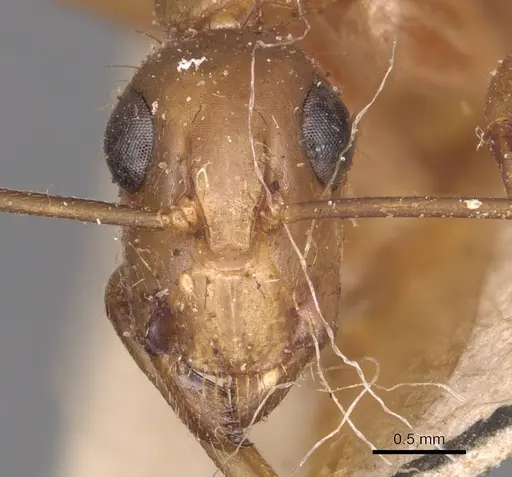
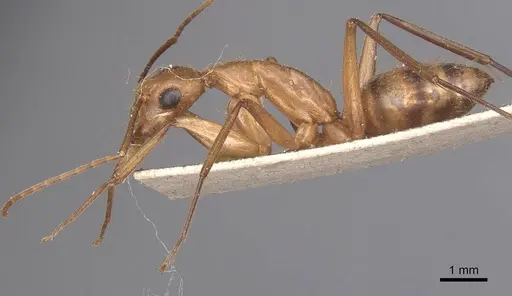
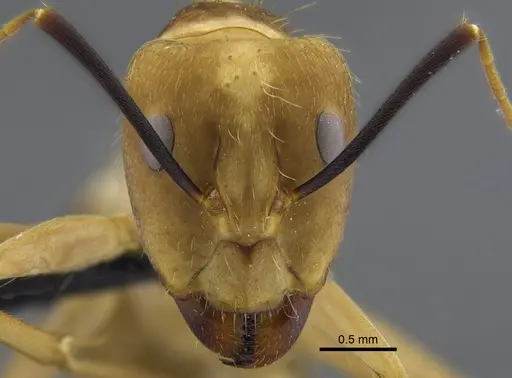
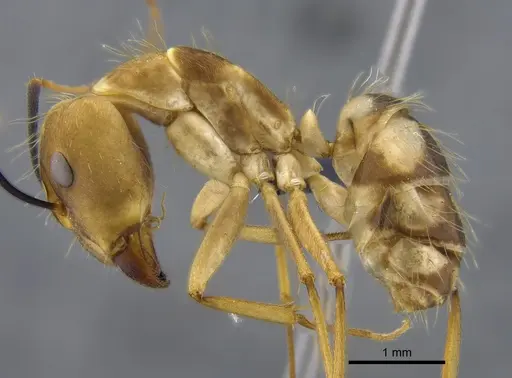
Camponotus zonatus is a large carpenter ant species native to the Neotropics, ranging from the southern United States through Central America to Brazil . Workers are pale brown with distinctive dark transverse bands across each segment of the gaster, though some individuals show yellow lateral spots or appear nearly black . This species belongs to the maculatus species complex and is often confused with related species like Camponotus macilentus and Camponotus conspicuus . This species has become an introduced species in the Galápagos Islands, where it now occupies 24 islands and islets from littoral zones to humid highlands, appearing to have replaced the endemic Camponotus macilentus in many areas . These ants are generalist foragers active day and night, with peak activity after dark, and they commonly nest under rocks, in rotten wood, and even within buildings . Their ability to thrive in disturbed urban areas has made them a domestic pest in parts of Colombia .
Quick Summary
- Difficulty: Expert
- Origin & Habitat: Neotropical region, from USA south to Brazil, including Central America, Caribbean islands, and introduced to Galápagos [1][3]. Found in tropical dry forests, urban areas, and can nest under rocks, at tree bases, or in buildings [3][4][5].
- Colony Type: Polygyne, multiple queens per colony. This species nests under rocks, in rotten logs, and in and around buildings [3].
- Size & Growth:
- Queen: ~12-15mm, inferred from 'large' description (total length over 1cm) [1]
- Worker: ~6-12mm for major and minor workers, inferred from species descriptions [1][2]
- Colony: Several thousand workers in established polygyne colonies [3]
- Growth: Moderate
- Development: ~6-10 weeks at optimal temperatures, inferred from typical Camponotus development [1] (Large carpenter ants like this species typically take 6-10 weeks from egg to first worker at optimal temperatures around 24-28°C.)
- Antkeeping:
- Temperature: Keep at 24-28°C. As a tropical species, they need warm conditions year-round. A heating cable on one side of the nest creates a temperature gradient [3].
- Humidity: Moderate humidity. Provide a water source and keep nest substrate slightly moist but not waterlogged. They nest in soil under rocks in seasonally dry forests [3][4].
- Diapause: No, being a tropical species, they do not require hibernation. Activity may reduce slightly during cooler periods but no true diapause [3].
- Nesting: Y-tong (AAC) nests or plaster nests work well. These ants naturally nest in soil under stones and occasionally in rotten wood [1][4]. Provide a nest with chambers large enough for their major workers. Test tubes can work for founding colonies.
- Behavior: Generally calm and non-aggressive for a large carpenter ant. Workers are active day and night with peak foraging after dark [1][3]. They are generalist foragers that tend hemipterans for honeydew and visit flowers for nectar [3]. Escape risk is moderate, they are large ants but good climbers. Use standard barrier methods like Fluon on the rim of the outworld. They can be kept in standard formicariums but ensure the outworld has enough space for their foraging trails. Minor workers are smaller and may slip through loose connections, so check all joints.
- Common Issues: colonies may fail if kept too cold, maintain warm temperatures year-round, WARNING: Camponotus zonatus is an invasive species in the Galápagos Islands. It is NOT recommended to keep this species outside its native range. If kept, extreme precautions must be taken to prevent any escape, as established invasive populations can cause severe ecological damage., never release this species in non-native areas, it is ecologically harmful, polygyne colonies can become very large quickly, ensure adequate space before colony explodes, confusion with similar species means wild-caught identifications may be incorrect, urban nesting means they may carry pests or parasites into captivity, quarantine new colonies
Nuptial Flight Activity Analysis 281 observations
Flight Activity by Hour 281 observations
Camponotus zonatus nuptial flight activity peaks around 21:00 during the night. Activity is spread across a 24-hour window (00:00–23:00). Times may be influenced by human observation patterns.
Housing and Nest Setup
Camponotus zonatus adapts well to various captive setups. For founding colonies, a test tube setup works fine, queen seals herself in and needs only a water tube for humidity. Once the colony reaches 20-30 workers, consider moving to a Y-tong (AAC) nest or plaster formicarium. These ants naturally nest in soil under stones, so a naturalistic setup with a dirt chamber works well [1][4]. Provide a water source and keep the nest slightly humid. Since they're polygyne, ensure the nest has enough chambers for multiple queens and their broods. The outworld should be spacious enough for their foraging trails, these are large ants that need room to move.
Feeding and Diet
Like most Camponotus species, C. zonatus is a generalist that accepts a varied diet. Offer sugar water or honey as a constant energy source, they readily tend hemipterans for honeydew in the wild [3]. For protein, provide insects like mealworms, crickets, or fruit flies. They are nocturnal foragers, so offering food in the evening often yields better results [1][3]. Their large size means they can tackle bigger prey than tiny ants. In the wild they visit flowers, so they may accept nectar sources too. Feed protein 2-3 times per week and keep sugar water available constantly.
Temperature and Seasonal Care
Being a tropical species, C. zonatus needs warm conditions year-round. Keep the nest at 24-28°C for optimal brood development [3]. A heating cable placed on one side of the nest creates a gradient allowing ants to regulate their temperature. They do not require hibernation or diapause, unlike temperate species, they stay active throughout the year [3]. In cooler climates, ensure heating is consistent, especially in winter. They can tolerate brief temperature drops but prolonged cold will slow or stop brood development. Room temperature in the low-to-mid 20s°C is usually adequate.
Colony Structure and Growth
C. zonatus is a polygyne species, meaning colonies contain multiple reproductive queens [3]. This leads to faster colony growth than single-queen species since egg production is distributed among several queens. Colonies can become quite large, potentially reaching several thousand workers in mature nests. The species shows polymorphism, major workers are significantly larger than minor workers and often have modified heads that can block nest entrances [4]. Growth is moderate for a large carpenter ant, expect 6-10 weeks from egg to first worker, then several months to reach 50+ workers. Established polygyne colonies can grow explosively.
Behavior and Foraging
Workers are active day and night, with peak foraging activity occurring after dark [1][3]. They are generalist foragers that search for sugar sources, insects, and nectar. In the wild, they tend hemipterans for honeydew and have been observed visiting flowers of plants like Tournefortia and Clerodendrum [3]. They can be domestic pests, especially in urban areas of Colombia, entering buildings in search of food [1]. In captivity, they are generally calm and not particularly aggressive. Their large size makes them impressive foragers to watch. Minor workers may be more active outside the nest while majors defend the colony and help process larger food items.
Frequently Asked Questions
Can I keep Camponotus zonatus in a test tube?
Yes, test tubes work well for founding colonies. The queen will seal herself in a chamber and raise her first workers on stored fat reserves. Keep the tube humid but not wet, and provide a dark area for the colony. Once the colony reaches 30-50 workers, consider moving to a larger setup like a Y-tong or plaster nest.
How long does it take for first workers to appear?
Expect 6-10 weeks from egg to first worker at optimal temperatures of 24-28°C. This is typical for large Camponotus species. The first workers will be smaller than mature workers but will grow as the colony expands.
Are Camponotus zonatus good for beginners?
No. This species is an invasive species in the Galápagos and should not be kept by beginners. If you choose to keep it, be aware that accidental release could cause severe ecological damage. They require warm temperatures year-round and can grow into very large polygyne colonies.
Can I keep multiple queens together?
Yes, this is a polygyne species, multiple queens naturally coexist in established colonies [3]. However, combining unrelated founding queens is not recommended as they may fight. If you have a mated queen from a polygyne source, she can be added to an existing colony, but introduce her carefully.
How big do colonies get?
As a polygyne species, colonies can grow very large, potentially several thousand workers in mature nests. The Galapagos populations have spread extensively, indicating successful colony growth. Expect significant growth once the colony passes the 100-worker mark.
Do they need hibernation?
No, as a tropical species they do not require hibernation. Keep them warm year-round at 24-28°C. They may show slightly reduced activity during cooler periods but will remain active without a diapause period.
What do Camponotus zonatus eat?
They are generalists, offer sugar water or honey constantly, and protein (insects like mealworms, crickets) 2-3 times per week. They will also accept fruit and nectar sources. Feed them in the evening since they are most active at night.
Why are my ants dying?
The most common cause is keeping them too cold, ensure temperatures stay above 24°C. Also check humidity levels (too wet or too dry), food freshness, and escape prevention. Wild-caught colonies may carry parasites that can decimate captive colonies.
When is the nuptial flight of Camponotus zonatus?
The nuptial flight of Camponotus zonatus typically occurs From April to July.
What time of day does Camponotus zonatus fly?
The nuptial flight of Camponotus zonatus peaks around 21:00 during the night, with most activity between 00:00 and 23:00. Times may be influenced by human observation patterns.
Report an Issue
The current care sheet is based fully on literature. See inconsistencies, or something that's incorrect? Please , it will be resolved after review from an admin. Contributing to the blogs tab also helps providing information, to make us be able to further improve the caresheets. Thank you for your support!
References

This caresheet is licensed under CC BY-SA 4.0 .
Community Blogs
ANTWEB1041860
View on AntWeb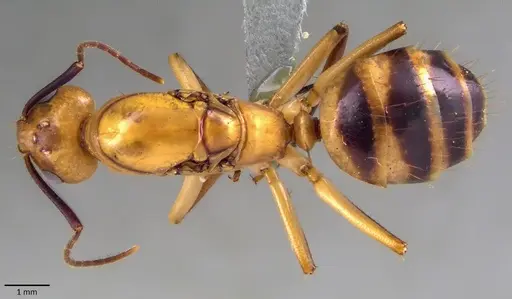
CASENT0173222
View on AntWeb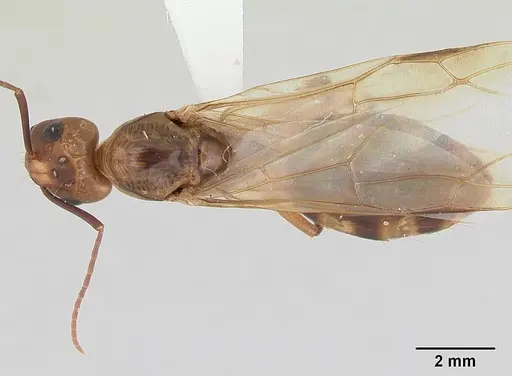
CASENT0173223
View on AntWeb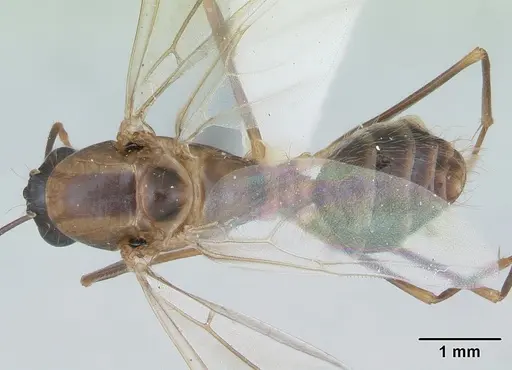
CASENT0173224
View on AntWeb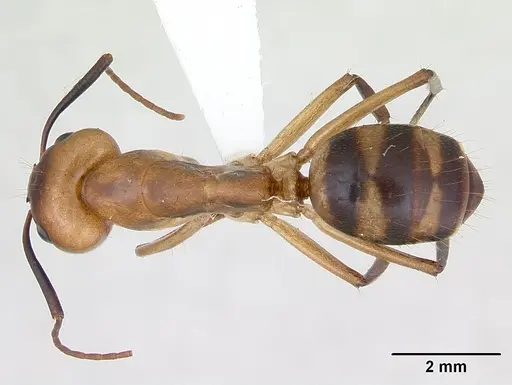
CASENT0173225
View on AntWeb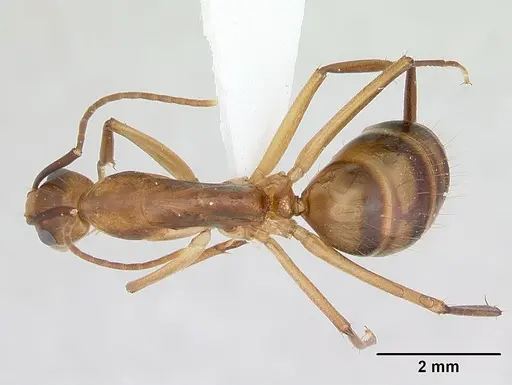
CASENT0173226
View on AntWeb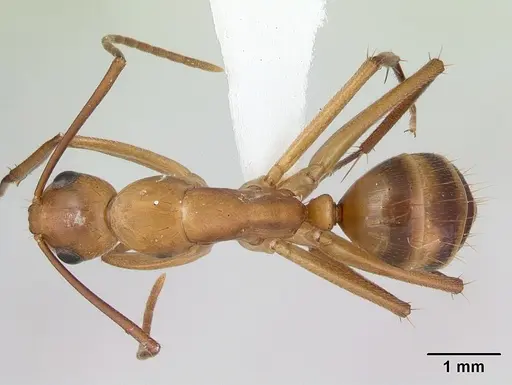
CASENT0905261
View on AntWeb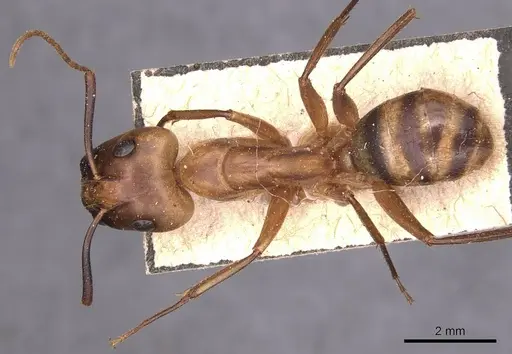
CASENT0905262
View on AntWeb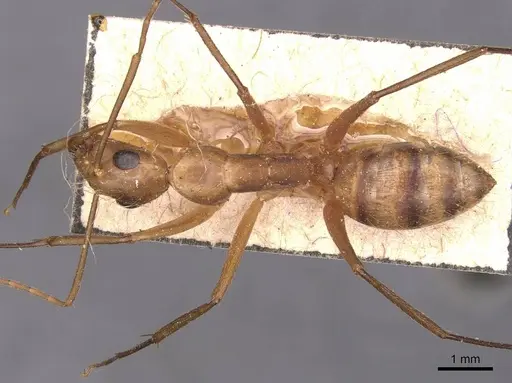
CBUMAGENT41795
View on AntWeb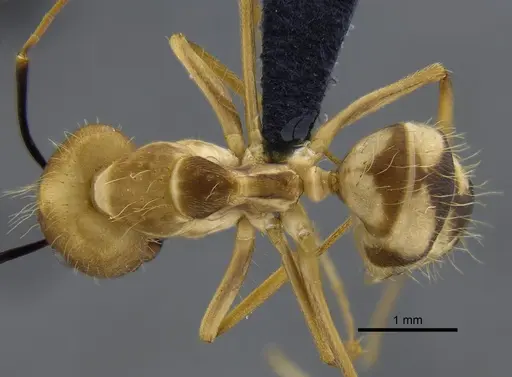
Literature
Loading distribution map...Loading products...