
Camponotus zoc
- Sci. Name
- Camponotus zoc
- Subgenus
- Myrmobrachys
- Tribe
- Camponotini
- Subfamily
- Formicinae
- Author
- Forel, 1879
- Distribution
- Found in 3 countries
Introduction
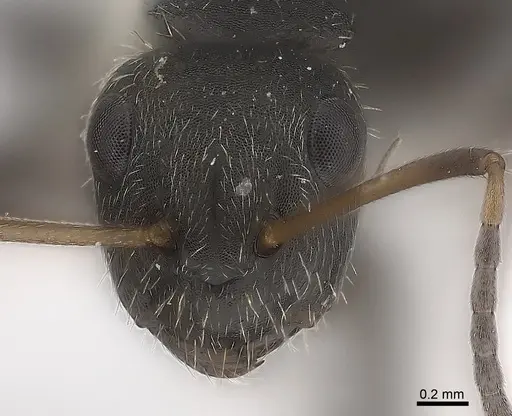
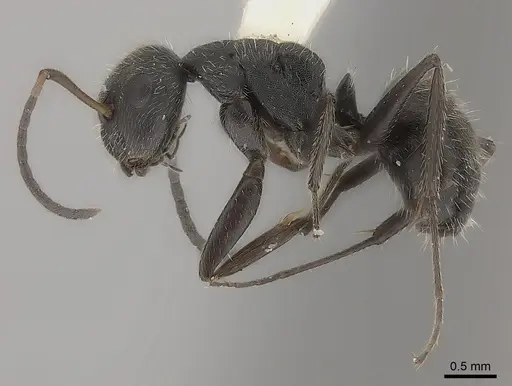
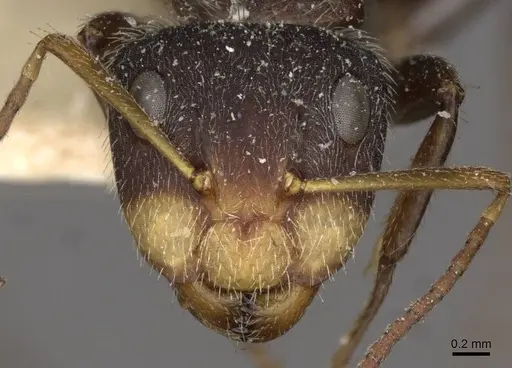
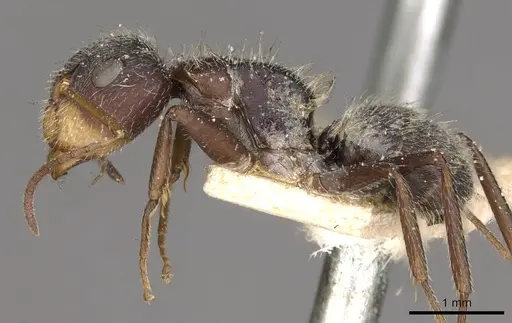
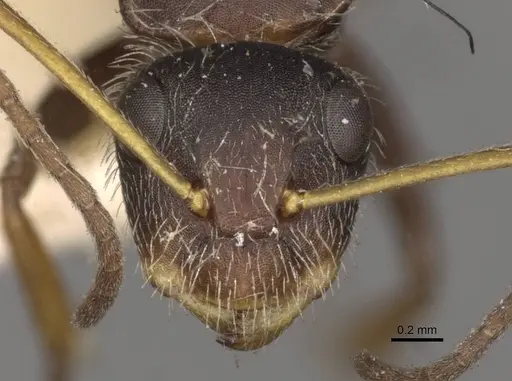
Camponotus zoc is a Neotropical carpenter ant belonging to the subgenus Myrmobrachys. Workers range from 3.3 to 6.3 mm, with majors considerably larger than minors . Their color is distinctive: minors have a black head with brownish marks on the front of the cheeks and funicles, and the thorax can show reddish tones . This species is native to a wide swath of Central and South America, from Guatemala down through Colombia, Venezuela, Guyana, French Guiana, Suriname, Trinidad and Tobago, and Peru . It nests arboreally in dry tree trunks and hollows, having been recorded at elevations around 980 m in Colombia . What sets this Camponotus apart is its strong preference for dry, elevated nesting sites rather than ground nests.
Quick Summary
- Difficulty: Medium
- Origin & Habitat: Neotropical region: Guatemala, Colombia, Venezuela, Guyana, French Guiana, Suriname, Trinidad and Tobago, Peru [2]. Found in dry tree trunks and hollows, often in isolated trees, at altitudes up to 980 m [1][3][4].
- Colony Type: Unconfirmed monogyne, typical for Camponotus, but no species-specific data exist. The colony type is inferred from genus patterns.
- Size & Growth:
- Queen: Estimated 9-12 mm based on genus patterns (no direct measurements available).
- Worker: 3.3-6.3 mm [1]
- Colony: Possibly up to several hundred workers, inferred from typical Camponotus colony development.
- Growth: Moderate, typical for tropical Camponotus.
- Development: Estimated 6-8 weeks at 25-28°C based on genus-level Camponotus data. (Development is likely faster than for temperate species. First nanitics may appear within 4-6 weeks under warm conditions.)
- Antkeeping:
- Temperature: Keep at 24-28°C year-round. As a tropical species, consistent warmth is critical. A heating cable on one side creates a gradient [1].
- Humidity: Low humidity, the nest substrate should be dry to match their natural habitat. Avoid condensation, provide a water source in the outworld rather than wetting the nest.
- Diapause: No, this tropical species does not require hibernation. Maintain stable temperatures throughout the year [1].
- Nesting: Arboreal setup works best. Use Y-tong (AAC), cork, or plaster nests with dry chambers. Avoid acrylic nests. Vertical space and multiple chambers are beneficial. Do not use soil or moist substrates.
- Behavior: Generally calm and non-aggressive. Workers defend by biting and spraying formic acid, they have no functional sting. They are moderately active foragers and prefer climbing vertical surfaces. Escape risk is moderate for their size, standard barriers work well. Accept a typical carpenter ant diet of sugar water and protein.
- Common Issues: tropical species needs constant warmth, cold drafts can kill the colony, arboreal nature may cause rejection of ground-level test tube setups, dry nesting preference means over-humidity leads to mold problems, slow initial growth can tempt overfeeding and mold in founding chambers, wild-caught colonies may arrive with parasites or in poor condition
Nest Preferences and Housing
Camponotus zoc is an arboreal species that naturally nests in dry tree trunks and hollows [1]. In captivity, use Y-tong (AAC), plaster, cork, or 3D-printed nests that provide dry chambers. Avoid acrylic or naturalistic soil setups, as excess moisture can quickly lead to mold and colony stress. A test tube is fine for founding, but watch for condensation. Once you have 20+ workers, move to a formicarium with vertical space, this species likes to climb. The key is keeping conditions dry, warm, and providing multiple chambers to allow natural foraging behavior.
Feeding and Diet
Like other Camponotus, these ants thrive on a standard diet. Offer sugar water or honey constantly for energy. For protein, provide small insects such as fruit flies, pinhead crickets, or mealworms 2-3 times per week. Remove uneaten prey after 24 hours. Minor workers handle small prey, majors can take larger items. Some keepers provide fruit occasionally, but the protein-sugar combo is essential. Always provide a clean water source.
Temperature and Seasonal Care
As a tropical species, Camponotus zoc needs stable warmth year-round. Keep the nest at 24-28°C, they do not enter diapause [1]. A small heating mat on one side of the nest creates a gradient so the colony can choose. Room temperature in heated homes may work, but monitor for signs of cold stress (clustering, reduced activity). Avoid placing the nest near air conditioning vents or cold windows. Cold stress is a common cause of failure with tropical ants.
Colony Founding and Growth
Founding behavior is unconfirmed, but based on genus patterns, Camponotus zoc queens are likely claustral, they seal themselves in a chamber and raise the first brood without food. Don't disturb the queen during this phase. At optimal temperatures, first nanitic workers appear in an estimated 6-8 weeks. Once workers are present, start offering sugar water and small protein items. Growth is moderate, the colony may reach around 50 workers in 6-12 months. Major workers appear later as the colony grows.
Behavior and Temperament
Camponotus zoc is a calm, non-aggressive species. When threatened, they bite and spray formic acid, they have no sting. Workers are moderately active foragers and prefer climbing vertical spaces. Standard escape prevention works well for their size. Major workers have larger mandibles but are not particularly defensive. This species is suitable for keepers with some experience, especially those who can maintain consistent warmth. [1]
Frequently Asked Questions
How long does it take for Camponotus zoc to produce first workers?
Expect first nanitic workers in an estimated 6-8 weeks at 25-28°C. This is typical for tropical Camponotus. Timing depends on temperature stability and whether the founding chamber is undisturbed.
Do Camponotus zoc ants need hibernation?
No. As a tropical species, they do not require hibernation. Keep them warm (24-28°C) year-round. Cold exposure can be fatal [1].
What size nest should I use for Camponotus zoc?
Start with a test tube or small Y-tong chamber for founding. Once the colony has 20+ workers, move to a larger formicarium with vertical space. Dry setups (cork, plaster, Y-tong) work better than moist naturalistic ones.
Are Camponotus zoc good for beginners?
They are a medium-difficulty species. They require consistent warmth and dry conditions, which can be challenging for complete beginners. They are not aggressive and have moderate escape risk. Best for keepers with some experience maintaining tropical conditions.
What do Camponotus zoc eat?
They accept standard carpenter ant fare: sugar water or honey constantly, and small insects (fruit flies, pinhead crickets, mealworms) for protein 2-3 times per week.
How big do Camponotus zoc colonies get?
Based on typical Camponotus patterns, colonies likely reach several hundred workers over 2-3 years under good conditions. Worker size range is 3.3-6.3 mm, with majors larger [1].
Why is my Camponotus zoc colony not growing?
Check three things: temperature (must be 24-28°C), humidity (keep the nest dry, not wet), and feeding (enough protein?). Cold stress and mold from excess moisture are common issues. Also confirm the queen is still alive and laying.
Can I keep multiple Camponotus zoc queens together?
Probably not, they are believed to be monogyne, though this is unconfirmed. Combining unrelated queens will likely result in fighting. Keep only one queen per colony.
Where does Camponotus zoc naturally live?
They inhabit the Neotropical region: Guatemala, Colombia, Venezuela, Guyana, French Guiana, Suriname, Trinidad and Tobago, and Peru [2]. They nest arboreally in dry tree trunks and hollows, often in isolated trees, up to 980 m elevation [1][3].
Report an Issue
The current care sheet is based fully on literature. See inconsistencies, or something that's incorrect? Please , it will be resolved after review from an admin. Contributing to the blogs tab also helps providing information, to make us be able to further improve the caresheets. Thank you for your support!
References

This caresheet is licensed under CC BY-SA 4.0 .
Community Blogs
CASENT0217720
View on AntWeb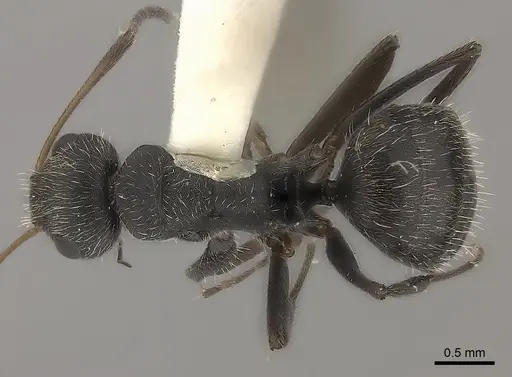
CASENT0910723
View on AntWeb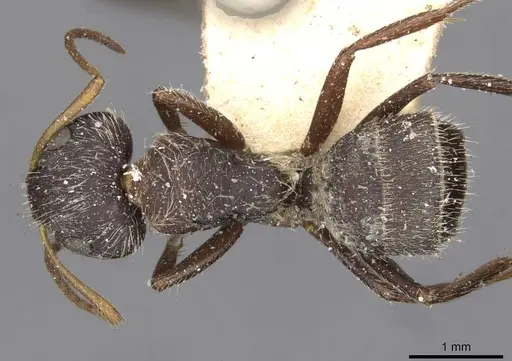
CASENT0910724
View on AntWeb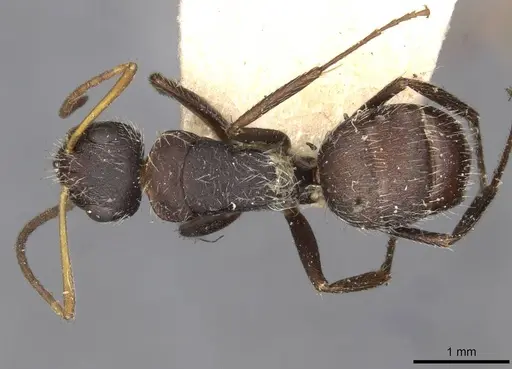
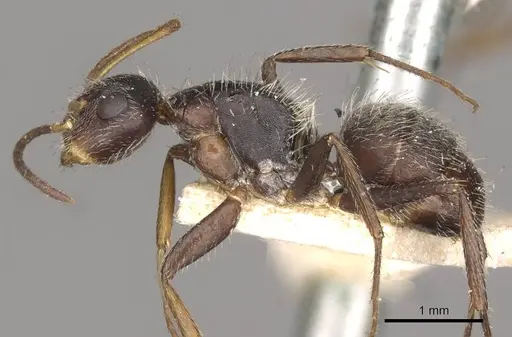
CASENT0923563
View on AntWeb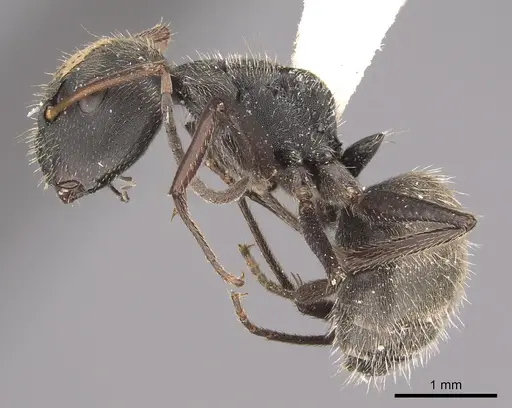
Literature
Loading distribution map...Loading products...