
Camponotus woodroffeensis
- Sci. Name
- Camponotus woodroffeensis
- Tribe
- Camponotini
- Subfamily
- Formicinae
- Author
- McArthur, 2008
- Distribution
- Found in 1 countries
Introduction
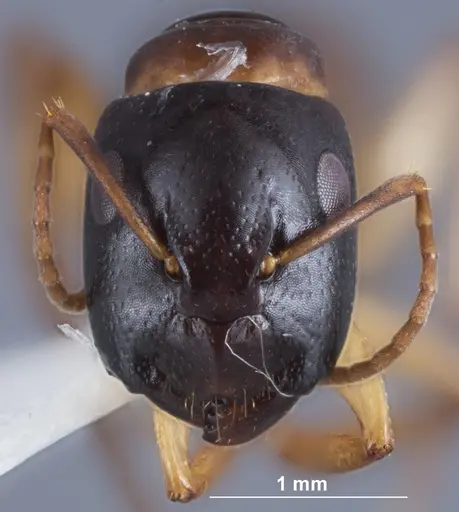
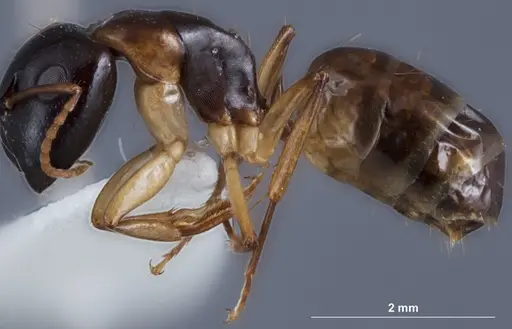
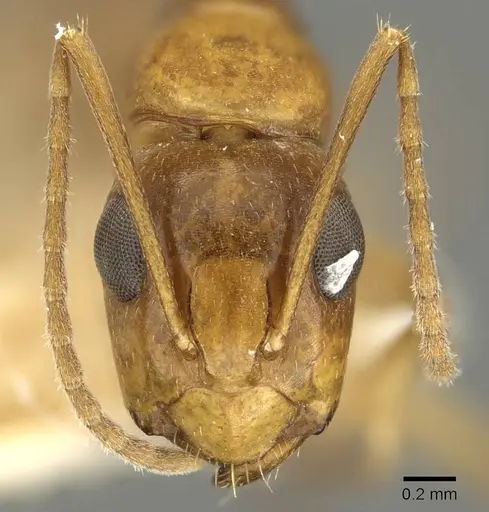
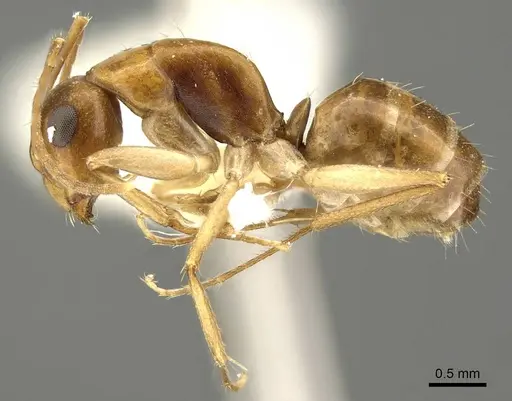
Camponotus woodroffeensis is a small Australian carpenter ant belonging to the C. claripes minimus group. Minor workers are brownish yellow with a darker gaster, while major workers are dark brown with lighter limbs. They have notably large eyes compared to related species. This ground-nesting ant was described in 2008 from specimens collected in South Australia's Musgrave Ranges near Mount Woodroffe, where they nest in Spinifex grass areas close to rocky creeks . The species is named after Mount Woodroffe, the highest peak in South Australia, where it was first discovered.
Quick Summary
- Difficulty: Medium
- Origin & Habitat: South Australia, Australia. Found in arid to semi-arid regions including the Musgrave Ranges, Mount Woodroffe area, and locations near Beachport, Morialta Reserve, and the South Para Reservoir. They nest in the ground in Spinifex (Triodia) areas near rocky creeks at elevations around 1000m [1].
- Colony Type: Colony structure is unconfirmed for this species. Most Camponotus species form single-queen colonies, but specific data for C. woodroffeensis is unavailable.
- Size & Growth:
- Queen: ~10-15mm, inferred from Camponotus genus patterns for small species
- Worker: ~4-8mm, inferred from Camponotus genus patterns for small species in the C. claripes minimus group
- Colony: Estimated up to several hundred workers based on typical Camponotus patterns
- Growth: Moderate
- Development: 6-10 weeks at optimal temperature (estimated based on genus patterns for small Camponotus species) (Development time depends on temperature, warmer conditions within acceptable range speeds development)
- Antkeeping:
- Temperature: Keep nest area at 22-26°C. As an Australian arid-region species, they can tolerate warmer conditions but avoid extreme heat. A heating cable on one side of the nest creates a useful gradient.
- Humidity: Moderate humidity. These ground-nesting ants from spinifex areas near creeks prefer substrate that is slightly moist but not waterlogged. Allow portions of the nest to dry between water additions.
- Diapause: Yes, Australian temperate species benefit from a winter rest period. Reduce temperature to 15-18°C for 2-3 months during winter months (Southern Hemisphere: roughly May-August).
- Nesting: Ground-nesting species. A Y-tong (AAC) nest with soil or a naturalistic setup with soil substrate works well. They prefer enclosed chambers that mimic their natural soil nesting sites. Avoid overly wet conditions that could cause mold.
- Behavior: Generally calm and non-aggressive for a Camponotus species. Workers are active foragers that search for sugar sources and protein. They are not known for being particularly defensive but will bite if threatened. Escape risk is moderate, use standard Camponotus escape prevention (fluon on edges). Major workers can deliver a mild bite.
- Common Issues: colonies may fail if kept too cold, maintain warm temperatures during active season, ground-nesting species needs proper substrate moisture, too wet causes mold, too dry stresses the colony, winter dormancy is important, skipping diapause can weaken colonies over time, newly caught colonies may have parasites, quarantine and monitor new colonies, slow initial growth during founding phase is normal, avoid overfeeding or disturbing the queen
Nest Preferences
Camponotus woodroffeensis is a ground-nesting species that naturally establishes colonies in soil chambers beneath vegetation. In captivity, they do well in Y-tong (AAC) nests filled with soil or gypsum, or in naturalistic setups with a soil substrate layer. The key is providing a dark, enclosed nesting area that mimics the underground chambers they use in the wild. They prefer moderate humidity in the nest chamber, the substrate should feel slightly damp but never soggy. A water reservoir or regular misting helps maintain appropriate moisture levels. Avoid placing the nest in direct sunlight or in areas with temperature extremes. [1]
Feeding and Diet
Like other Camponotus species, these ants are omnivorous. They readily accept sugar sources such as honey water, sugar water, or diluted honey. For protein, offer small insects like fruit flies, small mealworms, or cricket pieces. In the wild, they forage for honeydew from sap-sucking insects and hunt small invertebrates. Feed them a few times per week, offer sugar constantly (a cotton ball with honey water works well) and protein every 2-3 days. Remove uneaten prey after 24 hours to prevent mold. During the founding phase, the queen typically does not eat and relies on stored fat reserves until her first workers emerge.
Temperature and Seasonal Care
Maintain nest temperatures between 22-26°C for optimal brood development. As a species from South Australia's arid interior, they can tolerate warmer conditions but should be protected from temperatures above 35°C. A heating cable placed on one side of the nest creates a temperature gradient that allows the ants to self-regulate. During the Southern Hemisphere winter (roughly May to August), reduce temperatures to 15-18°C to provide a diapause period. This winter rest is important for colony health and longevity. If your colony was caught in the Southern Hemisphere, adjust their seasonal cycle accordingly, they should rest during the Australian winter months. [1]
Behavior and Colony Development
Camponotus woodroffeensis has typical carpenter ant behavior, workers are active foragers that emerge from the nest to search for food. They are not particularly aggressive and are considered a calm species to keep. Major workers are larger and can deliver a mild bite if provoked, but they rarely sting. Colony development is moderate, expect the first workers (nanitics) to emerge 6-10 weeks after the queen lays eggs, depending on temperature. Initial colony growth is slow as the queen alone tends the first brood. Once workers emerge, the colony typically grows steadily. Major workers appear as the colony matures, helping with defense and processing larger food items. [1]
Frequently Asked Questions
How long does it take for Camponotus woodroffeensis to produce first workers?
Expect 6-10 weeks from egg to first worker at optimal temperatures (22-26°C). This varies based on how warm you keep the nest, warmer temperatures within range speed development, while cooler conditions slow it down.
What do Camponotus woodroffeensis ants eat?
They are omnivorous. Offer them constant access to sugar (honey water or sugar water) and protein sources like small insects (fruit flies, mealworms, cricket pieces) a few times per week.
Do Camponotus woodroffeensis ants need hibernation?
Yes, they benefit from a winter rest period. Reduce temperatures to 15-18°C for 2-3 months during winter. Since they come from the Southern Hemisphere, their winter aligns with roughly May-August.
What is the best nest type for Camponotus woodroffeensis?
A Y-tong (AAC) nest with soil or a naturalistic setup with soil substrate works well. They are ground-nesting ants that prefer enclosed, dark chambers with moderate humidity.
Are Camponotus woodroffeensis good for beginners?
They are rated as medium difficulty. They are more forgiving than some tropical species but require attention to temperature and seasonal care. Beginners should be comfortable with basic antkeeping before attempting this species.
How big do Camponotus woodroffeensis colonies get?
Based on typical small Camponotus species, colonies likely reach several hundred workers over several years. Major workers appear as the colony matures.
Can I keep multiple queens together?
Colony structure is unconfirmed for this species. Most Camponotus form single-queen colonies, but specific data for C. woodroffeensis is unavailable. Combining unrelated queens is not recommended and typically results in fighting.
When should I move my colony to a formicarium?
Wait until the colony has at least 20-30 workers and is actively foraging. Moving too early can stress the queen. A test tube setup works well for the founding phase, transition to a larger nest once the colony outgrows the tube.
Why is my colony growing slowly?
Slow growth is normal during founding. Ensure temperatures are warm (22-26°C), humidity is appropriate (slightly moist but not wet), and the queen is undisturbed. Colonies naturally grow slowly until the first workers emerge, then growth typically accelerates.
Report an Issue
The current care sheet is based fully on literature. See inconsistencies, or something that's incorrect? Please , it will be resolved after review from an admin. Contributing to the blogs tab also helps providing information, to make us be able to further improve the caresheets. Thank you for your support!
References

This caresheet is licensed under CC BY-SA 4.0 .
Community Blogs
ANTWEB1041385
View on AntWeb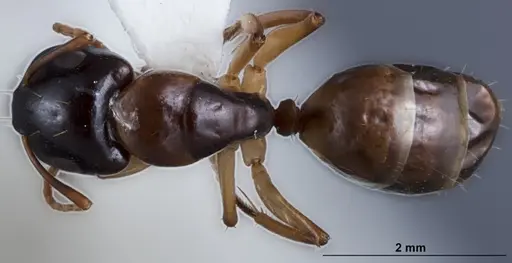
CASENT0915777
View on AntWeb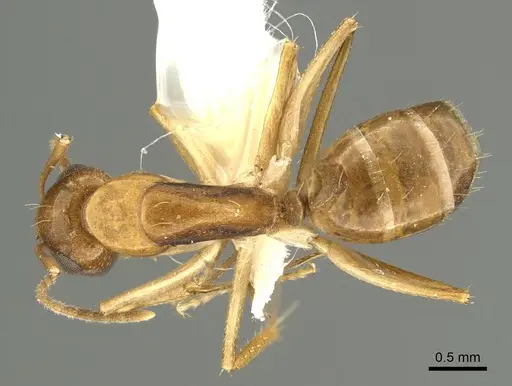
Literature
Loading distribution map...Loading products...