
Camponotus westermanni
- Sci. Name
- Camponotus westermanni
- Subgenus
- Myrmaphaenus
- Tribe
- Camponotini
- Subfamily
- Formicinae
- Author
- Mayr, 1862
- Distribution
- Found in 2 countries
Introduction
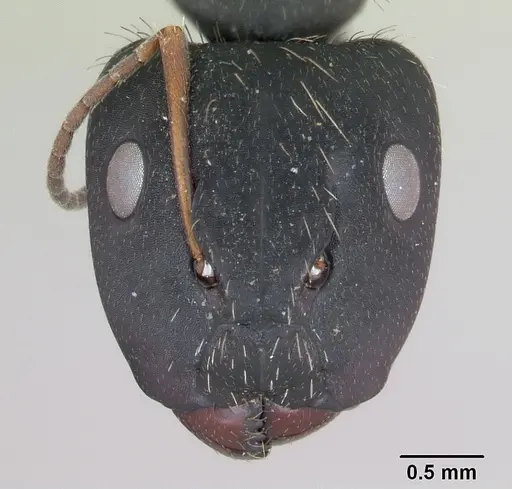
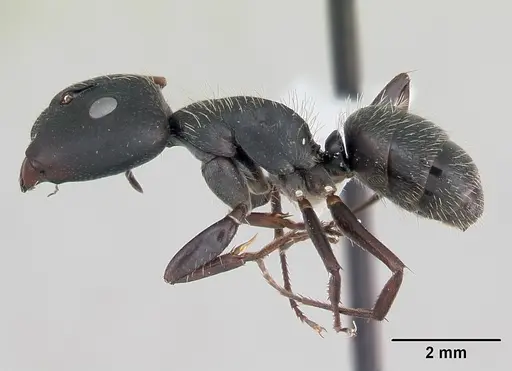
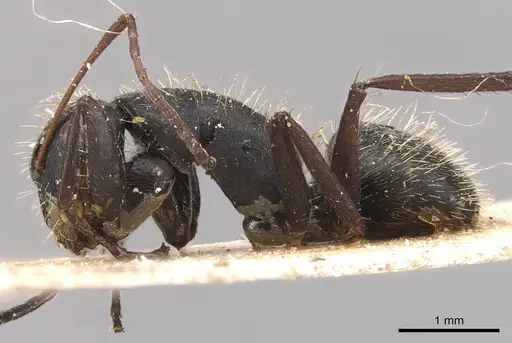
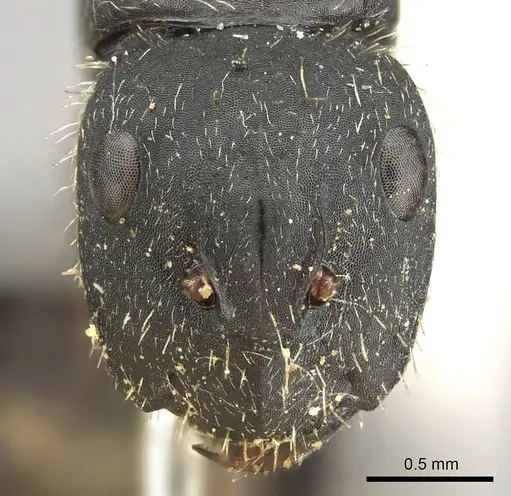
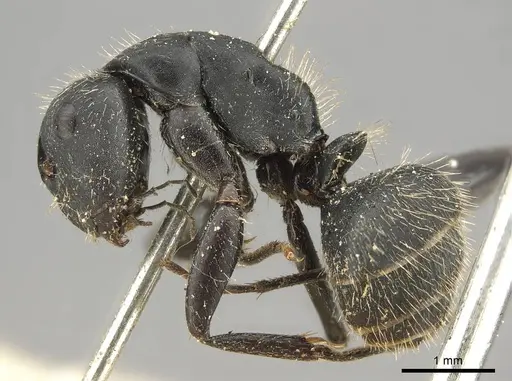
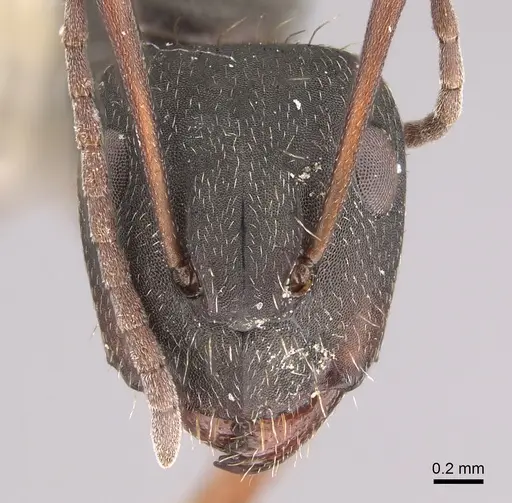
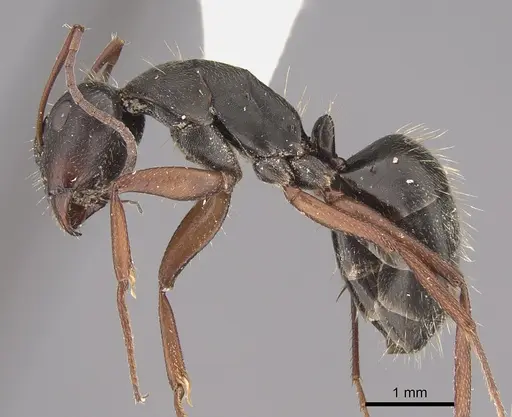
Camponotus westermanni is a Neotropical carpenter ant found across Brazil, Paraguay, and northern Argentina. Workers have the classic Camponotus body shape with a smooth, rounded thorax and relatively large abdomen. They belong to the subgenus Myrmaphaenus. This ant is part of the Subordinate Camponotini functional group, meaning they're relatively peaceful and not aggressive toward other ants or threats . In their natural habitat, they're found in mangrove areas along the southeast coast of Bahia, Brazil, and are known to visit coconut inflorescences, where they feed on nectar and honeydew from scale insects . The species was originally described by Mayr in 1862 from Brazilian specimens.
Quick Summary
- Difficulty: Medium
- Origin & Habitat: Neotropical region, Brazil, Paraguay, and Argentina (Misiones province). Found in mangrove ecosystems along the southeast coast of Bahia, Brazil, and in tropical forest areas [2][1].
- Colony Type: Colony structure for this species has not been directly studied. Based on typical Camponotus patterns, likely single-queen colonies.
- Size & Growth:
- Queen: size data unavailable, inferred from Camponotus genus (~12-16mm)
- Worker: size data unavailable, inferred from Camponotus subgenus Myrmaphaenus (~5-10mm)
- Colony: size data unavailable, inferred from Camponotus genus (several hundred workers)
- Growth: unknown, inferred from Camponotus genus as moderate
- Development: unknown, inferred from Camponotus genus (~6-10 weeks at 24-28°C) (Development time is inferred from genus-level data, as species-specific measurements are not available. Tropical temperatures (24-28°C) support faster development.)
- Antkeeping:
- Temperature: Keep nest area at 24-28°C. These are tropical ants from coastal Brazil, so they need warm, stable conditions. A heating cable on one side of the nest creates a gradient. Room temperature may be sufficient if your home stays in the low-mid 20s°C.
- Humidity: Moderate to high, they're found in mangrove areas, so they prefer damp conditions. Keep the nest substrate consistently moist but not waterlogged. Provide a water tube for drinking access.
- Diapause: No, as a tropical species, they don't require true hibernation. They may have reduced activity during cooler months but won't enter diapause. Keep temperatures stable year-round.
- Nesting: In captivity, they do well in Y-tong (AAC), plaster, or acrylic nests. They prefer nests with multiple chambers connected by narrow tunnels. As carpenter ants, they may chew through soft materials but won't damage hard acrylic or plaster. Provide a dark, quiet location.
- Behavior: These are relatively docile ants belonging to the Subordinate Camponotini group, they're not aggressive and won't defend their nest vigorously [1]. Workers are moderate foragers, typically searching for sugar sources (honeydew, nectar) and protein (insect prey). They have the typical Camponotus habit of raising their abdomen when disturbed, but they're unlikely to sting. Escape risk is moderate, they're not tiny ants, but they can squeeze through small gaps. Use standard barrier methods.
- Common Issues: tropical humidity requirements mean mold can develop if ventilation is poor, ensure adequate airflow, warm temperatures needed year-round, cold rooms can slow or stop colony growth, wild-caught colonies may have parasites that affect survival in captivity, slow initial growth during founding phase can lead to overfeeding or disturbance by impatient keepers
Nest Preferences
In the wild, Camponotus westermanni nests in rotting wood and potentially in soil cavities in mangrove areas. They're not true wood-borers like some Camponotus, they use existing cavities rather than excavating. For captive care, Y-tong (AAC) nests work excellently as they provide the dark, humid environment these ants prefer. Plaster nests are also suitable and hold moisture well. Acrylic nests are acceptable but monitor humidity levels more closely. The nest should have multiple chambers connected by narrow passages, these ants like some complexity in their nesting space. Keep the nest in a quiet area away from direct sunlight and vibrations. [2]
Feeding and Diet
Like most Camponotus species, these ants are omnivorous with a preference for sugar sources. In their natural habitat, they visit coconut inflorescences [3], indicating they feed on nectar and honeydew from scale insects and aphids. In captivity, offer sugar water (1:1 ratio) or honey as a constant energy source. For protein, provide small insects like fruit flies, small crickets, or mealworms. Feed protein 2-3 times per week, and keep sugar available at all times. Remove uneaten prey after 24-48 hours to prevent mold. Young colonies can be started with sugar water alone until the first workers emerge, then add protein sources.
Temperature and Care
As a Neotropical species from coastal Brazil, Camponotus westermanni needs warm conditions. Keep the nest area at 24-28°C, this is ideal for brood development and colony activity. A slight temperature gradient (warm end around 28°C, cooler end around 24°C) allows the ants to regulate their body temperature. Use a heating cable placed on top of the nest if your room temperature falls below 24°C. Avoid temperatures below 20°C for extended periods, this can slow development significantly. These ants don't require hibernation or diapause. Maintain stable temperatures year-round for optimal growth.
Behavior and Temperament
Camponotus westermanni belongs to the Subordinate Camponotini functional group, which means they're relatively peaceful and not aggressive [1]. They won't form aggressive swarms or defend their nest vigorously. When threatened, workers may raise their abdomen in a defensive posture (typical Camponotus behavior) but rarely actually sting. Workers are moderate foragers, they'll search for food both in the nest area and in an outworld. They're primarily active during warmer hours of the day. Colonies are moderately active but not hyperactive. They're a good choice if you want a visually impressive ant that's calm and easy to handle.
Frequently Asked Questions
Can I keep Camponotus westermanni in a test tube?
Test tubes work for temporary housing during the founding phase, but you'll need to move them to a proper nest (Y-tong, plaster, or acrylic) once the colony reaches 15-20 workers. Test tubes dry out quickly and don't provide enough space for growing colonies.
When should I move Camponotus westermanni to a formicarium?
Move them when the colony reaches 15-30 workers or when the test tube's water reservoir is running low. A formicarium provides proper humidity control, nesting space, and foraging area for growing colonies.
How long until first workers with Camponotus westermanni?
Expect first workers (nanitics) around 6-10 weeks after the queen lays eggs, assuming temperatures around 24-28°C. This is inferred from related Camponotus species, specific development data for this species isn't available. The first workers will be smaller than mature workers.
How fast do Camponotus westermanni colonies grow?
Growth is moderate, typical for Camponotus. After first workers emerge, the colony typically reaches 50-100 workers within 6-12 months under good conditions. Growth depends heavily on temperature, feeding, and colony stability.
Can I keep multiple Camponotus westermanni queens together?
This species is monogyne (single-queen) based on typical Camponotus patterns. Combining unrelated queens is not recommended and likely results in fighting. Only keep one queen per colony.
How big do Camponotus westermanni colonies get?
Based on typical Camponotus sizes, colonies likely reach several hundred workers. Exact maximum colony size hasn't been documented for this species.
What do Camponotus westermanni eat?
They need a balanced diet: constant sugar source (sugar water or honey) and regular protein (small insects like fruit flies, crickets, or mealworms). They also likely accept honeydew if you keep aphids, but sugar and insects are sufficient.
Are Camponotus westermanni good for beginners?
They're a medium-difficulty species. They're more forgiving than some tropical ants because they tolerate a wider temperature range, but they do need consistent warmth and humidity. If you can maintain stable room temperatures in the low-mid 20s°C and provide proper humidity, they're manageable for beginners.
Do Camponotus westermanni need hibernation?
No, they're a tropical species from Brazil and don't require hibernation or diapause. Keep them warm year-round. They may have slightly reduced activity during cooler months but won't enter a true rest period.
Why are my Camponotus westermanni dying?
Common causes include: temperatures below 20°C (slows development and can kill founding colonies), low humidity causing desiccation, mold from poor ventilation, overfeeding leading to mold, or parasites from wild-caught colonies. Check temperature, humidity, and ventilation first.
Report an Issue
The current care sheet is based fully on literature. See inconsistencies, or something that's incorrect? Please , it will be resolved after review from an admin. Contributing to the blogs tab also helps providing information, to make us be able to further improve the caresheets. Thank you for your support!
References

This caresheet is licensed under CC BY-SA 4.0 .
Community Blogs
CASENT0173460
View on AntWeb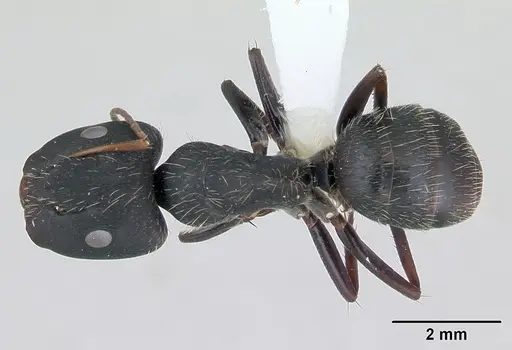
CASENT0905484
View on AntWeb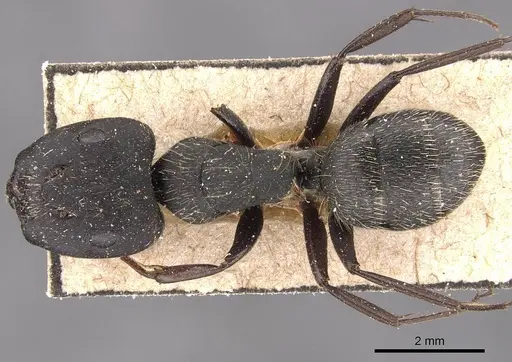
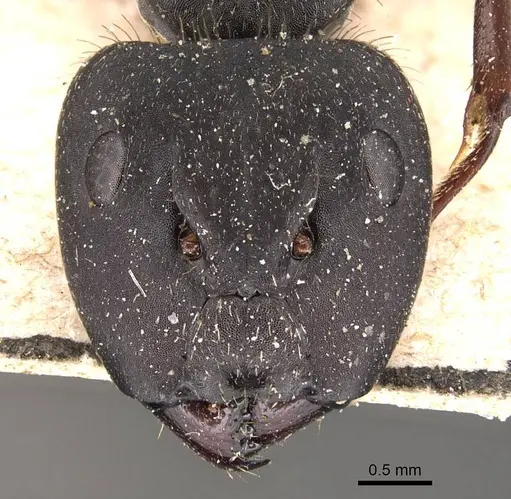
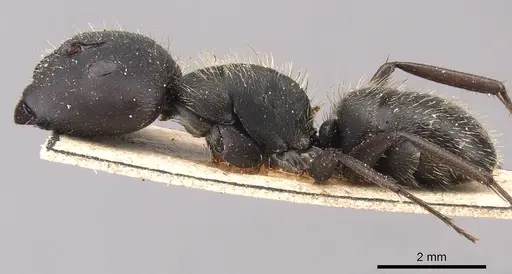
CASENT0905485
View on AntWeb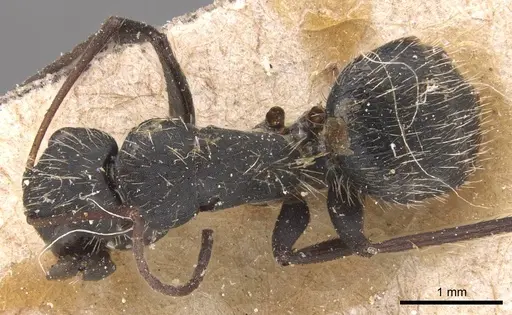
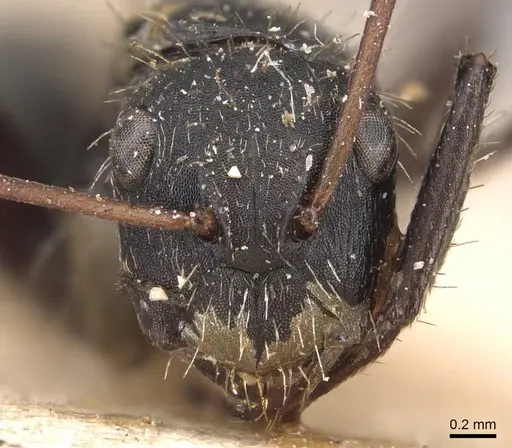
CASENT0915807
View on AntWeb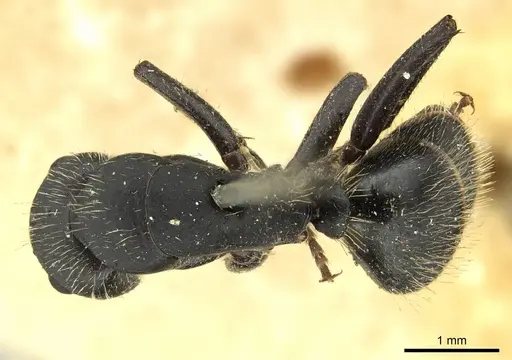
CASENT0923561
View on AntWeb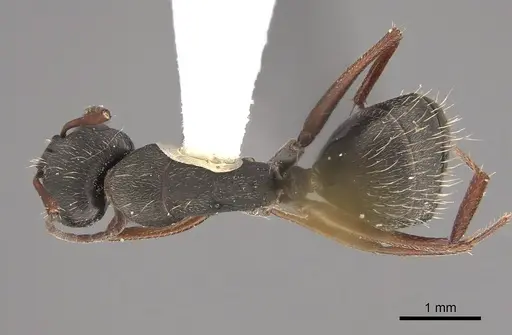
Literature
Loading distribution map...Loading products...