
Camponotus werthi
- Sci. Name
- Camponotus werthi
- Subgenus
- Tanaemyrmex
- Tribe
- Camponotini
- Subfamily
- Formicinae
- Author
- Forel, 1908
- Distribution
- Found in 2 countries
Introduction
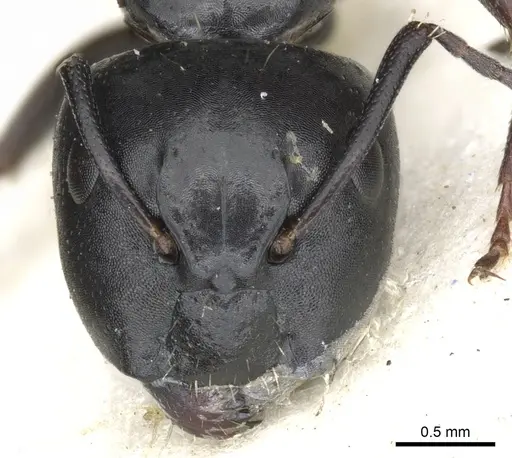
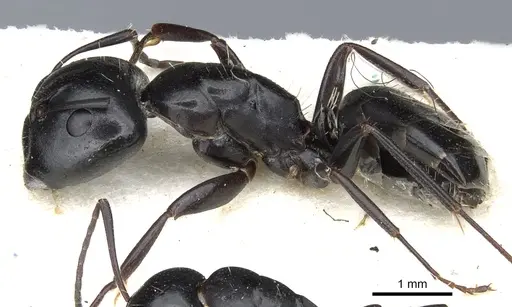
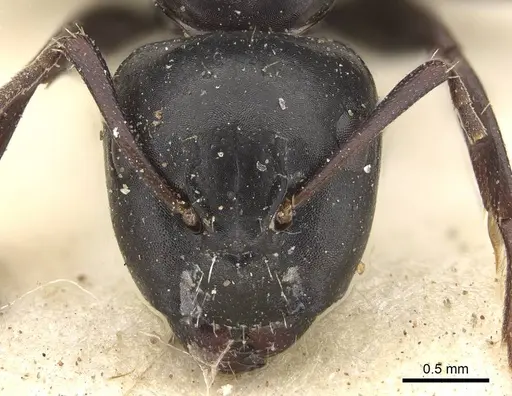
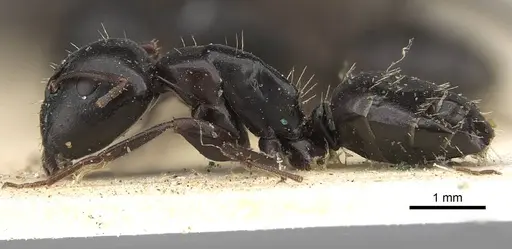
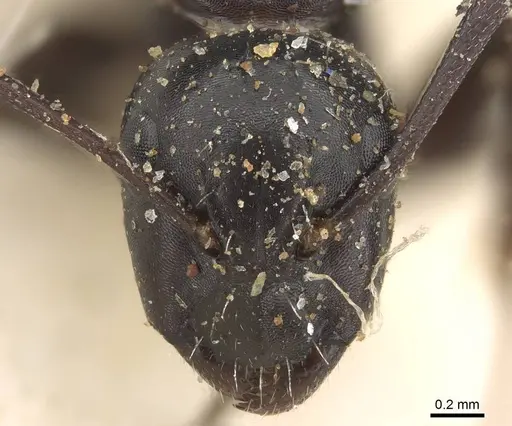
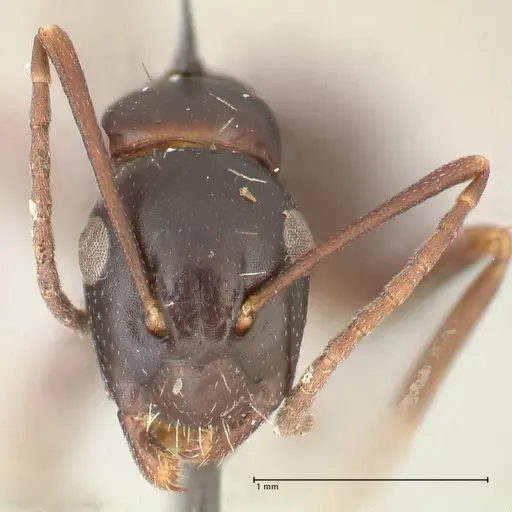
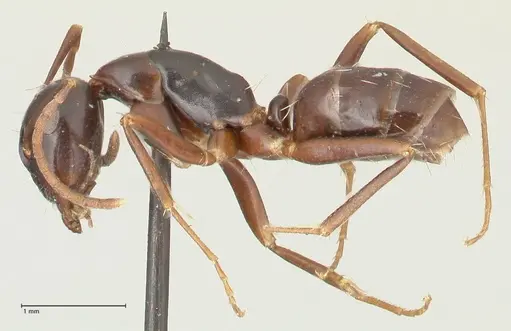
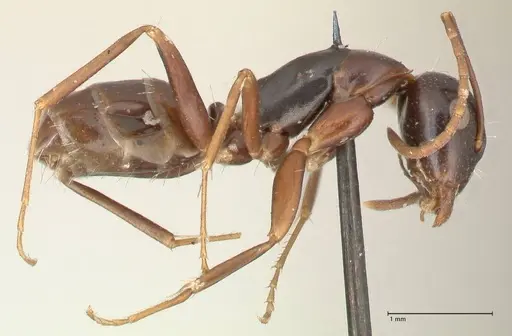
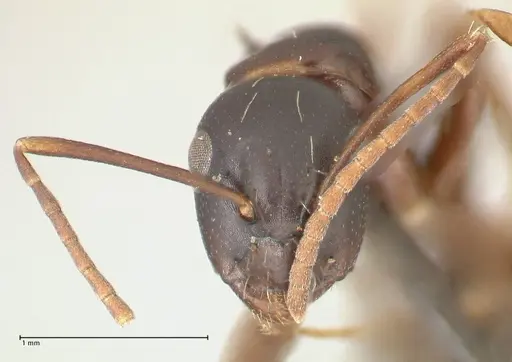
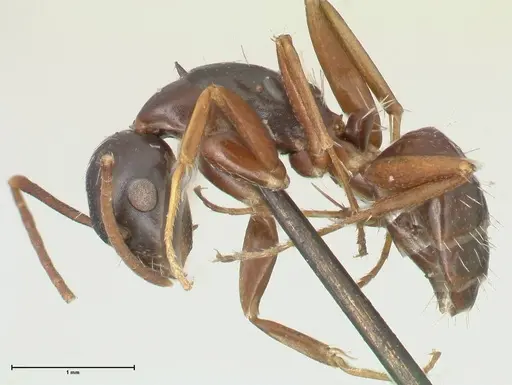
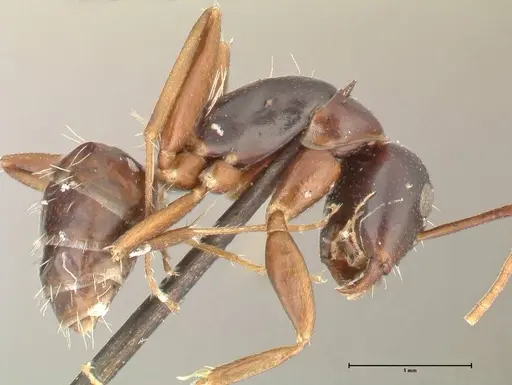
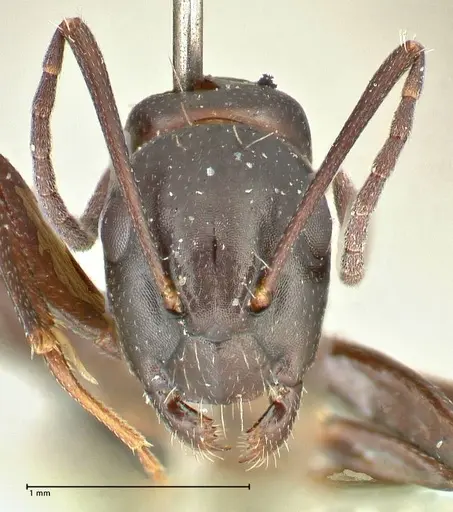
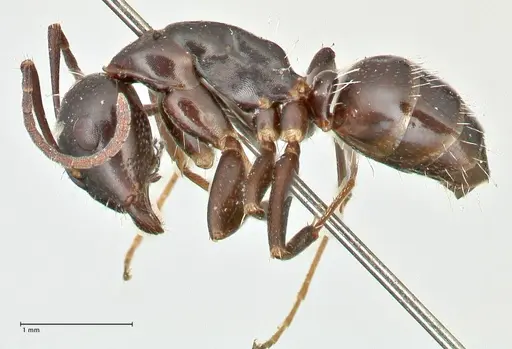
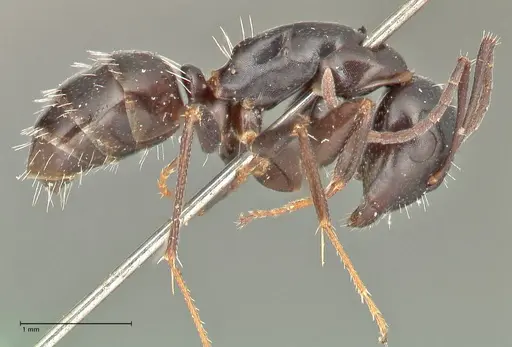
Camponotus werthi is a medium-sized carpenter ant native to South Africa. Workers are polymorphic, meaning they come in different sizes - major workers are larger with well-developed heads, while minor workers are smaller. This species belongs to the Formicinae subfamily and the Camponotini tribe. The species has an unusual history: it was originally described from specimens found in an explorer's house on the Kerguelen Islands, leading researchers to initially think it was native there. However, it was later confirmed that Kerguelen is far too isolated for native ants, and the species was actually introduced from South Africa via ship provisions in the early 1900s. The species was confirmed to be native to South Africa when a major worker was described from Caledon, South Africa in 1914 [AntWiki]. In their native South African habitat, they are found in both areas invaded by the invasive Argentine ant (Linepithema humile) and uninvaded sites, showing they can coexist with competitive ant species . The species is monogynous, meaning colonies typically have a single queen .
Quick Summary
- Difficulty: Medium
- Origin & Habitat: Native to South Africa. In the wild, they nest in wood and are found in various habitats across their native range. The Kerguelen Islands population resulted from accidental introduction via ship provisions in the early 1900s [1].
- Colony Type: Monogyne, colonies have a single queen [3]. Workers are strongly polymorphic with distinct major and minor castes [3].
- Size & Growth:
- Queen: size data unavailable, no direct measurements exist for this species
- Worker: size data unavailable, no direct measurements exist for this species
- Colony: colony size data unavailable for this species
- Growth: growth rate data unavailable for this species
- Development: development time unconfirmed for this species (Specific development timeline is not documented in available literature.)
- Antkeeping:
- Temperature: Keep nest area at 22-26°C. A heating cable on one side creates a gentle gradient. They can tolerate slightly cooler temperatures but grow best in warm conditions.
- Humidity: Keep nest substrate moderately moist. Carpenter ants prefer slightly drier conditions than many tropical species, aim for 50-60% humidity in the nest area with a water tube for drinking water.
- Diapause: winter diapause requirements unconfirmed for this species, South African ants may experience mild winter rest
- Nesting: They are carpenter ants that nest in wood. In captivity, they do well in Y-tong (AAC) nests, wooden formicaria, or plaster nests with wooden elements.
- Behavior: Typical carpenter ant behavior, workers are moderately aggressive when defending the nest but not particularly territorial. They are generalist foragers that search for honeydew, insects, and sugar sources. Escape risk is moderate, use standard barrier methods. This species belongs to the Formicinae subfamily, which lack a functional sting. Instead, they bite and spray formic acid from their acidopore into the wound.
- Common Issues: colonies may stall if temperatures drop too low during development, wood nests can dry out, monitor humidity carefully, major workers take longer to develop than minors, don't panic if only small workers appear initially, wild-caught colonies may carry parasites that can devastate captive colonies, overfeeding can lead to mold in nests, remove uneaten food promptly
Housing and Nest Setup
Camponotus werthi does well in carpenter-ant-appropriate housing. Y-tong (AAC) nests work excellently, these provide the dark, secure environment they prefer. You can also use wooden formicaria or plaster nests with wooden inserts. The key is providing nest chambers connected to a foraging area. Because they are carpenter ants, they may chew through soft materials like cotton, so use test tube water reservoirs with secure plugs. The foraging area should be large enough for workers to move around and for you to place food. Use a thin barrier of fluon around the edges of the outworld to prevent escapes.
Feeding and Diet
Like most Camponotus species, C. werthi is a generalist. Offer sugar water or honey as a constant energy source, they will readily take these. For protein, provide insects like mealworms, small crickets, or other small arthropods. Feed protein roughly twice per week, adjusting based on colony size and brood development. Remove uneaten prey within 24-48 hours to prevent mold. They also consume honeydew in the wild, so sugar sources are important for colony health. Fresh water should always be available.
Temperature and Seasonal Care
Maintain nest temperatures between 22-26°C for optimal brood development. A heating cable placed on top of the nest (never underneath where it can dry out the substrate) creates a gentle thermal gradient. During winter months, reduce temperatures to 15-18°C for 2-3 months to simulate their natural seasonal cycle. This winter rest period helps trigger proper reproductive behavior the following spring. Do not cool them suddenly, reduce temperature gradually over 1-2 weeks. Some keepers in warm climates can skip formal hibernation, but growth may be slower.
Colony Development and Growth
C. werthi colonies grow moderately fast once established. The queen lays eggs which develop through larval and pupal stages before emerging as first-generation minor workers (nanitics). These initial workers are smaller but will begin foraging to support the colony. As the colony grows, major workers will begin appearing, these develop from larvae that receive more food and take longer to mature. The colony will gradually transition from having only minor workers to having a mix of both castes. A mature colony can contain several thousand workers. Be patient, Camponotus colonies can take several years to reach their full potential. [3]
Behavior and Temperament
This species shows typical carpenter ant temperament, they are not overly aggressive but will defend their nest if threatened. Workers are active foragers and will search the outworld for food. The polymorphic worker caste is interesting to observe: minor workers handle most foraging and brood care, while major workers defend the nest and process larger food items. They communicate using chemical signals and can recruit nestmates to food sources. This species belongs to the Formicinae subfamily, which lack a functional sting. Instead, they bite and spray formic acid from their acidopore into the wound, this is their primary defense mechanism. Escape prevention should be moderate, they are not particularly small but can squeeze through small gaps.
Frequently Asked Questions
How long does it take for Camponotus werthi to produce first workers?
Development time is unconfirmed for this species. Expect first workers (nanitics) to emerge in 6-8 weeks after the queen lays eggs, assuming optimal temperatures around 24-26°C, this is typical for Camponotus species. The queen will remain in her sealed chamber until the first workers emerge.
What do Camponotus werthi ants eat?
They are generalist feeders. Offer sugar water or honey constantly for energy, and protein sources like mealworms, small crickets, or other insects twice per week. They will also drink water.
Can I keep multiple Camponotus werthi queens together?
No. This species is monogyne, colonies have a single queen. Combining unrelated queens is not recommended and typically results in fighting.
What temperature is best for Camponotus werthi?
Keep the nest at 22-26°C. A heating cable on top of the nest creates a gentle gradient. They can tolerate 20-28°C but grow best in the middle of this range.
Do Camponotus werthi need hibernation?
Winter diapause requirements are unconfirmed for this species. Some South African ants experience mild winter rest, you may reduce temperatures to 15-18°C for 2-3 months during winter if desired.
What size nest do I need for Camponotus werthi?
Start with a small setup (test tube setup or small Y-tong) for a founding colony. As the colony grows to 50+ workers, upgrade to a larger nest. A mature colony needs significant space.
Are Camponotus werthi good for beginners?
They are intermediate difficulty. The founding phase requires patience, but once established, they are relatively hardy. Their moderate growth rate and generalist diet make them manageable for keepers with some experience.
Why are my Camponotus werthi workers different sizes?
This species is polymorphic, colonies produce both minor (small) and major (large) workers. Minor workers handle most tasks outside the nest, while major workers defend the nest and process food. This is normal and indicates a healthy, growing colony.
When should I move my colony to a formicarium?
Move to a formicarium once the colony reaches 30-50 workers and outgrows the test tube setup. Ensure the new nest has appropriately sized chambers, too large a space can stress the colony.
Report an Issue
The current care sheet is based fully on literature. See inconsistencies, or something that's incorrect? Please , it will be resolved after review from an admin. Contributing to the blogs tab also helps providing information, to make us be able to further improve the caresheets. Thank you for your support!
References

This caresheet is licensed under CC BY-SA 4.0 .
Community Blogs
CASENT0903522
View on AntWeb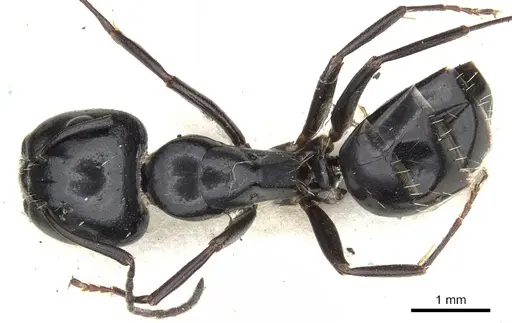
CASENT0906918
View on AntWeb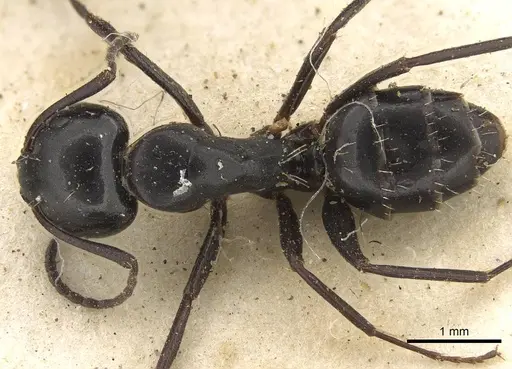
CASENT0906919
View on AntWeb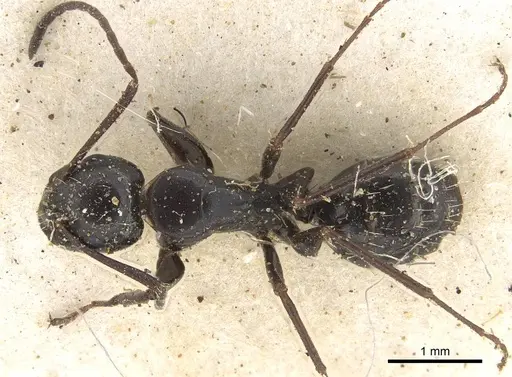
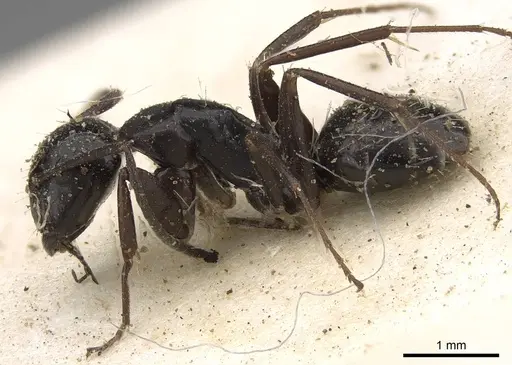
CASENT0910315
View on AntWeb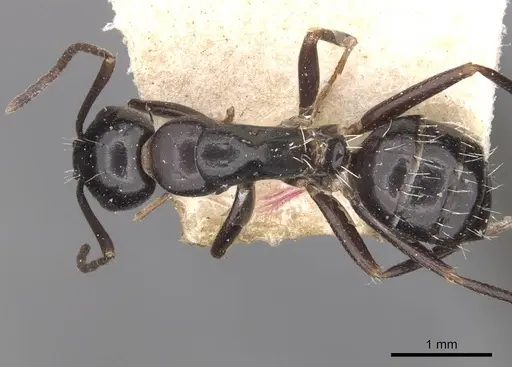
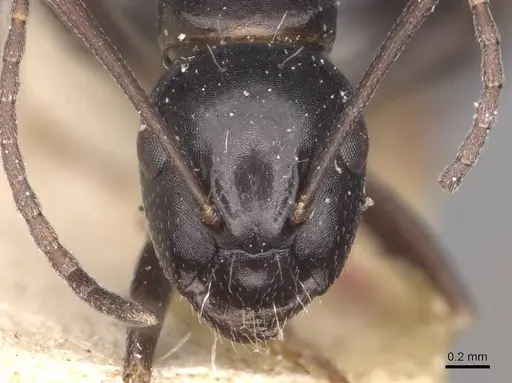
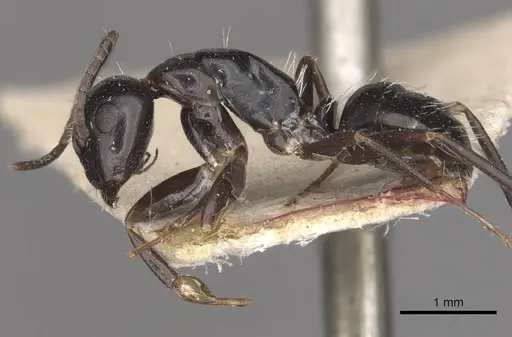
FOCOL2302
View on AntWeb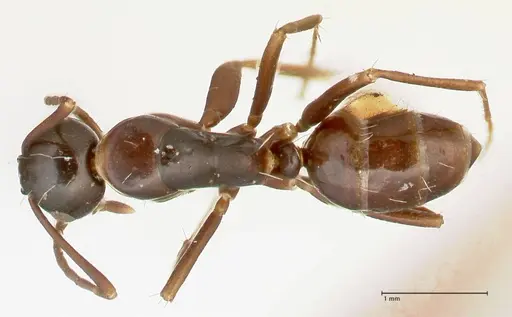
FOCOL2303
View on AntWeb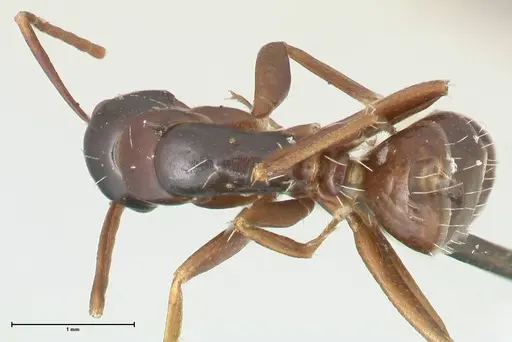
FOCOL2452
View on AntWeb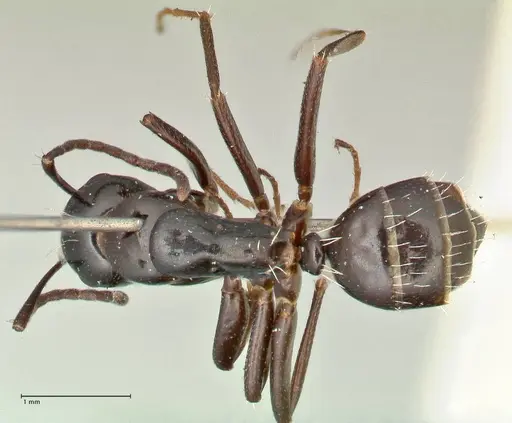
Literature
Loading distribution map...Loading products...