
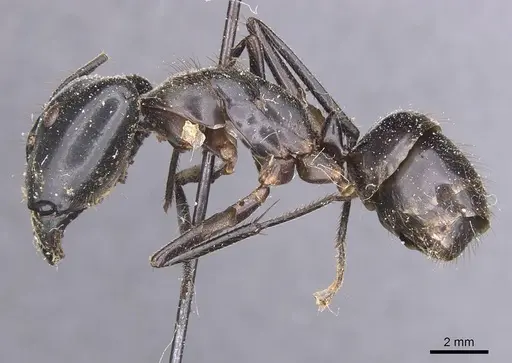
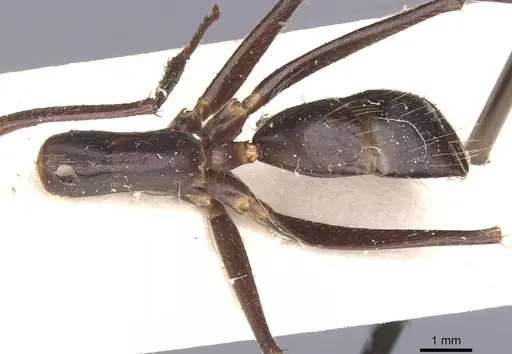
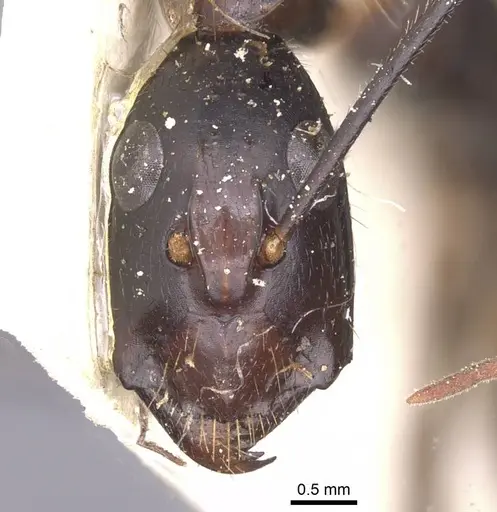
Camponotus wellmani
- Sci. Name
- Camponotus wellmani
- Subgenus
- Tanaemyrmex
- Tribe
- Camponotini
- Subfamily
- Formicinae
- Author
- Forel, 1909
- Distribution
- Found in 3 countries
Introduction
Camponotus wellmani is a carpenter ant species documented in the Democratic Republic of Congo, with records from multiple provinces including HK, HU, NK, TA, and TO . This species was documented in early 20th-century collections by researchers like Forel and Wheeler . In its natural habitat in central Africa, this ant serves as prey for various amphibians including toads (Bufo funereus, Bufo superciliaris) and frogs (Rana occipitalis) . As a Camponotus species, workers are polymorphic with major workers larger than minor workers.
Quick Summary
- Difficulty: Medium
- Origin & Habitat: Democratic Republic of Congo, central Africa. Found in tropical forest habitats across multiple provinces (HK, HU, NK, TA, TO) in central and eastern DRC [1].
- Colony Type: Colony structure is unconfirmed for this species. Based on typical Camponotus patterns, colonies are likely single-queen (monogyne).
- Size & Growth:
- Queen: Size data unavailable for this species, inferred from typical Camponotus queen size range (~15-20mm)
- Worker: Size data unavailable for this species, workers are polymorphic with major and minor castes, typical of Camponotus genus
- Colony: Colony size data unavailable for this species, inferred from typical Camponotus patterns (several thousand workers)
- Growth: Growth rate is unconfirmed for this species
- Development: Development time is unconfirmed for this species. Based on typical Camponotus patterns, first workers may emerge in 6-8 weeks at optimal temperature. (Development time is temperature-dependent, warmer conditions within safe range accelerate development)
- Antkeeping:
- Temperature: Temperature requirements are unconfirmed for this species. Based on its geographic origin in tropical central Africa, likely prefers warm conditions in the range of 24-28°C.
- Humidity: Humidity requirements are unconfirmed for this species. Based on typical Camponotus preferences, maintain moderate to high humidity.
- Diapause: Diapause requirements are unconfirmed. Based on geographic origin in tropical DRC with minimal seasonal variation, likely does not require hibernation.
- Nesting: Nesting preferences are unconfirmed for this species. Based on typical Camponotus genus patterns, likely nests in rotting wood or under stones. In captivity, Y-tong nests, plaster nests, or naturalistic setups with rotting wood are suitable.
- Behavior: Behavior is unconfirmed for this species. Based on typical Camponotus patterns, workers are active foragers, both day and night. They are not particularly aggressive but will defend the nest if threatened. Workers are polymorphic with distinct major and minor castes. Escape risk is moderate due to their size, standard barriers work well but ensure lids are secure.
- Common Issues: colonies may stagnate if temperatures drop below optimal range, overfeeding can lead to mold problems in nest areas, wild-caught colonies may have parasites that were not apparent at collection, queen mortality during founding is common, ensure she has a quiet, dark location, larger colonies need expanding nesting space or they may attempt to escape
Housing and Nest Setup
Camponotus wellmani can be kept in several nest types. Y-tong (acrylic) nests work well, they allow observation while providing appropriate darkness for the queen and brood. Plaster nests are another good option as they hold humidity well. For a founding queen, use a simple test tube setup with a water reservoir and cotton plug. The tube should be dark on the outside (wrap with foil or use a dark background) to reduce stress. Once the colony reaches 20-30 workers, consider moving to a larger formicarium. Ensure connecting tubes between outworld and nest are wide enough for major workers to pass through.
Feeding and Diet
Like most Camponotus species, these ants are omnivorous. Provide a constant sugar source, honey water, sugar water, or commercial ant nectar. For protein, offer insects such as mealworms, crickets, or other small arthropods. Feed protein 2-3 times per week for growing colonies. Remove uneaten prey after 24-48 hours to prevent mold. Larger colonies can handle bigger prey items. Always ensure fresh water is available.
Temperature and Seasonal Care
Temperature requirements are unconfirmed for this specific species. Based on its origin in tropical central Africa, likely prefers warm conditions. Maintain temperatures between 24-28°C for optimal brood development if the colony is active. A small heating cable or mat on one side of the nest creates a temperature gradient allowing the colony to self-regulate. Place heating on top of the nest, not underneath, to avoid evaporating moisture too quickly. Since DRC has minimal seasonal temperature variation, these ants likely do not require a hibernation period. Avoid temperatures above 32°C as this can stress the colony.
Colony Growth and Development
Camponotus colonies grow progressively, the queen lays eggs, which develop through larval and pupal stages before emerging as workers. The first workers (nanitics) are typically smaller but help with foraging and caring for subsequent brood. Growth rate depends heavily on temperature and feeding. Development time is unconfirmed for this species. Based on typical Camponotus patterns, first workers may appear within 6-8 weeks under good conditions. Major workers (the larger polymorphic caste) typically appear once the colony reaches several hundred workers.
Behavior and Temperament
Behavior is unconfirmed for this specific species. Based on typical Camponotus patterns, they are not particularly aggressive but will defend their nest if disturbed. Workers are active foragers, searching for both sugar sources and protein. Major workers serve as defenders and can help process larger prey items. These ants may be nocturnal or crepuscular in activity patterns, though they will forage during the day if food is available. They do not possess a painful sting, but workers may bite if threatened. Standard escape prevention measures work well, their size makes them less likely to escape through small gaps compared to tiny ants, but ensure lids are secure.
Frequently Asked Questions
How long does it take for Camponotus wellmani to have first workers?
Development time is unconfirmed for this species. Based on typical Camponotus patterns, expect first workers (nanitics) in approximately 6-8 weeks at optimal temperature (24-28°C). Cooler temperatures will slow development significantly.
What temperature do Camponotus wellmani ants need?
Temperature requirements are unconfirmed for this specific species. Based on its geographic origin in tropical central Africa, likely prefers warm conditions in the range of 24-28°C. A temperature gradient allowing self-regulation is ideal. Avoid temperatures below 22°C or above 32°C.
Can I keep multiple Camponotus wellmani queens together?
This is not recommended. Colony structure is unconfirmed for this species, but Camponotus species are typically single-queen (monogyne) colonies. Combining unrelated queens usually results in fighting. If you capture a founding queen, house her alone until she establishes her colony.
What do Camponotus wellmani ants eat?
They are omnivorous. Provide constant sugar (honey water or sugar water) and regular protein feedings (mealworms, crickets, or other small insects). Feed protein 2-3 times per week. Remove uneaten prey after 24-48 hours.
Do Camponotus wellmani ants need hibernation?
Diapause requirements are unconfirmed. Based on geographic origin in tropical DRC with minimal seasonal temperature changes, likely does not require hibernation. Keep them at warm temperatures year-round.
How big do Camponotus wellmani colonies get?
Colony size data is unavailable for this species. Based on typical Camponotus patterns, colonies can reach several thousand workers. Major workers (larger polymorphic caste) typically appear once the colony matures beyond several hundred workers.
Are Camponotus wellmani good for beginners?
This species is rated as medium difficulty. They are more forgiving than some exotic species but require warm temperatures and proper feeding. If you have experience with other Camponotus species, this is a suitable choice.
When should I move Camponotus wellmani to a formicarium?
Move from test tube to formicarium once the colony reaches 20-30 workers. Ensure the formicarium has appropriately sized chambers and connecting tubes. A Y-tong or plaster nest works well for this species.
Why is my Camponotus wellmani colony not growing?
Common causes include: temperatures below optimal (below 24°C), insufficient feeding (both sugar and protein), too much disturbance or light exposure, or queen death. Check temperature, ensure consistent feeding, and minimize disturbances to the founding chamber.
Report an Issue
The current care sheet is based fully on literature. See inconsistencies, or something that's incorrect? Please , it will be resolved after review from an admin. Contributing to the blogs tab also helps providing information, to make us be able to further improve the caresheets. Thank you for your support!
References

This caresheet is licensed under CC BY-SA 4.0 .
Community Blogs
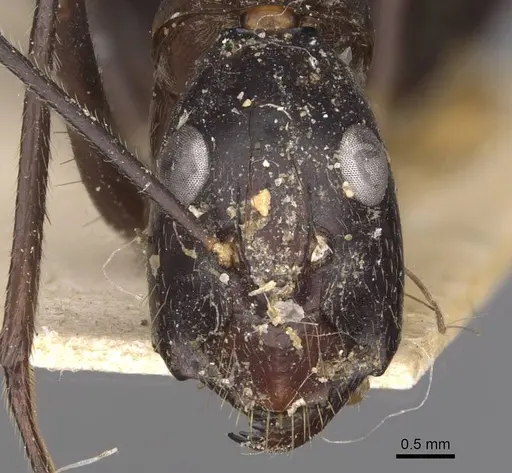
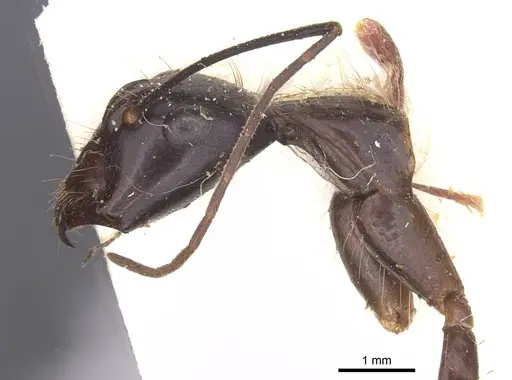
CASENT0910079
View on AntWeb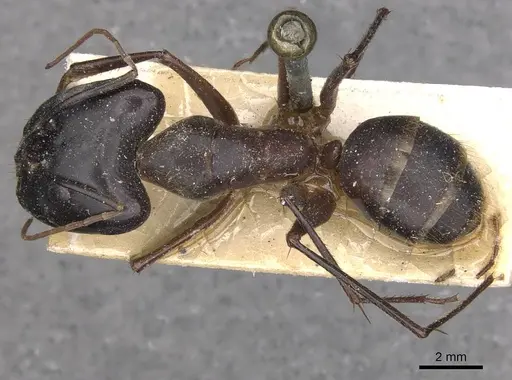
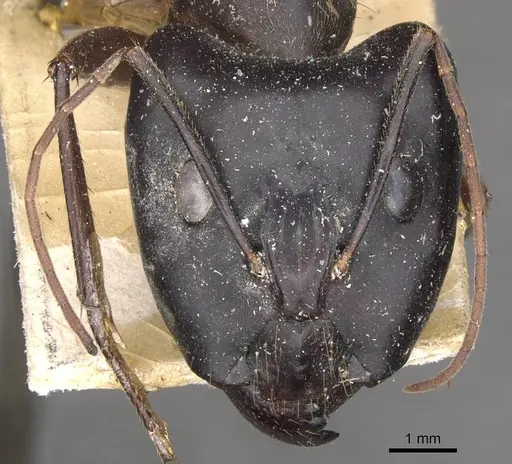
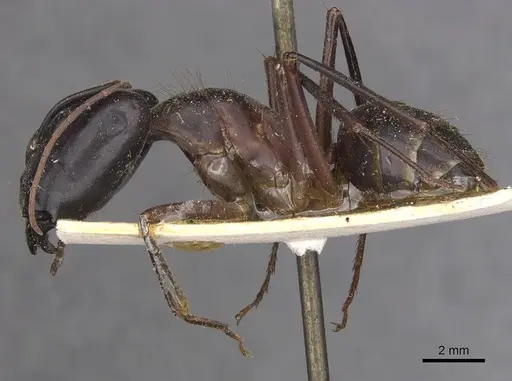
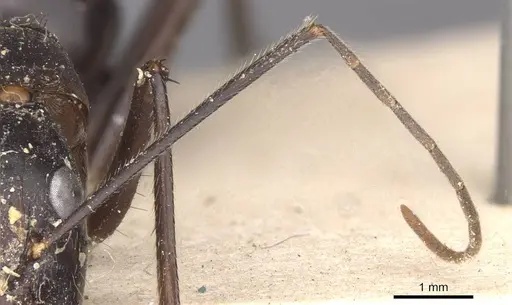
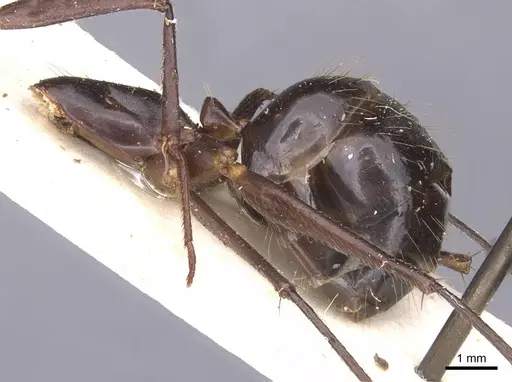
CASENT0910080
View on AntWeb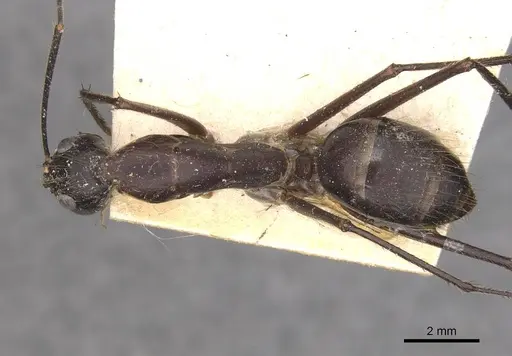
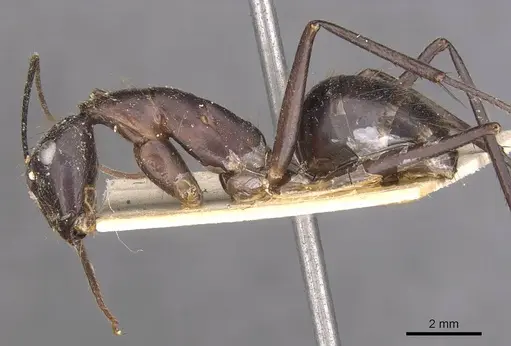
CASENT0910081
View on AntWeb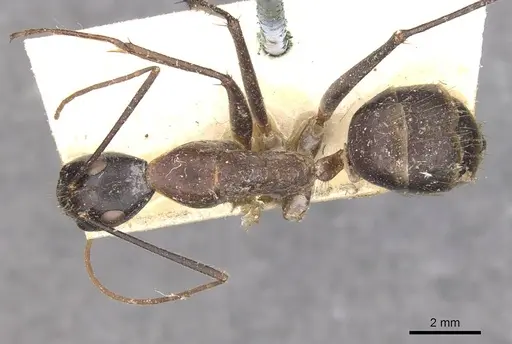
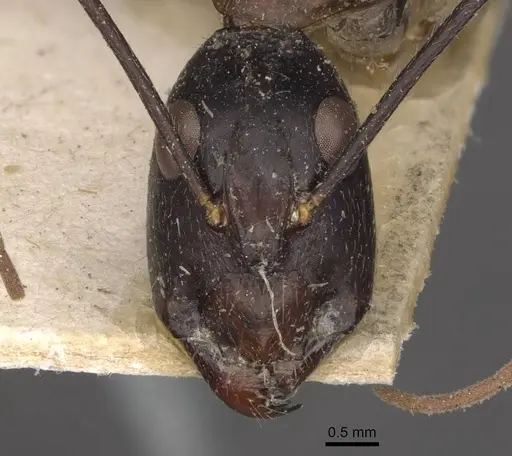
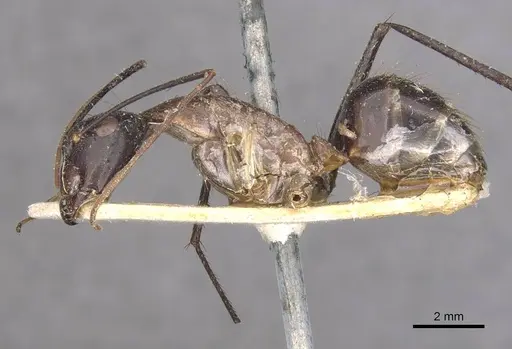
CASENT0912079
View on AntWeb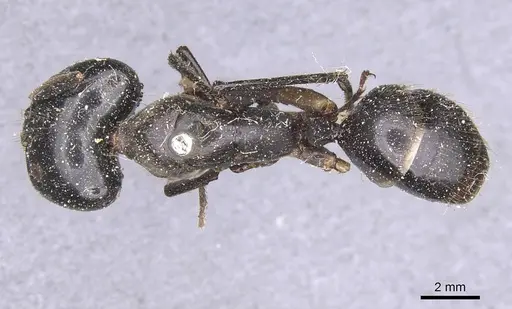
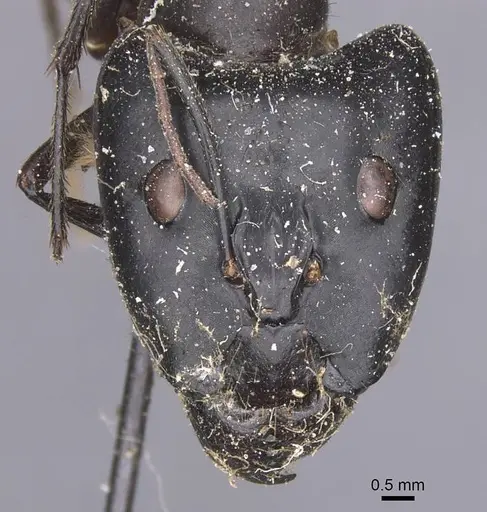
CASENT0912080
View on AntWeb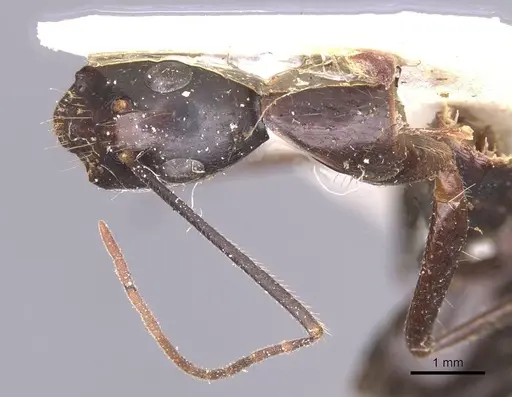
Literature
Loading distribution map...Loading products...